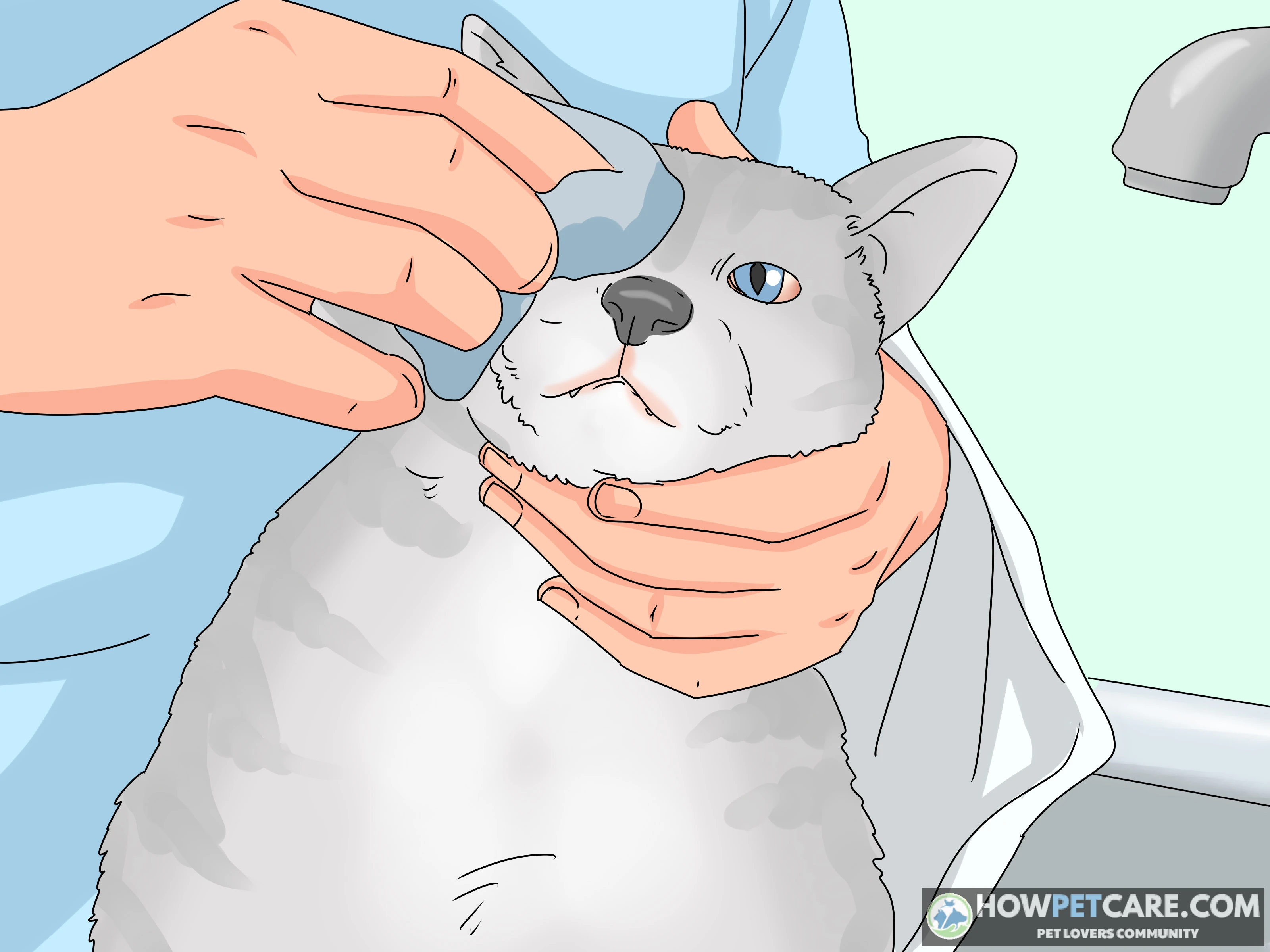

Feline herpes (FHV-1) is a common, lifelong viral infection causing sneezing, nasal discharge, conjunctivitis, and corneal ulcers in cats. While incurable, flare-ups are managed using oral antivirals like famciclovir, topical cidofovir eye drops, supportive home steam therapy, and environmental stress reduction.
Feline herpes is one of the most common causes of upper respiratory infections and painful eye disease in cats worldwide. Caused by Feline Herpesvirus Type 1 (FHV-1)—often called feline viral rhinotracheitis—the pathogen produces bouts of sneezing, nasal discharge, conjunctivitis, and corneal ulceration. Watching a cat struggle with crusty eyes, noisy breathing, or sudden lethargy can be unsettling. Even so, an FHV-1 diagnosis is neither fatal nor unmanageable.
The virus does establish a permanent home within the feline nervous system. Understanding how it operates helps you control flare-ups, safeguard your cat’s eyesight, and protect other pets in the home from active viral shedding.
Feline Herpes Symptoms: When to Call a Veterinarian Now
Learning to tell a mild, self-limiting respiratory bug apart from a sight-threatening eye issue is an essential skill. While FHV-1 frequently mimics a routine upper respiratory infection, its tendency to replicate inside epithelial tissues means the eyes often suffer the most damage.
Urgent eye and breathing warning signs
Certain signs require immediate, same-day veterinary attention. Avoid a "wait-and-see" approach if your cat shows any of the following clinical red flags:
- A closed, clamped, or persistently squinting eye (blepharospasm): Severe squinting signals sharp ocular pain, which often points to a developing corneal ulcer.
- Corneal cloudiness or color changes: A bluish, milky, or gray haze across the clear surface of the eye suggests corneal edema, deep stromal ulceration, or secondary bacterial keratitis.
- Copious green or yellow discharge: Clear, watery fluid is normal during early viral shedding, but thick, discolored discharge means secondary bacteria such as Staphylococcus or Streptococcus have invaded the damaged tissues.
- Dyspnea or open-mouth breathing: Cats are obligate nasal breathers. Heavy abdominal effort, a rattling chest, or open-mouth panting indicates that severe nasal congestion or lower airway inflammation is restricting oxygen intake.
- Systemic collapse or prolonged anorexia: An adult cat that stops eating for more than 24 to 48 hours faces a high risk of hepatic lipidosis (fatty liver disease). In kittens, missing even two consecutive meals can trigger life-threatening hypoglycemia and dehydration, requiring the same vigilance as cases of fading kitten syndrome.

Respiratory signs versus ocular feline herpes
FHV-1 primarily targets two areas: the respiratory tract and the ocular structures.
In standard respiratory cases, cats develop sneezing fits, fever, watery nasal discharge, and lethargy. The virus replicates along the mucous membranes of the nasal passages, nasopharynx, and trachea. This triggers localized inflammation that strips away protective cilia, leaving tissues raw and vulnerable.
Ocular feline herpes centers directly on the surface of the eye and surrounding tissues. Here, the virus attacks conjunctival and corneal epithelial cells. Early disease presents as conjunctivitis, featuring hyperemic (bright red) tissues, chemosis (swelling of the conjunctiva), and watery discharge. As replicating virus lyses epithelial cells, micro-erosions form across the cornea. Left untreated, these erosions coalesce into classic dendritic ulcers, which can worsen into broad geographic ulcers, stromal keratitis, or permanent scarring.

Never administer leftover eye drops containing corticosteroids (such as dexamethasone, prednisolone, or hydrocortisone) to a cat with squinting, redness, or eye discharge. Applying topical steroids to an active FHV-1 infection shuts down local corneal immunity, accelerating viral replication and turning a superficial viral ulcer into a full-thickness corneal perforation within 24 to 48 hours.
Can Feline Herpes Be Cured? Latency, Flare-Ups, and Prognosis
Learning that feline herpesvirus cannot be cured is understandably frustrating. Once infected, almost all cats carry the virus for life. A lifelong infection, however, does not mean constant illness. Understanding latency helps put your cat’s long-term care into perspective.
After the initial infection clears, the virus travels up sensory nerve axons and enters a dormant state inside the trigeminal ganglia—nerve clusters located deep inside the skull. In this latent state, viral DNA stays quiet within host neurons without replicating, causing no clinical signs and shedding no infectious particles. The cat looks and feels healthy.
What triggers feline herpes flare ups?
Reactivation happens when physical or emotional stress suppresses the cat’s immune defenses. This lets the virus migrate back down nerve pathways to the eyes, nose, and throat to resume replication. Common triggers include:
- Environmental changes: Moving to a new home, home remodeling projects, loud noises, or unfamiliar visitors.
- Social dynamics: Introducing a new pet or baby, as well as territorial friction and resource competition in multi-cat homes.
- Routine disruptions: Boarding stays, veterinary hospitalizations, or extended absences by the owner.
- Physiological stress: Concurrent health issues (like dental disease, chronic kidney disease, or underlying endocrine disorders such as hyperthyroidism in cats), surgery, or general anesthesia.
- Immunosuppression: Treatment with systemic corticosteroids or immunosuppressive drugs, which readily prompts viral reactivation.

How long does a feline herpes outbreak last?
After initial exposure, the incubation period takes 2 to 5 days. An acute primary outbreak typically lasts 10 to 20 days in healthy adult cats. Recurrent flare-ups are usually briefer, resolving within 7 to 14 days with good supportive care, provided corneal ulcers or bacterial infections do not develop.
During an active flare-up, cats shed infectious virus in ocular, nasal, and oral secretions for up to three weeks after symptoms emerge. Subclinical reactivation can also occur, meaning a cat sheds low levels of the virus without showing obvious sneezing or discharge.
FHV-1 does not shorten a cat’s normal lifespan when properly managed. It also poses no threat to humans or dogs. The virus is strictly species-specific; it cannot cross into people and shares no biological link to human genital herpes.
FHV-1 vs. Calicivirus vs. Chlamydia: How Veterinarians Tell Them Apart
Feline upper respiratory disease complex (FURDC) involves several potential culprits. Three pathogens drive most cases: Feline Herpesvirus Type 1 (FHV-1), Feline Calicivirus (FCV), and Chlamydia felis. Because their early symptoms look similar, clinical differentiation is necessary to pick the right treatment.
Hallmark signs that change the likely diagnosis
Veterinarians look for distinct physical clues to tell these infections apart before diagnostic panels return:
- Corneal involvement: True corneal ulceration—especially linear or branching dendritic erosions—is pathognomonic for FHV-1. Neither FCV nor Chlamydia felis causes corneal ulcers directly.
- Oral ulceration: Painful erosions across the tongue, hard palate, gums, or nose are the hallmark of calicivirus. Cats with FCV often drool heavily (ptyalism) and refuse food because of intense oral pain, even while their eyes remain completely clear.
- Joint inflammation: Certain strains of FCV cause "limping kitten syndrome," characterized by shifting-leg lameness, joint effusion, and a high fever without respiratory signs.
- Unilateral to bilateral conjunctivitis: Chlamydia felis is an obligate intracellular bacterium targeting conjunctival tissue. It characteristically starts in one eye, causing marked chemosis where swollen pink tissue bulges past the eyelids, and moves to the second eye 2 to 7 days later. Severe sneezing is rare.

| Clinical Feature | Feline Herpesvirus (FHV-1) | Feline Calicivirus (FCV) | Chlamydia felis |
|---|---|---|---|
| Corneal Ulceration | Pathognomonic (hallmark): Dendritic (branching) erosions visible on fluorescein stain; can progress to deep geographic ulcers. | Extremely rare; cornea generally spared. | Absent; infection is restricted to the conjunctival epithelium. |
| Oral Cavity Lesions | Rare (<5% of uncomplicated flare-ups); mild stomatitis only. | Hallmark (up to 70%): Vesicles and painful ulcers on tongue margin, hard palate, and philtrum; marked ptyalism (drooling). | Absent. |
| Conjunctival Disease | Moderate to severe chemosis, hyperemic conjunctiva, serous progression to mucopurulent discharge. | Mild to moderate; conjunctivitis is typically secondary to oral/respiratory pathology. | Severe & primary: Marked chemosis, blepharospasm, begins unilateral then becomes bilateral within 2–7 days. |
| Nasal Signs | Profuse paroxysmal sneezing; heavy serous to mucopurulent rhinitis. | Mild to moderate sneezing; nasal discharge typically serous and transient. | Absent or limited to very mild, transient serous nasal discharge early in infection. |
| Musculoskeletal Signs | Absent (lethargy and fever secondary to viremia, not arthropathy). | "Limping kitten syndrome": Acute, transient shifting-leg lameness and febrile joint effusion. | Absent. |
| Diagnostic Confirmation | Quantitative conjunctival/corneal swab PCR (interpret cautiously in latency); pathognomonic dendritic lesions under fluorescein. | Oropharyngeal swab PCR; viral isolation. | Conjunctival scraping showing intracytoplasmic inclusion bodies (Giemsa stain); specialized conjunctival swab PCR. |
Why PCR testing can be useful but not definitive
Polymerase Chain Reaction (PCR) panels for feline respiratory pathogens are sensitive and widely used. Even so, results must be weighed against clinical signs.
Between 80% and 90% of domestic cats harbor latent FHV-1 in their nervous tissue. Sensitive PCR tests readily detect tiny traces of this dormant, non-replicating DNA. Recent vaccination with modified-live intranasal or injectable vaccines can also trigger a false positive.
A positive FHV-1 PCR test confirms that viral DNA is present, but it does not prove active herpesvirus replication is causing the current symptoms. Veterinarians combine physical exam findings, fluorescein staining, and the patient’s history to reach a firm diagnosis.
L-Lysine for Feline Herpesvirus: Why Veterinary Advice Has Changed
For roughly twenty years, supplementing the amino acid L-lysine was standard home advice for feline herpes. Today, veterinary research and updated guidelines discourage routine use.
The evidence behind the L-lysine debate
The original logic for L-lysine came from in vitro laboratory studies. FHV-1 requires the amino acid L-arginine to produce proteins and replicate. Scientists thought high levels of L-lysine would outcompete arginine, starving the virus of materials and halting its spread.
Clinical trials in live cats told a very different story:
- Lack of Clinical Efficacy: Systematic reviews and prospective trials (including Bol & Bunnik, 2015, and Drazenovich et al., 2009) evaluated L-lysine against placebos. The results showed that L-lysine failed to reduce viral shedding, shorten illness duration, or lower symptom severity.
- The Arginine Deficiency Hazard: Cats are obligate carnivores with unique metabolic pathways that cannot synthesize arginine. They rely on it for the hepatic urea cycle. Lowering blood arginine levels risks hyperammonemia, liver issues, and loss of appetite. In several shelter trials, cats fed high-dose L-lysine actually had increased viral shedding and worse flare-ups than untreated cats.
Both the American Association of Feline Practitioners (AAFP) and the European Advisory Board on Cat Diseases (ABCD) recommend against routine L-lysine supplementation for FHV-1.
Better prevention priorities than supplement shopping
Rather than buying unproven L-lysine products, focus on management steps supported by solid data:
- Environmental Stress Reduction: Keep daily routines predictable, provide high perches, offer sturdy scratching posts, and use synthetic pheromone diffusers (such as Feliway Classic) during schedule changes.
- Preventive Anti-Stress Supplementation: Ask your vet about evidence-backed calming supplements, like alpha-casozepine or L-theanine, to help keep stress levels down before veterinary visits or travel.
- Routine Core Vaccination: Keep modified-live FVRCP vaccines up to date. While vaccination cannot prevent infection or clear latency, it raises protective antibodies and noticeably softens symptoms during outbreaks.

Veterinary Diagnosis for Feline Herpes Eye Disease
When a cat presents with ocular discomfort, a methodical ophthalmic exam determines how severely the cornea and internal structures are affected.
[Ophthalmic Exam]
       │
       ├─► Schirmer Tear Test (assess secondary dry eye)
       ├─► Fluorescein Staining (evaluate corneal integrity)
       │        ├─► Linear/Branching Uptake ──► Dendritic Ulcer (FHV-1 Hallmark)
       │        └─► Broad Sheet Uptake      ──► Geographic/Deep Stromal Ulcer
       └─► Tonometry (measure IOP to rule out secondary uveitis)
Fluorescein staining and dendritic ulcers
The workup usually starts with a Schirmer Tear Test to measure baseline tear volume. Chronic herpesvirus infections often inflame the lacrimal glands, producing secondary keratoconjunctivitis sicca (dry eye).
The veterinarian then applies fluorescein stain, an orange dye that glows bright green under cobalt blue light. A healthy corneal surface is lipid-rich and sheds the dye. When viral replication breaks open epithelial cells, the underlying water-absorbent stroma soaks it up.
Early FHV-1 keratitis produces fine, branching, linear erosions known as dendritic ulcers. These shapes occur only with herpesvirus infections. Without treatment, neighboring dendritic lesions merge into wider "geographic" ulcers that eat deeper into the corneal stroma.
Distinguishing viral ulcers from secondary bacterial keratitis requires evaluating corneal clarity and ulcer margins. Bacterial infections typically show stromal "melting" (enzymatic breakdown of tissue), milky infiltrates, and anterior uveitis. In severe or unresponsive cases, corneal cytology and bacterial cultures help identify secondary invaders.
When a veterinary ophthalmologist is needed
Primary care veterinarians handle most straightforward FHV-1 cases. Request a referral to a board-certified veterinary ophthalmologist (DACVO) if your cat develops:
- Deep stromal or "melting" ulcers: These can perforate the eye without aggressive intervention.
- Corneal sequestrum: An amber, brown, or black plaque of dead tissue in the corneal stroma, seen frequently in chronic FHV-1 cases (especially in Persian and Himalayan cats).
- Eosinophilic keratitis: Raised, pinkish-white plaques across the cornea caused by an abnormal immune response to the virus.
- Unrelieved pain or non-healing ulcers: Any eye lesion showing no improvement after 7 to 10 days of targeted antiviral therapy.

| Intervention or Pathogen | Category | Primary Indications or Features | Key Administration or Safety Notes | Estimated Cost Tier |
|---|---|---|---|---|
| Feline Herpesvirus Type 1 (FHV-1) | Pathogen | Pathognomonic dendritic (branching) corneal ulceration; moderate to severe chemosis and hyperemic conjunctiva; profuse paroxysmal sneezing; heavy serous to mucopurulent rhinitis. Causes lifelong latent infection in trigeminal ganglia. | Strictly species-specific (does not infect humans or dogs). Reclassifies into dormant state; flare-ups triggered by physical or emotional stress. | Not in source |
| Feline Calicivirus (FCV) | Pathogen | Hallmark painful vesicles and ulcers on tongue margin, hard palate, and philtrum (up to 70%); marked ptyalism (drooling); mild/transient nasal discharge; limping kitten syndrome (acute transient shifting-leg lameness and febrile joint effusion). Cornea generally spared. | Non-enveloped virus that survives on dry surfaces for days and resists weak disinfectants. | Not in source |
| Chlamydia felis | Pathogen | Obligate intracellular bacterium. Severe, primary conjunctival disease with marked chemosis and blepharospasm; characteristically begins unilateral then becomes bilateral within 2–7 days. Nasal/oral signs and corneal ulcers absent. | Requires specific antimicrobial therapy; diagnosed via conjunctival scrapings or PCR swab. | Not in source |
| General Veterinary Exam & Fluorescein Stain | Diagnostic Procedure | First presentation of eye squinting, cloudiness, or nasal discharge. Uses orange dye under cobalt blue light to detect dendritic or geographic corneal ulcers. | Non-invasive; essential baseline evaluation before starting any eye drops. | Low ($75 – $175) |
| Comprehensive Respiratory PCR Panel | Diagnostic Procedure | Used for diagnostic uncertainty, outbreak tracking, or evaluating multiple affected cats. | Swabs collected from conjunctiva and pharynx. False positives possible due to latent viral DNA or recent modified-live vaccination. | Moderate ($150 – $300) |
| Veterinary Ophthalmologist (DACVO) Consult & Advanced Care | Diagnostic Procedure / Treatment | Indicated for deep melting ulcers, corneal sequestra, eosinophilic keratitis, or unresolving ocular pain. | Involves comprehensive slit-lamp biomicroscopy, tonometry, and advanced surgical repair. | High ($250 – $450 consult; $1,500+ for surgery) |
| Oral Famciclovir Protocol | Treatment / Antiviral | Systemic antiviral for severe upper respiratory flares, active keratitis, or dendritic ulcers. | Requires weight-accurate dosing (typically 90 mg/kg every 8 to 12 hours for severe ocular disease); monitor liver and kidneys in geriatric cats. Treatment usually lasts 2 to 3 weeks. | Moderate ($60 – $150 per course) |
| Compounded Cidofovir 0.5% Eye Drops | Treatment / Antiviral | Topical antiviral solution for active corneal ulceration or persistent herpetic conjunctivitis. | Must be formulated by an accredited compounding pharmacy; applied twice daily (every 12 hours); keep refrigerated and strictly avoid cross-contamination. | Moderate ($70 – $120 per bottle) |
| Supportive Antibiotic Therapy (e.g., Doxycycline) | Treatment / Antibiotic | Prescribed for suspected secondary bacterial rhinitis, mucopurulent discharge, or concurrent infections (Mycoplasma, Bordetella, Chlamydia). | Must administer with a water flush (>6 mL) to prevent esophageal injury. | Low ($25 – $60) |
| L-Lysine Supplementation | Treatment / Supplement | Historically used for home management of feline herpesvirus. | Routine use discouraged by AAFP and ABCD. Clinical trials show lack of efficacy; risks arginine deficiency, hyperammonemia, and increased viral shedding. | Not in source |
| Controlled Steam Inhalation | Home Care Protocol | Eases congestion, hydrates dry nasal membranes, thins mucus, and improves breathing. | Keep cat in a steamy bathroom for 10–15 minutes, 2–3 times per day; keep cat outside the shower itself. | Not in source |
| Aseptic Eye and Nose Cleansing | Home Care Protocol | Clears away dried ocular and nasal secretions. | Wipe gently outward from the medial canthus using sterile gauze pads moistened with sterile 0.9% saline; use a fresh pad for each eye to prevent bacterial cross-contamination. | Not in source |
| Hard Surface Disinfection (1:32 Bleach Protocol) | Hygiene & Biosecurity | Inactivates enveloped (FHV-1) and non-enveloped (FCV) viruses on hard surfaces. | Mix 1/2 cup household bleach per 1 gallon cool water. Pre-clean organic debris before applying. Maintain 10 minutes wet contact time. Ventilate well; never mix with ammonia or acid cleaners. | Not in source |
| Litter Box & Plastic Dish Disinfection | Hygiene & Biosecurity | Sanitizes shared or isolation equipment in multi-cat households. | Scrub clean of organic debris, then soak in 1:32 bleach dilution for a minimum of 5 minutes. Ensure items are completely rinsed and free of chlorine odor before reuse. | Not in source |
| Soft Bedding & Towel Laundering | Hygiene & Biosecurity | Eliminates viral contamination from soft fabrics used during isolation. | Wash in hot water cycle (>140°F / 60°C) with standard laundry detergent; dry on high heat. Discard heavily soiled non-washable items. | Not in source |
| Hand Sanitization Protocol | Hygiene & Biosecurity | Prevents manual cross-contamination between isolated and healthy cats. | Wash up to mid-forearms with warm water and antibacterial hand soap for 20+ seconds after every isolation entry. Soap and water is superior to alcohol hand sanitizer. | Not in source |
Cat Herpes Treatment: Antivirals, Eye Drops, and Safe Medication Use
Managing feline herpes requires two parallel steps: suppressing viral replication during moderate-to-severe flare-ups and treating secondary bacterial infections. Supportive care alone rarely resolves active corneal disease.
Famciclovir and cidofovir: what owners should expect
The primary systemic antiviral in feline medicine is famciclovir, a prodrug of penciclovir. Famciclovir stops FHV-1 replication by inhibiting viral DNA polymerase without damaging feline cells.
Famciclovir dosing has changed over time. Older protocols relied on low doses (around 40 mg/kg twice daily), but current pharmacokinetic data shows that higher doses—typically 90 mg/kg every 8 to 12 hours for severe ocular disease—reach effective levels in tear film and speed recovery. Dosing is adjusted for kidney health, age, and disease severity. Treatment generally lasts 2 to 3 weeks, running for at least one full week past the total clearing of symptoms.
Topical antivirals deliver direct relief to the eye surface:
- Cidofovir (0.5% ophthalmic solution): Cidofovir maintains prolonged tissue levels in the feline cornea, allowing twice-daily dosing (every 12 hours). It requires formulation by an accredited veterinary compounding pharmacy.
- Idoxuridine and Trifluridine: Older topical options. Idoxuridine demands application 4 to 6 times daily, which proves difficult for most owners to sustain. Trifluridine causes noticeable stinging and irritation upon application; it has largely fallen out of clinical use in favor of cidofovir.

Medication safeguards and realistic treatment costs
Because FHV-1 damages delicate mucosal linings, secondary bacteria such as Mycoplasma, Bordetella, or Chlamydia readily take hold. Veterinarians often prescribe oral antibiotics, such as doxycycline, to clear these concurrent infections. While owners often seek an immediate cure for cat cold symptoms, managing viral upper respiratory disease relies on targeted antimicrobial support and proper nursing rather than a single magic bullet.
Oral doxycycline or clindamycin tablets and capsules pose a serious risk of drug-induced esophagitis. In cats, dry pills frequently lodge in the distal esophagus, releasing concentrated caustic compounds that burn the mucosal lining and cause life-threatening esophageal strictures. Never "dry-pill" your cat. Always follow solid tablets with a minimum of 6 mL of water via an oral syringe, or thoroughly encase the tablet in a moist Pill Pocket followed immediately by a wet food meal.
Veterinary expenses for a flare-up depend on diagnostic needs and whether specialist care is necessary. This breakdown outlines expected costs:
| Treatment or care | When it may be used | Key safety notes | Typical cost tier |
|---|---|---|---|
| General Veterinary Exam & Fluorescein Stain | First presentation of eye squinting, cloudiness, or nasal discharge. | Non-invasive; essential before starting any eye drops. | Low ($75 – $175) |
| Comprehensive Respiratory PCR Panel | Diagnostic uncertainty; multiple affected cats; outbreak tracking. | Swabs collected from conjunctiva and pharynx; false positives possible. | Moderate ($150 – $300) |
| Oral Famciclovir Protocol | Severe upper respiratory flares, active keratitis, or dendritic ulcers. | Requires weight-accurate dosing; monitoring liver/kidneys in geriatric cats. | Moderate ($60 – $150 per course) |
| Compounded Cidofovir 0.5% Eye Drops | Active corneal ulceration or persistent herpetic conjunctivitis. | Must be compounded; keep refrigerated; strictly avoid cross-contamination. | Moderate ($70 – $120 per bottle) |
| Supportive Antibiotic Therapy (e.g., Doxycycline) | Suspected secondary bacterial rhinitis or mucopurulent discharge. | Must administer with a water flush (>6 mL) to prevent esophageal injury. | Low ($25 – $60) |
| Veterinary Ophthalmologist (DACVO) Consult & Advanced Care | Deep melting ulcers, corneal sequestra, or unresolving ocular pain. | Comprehensive slit-lamp biomicroscopy, tonometry, advanced surgical repair. | High ($250 – $450 consult; $1,500+ for surgery) |

How to Treat Feline Herpes at Home During a Flare-Up
Prescription antivirals stop viral growth, but gentle home nursing keeps a congested cat eating, drinking, and comfortable.
At-home care that is safe
- Controlled Steam Inhalation: Bring your cat into a steamy bathroom while running hot water (keeping the cat outside the shower itself) for 10 to 15 minutes, 2 to 3 times per day. The warm vapor hydrates dry nasal membranes, thins mucus, and eases breathing.
- Aseptic Eye and Nose Cleansing: Clear away dried secretions using sterile gauze pads moistened with sterile 0.9% saline. Wipe gently outward from the medial canthus (inner eye corner). Use a fresh pad for each eye to avoid spreading bacteria.
- Aromatically Enhanced Caloric Warming: Congestion dulls a cat’s sense of smell, which often stops them from eating. Warm canned wet food to about 100°F–102°F (body temperature) to release aromas and encourage appetite. Test the food temperature on your wrist before serving.
- Hydration Support: Mix warm water or plain, low-sodium chicken broth (without onions or garlic) into canned food, or set up a pet fountain to encourage drinking.
If using a cool-mist room humidifier near your cat’s sleeping area, use only distilled water and clean the unit daily to prevent mold growth. Never add essential oils, menthol, camphor, or eucalyptus into vaporizers. These volatile organic compounds trigger acute feline bronchospasms, respiratory distress, and central nervous system toxicity.
Home-care mistakes that can worsen eye disease
Well-meaning owners sometimes try unverified internet remedies that cause real harm.
- Never apply tea bags, apple cider vinegar, or colloidal silver to a cat’s eye. These alter tear film pH, induce chemical keratitis, and accelerate ulcer formation.
- Avoid human eye drops marketed for redness relief (such as tetrahydrozoline or naphazoline). These vasoconstrictors can cause rebound redness and injure corneal tissue.
- Never pry open a clamped eye. Clamping indicates pain. Forcing the eyelids apart can rupture an already fragile cornea.
Multi-Cat Household Protocol: Isolation, Disinfection, and Exposure Control
Managing an active outbreak in a home with multiple cats requires basic biosecurity. While FHV-1 is fragile outside the body, it spreads through sneezing droplets (projected 4 to 6 feet) and direct contact with bowls, bedding, litter boxes, and hands.
The virus persists on moist surfaces for up to 18 hours, but it survives on human hands for only about 30 minutes. Consistent cleanliness breaks the transmission chain.

A practical quarantine workflow
-
Establish a Dedicated Isolation Suite
House the symptomatic cat in a separate room featuring non-porous flooring, a closed door, and an independent air space. Provide dedicated food bowls, water dishes, a litter box, and toys that do not leave the room.
-
Execute a Clean-to-Dirty Workflow
Always care for, feed, and medicate your healthy, asymptomatic cats first. Enter the isolation suite last to handle the shedding cat.
-
Manage Fomites and Attire
Keep a dedicated long-sleeved smock or washable button-up shirt inside the isolation room to wear over your clothing during nursing sessions. Remove it before stepping back into common living areas.
-
Wash Hands and Disinfect
Wash hands thoroughly with soap and warm water for at least 20 seconds up to the mid-forearms immediately after leaving the room. FHV-1 is readily inactivated by regular hand soap.
-
Maintain Quarantine Benchmark
Continue isolation for at least 14 days following the complete resolution of active ocular discharge and sneezing, as subclinical viral shedding persists past apparent clinical recovery.
1:32 bleach dilution and safer alternatives
FHV-1 is an enveloped virus, so its protective outer membrane breaks down quickly under standard disinfectants. However, multi-cat households must also protect against non-enveloped pathogens like Feline Calicivirus, which survive on dry surfaces for days and withstand weaker cleaners.
- The 1:32 Bleach Protocol: Standard household sodium hypochlorite bleach (5.25% to 8.25%) remains the benchmark for disinfection. Mix 1/2 cup (4 fluid ounces / 120 mL) of household bleach into 1 gallon (3.8 liters) of cool water to yield a 1:32 dilution.
- Surface Preparation: Chlorine is quickly inactivated by organic dirt. Clean away all dried mucus, food, feces, and litter dust using dish soap and water before applying bleach.
- Contact Time: Apply the 1:32 bleach solution to non-porous surfaces, leaving it wet for a full 10 minutes to ensure viral inactivation (submerged supplies require at least 5 minutes). Rinse thoroughly with clean water, ventilate the room, and let surfaces dry before cats return.
- Safer Alternatives: For carpets, fabrics, or surfaces damaged by bleach, opt for an accelerated hydrogen peroxide (AHP) disinfectant (like Rescue). AHP products provide rapid virucidal action, break down into water and oxygen, and release no harsh fumes when used as directed.
| Task | How to do it | Frequency or contact time | Safety note |
|---|---|---|---|
| Hard Surface Disinfection | Apply freshly mixed 1:32 household bleach dilution (1/2 cup bleach per 1 gal water) to pre-cleaned surfaces. | 10 minutes wet contact time. | Ventilate well; never mix bleach with ammonia or acid cleaners. |
| Litter Box & Plastic Dishes | Scrub clean of organic debris, then soak in 1:32 bleach dilution. | Soak for a minimum of 5 minutes; rinse thoroughly. | Ensure items are completely rinsed and free of chlorine odor before reuse. |
| Soft Bedding & Towels | Wash in hot water cycle (>140°F / 60°C) with standard laundry detergent; dry on high heat. | Full hot wash and high-heat dry cycle. | Bleach safe-fabrics; discard heavily soiled, non-washable items. |
| Hand Sanitization | Wash with warm water and antibacterial hand soap up to mid-forearms. | Wash for 20+ seconds after every isolation entry. | Hand sanitizer (60%+ alcohol) works in a pinch, but soap and water is superior. |


Your FHV-1 Action Plan: Decide What to Do Today
Managing feline herpes comes down to prompt evaluation, accurate medication, and low-stress living. Use this checklist to decide your next steps.
Same-day care checklist
- ☐ Evaluate the Eyes: Check both eyes under good lighting. Is your cat squinting, keeping an eye shut, or showing a cloudy cornea? Schedule a veterinary visit today.
- ☐ Assess Hydration and Appetite: Offer a little warm wet food. If your cat has refused food for 24 hours, or shows dry gums and poor skin elasticity, get veterinary care promptly.
- ☐ Isolate from Other Cats: If your cat is sneezing or producing discharge, move them into a private room with separate supplies to protect other pets.
- ☐ Provide Steam Relief: Run a hot shower to steam up the bathroom, then sit with your cat inside for 10 to 15 minutes to clear nasal passages.
- ☐ Locate Past Medications: Gather current prescriptions, but keep leftover eye ointments put away until a vet confirms the cornea has no ulcers.

Questions to bring to the veterinary visit
Bring these specific questions to your appointment to establish a clear care plan:
- "Can we perform a fluorescein eye stain today to check for dendritic ulcers or corneal abrasions?"
- "Based on the severity of my cat’s ocular and respiratory symptoms, is oral famciclovir or a topical antiviral like cidofovir indicated?"
- "If an oral antibiotic like doxycycline is prescribed, what liquid formulation or chasing protocol do you recommend to protect my cat’s esophagus?"
- "What specific clinical signs should trigger an immediate recheck or a referral to a veterinary ophthalmologist?"
- "Given that this is a lifelong latent virus, what personalized environmental stress-reduction plan do you recommend for our household?"
Feline herpes is a lifelong condition, but it does not have to compromise your cat’s quality of life. With prompt attention to flare-ups, careful eye monitoring, and steady supportive care, cats with FHV-1 can remain comfortable and active.
FAQ
How long do cats live with feline herpes?
Most cats with FHV-1 have a normal life expectancy. The virus remains lifelong, but many cats have mild, infrequent, or no obvious flare-ups after the initial infection.
Is feline herpes contagious to humans or dogs?
No. Feline herpesvirus type 1 is adapted to cats and is not known to infect people or dogs, but it can spread to other cats through respiratory and eye secretions or contaminated items.
Is it true that over 90% of cats carry feline herpesvirus?
FHV-1 exposure is common, especially in multi-cat settings, shelters, and breeding environments, but prevalence varies by population and testing method. A high exposure rate does not mean every cat is actively ill or constantly contagious.
Can vaccinated cats still get feline herpes?
Yes. Core vaccination helps reduce the severity of illness and viral shedding, but it does not reliably prevent infection, latent carriage, or every future flare-up.
Can I use leftover antibiotic or steroid eye drops for my cat’s red eye?
No. Antibiotics may be inappropriate, and steroid eye drops can worsen an undiagnosed corneal ulcer or active herpesvirus eye disease. A veterinarian should examine a painful, red, cloudy, or discharging eye before treatment.