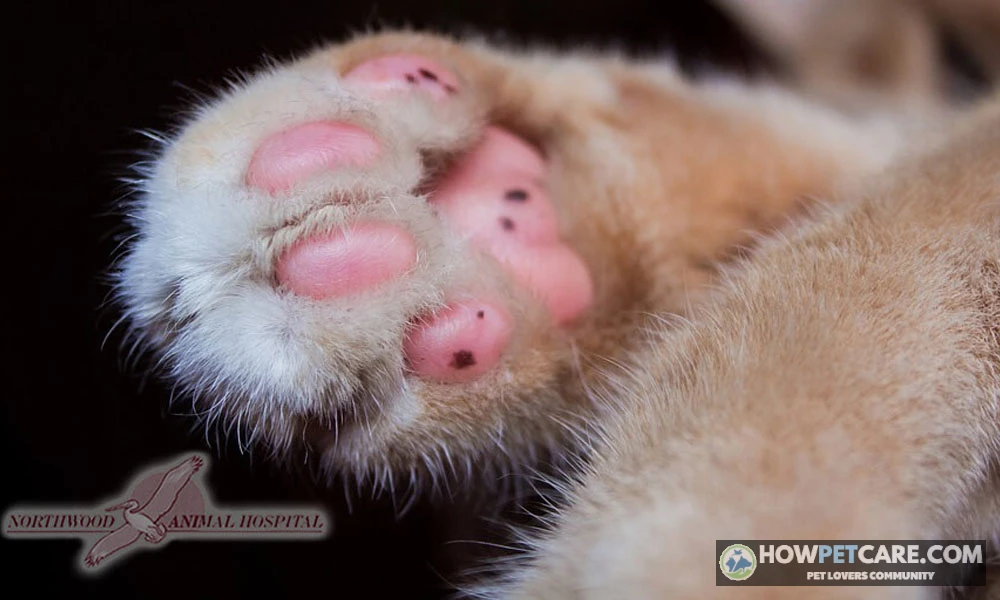

Declawing cats is an onychectomy: the surgical amputation of the last bone of each toe, not a nail trim. It carries documented risks such as infection, chronic pain, and litter-box avoidance, is banned in several U.S. jurisdictions, and humane alternatives usually resolve scratching problems without surgery.
What Declawing Actually Removes (and Why It Is Not Just Nail Removal)
Declawing cats involves an onychectomy—the surgical amputation of the distal phalanx, or the final bone of each toe, rather than a simple nail trim. In human anatomy, the procedure is comparable to severing each finger at the last knuckle. The surgeon cuts through skin, exposes the joint, and removes the entire distal segment before sealing the incision with sutures or surgical glue and wrapping the paw. Removing this final bone permanently eliminates the anatomical pivot point cats need to extend, retract, and anchor their claws.

Declawing removes the last bone of each toe (the distal phalanx), not just the claw. It is a partial toe amputation, not a nail trim.
How Declaw Surgery Is Performed: Scalpel, Laser, and Tendonectomy Compared
Traditional scalpel declaw
The standard surgical approach relies on a scalpel or guillotine clipper to disarticulate the toe and excise the distal phalanx. Under general anesthesia, the veterinarian cuts through connective tissue and bone joints, working rapidly to curb blood loss before closing the wounds with sutures or surgical glue and applying protective bandages. Healing typically spans several days to a few weeks. Mature or heavier cats often face a noticeably longer recovery.
Laser declaw
Laser surgery uses an intense, focused beam of light to cut tissue and cauterize small blood vessels on contact. The underlying bone amputation remains identical to the scalpel technique, though laser energy creates less immediate intraoperative bleeding and localized swelling. Evidence regarding long‑term pain differences remains mixed, and clinics generally charge higher fees for the specialized equipment. Overall recovery timelines mirror traditional surgery, even if some cats bear weight slightly sooner.
Tendonectomy
A tendonectomy avoids bone amputation by severing the deep digital flexor tendons that control claw extension. The claws remain attached, but the cat loses the mechanical ability to extend them outward to scratch. While bone tissue stays intact, the procedure creates distinct secondary problems: claws continue growing unchecked, frequently thickening and curling into the footpads unless trimmed continuously. Cats may develop chronic joint discomfort and abnormal movement patterns. Recovery time is comparable to amputation, accompanied by a lifetime commitment to manual nail clipping.
-
Traditional scalpel declaw
Amputation of the distal phalanx with a blade; stitches or glue close the wound; bandage for several days.
-
Laser declaw
Tissue vaporized by laser; same bone removal; reduced bleeding; often higher cost; similar recovery.
-
Tendonectomy
Cutting of tendons so claws stay; no bone removal; may cause claw deformities; recovery similar; nail trimming required.
Procedure comparisonThe three techniques differ mainly in how tissue is cut (blade vs. laser vs. tendon severing), which influences bleeding, cost, and long‑term pain.

Scalpel, laser, and tendonectomy all require general anesthesia in a surgical suite. (Source: citythekitty) Documented Harms, Complication Rates, and Behavioral Risks
Immediate surgical risks encompass hemorrhage, infection, delayed wound healing, and acute pain. Clinical studies document substantial long‑term complications, including chronic lameness, early-onset arthritis, litter‑box avoidance, and increased biting. Complication rates vary across veterinary literature; one study estimated a 5‑10% infection rate for traditional declaw, while tendonectomy series report similar or slightly lower rates. Post-operative behavioral changes, particularly litter box aversion and heightened defensive aggression, remain widely documented.
Potential harmsDeclawing carries documented risks of infection, chronic pain, lameness, arthritis, litter‑box aversion, and altered behavior. These complications can be costly to treat and may affect the cat’s quality of life.

Litter-box avoidance is one of the most documented behavioral complications. (Source: instagram) Is Declawing Legal Where You Live? U.S. State and City Bans
As of 2026, several U.S. jurisdictions have enacted bans on elective declawing. Before booking any procedure, confirm whether declawing is illegal in your state or city. The following list includes states, cities, and counties where the practice is prohibited, along with the effective dates and any medical exceptions.
Legal statusBans apply to elective declawing; medical exceptions may allow the procedure for conditions such as nail‑bed tumors. Always verify local ordinances before scheduling surgery.
Jurisdiction look‑upBelow is a snapshot of current bans (effective dates may have changed; verify with local authorities).
Jurisdiction Ban type Effective date Medical exceptions New York State Statewide ban 2019 Nail‑bed disease or injury may qualify Maryland Statewide ban 2022 Medical necessity exceptions may apply Denver, CO City ban Verify current effective date Medical exceptions may apply Los Angeles, CA City ban Verify current effective date Medical exceptions may apply San Francisco, CA City ban Verify current effective date Medical exceptions may apply Austin, TX City ban Verify current effective date Medical exceptions may apply 
New York and Maryland are among the jurisdictions banning elective declaw surgery. (Source: gocatgosf) Legal noteLaws change and local rules can differ from state rules. Verify with your state veterinary board, city code, or a local veterinarian before booking surgery. This table is not legal advice.
Cost and Recovery: What Declaw Surgery Really Requires
Procedural fees fluctuate widely depending on geographic location, veterinary facility, and surgical method. Standard package quotes typically bundle anesthesia, surgical time, pain medications, and follow‑up evaluations. Because pricing structures differ between clinics, obtain an itemized written quote that details every included service.
Cost and aftercareThe fee usually covers pre‑op bloodwork, anesthesia, surgical materials, pain medication, bandages, an e‑collar, and a recheck visit. It may not include pre‑existing condition treatment or optional services such as microchipping.
Cost and recovery overviewFees are quoted per clinic; ask for a detailed breakdown before consenting.
Recovery timelineHealing typically takes a few days to a few weeks, with adult and heavier cats often needing longer.
Cost and recovery tableProcedure What is done Typical cost range Anesthesia/sedation Overnight stay Bandage period Litter restrictions Return to normal activity Follow-up visits Traditional scalpel declaw Amputation of the distal phalanx with blade Varies widely; often $100–$300 General anesthesia Often 1 night Several days to 1+ week Paper or soft litter commonly recommended Often 2–4 weeks, sometimes longer Usually 1–2 visits Laser declaw Amputation using laser for tissue cutting Often higher than traditional; $150–$350 General anesthesia Often 1 night Several days to 1+ week Paper or soft litter commonly recommended Often 2–4 weeks, sometimes longer Usually 1–2 visits Tendonectomy Tendons are cut; claws remain Varies; may be lower or comparable to declaw General anesthesia or heavy sedation Varies by clinic Varies Varies; claws may still need trimming Varies; long‑term nail care remains Varies; claw trimming follow‑up may be needed 
Recovery often means days of bandaging, restricted litter, and follow-up visits. (Source: catsinternational) Cost caveatsCost ranges should be requested in writing. Ask what the quote includes: pre‑op bloodwork, anesthesia, pain medication, bandages, e‑collar, overnight care, and rechecks.
Non‑Surgical Alternatives and a Four‑Week Scratching Redirection Plan
Scratching issues can be resolved humanely without surgery by pairing environmental enrichment with structured training. The following four‑week plan outlines practical steps to guide your cat toward approved scratching surfaces.
- Week 1: Post placement
Place at least one sturdy post where the cat already scratches; match the current surface (carpet, sisal, cardboard, or wood); make the post taller than the cat’s full stretch.
-
Week 2: Surface preferences
Add a second post in a different texture; position posts near sleeping and play areas; reward any paw contact with treats or play.
-
Week 3: Baiting and blocking
Rub catnip or use pheromone spray on the post; apply double‑sided tape or a temporary cover to the target furniture; trim nails or apply soft nail caps during this week.
-
Week 4: Maintenance cadence
Keep the preferred post and remove one less‑used post; continue nail trimming every 1–2 weeks or replace nail caps as directed; reward consistent post use and gradually remove furniture protection.
- Troubleshooting If the cat ignores the post, move it closer to the scratched area, try a horizontal cardboard surface, play with a wand toy ending at the post, check stability, and consult a veterinarian or behaviorist before considering surgery.
Scratching severity
- 0: Occasional furniture scratching
- 1: Regular damage to one or two items
- 2: Severe or safety‑related scratching
Household risk factors
- 0: No high‑risk people or situations
- 1: Mild concern, manageable with supervision
- 2: Significant risk to an immunocompromised or fragile person
Alternatives tried for at least 4 weeks
- 0: None tried
- 1: Some tried inconsistently
- 2: Nail caps, post placement, redirection, and trimming tried consistently
Legal status in your location
- 0: Declawing is banned
- 1: Ban status unclear or recently changed
- 2: No ban found after checking current local and state rules
Willingness to manage aftercare
- 0: Unwilling or unable to manage recovery
- 1: Possible with help
- 2: Ready for litter changes, pain monitoring, and follow‑up visits
- 0‑4: Avoid declawing; use alternatives and veterinary behavior support.
- 5‑7: Delay and try alternatives for another 4 weeks, then reassess.
- 8‑10: Discuss a medical exception or last‑resort case with a veterinarian; informed consent should include amputation anatomy, pain plan, and recovery duties.


Success depends on consistency, appealing post surfaces, and rewarding use; improvement is common, but complete elimination of unwanted scratching is not guaranteed.
The table below compares cost, effort, time to result, and reversibility of common non‑surgical options.
| Option | Cost | Effort | Time to result | Reversibility |
|---|---|---|---|---|
| Nail caps (e.g., Soft Paws) | $10–$20 for a set; replace every 4–6 weeks | Low; requires regular application | 1–2 weeks to see reduced scratching | Reversible (caps can be removed) |
| Scratching posts and environmental enrichment | $20–$100 for posts and toys | Moderate; placement and maintenance | 2–4 weeks for noticeable change | Reversible (posts can be removed) |
| Regular nail trimming | $0 (owner) or $10–$20 at vet | Low; weekly or bi‑weekly | Immediate reduction if cat tolerates trimming | Reversible (trimming stops) |
| Synthetic pheromone sprays or diffusers | $15–$30 monthly | Low | 1–2 weeks for behavioral change | Reversible (stop use) |

Renters, Landlords, and Cats Already Declawed: Practical Playbook
Many residential leases include mandatory declawing clauses backed by monetary penalties. Renters can often negotiate acceptable compromises, while guardians caring for cats that are already declawed need targeted management strategies.
If a lease requires declawing, ask the landlord whether nail caps, regular trimming, or a higher pet deposit can satisfy the concern. Document any agreement in writing and, if needed, consult local tenant resources or an attorney.
Copy‑paste clause for a lease addendum or email to a landlord: "Tenant agrees to maintain the cat’s claws in a non‑destructive manner for the duration of the lease. Tenant will provide and use scratching posts, trim the cat’s nails every two weeks, and apply soft nail caps if recommended by a veterinarian. Tenant will pay an additional pet deposit of $____ for any scratching damage beyond normal wear. Tenant will not declaw the cat unless a licensed veterinarian documents a medical necessity. Tenant will provide photos of scratching posts and proof of nail‑cap or trimming supplies upon request." What to ask the landlord: – Is the declaw requirement based on property damage, insurance, or habit? – Will nail caps, trimming, or a higher deposit satisfy the concern? – Is there a written policy, or only a verbal rule? – Are local laws or housing rules already restricting declaw requirements? If the landlord refuses, document the exchange and consult local tenant resources or an attorney before signing.
Declawed cats require ongoing attention to paw comfort, litter box accessibility, and behavioral changes. Because their defense and climbing abilities are compromised, they should remain indoors exclusively.
Keep declawed cats indoors, use soft litter or paper litter to reduce pain, monitor for litter‑box aversion, trim nails regularly, and watch for signs of chronic pain such as limping or biting. Consult a veterinarian for pain management and arthritis support.

Weighing Pros and Cons to Reach a Defensible Decision
A neutral decision framework helps owners evaluate whether declawing is justified. Score each item 0, 1, or 2, then total the score.
Total score:
Score each item 0, 1, or 2, then total the score.
Total score:
Conclusion (Action‑Oriented Next Steps)
Score your circumstances using the decision framework, then weigh realistic surgical expenses and recovery demands against reversible alternatives. If your municipality or state restricts the procedure, focus on structured training and landlord negotiations to keep your pet housed safely without surgery. For cats that are already declawed, protect their day-to-day comfort: switch to soft litter substrates, watch for signs of joint pain, and maintain strict indoor housing. Schedule a consultation with your veterinarian to explore behavior modifications, evaluate medical pain management, or discuss clinical exceptions. Weighing concrete legal rules, true recovery costs, and physical welfare ensures your final decision protects both your home and your cat’s health.
| Procedure or Alternative | Method / Description | Typical Cost | Recovery Time / Time to Result | Reversibility / Long-term Care Required |
|---|---|---|---|---|
| Traditional scalpel declaw | Amputation of the distal phalanx (last bone of each toe) using a scalpel or guillotine clipper; wounds are closed with stitches or glue and bandaged. | Varies widely; often 100–300 | Bandage period: several days to 1+ week; Healing spans several days to a few weeks; Return to normal activity: often 2–4 weeks, sometimes longer. | Irreversible (permanent bone amputation); requires restricted soft/paper litter during recovery, 1–2 follow-up visits, and strict indoor-only housing/comfort monitoring long-term. |
| Laser declaw | Amputation of the distal phalanx using an intense, focused laser beam to cut/vaporize tissue and cauterize blood vessels. | Often higher than traditional; 150–350 | Bandage period: several days to 1+ week; Healing spans several days to a few weeks; Return to normal activity: often 2–4 weeks, sometimes longer. | Irreversible (permanent bone amputation); requires restricted soft/paper litter during recovery, 1–2 follow-up visits, and strict indoor-only housing/comfort monitoring long-term. |
| Tendonectomy | Severing the deep digital flexor tendons that control claw extension so claws remain attached but cannot be extended to scratch; no bone tissue is removed. | Varies; may be lower or comparable to declaw | Recovery time is comparable to amputation; return to activity varies. | Irreversible (permanent tendon cutting); requires a lifetime commitment to continuous manual nail clipping to prevent claws from thickening and curling into footpads. |
| Nail caps (e.g., Soft Paws) | Applying vinyl or soft protective caps over the cat's trimmed claws to prevent scratching damage. | 10–20 for a set; replace every 4–6 weeks | 1–2 weeks to see reduced scratching | Reversible (caps can be removed); requires regular reapplication/replacement every 4–6 weeks. |
| Scratching posts and environmental enrichment | Providing sturdy posts matching texture preferences (carpet, sisal, cardboard, wood), taller than the cat's full stretch, combined with rewards and redirection training. | 20–100 for posts and toys | 2–4 weeks for noticeable change | Reversible (posts can be removed); requires ongoing post placement and maintenance. |
| Regular nail trimming | Manually clipping/trimming the tips of the cat's claws using nail trimmers. | $0 (owner) or 10–20 at vet | Immediate reduction if cat tolerates trimming | Reversible (trimming stops); requires ongoing maintenance every 1–2 weeks. |
| Synthetic pheromone sprays or diffusers | Using synthetic pheromone products applied to target areas or diffused to calm anxiety and redirect scratching behavior. | 15–30 monthly | 1–2 weeks for behavioral change | Reversible (stop use); requires monthly repurchasing and ongoing maintenance/use. |

FAQ
At what age is declawing usually performed, and do vets refuse older cats?
Declawing is most often performed in young cats, but age policies vary by clinic. Many veterinarians decline or discourage the procedure in older cats because healing and anesthesia risks can be higher.
Can a declawed cat safely go outdoors?
A declawed cat has reduced ability to climb, grip, and defend itself, so unsupervised outdoor access carries added risk. If outdoor time is allowed, it should be supervised, enclosed, or leash-based.
Do nail caps such as Soft Paws actually work?
Nail caps can reduce scratching damage when applied correctly and replaced as they grow out. They require regular maintenance and may not suit cats that resist handling or remove them.
What is the realistic success rate of scratching-redirection training?
Success depends on consistent placement, appealing post surfaces, and rewarding use, and it often takes several weeks. Improvement is common, but complete elimination of unwanted scratching is not guaranteed.