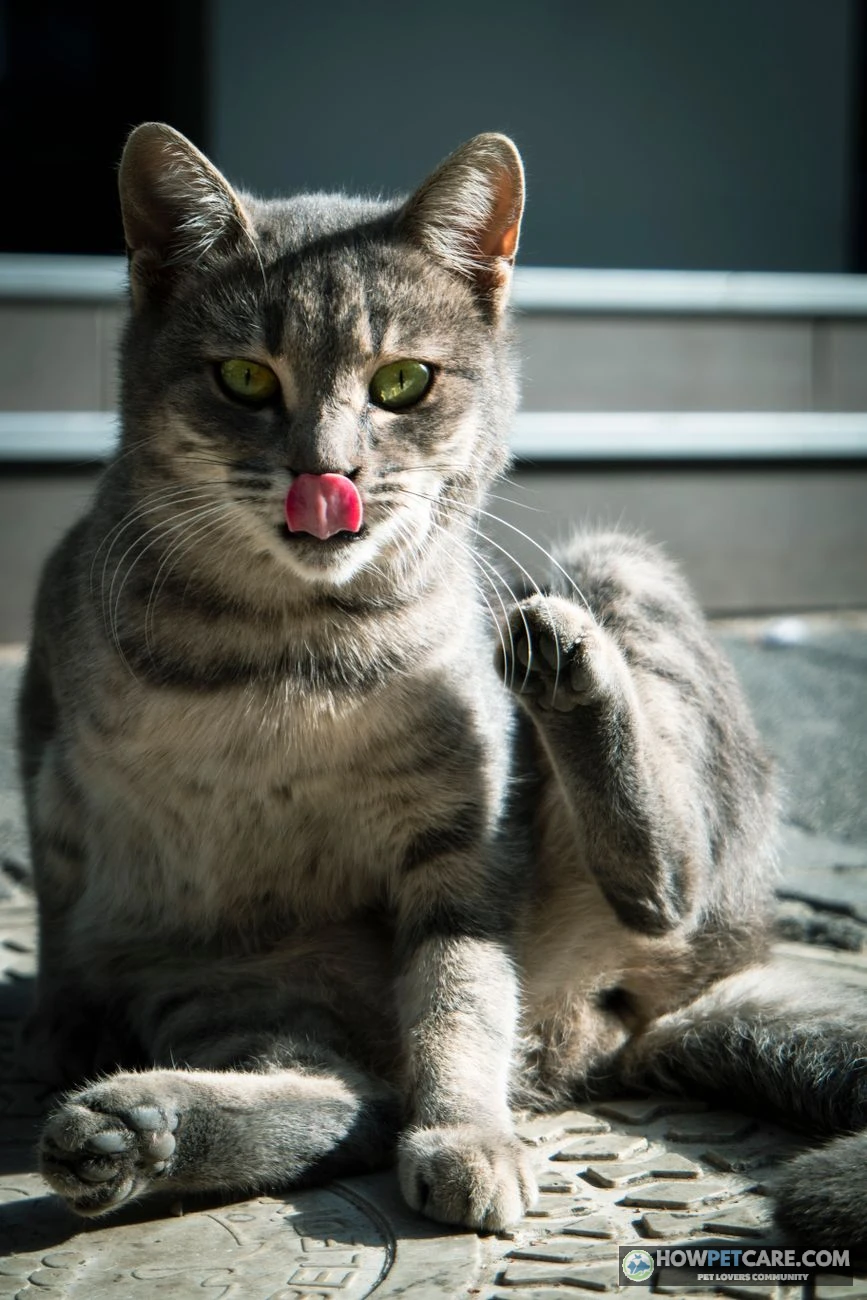

Cat overgrooming usually has a medical cause — fleas, allergies, infection, or pain — rather than stress, so a vet exam should come first. Key signs include broken or buzzcut fur, bald patches, and licking that’s hard to interrupt. Stress-driven licking (psychogenic alopecia) is a diagnosis of exclusion.
Is Your Cat Grooming Too Much? Normal Grooming vs. Overgrooming
If your cat is licking fur off, developing bald patches, or grooming so persistently that it interrupts normal activities, arrange a veterinary check. Parasites, allergies, infection, pain, and stress can all play a role. A normal-looking bald patch does not prove the cause is anxiety. Most cases aren’t emergencies, but urinary straining and certain other signs need immediate attention.
Use this guide to organize clues and plan your next steps. It can’t replace a veterinary diagnosis.
What normal grooming looks like
Cats can spend up to half their waking hours grooming, so time alone isn’t a reliable test. A change from your cat’s usual behavior is more telling, especially if you also notice broken hair, bald spots, or irritated skin.
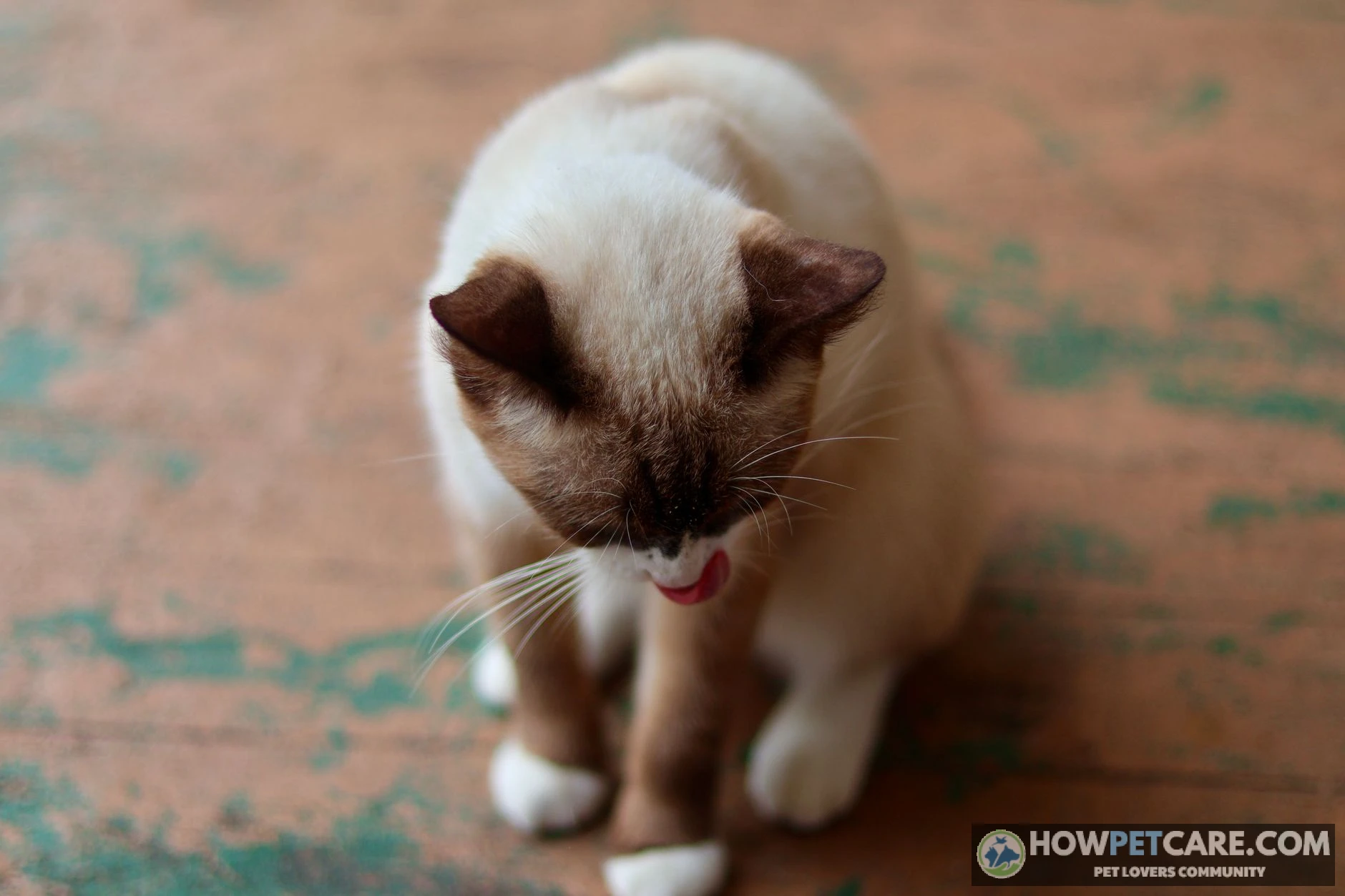
A cat grooming normally will generally pause to eat, sleep, play, or respond to nearby activity. A cat grooming too much may keep returning to the same spot, chew or pull at the coat, or seem difficult to interrupt. Some cats groom when no one is watching, so you may notice hair loss before you see the licking. Extra hairballs or hair in the litter box can offer clues, but neither confirms overgrooming.
What overgroomed ‘buzzcut’ fur looks like vs. shedding or true alopecia
These coat changes can look different:
- Normal shedding: Loose hairs come away, but the remaining coat generally looks relatively even and the skin is intact.
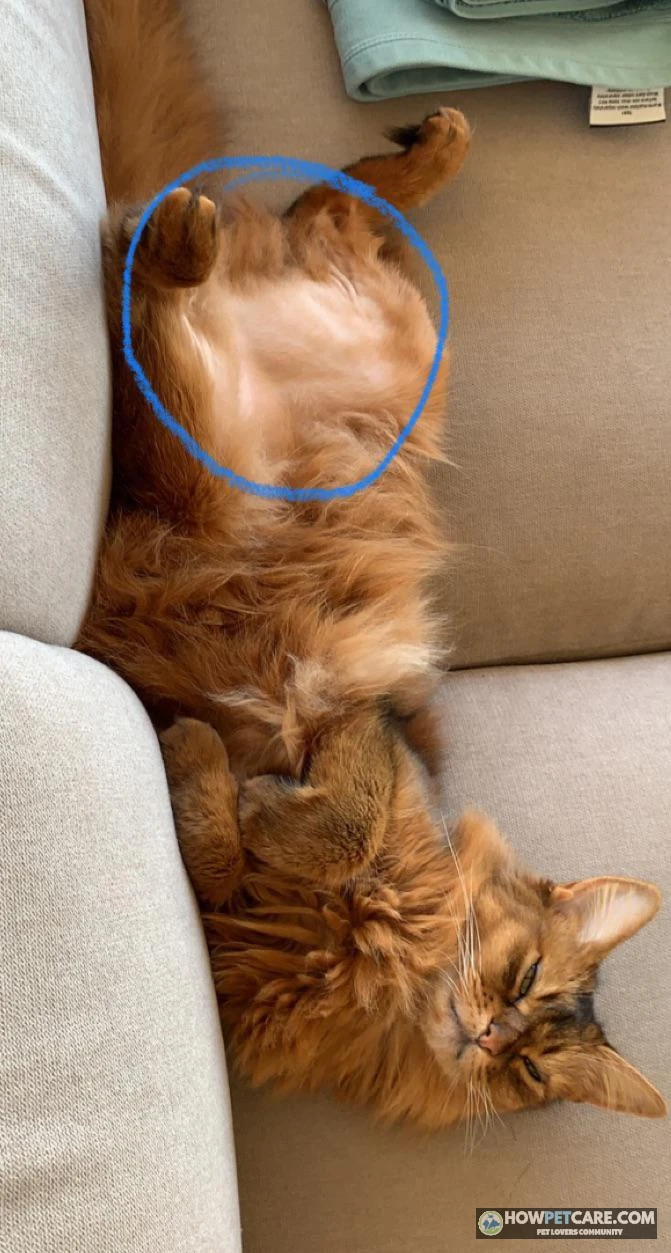
- Overgroomed stubble: Hairs break off close to the skin, leaving a short, bristly or ‘buzzcut’ patch. A belly may look neatly clipped even though no one has shaved it.
- Alopecia: An area has little or no visible hair and may look smooth or irritated. Alopecia describes hair loss, not its cause; licking can cause it, but so can other conditions.
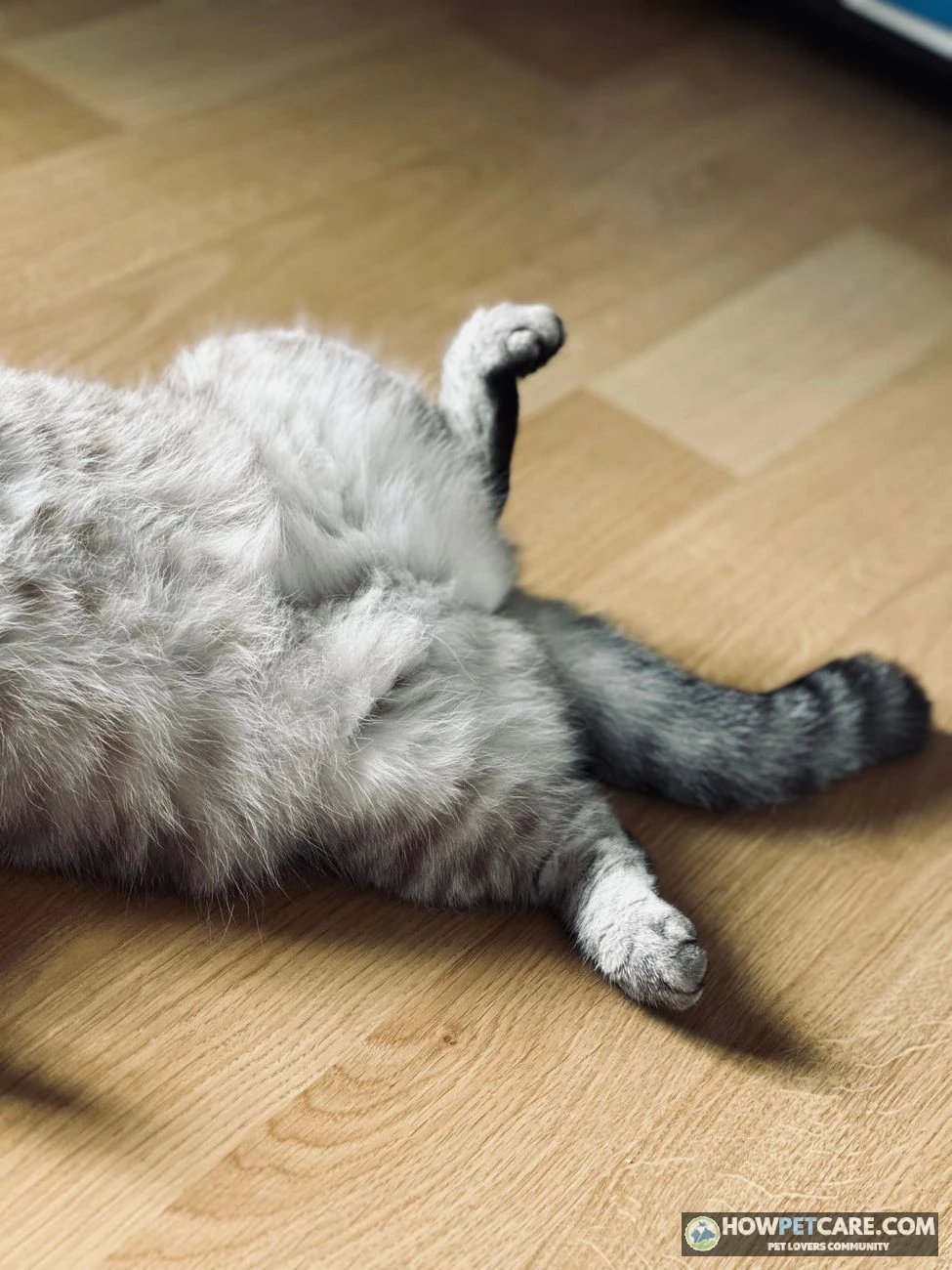
Photograph the area in good light without forcing your cat onto its back. Fur loss can appear along the back, belly, or inner legs, and its location can offer a clue.
See a vet urgently if you notice these red flags
- Go to an emergency vet immediately if your cat repeatedly strains to urinate, produces little or no urine, or cries in the litter box. Urinary blockage can become life-threatening, particularly in male cats.
- Call your vet the same day for open or bleeding sores, pus, weeping skin, rapidly spreading hair loss, marked lethargy, or not eating. The clinic can advise whether an emergency visit is needed.
- Book promptly, generally within a week, for a new bald patch, especially if the skin is red, scabby, or itchy.
A cat can be uncomfortable even when its skin looks normal. If you aren’t sure how quickly your cat needs care, describe the behavior and any litter-box changes to your veterinary clinic.
Where the Fur Is Missing: What Belly, Leg, and Tail-Base Bald Spots Suggest
| Body location | Typical pattern | Possible causes | Suggested next step |
|---|---|---|---|
| Belly and inner thighs | Matching thin patches, stubble, or a bald belly | Allergies, stress-related licking, bladder or abdominal pain | Note litter-box changes and arrange an exam; urinary straining is an emergency. |
| Tail base and lower back | Patchy loss, small scabs, or bumps | Flea allergy dermatitis; sometimes pain or anal-area discomfort | Comb the lower back for fleas or flea dirt and review prevention with your vet. |
| Front legs and flanks | Repeated licking or symmetrical short fur | Food or environmental allergies, parasites, or psychogenic alopecia | Record the pattern and discuss itch and possible diet trials. |
| Neck, head, and ears | Scratching, crusts, hair loss, or head shaking | Mites, ringworm, food allergy, or other skin disease | Ask your vet to examine the skin and ears; mention affected people or pets. |
| Back with rippling skin | Sudden grooming bursts, twitching, or tail chasing | Feline hyperesthesia syndrome or another skin, pain, or neurologic problem | If safe, film an episode and show your vet. |
| Over one joint or the lower spine | Focused licking in one area | Arthritis, injury, or nerve pain | Note difficulty jumping or sensitivity to touch and request a pain-focused exam. |
Location narrows the list; it doesn’t settle it. Cats with allergies and those with stress-related overgrooming can both develop symmetrical belly-and-leg hair loss. This pattern is sometimes called feline symmetrical alopecia, a description rather than a diagnosis. In older cats, licking over a joint or the lower back deserves particular attention as a possible sign of pain.
Medical Causes vs. Stress: Why Cats Lick Their Fur Off
Parasites and allergies: the itchy causes
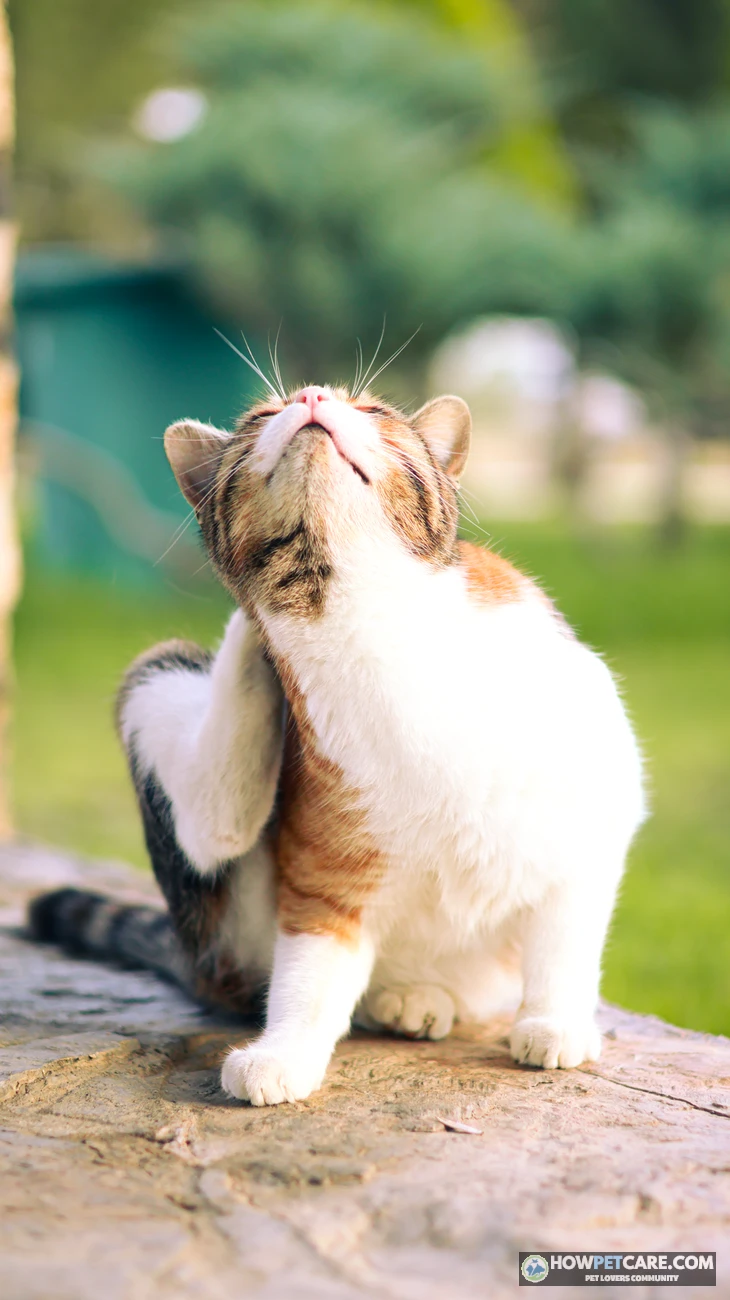
Flea allergy dermatitis is a reaction to flea saliva. A sensitive cat can react to a bite even when you don’t see fleas. Indoor cats aren’t immune: fleas can enter on other animals or be carried into the home. One cat may react while another pet appears comfortable.
Other possible parasites include ear mites, Cheyletiella mites, Demodex gatoi mites, and lice. A vet chooses tests and treatment based on the cat’s signs; a negative test doesn’t always rule out every parasite.
Cats can also react to ingredients in food or to environmental allergens such as pollen, dust mites, and mold. A food allergy can develop to a protein the cat has eaten before, while environmental allergies may be seasonal or year-round. Itch, ear problems, and skin changes can overlap, so appearance alone can’t reliably distinguish them.
Infection and pain: the causes owners often overlook
A skin infection with bacteria or yeast may develop alongside another itchy condition. Ringworm is a fungal infection, not a worm, and can spread to people and other animals. If you suspect it, wash your hands after handling the cat, limit contact with vulnerable household members, and ask the vet how to manage the home.
Pain can also lead to focused licking. Possible causes include arthritis, injury, bladder discomfort, abdominal pain, and nerve pain. Belly licking with frequent litter-box visits deserves a discussion with your vet; straining with little or no urine requires emergency care.
Psychogenic alopecia and feline hyperesthesia
Psychogenic alopecia means hair loss from excessive grooming associated with behavioral or emotional factors. A move, new pet, schedule change, conflict over resources, or lack of suitable activity may contribute. It’s a diagnosis of exclusion: your vet must investigate and reasonably rule out medical causes before attributing the licking primarily to behavior.
Some breeds, including Siamese and other Oriental-type cats, are reported more often with behavioral overgrooming, but any cat can be affected. Breed isn’t a reason to skip a medical exam.
Feline hyperesthesia syndrome can involve skin rippling, sudden frantic grooming, sensitivity along the back, or tail chasing. Its cause isn’t fully understood, and other skin, pain, and neurologic problems need consideration. Stress and itch can also reinforce each other, so treatment may address both rather than force an either-or choice.
Self-Triage Checklist: Likely Cause Before You Spend Money on a Workup
The 6-step flow
Use this checklist to decide what to tell your vet, not to diagnose your cat or rule out a medical problem.
- Are there urgent signs? Urinary straining with little or no urine means emergency care. For an open wound, discharge, rapid hair loss, lethargy, or appetite loss, call your vet the same day.
- Can you find fleas or flea dirt? Comb the tail base and lower back over white paper. Dark specks that smear reddish-brown when damp may be flea dirt. Finding none does not rule out fleas or flea allergy.
- What does the skin look like? Redness, bumps, crusts, or discharge raise concern for itch or infection. Smooth skin still doesn’t exclude allergies, parasites, or pain.
- When did it start? Note a move, new pet, household conflict, season, food change, or change in routine. Timing can suggest a direction, but it can’t establish a cause. Food allergy can occur without a recent diet change.
- Are there possible pain signs? Hesitation to jump, stiffness, flinching, changes in litter-box habits, or licking over a joint or lower belly should prompt a pain-focused discussion.
- Is anyone else affected? Itchy pets or people, or circular scaly patches, can make a contagious condition such as ringworm or some mites worth investigating. Tell the clinic before the appointment.
How to interpret the pattern: Inflamed skin and obvious itch make a medical-first workup especially important. Normal skin plus a clear stressor makes behavioral factors plausible, but the cat still needs a medical assessment. Mixed signs are common; your vet may investigate itch and pain while you improve the cat’s environment.
What to photograph and log for your vet
Take a weekly photo of the same area in similar lighting. Record where and when your cat licks, whether you can redirect it, any skin changes, recent household changes, and litter-box behavior. Bring a list of all foods, treats, supplements, flavored medicines, and parasite preventives, including when each was last given. A short video of grooming or a skin-rippling episode can be useful if it’s safe to capture.

When to See the Vet for Overgrooming, What They’ll Do, and What It Costs
Urgency: now, this week, or within a month
Go to emergency care immediately for urinary straining with little or no urine. Call the same day for open or infected-looking skin, rapid hair loss, lethargy, or appetite loss. For new bald patches or persistent licking without those red flags, book an appointment promptly, ideally within a week. If the change is mild and your cat otherwise seems well, ask the clinic whether a routine appointment within the next few weeks is appropriate. Don’t simply wait months to see whether fur returns.
What the vet will do, step by step
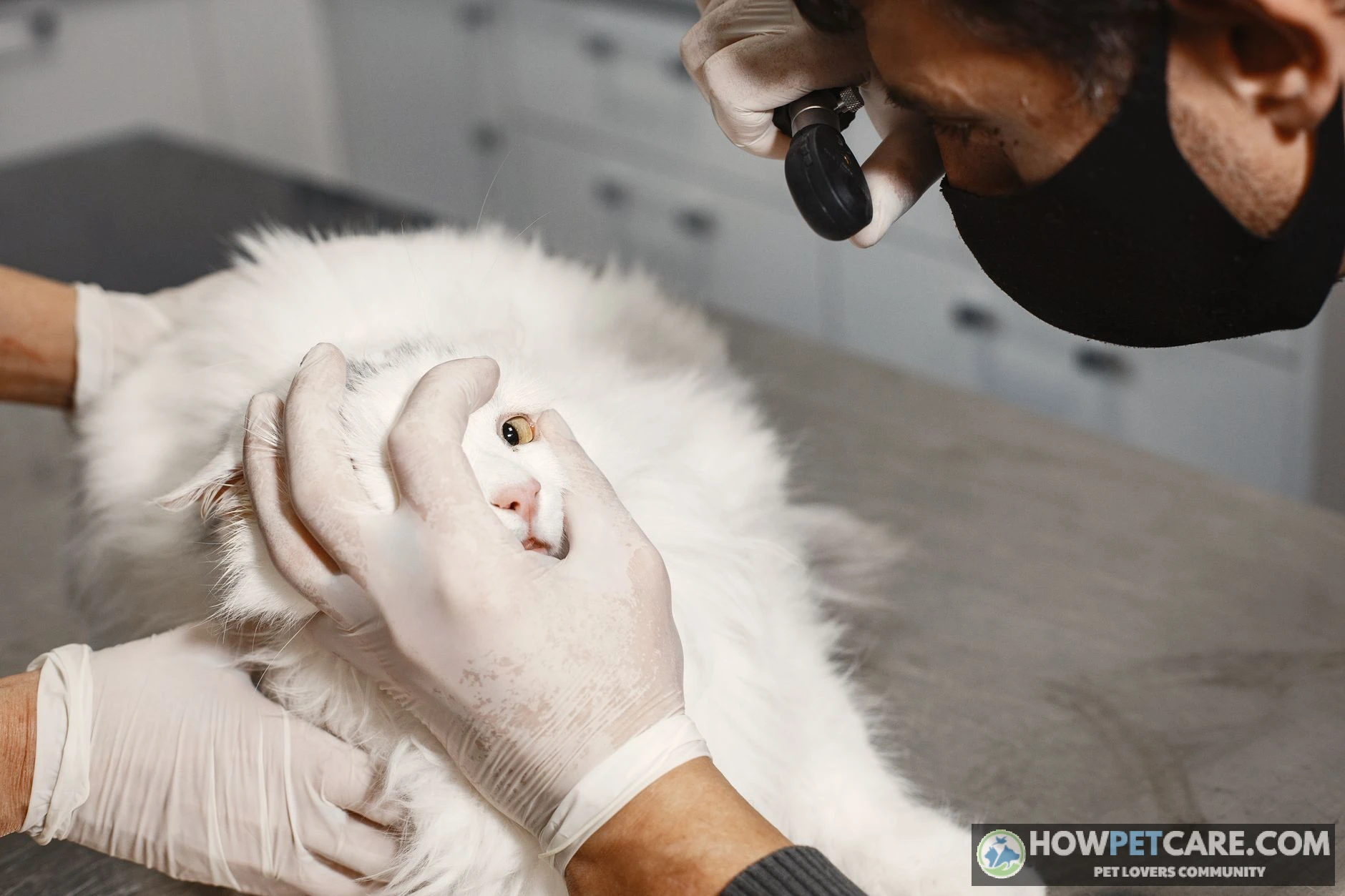
Your vet will review the history and examine the skin, coat, ears, mouth, joints, and any other areas indicated by the signs. Depending on the findings, the initial workup may include a flea comb check, a skin scraping or tape sample, and cytology—examining cells and microbes from the skin under a microscope.
A fungal culture or PCR test may help investigate ringworm. Bloodwork, urinalysis, imaging, or a pain assessment may be appropriate for particular cats. Rather than ordering every test at once, your vet may recommend a parasite-control or elimination-diet trial. Some difficult cases benefit from a veterinary dermatologist, a veterinary behaviorist, or occasionally a biopsy.
Environmental allergy blood or skin testing is generally used to help select allergens for immunotherapy; it doesn’t reliably diagnose a food allergy. A carefully controlled diet trial is the usual way to investigate food as a trigger.
Realistic cost ranges and sample total bills
The figures below are rough planning estimates, not verified national averages or quotes. Prices vary by region, clinic, product, and the tests a cat needs. Ask your clinic for an itemized estimate before proceeding.
| Service or treatment | Illustrative US cost range | What it does | Money-saving question |
|---|---|---|---|
| General exam | $50–$100; emergency or specialty visits can cost more | Establishes a history and examines the cat | Can you provide an estimate before additional tests? |
| Skin scraping or cytology | $30–$80 per test | Looks for some mites, bacteria, or yeast | Which sample is most useful for these signs? |
| Ringworm culture or PCR | $40–$150 | Investigates a contagious fungal infection | Is this test indicated by the exam? |
| Flea prevention | $15–$30 per month per cat | Treats or prevents fleas, depending on the product | Which cat-safe options fit my budget and household? |
| Bloodwork | $80–$200 or more | Helps assess general health or other suspected problems | Which tests are most relevant now? |
| Prescription hydrolyzed diet | Approximately $60–$100 per month | Supports a controlled food trial | Which suitable format is most economical for my cat? |
| Itch medication | Approximately $50–$150 per month; varies widely | Reduces inflammation or itch when appropriate | Are there suitable lower-cost options? |
| Environmental allergy testing | $200–$500 or more | Helps guide immunotherapy in selected cases | Would results change the treatment plan? |
| Dermatology consultation | $200–$400 or more | Provides specialist assessment | Can you send existing records before referral? |
For planning, an exam, basic skin test, and initial parasite control might total roughly $150–$350. An exam, selected tests, and a prescription-food trial over several months might reach $300–$600. A specialist workup with allergy testing and treatment can cost $800–$2,000 or more. These are illustrative combinations, not guarantees; follow-up visits, multiple pets, medication, and local pricing can substantially change the bill.
Tell the clinic your budget and ask for a staged plan: what’s most important today, what can wait, and when will the plan be reassessed? Ask about payment options and check insurance terms; pre-existing conditions are commonly excluded.
Treating Suspected Medical Causes: Parasite Control, Elimination Diets, Antihistamines, and Newer Options
Treatment works best when it targets the cause. A cone may protect a sore, for example, but it doesn’t cure the itch or pain that prompted the licking.
Flea and mite control that matches current vet recommendations
Discuss an effective, cat-safe parasite plan even if your cat lives indoors or you can’t find fleas. A vet may recommend a sustained trial of approximately 8–12 weeks, with consistent treatment of other household pets using products appropriate for each species. The vet can adjust the plan for the suspected parasites, the home, and local conditions.
Options include products containing selamectin, fipronil, or isoxazolines. Examples include Bravecto, Revolution Plus—which combines selamectin and sarolaner—and certain NexGard products labeled for cats. These products differ in coverage, duration, and age or health restrictions; they aren’t interchangeable. Ask your vet which one covers the suspected parasite and how to manage the household environment.
Dog products containing permethrin can be highly toxic to cats. Use only a product specifically appropriate for your cat, and contact a vet immediately after an accidental exposure. Ask your vet about isoxazolines if your cat has a history of seizures or neurologic disease.
How to run an elimination diet at home, step by step
A diet trial requires veterinary guidance but can usually be carried out at home. The aim is to give the immune system a controlled change in food exposure, then check whether symptoms return when the old diet is reintroduced.
-
Choose the trial food with your vet
A prescription hydrolyzed diet breaks proteins into smaller components; examples include Hill’s Prescription Diet z/d, Royal Canin Hydrolyzed Protein, and Purina Pro Plan Veterinary Diets HA. A carefully selected novel-protein diet may be another option if its protein is genuinely new to your cat.
-
Transition without letting your cat go hungry
Introduce the new food gradually, often over about a week, unless your vet recommends otherwise. If your cat refuses it or eats substantially less, call the clinic promptly. Don’t force a prolonged fast; not eating can be dangerous for cats.
-
Feed only the approved diet
Once your cat has transitioned, exclude table scraps, ordinary treats, other pets’ food, and unapproved supplements. Ask your vet whether flavored medicines need an alternative; never stop a prescribed medicine without advice. Feed cats separately if necessary.
-
Keep a daily record
Record the date the exclusive diet begins, licking and skin changes, and any accidental exposure. Tell your vet about a stolen treat rather than guessing whether the trial must restart.
-
Complete the agreed trial
Trials commonly run 6–12 weeks on the exclusive diet, often with an 8-week checkpoint. Some cats need longer. Don’t abandon the trial early without discussing it with your vet.
-
Discuss a supervised food challenge
If your cat improves, your vet may ask you to reintroduce the previous food and watch for signs to return, then resume the trial food. Improvement on the trial diet, relapse on the old food, and improvement again support a food-related diagnosis. An inconclusive result needs interpretation, not an automatic conclusion.
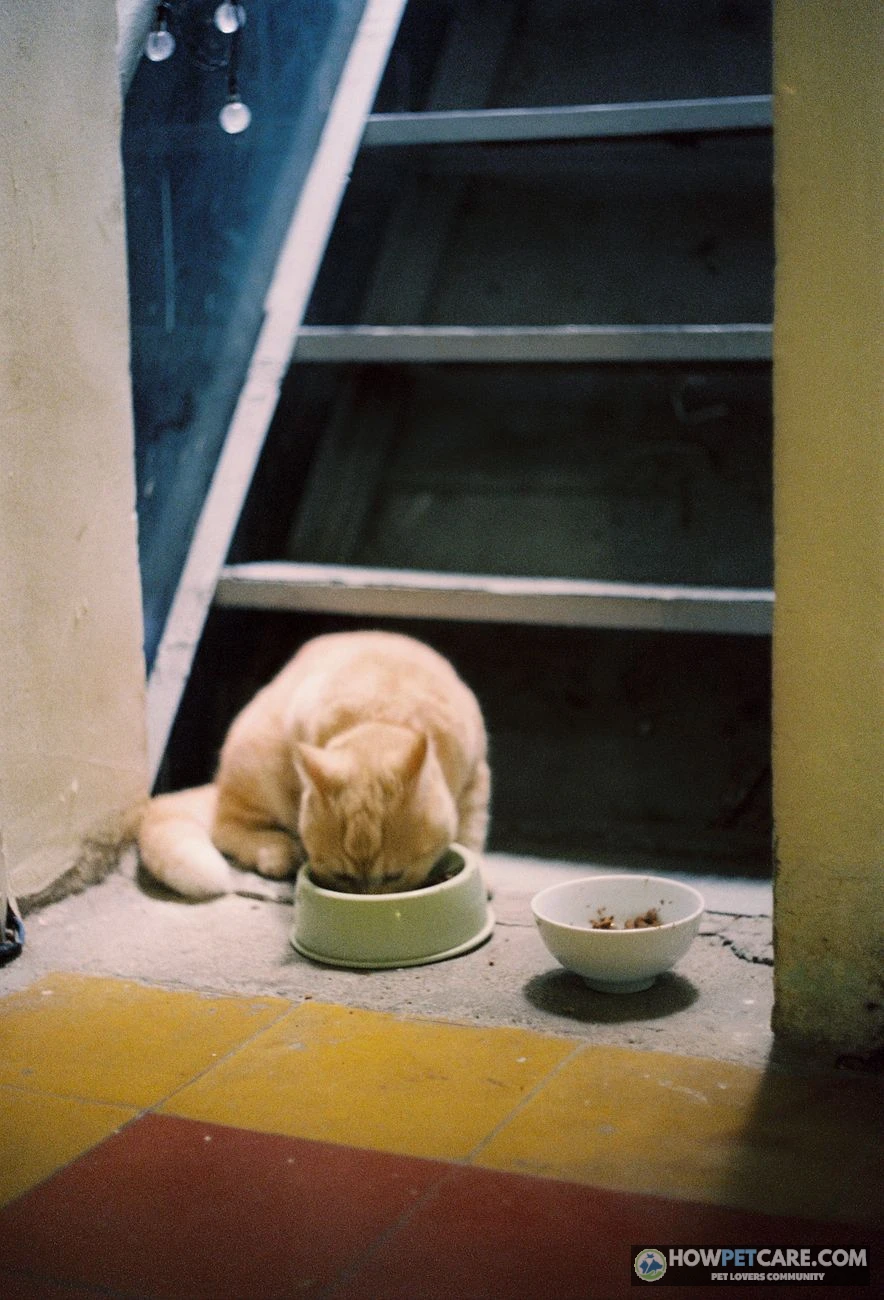
Over-the-counter limited-ingredient foods aren’t necessarily suitable substitutes: ingredient histories and possible manufacturing cross-contact can complicate a strict trial. Avoid an unbalanced homemade diet unless a veterinary nutrition professional has formulated it. If there’s no improvement, your vet will consider adherence, the trial length, and other causes before deciding what comes next.
Antihistamines, E-collars, and other short-term relief
Some vets consider antihistamines such as cetirizine or chlorpheniramine for selected cats, but benefit varies and evidence is limited. Ask your vet before giving any over-the-counter medicine, including about the exact formulation and dose. Combination cold or allergy products containing decongestants such as pseudoephedrine can be dangerous.
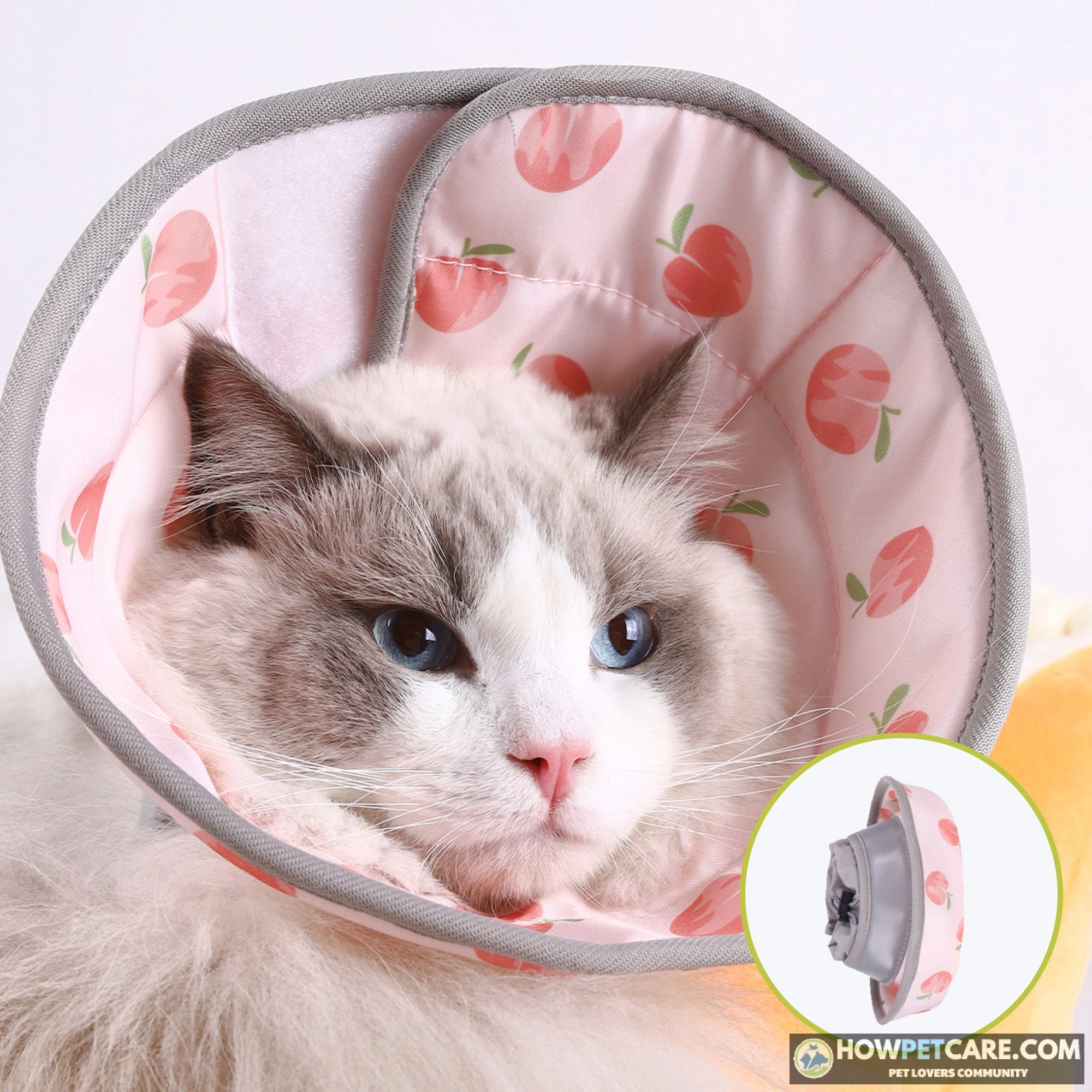
An Elizabethan collar, soft cone, or appropriately fitted recovery suit may prevent further licking while skin heals. Ask your vet which is safe for the location, and monitor whether your cat can eat, drink, and use the litter box. A distressed cat or one unable to function normally in the device needs a different plan. Use medicated wipes, shampoos, antibiotics, or antifungals only as directed for the diagnosed problem; home creams and essential oils can irritate skin or be harmful if licked.
Newer options: JAK inhibitors, monoclonal antibodies, and cyclosporine
For persistent allergic itch, vets may discuss treatments beyond repeated steroid courses. Cyclosporine, including Atopica for Cats, is an established option for appropriate cases. Steroids such as prednisolone can relieve inflammation, sometimes quickly, but have potential side effects, particularly with ongoing use. The right choice depends on the cat’s diagnosis and health.
JAK inhibitors such as oclacitinib, sold as Apoquel for dogs, have been used off-label in cats. Monoclonal antibody approaches, including discussion of the dog product Cytopoint, have also attracted interest, but feline evidence, effectiveness, and safety aren’t established to the same degree as established feline treatments. These aren’t interchangeable with approved cat medicines. Ask your vet or a veterinary dermatologist whether an option is appropriate; don’t obtain or administer it yourself.
For selected cats with environmental allergies, allergen-specific immunotherapy may be considered after the vet has assessed the case and selected allergens for treatment.
Stress-Driven Overgrooming: A Practical Enrichment and Calming Plan for Indoor and Apartment Cats
You don’t need to wait for every test result before making the home calmer. Enrichment can support a cat undergoing medical treatment, too. It should complement, not replace, the workup for itch or pain.
A week-by-week enrichment plan for apartments
Week 1: Reduce competition and create safe places. Give each cat accessible food, water, resting spots, and litter areas. A common starting point is one litter box per cat plus one extra, placed in separate accessible locations where possible. Add a covered hiding place and a scratching surface. If outdoor cats at a window trigger agitation, block that view or move the perch.
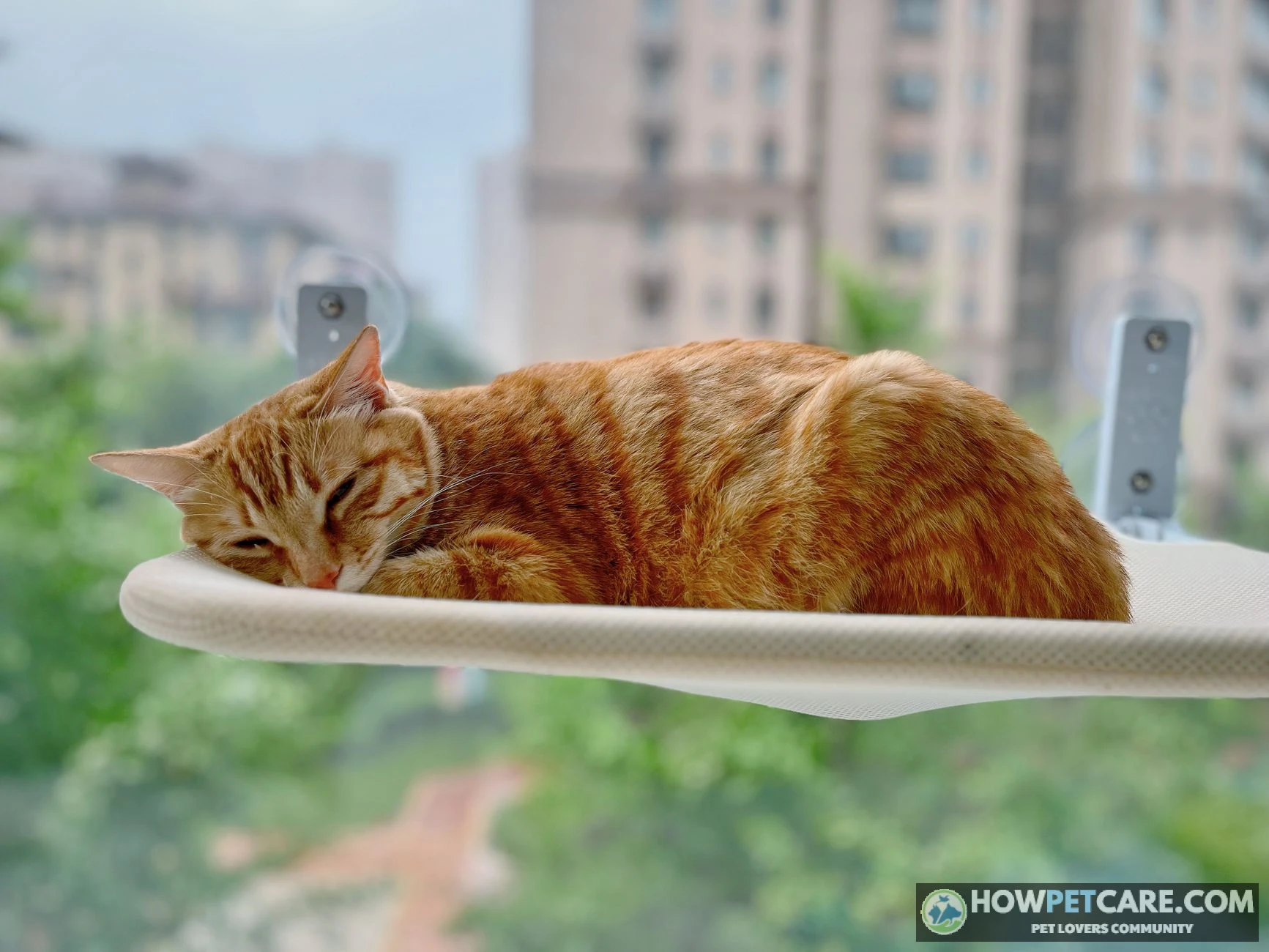
Week 2: Add vertical space and predictable play. A stable cat tree, shelf, or window perch can expand usable space without enlarging the apartment. Try two or three short interactive play sessions daily, adjusting to your cat’s interest and physical ability. A wand toy followed by a small meal can provide a satisfying routine. Don’t leave string toys unattended.
Weeks 3–4: Make food and toys interesting. Offer part of the daily food allowance in a puzzle feeder or a simple foraging setup. Rotate safe toys rather than presenting all of them at once. Keep feeding and play times reasonably consistent. A window view can be enriching for some cats but stressful for others; watch your own cat’s response.
After week 4: Review what changed. Compare the grooming log and weekly photos. If one cat is affected, look for subtle blocking or chasing by another cat around doors, food, litter boxes, and resting places. Cats differ in sensitivity, so an unaffected housemate doesn’t rule out stress or allergies.
Don’t punish licking. If your cat is receptive, gently redirect it into play or another activity; avoid repeated handling that adds stress.
Pheromone diffusers, supplements, and prescription calming options: what to expect
Synthetic feline pheromone diffusers, such as Feliway Classic or Optimum, are reasonable options to discuss or try alongside environmental changes. Follow the product’s coverage and refill directions. Responses vary, and a diffuser isn’t a substitute for medical treatment.
Supplements such as alpha-casozepine products, including Zylkene, or L-theanine products, including Anxitane, are also marketed for calming. Evidence and individual response vary; ask your vet before use, especially during a strict food trial. CBD has limited reliable evidence for this problem, and products vary in quality. Catnip can encourage play in responsive cats, but it doesn’t treat the underlying cause.
For persistent, well-assessed behavioral cases, a vet may discuss prescription medicines such as fluoxetine, clomipramine, or gabapentin, with monitoring and a behavior plan. Don’t change or stop them without veterinary guidance. If progress stalls or household conflict is complex, ask about referral to a veterinary behaviorist.
Timelines: How Long Until Fur Regrows and How to Tell Treatment Is Working
The first useful sign is often less licking, not a full coat. Once the cause is controlled, fine new fur may appear in roughly 2–4 weeks, while more complete regrowth can take 2–4 months or longer. These are practical estimates, not promises: ongoing itch, repeated licking, coat differences, and chronic skin damage can slow progress.
| Approach | Typical trial or treatment period | Possible early improvement | When to recheck with the vet |
|---|---|---|---|
| Flea-control trial | Often 8–12 weeks | Itch may ease over the first few weeks | If signs worsen, fleas persist, or there is little progress at the agreed checkpoint. |
| Elimination diet | Usually 6–12 weeks of exclusive feeding | Some cats improve during weeks 4–8; others need longer | At the planned checkpoint, or sooner after repeated accidental exposures or poor appetite. |
| Bacterial or yeast skin treatment | Depends on the infection and prescription | Skin may begin to look calmer over days to weeks | Promptly if sores spread or the cat seems unwell; otherwise as directed. |
| Ringworm treatment | Often several weeks or longer | Lesions may begin to improve before infection has cleared | Follow the vet’s testing and recheck schedule; do not stop solely because the coat looks better. |
| Allergy medication | Depends on the medicine | Some medicines act within days; others take weeks | If side effects occur or relief is inadequate at the agreed review. |
| Enrichment and behavioral treatment | Several weeks to months | Gradual reduction in licking may precede regrowth | If the cat worsens or there is no meaningful progress after the agreed trial. |
| Fur regrowth after control | Often months | Fine fuzz may appear in 2–4 weeks | Ask for a reassessment if licking continues, skin worsens, or expected regrowth does not appear. |

Use photos taken in the same place and light each week. Calmer skin, fewer scabs, shorter or less frequent licking episodes, and fine new hairs are encouraging. New lesions, spreading bald patches, or worsening behavior mean the plan needs review rather than more waiting.
Your Next Steps: A Decision Guide for the Next 7 Days and the Next 12 Weeks
Days 1–2: Check for urgent signs, especially urinary straining. Take photos, start a grooming log, and use a flea comb if your cat tolerates it. Call the vet immediately or the same day when red flags apply.
Days 3–7: For a new bald patch or ongoing excessive grooming, book an exam. Bring the photos, video, food and treat list, and parasite-prevention history. Ask which tests are most useful first and request an itemized estimate.
Weeks 2–12: Follow the agreed treatment and recheck schedule. Where appropriate, ask whether trials can be staged so their results are easier to interpret; don’t withhold relief simply to test one thing at a time. Keep the home routine predictable, protect damaged skin as advised, and document accidental diet exposures.
At each review, ask: What are we testing or treating, how long should it take, what will it cost, and what do we do if it does not work? If allergy treatment remains difficult, ask whether a dermatologist or newer options are appropriate for your cat. With a targeted plan and patience through the trial periods, many cats can become more comfortable and allow their coats to recover.
1What is the recommended initial action when a cat shows persistent overgrooming and bald patches?
Medical issues such as parasites, allergies, infection, or pain are the most frequent underlying causes and should be evaluated prior to assuming stress.
2Which symptom in an overgrooming cat requires immediate, emergency veterinary attention?
Urinary blockage can rapidly become life-threatening, particularly in male cats, requiring urgent emergency intervention.
3Why is psychogenic alopecia classified as a 'diagnosis of exclusion'?
Behavioral overgrooming is confirmed only after thorough veterinary evaluations fail to reveal an underlying physical medical trigger.
4Why can an indoor-only cat still develop flea allergy dermatitis?
Flea saliva triggers severe allergic reactions in sensitive cats even without an obvious, full-blown household infestation.
5When conducting a strict veterinary elimination diet trial at home, which rule is essential to follow?
Even minor accidental exposures to unapproved proteins can trigger an allergic response and invalidate trial results.
6What is a primary diagnostic limitation of environmental allergy blood or skin testing in cats?
Accurate identification of food allergies requires a strictly controlled elimination diet trial rather than blood or skin allergy panels.
7In an environmental enrichment plan for apartment cats, what is the standard recommendation for litter box allocation?
Offering multiple litter boxes in distinct areas reduces territorial competition and stress among cohabitating cats.
8What is typically the earliest sign that an overgrooming treatment plan is effectively working?
Behavioral reduction in grooming sessions usually precedes visible coat regrowth, which takes several weeks or months.
9Why should dog flea prevention products containing permethrin never be applied to cats?
Feline metabolism cannot safely process permethrin, leading to severe poisoning that requires immediate veterinary care.
10Which pattern of fur loss is most commonly associated with flea allergy dermatitis?
Fleas frequently target the lower back and tail base, causing intense biting and scabbing in allergic cats.
| Service or Treatment | Estimated Cost Range | Purpose / What It Does | Cost-Saving Question to Ask Vet |
|---|---|---|---|
| General exam | 50–100; emergency or specialty visits can cost more | Establishes a history and examines the cat | Can you provide an estimate before additional tests? |
| Skin scraping or cytology | 30–80 per test | Looks for some mites, bacteria, or yeast | Which sample is most useful for these signs? |
| Ringworm culture or PCR | 40–150 | Investigates a contagious fungal infection | Is this test indicated by the exam? |
| Flea prevention | 15–30 per month per cat | Treats or prevents fleas, depending on the product | Which cat-safe options fit my budget and household? |
| Bloodwork | 80–200 or more | Helps assess general health or other suspected problems | Which tests are most relevant now? |
| Prescription hydrolyzed diet | Approximately 60–100 per month | Supports a controlled food trial | Which suitable format is most economical for my cat? |
| Itch medication | Approximately 50–150 per month; varies widely | Reduces inflammation or itch when appropriate | Are there suitable lower-cost options? |
| Environmental allergy testing | 200–500 or more | Helps guide immunotherapy in selected cases | Would results change the treatment plan? |
| Dermatology consultation | 200–400 or more | Provides specialist assessment | Can you send existing records before referral? |
FAQ
Which cat breeds are more prone to overgrooming?
Oriental breeds such as Siamese, Burmese, and Abyssinian, along with Himalayans, are more often reported with stress-related overgrooming. Any cat can develop it, and medical causes such as allergies are still the first thing to rule out.
Can an indoor-only cat still have fleas?
Yes. Fleas can come in on people, clothing, or other pets, and a single bite can trigger flea allergy dermatitis in sensitive cats. Many vets recommend year-round flea prevention even for indoor cats.
Why is only one of my cats overgrooming?
One cat can be allergic or stressed while the others are fine. Bullying, competition over resources, and individual sensitivity to fleas or food all differ between cats. Check for conflict around litter boxes, food, and resting spots, and have the vet examine the affected cat.
Is overgrooming painful or harmful to my cat?
It can be. Constant licking can cause sore, infected skin and swallowed hair can lead to hairballs. The licking can also be a sign of underlying itch or pain, which is a good reason to find the cause rather than wait it out.
Does CBD or catnip help with cat overgrooming?
There is little solid evidence that CBD helps, and products vary widely in quality, so talk to your vet before trying it. Catnip may help with play and enrichment, but it does not treat the underlying cause.