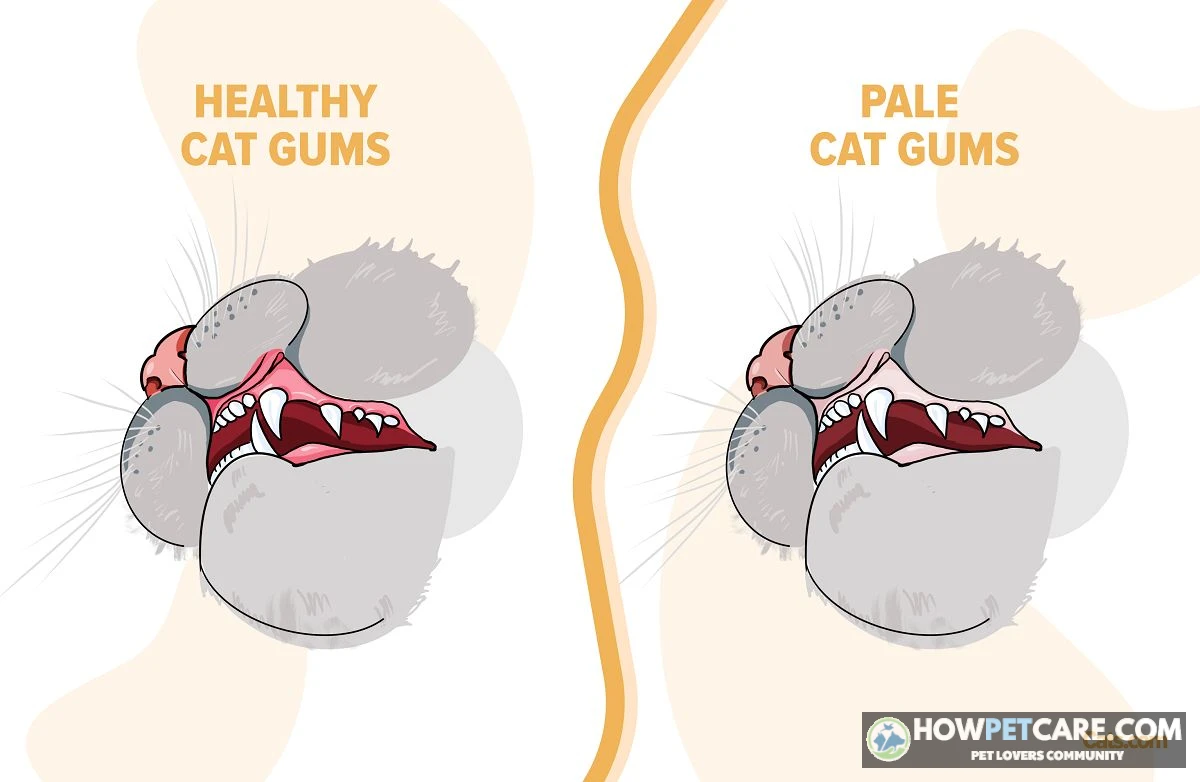

Anemia in cats means there are too few red blood cells or too little hemoglobin to carry oxygen effectively. It is a sign of an underlying problem—blood loss, red cell destruction, or reduced production—and ranges from manageable to life-threatening. Pale or white gums, breathing difficulty, or collapse require emergency care.
White or very pale gums, labored or open-mouth breathing, collapse, yellow gums, or any chance of toxin exposure mean you should head to an emergency veterinary clinic right now. If your cat is newly lethargic, eating less, losing weight, or has pale-pink gums but is otherwise stable, call a veterinarian today and book an appointment within 24 hours. Anemia is a symptom of an underlying issue, not a condition you can safely treat at home.
Anemia simply means there are too few red blood cells, or too little hemoglobin, to move oxygen around the body efficiently. It can turn life-threatening, yet the outlook varies: some causes respond quickly to treatment, while others need long-term management. Your vet will use blood tests to confirm the anemia, see whether the bone marrow is responding, and track down the underlying cause.
Is Your Cat’s Anemia an Emergency? A Go-Now vs. Call-Today Triage Checklist
Emergency signs: go now
Skip the regular appointment and go to an emergency vet now if your cat shows any of these signs:
- Gums that are white or very pale, especially if your cat seems weak or unusually sleepy.
- Yellow gums or whites of the eyes, which may signal jaundice.
- Rapid, difficult, or open-mouth breathing. Cats rarely pant normally, so breathing distress is an emergency.
- Collapse, inability to stand, or profound weakness.
- A racing heartbeat, cold paws or ears, or a sudden change in alertness.
- Black, tarry stool; visible blood in stool or urine; or blood in vomit.
- Known or suspected exposure to acetaminophen, onions, garlic, zinc, or rat poison. Call even if your cat looks well, and do not wait for symptoms to develop.
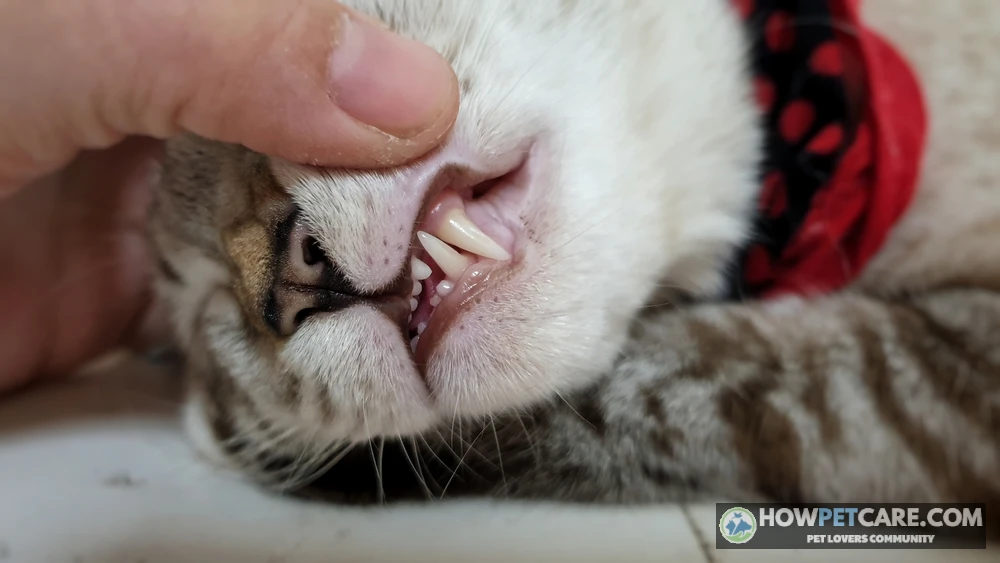
Severe anemia reduces oxygen delivery to organs and can lead to organ damage or failure. Don’t judge severity from gum color alone, and don’t wait for every sign on the list to appear before acting.
Urgent but not midnight: book within 24 hours
Call your regular vet today and ask for an appointment in the next 24 hours if your cat is stable but newly lethargic, hiding more than usual, eating noticeably less, has pale-pink gums, is losing weight, or has a heavy flea load. A kitten or small cat with lots of fleas needs prompt care—blood loss can become dangerous fast.
Home monitoring is only for minor, isolated changes. One skipped meal in a cat that stays bright, active, and has normal gums and breathing may be fine to watch. Stay alert, and call the vet if symptoms persist or worsen. Pale gums, breathing changes, or weakness should nudge the decision toward urgent care.
To check gum color, gently lift your cat’s lip while they’re calm and compare the gum color with what’s normal for them. Natural dark pigmentation makes this tricky, and gum color cannot confirm or rule out anemia. If you aren’t sure, call the clinic and describe what you see.
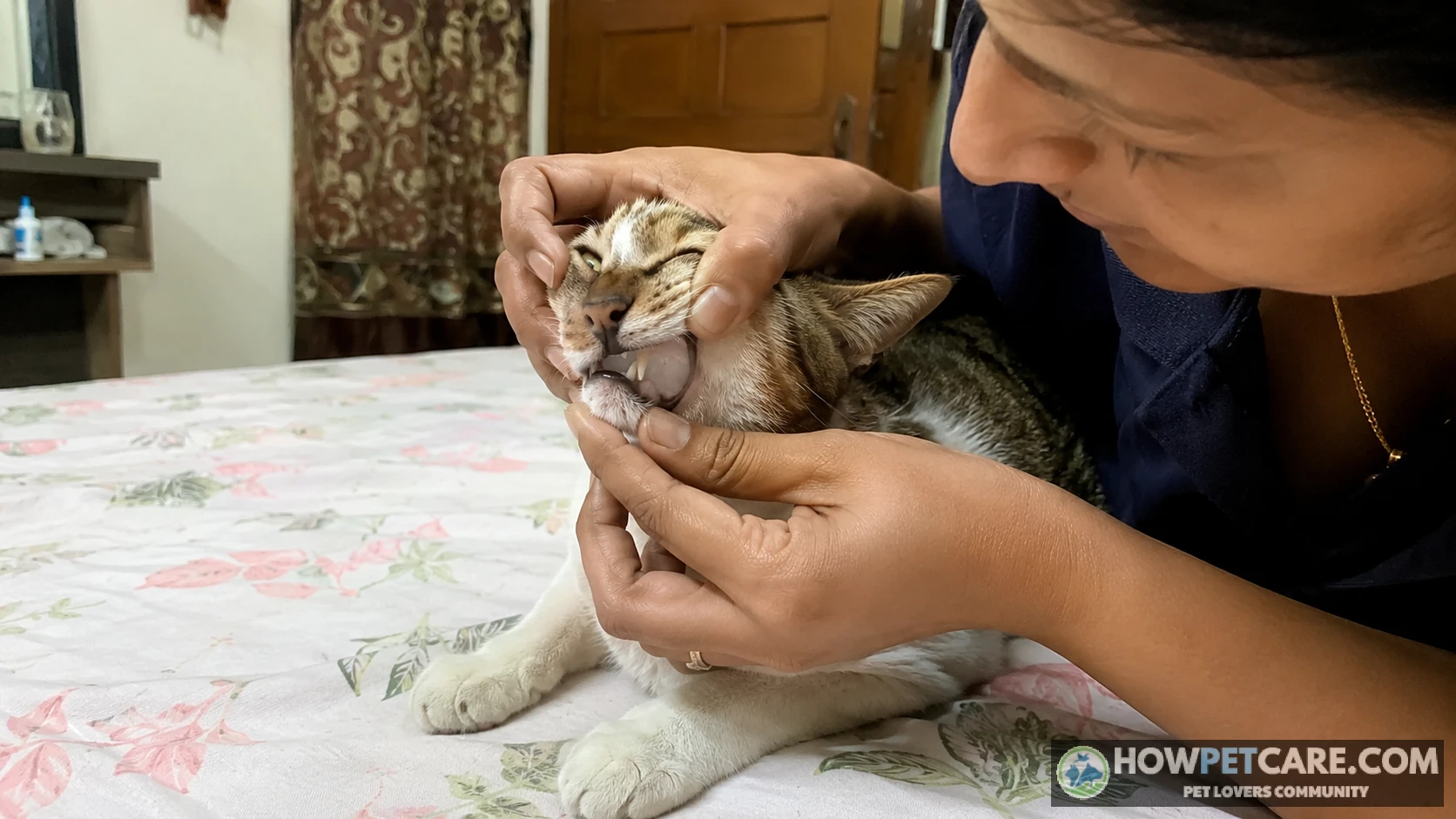
What to do on the way to the vet
Call the clinic first. Describe your cat’s breathing, gum color, energy level, and any possible exposure, then follow their instructions. Keep your cat quiet and warm in a carrier, and don’t force food, water, or medication. Bring medication packaging—or a list of all drugs and supplements—plus vaccination and FeLV testing history, flea and tick history, and photos of unusual stool or vomit. Let the team know if your cat could have reached human medicines, onions, garlic, zinc, or rodenticide.
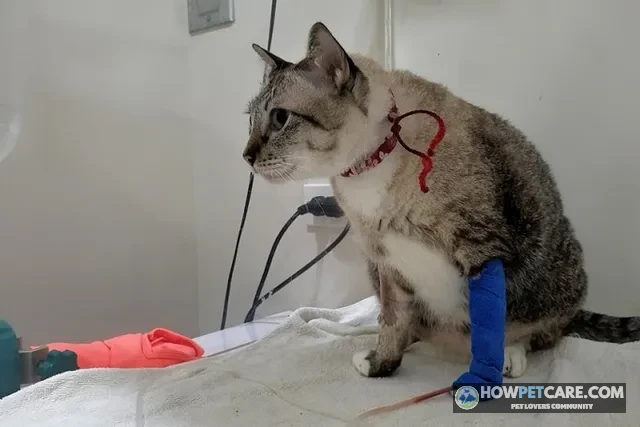
If you’re unsure, call a veterinary clinic or emergency hospital. This checklist cannot diagnose anemia or replace veterinary advice; staff can help you decide how quickly your cat needs to be seen.
Anemia in Cats Symptoms: What Owners Notice and What They Often Miss
Early and subtle signs
The most common signs of anemia in cats are lethargy, weakness, a smaller appetite, hiding, pale gums, faster breathing, and a faster heartbeat. Some cats lose weight or become less willing to play or climb. Because cats tend to hide illness, a small-seeming change—slowing down, sleeping more—may be the first clue of a real problem.
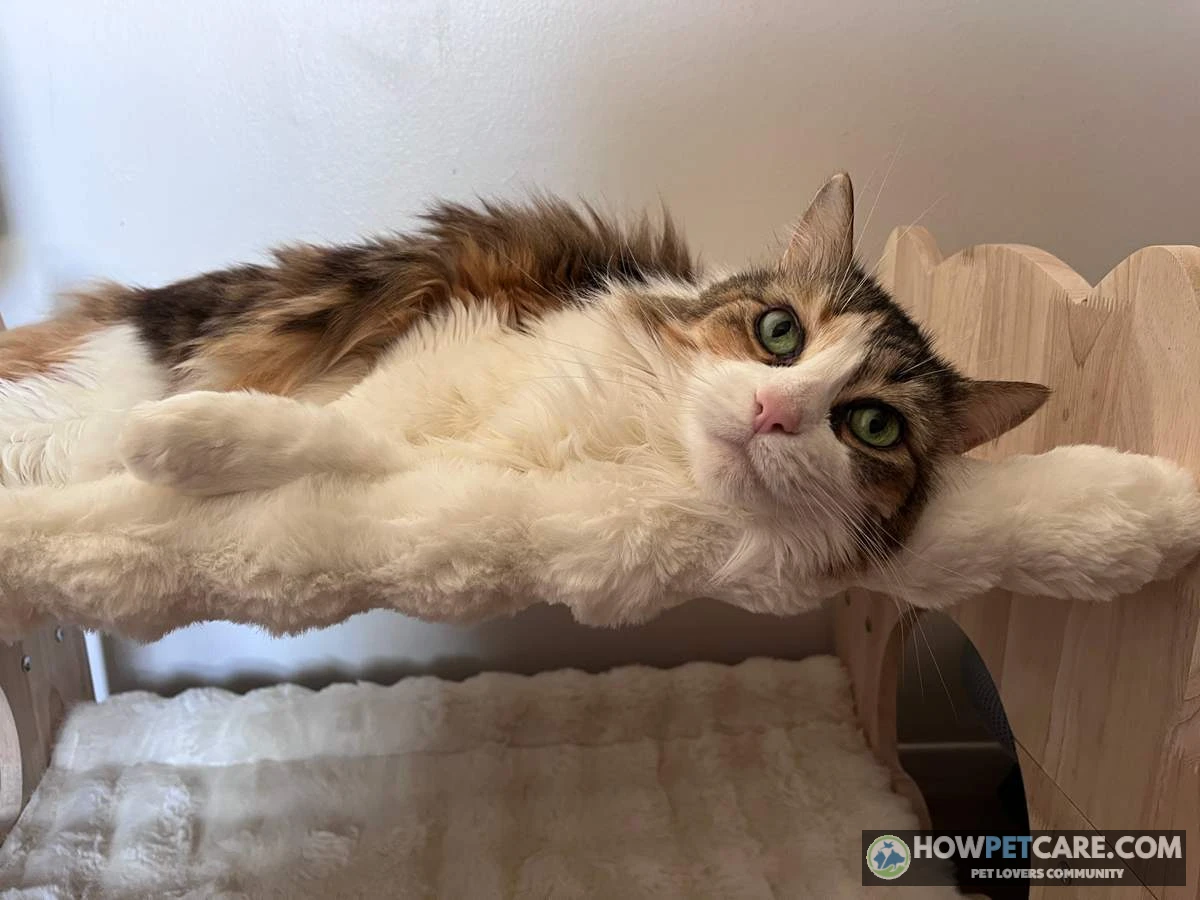
Slow-onset anemia can be harder to spot because the body has time to compensate. Sudden blood loss or red-cell destruction can cause a steeper drop. Neither your cat’s energy level nor how fast symptoms appear tells you the actual red blood cell count; bloodwork is the only way to assess that.
Advanced signs
Severe weakness, collapse, difficult breathing, and very pale or white gums demand urgent attention. Yellow gums or eyes can go along with red blood cell destruction; black, tarry stool or visible blood may point to bleeding. Increased thirst and urination can show up with kidney disease, one possible cause of reduced red blood cell production. Some anemic cats develop pica—chewing or eating litter, for example.
Pale gums: what to look for and its limits
Healthy gum color varies from cat to cat, and natural dark pigmentation can make it hard to judge. Compare what you see with your cat’s usual color rather than a single snapshot. Pale-pink gums are a reason to call and arrange prompt care; white gums, especially with weakness or breathing changes, are an emergency warning. A vet needs blood testing—not a home gum check—to confirm anemia and gauge severity.
What Causes Anemia in Cats? Blood Loss, Red Cell Destruction, and Reduced Production
Anemia in cats usually happens when red blood cells are lost, destroyed, or produced too slowly. Several problems can overlap, and anemia is often secondary to another condition rather than a primary blood disease.
Blood loss
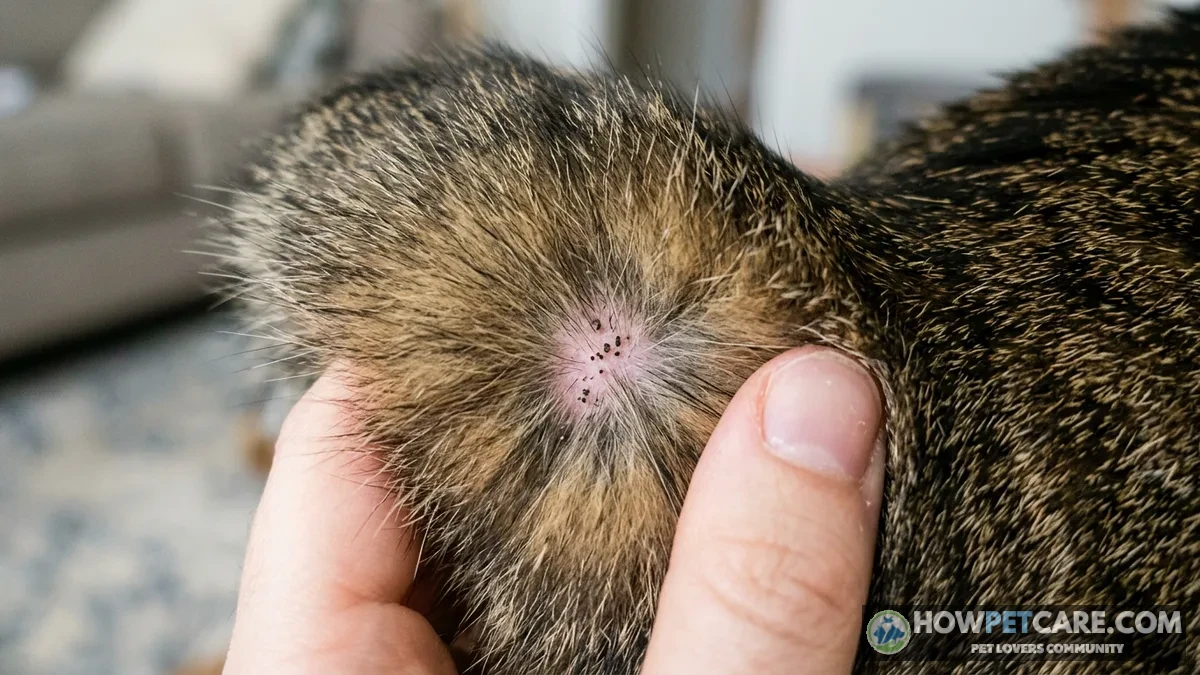
Blood loss may be obvious, like bleeding after an injury, or hidden inside the body or digestive tract. Common causes include heavy flea infestations, intestinal parasites such as hookworms, ulcers, tumors, urinary bleeding, surgery, and clotting disorders. Rat poison can disrupt clotting and lead to dangerous bleeding.
A heavy flea infestation can cause anemia by itself, especially in kittens and small cats. Fleas can also transmit Mycoplasma haemofelis, a blood parasite linked to red blood cell destruction. Finding fleas doesn’t rule out another cause, so the vet may still test for parasites, infection, or other illness.
Red blood cell destruction
Hemolysis is what happens when red blood cells are destroyed faster than the body can replace them. Causes include immune-mediated hemolytic anemia (IMHA), blood parasites such as Mycoplasma haemofelis, some infections, medication reactions, toxins, and inherited disorders.
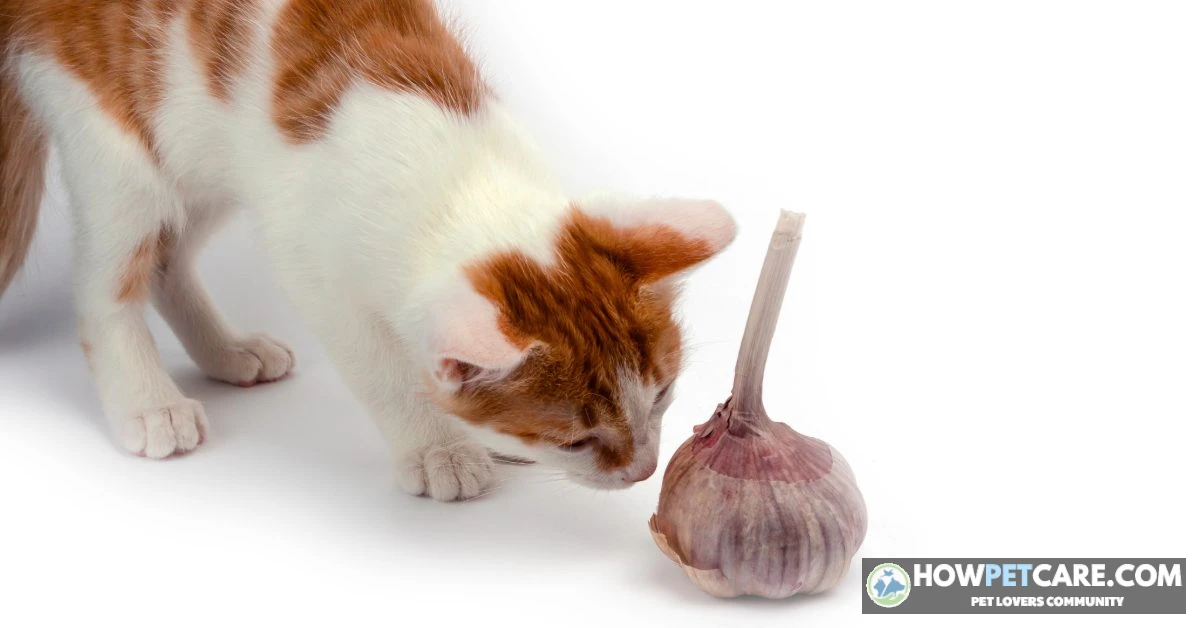
Onions, garlic, acetaminophen, and zinc can all damage red blood cells. Keep human medicines and potentially toxic foods well out of reach. If you think your cat may have been exposed, contact a veterinarian or emergency clinic right away—don’t wait for pale gums or other symptoms to show up.
Reduced red blood cell production
Bone marrow produces new red blood cells. Chronic kidney disease (CKD) can slow that process because damaged kidneys make less erythropoietin, the hormone that tells the marrow to produce more. FeLV and FIV, chronic inflammation, cancers or other bone marrow disorders, and some treatments can also impair production. True deficiencies, such as iron deficiency, are uncommon; in cats, iron deficiency usually stems from chronic blood loss rather than a simple low-iron diet.
FeLV and FIV deserve attention during the workup. A positive screening result needs interpretation in context; it doesn’t by itself explain why a particular cat is anemic.
Regenerative vs. Non-Regenerative Anemia in Cats: Why the Difference Changes Treatment
Vets classify anemia partly by whether the bone marrow is responding. That distinction helps narrow the cause and guides which tests and treatments are likely to help. In regenerative anemia, the marrow is releasing young red blood cells; in non-regenerative anemia, the response is weak or not yet visible.
| Feature | Regenerative anemia | Non-regenerative anemia |
|---|---|---|
| What it means | Bone marrow is responding by releasing young red cells called reticulocytes | Bone marrow is not producing enough new red cells, or the response is not yet visible |
| Reticulocyte count | Increased when the response is established | Low or absent |
| Typical causes | Blood loss, including fleas or bleeding; red-cell destruction, including IMHA, toxins, or blood parasites | CKD, FeLV or FIV, chronic inflammation, or bone marrow disease |
| Typical timing | Often follows bleeding or hemolysis | Often develops with ongoing disease, though timing varies |
| Key tests | CBC with reticulocyte count; smear and cause-specific tests | CBC, chemistry panel, FeLV/FIV testing, imaging, and sometimes marrow testing |
| Treatment direction | Stop the bleeding or destruction and support the cat while red cells recover | Treat the underlying disease; some cats need ongoing supportive care |
How vets tell the two types apart
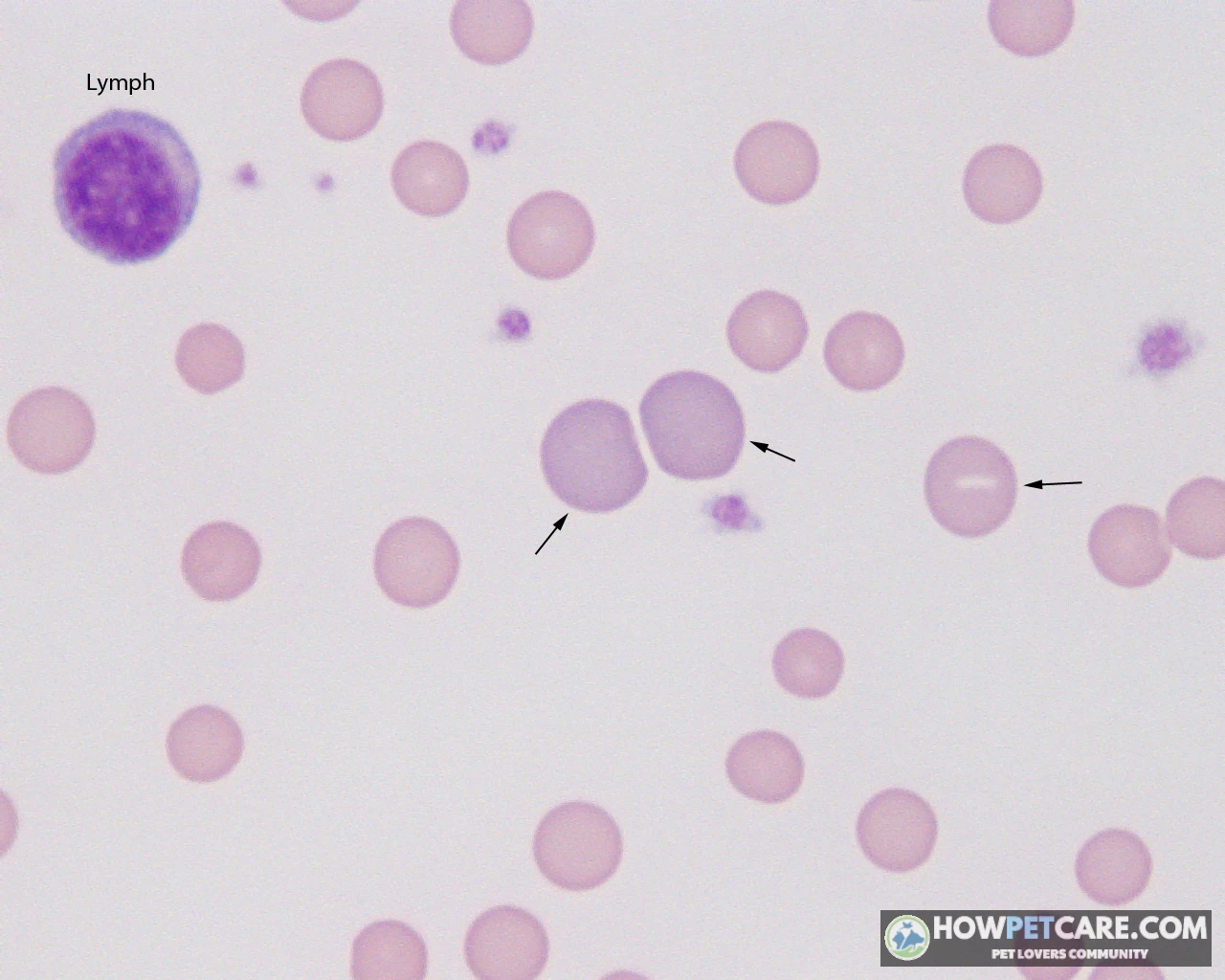
A complete blood count (CBC) measures red blood cells and other blood components, while a reticulocyte count looks for young red cells. A blood smear lets a trained professional inspect cell shape and appearance. These findings point the vet toward bleeding, red-cell destruction, kidney disease, infection, or the marrow itself.
After a sudden bleed, the marrow may need roughly three to five days to mount a measurable reticulocyte response. An early test can therefore look non-regenerative even when the marrow is perfectly capable. Your vet may want to repeat bloodwork before making a final call.
How Vets Diagnose Anemia: A Step-by-Step Walkthrough With Normal vs. Abnormal Values and Costs
The vet combines your cat’s history and physical exam with bloodwork, then adds targeted tests when needed. The order depends on how sick the cat is; an unstable cat may need emergency stabilization before a full workup can happen.
Step 1: Exam and quick PCV
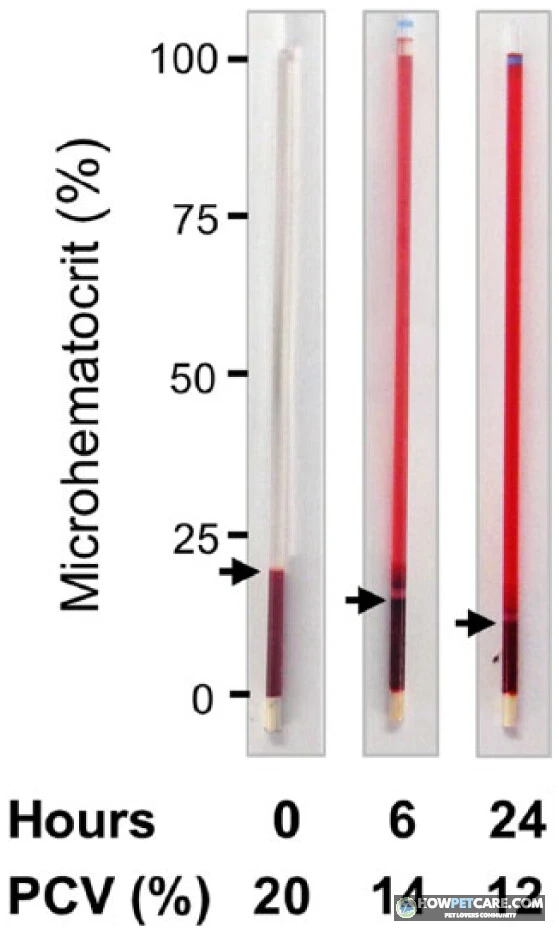
The vet checks gum color, breathing, heart rate, hydration, temperature, and signs of bleeding, jaundice, fleas, or other illness. A packed cell volume (PCV), also called hematocrit, estimates what proportion of the blood is made up of red cells.
A typical feline PCV or hematocrit reference range is about 25–45%; a value below 25% is generally considered anemia, though lab ranges and clinical interpretation vary. A value below about 15% is severe and may lead the vet to discuss a transfusion, but the decision hinges on the cat’s signs, how fast the count dropped, and the underlying cause—not on a number alone. Always compare results with the reference range printed on your cat’s report.
Step 2: CBC, reticulocyte count, and blood smear
The CBC reports red blood cell count, hemoglobin, hematocrit, and also white blood cells and platelets. Hemoglobin is the protein inside red blood cells that carries oxygen. The reticulocyte count helps identify whether the anemia is regenerative or non-regenerative; the smear may reveal cell damage, parasites, or abnormal cell shapes.
Step 3: Finding the cause
A chemistry panel and urinalysis check kidney function, liver values, proteins, and urine concentration. The vet may also recommend FeLV/FIV testing. Based on results and history, they may add a fecal test, Mycoplasma haemofelis PCR, testing for immune-mediated destruction, imaging, or a bone marrow sample. Not every cat needs every test.
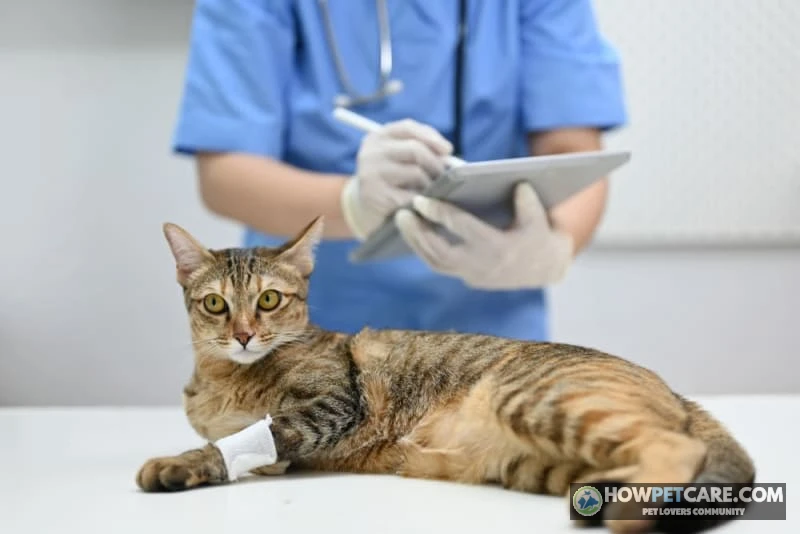
Ask the vet: ‘What does the PCV mean for my cat right now?’ ‘Is the anemia regenerative?’ ‘Which cause is most likely?’ ‘Which test would change the treatment plan?’ and ‘Can we prioritize the workup in stages?’ If time allows, request an itemized estimate before approving tests.
What each test costs
The following are approximate U.S. cost ranges, not fixed prices. Fees vary by region, clinic, and whether care is at an emergency hospital. Some clinics bundle tests, and extras may apply for urgent service, interpretation, sedation, or hospitalization.
| Test or service | Typical estimate |
|---|---|
| General veterinary exam | $50–$150; emergency exam often $150–$250 |
| In-house PCV | $25–$60, sometimes bundled with the exam |
| CBC with reticulocyte count | $50–$120 |
| Blood smear review | $30–$80 |
| Chemistry panel and urinalysis | $80–$200 |
| FeLV/FIV screening | $40–$80 |
| Fecal exam | $30–$60 |
| Mycoplasma PCR | $100–$180 |
| Test for immune-mediated destruction | $80–$150 |
| X-rays or ultrasound | $150–$600, depending on imaging and clinic |
| Bone marrow sampling | $300–$800, often with additional sedation or lab fees |
These estimates are for planning only. Ask the clinic what each test includes and whether it is urgent, recommended, or optional for your cat.
Anemia in Cats Treatment: What Happens for Each Underlying Cause
Treatment depends on the cause and how stable the cat is. The goal may be to stop bleeding, fight infection or immune destruction, manage kidney or marrow disease, or stabilize the cat while the body rebuilds its red blood cell supply.
Treating the cause
For flea-related blood loss, the vet will recommend a cat-safe flea treatment and may check for parasites or other illness. Hookworms usually need deworming. Mycoplasma haemofelis is typically treated with veterinarian-prescribed antibiotics. IMHA may need immunosuppressive medication. Kidney-related anemia is managed as part of CKD care; some cats receive drugs that stimulate red cell production. Toxin exposure, internal bleeding, tumors, and marrow disease each need a plan tailored to that cause.
Don’t start, stop, or adjust prescription meds on your own. Some treatments carry risks and need monitoring with repeat exams or bloodwork.
Transfusions and hospital care
A blood transfusion may be considered when anemia is severe or causing dangerous symptoms. It can improve oxygen-carrying capacity while the team treats the underlying cause, but it doesn’t cure the cause itself. Cats must be blood typed before a transfusion because feline blood types differ, and compatibility matters.
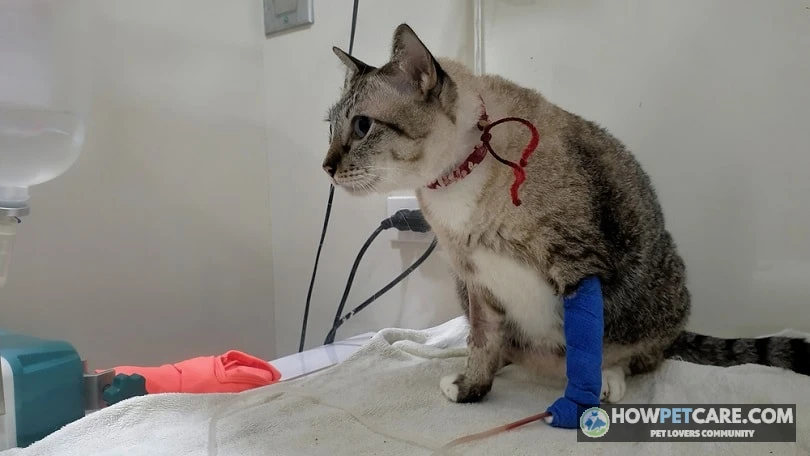
Hospital care may include oxygen, warmth, close monitoring, fluids when appropriate, and nutritional or appetite support. The plan depends on the cat’s breathing, circulation, hydration, and diagnosis. Your vet will explain what must happen immediately and what can wait.
What treatment realistically costs
Initial treatment can be as simple as outpatient medication and rechecks, or as involved as hospitalization and transfusion. As broad U.S. estimates, an initial outpatient workup and treatment may run a few hundred dollars or more; complex diagnostics and treatment can reach several thousand. A transfusion may cost roughly $500–$1,500, while intensive-care hospitalization can add about $600–$1,500 per day. Actual estimates vary a lot by clinic, location, severity, and complications. For chronic causes such as CKD or FeLV-related disease, ongoing management usually means periodic recheck exams and repeat bloodwork; ask the clinic how often each is likely and what a typical visit will run.
Ask for a written estimate that separates stabilization, tests, medication, hospitalization, and follow-up. If cost is a concern, bring it up early and ask which steps are most urgent, whether testing can be staged, and what payment options are available. Recheck timing varies; the vet may repeat a PCV or CBC soon after treatment, then adjust the schedule as your cat stabilizes.
Can You Treat Anemia in Cats at Home? Safe Supportive Care, Diet, and Iron Guidance
You can’t safely diagnose or cure anemia at home. Home care supports what the vet is doing; it does not replace testing, medication, or a transfusion when one is needed.
Safe supportive care
Give prescribed medicine exactly as directed and keep recheck appointments. Provide a quiet, comfortably warm place to rest, and limit strenuous activity while your cat is weak. Offer a familiar, palatable, complete cat food and fresh water; if appetite is poor, call the vet for advice instead of force-feeding. Follow the vet’s instructions on flea control and any dietary changes.

A complete, balanced cat food is appropriate for most cats unless the vet recommends a therapeutic diet for an underlying condition. Extra iron won’t fix anemia unless true iron deficiency is present and addressed. Your vet may recommend specific nutritional support, such as B12, for an individual cat, but supplements don’t replace treating the cause.
What not to give
Don’t give iron, human vitamins, herbal remedies, or human pain medicines unless your vet specifically tells you to. Most anemic cats are not iron deficient, and excess iron can be toxic. Acetaminophen is especially dangerous to cats; suspected exposure needs immediate veterinary advice. Avoid dog flea products on cats—some contain permethrin, which is toxic to felines.
Don’t calculate or guess a dose from a label meant for people or another animal. Use only products and doses your veterinarian has approved.
Daily monitoring checklist
Once your cat has been assessed and your vet agrees home monitoring is appropriate, keep a simple log:
- Gum color compared with your cat’s normal color.
- Appetite, water intake, and whether medication was given.
- Energy level, ability to stand and walk, and interest in normal activities.
- Breathing effort and any sudden change in breathing.
- Stool color, visible blood, vomiting, and urine changes.
- Fleas or flea dirt, if parasite control is part of the plan.
Call the vet if your cat worsens, stops eating, or develops new symptoms. Use emergency care for collapse, breathing difficulty, white gums, jaundice, or suspected toxin exposure.
Can Cats Recover From Anemia? Prognosis and Life Expectancy by Cause and Severity
Many cats recover from anemia when the cause is treatable and caught early. Others need ongoing care because the underlying disease is chronic. There is no single life-expectancy estimate for "anemia." Prognosis depends on the cause, how low the PCV is, how quickly it fell, whether the marrow is responding, other health problems, and how the cat responds to treatment.
| Cause | Mild to moderate outlook | Severe outlook | Typical recovery or management timeline | Factors that affect outcome |
|---|---|---|---|---|
| Fleas or other treatable blood loss | Often good if the source is found and controlled early | Can be life-threatening, especially for kittens; may require transfusion | Improvement varies; follow-up checks confirm recovery | Amount and duration of blood loss, age, parasites, and recurrence prevention |
| Mycoplasma haemofelis | Often responds to treatment, though recurrence is possible | May need hospitalization or transfusion | Treatment and monitoring continue as directed by the vet | Severity, other infections, and response to medication |
| IMHA | Variable; guarded because immune destruction can be serious | Higher risk of complications and intensive care | May require prolonged treatment and close monitoring | Response to immunosuppression, complications, and underlying trigger |
| CKD-related anemia | Often managed as part of chronic kidney care | More difficult when kidney disease is advanced or anemia is severe | Ongoing monitoring; some cats need long-term management | Kidney disease stage, appetite, other illnesses, and response to treatment |
| FeLV/FIV-associated anemia | Depends on the infection and associated illness | Guarded when disease is advanced or complications occur | Variable; supportive and infection-focused care may be ongoing | Overall health, secondary infections, and marrow involvement |
| Cancer or bone marrow disease | Depends on the specific diagnosis and available treatment | Often guarded to poor when disease is advanced | May involve intensive treatment or palliative care | Cancer type, spread, treatment response, and quality of life |
These are general patterns, not predictions for any individual cat. A cause that sounds serious may still have treatment options, and a seemingly modest anemia can be dangerous if it developed quickly or is affecting breathing and circulation. Ask your vet what improvements they expect at the next recheck and which signs would mean the plan needs adjusting.
Higher-risk cats: kittens, seniors, and Abyssinian or Somali breeds
Kittens are especially vulnerable to heavy flea burdens and blood loss. Senior cats are more likely to have CKD or another chronic illness that can reduce red cell production. Outdoor and unvaccinated cats may face more exposure to FeLV, fights, and parasites.
Abyssinian and Somali cats can inherit pyruvate kinase deficiency. If your cat belongs to one of these breeds and has unexplained or recurring anemia—or if you are thinking about breeding—ask your vet whether genetic testing makes sense.

Preventing recurrence
Use year-round, vet-approved flea prevention on all cats in the household, and never put a dog product on a cat. Follow your vet’s deworming advice, especially for kittens and outdoor cats. Ask about FeLV testing and vaccination based on your cat’s exposure risk, and try to reduce chances for fights and trauma.
Keep human medicines, onion- and garlic-containing foods, zinc products, and rodenticide away from cats. Learn your cat’s normal gum color while they’re healthy. For older cats, ask how often wellness bloodwork is recommended so kidney disease and other problems can be caught before signs show up.
Your Next Steps: A Decision Guide for the First 24 Hours and the Weeks After
If your cat has white gums, breathing difficulty, collapse, yellow gums, blood in vomit or stool, or any chance of toxin exposure, call an emergency clinic and go now. Bring medication and exposure details. If your cat has mild but new lethargy, reduced appetite, pale-pink gums, weight loss, or fleas—especially a kitten—call your regular vet and arrange care within 24 hours.
If your cat has already been diagnosed, ask the vet to explain the PCV or hematocrit, whether the anemia is regenerative, the most likely cause, and which tests or treatments are time-sensitive. Request an itemized estimate and ask when the next blood test is due. At home, give only approved treatments, keep a symptom log, and stick to the prevention plan.
Use the emergency checklist whenever symptoms change. If you aren’t sure whether a sign can wait, call the clinic instead of trying to diagnose the cause yourself.
1What Packed Cell Volume (PCV) threshold is generally considered the baseline below which a cat is diagnosed with anemia?
Feline reference ranges typically span from 25% to 45%, making values under 25% the general standard for identifying anemia.
2Which set of symptoms requires immediate emergency veterinary intervention rather than booking an appointment within 24 hours?
Severe pallor combined with respiratory distress or loss of postural control signals critical lack of oxygen delivery to tissues.
3Why might a cat's reticulocyte count appear non-regenerative immediately following a sudden, acute blood loss event?
The physiological delay in manufacturing and releasing immature red blood cells means early bloodwork may precede marrow output.
4Which substance induces feline anemia specifically by causing red blood cell destruction (hemolysis)?
Dietary compounds in Allium species induce oxidative damage directly to red blood cells, causing them to rupture.
5How does chronic kidney disease (CKD) contribute to non-regenerative anemia in cats?
Erythropoietin is the essential renal hormone that prompts bone marrow to generate replacement red blood cells.
6Which hereditary condition causing red blood cell breakdown should be evaluated in Abyssinian and Somali cats presenting with unexplained anemia?
This inherited enzyme deficiency impairs red blood cell energy metabolism, leading to hemolytic anemia in susceptible breeds.
7Why is over-the-counter iron supplementation discouraged for anemic cats without explicit veterinary direction?
True dietary iron deficiency is rare in cats; unneeded supplementation fails to address underlying causes and risks iron poisoning.
8What critical limitation exists when relying on home checks of a cat's gum color to evaluate anemia?
Normal skin pigments interfere with visual inspection, requiring objective blood testing like a PCV for accurate evaluation.
9What primary insight does a microscopic blood smear review provide during an anemia workup?
Microscopic evaluation reveals visual abnormalities in cell structure, signs of oxidative hemolysis, or organisms attached to cells.
10Which organism transmitted by fleas directly targets red blood cells and induces hemolysis in cats?
This bacterial blood parasite attaches to feline red blood cells, causing destruction and triggering immune removal.
| Cause of Anemia | Anemia Mechanism | Mild to Moderate Outlook | Severe Outlook | Typical Recovery or Management Timeline | Factors That Affect Outcome |
|---|---|---|---|---|---|
| Fleas or other treatable blood loss | Blood Loss | Often good if the source is found and controlled early | Can be life-threatening, especially for kittens; may require transfusion | Improvement varies; follow-up checks confirm recovery | Amount and duration of blood loss, age, parasites, and recurrence prevention |
| Mycoplasma haemofelis | Red Blood Cell Destruction | Often responds to treatment, though recurrence is possible | May need hospitalization or transfusion | Treatment and monitoring continue as directed by the vet | Severity, other infections, and response to medication |
| IMHA | Red Blood Cell Destruction | Variable; guarded because immune destruction can be serious | Higher risk of complications and intensive care | May require prolonged treatment and close monitoring | Response to immunosuppression, complications, and underlying trigger |
| CKD-related anemia | Reduced Red Blood Cell Production | Often managed as part of chronic kidney care | More difficult when kidney disease is advanced or anemia is severe | Ongoing monitoring; some cats need long-term management | Kidney disease stage, appetite, other illnesses, and response to treatment |
| FeLV/FIV-associated anemia | Reduced Red Blood Cell Production | Depends on the infection and associated illness | Guarded when disease is advanced or complications occur | Variable; supportive and infection-focused care may be ongoing | Overall health, secondary infections, and marrow involvement |
| Cancer or bone marrow disease | Reduced Red Blood Cell Production | Depends on the specific diagnosis and available treatment | Often guarded to poor when disease is advanced | May involve intensive treatment or palliative care | Cancer type, spread, treatment response, and quality of life |
FAQ
Is anemia in cats fatal?
It can be, but many cats recover when the underlying cause is found and treated early. Outcomes depend on the cause and severity, from good for flea-related anemia to guarded for IMHA, FeLV, or cancer.
Can fleas cause anemia in cats?
Yes. Heavy flea infestations can cause dangerous blood loss, especially in kittens and small or ill cats, and fleas can also spread Mycoplasma haemofelis. Year-round vet-approved flea prevention is the best protection.
Can kidney disease cause anemia in cats?
Yes. Diseased kidneys make less erythropoietin, the hormone that tells bone marrow to produce red blood cells, leading to a non-regenerative anemia that is common in senior cats.
How long does it take a cat to recover from anemia?
It depends on the cause. Blood-loss anemia treated early may improve over weeks, while IMHA or kidney-related anemia can need months or lifelong management, with rechecks to monitor PCV.
Can I give my anemic cat iron supplements?
Not without veterinary guidance. Most anemic cats are not iron deficient, and excess iron can be toxic, so supplements should only be used if your vet recommends them.
Should I get my Abyssinian or Somali cat tested for pyruvate kinase deficiency?
Testing is reasonable, especially before breeding or if the cat has unexplained recurring anemia. A simple DNA test is available, so ask your vet or breeder.