
| Dog weight | Approx. daily kcal | Cups/day (400 kcal/cup food) | Treat limit (10%) |
|---|---|---|---|
| 5 lb | ~210 | ~½ cup | ~20 kcal |
| 10 lb | ~350 | ~⅞ cup | ~35 kcal |
| 15 lb | ~470 | ~1¼ cups | ~45 kcal |
| 20 lb | ~590 | ~1½ cups | ~60 kcal |
| 25 lb | ~690 | ~1¾ cups | ~70 kcal |
How Much to Feed a Small Dog Per Day: Calories and Cups by Weight
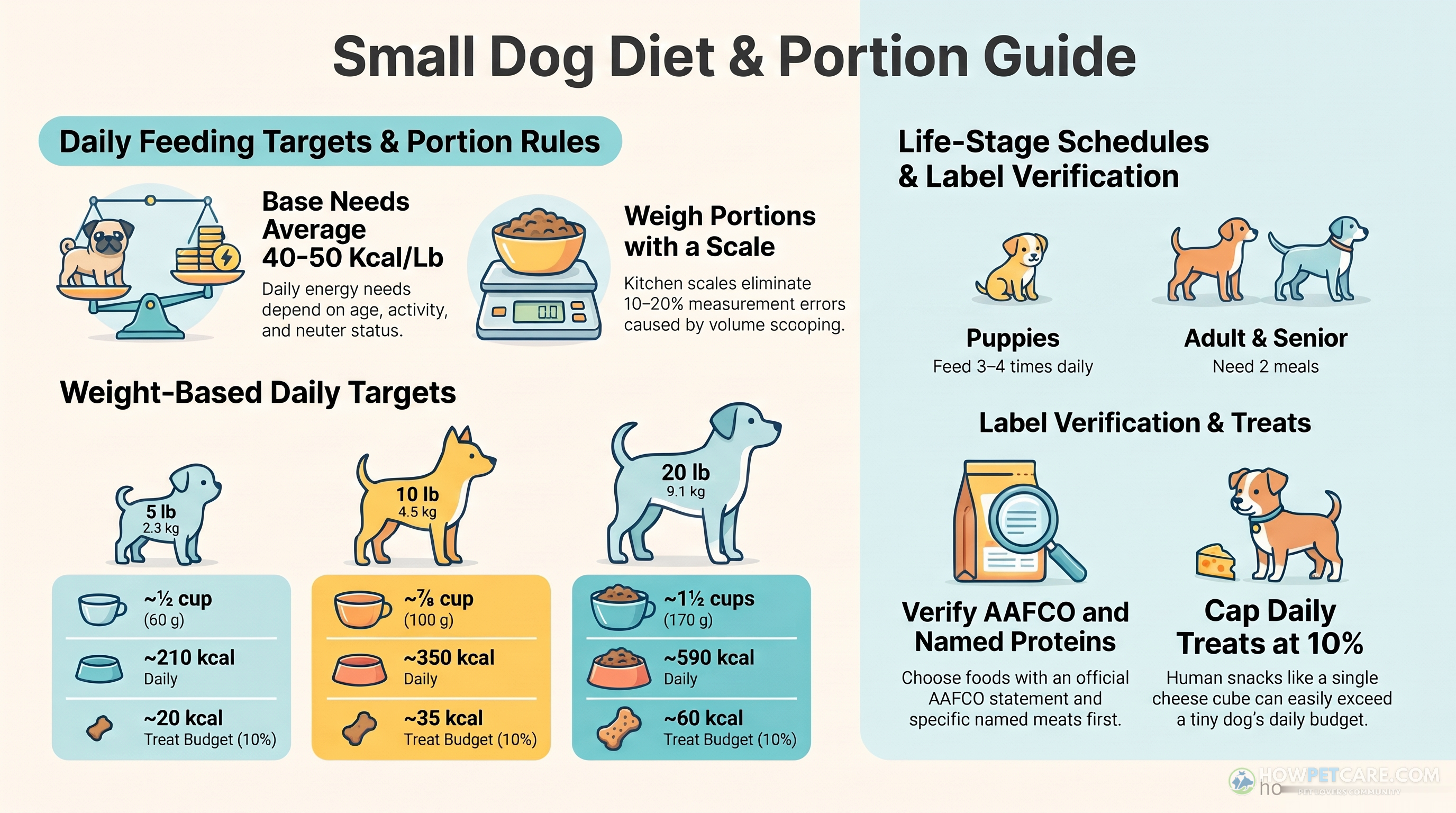
Most healthy, neutered adult small dogs need roughly 40 to 50 kcal per pound per day. The chart below gives a concrete starting point for dogs from 3 lb to 25 lb, based on a typical kibble with about 400 kcal per cup. Find your dog’s weight, note the daily calorie target, then divide that number by the kcal-per-cup printed on your bag to get the exact cup amount.
Daily feeding chart for small and toy breed dogs
| Dog weight (lb) | Dog weight (kg) | Approx. daily kcal | Cups per day | Grams per day | Per meal (2 meals) | Max treat kcal (10%) |
|---|---|---|---|---|---|---|
| 3 | 1.4 | ~150 | ~⅜ cup | ~45 g | ~22 g | ~15 |
| 5 | 2.3 | ~210 | ~½ cup | ~60 g | ~30 g | ~20 |
| 8 | 3.6 | ~290 | ~¾ cup | ~85 g | ~42 g | ~30 |
| 10 | 4.5 | ~350 | ~⅞ cup | ~100 g | ~50 g | ~35 |
| 15 | 6.8 | ~470 | ~1¼ cups | ~135 g | ~68 g | ~45 |
| 20 | 9.1 | ~590 | ~1½ cups | ~170 g | ~85 g | ~60 |
| 25 | 11.3 | ~690 | ~1¾ cups | ~200 g | ~100 g | ~70 |
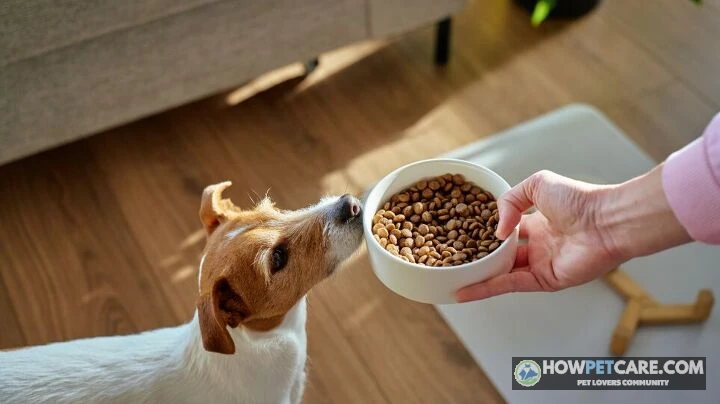
Adjustments: Growing puppies may need roughly 1.5–2× the figure for their expected adult weight; seniors often need 10–20% less. Re-check body condition every 2–4 weeks and nudge portions up or down by about 10%.
This chart assumes a healthy, neutered adult dog eating a kibble with ~400 kcal/cup. Your dog’s actual needs depend on metabolism, activity, and body condition. Always verify the kcal/cup on your specific bag and adjust based on body condition score.
How to find the calories per cup on your dog’s food
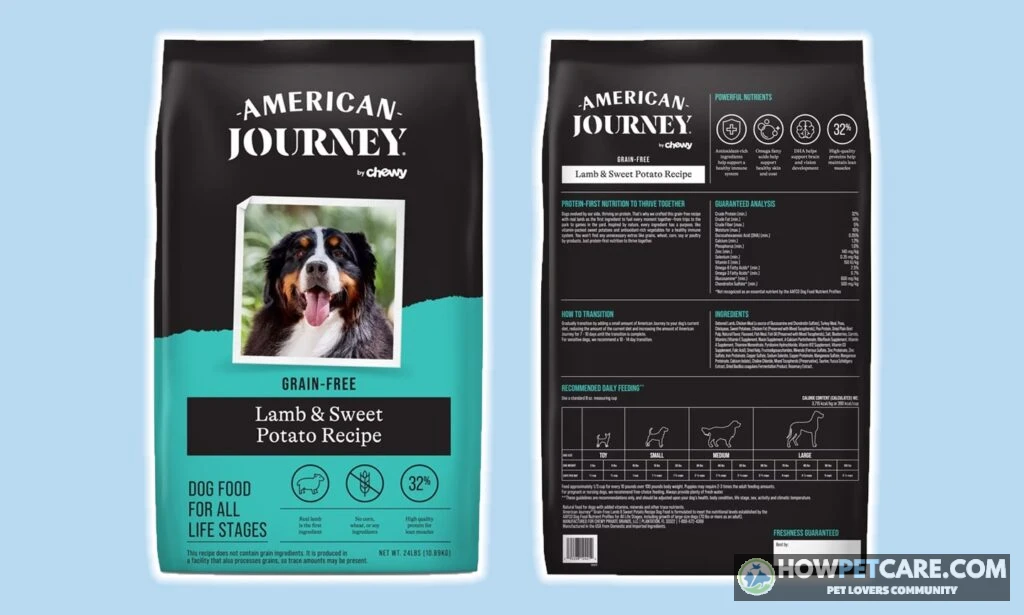
Turn the bag over and look for the "Guaranteed Analysis" panel. Near it you’ll see a line like "Metabolizable Energy (ME) = 3,800 kcal/kg, 380 kcal/cup." Use that cup number — not the one in our chart — to calculate your dog’s portion. If the label only gives kcal/kg, divide by 1,000 to get kcal/g, then multiply by the grams per cup (often listed as "1 cup = 100 g").
The Math Behind the Chart: Calories Per Pound and Portion Control
Understanding the math lets you recalculate portions for any food, any weight, and any life stage.
Worked example: from pounds to kcal to cups
Step 1 — Convert weight to kilograms: 10 lb ÷ 2.2 ≈ 4.5 kg.
Step 2 — Calculate RER: RER = 70 × (4.5)^0.75 ≈ 70 × 3.1 ≈ 218 kcal.
Step 3 — Apply the life-stage factor: 218 × 1.6 (neutered adult) ≈ 350 kcal per day.
Step 4 — Convert to her actual food:
- Her current kibble: 400 kcal/cup → 350 ÷ 400 ≈ ⅞ cup, or about 100 g per day.
- If she switched to a 330 kcal/cup food → 350 ÷ 330 ≈ 1 cup + 2 tbsp.
- If she switched to a 450 kcal/cup food → 350 ÷ 450 ≈ ¾ cup.
Same dog, same calorie need — three different cup amounts. This is why "feed 1 cup" advice from a friend or a different bag can quietly overfeed a small dog by 20–30%.
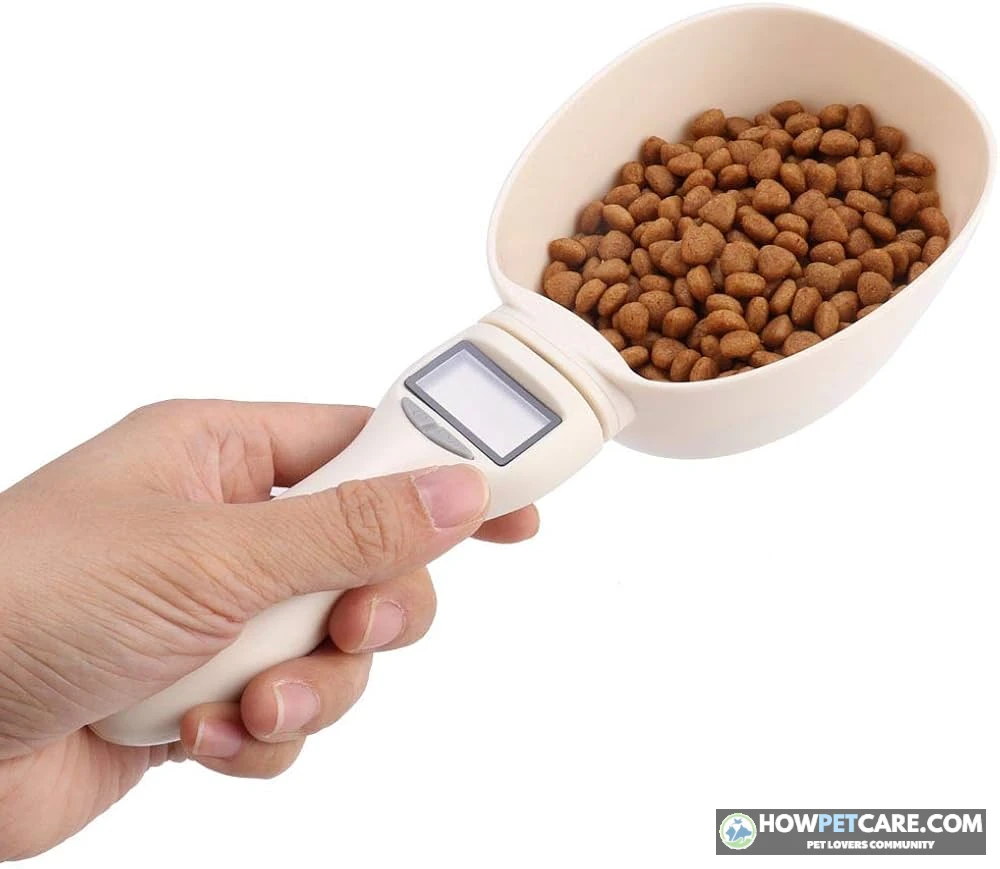
Step 5 — Split into meals: 2 meals → ~175 kcal / ~50 g each. Weigh it once with a kitchen scale, mark the scoop, and you’re set.
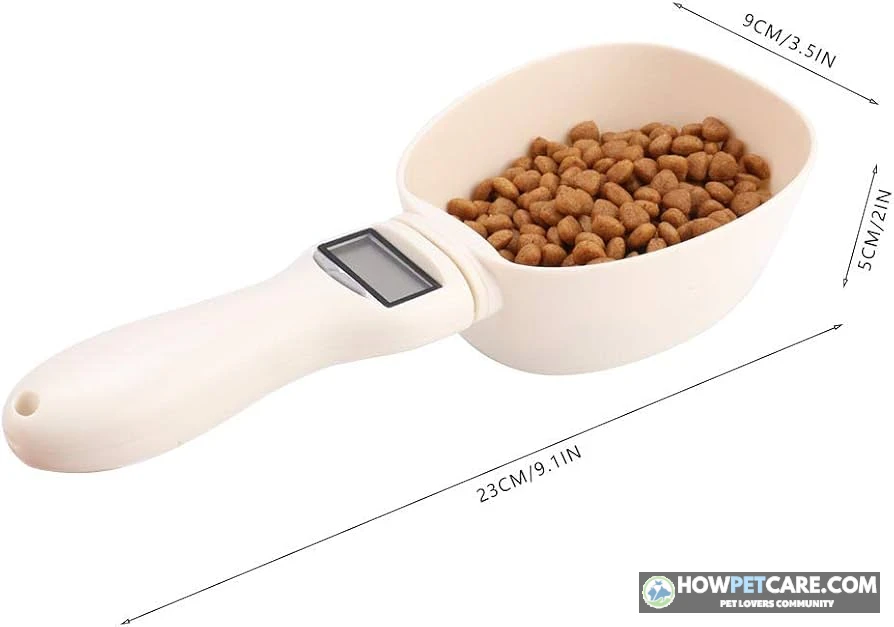
A kitchen scale costs $10 and eliminates the 10–20% error that comes from heaping or settling kibble in a measuring cup. For a 5 lb dog, 1/8 cup error is 10% of daily calories.
Adjusting for neutering, activity, and body condition score
The life-stage factor (often called the Maintenance Energy Requirement multiplier) ranges from about 1.4 for a sedentary, neutered adult to 1.8 for an intact adult, and 2.0–3.0 for growing puppies. After you calculate the starting kcal, use the 9-point Body Condition Score (BCS) to fine-tune:
- BCS 4–5 (ideal): ribs palpable with minimal fat, waist visible from above, abdominal tuck from the side. Keep current calories.
- BCS 6–7 (overweight): ribs palpable with noticeable fat, waist faint or absent. Reduce calories by 10%.
- BCS 8–9 (obese): heavy fat deposits, no waist. Reduce by 15–20% and consult your vet.
- BCS 1–3 (underweight): ribs, spine, and pelvic bones prominent. Increase by 10% and consult your vet.
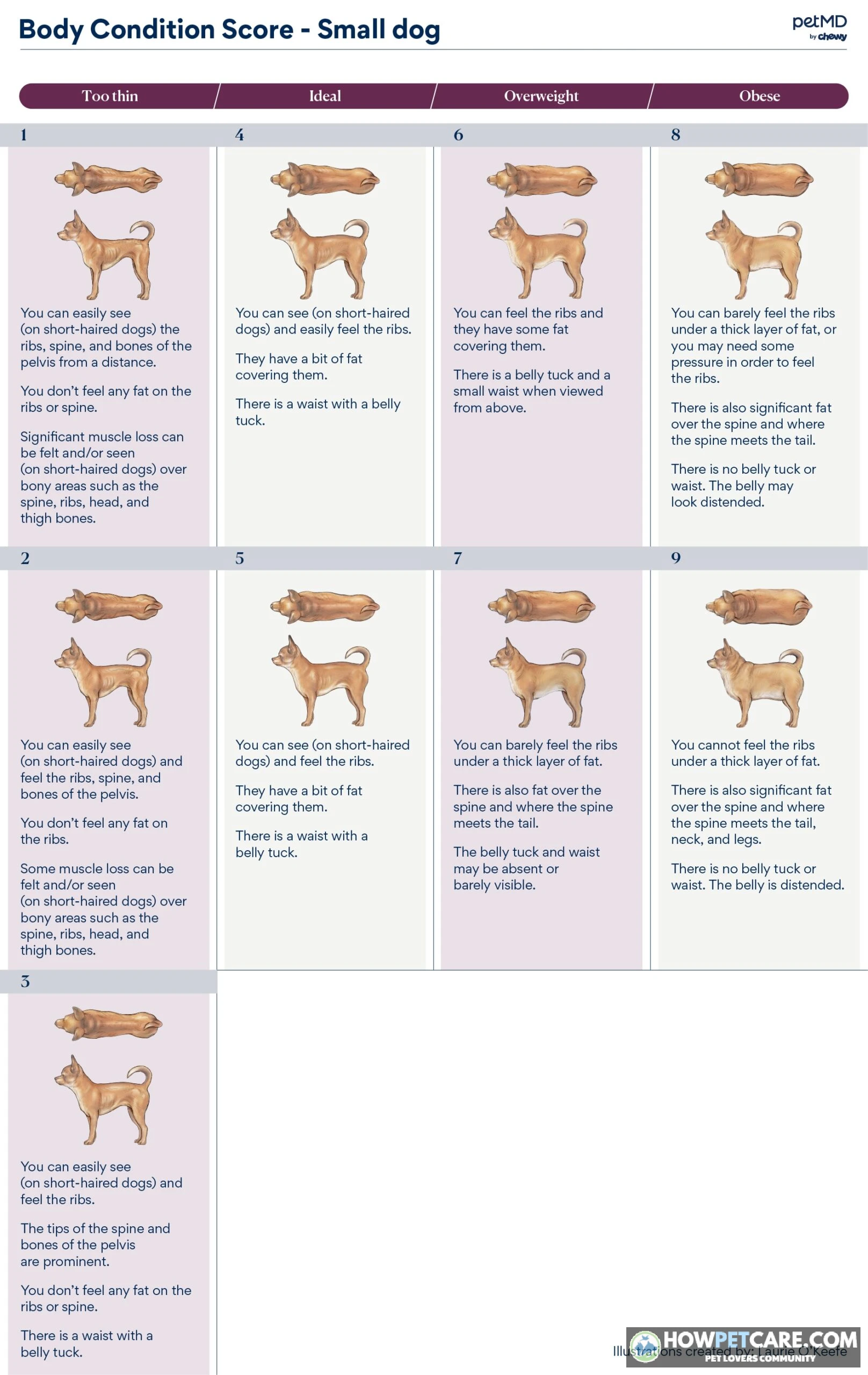
Re-check BCS every 2–4 weeks. Small dogs change weight fast — a 1 lb gain on a 10 lb dog is 10% of body weight.
Small Dog Feeding Schedule by Life Stage: Puppy, Adult, and Senior
Puppy meals and when to switch to adult food
Toy and small-breed puppies have tiny stomachs and high metabolic rates, making them prone to hypoglycemia (low blood sugar). Feed 3–4 meals per day until about 6 months of age; for toy breeds under 5 lb, keep 3 meals until at least 12 weeks. Warning signs of hypoglycemia include weakness, trembling, and lethargy — call your vet immediately if you see them.
Most small breeds finish growing and can move off puppy food at 9–12 months; toy breeds may finish as early as 6–9 months. Choose a food with an AAFCO statement for "growth" or "all life stages." Transition gradually over 7–10 days, mixing increasing amounts of the new food. Your vet can confirm the right timing for your individual dog.
Adult meal frequency
Healthy adult small dogs do well on two measured meals per day, roughly 12 hours apart. Free feeding (leaving food out all day) makes it hard to track calories and notice appetite changes, and it encourages overeating.
Senior small dog diet changes
Small breeds often live 12–16 years, entering seniorhood around 7–10 years. Calorie needs typically drop 10–20% due to lower activity, but protein needs do not decline; adequate protein helps preserve muscle mass. Most seniors do well continuing on two measured meals a day, though splitting the ration into smaller, more frequent meals can help dogs with reduced appetite or digestion. Watch for dental pain, reduced appetite, and weight loss or gain. Softer foods or moistened kibble can help dogs with dental disease. Discuss joint supplements (omega-3 fatty acids) with your vet — they may support mobility but are not a guaranteed treatment.
For a detailed guide on feeding aging dogs, see our article on senior dog nutrition (coming soon).
Do Small Dogs Need Small Breed Dog Food?
The short answer: the main practical differences are higher calorie density and smaller kibble. Small dogs burn more calories per pound than large dogs but have smaller stomachs, so each bite must carry more energy. Small-breed formulas also use smaller kibble that’s easier for tiny mouths to pick up and chew. A good adult formula that meets AAFCO nutrient profiles for maintenance can work if the dog eats it comfortably and the kibble size is manageable.
When a small-breed formula is worth it:
- Toy breeds under ~10 lb
- Picky eaters who need higher palatability
- Dogs with missing teeth or dental pain
- Owners who want the convenience of pre-portioned calorie density
AAFCO statements to look for:
- "Maintenance" — for adult dogs
- "Growth" or "All life stages" — for puppies (also acceptable for adults, but higher in calories)
- Feeding-trial statements are stronger evidence than formulation-only statements.
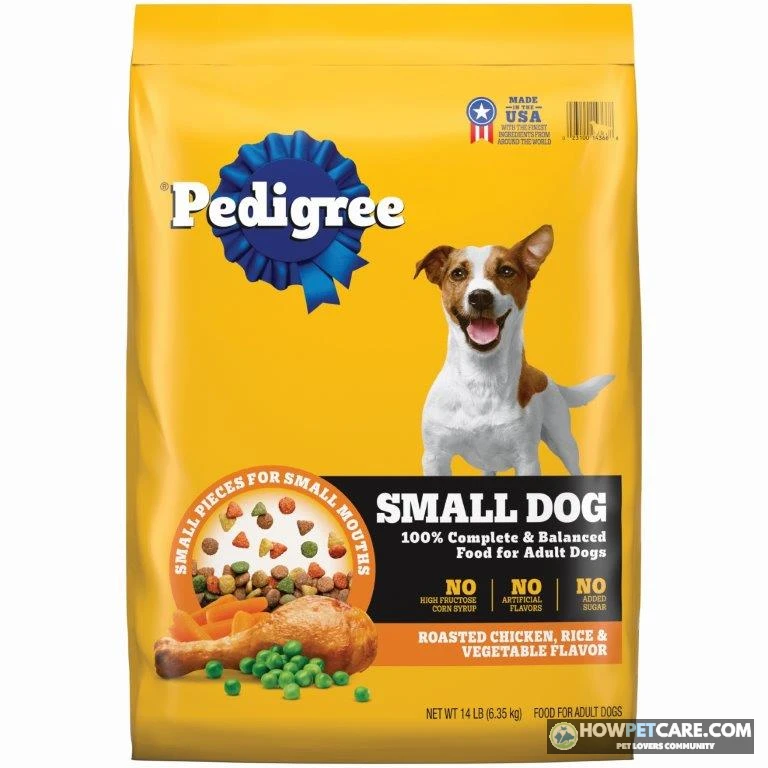
"Small breed" on the bag is not a regulated term. The nutrient profile and kibble size are what matter. Always check the AAFCO statement and kcal/cup.
How to Read a Small Dog Food Label: What to Look For and Avoid
Ingredients to look for
- AAFCO adequacy statement matched to your dog’s life stage.
- Named animal protein (e.g., chicken, salmon, lamb meal) as the first or second ingredient.
- Kcal per cup printed on the label — for most small dogs, 350–425 kcal/cup keeps portions measurable. Above ~450 kcal/cup, a toy dog’s entire day can fit in a few tablespoons, making overfeeding easy.
- Manufacturer transparency — a company that employs or consults a board-certified veterinary nutritionist, or states it runs AAFCO feeding trials.
- Life-stage and size fit — kibble small enough for your dog to actually chew.
Ingredients and claims to treat with caution
- Grains (corn, wheat, rice) are not inherently harmful for most dogs and provide digestible energy. The FDA has investigated a possible link between some grain-free diets (high in legumes/potatoes) and dilated cardiomyopathy; discuss grain-free choices with your vet.
- "Meal" ingredients (e.g., chicken meal) are concentrated protein sources and not automatically low quality.
- Ingredient splitting (listing multiple forms of the same ingredient separately) can make a less desirable ingredient appear lower on the list.
- Marketing claims like "ancestral," "human-grade," or "vet recommended" do not replace an AAFCO statement.
Comparing price tiers by cost per 100 kcal
Budget, mid-range, and premium foods differ mainly in ingredient sourcing, testing (feeding trials vs. formulation only), and quality control — not in guaranteed outcomes. To compare fairly, calculate cost per 100 kcal: (price per bag ÷ total kcal in bag) × 100. This normalizes for calorie density and bag size.
The 60-Second Store-Aisle Label Checklist
Flip the bag over and check these in order. If a food fails step 1, put it back.
- ☐ AAFCO adequacy statement — present, and matched to your dog: "growth" or "all life stages" for puppies, "maintenance" or "all life stages" for adults.
- ☐ Named animal protein near the top — "chicken," "salmon," "lamb meal" — not just "meat" or "poultry" with no species named.
- ☐ Kcal per cup printed on the label — for most small dogs, roughly 350–425 kcal/cup keeps portions measurable. Above ~450 kcal/cup, a toy dog’s entire day can fit in a few tablespoons, making overfeeding easy.
- ☐ Manufacturer transparency — a company that employs or consults a board-certified veterinary nutritionist, or that states it runs AAFCO feeding trials (better than formulation-by-calculation alone).
- ☐ Life-stage and size fit — kibble small enough for your dog to actually chew, especially under 10 lb or with missing teeth.
Instant red flags: no AAFCO statement at all; vague fat or protein sources ("animal fat," "meat by-products" with no named species); marketing claims ("ancestral," "human-grade," "vet recommended") doing the work a nutrient statement should.
Wet Food vs Dry Food for Small Dogs, Plus Home-Cooked and Raw Options
Side-by-side format comparison
| Format | Calorie density | Pros | Cons | Dental considerations | Typical cost context | Best suited for |
|---|---|---|---|---|---|---|
| Dry kibble | ~300–450 kcal/cup | Cheapest per calorie, easiest to measure in grams, shelf-stable | Lower moisture, some picky dogs refuse it | Mild abrasive contact only — not a substitute for brushing | Lowest; roughly ½–¼ the cost of wet per 100 kcal | Most healthy adults; anyone prioritizing portion control |
| Wet / canned | ~200–400 kcal per 12.5 oz can (~90–130 kcal/100 g) | High moisture, highly palatable, easy to chew | Costs 2–4× more per calorie; spoils within ~2 days refrigerated | No cleaning effect; soft food can cling to teeth | Highest of the commercial options | Seniors, picky eaters, dogs with dental pain or missing teeth |
| Mixed (wet + dry) | Controlled by your split | Palatability boost without full wet-food cost | Easy to overshoot calories if you "top" rather than swap | Whatever the kibble share provides | Mid-range | Dogs who need encouragement to eat; budget-conscious variety |
| Home-cooked | Varies by recipe | Full control over ingredients; useful for some medical needs | DIY recipes frequently lack calcium, zinc, and other nutrients; requires a veterinary-nutritionist-formulated recipe | Soft textures give no mechanical benefit | Similar to premium food plus prep time | Dogs with confirmed needs, under professional formulation |
| Raw | Varies | Some owners report improved palatability | Documented Salmonella/Listeria risk to dog and household; whole bones can fracture small teeth | Bone-chewing risks outweigh claimed cleaning for toy mouths | High | Only with explicit vet guidance; not for puppies, seniors, or immunocompromised households |

Mixed-feeding rule of thumb: pick a percentage — say 25% wet — and replace that share of the day’s calories, not that share of the cup volume. For a 350 kcal dog, that’s ~87 kcal of wet food replacing ~87 kcal (about 22 g) of kibble.
Mixing wet and dry food without adding calories
Calculate your dog’s total daily kcal first. Then decide what percentage of those calories will come from wet food (e.g., 25%). Convert that kcal amount to cans using the kcal-per-can on the wet food label. Subtract the same kcal from the dry portion. Never just add a spoonful of wet food on top of a full dry ration.
Homemade and raw diets for small dogs: trade-offs
Home-cooked diets can work for dogs with specific medical needs, but they must be formulated by a board-certified veterinary nutritionist. DIY recipes often miss critical nutrients like calcium, zinc, and vitamins. Raw diets carry documented pathogen risks (Salmonella, Listeria) to both the dog and household members, especially children and immunocompromised people. The AVMA and FDA advise against raw diets for these reasons. Consult your vet before pursuing either option.
Raw meat can contain bacteria that cause illness in dogs and people. Small dogs with their smaller bodies may be more vulnerable. If you choose raw, work with a veterinary nutritionist and follow strict hygiene.
How to Put an Overweight Small Dog on a Diet (and Set Treat Limits)
Safe weight-loss plan for a small dog
A 1 lb gain on a 10 lb dog is ~10% of body weight. Canine obesity is linked to joint problems, diabetes risk, and reduced lifespan. Confirm overweight with the Body Condition Score (BCS 4–5/9 is ideal; 7+ is overweight). Your vet should confirm the target weight.
Weight-loss math: Calculate RER at the target weight, then feed roughly that figure × 1.0 (i.e., RER only), or reduce current calories by 10–20%. Aim for 1–2% of body weight lost per week.
Worked example: 15 lb dog, target 12 lb.
- Target weight: 12 lb = 5.45 kg
- RER = 70 × (5.45)^0.75 ≈ 70 × 3.7 ≈ 259 kcal
- Daily intake: ~260 kcal (RER × 1.0)
- At 400 kcal/cup: 260 ÷ 400 = 0.65 cup ≈ 95 g per day
- Split into 2 meals: ~48 g each
- Weigh every 2 weeks; adjust by 10% if loss is <0.5% or >2% per week.
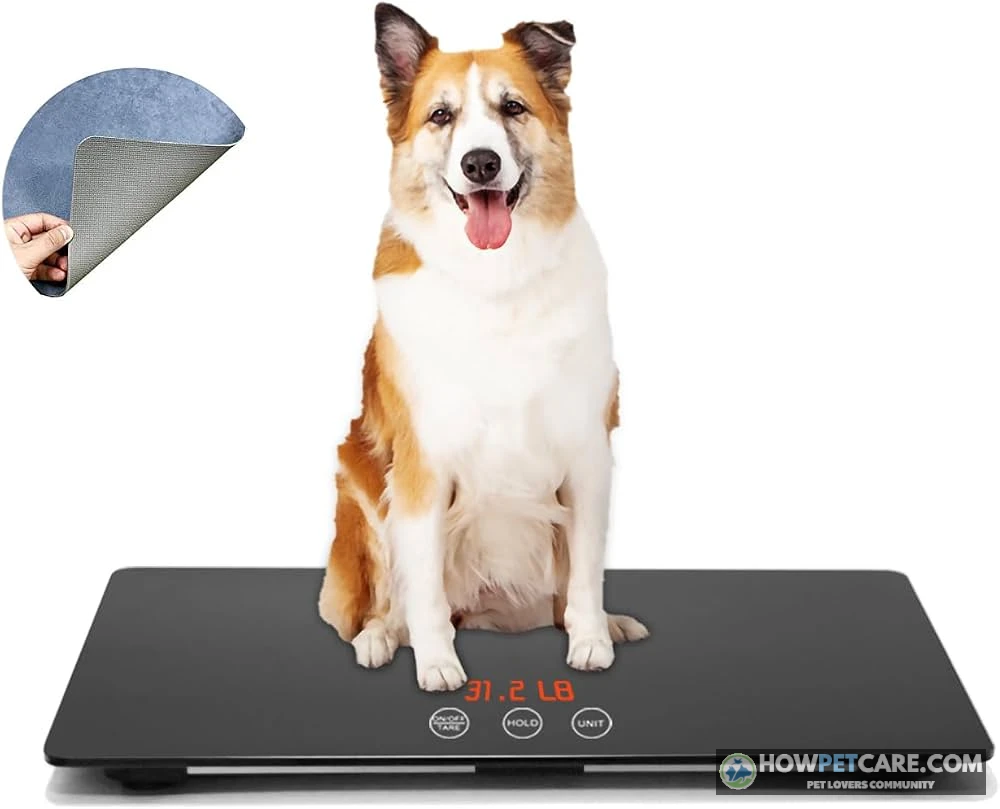
When to use a weight-management or therapeutic diet: cutting a regular food’s portions also cuts vitamins and minerals. Therapeutic weight-loss diets are nutrient-dense at lower calories. Discuss with your vet.
Treat calorie limits and safe treats for tiny dogs
Treats should stay at or below ~10% of daily calories. For a small dog, that budget runs out fast — a single 1-oz cheese cube (~110 kcal) is more than half a 5 lb dog’s entire day.
| Dog weight | Approx. daily kcal | Treat budget (10%) | What that budget buys |
|---|---|---|---|
| 5 lb | ~210 | ~20 kcal | ~8 kibbles pulled from the daily ration + 3 blueberries, OR one "mini training" treat — not a cheese cube |
| 10 lb | ~350 | ~35 kcal | One mini dental chew (~30 kcal), OR ~15 kibbles + a green bean |
| 15 lb | ~470 | ~45 kcal | One small biscuit + a few blueberries, OR a carrot stick + ~10 kibbles |
| 20 lb | ~590 | ~60 kcal | Two small biscuits, OR a mini dental chew + a piece of apple (no seeds) |
| 25 lb | ~690 | ~70 kcal | One standard small treat + green beans, OR ~25 kibbles saved from the ration |
Reference points: plain green bean ≈ 4 kcal · 3 blueberries ≈ 3 kcal · mini dental chew ≈ 30–50 kcal · standard small biscuit ≈ 25–40 kcal · 1-inch cheese cube ≈ 65–70 kcal · 1 tbsp peanut butter ≈ 95 kcal.
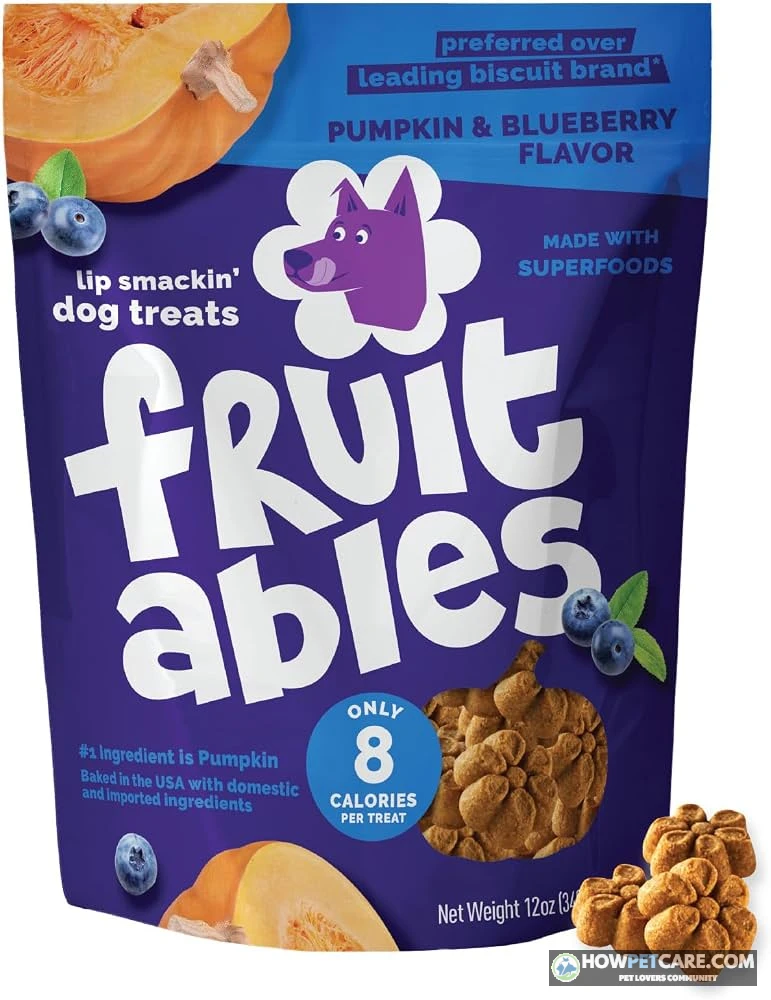
Never as treats: grapes or raisins, chocolate, anything with xylitol (check peanut butter labels), onions, garlic. If your dog eats any of these, call your vet or a pet poison hotline (ASPCA: 888-426-4435) right away.
Common feeding mistakes that cause weight gain
- Free feeding / leaving the bowl full
- Estimating portions by eye instead of weighing
- Adding wet food or toppers on top of a full dry ration
- Giving human food scraps (cheese, meat, bread) without counting calories
- Using large-breed treats or dental chews that exceed the 10% budget
- Not adjusting portions after neutering or as the dog ages
Diet Adjustments for Dental Disease, Tracheal Collapse, Joints, and Specific Breeds
Dental disease and food texture
Small breeds are prone to dental disease. Diet is only one part of care. Softer or moistened food can help dogs with painful mouths, but brushing and professional veterinary cleanings do the main work. Kibble’s abrasive effect is mild and not a substitute for brushing.
Tracheal collapse and weight
Excess weight raises breathing strain in dogs with tracheal collapse (common in Yorkies, Pomeranians, and other toys). Weight control is the primary dietary lever; a vet decides if additional medical management is needed.
Joints and mobility
Lean body weight reduces load on joints. Patellar luxation (kneecap dislocation) is common in small breeds; keeping the dog at BCS 4–5 helps. Omega-3 fatty acids (EPA/DHA) may support joint health — discuss supplementation with your vet; they are not a guaranteed treatment.
Yorkie, Dachshund, and Chihuahua feeding notes
- Yorkies and other tiny toys: small, frequent meals (3–4/day) to reduce hypoglycemia risk. Watch for weakness, trembling, lethargy.
- Dachshunds: weight control is a priority because extra weight adds strain on the long spine (IVDD risk). Consult your vet about spinal risk and appropriate activity.
- Chihuahuas: precise gram-based portions — 20 extra kcal is a sizable fraction of their daily need. Use a kitchen scale.

Any diet change for a diagnosed condition (heart, kidney, liver, allergies, etc.) must be made with your veterinarian. This section covers general breed tendencies, not medical treatment plans.
Build Your Small Dog’s Daily Feeding Plan: A Step-by-Step Checklist
- Weigh your dog and score Body Condition (BCS 1–9).
- Choose a format using the comparison table (dry, wet, mixed, home-cooked, raw).
- Pick a formula using the label checklist (AAFCO statement, named protein, kcal/cup, manufacturer transparency, kibble size).
- Calculate daily kcal (RER × life-stage factor) and convert to grams using your food’s kcal/cup.
- Set meal times for your dog’s life stage (puppy: 3–4x; adult: 2x; senior: 2x, maybe smaller meals).
- Set a treat budget at ≤10% of daily kcal; choose low-calorie options.
- Write the plan down so every family member follows it.
Sample daily plan for a 12 lb adult dog
- Weight: 12 lb (5.45 kg), BCS 5/9
- Daily kcal: 400 (RER 250 × 1.6)
- Food: Dry kibble, 380 kcal/cup
- Portion: 400 ÷ 380 = 1.05 cups ≈ 110 g total
- Meals: 2 meals → 55 g (~175 kcal) each at 7 AM and 7 PM
- Treats: ≤40 kcal (e.g., 10 kibbles + 3 blueberries)
- Weigh-in: Every 2 weeks; adjust by 10% if BCS shifts
When to call the vet
- Unexpected weight gain or loss >5% in a month
- Persistent appetite loss >24 hours
- Vomiting or diarrhea lasting >24 hours
- Weakness, trembling, or collapse (especially in toy puppies — possible hypoglycemia)
- Difficulty chewing, dropping food, or bad breath (dental pain)
- Any ingestion of toxic foods (grapes, chocolate, xylitol, onions, garlic)
Bring your written plan, the food label, and treat list to your next vet visit for review.
Dog Weight (lb) Dog Weight (kg) Approximate Daily Calories (kcal) Cups Per Day Grams Per Day Portion Per Meal (2 Meals) Max Treat Calories (10%) 3 1.4 ~150 kcal ~⅜ cup ~45 g ~22 g ~15 kcal 5 2.3 ~210 kcal ~½ cup ~60 g ~30 g ~20 kcal 8 3.6 ~290 kcal ~¾ cup ~85 g ~42 g ~30 kcal 10 4.5 ~350 kcal ~⅞ cup ~100 g ~50 g ~35 kcal 15 6.8 ~470 kcal ~1¼ cups ~135 g ~68 g ~45 kcal 20 9.1 ~590 kcal ~1½ cups ~170 g ~85 g ~60 kcal 25 11.3 ~690 kcal ~1¾ cups ~200 g ~100 g ~70 kcal
1A dog owner is calculating the daily Resting Energy Requirement (RER) and total daily calorie target for a neutered adult small dog weighing 4.5 kg. If the dog's RER is calculated as 70 × (4.5)⁰.75 ≈ 218 kcal, what is the estimated total daily calorie target using the standard life-stage multiplier of 1.6 for a neutered adult?
Applying the neutered adult multiplier of 1.6 to the baseline RER of 218 kcal yields 218 × 1.6 ≈ 348.8 kcal, which rounds to approximately 350 kcal daily.
2An owner wants to feed an adult dog requiring 400 kcal per day a mix of dry kibble (400 kcal/cup) and wet canned food (200 kcal/can). If the owner decides to supply 25% of the daily calories using wet food and the rest with dry food, how should the daily portions be split?
25% of 400 kcal is 100 kcal (which equals 1/2 can of wet food), leaving 300 kcal of kibble (which equals 3/4 cup of dry food).
3Which of the following characteristics on a commercial small dog food label should be treated as warning signs or immediate red flags?
Without an AAFCO statement, there is no verification that the diet meets complete and balanced nutritional standards for any life stage.
4During a regular body condition evaluation, an owner determines that their 10 lb adult dog has faint waist visibility and noticeable fat over the ribs, corresponding to a Body Condition Score (BCS) of 6--7/9. What is the recommended diet adjustment?
A BCS of 6--7/9 indicates an overweight condition, which calls for a modest 10% calorie reduction to guide the dog back to an ideal body shape.
5A 10 lb small dog has a daily allowance of 350 kcal. Which of the following treat choices safely fit within the recommended 10% daily treat budget without presenting toxicity risks?
At 30 kcal, this chew remains under the maximum daily treat allowance of 35 kcal (10% of 350 kcal).
6As small dogs transition into seniorhood (around 7--10 years of age), how do their general daily dietary energy and protein requirements change compared to their adult baselines?
Seniors burn fewer calories due to decreased physical activity, but maintaining dietary protein is critical to prevent muscle wasting.
7What primary pathogen safety risk leads major veterinary authorities (such as the AVMA and FDA) to advise against raw meat diets for small dogs?
Raw meat carries significant bacterial contamination risks that cause severe gastrointestinal illness in pets and easily spread to humans.
8Which of the following represent accurate feeding management strategies tailored to the unique physiological traits of specific small dog breeds?
Tiny toy breeds like Yorkies have low glycogen reserves and high metabolic demands, making smaller, frequent meals essential.
FAQ
Can I mix wet and dry food for my small dog?
Yes. Work out the daily calories first, then split them between wet and dry food, so you do not add the wet portion on top of a full kibble ration. Use the kcal per cup and kcal per can listed on each label.
How long should I take to switch my small dog to a new food?
Most dogs do well with a gradual switch over 7 to 10 days, starting with about 25 percent new food and increasing every couple of days. Slow down if stools soften, and toy breeds with sensitive stomachs may need longer.
Is grain-free food better for small dogs?
Not for most dogs. Grains are not harmful for dogs without a diagnosed allergy, and the FDA has investigated a possible link between some grain-free diets and heart disease in dogs. Talk to your vet before choosing one.
Can a small dog eat large-breed dog food?
Many adult small dogs can eat it if the nutrient profile matches their life stage, but the kibble may be too big to chew and often has lower calorie density. Large-breed puppy formulas are not made for toy breed puppies.
Should I leave food out all day for my small dog?
Measured meals are the safer default, because free feeding makes it hard to track calories and notice appetite changes. A vet may suggest an extra small meal for a toy puppy or a dog prone to low blood sugar.