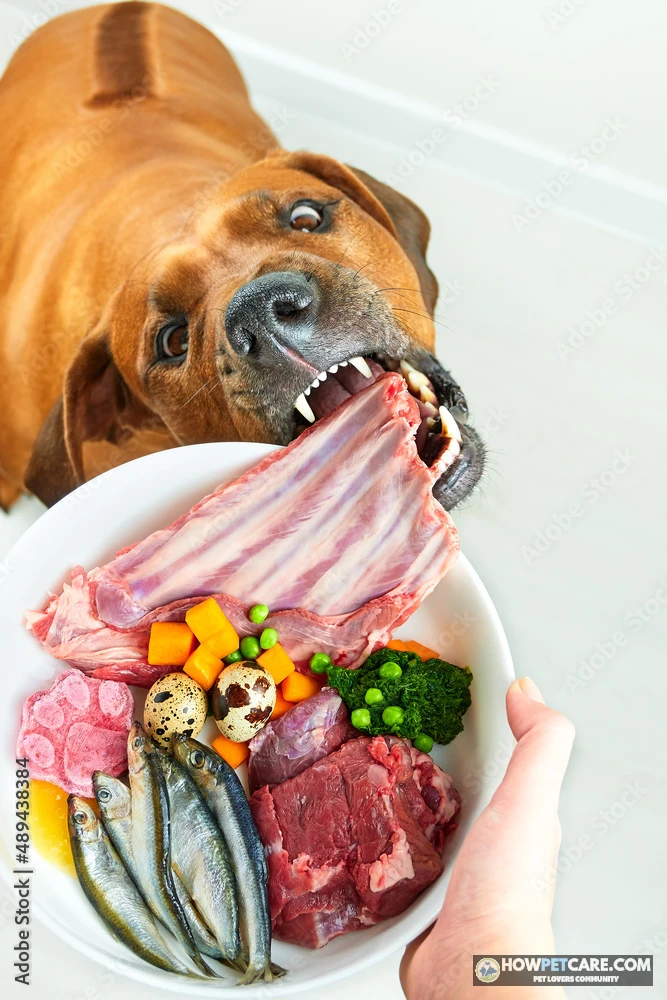

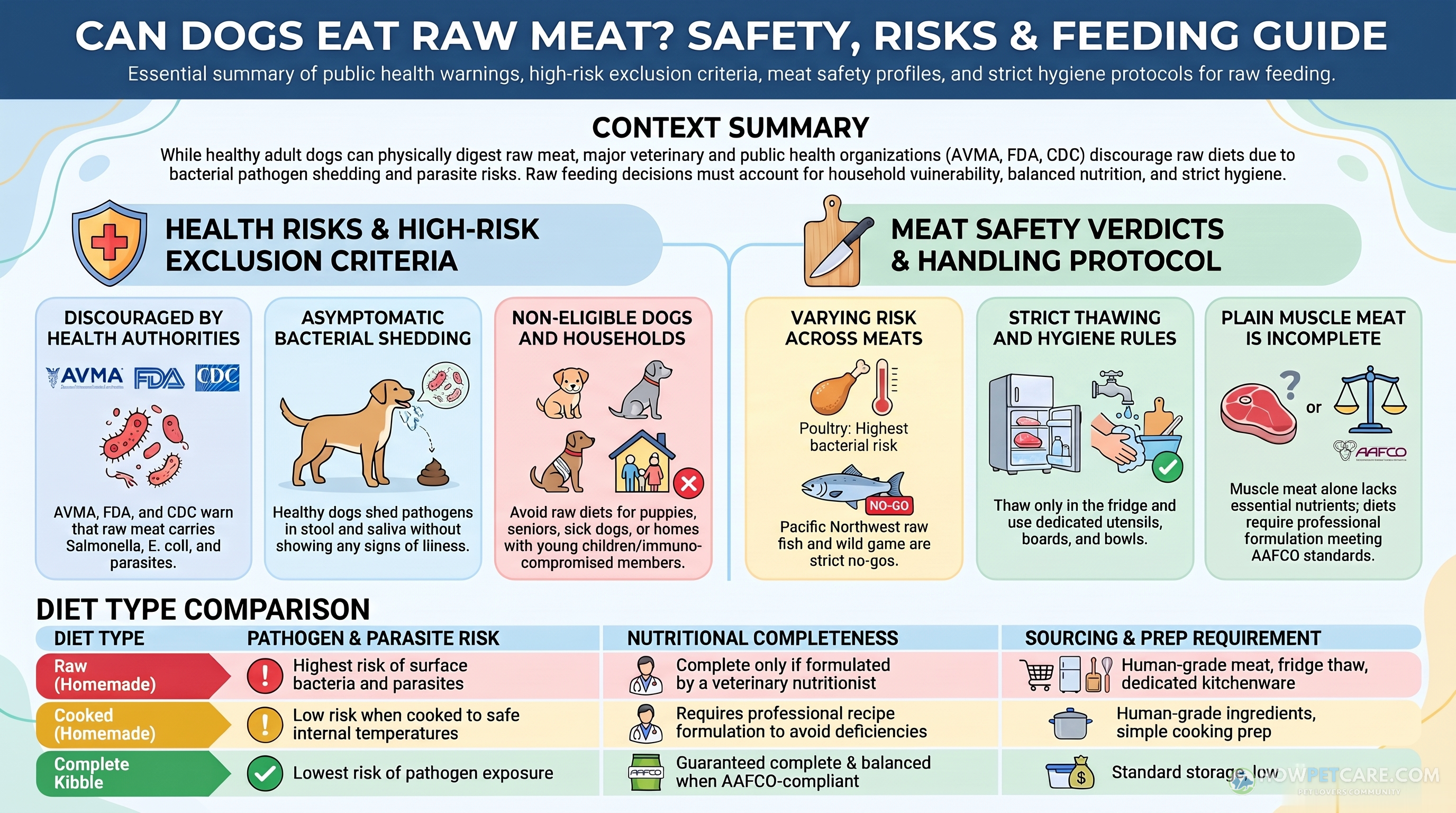
Yes — most healthy adult dogs can eat raw meat, but the AVMA, FDA, and CDC discourage raw diets because retail raw meat carries bacteria and parasites that threaten dogs and the people around them. Skip raw feeding for puppies, seniors, immunocompromised dogs, and households with higher-risk members.
Can Dogs Eat Raw Meat? The Short Verdict and Who It Applies To
Yes. Most healthy adult dogs can eat raw meat, and many do without showing signs of illness. But being able to eat it doesn’t mean they should. The American Veterinary Medical Association (AVMA), the Food and Drug Administration (FDA), and the Centers for Disease Control and Prevention (CDC) discourage feeding raw or undercooked animal-source protein because retail raw meat routinely carries bacteria and parasites that can sicken dogs and people who handle their food, bowls, and stool.
The decision depends on your dog’s health, the health of the people in your home, and whether the meat is part of a complete, balanced diet or just a piece of muscle. The answer most often shifts to no for puppies, senior dogs, and dogs with sensitive stomachs. Your veterinarian can assess the risks for your individual dog.
Where the official positions stand. The AVMA’s long-standing policy discourages feeding pets raw or undercooked animal-source protein because pathogens in raw meat pose a risk to animals and people in the household. The FDA considers raw pet food a higher-risk category, has conducted targeted surveillance of raw pet food products for Salmonella and Listeria monocytogenes, and advises consumers on safe handling. The CDC advises against raw diets for pets, with particular emphasis on homes with young children or immunocompromised people. Those positions are current in 2026 and have not softened.
Where the disagreement comes from. Raw feeding has informed defenders, including some practicing veterinarians and a large community of owners who report better coats, smaller stools, and improved digestion. The literature supporting those benefits relies largely on owner reports rather than controlled trials, and it doesn’t erase the contamination findings. Some dogs genuinely thrive on raw diets, particularly BARF-style diets built from raw meat, bones, fruits, and vegetables. A diet can work for an individual dog and still carry a measurable safety cost that public-health bodies consider avoidable.
Which situation are you in? If you’re deciding whether to start, read the risk section, meat-by-meat table, and exclusions list first. If your dog just ate raw meat accidentally, jump to the triage section near the end; that’s the time-sensitive part. If you already feed raw and want to do it more safely, the feeding and handling section has the numbers you need.
Risks of Feeding Dogs Raw Meat: Bacteria, Parasites, and Your Household
Raw meat isn’t sterile, and it isn’t sold as if it were. Retail meat is produced on the assumption that people will cook it, so some surface bacterial contamination is expected rather than considered a defect. That fact explains much of the raw-feeding debate: the question is how many pathogens are present, on which meat, and how well the handler contains them.
Salmonella, E. coli, and Listeria: what the contamination data show
Salmonella is a major concern, particularly in poultry. Campylobacter is associated with poultry too, and both are common enough on retail chicken that USDA and CDC surveillance treats the raw product as contaminated by default. E. coli is a concern in ground beef: USDA grinding guidance notes that grinding spreads surface bacteria throughout the batch, so a contaminated cut can affect everything mixed with it. Listeria monocytogenes is less frequent but matters especially for pregnant household members, and the FDA’s raw pet food surveillance samples for it alongside Salmonella.
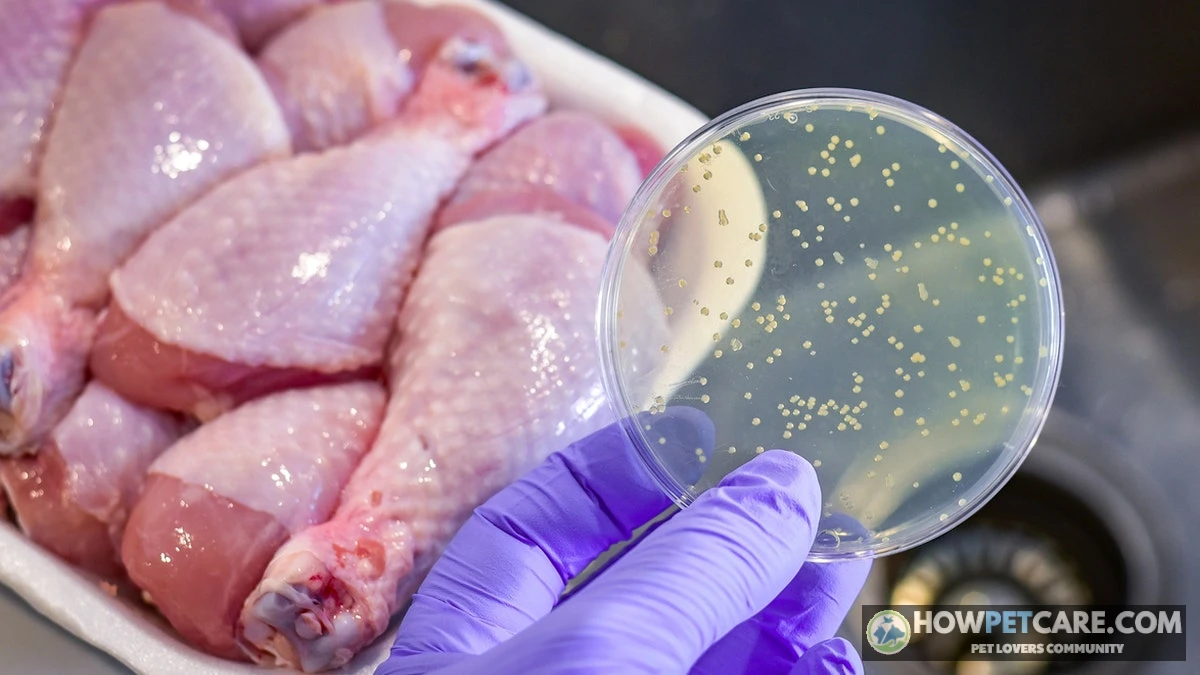
Raw meat also carries a mix of microbes, some benign or potentially beneficial, alongside pathogens including Salmonella, Listeria, E. coli, and parasites such as Sarcocystis and Toxoplasma gondii. Healthy adult dogs generally tolerate bacterial exposure that could overwhelm a puppy, a senior, or an immunocompromised dog. That tolerance isn’t complete protection.
A dog can also carry and shed Salmonella in its stool while looking completely normal. No symptoms doesn’t mean no bacteria. That’s why public-health agencies treat raw feeding as a household exposure question, not just a dog-health question.
Parasites in raw meat and fish
Parasite risk depends on the meat:
- Pork and wild game can carry Trichinella, with wild boar and feral swine the realistic modern source.
- Pork, game, and soil-contaminated feed can carry Toxoplasma gondii, the organism public-health agencies warn pregnant people about.
- Muscle and offal from livestock and game can contain tapeworm cysts.
- Fish can carry Anisakis-type roundworm larvae, and Pacific Northwest salmon, trout, and steelhead can carry the fluke that transmits salmon poisoning disease, which can be fatal if missed.
The feeding section covers freezing and cooking protocols for each risk. Freezing helps against some parasites but is unreliable against bacteria; it doesn’t sterilize meat.
How bacteria in dog feces put children, pregnant people, and immunocompromised family members at risk
A raw-fed dog sheds bacteria in stool, which can reach floors, bowls, bedding, and the dog’s own mouth. Ordinary behaviors such as grooming and licking hands and faces can then expose people. The CDC’s higher-risk categories for pet-food-related infection include children under 5, pregnant people, adults 65 and older, and anyone with a weakened immune system. If someone in one of those groups lives in or regularly visits your home, that changes the calculation.
A dog fed raw meat can shed Salmonella in its stool while acting completely healthy. If your home includes a toddler, a pregnant person, an older adult, or anyone immunocompromised, treat raw feeding as a household decision, not a dog-only one. Make sure everyone who handles the dog, the bowl, or the yard knows the hygiene steps.
Dogs face risks beyond infection, too: bone injuries, nutritional imbalance from a homemade recipe, and gastrointestinal upset when a rich food is introduced suddenly. Those have their own sections below.
Keep the risk in proportion. Many raw-fed dogs never show symptoms, and most raw-fed households never report an infection. The evidence doesn’t support saying raw meat will make your dog sick. It does support saying raw meat raises the probability of a pathogen entering your home, and hygiene affects whether that exposure becomes a problem.
Raw Beef, Chicken, Pork, Fish, and Organs: Which Raw Meats Are Safe for Dogs?
Search results often conflict on pork, bones, and fish. The table brings the advice together; the explanations that follow address the main areas of disagreement.
| Item | Verdict | Main risk | Safe-handling or preparation note | Source |
|---|---|---|---|---|
| Beef muscle, human-grade | Caution | Salmonella / E. coli surface contamination | Buy human-grade; thaw in the fridge; dedicated board and bowl | FDA raw pet food guidance |
| Ground beef or ground poultry | Caution (higher) | Grinding spreads surface bacteria through the entire batch | Same hygiene rules as whole cuts; treat as higher-risk | FDA raw pet food guidance |
| Chicken and turkey | Caution (highest of the common meats) | Salmonella and Campylobacter are common on retail poultry | Assume contamination; strict hand and surface hygiene | USDA / CDC poultry surveillance |
| Pork, US commercial | Caution | Trichinella now rare in US commercial pork; bacterial contamination still applies | Freeze per USDA protocol before feeding, or cook | USDA FSIS freezing guidance |
| Wild game and wild boar | Avoid raw | Trichinella, other parasites, pseudorabies in feral swine | Cook thoroughly; routine freezing is not a guarantee for game | USDA FSIS / state wildlife agencies |
| Salmon, trout, steelhead from the Pacific Northwest | Avoid raw | Salmon poisoning disease — potentially fatal | Cook fully, or freeze per the FDA fish-parasite protocol | FDA fish parasite guidance |
| Other fish | Caution | Fish-borne parasites such as Anisakis | Freeze at -4°F (-20°C) for 7 days before feeding | FDA Food Code parasite rules |
| Liver | Caution — capped | Vitamin A toxicity if overfed | Commonly cited cap is about 5% of the total diet; confirm with a veterinary nutritionist | Veterinary nutrition guidance |
| Other secreting organs (kidney, spleen) | Caution — capped | Nutrient excess if they dominate the diet | Commonly cited cap is about 5% of the total diet | Veterinary nutrition guidance |
| Eggs | Caution | Salmonella; raw egg white avidin binds biotin | An occasional whole egg is the usual cautious advice | FDA / CDC egg guidance |
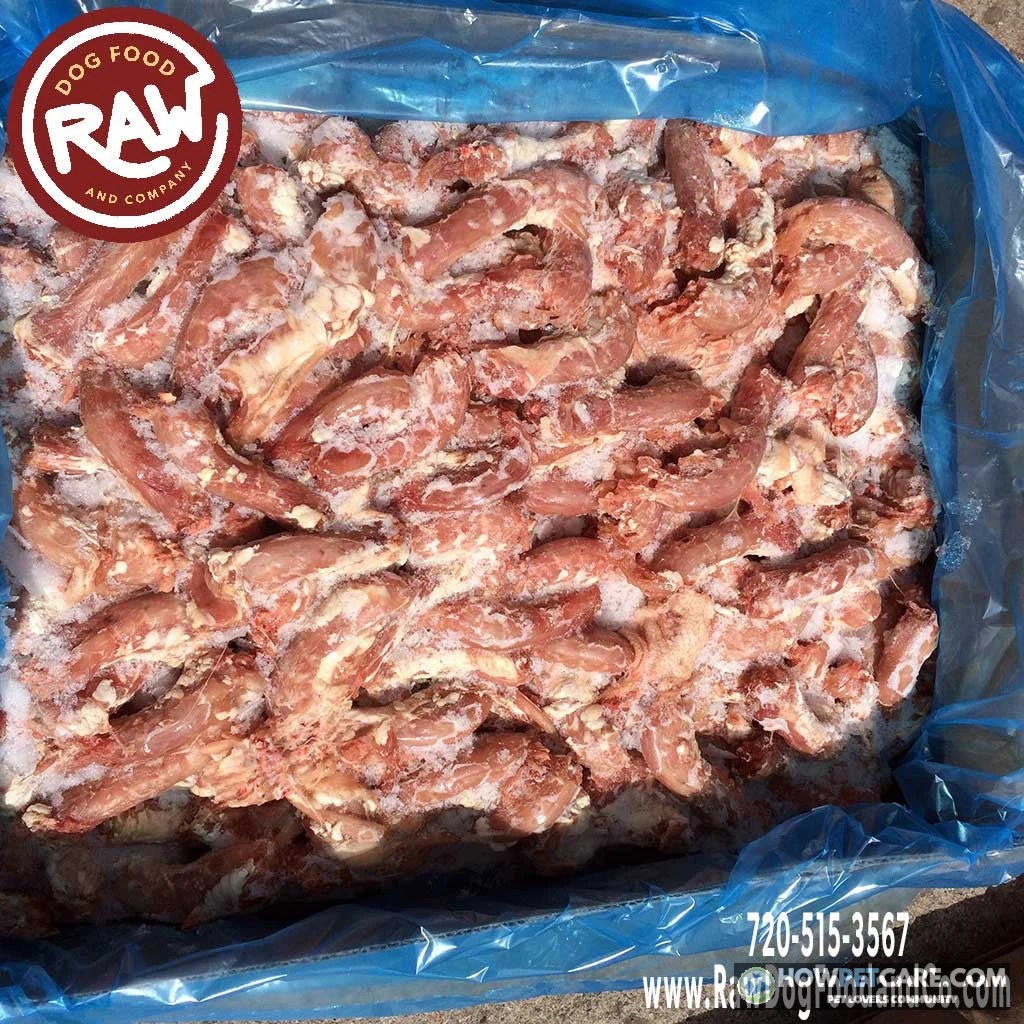
| Raw meaty bones, non-weight-bearing (poultry necks, wings) | Caution | Choking, GI obstruction, plus bacteria | Size to the dog, supervise, raw only, discard leftovers promptly | FDA and veterinary dental guidance |
| Large weight-bearing bones (beef femur, marrow bones) | Caution | Tooth fractures, obstruction | Many veterinarians advise skipping hard bones entirely | Veterinary dental guidance |
| Cooked bones of any kind | Avoid | Splinters can perforate or obstruct the GI tract | Never feed — this is the clearest no on the list | FDA consumer warning on bones |
How to read this table: "Caution" doesn’t mean safe. Sourcing, freezing, and hygiene can reduce risk, but they can’t remove it. Every caution row still carries the bacterial-shedding exposure described above.
Raw beef. Beef is the least parasite-prone of the common meats, but it isn’t clean. Ground beef is the riskiest form because grinding moves surface bacteria into the interior of the batch; raw hamburger for dogs is the specific case owners ask about most. Raw beef mince alone causes nutritional deficiency and still carries E. coli and Salmonella risk. Its lower risk relative to pork doesn’t make a beef-only diet adequate.
Raw chicken. Chicken is a frequently searched and contested case, and sources disagree sharply about it. Some pet-food sources list raw chicken, turkey, beef, and fish such as salmon or sardines as safe to feed. Others consider poultry the highest-risk common meat because Salmonella and Campylobacter are so common on retail products. Raw chicken isn’t automatically dangerous for a healthy adult dog, but it has the least forgiving contamination profile of the meats listed and calls for the strictest handling.
Raw pork. Some sources say to avoid raw pork outright, while others consider it acceptable with freezing. Both positions have a historical basis. Trichinella was a serious commercial-pork problem for decades, and US commercial herds have since been brought under control. Trichinella is now rare in commercial US pork, and the commercial swine herd has been declared free of pseudorabies, though feral swine still carry both. The cautious default for 2026: if you feed pork, freeze it per the USDA protocol first, buy from commercial supply chains rather than wild or backyard sources, and skip wild boar entirely. If you’re uneasy, cooking pork removes the argument.
Raw fish. The Pacific Northwest presents a specific hazard. Raw salmon, trout, and steelhead from that region can carry a fluke that transmits salmon poisoning disease, which can kill a dog within days of the first signs. Elsewhere, fish-borne parasites such as Anisakis remain a concern. The FDA’s parasite-control freezing standard is -4°F (-20°C) for 7 days, or -31°F (-35°C) for 15 hours. Cooking is simpler.
Organs. Liver, kidney, spleen, and other secreting organs are nutrient-dense and belong in a formulated raw diet in small amounts. Overfeeding liver can cause vitamin A toxicity. The commonly cited cap is roughly 5% of the total diet for liver and about 5% for other secreting organs combined. Treat those percentages as folk formulas that need veterinary nutritionist sign-off, not as a standard.
Eggs. Raw eggs carry Salmonella risk for the dog and whoever handles the shell. Raw egg white also contains avidin, which binds biotin. An occasional whole raw egg is the usual cautious advice; a cooked egg removes both concerns.
The contradictions on page one are mostly regional and historical, not scientific. Pork advice reflects a disease that was controlled in US commercial herds but not in wild swine. Fish advice reflects one fatal disease confined to Pacific Northwest salmonids. Consider the geography and the supply chain, not just the meat name.
Raw bones: which kinds are safe, which splinter, and which to avoid
Raw bones can splinter and cause choking or intestinal blockage. Serving them raw doesn’t eliminate that risk. If bones are fed at all, the usual recommendation is small, non-weight-bearing bones sized to the dog, such as poultry necks. They should always be raw and supervised, and removed once the dog loses interest. Large weight-bearing bones like beef femurs are hard enough to fracture teeth, and many veterinarians advise skipping them entirely.
Raw bones versus cooked bones: why cooked bones are the clearer no
Raw bone is flexible and grinds down; cooked bone is brittle and shatters into sharp fragments that can perforate the gut. The FDA’s consumer guidance on bones is aimed squarely at cooked bones. This is the clearest no on the table: never feed cooked bones of any kind.
Which Dogs Should Never Eat Raw Meat
Some dogs and households are poor candidates for raw feeding, regardless of how careful the handler is. This screen can settle the question in many cases.
For dogs, the exclusions are puppies still growing, senior dogs, dogs on immunosuppressive drugs, steroids, or chemotherapy, and dogs with chronic GI disease, a pancreatitis history, or chronic kidney disease. Nutritional balance during growth is the central concern for puppies. They can physically eat raw meat, but a diet that isn’t precisely formulated can distort growth. That’s a formulation problem rather than a meat problem, and it’s serious enough to require a veterinary nutritionist. Ask your vet to assess your dog rather than making the classification yourself.
For households, the exclusions are homes with children under 5, pregnant people, adults 65 and older, or anyone immunocompromised. The CDC flags these groups as higher-risk for pet-food-related infection.
There’s also a practical exclusion for dogs that work as therapy animals or visit hospitals, nursing homes, or schools. Many programs restrict or ban raw-fed dogs, so check the rules before assuming your dog qualifies.
Tick every box that applies. If even one applies, the safe default is a cooked fresh diet or a complete-and-balanced commercial food until your vet clears raw feeding.
About your dog
- ☐ Puppy still growing
- ☐ Senior dog, or any dog with a weakened immune system
- ☐ On immunosuppressive medication, steroids, or chemotherapy
- ☐ History of pancreatitis, chronic GI disease, or chronic kidney disease
- ☐ Works as a therapy dog — check the program’s rules, since many ban raw-fed animals
About your household
- ☐ Someone under 5, pregnant, 65 or older, or immunocompromised lives in or regularly visits
- ☐ The dog has close face contact with household members (licking, sleeping near faces)
- ☐ No way to dedicate a separate cutting board, bowl, and fridge-thaw space to raw food
About the plan
- ☐ The diet would be meat only, or an unformulated DIY recipe
- ☐ Your veterinarian has not been consulted about this specific dog
One tick means pause and take the safer route. Two or more ticks make a strong case against raw feeding this dog, in this home, right now.
Grocery-Store Raw Meat for Dogs: Surface Bacteria, 3D/4D Meat, and Why It Can’t Be the Whole Diet
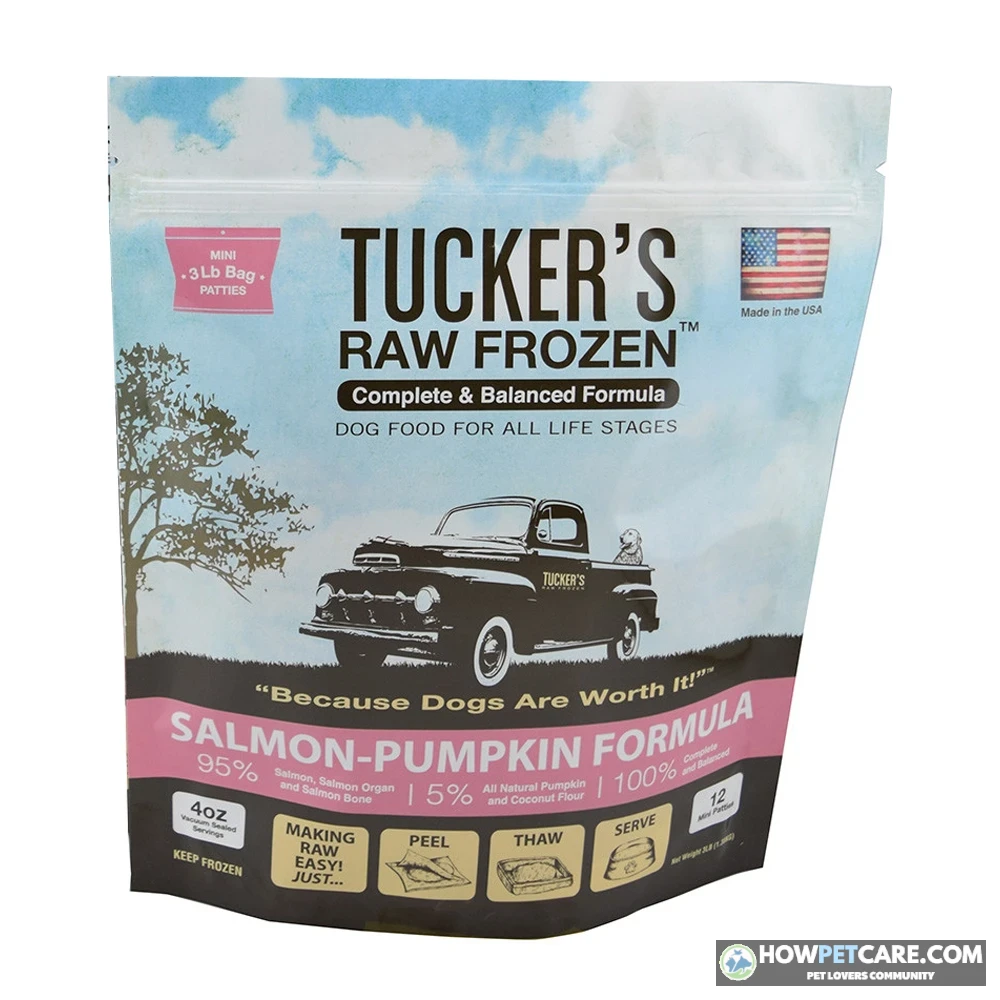
Can dogs eat raw meat from the grocery store? Physically, yes. In practice, supermarket meat is the most contaminated category in this discussion because it’s produced for people who will cook it. Human-grade labeling means the product met standards for human consumption. It doesn’t mean the meat is sterile or nutritionally appropriate as a dog’s sole diet.
Sourcing is another concern. Pet-grade meat can include what the industry calls 3D or 4D meat: dead, dying, diseased, or disabled livestock. That meat can legally enter some pet-food supply chains, and it isn’t what you want in a raw diet. To avoid it, buy human-grade product, read labels, and ask the supplier directly about the source animal and how it was handled.
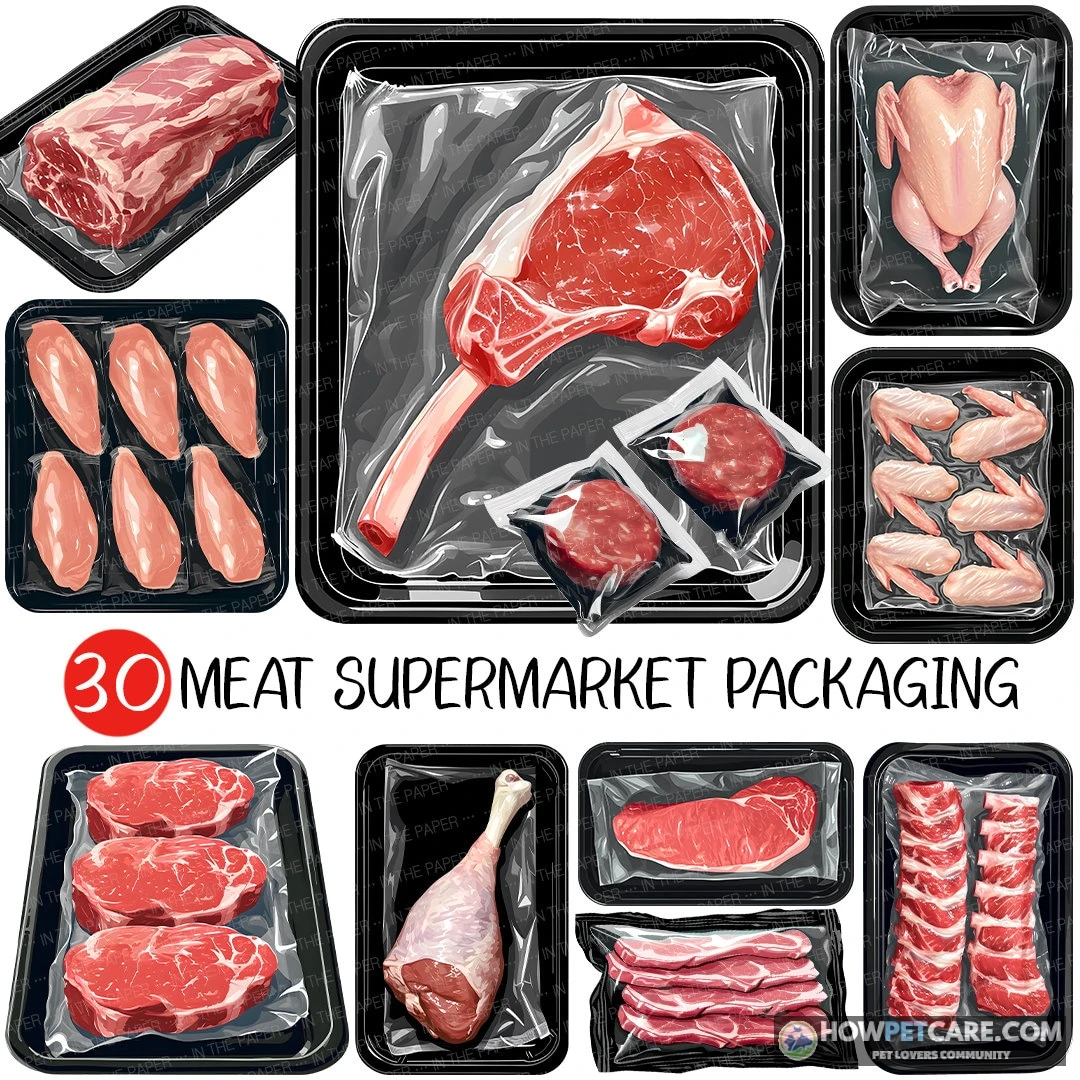
What 3D/4D denatured meat means and how to avoid it when buying pet meat
"Denatured" means the meat has been treated so it can’t be mistaken for human food, often with a bittering agent or dye. Denaturing isn’t a safety process for the animal eating it; it’s a regulatory safeguard against diversion into the human food chain. If a product description emphasizes the word denatured without naming the source, ask. Reputable raw pet-food makers disclose species, sourcing country, and whether the meat is human-grade.
Why muscle meat alone is not a complete diet
A bowl of raw beef provides protein and fat, but not complete nutrition. Muscle meat is high in phosphorus and low in calcium, so a meat-only diet skews the calcium-to-phosphorus ratio. It also lacks the vitamins, trace minerals, and fatty acids a dog needs. Raw beef mince alone produces deficiency over time, which is why "complete and balanced" is the phrase to look for on a label.
The standard behind that phrase is AAFCO, the Association of American Feed Control Officials. AAFCO publishes nutrient profiles that define what "complete and balanced" means for a dog at a given life stage. A compliant product carries an AAFCO nutritional adequacy statement on the label. AAFCO sets nutrient standards for labels; it doesn’t approve raw feeding as a practice or certify any particular diet as safe. For a homemade raw diet, the equivalent safeguard is a recipe formulated by a board-certified veterinary nutritionist.
The BARF diet and prey-model feeding are the two best-known frameworks. BARF uses raw meat, bones, fruits, and vegetables. Both depend on whether the recipe is balanced, not on the philosophy behind it. A BARF diet assembled from a blog post isn’t the same as a BARF plan formulated by a nutritionist.
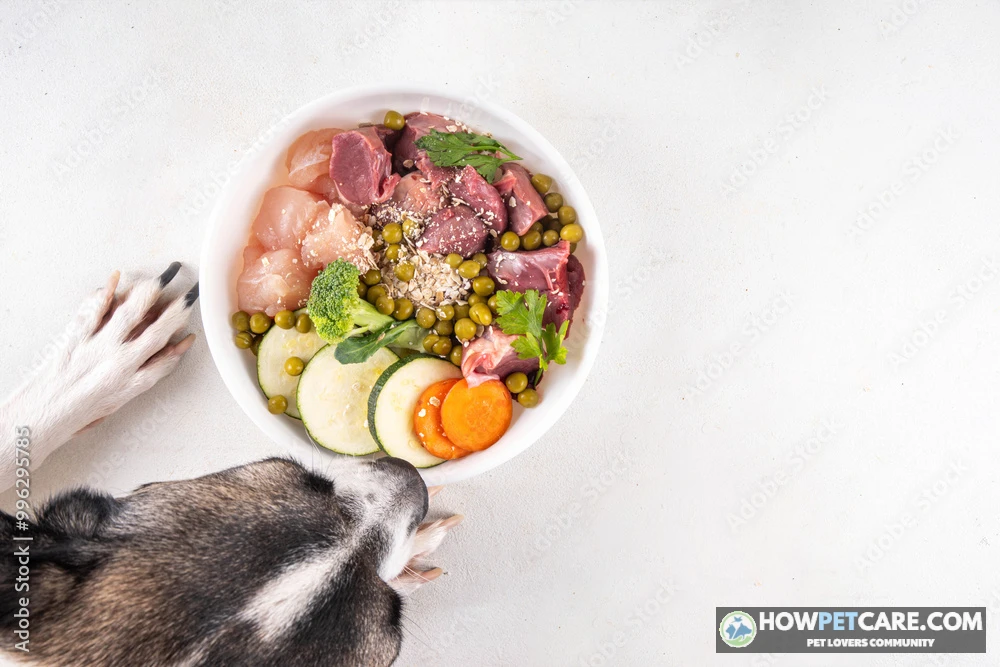
DIY grocery-store raw versus commercial HPP raw: the trade-offs
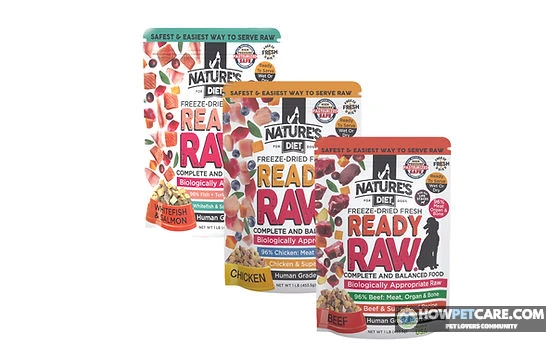
Commercial raw products are often treated with high-pressure processing (HPP), which uses extreme pressure to reduce pathogens. HPP lowers the pathogen load but doesn’t sterilize the product, and the FDA’s position is that treated raw food remains a higher-risk category than cooked food. Freeze-dried raw is convenient and shelf-stable, but it isn’t automatically pathogen-free either. It must be rehydrated and handled with the same hygiene discipline.
Homemade grocery-store raw is the cheapest and least verified option: you take on the contamination and nutritional risks. Commercial HPP raw costs the most and reduces both risks without eliminating either. Neither removes the need for a formulation check against AAFCO standards or a nutritionist’s recipe.
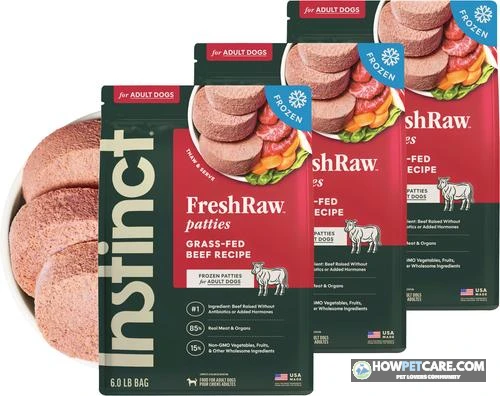
Raw Meat vs Cooked Meat vs Kibble for Dogs: A Side-by-Side Comparison
Each option has trade-offs; no single diet wins every comparison:
| Factor | Raw (homemade) | Raw (commercial, HPP-treated) | Cooked (homemade) | Complete kibble | Evidence strength |
|---|---|---|---|---|---|
| Pathogen risk | Highest — meat arrives with expected surface bacteria | Reduced but not zero; HPP lowers pathogens rather than eliminating them | Low when meat is cooked to safe internal temperatures | Lowest documented, though recalls still occur | Moderate — FDA sampling data |
| Parasite risk | Present by meat type (pork, fish, game) | Reduced by freezing and processing | Effectively eliminated by thorough cooking | Negligible | Moderate |
| Nutritional completeness | Only if the recipe is formulated by a veterinary nutritionist | Check the label for an AAFCO complete-and-balanced statement | Same problem as raw — cooking does not fix an unbalanced recipe | Guaranteed only when the AAFCO statement is on the bag | High — AAFCO is a published standard |
| Claimed benefits (coat, teeth, digestion) | Mostly owner reports; controlled data is limited | Same | Same | Not claimed | Low — largely anecdotal |
| Household risk | Dog can shed Salmonella in stool while looking healthy | Lower but not eliminated | Low | Low | Moderate — CDC guidance |
| Cost and effort | High cost, high daily hygiene burden | Highest cost, moderate effort | Moderate cost and effort | Low cost, low effort | Practical reality |

Bottom line: Homemade raw gives up the most safety and convenience for a diet that works only if it’s professionally formulated. Cooked homemade food keeps the fresh-food appeal at lower risk. Kibble trades freshness for verified balance and minimal handling risk. Claims of shinier coats, cleaner teeth, and better digestion on raw diets rest largely on owner observation rather than controlled data, so treat them as plausible reports rather than established findings.
How Much Raw Meat to Feed, How Often, and How to Switch Safely
If you’ve cleared the exclusions and decided to proceed, portioning and hygiene come next.
Portion sizes by dog weight
A widely used starting point for adult dogs is 2% to 3% of body weight per day in raw food, split across one or two meals. A 50-pound dog therefore starts at roughly 1 to 1.5 pounds of food daily. Puppies in growth are usually started higher: commonly cited amounts are 2% to 4% of body weight, sometimes up to 6% for fast-growing large breeds. Puppy feeding is exactly where a veterinary nutritionist should set the amount rather than relying on a rule of thumb.
Treat these figures as starting points and adjust for body condition, activity level, and age. Weigh your dog monthly and adjust by roughly 10% up or down if ribs are too prominent or disappearing.
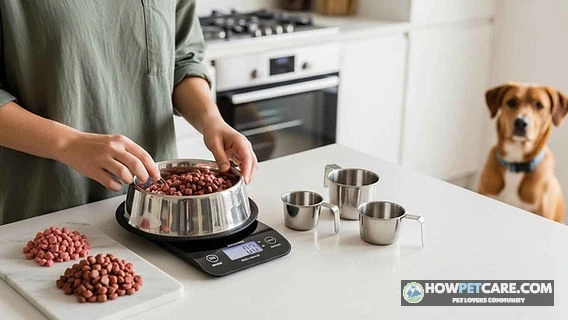
Can dogs eat raw meat every day?
Yes, but only if the raw meat is part of a complete and balanced diet. Raw food can be the daily diet when the recipe is formulated to AAFCO nutrient profiles or comes from a complete-and-balanced commercial product. A daily bowl of plain muscle meat doesn’t work: it produces deficiency over time, even if the dog happily eats it for months.
Ratios, and how organ caps work
The commonly cited 80/10/10 model splits the diet into 80% muscle meat, 10% edible bone, and 10% organ, with the organ share itself split roughly 5% liver and 5% other secreting organ. It’s a folk formula, not an AAFCO standard, and it says nothing about total nutrient adequacy. Liver caps exist because liver is exceptionally high in vitamin A; overfeeding it causes toxicity. Use 80/10/10 and the 5% liver cap as sanity checks on a nutritionist’s recipe, never as a substitute for one.
Freezing times and temperatures for parasite control
Published standards guide freezing for parasite control:
- Fish: freeze at -4°F (-20°C) or colder for 7 days (168 hours), or at -31°F (-35°C) for 15 hours, per the FDA Food Code parasite-control rule.
- Pork: USDA FSIS guidance describes holding pork at 5°F (-15°C) or colder for 20 days for cuts less than 6 inches thick to reduce Trichinella risk. USDA still treats cooking as the reliable kill step.
- Wild game: routine freezing isn’t considered a guaranteed parasite kill, which is why wild game is a cook-only item.
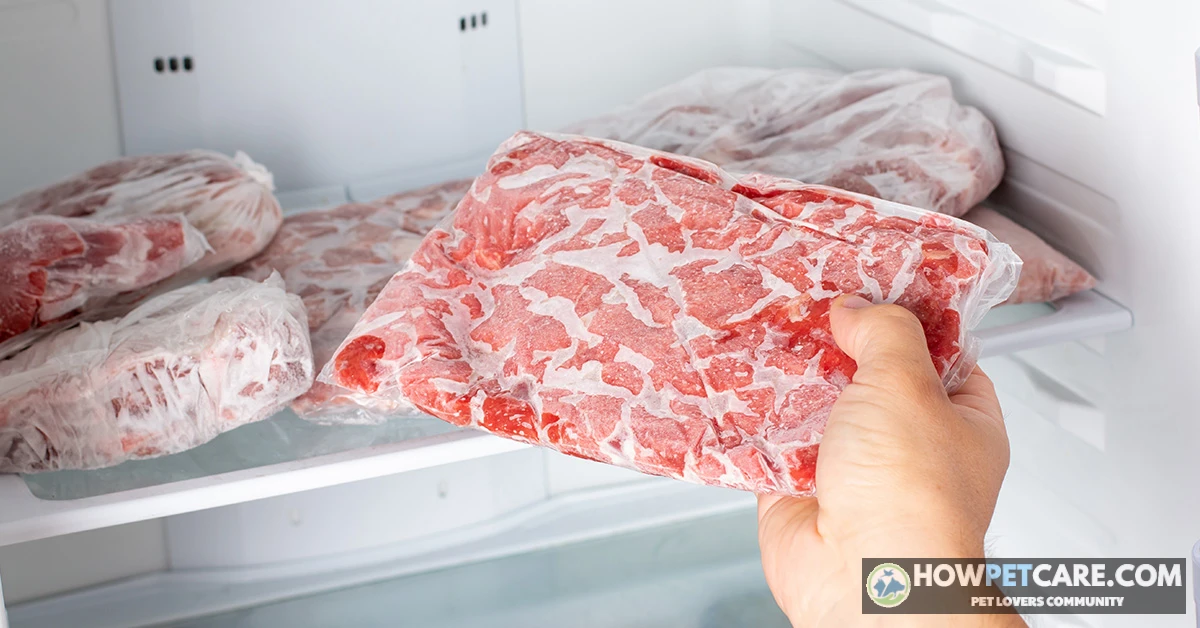
Freezing doesn’t reliably kill Salmonella, E. coli, or Listeria. Frozen raw meat needs the same hygiene precautions as fresh raw meat.
Step-by-step transition schedule
| Day or week | Raw share | Previous diet share | What to monitor | When to pause and call the vet |
|---|---|---|---|---|
| Days 1–2 | 10% | 90% | Stool firmness, appetite, energy | Repeated vomiting, bloody stool, refusal to eat |
| Days 3–4 | 25% | 75% | Mild soft stool is common; one loose day is usually fine | Loose stool beyond 2 days at this stage — hold here |
| Days 5–7 | 50% | 50% | Stool should start firming; watch for gas and lethargy | Diarrhea persisting 48+ hours, or any vomiting |
| Days 8–9 | 75% | 25% | Full-transition tolerance; check body condition | Any red flag — drop back one step for 3 days |
| Day 10 onward | 100% | 0% | Weekly: stool, weight, coat, appetite | Unexplained weight loss or recurring loose stool |
Guardrails: Serve raw as a separate meal or clearly separated portion during the transition so you can tell which food caused a problem. Extend any step by 2–3 days if stool softens; the schedule is a default, not a deadline. Puppies, seniors, and dogs with a GI history move more slowly and only with vet sign-off. Reaching 100% raw makes sense only if the raw diet is complete and balanced. A meat-only daily diet isn’t, at any point on this schedule.
Kitchen and feces hygiene checklist
-
Thaw in the refrigerator, never on the counter
Move tomorrow’s portion to the fridge the night before. Counter thawing lets bacteria multiply in the danger zone and puts raw juices on surfaces people use.
-
Use dedicated equipment
Use a cutting board, knife, and bowl only for dog food. Wash them with hot soapy water immediately afterward, and keep them out of the family dish rack.
-
Serve, then remove
Put the food down, let the dog eat, and discard anything uneaten within 20–30 minutes. Don’t leave raw food sitting out.
-
Disinfect the zone
Wipe the floor, counter, and bowl area with hot soapy water or a disinfectant. Assume anything the raw meat touched is contaminated.
-
Handle the dog's mouth and stool as exposure points
Wash your hands after touching the bowl or the dog’s face, pick up feces promptly, and skip face-licking. This matters most in homes with higher-risk family members.
Raw meat must be fresh and within its expiration date. Buy from reputable suppliers, keep it cold on the way home, and freeze it in portions so you never thaw more than the next two days’ worth.
1Why do public health organizations such as the CDC, FDA, and AVMA maintain a policy discouraging raw meat diets for pets, even when an adult dog appears healthy?
Asymptomatic dogs can carry and shed bacterial pathogens into the household environment, creating an exposure pathway for family members.
2Based on health guidelines for raw feeding, which of the following scenarios indicate that a raw meat diet should be completely avoided?
Vulnerable human populations are at a significantly higher risk of severe illness from pet food pathogens shed in the home.
3What specific hazard distinguishes raw salmon, trout, and steelhead caught in the Pacific Northwest from raw fish sourced elsewhere?
Pacific Northwest salmonids can carry micro-organisms hosting the agent responsible for salmon poisoning disease, a severe and rapidly progressing condition.
4What is the primary physical danger of feeding cooked bones to dogs, as opposed to raw bones?
Heat alters the structural collagen of bone, making cooked bones rigid and prone to shattering into sharp points during chewing.
5Which of the following statements correctly reflect official protocols and limitations regarding freezing raw meat?
The FDA Food Code specifies exact freezing time and temperature thresholds to destroy parasites like Anisakis in fish.
6How does commercial High-Pressure Processing (HPP) affect raw pet food safety?
High-Pressure Processing inactivates many vegetative bacteria to lower pathogen counts, though public health agencies still categorize the end product as higher-risk than fully cooked food.
7Using the standard daily feeding recommendation of 2% to 3% of body weight for an adult dog, what is the target daily food portion for a healthy 50-pound adult dog on a raw diet?
Calculating 2% to 3% of a 50-pound dog yields 0.02 × 50 = 1.0 pound and 0.03 × 50 = 1.5 pounds per day.
8If a dog accidentally ingests raw meat, which of the following signs warrant immediate, same-day veterinary intervention?
Persistent vomiting or retching can indicate acute gastrointestinal distress, toxicity, or a physical bone obstruction.
My Dog Ate Raw Meat: What’s Normal, What’s Urgent, and When to Call the Vet
A single serving of fresh raw meat often causes no problem, and many dogs show no symptoms. Still, watch closely for several days. Signs of food poisoning in dogs include high fever, vomiting or diarrhea, loss of appetite, and listlessness. A veterinary call is advised if symptoms last beyond two days.
-
Gather facts first
Note what your dog ate, roughly how much, whether it contained bones, and whether the meat looked or smelled spoiled. Keep the packaging. A vet or poison line will ask for these details.
-
Do not induce vomiting on your own
Never induce vomiting unless a veterinarian or poison helpline tells you to. If bones are involved, vomiting can make things more dangerous. Remove any remaining food and offer fresh water.
-
Hours 0–24: expect mild, tolerate small
One loose stool or one episode of vomiting can follow a sudden rich food and often settles. Many dogs show no symptoms at all.
-
Hours 12–48: watch for the real red flags
Call the vet the same day for repeated vomiting, bloody diarrhea or diarrhea past 24 hours, marked lethargy, refusal of food or water, fever, hunched posture or yelping when the abdomen is touched, or gagging and retching that suggests a bone is stuck.
-
Escalate faster for higher-risk dogs
Call sooner for puppies, seniors, and immunocompromised dogs: within the first day, rather than waiting through the weekend. The same applies if the meat was spoiled, contained cooked or large bones, was raw pork or wild game, or was Pacific Northwest salmon or trout, where salmon poisoning disease can appear within days.
-
Protect the household while the dog is sick
A sick dog may shed bacteria in stool and vomit. Wear gloves for cleanup, wash your hands afterward, disinfect surfaces, and keep the dog’s mouth away from faces, especially around children, pregnant people, older adults, or immunocompromised family members.
-
Keep the helpline numbers handy
ASPCA Animal Poison Control is (888) 426-4435 and Pet Poison Helpline is (855) 764-7661. Both run 24/7, both charge a consultation fee, and both will want the notes from step one.
Symptom timeline: first 24 hours, days 2–3, and when to worry
Most mild GI upset from an unusual meal appears within 24 hours and settles within a day or two. Bacterial infections that take hold typically show themselves in the first two to three days, which is why the two-day threshold appears in veterinary guidance. Parasite-related illness and salmon poisoning disease can take longer or move faster depending on the organism. Salmon poisoning progresses quickly once it starts, so any dog that ate raw Pacific Northwest salmonids and then stops eating or develops a fever needs same-day care.
Vet-call thresholds, spelled out
Call your veterinarian the same day for vomiting more than two or three times, diarrhea that is bloody or lasts past 24 hours, refusal of food or water, marked lethargy, a distended or painful abdomen, gagging or retching, or signs of dehydration such as tacky gums. Call immediately if the dog is a puppy, a senior, immunocompromised, or ate bones, spoiled meat, wild game, or raw pork.
Should Your Dog Eat Raw Meat? A Decision Checklist and Next Steps
Work through these questions in order to make a decision with your vet.
- Is the dog in a higher-risk group — puppy, senior, immunocompromised, medicated, or carrying GI, pancreatic, or kidney disease? A yes here means stop.
- Does the household include a child under 5, a pregnant person, an adult 65 or older, or an immunocompromised person? A yes here means stop, or have a deliberate conversation about containment.
- Can you source human-grade meat, dedicate equipment, and freeze and thaw on a disciplined schedule? A no here means stop.
- Will the diet be formulated by a board-certified veterinary nutritionist, or be a commercial product carrying an AAFCO complete-and-balanced statement? A no here means stop. An imbalanced raw diet is a slow problem, not a fast one.
- Has your veterinarian reviewed this specific dog and this specific plan? If not, make that your first action.
If any answer points toward no, a cooked homemade diet made to a complete-and-balanced recipe, or a complete-and-balanced commercial food, offers much of what people want from raw feeding at a fraction of the risk. Raw meat as an occasional treat, if your vet agrees, is a different and smaller exposure than a raw diet.
If all the answers point to yes, book the vet consult and bring the questions below. Get a recipe or product verified against AAFCO nutrient profiles, establish sourcing, set up freezing and thawing, follow the transition schedule, and keep the hygiene checklist on the refrigerator.

Questions to bring to the appointment: Is my dog in any risk group I haven’t noticed? What daily portion do you recommend given this dog’s body condition? Which meats should I avoid for this dog? What signs should prompt me to call rather than wait? What’s your position on raw feeding for this dog?
The AVMA policy statement on raw or undercooked animal-source protein, the FDA’s raw pet food guidance and animal-health recall page, the CDC’s pet food safety guidance, and USDA FSIS freezing guidance for parasite control. These four primary documents offer a useful starting point beyond the first page of search results.
Raw meat is safe for many healthy adult dogs in the narrow sense that they can eat it without immediate harm. That doesn’t make it automatically safe for your dog or household, or easy to manage. Weigh the risks with your vet, choose a balanced diet, and handle raw meat with care.
FAQ
Can dogs eat raw meat and eggs?
Raw eggs carry a Salmonella risk for dogs and for the people who handle them, and they offer little that a cooked egg lacks. Cooked eggs are the lower-risk choice, and a vet can tell you how many fit your dog’s diet.
Does freezing raw meat make it safe for dogs?
Freezing can kill some parasites if the meat is held at the right temperature for long enough, but it does not reliably kill Salmonella, E. coli, or Listeria. Frozen raw meat still needs the same handling precautions as fresh.
Is it safe to let my dog lick me after eating raw meat?
It is best to avoid it. Dogs fed raw meat can carry bacteria such as Salmonella in their mouths and feces, and this matters most for children, pregnant people, older adults, and anyone with a weakened immune system. Wash hands after handling the dog’s food, bowl, or stool.
Can dogs eat raw meat that has been left out or has gone off?
No. Raw meat left at room temperature allows bacteria to multiply, and spoiled meat can cause vomiting and diarrhea in dogs. Discard uneaten raw food promptly and refrigerate or freeze what you won’t use soon.
Can I feed my dog raw meat from the same package I cook for my family?
It is safer to portion the dog’s raw meat first and keep it separate. Use dedicated boards, utensils, and bowls, and clean every surface that touched the raw meat to prevent cross-contamination.