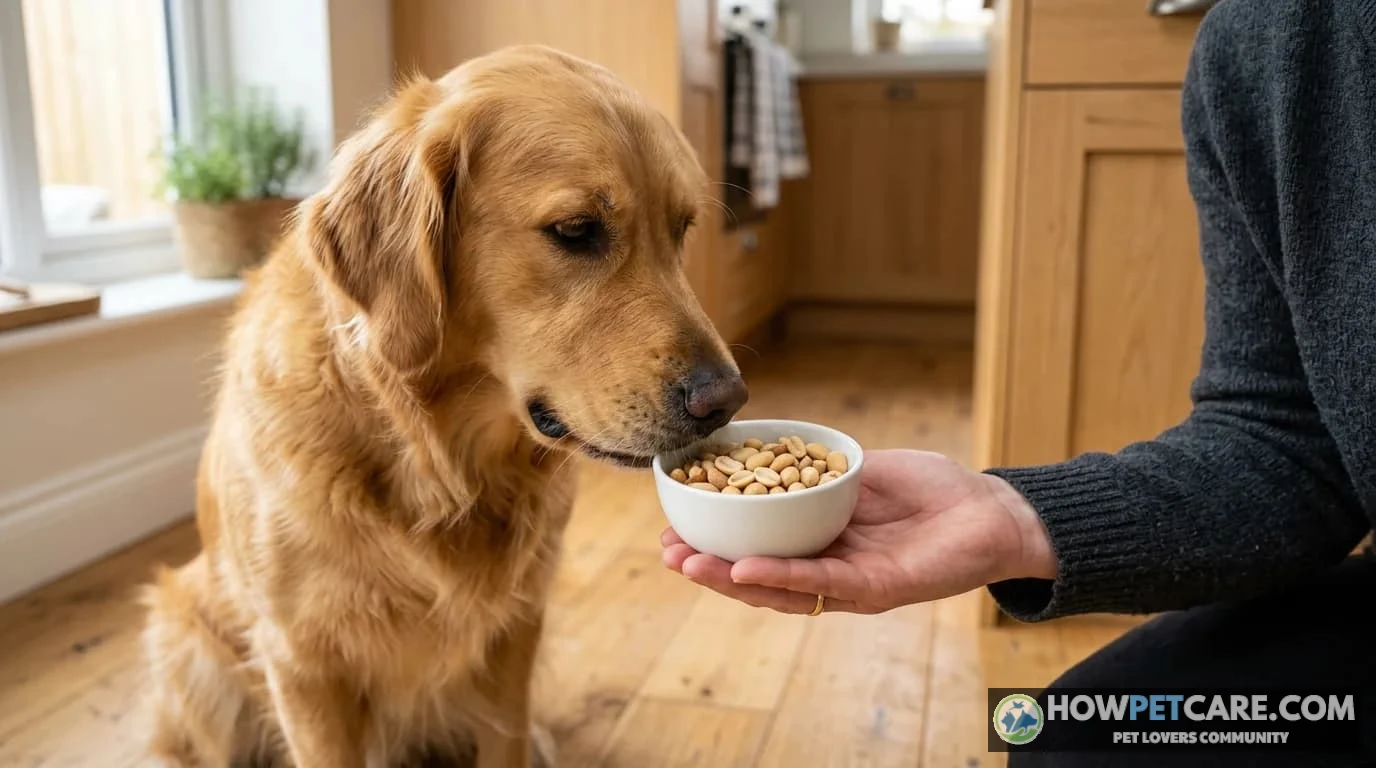

Yes—plain, unsalted, shelled peanuts are safe for most dogs in very small amounts. Offer only a few peanuts as an occasional treat, ensure they’re free of salt, xylitol, chocolate, or shells, and keep total treat calories under 10% of your dog’s daily diet.
Yes, healthy dogs can eat plain, unsalted, dry‑roasted or raw peanuts without shells in small quantities as an occasional treat. Peanuts are botanically legumes, not true tree nuts, and they are not inherently toxic to dogs. Still, safety for an individual dog depends heavily on preparation, portion size, and existing medical conditions. Many commercial peanut products contain unsafe amounts of salt, flavorings, or toxic additives such as xylitol. Peanut shells also create serious choking and intestinal blockage risks.
When Peanuts Are Generally Safe
Offer peanuts only if they meet a few strict criteria. When considering human foods that are safe for dogs, peanuts must be raw or dry‑roasted, unsalted, unflavored, and completely removed from their fibrous outer hulls. Within conservative calorie limits, plain peanuts provide protein, vitamin E, niacin, and healthy fats. Even so, extra treats should never replace balanced commercial kibble or prescription food. Peanuts are best kept as an occasional reward, not a daily staple.
When to Call a Veterinarian Immediately
Some peanut products and symptoms call for emergency care rather than home monitoring. Contact a veterinary hospital, the ASPCA Animal Poison Control Center (888‑426‑4435), or the Pet Poison Helpline (855‑764‑7661) immediately if your dog has any of these exposures or signs:
- Xylitol or birch bark extract ingestion: Any consumption of artificially sweetened peanut butter or nut mixes.
- Chocolate toxicity: Ingestion of chocolate‑covered peanuts or peanut clusters.
- Respiratory distress: Gasping, active choking, wheezing, or persistent coughing.
- Anaphylaxis: Sudden facial swelling, puffy eyes, swollen muzzle, hives, or sudden severe vomiting.
- Neurological impairment: Tremors, weakness, uncoordinated walking (ataxia), collapse, or seizures.
Never induce vomiting at home with hydrogen peroxide or manual gagging unless specifically directed by a licensed veterinarian. Improperly induced vomiting can cause severe chemical aspiration pneumonia or worsen esophageal damage.
Which Peanut Products Are Safe or Unsafe for Dogs?
Before deciding how many peanuts your dog can handle, identify exactly what was eaten or what you plan to offer. Grocery‑store products vary widely in salt, oils, and potentially toxic flavorings.
Safe‑versus‑Risky Peanut Product Guide
Plain dry‑roasted, unsalted peanuts are the safest choice. Salted varieties can deliver substantial sodium loads that strain canine kidneys, while seasoned products may contain powdered alliums (garlic and onion) that destroy canine red blood cells.
| Peanut form or product | Generally safe? | Main concern | Owner action |
|---|---|---|---|
| Dry‑roasted, unsalted, shelled | Yes (occasional treat) | High fat density; choking in small dogs | Crush or split; feed within treat‑calorie limits. |
| Raw, unsalted, shelled | Yes (with caution) | Hard texture; susceptible to aflatoxin mold if stored improperly | Ensure freshness; feed sparingly; avoid damp or discolored nuts. |
| Peanuts in shell | No | Gastrointestinal obstruction; choking; fibrous shell is indigestible | Shell completely before feeding; retrieve discarded hulls immediately. |
| Salted peanuts | No | Sodium excess; dehydration; ion imbalance | Do not offer. If small amount eaten, ensure free access to clean water. |
| Seasoned / spiced (garlic, chili, BBQ) | No | Toxic alliums (garlic/onion powders); severe gastric irritation | Do not offer. Check spice list for onion/garlic; call vet if ingested. |
| Chocolate‑coated peanuts | Emergency evaluation | Theobromine and caffeine toxicity | Never feed. Treat as emergency; contact vet with chocolate type and dog weight. |
| Peanut butter with xylitol (birch bark extract) | Emergency evaluation | Rapid, life‑threatening hypoglycemia and acute liver failure | Never feed. Immediate emergency vet visit; do not induce vomiting at home unless directed. |
| Moldy or spoiled peanuts | Emergency evaluation | Tremorgenic mycotoxins and aflatoxicosis | Dispose safely; seek prompt veterinary care if consumed. |
Peanut shells are completely indigestible. If swallowed, their rigid, brittle hulls can scrape the esophagus, cause an intestinal impaction, or lodge in the trachea. That makes shells an unnecessary hazard. Boiled peanuts pose another concern: traditional Southern‑style boiled peanuts are prepared in dense brine with heavy salt, spices, or pork fat, making them unsuitable for dogs. Plain water‑boiled peanuts without salt are safe in moderation, but their wet texture spoils quickly.
Aflatoxins are another hidden risk in lower‑grade or improperly stored peanuts. These toxic byproducts are produced by Aspergillus molds that grow on agricultural crops in humid conditions. Moldy peanuts can cause acute liver failure or severe gastrointestinal toxicity in dogs.

Peanuts Versus Peanut Butter
Peanut butter is a popular dog treat in the United States and is often used to hide oral medications or fill enrichment toys. Its nutritional concentration differs from that of whole peanuts, however. Commercial peanut butter commonly contains hydrogenated vegetable oils, added cane sugar, and salt.
Xylitol is a sugar alcohol frequently marketed in specialty, diabetic, or keto peanut butters. Food manufacturers also label this compound as "birch sugar" or "wood sugar extract." In dogs, xylitol stimulates a massive, rapid release of insulin from the pancreas, driving blood sugar down to life‑threatening levels within 15 to 60 minutes, followed by acute hepatic necrosis. Safe peanut butter should list only one ingredient: peanuts.
If you offer peanut butter as a dog treat, choose an unsalted, xylitol‑free variety containing 100% peanuts, or make homemade peanut butter ground directly from raw or dry‑roasted unsalted kernels.
Some owners wonder about using honey as a natural sweetener, but can dogs have honey is a question worth checking before doing so.

How Many Peanuts Can a Dog Eat? Conservative Weight‑Based Portions
Even plain, unsalted peanuts are calorie‑and fat‑dense. Veterinary nutrition standards state that non‑balanced treats should make up no more than 10% of a dog’s total daily caloric allowance. The other 90% should come from a nutritionally complete and balanced diet.
A standard dry‑roasted peanut kernel contains approximately 5.8 to 6 calories. Because whole peanuts typically contain two individual kernels per pod, feeding two whole peanuts delivers roughly 24 calories. For smaller dogs, whole peanuts can quickly use up a daily treat allowance and create a real choking hazard.
Approximate Peanut Counts by Dog Weight
The following serving counts are conservative allowances for healthy adult dogs on standard maintenance diets. They are maximum treats for a single day, not a required daily ration.
| Dog weight range | Approximate plain peanut count | Serving notes | When to use fewer or avoid |
|---|---|---|---|
| Toy (Under 10 lbs / 4.5 kg) | 0.5 to 1 peanut half | Always crush or chop fine to prevent airway blockage. | Avoid if on calorie‑restricted diet or prone to pancreatitis. |
| Small (10–20 lbs / 4.5–9 kg) | 1 to 2 whole peanuts | Split in half; never offer daily (limit to 1–2 times weekly). | Reduce to 0 if receiving other fatty treats that day. |
| Medium (21–50 lbs / 9.5–23 kg) | 2 to 4 whole peanuts | Serve plain, shelled; account for ~6 calories per whole peanut. | Skip entirely if dog has history of sensitive stomach or colitis. |
| Large (51–90 lbs / 23–41 kg) | 4 to 6 whole peanuts | Safe whole, but split if dog gulps food without chewing. | Avoid if diagnosed with cardiac conditions requiring low‑sodium strictly. |
| Giant (Over 90 lbs / 41+ kg) | 6 to 8 whole peanuts | High total fat load; keep treats below 10% daily caloric intake. | Avoid if overweight or senior with reduced metabolic rate. |
Note: Caloric calculations assume standard dry‑roasted peanuts (~5.8 to 6 calories per peanut). All treats combined must remain under 10% of total daily veterinary caloric allowance.
For puppies, introduce crushed peanuts with extreme caution. A growing puppy needs precise calcium‑to‑phosphorus ratios and specific macronutrient profiles. Excess fat can cause gastrointestinal upset and loose stools. If you offer peanuts to a puppy, limit the amount to a light dusting of crushed plain kernel over food, and do not make it a daily habit.

How Often Can Dogs Have Peanuts?
Peanuts should not become a daily treat. Even if the amount stays below the 10% caloric threshold, regular intake of dense lipids can strain the digestive system. Once or twice per week is a prudent frequency for a high‑value training reward or enrichment filler. Treat allowances are cumulative: if your dog eats other commercial treats, dental chews, or table scraps, the available peanut portion becomes smaller.
Worked Calorie Allocation for a 20‑Pound Dog
To see how quickly treat calories add up in a small‑to‑medium canine, consider this practical calculation for Buster, a neutered adult Cocker Spaniel mix weighing 20 pounds (9 kg):
- Establish Daily Caloric Budget:
- Maintenance Energy Requirement (MER) for an average neutered 20 lb dog: ~540 kcal/day.
- 10% Treat Allowance: Maximum 54 kcal/day from all non‑kibble sources.
- Account for Today’s Existing Treats:
- Morning training biscuit: 25 kcal
- Dental chew piece: 15 kcal
- Treat calories consumed so far: 40 kcal
- Remaining daily treat budget: 54 kcal − 40 kcal = 14 kcal
- Calculate Safe Peanut Serving:
- 1 plain dry‑roasted peanut kernel = ~5.8 kcal
- Buster’s remaining budget (14 kcal) allows at most 2 whole peanuts (4 kernels = ~12 kcal).
- Owner Adjustment:
- Because Buster gulps food without chewing, the owner crushes the 2 peanuts into small crumbs over his evening kibble rather than feeding them whole, avoiding both an overage in calories and a choking hazard.
 You might be wonderingCan dogs eat porkCan Dogs Eat Pork? Safe Cuts, Portions & Emergency TriageRead the answer
Health Risks, Contraindications, and Symptoms to Watch
Even non‑toxic foods can have biological consequences when fed improperly. Knowing how canine digestive systems handle lipids and sodium helps explain why peanuts require strict moderation.
Peanut Allergy and Acute Reactions
Peanut allergies are far less common in dogs than in people, but they do occur. A canine allergic response can range from mild skin reactions to severe, life‑threatening anaphylactic shock.
Symptoms of a peanut allergy in dogs include:
- Intense facial rubbing, scratching, or sudden biting at the paws
- Hives (urticaria) forming beneath the coat, often visible on the groin or belly
- Red, inflamed pinnae (inner ear flaps)
- Swelling of the eyelids, lips, or muzzle
- Acute vomiting or watery diarrhea within minutes of ingestion
- Audible wheezing, stridor, or labored breathing
If you notice facial swelling or breathing trouble after peanut exposure, take your dog to an emergency veterinary clinic immediately.

Fat, Calories, and Pancreatitis
The main systemic concern with whole peanuts is their high fat concentration. Peanuts get over 70% of their total calories from lipids. These are healthy unsaturated fats for people, but a dog’s pancreas can be sensitive to sudden increases in dietary fat.
After a high‑fat meal or excessive fatty treats, the pancreas can become prematurely activated. That can lead to auto‑digestion of organ tissue and acute pancreatitis. The condition is painful, potentially fatal, and may require intensive hospitalization with intravenous fluid therapy, antiemetics, and pain management.
High‑Fat Food Ingestion (e.g., Peanuts, Table Scraps)
                     │
                     ▼
Pancreatic Acinar Cell Overstimulation & Enzyme Leakage
                     │
                     ▼
Premature Intracellular Activation of Trypsin
                     │
                     ▼
Local Inflammation, Tissue Autodigestion, & Severe Abdominal Pain (Pancreatitis)
                     │
                     ▼
Systemic Complications (SIRS, Dehydration, Potential Organ Failure)
Signs of acute pancreatitis often appear 12 to 48 hours after eating fatty foods:
- Severe lethargy and disinterest in surroundings
- Persistent, intractable vomiting
- "Prayer position" (front paws and chest flat on the floor with rear quarters elevated to relieve abdominal pressure)
- Tense, guarded, or painful abdomen when touched
- Complete loss of appetite (anorexia)
- Watery diarrhea, occasionally containing blood
- Fever and dehydration
Some dogs should avoid peanuts altogether. Contraindications include a history of acute or chronic pancreatitis, obesity, hyperlipidemia, active inflammatory bowel disease (IBD), heart disease requiring sodium restriction, or advanced kidney failure. Dogs on veterinary therapeutic diets, such as low‑fat or hydrolyzed protein formulas, should never be fed peanuts.

What to Do If Your Dog Ate Peanuts: A Product‑and‑Symptom Triage Path
Accidental ingestions can happen fast: a dog knocks a bowl of party nuts from a coffee table, tears open a vacuum‑sealed grocery pouch, or pulls discarded shells from the trash. A methodical response helps prevent complications.
Information to Gather Before Calling
Before calling your veterinarian or an animal poison hotline, gather the key details about the incident. Having this information ready helps medical professionals assess toxicity and advise you on next steps:
- ☐ Step 1: Secure the remaining product and area. Remove any remaining nuts, wrappers, or packaging from your dog’s mouth and reach immediately to stop further ingestion.
- ☐ Step 2: Inspect ingredients on the packaging. Scan specifically for: xylitol (or wood sugar / birch bark extract), chocolate, cocoa, garlic powder, onion powder, or heavy salt.
- ☐ Step 3: Quantify volume and timeline. Estimate the number of ounces, cups, or nuts eaten, and record the exact time the incident occurred.
- ☐ Step 4: Check for missing physical hazards. Confirm whether peanut shells, plastic bags, foil pouches, or desiccants/oxygen absorber packets were swallowed alongside the nuts.
- ☐ Step 5: Assess your dog’s weight, medical history, and physical baseline. Note your dog’s body weight, pre‑existing health conditions (such as pancreatitis), gums (should be pink, not pale), breathing rhythm, abdominal tightness, and current symptoms (drooling, pacing, lethargy) before dialing your vet or Pet Poison Helpline.
Monitor at Home, Call Promptly, or Seek Emergency Care
Once you have the facts, place the situation into one of three action levels:
-
Level 1: Immediate Emergency Care
Proceed immediately to the nearest veterinary emergency facility. This level applies if the product contained xylitol, chocolate, mold, substantial salt, shells, packaging, or if your dog demonstrates active respiratory distress, choking, facial swelling, collapse, muscle tremors, or seizures. Bring the product packaging with you for chemical analysis.
-
Level 2: Prompt Veterinary Contact (Within 1 to 2 Hours)
Call your regular clinic or an animal poison control service. This level applies if a small or toy‑breed dog consumed a significant quantity of salted peanuts, if your dog swallowed empty peanut shells or packaging, or if your dog has underlying medical conditions such as past pancreatitis, heart failure, or renal disease. Follow their instructions regarding clinical evaluation or professional decontamination.
-
Level 3: Home Observation (24 to 48 Hours)
Appropriate only when a healthy adult dog consumed a small‑to‑moderate amount of plain, unsalted, shelled peanuts without additives. Provide unrestricted access to clean drinking water. Monitor stool consistency, food appetite, and energy. If the dog develops recurrent vomiting, lethargy, or signs of abdominal pain, elevate immediately to professional veterinary evaluation.

Carefully checking ingredient packaging ensures accidental toxins like xylitol are caught early.

Peanuts Compared With Macadamia Nuts, Walnuts, and Other Risky Nuts
Dog owners often confuse peanut safety with the rules for true tree nuts. Peanuts are non‑toxic legumes, but can dogs eat almonds and other nuts contain distinct toxins or create substantial obstruction risks.
Toxicity Versus High‑Fat or Obstruction Risk
The culinary category of "nuts" includes foods with very different botanical structures, chemical profiles, and toxicity levels in dogs. It is important to separate systemic poisons from physical and gastrointestinal hazards.
| Nut or product | Primary risk | Typical concern | Urgency if eaten |
|---|---|---|---|
| Peanuts (plain, shelled) | Low inherent toxicity | High fat load, obesity, pancreatitis, choking in small dogs | Low (home monitoring unless allergy or large salted intake) |
| Macadamia nuts | Severe canine toxicity | Unknown toxin causes weakness, ataxia, tremors, hypothermia, vomiting | High (contact vet/poison control immediately) |
| Black walnuts | Inherent toxin (juglone) + mold | Gastrointestinal irritation; seizures from penitrem A mycotoxins | High (contact vet immediately) |
| English walnuts | Choking / mold susceptibility | High fat; prone to tremorgenic mycotoxins if old or damp | Moderate to High (seek vet care if moldy or large quantity eaten) |
| Pistachios | Shell obstruction + mold | Aflatoxin exposure; hard shells cause intestinal impaction | |
| Pecans | Mold toxin (juglone/aflatoxins) | Intestinal blockage; tremorgenic mycotoxin neurological signs |
Macadamia nuts are especially dangerous because they can trigger a documented toxic syndrome unique to dogs. Even minute quantities can cause profound pelvic limb weakness, tremors, hyperthermia, and recumbency. Black walnuts contain juglone, an organic compound that causes severe digestive distress, while their physical structure also makes them a frequent source of esophageal or intestinal foreign bodies.

Why Mold Changes the Risk
High‑oil tree nuts and legumes can rot and mold easily when exposed to ambient humidity. As English walnuts, black walnuts, pecans, or peanuts decay, they are often colonized by fungi such as Penicillium crustosum. These molds produce tremorgenic mycotoxins, specifically penitrem A and roquefortine C. In dogs, these neurotoxins can cause rapid‑onset muscle tremors, severe ataxia, hyperthermia, tachycardia, and grand‑mal seizures. Never let dogs forage for fallen nuts under wild walnut, pecan, or oak trees, where damp ground speeds mold colonization.
A Safe Peanut Decision Checklist for Dog Owners
Before feeding your pet any peanut product, use this quick decision protocol to reduce the risk of digestive emergencies.
The Five‑Question Peanut Safety Check
- Is the product 100% plain and unsalted? Confirm there are no added salts, spice blends, honey coatings, or chocolate coatings.
- Have all shells and packaging been completely removed? Never toss a whole, uncracked peanut pod to a dog.
- Is the portion sized correctly for your dog’s weight? Keep treats inside the 10% daily caloric budget, remembering that one whole peanut contains about 12 calories.
- Have you checked the label for xylitol or birch sugar? If using peanut butter, verify that no sugar substitutes, artificial sweeteners, or palm oils are present.
- Is your dog free from gastrointestinal, pancreatic, or weight issues? Confirm your dog has no history of pancreatitis, inflammatory bowel disease, or required low‑fat diets.
When Peanuts Should Stay Off the Menu
If you answered "no" to any of the five questions above, do not feed the peanut product. Dogs do not need nuts in their diet. Although healthy fats provide energy, your pet gets balanced lipids from high‑quality commercial dog foods without the added risks of pancreatitis, choking, or salt toxicity. Safe, low‑calorie alternatives such as raw carrot slices, green beans, or plain pumpkin puree can provide similar crunchy enrichment without the fat load.
If you have dietary concerns, consult your veterinarian. They can give advice tailored to your dog’s weight, breed history, and metabolic profile.

 You might be wonderingCan dogs eat riceCan Dogs Eat Rice? Vet-Approved Portions, Diets & SafetyRead the answer
FAQ
Can dogs eat roasted unsalted peanuts?
Most healthy dogs can have a small number of plain, roasted unsalted peanuts if they are shelled and served as an occasional treat. Break them up for puppies, small dogs, or dogs that gulp food.
Can puppies eat crushed peanuts?
Puppies may be able to eat a tiny amount of crushed, plain, unsalted peanut, but treats should not displace balanced puppy food. Ask your veterinarian first if the puppy has digestive, allergy, or growth concerns.
Can dogs eat peanuts in the shell?
No. Peanut shells can cause choking or gastrointestinal obstruction and should be removed before the peanut is offered.
Can dogs eat boiled peanuts safely?
Plain boiled peanuts may be tolerated in a small amount, but avoid recipes containing salt, spices, onion, garlic, or other additives. Discard the shells and consider the food’s extra calories and fat.
What happens if a dog eats an unknown amount of peanuts?
Check the product label, estimate the amount and time, and note your dog’s weight and medical history. Call a veterinarian promptly if the product contained xylitol, chocolate, mold, substantial salt, shells, packaging, or if symptoms develop.