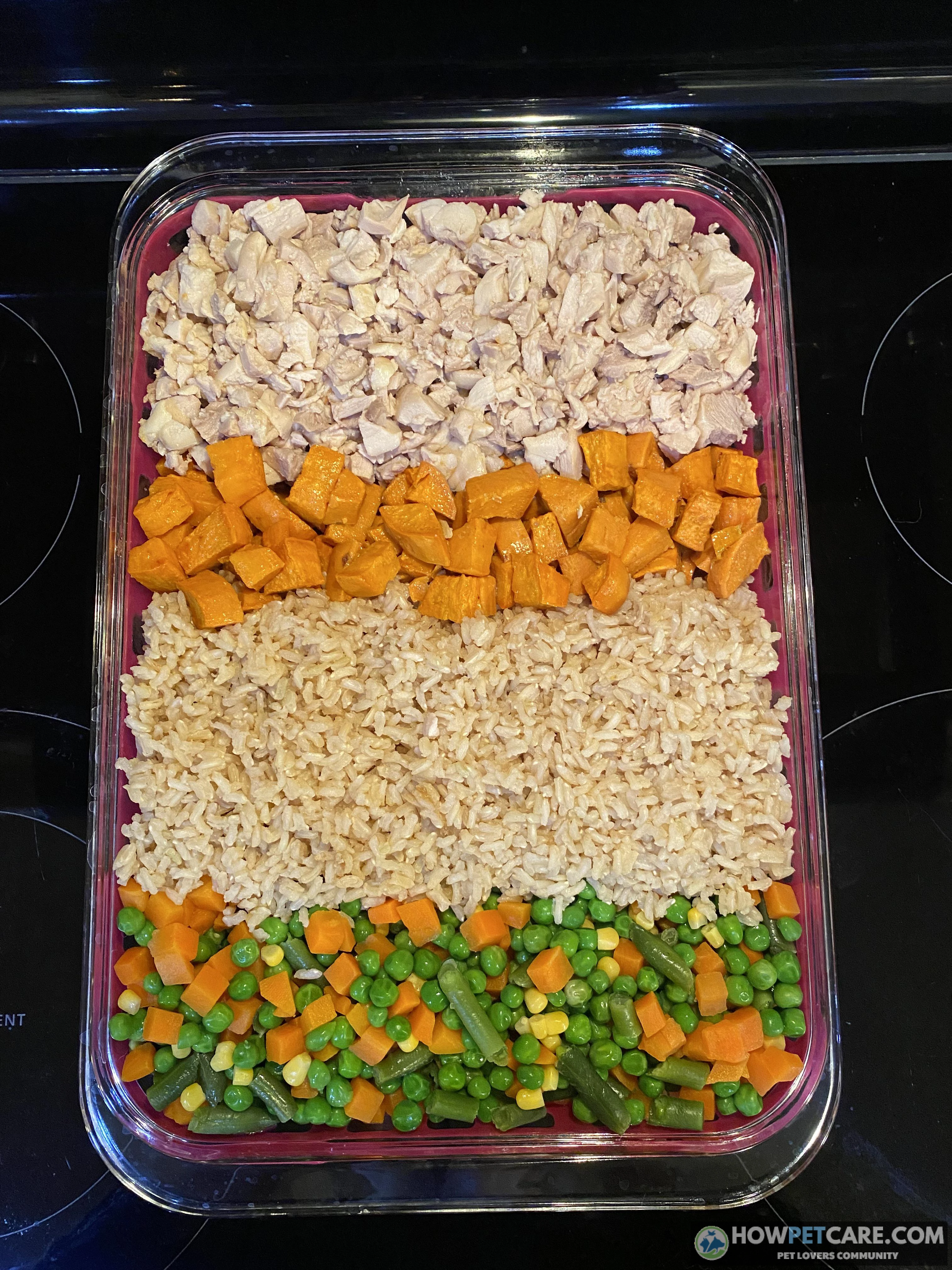

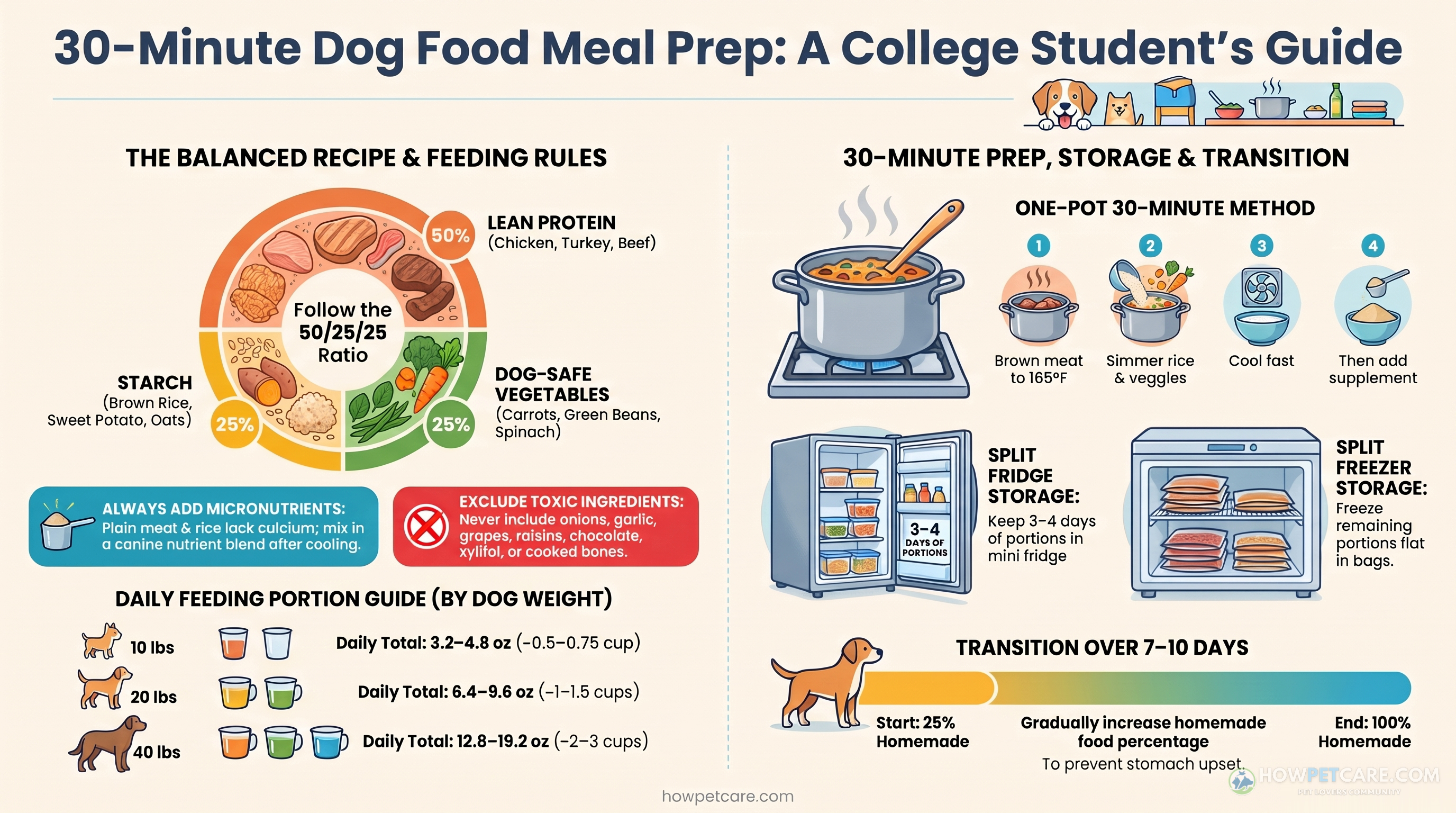
Cook a week of dog food in one pot in about 30 minutes:
- Brown lean protein (turkey, chicken, or beef) to 165 °F — no seasoning.
- Add rice and water; simmer, then stir in frozen vegetables.
- Cool the batch, then mix in a canine nutrient supplement — plain meat and rice is not complete.
- Portion: 3–4 days in the fridge, the rest frozen flat; feed ~2–3 % of body weight daily.
Confirm the plan with your vet before switching.
Cook once on Sunday with a single pot, rice cooker, or microwave. Use a base ratio of roughly half lean protein, one‑quarter cooked starch, and one‑quarter vegetables by volume. Portion the batch into meal‑size containers: three to four days stay in the mini fridge, the rest go flat into the shared freezer. A 20‑lb dog costs about $12–$15 per week when you buy frozen veg, bulk rice, and manager‑special ground turkey — comparable to mid‑tier kibble and cheaper than premium brands. A plain chicken‑and‑rice mix is not complete; it lacks calcium and several micronutrients, so a cheap supplement (eggshell powder or a canine nutrient blend) or a veterinary‑nutritionist‑formulated recipe is required. Call your vet before switching, especially for puppies, seniors, or dogs with health conditions.
A quick vet call or visit confirms the diet fits your dog’s life stage and health status. This step prevents costly mistakes later.
A One-Pot Base Recipe for Homemade Dog Food (Stovetop, Rice Cooker, or Microwave)
Base ratios and ingredient swaps that keep it balanced
- Protein (≈50 % by volume): ground turkey, chicken, lean beef, or canned fish in water. Buy family packs or manager‑special meat and freeze the same day.
- Starch (≈25 %): brown rice, white rice, or oats. Bulk bins keep cost under $1 per pound.
- Vegetables (≈25 %): frozen green beans, peas, carrots, spinach — no salt, no seasoning. Frozen is cheaper and lasts longer than fresh.
- Fat (optional, ≤5 %): a teaspoon of fish oil or a scrambled egg for essential fatty acids.
- Supplement (added after cooking): canine nutrient blend or eggshell calcium (see Supplements section).
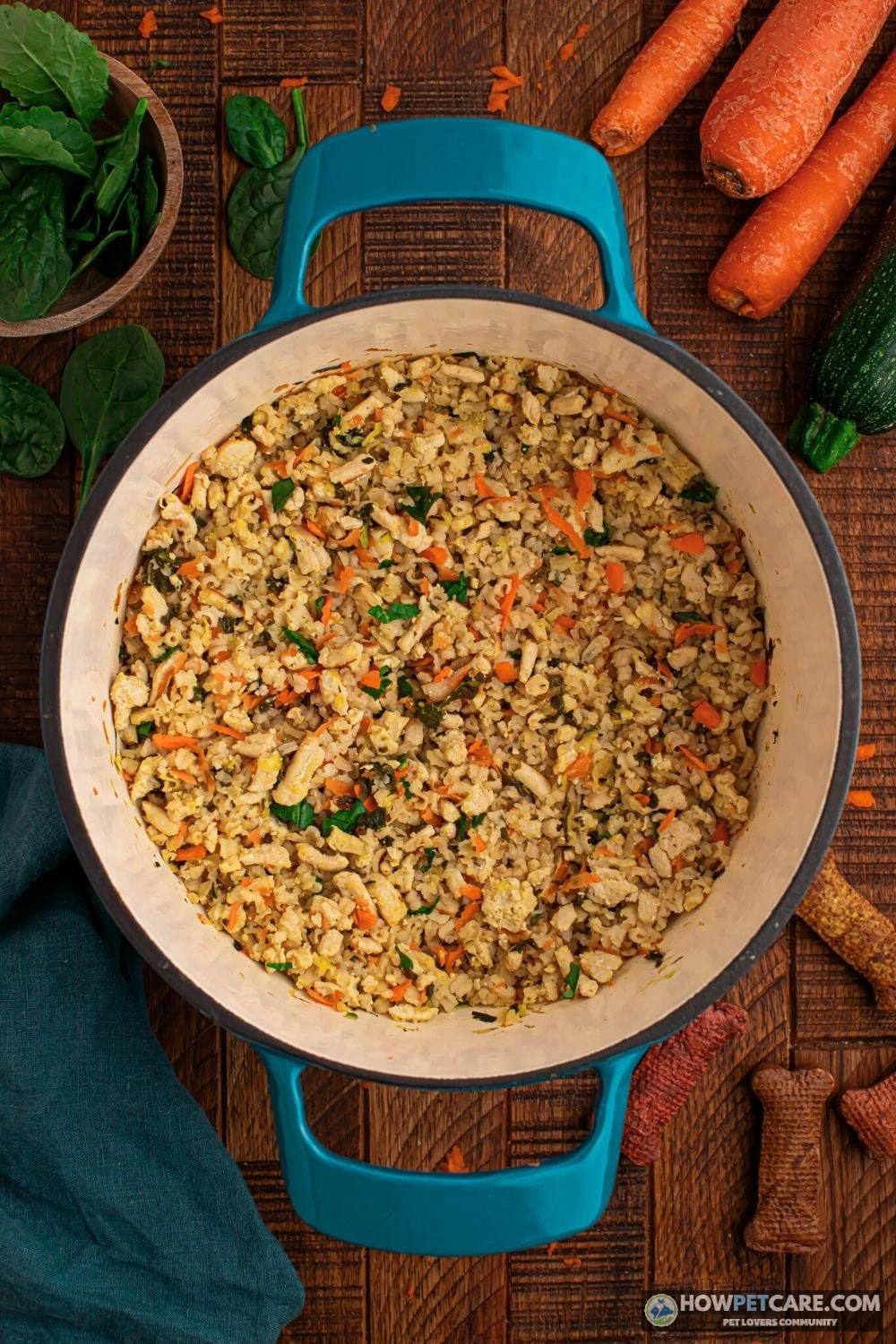
Cheap swaps that keep the balance: frozen veg for fresh, bulk rice for boxed, eggs for part of the protein, canned sardines in water as an occasional topper.
Single-pot stovetop method
- Rinse 1 cup dry rice; set aside.
- In a 3‑quart pot, crumble 1 lb ground turkey over medium heat, 8–10 min, until internal temperature reaches 165 °F.
- Add rice, 2 cups water, and 1 cup diced sweet potato; bring to a boil, then simmer 15 min.
- Stir in 1 cup frozen mixed vegetables; cook 5 min more.
- Remove from heat, spread thin to cool within 1 hour, then mix in supplement.
Mini rice cooker and Instant Pot method
- Mini rice cooker (3‑cup): Add crumbled protein, rice, water (per rice package), and veg. Run one cycle (≈25–30 min). Stir halfway; verify meat hits 165 °F with a $5 probe thermometer.
- Instant Pot / multi‑cooker: Layer protein + rice + water on bottom, veg on top. Pressure cook 8 min, natural release 10 min. Do not overfill past ⅔ line.
Microwave-only method
- Crumble ½ lb protein in a microwave‑safe bowl, cover loosely.
- Heat in 2‑min bursts, stirring between, until 165 °F (≈6–8 min total).
- Cook rice separately per package directions.
- Combine cooked rice, protein, and frozen veg (they steam in residual heat). Cool, then add supplement.
Yield: ~4–5 cups cooked food — enough for 3–4 days for a 20‑lb dog. Halve for a 10‑lb dog.
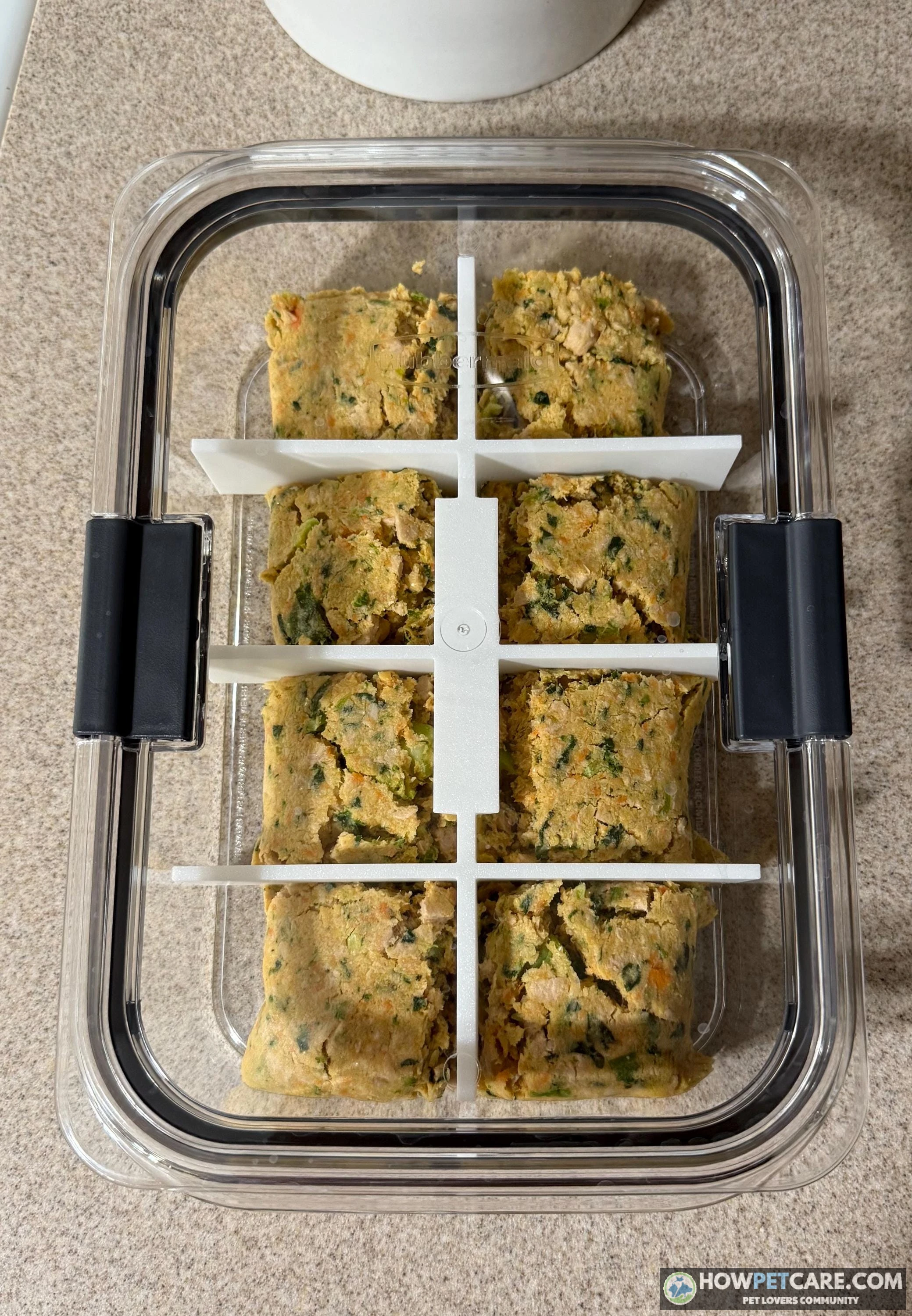
If your freezer is full, cook a half‑batch every 3–4 days instead of a full weekly batch. This keeps everything in the mini fridge and avoids spoilage.
Making It Complete: Cheap Calcium and Nutrient‑Blend Options That Meet AAFCO Guidelines
AAFCO nutrient profiles define “complete and balanced.” Meat, rice, and vegetables alone fall short on calcium, trace minerals, and certain vitamins. Three practical routes, ranked by rigor:
- Veterinary‑nutritionist‑formulated recipe — highest confidence, often $30–$60 for a custom plan.
- Commercial canine nutrient blend (e.g., Balance IT, Human‑Grade blends) — $0.10–$0.20 per serving, designed for homemade diets.
- Eggshell calcium only — bake clean eggshells 10 min at 300 °F, grind to fine powder. Provides calcium but not the full micronutrient spectrum. Dose must come from a formulated recipe, not guesswork.

A generic human multivitamin is not an adequate substitute; doses and forms differ and can be harmful. Confirm any supplement choice with your vet.
Cost per week (illustrative): nutrient blend ~$1.50–$2.00; eggshell powder ~$0.30 (but you still need a separate vitamin‑mineral source).
Budget compromise: feed homemade as 50 % of calories alongside a complete kibble. This cuts supplement need and cost while improving ingredient control. Discuss the ratio with your vet.
Never guess supplement amounts. Over‑ or under‑supplementing calcium can cause skeletal problems, especially in growing dogs.
Toxic Foods for Dogs: What Must Never Go in the Pot
- Onions, garlic, chives, leeks
- Grapes and raisins
- Chocolate
- Xylitol (check peanut butter labels)
- Macadamia nuts
- Alcohol, caffeine
- Cooked bones (splinter risk)
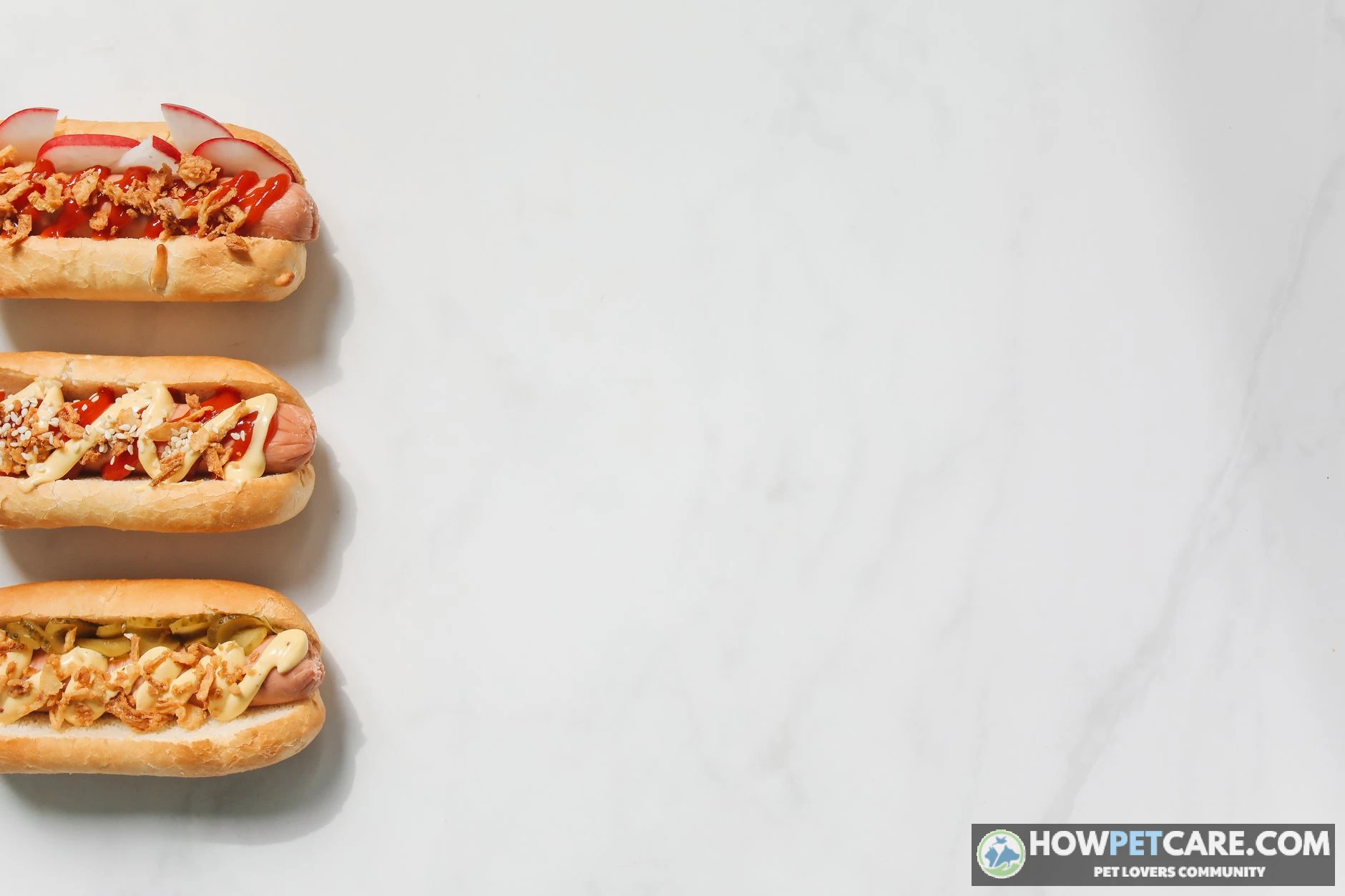
Student traps: seasoned leftovers, broths with onion/garlic, sugar‑free snacks, pre‑seasoned discount meats. Rule: plain ingredients only, no salt or seasoning. Cross‑check any new item against ASPCA or Pet Poison Helpline lists.
If ingestion occurs, call your vet or a poison hotline immediately.
Keep a printed list on your fridge. One mistake can cost thousands in emergency care.
How Much to Feed by Weight, and How to Switch From Kibble Without Stomach Upset
Feeding table by dog weight
The 2–3 % of body‑weight rule aligns with veterinary ranges and resolves the “1 cup per 10 lb” conflict. Daily total = weight (lb) × 16 × 0.02–0.03 (oz). Cooked mix ≈6 oz per cup — weigh your first batch to confirm. If your dog sits between rows, start on the lower row and adjust at the next weigh‑in.
| Dog weight (lbs) | Daily total (oz) | Daily total (approx. cups cooked food) | Per meal, 2 meals/day | Adjust up or down when |
|---|---|---|---|---|
| 5 | 1.6–2.4 | ~¼–⅓ cup | 0.8–1.2 oz (~2–3 tbsp) | Lower end for couch‑potato or overweight dogs |
| 10 | 3.2–4.8 | ~½–¾ cup | 1.6–2.4 oz | Higher end if active or underweight |
| 20 | 6.4–9.6 | ~1–1.5 cups | 3.2–4.8 oz | Start at midpoint (~8 oz), recheck at 2 weeks |
| 40 | 12.8–19.2 | ~2–3 cups | 6.4–9.6 oz | Higher end for very active dogs |
| 60 | 19.2–28.8 | ~3–4.5 cups | 9.6–14.4 oz | Adjust by body condition, not the bowl |
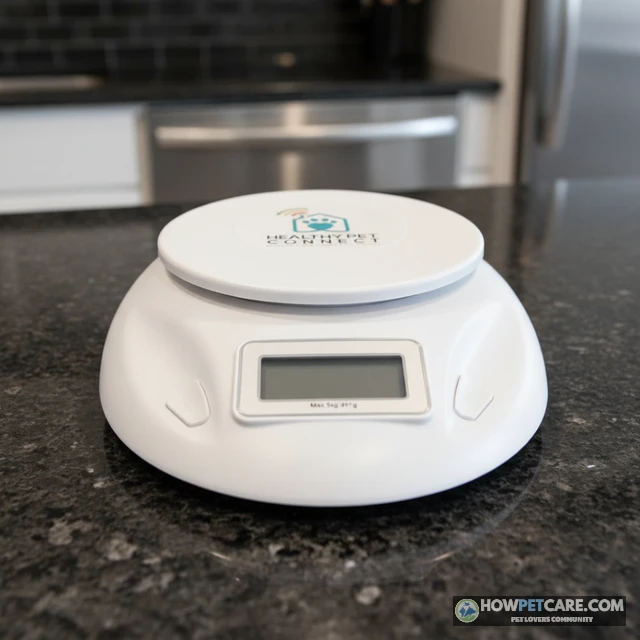
Small‑dog scaling note: a 5–10 lb dog eats so little that one half‑batch covers 3–4 days — cook less, more often, and skip the freezer if space is tight. Weigh the dog every 2 weeks; ribs should be easy to feel but not visible.
A 7‑10 day kibble‑to‑homemade transition
- Days 1‑2: 25 % homemade / 75 % kibble
- Days 3‑4: 50 % / 50 %
- Days 5‑6: 75 % / 25 %
- Day 7+: 100 % homemade
Slow down if you see loose stools, vomiting, or appetite loss. Puppies, pregnant dogs, and medical cases need a vet‑specific plan.
Mix the two foods in one bowl; the dog learns the new taste without a sudden switch.
Is Homemade Dog Food Cheaper Than Kibble? Cost Per Serving, Week, and Month
Cost per serving, per week, per month
Formula: (ingredient price per lb ÷ lbs used per batch) ÷ servings per batch + supplement cost per serving. Multiply by days for week/month.
Where homemade beats kibble and where it does not
- Wins: frozen veg, bulk rice, manager‑special protein (~$2/lb), no packaging markup.
- Loses: premium proteins, out‑of‑season fresh produce, supplement & container costs, spoilage waste.
Shopping tactics for a $15‑20 weekly dog food budget
- Buy frozen vegetable bags ($1–$2).
- Bulk rice/oats from bin ($0.80/lb).
- Manager‑special meat: cook or freeze same day.
- Store loyalty apps for digital coupons.
- Warehouse club only if you can split volume with a roommate.
One‑time costs: 4–6 deli containers ($8) + $12 digital kitchen scale = ~$20. Payback depends on per‑batch savings.
Worked Cost Example: One Batch vs. One Bag of Kibble
Every price below is an illustrative assumption — write your own store’s prices into the same formula before trusting the verdict.
Homemade batch (illustrative prices):
- 3 lb ground turkey @ $3.49/lb → $10.47
- 2 cups dry brown rice (≈6 cups cooked) → ~$1.00
- 16 oz frozen mixed vegetables → $1.79
- 2 medium sweet potatoes → $2.50
- Canine nutrient blend (per‑batch share) → ~$2.50
- Batch total: ~$18.25 → yields ~15 cups cooked food
For a 20‑lb dog eating ~1.5 cups/day (from feeding table):
- Cost per cup: 18.25 ÷ 15 = ~1.22/cup
- Per day: ~$1.83
Per week: ~$12.80 Per month: ~$55
Kibble comparison (same method):
- 15‑lb budget kibble @ $18/bag, ~4 cups/lb ≈ 60 cups
- 20‑lb dog eats ~1.5–2 cups/day → bag lasts ~30–40 days
- Per day: ~$0.45–0.60
Per week: ~$3.50 Per month: ~$15
| Side-by-side | Per serving | Per day | Per week | Per month |
|---|---|---|---|---|
| Homemade batch | ~$1.22/cup | ~$1.83 | ~$12.80 | ~$55 |
| Budget kibble | — | ~$0.45–0.60 | ~$3.50 | ~$15 |
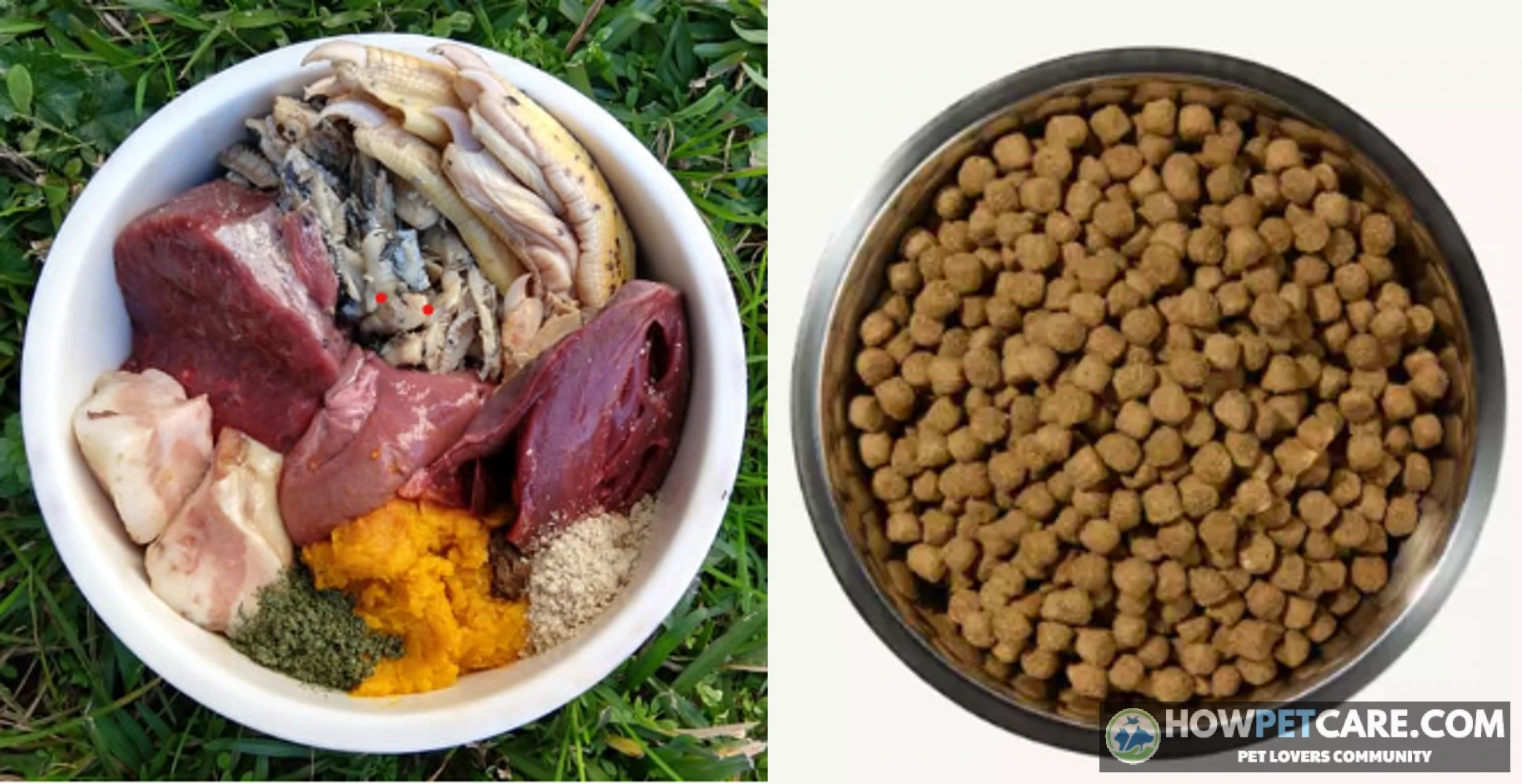
Honest verdict: at full‑price proteins, homemade costs roughly 3× budget kibble. It only approaches parity when you buy manager‑special or family‑pack protein (~$2/lb), which cuts the batch to ~$10 and the month to ~$30 — still more than the cheapest kibble, but within reach of mid‑tier brands. One‑time costs pay back slowly, so run the formula with your store’s flyer before committing.
Prices vary by campus town. The formula works everywhere — plug in your receipts.
Storing a Week of Dog Food in a Mini Fridge and Shared Freezer
How long homemade dog food lasts in the fridge and freezer
- Fridge: 3–4 days max.
- Freezer: up to ~2–3 months for best quality; safe longer but texture degrades.
- Cool cooked batch in a shallow layer within ~1 hour, then container and refrigerate — cooked rice left warm is a real food‑safety risk.
Labeling and space tactics for shared kitchens
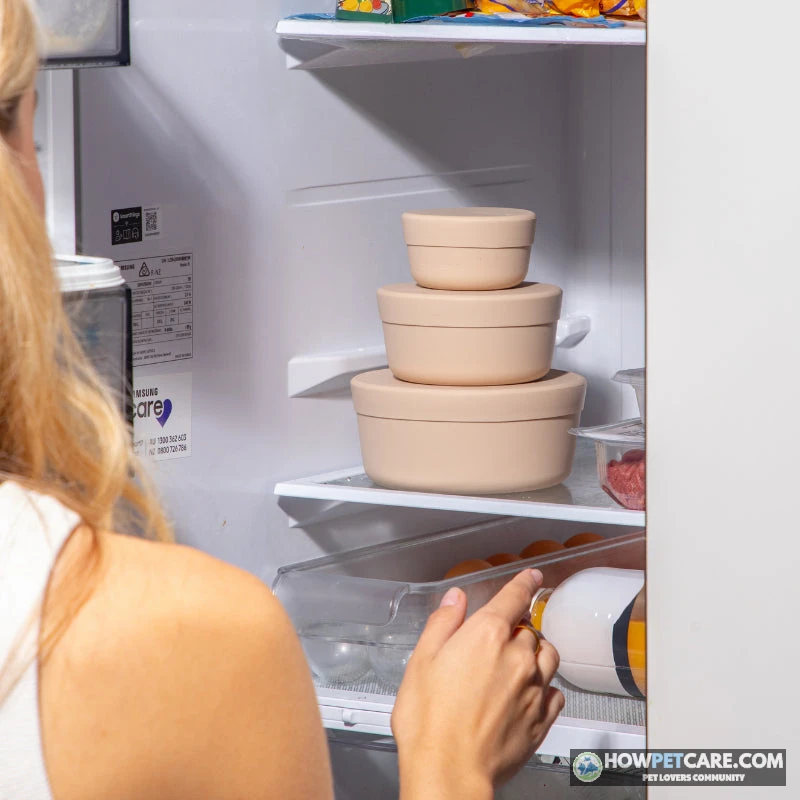
- Split‑batch strategy: 3 days of portions in mini fridge; rest frozen flat in quart zip bags.
- Containers: 2‑cup deli‑style containers hold one day for a ~20‑lb dog and stack two‑high.
- Freezer bins: freeze portions flat; stack like files in a shoebox‑sized bin to claim a zone.
- Labels: “DOG FOOD — NOT FOR PEOPLE”, owner name, cook date, thaw‑by date, toss‑after date, contents.
Copy‑paste label for a shared freezer:
DOG FOOD — NOT FOR PEOPLE
Owner: [your name] / Room [___]
Cooked: [date]   Thaw by: [date]   Toss after: [date]
Contents: turkey + rice + veg
Keep the bin on a separate shelf from human food.
Scaling the recipe down for one small dog
- Halve the base recipe → ~3–4 days of food.
- If zero freezer space, cook a half‑batch every 3–4 days.
- Scale up proportionally for medium dogs; keep the 2–3 % body‑weight rule.
Thaw & serve: move tomorrow’s portion to fridge night before. Microwave 20–30 sec to warm (not hot), stir out hot spots, sniff‑check. Discard anything left out >2 hrs or smelling off.
Never counter‑thaw. Bacteria grow fast at room temperature, especially in cooked rice.
A 30‑Minute Sunday Prep Session, Minute by Minute (Plus How It Fits Your Class Week)
Sunday timeline: 30 minutes, one pot
-
0–5 min – Set up
Claim stove slot. Rinse rice, start cooking (or put water on). Rinse containers, set out open.
-
5–15 min – Brown protein
Crumble ground turkey into pot over medium heat, 8–10 min, no oil, no seasoning. Verify 165 °F.
-
15–20 min – Add vegetables
Stir in frozen veg and diced sweet potato (or fold cooked rice in if separate). Confirm meat temperature.
-
20–25 min – Combine and cool
Mix everything, spread shallow on sheet pan to cool fast. Add supplement once warm, not hot.
-
25–28 min – Portion
Scoop per‑meal amounts: 3 days’ worth for fridge, rest into flat freezer bags.
-
28–30 min – Label and clean
Date everything, stack fridge containers, file freezer bags into bin, wipe stove. Done.
Rice cooker / Instant Pot versions compress steps 5–15 into one hands‑off block.
Mapping meals to a class week
- Sunday: cook batch.
- Mon–Wed: serve from fridge containers (pre‑portioned AM/PM).
- Wednesday night: move frozen portions to fridge to thaw.
- Thu–Sat: serve from thawed batch.
- Missed Sunday? Fallback = one day of old kibble + scrambled eggs — never an unbalanced improvised meal for more than a day.
Pre‑portion “AM” and “PM” containers so a rushed 8 a.m. takes under two minutes: open, warm 20 sec, done.
Weekly 5‑minute check: weigh dog or body‑condition score, adjust portions, update shopping list.
Keep a tote with containers, scale, and supplement next to the stove — grab and go.
Your First‑Week Checklist: What to Buy, Ask, and Do Before Batch One
- Confirm with vet — life stage, health conditions, supplement choice.
- Pick supplement route — nutrient blend, eggshell calcium + vet‑approved vitamin‑mineral, or nutritionist recipe.
- Buy gear: 4–6 deli containers, $12 digital kitchen scale, probe thermometer ($5).
- Shop with cost formula — use this week’s flyer for protein, rice, frozen veg.
- Run first small batch (half‑recipe) using your appliance.
- Start 7‑day transition per schedule above.
- Weigh dog after 2 weeks; adjust portions to keep ribs palpable but not visible.
Decision guide:
- Healthy adult → base recipe + supplement.
- Puppy or medical case → nutritionist‑formulated recipe first.
- Budget below estimate → homemade 50 % + complete kibble 50 %.
Signs it’s working: stable weight, firm stools, steady energy, healthy coat.
Red flags (call vet): weight loss, ongoing diarrhea/vomiting, lethargy, dull coat.
Print this checklist and the shopping list below; tape it to your fridge.
Shopping list (per batch, adjust for your dog’s weight):
- Ground turkey (or discount lean protein) — 1–3 lb
- Brown rice — 2 cups dry
- Frozen mixed vegetables — 16 oz
- Sweet potatoes — 2 medium
- Canine nutrient blend or eggshell powder + vet‑approved vitamin‑mineral
- Deli containers (2‑cup) — 4–6
- Zip‑top freezer bags (quart)
- Permanent marker for labels
You now have a complete, dorm‑tested system: one pot, 30 minutes, a week of safe, affordable dog food. Run the numbers, talk to your vet, and start Sunday.
Dog Weight (lbs) Daily Total (oz) Daily Total Cooked Food (approx. cups) Per Meal Amount (2 meals/day) Adjustment Criteria 5 1.6–2.4 ~¼–⅓ cup 0.8–1.2 oz (~2–3 tbsp) Lower end for couch‑potato or overweight dogs 10 3.2–4.8 ~½–¾ cup 1.6–2.4 oz Higher end if active or underweight 20 6.4–9.6 ~1–1.5 cups 3.2–4.8 oz Start at midpoint (~8 oz), recheck at 2 weeks 40 12.8–19.2 ~2–3 cups 6.4–9.6 oz Higher end for very active dogs 60 19.2–28.8 ~3–4.5 cups 9.6–14.4 oz Adjust by body condition, not the bowl
1In a standard single-pot base recipe for homemade dog food, what is the recommended volume ratio for lean protein, cooked starch, and vegetables?
The baseline balanced volume ratio for this homemade prep consists of half lean protein, one-quarter starch, and one-quarter vegetables.
2Which of the following ingredients must be completely omitted from homemade dog food batches due to toxicity risks? (Select all that apply)
Allium species like onions and garlic contain compounds that cause oxidative damage to canine red blood cells.
3A dog owner plans to rely solely on ground eggshell powder to supplement a homemade meat, rice, and vegetable diet. Why is eggshell powder alone insufficient for long-term health?
While eggshells supply essential calcium carbonate, they do not supply necessary trace minerals such as zinc, iron, copper, or vital vitamins.
4How long can cooked homemade dog food safely remain stored in a standard refrigerator before it must be served or discarded?
Refrigerated cooked food batches maintain microbiological safety for a maximum of 3 to 4 days.
5Under which of the following conditions can a homemade dog food diet approach financial parity with mid-tier commercial kibble? (Select all that apply)
Discounted or manager-special meats significantly lower the primary cost driver of a homemade batch.
6What is the proper method for thawing and preparing a pre-portioned frozen meal of homemade dog food prior to serving?
Transferring frozen portions to the fridge overnight ensures safe thawing, while brief microwaving removes the cold chill without cooking or creating dangerous hot spots.
7Why should a generic adult homemade dog food base recipe NOT be fed to growing puppies without professional modification?
Puppies undergo rapid skeletal growth requiring precise calcium and phosphorus balances that adult base recipes do not guarantee.
FAQ
Can I mix homemade food with kibble to save money?
Yes. Feeding homemade food alongside a complete and balanced kibble lowers the amount of food you have to cook and reduces the risk of nutrient gaps. Ask your vet what ratio suits your dog, and count both foods toward the daily total so you do not overfeed.
Is it safe to reheat homemade dog food in a dorm microwave?
Yes, if the food was stored properly. Warm it until just lukewarm, stir to remove hot spots, and let it cool before serving. Throw out anything that has sat out for hours or smells off.
Can I feed a puppy this homemade dog food?
Not without a recipe made for puppies. Growing dogs have tight calcium and phosphorus requirements, so use a recipe formulated by a veterinary nutritionist rather than a general adult-dog template.
Can I use canned vegetables in dog food?
Plain canned vegetables with no added salt or seasoning are acceptable, but rinse them first. Frozen plain vegetables are usually cheaper and avoid the sodium problem.
How do I know if the homemade diet is working for my dog?
Look for stable weight, firm and regular stools, steady energy, and a healthy coat. If your dog loses weight, has ongoing digestive trouble, or seems lethargic, stop and talk to your vet.