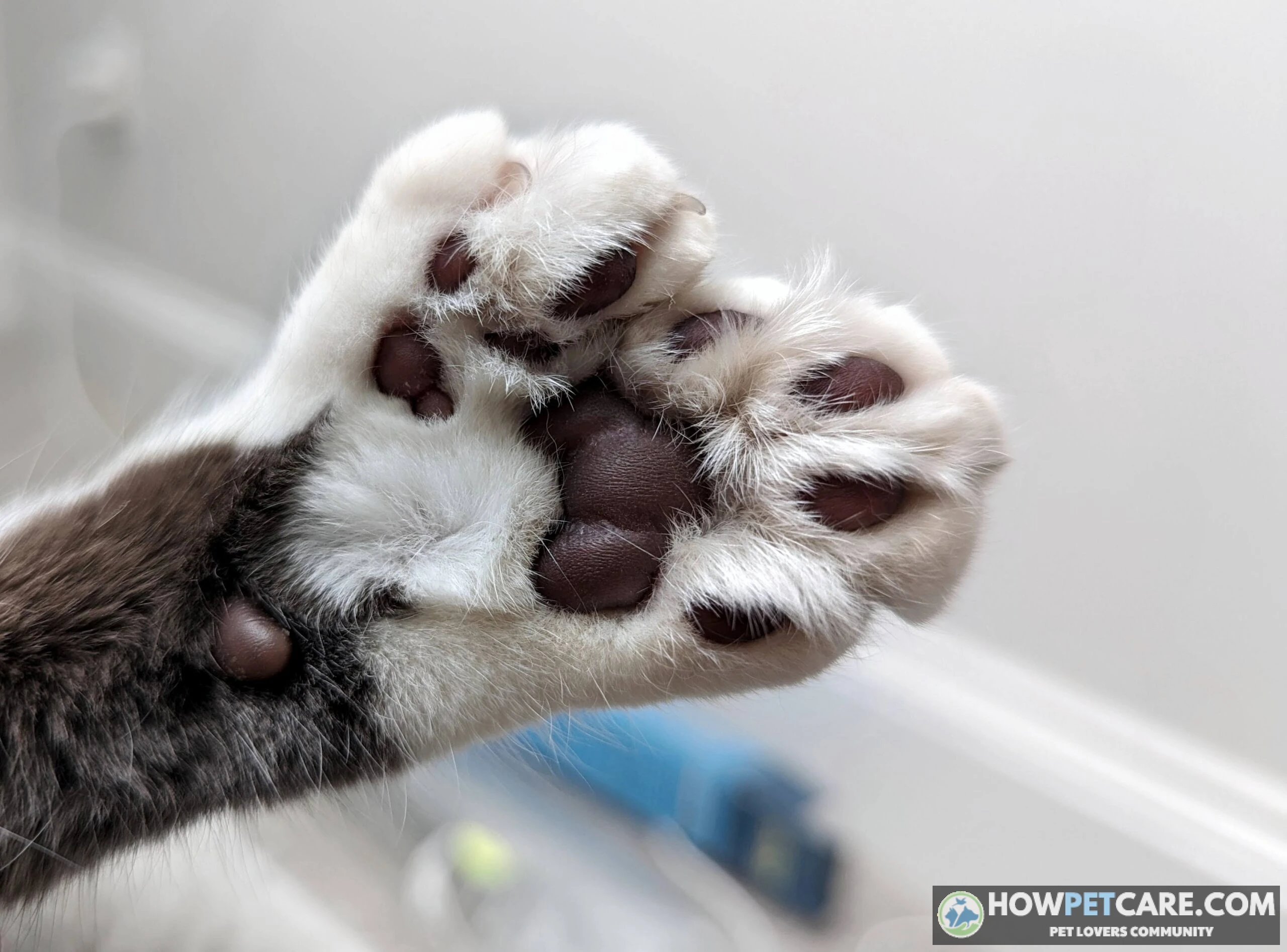

A polydactyl cat is born with more than the usual 18 toes, most often extra digits on the thumb side of the front paws. The trait is caused by a dominant genetic mutation and is usually harmless — most polydactyl cats live normal lives and just need regular checks of their extra claws.
Polydactyl Cats Explained: Extra Toes Are Usually Harmless, But Not Always
A polydactyl cat has more than the typical 18 toes — five on each front paw and four on each back paw. The extra digits are caused by a genetic change that adds one or more toes, most often on the thumb side of the front paws. Most polydactyl cats are healthy, live a normal lifespan, and need only a little extra claw care. A small minority, however, have limb deformities such as radial hypoplasia that require veterinary attention. This guide walks you through counting toes, spotting red flags, caring for hidden claws, understanding the genetics, checking registry rules, and budgeting for any vet work that may arise.
How many toes do polydactyl cats have?
The normal feline formula is 5/5/4/4 (front left / front right / back left / back right). Polydactyl cats commonly show 6/6/5/5, 7/7/6/6, or even higher counts on the front paws while the hind paws often stay at four. The extra toes are usually fully formed with their own claws and pads.
Why the trait is common but not "rare" in the usual sense
Polydactyly appears in many random‑bred populations, especially in the northeastern United States and parts of the United Kingdom. It is not a breed‑defining trait for most cats, so you will encounter it in shelters and rescues more often than in pedigree lines. The term "rare" is misleading — the trait is uncommon overall but locally frequent.
How to Count and Classify Your Cat’s Toes: Normal, Mitten, and Patty Paw
Accurate toe counts let you track changes, share data with your vet, and satisfy registry paperwork if you ever show the cat. Follow these steps while your cat is relaxed (after a meal or nap works well).
- Front paws first. Gently press the top of each toe to extend the claw. Count every toe and every claw — extra toes sometimes hide under fur or share a pad.
- Back paws next. Repeat the same press‑and‑count method.
- Note asymmetry. It is normal for the two front paws to differ by one toe; the back paws are usually symmetrical.
- Classify the paw shape.
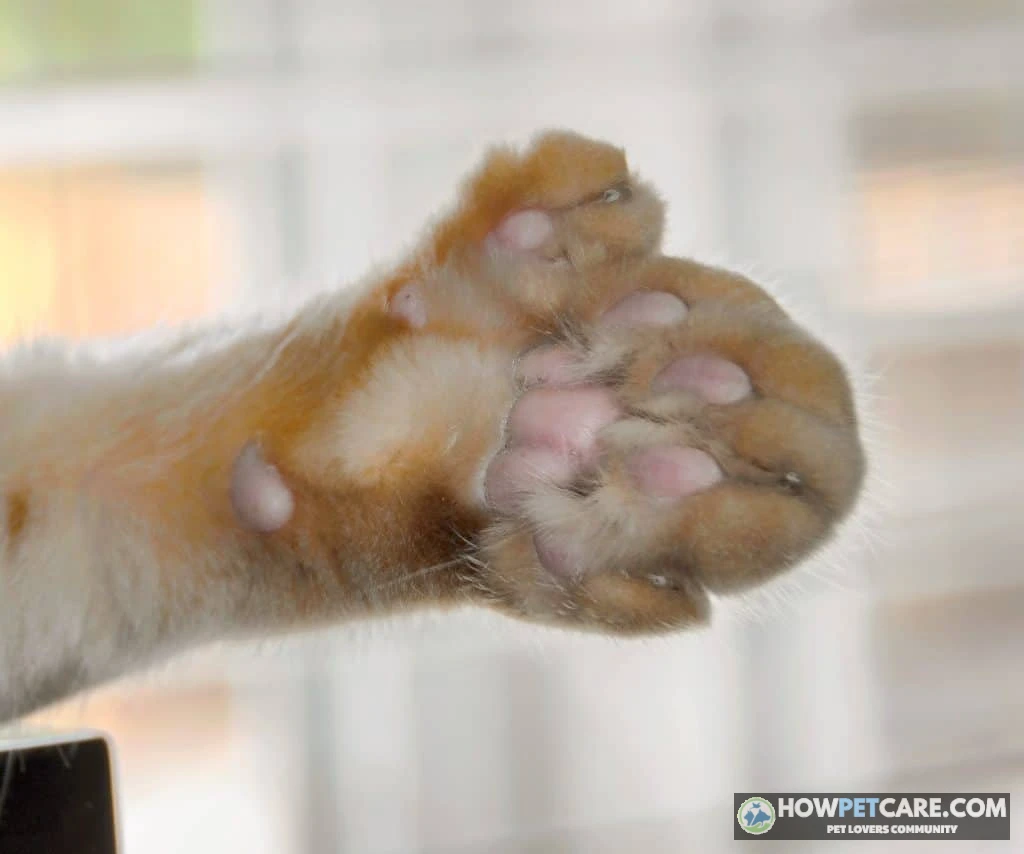
- Mitten paw: an extra thumb‑like digit on the inner (medial) side, giving a "mitten" silhouette.
- Patty paw: several extra toes spread the paw wide, creating a broad, doubled appearance.
- Normal shape with extra toes: the additional digit tucks into the usual toe line; count carefully.

A mitten-style polydactyl paw with the extra thumb-side digit. (Source: groomeow) - Record a four‑number sequence (front‑left / front‑right / back‑left / back‑right). Example: 6/6/5/5.
- Photograph each paw from above and from the side. Save the images with the date — they become a baseline for future vet visits.
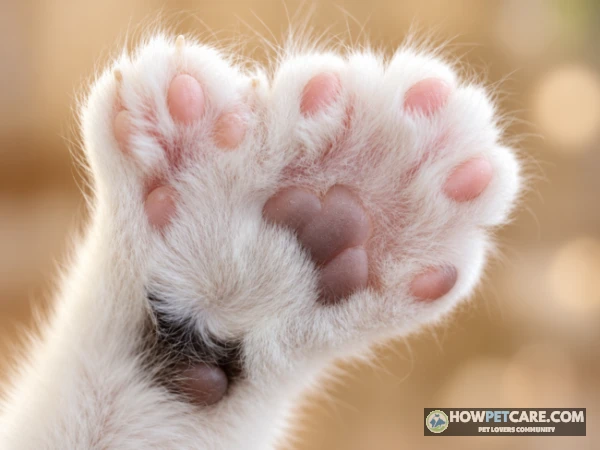
- Use natural light or a bright lamp.
- Spread the toes gently; do not force.
- Capture the dewclaw area on the front legs — extra "thumb" claws often hide there.
- Label the file: "CatName_YYYYMMDD_front_left.jpg".
Toe-count and paw-type reference
| Paw type | Typical extra‑toe location | Visual cue |
|---|---|---|
| Normal | None | 5 front / 4 back |
| Mitten | Medial (thumb) side of front paw | One distinct "thumb" with its own pad |
| Patty | Multiple extra digits across the paw | Broad, fan‑shaped paw with 6‑8 toes |
Photo checklist for documenting your cat’s paws
- Date‑stamped images of all four paws, top and side views.
- Close‑up of any fused or recessed claws.
- Note any wrist angle, leg‑length difference, or limp.
Paw‑by‑Paw Toe Count Worksheet
Copy this worksheet into a note on your phone or print it. Fill it in while your cat is relaxed — after a meal or nap works best. Count each paw separately, and count claws as well as toes, since extra toes sometimes hide under fur or share a pad.
Date counted: __ Cat’s name: __
| Paw | Toe count | Claw count | Paw type (normal / mitten / patty) | Hidden or fused claws? | Notes |
|---|---|---|---|---|---|
| Front left | ___ | ___ | ___ | ___ | ___ |
| Front right | ___ | ___ | ___ | ___ | ___ |
| Back left | ___ | ___ | ___ | ___ | ___ |
| Back right | ___ | ___ | ___ | ___ | ___ |
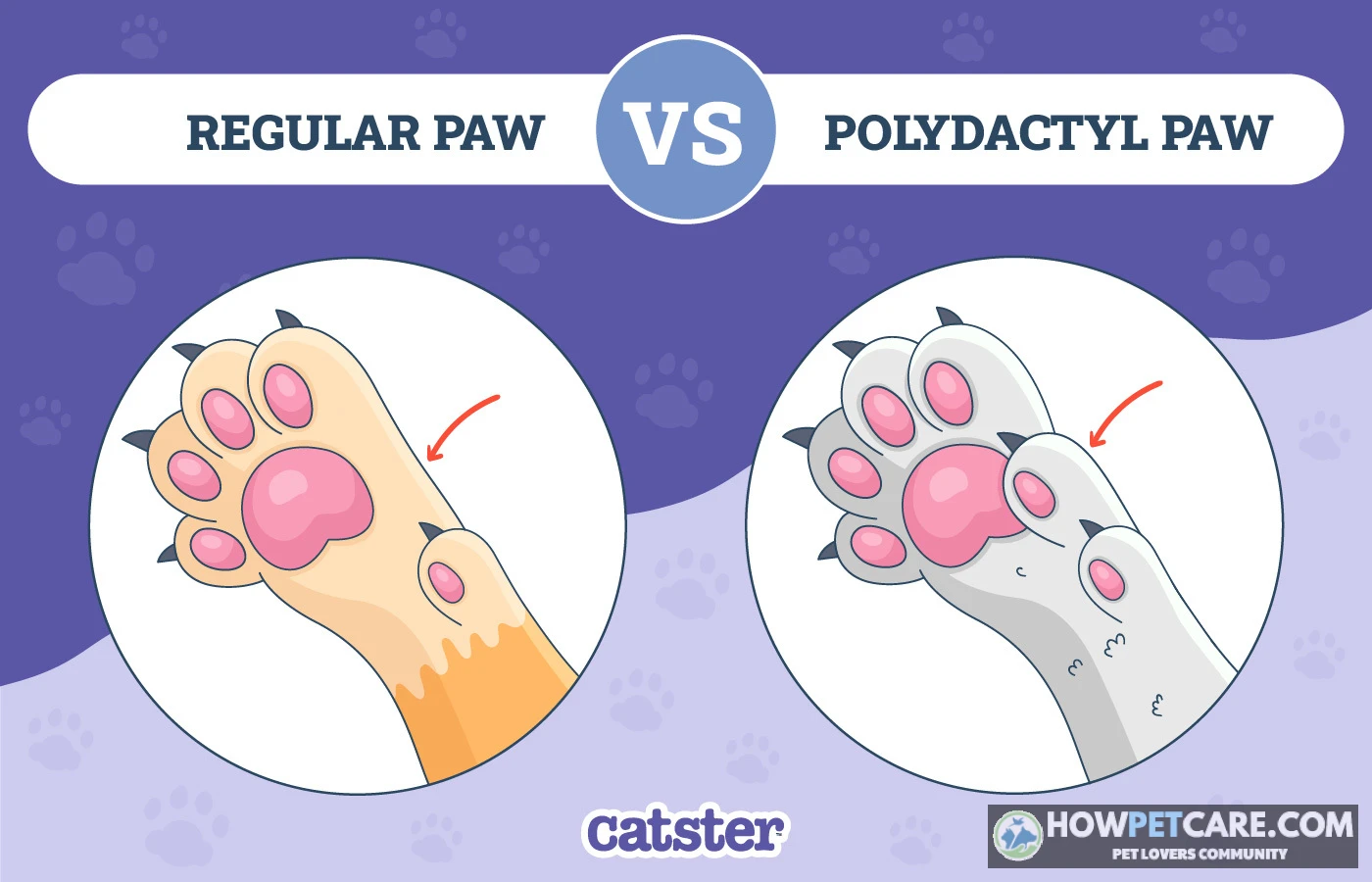
How to record the result: write the counts as a 4‑number sequence, front‑left / front‑right / back‑left / back‑right. A typical polydactyl record looks like 6/6/5/5; a normal cat is 5/5/4/4.
Paw‑type quick key:
- Mitten paw: extra toe sits on the thumb side and looks like a small thumb or mitten.
- Patty paw: several extra toes spread the paw wide, so it looks broad or doubled.
- Normal shape with extra toes: extra digit tucks into the usual toe line; count carefully.
Also note: any wrist twist, leg‑length difference, or limp, then compare your notes against the red‑flag table before assuming the extra toes are harmless. Bring this worksheet to your first vet visit — it gives the vet a paw‑by‑paw baseline.
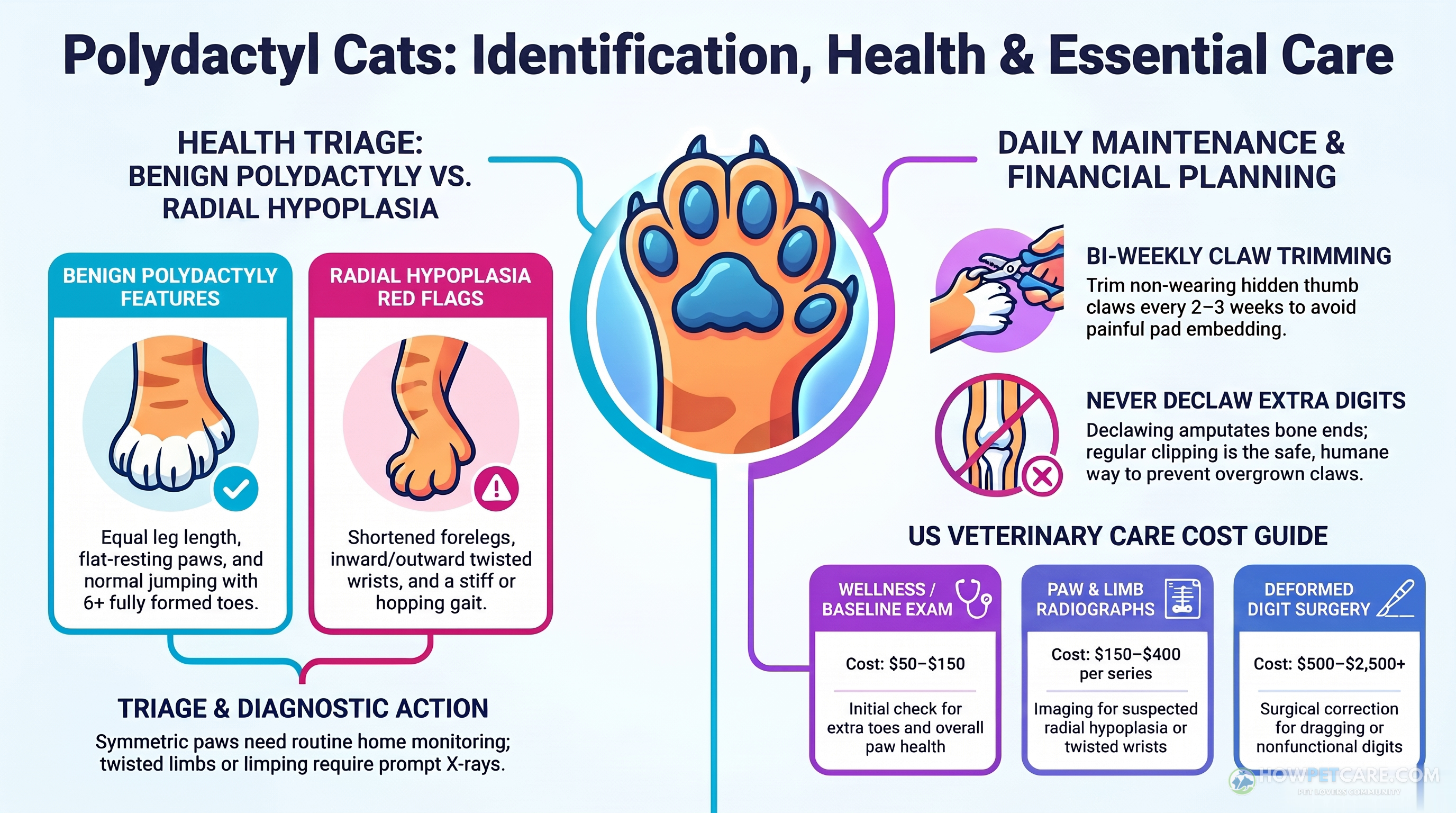
Benign Polydactyly vs. Radial Hypoplasia: Veterinary Red Flags
Not every extra toe is benign. Radial hypoplasia (sometimes called "twisty cat" syndrome) shortens or twists the radius bone, producing bowed forelimbs, abnormal wrist angles, and a stiff gait. The table below lets you triage at a glance.
Side‑by‑side comparison
| Feature | Benign polydactyly | Possible radial hypoplasia | Recommended action |
|---|---|---|---|
| Front‑leg length | Both legs look the same length as a normal cat’s | One or both forelegs look noticeably short | Short or uneven legs → book a vet visit |
| Wrist and paw angle | Paws sit flat; wrist points straight ahead | Wrist twists inward or outward; paw rests on its side | Twisted wrist → book a vet visit |
| Gait | Walks, runs, and jumps like any cat | Stiff, bowed, or hopping gait; tires quickly | Abnormal gait → same‑week vet visit |
| Toe shape | Extra toes are fully formed with normal claws | Digits look fused, stubby, or poorly formed | Deformed digits → ask about X‑rays |
| Comfort | No flinching when you touch the paw or leg | Pulls away, cries, or won’t bear weight | Pain or no weight bearing → same‑day or urgent visit |
| Onset | Present since kittenhood, unchanged | New limp, swelling, or worsening angle | Any new change → vet visit |
Quick triage:
- Monitor at home: extra toes, straight legs, normal gait, comfortable cat. Recheck monthly and photograph the paws.
- Routine vet visit (within 2 weeks): one borderline sign — mild asymmetry, fused‑looking toes, slight wrist turn — but the cat is comfortable.
- Same‑day or urgent visit: refusal to bear weight, obvious deformity, crying in pain, or a rapidly worsening limp.
No home check is definitive. Only a vet exam and X‑rays can confirm whether a bone is malformed.
If you see any single red‑flag feature — especially a twisted wrist or a limb that looks shorter — schedule radiographs. Early imaging can distinguish a cosmetic extra toe from a structural problem that may need surgical planning.
When to monitor vs. when to book an X‑ray
- Monitor: symmetric extra toes, normal limb length, cat runs and jumps without hesitation.
- Book an X‑ray: any asymmetry in leg length, wrist deviation >10°, persistent limp, or palpable bone irregularity.
What a vet exam for suspected radial hypoplasia involves
- Physical manipulation of the forelimbs to assess range of motion.
- Orthopedic grading of wrist angulation.
- Radiographs (typically two views per limb) — sedation may be needed for positioning.
- Discussion of conservative management (pain control, physical therapy) vs. corrective osteotomy if the deformity is progressive.
Is Polydactyly Genetic? ZRS Mutation, Dominant Inheritance, and Why Toe Counts Vary
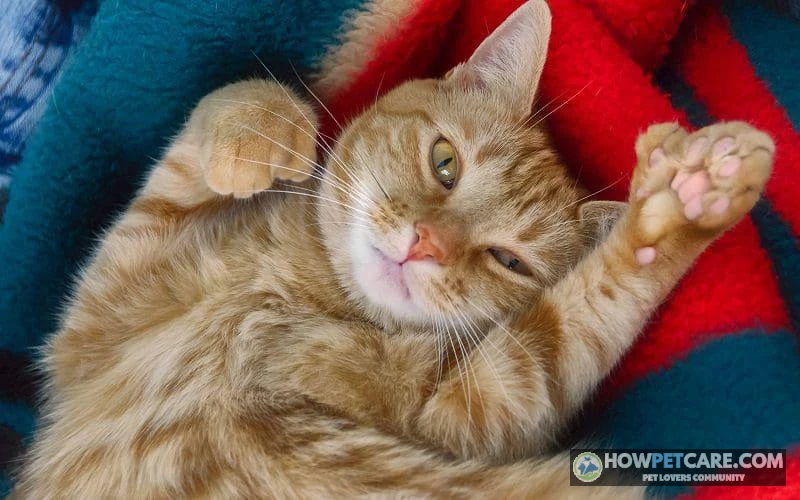
Yes — polydactyly is usually inherited as an autosomal dominant trait. A single copy of the mutated allele from either parent can produce extra toes, but the exact number and configuration vary widely. This variability stems from a mutation in the ZRS (Zone of Polarizing Activity Regulatory Sequence), a non‑coding enhancer that controls the Sonic Hedgehog (SHH) gene during limb bud development. The ZRS mutation changes when and where SHH is expressed, leading to extra digit formation on the preaxial (thumb) side of the paw.
Why "extra toes" range from one thumb to a seven‑toed paw
- Variable expressivity: the same ZRS allele can produce one extra toe in one kitten and three in another.
- Incomplete penetrance: a cat may carry the allele yet show a normal toe count.
- Different ZRS variants have been identified in North American and UK polydactyl populations, which helps explain regional differences in toe number and pattern.
What the odds of inheriting the trait really mean
If one parent is polydactyl (heterozygous), each kitten has roughly a 50 % chance of receiving the allele — but the phenotype (how many toes appear) is not predictable. Two polydactyl parents can produce kittens with normal toe counts, and a polydactyl kitten can appear in a litter of normal‑toed parents if a new mutation occurs. Avoid quoting precise percentages; instead, treat inheritance as "possible, not guaranteed."
- Autosomal dominant: one altered copy of a gene on a non‑sex chromosome is enough to show the trait.
- Regulatory mutation: a change in a DNA region that controls when and where a gene turns on, not in the gene’s coding sequence.
- Expressivity: the degree to which a genotype is expressed in the phenotype (e.g., one extra toe vs. four).
Polydactyl Cat Breeds, Registries, and Hemingway Cats
Breeds commonly associated with polydactyly
- Maine Coon — historically high prevalence, but major registries disqualify the trait in the show ring.
- Pixie‑bob — the only breed whose standard (in TICA) explicitly permits extra toes.
- American Polydactyl / household polydactyl — a descriptive term for random‑bred cats with extra toes; not a formal breed.
- Domestic shorthair / longhair mixes — the vast majority of polydactyl cats you meet.
Registry status matrix
Registry rules differ by breed and by association, and standards change — always confirm current rules on the registry’s own site before breeding or showing. The entries below reflect the most recently published breed standards.
| Breed | TICA | CFA | GCCF | FIFe |
|---|---|---|---|---|
| Maine Coon (polydactyl) | Not eligible under the Maine Coon standard | Disqualifying under the breed standard | Not accepted under the breed standard | Not accepted under the breed standard |
| Pixie‑bob (polydactyl) | Permitted — extra toes allowed | Not a CFA‑recognized breed | Not a GCCF‑recognized breed | Not a FIFe‑recognized breed |
| American Polydactyl / household polydactyl | May be shown in household pet classes | Eligible in household pet classes, not pedigree classes | Household pet eligibility only | Household pet eligibility only |
| Domestic shorthair mix | Household pet classes | Household pet classes | Household pet classes | Household pet classes |
How to read this matrix:
- A polydactyl Maine Coon is still a Maine Coon — it just can’t be shown in the pedigree ring. Some specialized programs have worked with polydactyl Maine Coon lines, but mainstream championship standards exclude the trait.
- Pixie‑bob is the notable exception: TICA’s standard allows polydactyly, so extra toes don’t disqualify the cat there.
- For most owners the answer barely matters — the majority of polydactyl cats are mixed‑breed pets, and household pet classes exist precisely for cats without a pedigree ring option.
Registry status affects showing and breeding paperwork only. It says nothing about a cat’s health, temperament, or value as a companion.
Hemingway cats and the Key West museum in brief
Ernest Hemingway received a six‑toed cat from a ship’s captain in the 1930s. The colony at his former Key West home — now the Ernest Hemingway Home and Museum — descends from that line. "Hemingway cat" is often used informally for any polydactyl cat, but the museum cats are a specific, managed population.
| Service | Typical Range (USD) | What Affects the Price | When It May Be Needed |
|---|---|---|---|
| Wellness or sick exam | $50–$150 | Clinic type, location, first‑visit vs. established patient | Baseline check for a newly adopted polydactyl; any new limp or paw concern |
| Paw/limb X‑rays | $150–$400 per series | Number of views, whether sedation is needed, digital vs. film | Bowed legs, twisted wrist, suspected radial hypoplasia, or fused digits |
| Sedation for imaging or nail work | $50–$200 | Drug used, monitoring level, cat's weight and health | Fractious cats, painful paws, or positioning needed for clean X‑rays |
| Ingrown or overgrown claw treatment | $40–$150 | How deep the claw grew in, infection treatment, sedation | Claw embedded in pad, swollen or weeping nail bed |
| Surgery for a deformed or nonfunctional digit | $500–$2,500+ | Specialist vs. general vet, anesthesia time, complexity, follow‑ups | A digit that drags, causes repeated injury, or shares a malformed limb |
| Orthopedic or surgical consult | $150–$400 | Specialist practice, region | Confirmed bone deformity where surgery is being considered |
How to Find and Trim Extra, Hidden, or Fused Claws Step by Step
Extra claws on the thumb side often never touch the ground or a scratching post, so they keep growing and can curl into the pad. This procedure covers all claws on all paws in one short session.
-
Set up (60 seconds)
Gather sharp cat nail clippers, styptic powder (for accidental quick hits), a good light, and treats. Sit your cat on your lap facing away from you, or wrap them loosely in a towel with one paw free.
-
Expose the hidden claws (60 seconds)
Press gently on the top of each toe to extend the claw. On the front paws, check the dewclaw position partway up the leg — this is where extra "thumb" claws hide. Also check the inside of the paw and between toes.
-
Trace every toe (60 seconds)
Start at the outermost toe and work inward, feeling each toe from base to tip. On fused or doubled toes, look for two claws sharing one digit or a single wide claw — mark which ones you find so you never skip them again.
-
Trim (90 seconds)
Clip only the clear, curved tip — about the last 1 to 2 mm. On light claws, stay in front of the pink quick. On dark claws where you can’t see the quick, take tiny slivers and stop when the cut surface shows a small dark dot. Cut perpendicular to the claw so it doesn’t splinter.
-
Inspect and reward (30 seconds)
Check each nail bed for redness, swelling, discharge, or a claw tip already pressing into the pad. Give treats and end the session even if you only finished two paws — split the rest into a second session.
If you nick the quick: press styptic powder on the tip for 30 seconds. Light bleeding stops quickly; if it doesn’t stop within 10 minutes, call your vet.
If a claw has already grown into the pad: don’t pull it free at home if there’s bleeding or infection — that’s a vet or groomer job. Recheck paws every 2 to 3 weeks and trim whichever claws are getting long, since the extra ones grow faster than they wear down.
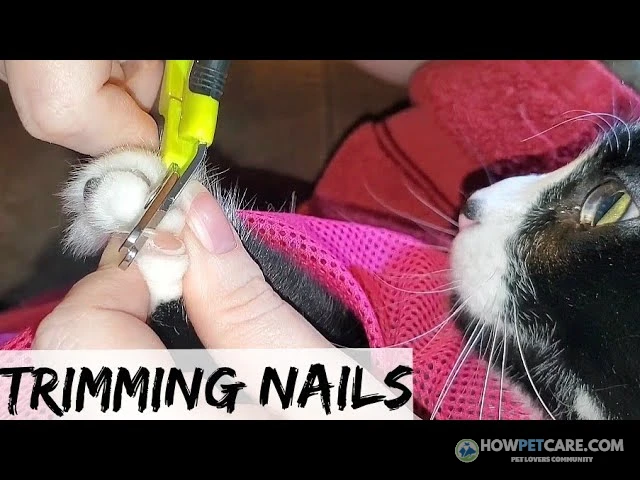
Declawing amputates the end of each toe bone and can cause lasting pain, gait changes, and behavior problems. Regular checks and proper trimming are safer ways to manage extra claws.
Signs of an ingrown or overgrown claw
- Claw tip curving into the paw pad.
- Redness, swelling, or discharge around the nail bed.
- Cat licking or chewing at a specific paw.
- Reluctance to bear weight on that limb.
When to have a vet or groomer do it
- Claw embedded deeply with signs of infection.
- Fused or doubled claws that you cannot safely isolate.
- Cat becomes aggressive or extremely stressed during handling.
- You are unsure where the quick ends on a dark claw.
Health, Lifespan, and Senior Care for Cats With Extra Toes
Do polydactyl cats live as long as other cats?
Yes. Extra toes alone are not known to shorten lifespan. Most polydactyl cats reach the same 12‑18 year range as the general cat population, provided they receive routine preventive care.
Arthritis, gait, and joint care as your cat ages
There is no strong evidence that extra toes by themselves raise arthritis risk. However, any limb deformity (e.g., radial hypoplasia) can alter weight‑bearing and accelerate joint wear. Watch for:
- Reduced jumping or hesitation on stairs.
- Stiffness after rest.
- Decreased grooming of the hindquarters.
- Litter‑box avoidance due to pain when posture changes.
Care adjustments for seniors:
- Increase claw checks to every 10‑14 days (seniors scratch less).
- Provide softer bedding, ramps, and low‑sided litter boxes.
- Ask your vet to include a paw and joint palpation at every annual visit; for cats >10 years, consider twice‑yearly exams.
Polydactyl cat personality and everyday care
Personality is not linked to toe count. Feed a balanced diet, maintain dental health, enrich with play, and keep vaccinations current — just like any cat.
Vet Costs for Polydactyl Cats: X‑Rays, Ingrown Claws, and Digit Surgery
Prices below are broad US ranges for general‑practice clinics; emergency hospitals and specialists often charge more. Costs vary widely by region, clinic, and your cat’s size and health, so treat these as planning figures, not quotes, and ask for an itemized estimate first.
Typical US cost ranges table
| Service | Typical range (USD) | What affects the price | When it may be needed |
|---|---|---|---|
| Wellness or sick exam | $50–$150 | Clinic type, location, first‑visit vs. established patient | Baseline check for a newly adopted polydactyl; any new limp or paw concern |
| Paw/limb X‑rays | $150–$400 per series | Number of views, whether sedation is needed, digital vs. film | Bowed legs, twisted wrist, suspected radial hypoplasia, or fused digits |
| Sedation for imaging or nail work | $50–$200 | Drug used, monitoring level, cat’s weight and health | Fractious cats, painful paws, or positioning needed for clean X‑rays |
| Ingrown or overgrown claw treatment | $40–$150 | How deep the claw grew in, infection treatment, sedation | Claw embedded in pad, swollen or weeping nail bed |
| Surgery for a deformed or nonfunctional digit | $500–$2,500+ | Specialist vs. general vet, anesthesia time, complexity, follow‑ups | A digit that drags, causes repeated injury, or shares a malformed limb |
| Orthopedic or surgical consult | $150–$400 | Specialist practice, region | Confirmed bone deformity where surgery is being considered |
Budget tips that actually work:
- Ask for the itemized estimate and which line items are optional vs. required.
- Compare 2–3 clinics for non‑emergency work like X‑rays and nail‑bed treatment.
- Keep claws trimmed at home — a $15 clipper prevents most ingrown‑claw visits.
- Check pet insurance before a diagnosis is recorded: congenital limb conditions are often excluded as pre‑existing once symptoms appear in the record.
How to budget and cut avoidable costs
- Preventive trimming — the single biggest cost saver.
- Wellness plans — some clinics bundle exams, vaccines, and a basic radiograph allowance.
- Payment options — ask about CareCredit or in‑house financing for larger surgeries.
- Document everything — your toe‑count worksheet and photos help the vet target imaging, reducing unnecessary views.
1A cat owner notices that their polydactyl kitten has forelimbs of uneven length, and one wrist twists inward so that the paw rests on its side rather than flat on the ground. Based on veterinary triage guidelines, what is the most appropriate next step?
Uneven leg length and wrist angulation are red-flag indicators of radial hypoplasia ('twisty cat' syndrome), which requires a professional physical exam and X-rays to assess bone structure.
2Which of the following statements accurately describe how major cat registries handle polydactyl cats in showing and breed standards? (Select all that apply.)
The Pixie-bob standard under TICA is a rare exception that explicitly allows polydactyl paws in championship competition.
3During a paw examination, you observe a broad, fan-shaped paw featuring multiple extra toes spread wide across the paw face, creating a doubled appearance. How is this paw shape classified?
A patty paw is characterized by multiple additional digits spread wide across the paw, giving it a broad, fan-like silhouette.
4An owner notices that their polydactyl cat's extra claw has grown directly into the paw pad, showing signs of swelling and minor discharge. What is the appropriate management step and expected cost range according to typical veterinary guidelines?
Deeply embedded claws with infection signs should be handled professionally (40–150) to prevent further tissue damage and properly manage infection.
5A breeder mates two polydactyl cats and is surprised to find kittens in the litter with normal toe counts alongside kittens with varying numbers of extra toes. Which genetic concept best accounts for this variation?
Polydactyly is typically autosomal dominant, but variable expressivity (different digit counts) and incomplete penetrance (carrying the gene without expressing extra toes) cause wide variation among offspring.
6Which of the following home care and veterinary steps are recommended for managing aging or senior polydactyl cats? (Select all that apply.)
Older cats are less active and scratch less frequently, leading to faster overgrown claw buildup that requires shorter inspection intervals.
7Why is elective declawing strongly discouraged by veterinarians as a method for preventing claw problems on extra toes?
Declawing is not a simple nail removal; it amputates the distal phalanx of each toe, frequently resulting in chronic pain, altered walking mechanics, and behavioral issues.
Adopting a Polydactyl Cat: Where to Look, What to Expect, and Your Next Steps
Adoption and breeder expectations
- Shelters & rescues — polydactyl cats appear in general intake, especially in the Northeast and coastal regions. Adoption fees typically run $50–$150 and often include spay/neuter, vaccines, and a microchip.
- Breed‑specific rescues (Maine Coon, Pixie‑bob) — fees $200–$500, with health testing paperwork.
- Pedigree breeders — prices $800–$2,500+ for registered kittens; verify registry status if you plan to show.
- Questions to ask: parents’ toe counts, any limb or gait concerns, recent vet records, and return policy.
Your polydactyl cat action checklist
- Count and photograph all four paws using the worksheet above.
- Compare your findings to the benign vs. radial hypoplasia table.
- Locate and trim every claw — especially hidden thumb claws — using the 5‑minute trim steps.
- Schedule a baseline vet exam within two weeks of adoption; bring your worksheet and photos.
- If any red flag appears (leg shortening, twisted wrist, limp), book radiographs promptly.
- Set a recurring reminder to re‑check claws every 2‑3 weeks; adjust for senior cats.
- Plan for senior joint care: ramps, low‑sided boxes, and twice‑yearly vet visits after age 10.
- Enjoy your extra‑toed companion — personality, not toe count, makes the cat.
FAQ
Are polydactyl cats rare?
Polydactyly is uncommon in the general cat population but occurs more often in some regions and in certain cat lines, such as parts of the northeastern US and southwest UK. Many polydactyl cats are random-bred domestic cats.
Do polydactyl cats have health problems?
Most polydactyl cats are healthy and have normal lifespans. Problems usually come from associated deformities such as radial hypoplasia or from overgrown claws, so a vet checkup is a good idea if anything looks abnormal.
Why do polydactyl cats have extra toes?
The trait is usually caused by a dominant mutation in a regulatory region called ZRS, which affects the Sonic Hedgehog gene during limb development. This causes extra digits to form in the paw.
What are Hemingway cats?
Hemingway cats are polydactyl cats descended from cats associated with writer Ernest Hemingway, whose former home in Key West is now a museum that houses a colony of them. The term is also used informally for polydactyl cats in general.
Can I declaw a polydactyl cat to avoid claw problems?
Declawing is not recommended because it is a surgical amputation of the end of each toe and can cause lasting pain and behavior issues. Regular checks and proper trimming are safer ways to manage extra claws.