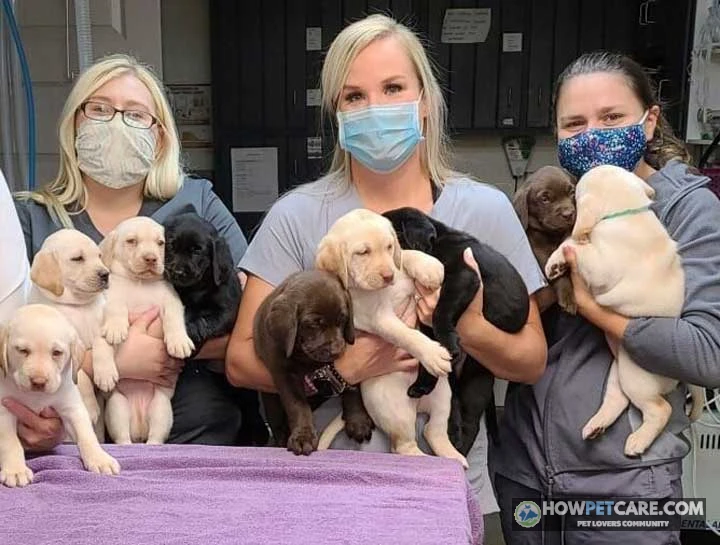

The DHPP vaccine is a core 4-in-1 canine shot protecting against distemper, infectious hepatitis (adenovirus), parainfluenza, and parvovirus. Puppies receive doses every 2 to 4 weeks between ages 6 and 16 weeks, followed by a booster at one year and revaccination every 3 years for adult dogs.
Protecting your dog against life-threatening viral infections starts with core immunization, and few shots carry as much medical importance in routine care as the DHPP combination vaccine. The DHPP vaccine for dogs is a core injection that protects against four serious viral pathogens: canine distemper, adenovirus hepatitis (types 1 and 2), parainfluenza, and parvovirus.
Every domestic dog risks exposure to these airborne or surface-stable viruses. Because of this widespread threat, veterinary organizations across North America classify DHPP as an essential medical intervention rather than an optional lifestyle shot. Administered as a multi-dose puppy series and reinforced throughout adulthood, DHPP primes a dog’s immune system to neutralize deadly pathogens before they trigger irreversible organ damage or death.
What Is the DHPP Vaccine for Dogs and What Does It Protect Against?
The DHPP vaccine combines multiple modified-live or attenuated viral antigens into a single injection, allowing your veterinarian to confer broad protection without subjecting your dog to multiple needle sticks. In veterinary medicine, an antigen is a weakened version of a virus that trains immune memory cells without causing clinical illness. Because these four diseases spread through universal routes—such as shared park grass, direct nose-to-nose contact, and microscopic aerosol droplets—unvaccinated dogs of all breeds and living environments face genuine clinical risk.
Breaking Down the Acronym: Distemper, Adenovirus Hepatitis, Parainfluenza, and Parvo
Understanding what the DHPP vaccine for dogs targets begins with deconstructing its medical acronym:
- D – Canine Distemper Virus: Distemper is a contagious, multi-systemic paramyxovirus spread through respiratory secretions. Once inhaled, it attacks a dog’s respiratory tract, gastrointestinal system, and central nervous system. Clinical progression often begins with eye discharge, coughing, and fever, advancing rapidly to involuntary muscle twitching ("chewing gum fits"), permanent brain damage, paralysis, and fatal neurological collapse.
- H – Canine Adenovirus (Infectious Hepatitis & Respiratory Disease): This component protects against two related strains: Canine Adenovirus Type 1 (CAV-1) and Canine Adenovirus Type 2 (CAV-2). CAV-1 causes infectious canine hepatitis, a severe disease targeting the liver, kidneys, and vascular endothelial cells, often producing sudden abdominal pain, liver failure, and corneal edema ("blue eye"). CAV-2 contributes to infectious tracheobronchitis, commonly known as kennel cough complex. Modern vaccines use attenuated CAV-2 to stimulate cross-protection against CAV-1 without inducing the corneal inflammation historically linked to older hepatitis vaccines.
- P – Canine Parainfluenza Virus: Parainfluenza is an airborne viral respiratory infection that replicates within the upper respiratory tract. While rarely fatal on its own, parainfluenza weakens epithelial defense barriers in the trachea and bronchi, clearing a path for aggressive secondary bacterial pneumonia.
- P – Canine Parvovirus: Parvo is a hardy, non-enveloped DNA virus that targets rapidly dividing cells, specifically intestinal crypt cells and bone marrow. The resulting illness manifests as intractable, bloody diarrhea, persistent vomiting, life-threatening dehydration, and severe leukopenia (depletion of protective white blood cells). Parvovirus survives in outdoor soil for a year or longer and resists standard household disinfectants, leaving non-vaccinated dogs vulnerable upon indirect environmental contact.

Why Veterinary Guidelines Classify DHPP as a Core Vaccine
The American Animal Hospital Association (AAHA) and the World Small Animal Veterinary Association (WSAVA) divide canine inoculations into "core" and "non-core" (lifestyle) categories. Core vaccines are those that every dog should receive, regardless of location, breed, or indoor/outdoor habits, because the targeted diseases have high morbidity and mortality rates, are widely distributed, and present significant public health or animal welfare risks. Non-core vaccines—such as those for Lyme disease, Bordetella, or Leptospira—depend on regional prevalence and personal exposure habits.
Because distemper, hepatitis, and parvovirus carry high mortality rates and spread easily across communities, DHPP serves as the cornerstone of preventive canine medicine. Vaccinating against these viruses is not merely a clinical preference; it prevents devastating medical crises that often carry intensive-care hospitalization bills stretching into thousands of dollars.

DHPP, DAPP, DA2PP, and DHLPP: Understanding the Differences
Veterinary invoices and shelter medical records frequently use different acronyms to designate core viral protection. Owners often wonder whether their dog received the correct formula when a clinic charts "DAPP" or "DA2PP" instead of "DHPP." In practice, these terms describe the same standard viral core protection, whereas "DHLPP" represents a distinct multi-antigen formulation containing an added bacterial vaccine.
| Acronym | Pathogens Covered | Adenovirus Component Type | Includes Leptospirosis? | Core Status | Typical Booster Cadence |
|---|---|---|---|---|---|
| DHPP | Distemper, Hepatitis (Adenovirus-1 & 2), Parainfluenza, Parvovirus | CAV-2 (attenuated; cross-protects against CAV-1) | No | Core | Every 3 years after 1-year booster |
| DAPP | Distemper, Adenovirus (types 1 & 2), Parainfluenza, Parvovirus | CAV-2 (attenuated) | No | Core | Every 3 years after 1-year booster |
| DA2PP | Distemper, Adenovirus-2 (cross-protects against CAV-1), Parainfluenza, Parvo | CAV-2 specifically designated | No | Core | Every 3 years after 1-year booster |
| DHLPP | Distemper, Hepatitis, Leptospirosis, Parainfluenza, Parvovirus | CAV-2 (attenuated) | Yes (bacterial component added) | Non-core (Leptospira portion) | Annual booster for Lepto; triennial for viral antigens |
Why Clinics Use DHPP, DAPP, and DA2PP Interchangeably
The letters "H," "A," and "A2" all describe protection against canine adenovirus. In early veterinary medicine, vaccines used modified live CAV-1 to immunize against infectious hepatitis. However, CAV-1 occasionally triggered immune-complex reactions in the cornea, causing temporary or permanent clouding known as "hepatitis blue eye."
Researchers discovered that Canine Adenovirus Type 2 (CAV-2)—which primarily causes respiratory symptoms—shares structural antigens with CAV-2 and CAV-1. When dogs receive CAV-2, their immune system generates neutralizing antibodies that fully cross-protect against lethal CAV-1 hepatitis without sparking corneal reactions. For this reason, veterinary vaccine manufacturers exclusively use CAV-2 in contemporary formulations. Clinics using the label DAPP or DA2PP are simply highlighting this specific CAV-2 component, whereas clinics using DHPP use "H" to emphasize the clinical outcome: protection against infectious hepatitis.

The Leptospirosis Difference: When to Choose DHLPP Over DHPP
The letter "L" transforms a standard viral vaccine into DHLPP by adding an inactivated bacterin targeting Leptospira, a spiral-shaped bacterium found in wet soil, standing puddle water, and the urine of infected wildlife such as raccoons, rodents, and deer. Unlike the four viral agents in DHPP, Leptospira is a zoonotic pathogen, meaning it can transmit from infected dogs directly to humans, causing acute kidney injury and liver failure.
While viral antigens in DHPP stimulate long-term memory cells, bacterial components produce shorter immunity duration. Dogs receiving DHLPP require annual boosters for the Leptospira portion, whereas the distemper, adenovirus, and parvovirus portions safely sustain immunity on a three-year schedule. Many veterinary practices separate these injections, administering DHPP triennially while giving a standalone Leptospirosis booster every 12 months, or giving combination DHLPP annually depending on regional exposure risks.

Dog DHPP Vaccine Schedule: Puppies, Adults, and Overdue Doses
Establishing sustained protection requires matching the dog DHPP vaccine schedule to the patient’s age and documented clinical history. A single schedule does not fit every dog; puppies require repeated dosing to bypass maternal immunity, whereas mature dogs rely on durable immunological memory.
| Patient Life Stage / History | Starting Age / Timing | Dosing Interval | Final Series Dose or Revaccination |
|---|---|---|---|
| Standard Puppy Series | 6 to 8 weeks of age | Every 2 to 4 weeks | Final dose given between 16 and 20 weeks |
| Adolescent Dog (First Booster) | 12 to 16 months of age | Single booster dose | Transitions dog into adult triennial maintenance cycle |
| Previously Vaccinated Adult | Every 3 years | Single booster dose | Administered every 3 years under AAHA guidelines |
| Unvaccinated Adult (Known History) | Any age past 16 weeks | Two doses spaced 2 to 4 weeks apart | Booster given 1 year later, then every 3 years |
| Adult with Unknown / Lost Records | Initial intake / exam | Two doses spaced 2 to 4 weeks apart | Booster given 1 year later, then every 3 years |
| Overdue Adult (>3 Years Since Dose) | As soon as identified | Single booster dose (or two doses per clinic policy) | Next booster due in 3 years |
Puppy Schedule and the Window of Maternal Antibody Interference
Newborn puppies ingest colostrum from their mother during the first 24 to 72 hours of life, absorbing maternal antibodies that provide temporary systemic defense against pathogens. However, these maternal antibodies neutralize vaccine antigens just as effectively as they neutralize field viruses. While maternal antibodies linger, they prevent the puppy’s own immune system from mounting an active, long-term memory response.
Maternal immunity declines at unpredictable rates between 6 and 16 weeks of age. A vaccine administered at 8 weeks may be neutralized in one puppy whose maternal antibody levels remain elevated, whereas a littermate with lower antibody levels might successfully seroconvert. To bridge this critical "window of susceptibility," the standard DHPP vaccination for puppies requires administering a dose every two to four weeks starting at 6 to 8 weeks of age, with the crucial final dose delivered at or after 16 weeks as outlined in the complete puppy vaccine schedule.
If a puppy completes their final combination shot at 12 or 14 weeks of age, maternal antibody interference may leave them without active immunity. Veterinary guidelines emphasize that the final puppy DHPP booster must occur at or beyond 16 weeks of age to ensure genuine, lasting protection.

Adult Dogs: 1-Year vs. 3-Year Booster Intervals
Do dogs need DHPP every year? Under historical veterinary protocols dating prior to the early 2000s, clinics administered annual boosters for all combination shots. Modern immunological science and updated AAHA guidelines have largely replaced this practice. Controlled challenge studies demonstrate that modified-live distemper, hepatitis, and parvovirus vaccines stimulate protective immunity lasting at least three years, and often much longer.
Current standards dictate that a dog receives a completion booster 12 months after the puppy series (or one year after initial adult immunization), followed by revaccination once every three years. Certain kennel facilities, municipalities, or manufacturers’ older product labels may mention annual revaccination, but triennial booster protocols for DHPP represent standard medical care in U.S. small animal practices.
Catch-Up Protocol for Adopted, Overdue, or Unknown-History Dogs
Shelters, rescue groups, and adoptive families routinely encounter dogs with absent or unverified veterinary histories. When an adult dog misses a scheduled booster or presents with unknown documentation, veterinary teams follow established catch-up protocols to re-establish protective titers.

Scenario A: 8-Week-Old Puppy (Bella)
- History: First veterinary visit; received maternal antibodies via colostrum.
- Dose 1 (8 weeks): Initial DHPP dose to prime the immune system as maternal antibodies decline.
- Dose 2 (12 weeks): Second DHPP dose (4 weeks later) to narrow the immunity gap.
- Dose 3 (16 weeks): Final puppy dose ensuring protective immunity beyond the maternal antibody interference window.
- Next Step: First booster at 12 to 16 months of age, then transition to a 3-year triennial schedule.
Scenario B: 4-Year-Old Adult Overdue by 8 Months (Rocky)
- History: Completed puppy series and 1-year booster; missed 3-year booster 8 months ago.
- Veterinary Action: Single DHPP booster dose administered during routine physical exam.
- Clinical Rationale: In adult dogs with completed baseline immunization, immune memory B-cells and T-cells persist; restarting the entire multi-dose series is unnecessary.
- Next Step: Next DHPP booster due in 3 years.
Scenario C: 2-Year-Old Rescue Dog with Zero Prior History (Max)
- History: Adopted from a stray shelter intake; no vaccination paperwork exists.
- Initial Visit (Day 0): Full physical exam and first DHPP dose administered.
- Follow-Up Visit (Day 21–28): Second DHPP booster given 3 to 4 weeks later to establish primary adult immunity.
- Clinical Rationale: Unvaccinated adult immune systems require two distinct exposures spaced 2 to 4 weeks apart to develop solid, lasting antibody titers.
- Next Step: Booster scheduled 1 year later, followed by the standard 3-year adult cycle.

Immunity Duration, Effectiveness, and When Protection Begins
Administering a vaccine does not produce instantaneous biological armor. Understanding how quickly immunity develops helps owners manage real-world social risks, particularly when introducing puppies to public spaces.
How Soon Is a Puppy Fully Protected After Vaccination?
Following an initial DHPP vaccination, an immunologically naive puppy’s body requires roughly 10 to 14 days to process viral antigens, recruit helper T-cells, and produce measurable circulating antibodies. However, because circulating maternal antibodies can neutralize earlier shots, a puppy cannot be considered reliably protected against high-consequence pathogens like parvovirus until 7 to 14 days after completing the entire puppy series at or past 16 weeks of age.
When administered according to AAHA guidelines, modified-live DHPP vaccines exhibit clinical efficacy rates exceeding 98% to 99% against canine distemper and canine parvovirus. Despite this high level of effectiveness, rare instances of vaccine failure do occur. Primary causes include:
- Maternal Antibody Blunting: High maternal antibody titers neutralizing late puppy doses.
- Severe Immunosuppression: Underlying congenital immune deficiencies, severe malnutrition, or high intestinal parasite burdens blunting seroconversion.
- Massive Pathogen Challenge: Direct exposure to overwhelming environmental viral loads before the adaptive immune response has fully matured.
- Improper Vaccine Handling: Inappropriate cold-chain storage or reconstituted vaccine left unused past its viable shelf life.
Do not take a puppy to public dog parks, communal pet-store floors, or shared apartment relief lawns until two full weeks have passed following their final 16-week DHPP booster. Parvovirus remains viable on outdoor ground surfaces for many months, creating substantial infection risks for incompletely vaccinated pups.
Titer Testing vs. Revaccination: Verifying Immunity in Adults
For adult dogs facing their three-year booster milestone, quantitative antibody titer testing offers an alternative to automatic revaccination. A vaccine titer is a laboratory blood test (such as the TiterCHEK or VacciCheck assay) that measures circulating IgG antibodies against canine distemper and parvovirus.
A positive titer demonstrates that protective circulating antibodies remain present, confirming adequate immunity and allowing owners and veterinarians to defer revaccination for an agreed-upon timeframe. While titer testing costs more than an administrative booster dose, it provides a valuable option for senior canines, pets with immune-mediated medical histories, or owners seeking to minimize unnecessary interventions.

DHPP Vaccine Side Effects: Normal Responses vs. Severe Reactions
Vaccine adverse reactions in dogs are epidemiologically rare. Large-scale veterinary retrospective analyses show that adverse post-vaccine events occur in fewer than 0.5% (roughly 38 per 10,000) of vaccinated canines. When adverse reactions do manifest, the vast majority represent mild, self-limiting immune responses that subside quickly.
Expected Reactions Within 24 to 48 Hours
After vaccination, a dog’s immune system activates cytokines and white blood cells to decode the introduced antigens. This cellular exertion frequently induces mild, short-term physiological symptoms within the first 24 to 48 hours:

- Lethargy and Drowsiness: Your dog may rest, nap deeply, or decline boisterous play.
- Mild Injection Site Tenderness: Brief vocalization or flinching when lifted or touched near the shoulder scruff.
- Low-Grade Fever: A slight, harmless elevation in body temperature (101.5°F–102.5°F).
- Mildly Decreased Appetite: Skipping a single meal while continuing to drink water consistently.
- Transient Subcutaneous Knot: A small, pea-sized firm nodule under the skin where the injection was placed. This local reaction indicates cellular recruitment and usually resorbs gradually over 2 to 6 weeks.
Rare Adverse Reactions and Emergency Red Flags
True Type I hypersensitivity (anaphylaxis) represents an acute medical emergency. Signs generally emerge within 15 minutes to 4 hours post-administration. Owners should review the monitoring framework below to distinguish common recovery signs from circumstances requiring urgent veterinary intervention.
Expected Mild Responses (Monitor at home; usually resolves within 24–48 hours)
- ☐ Mild Lethargy: Sleeping more than usual or reduced interest in active play for 12 to 24 hours.
- ☐ Low-Grade Fever: Body temperature mildly elevated (101.5°F–102.5°F) with normal hydration.
- ☐ Injection Site Tenderness: Mild flinching when touched near the shoulder blade or scruff.
- ☐ Slight Appetite Dip: Skipping half of one meal but continuing to drink water.
Call Your Clinic (Contact your vet within normal business hours)
- ☐ Persistent Lethargy: Dog remains unreactive or unusually subdued past 48 hours.
- ☐ Localized Lump: A small, firm knot at the injection site that grows larger after 10 days or fails to shrink after 3 weeks.
- ☐ Complete Inappetence: Refusing all food and water for 24 continuous hours.
- ☐ Mild Repeated Vomiting: Single episode of vomiting followed by prolonged nausea or lip-smacking.
Emergency Red Flags (Seek emergency veterinary care immediately)
- ☐ Facial Edema: Visible swelling of the muzzle, eyelids, lips, or ears.
- ☐ Generalized Urticaria: Sudden appearance of hives or widespread skin welts accompanied by intense itching.
- ☐ Respiratory Distress: Rapid shallow breathing, wheezing, coughing, or pale/blue-tinted gums.
- ☐ Systemic Collapse: Inability to stand, stumbling, severe weakness, or loss of consciousness.
- ☐ Acute Gastrointestinal Crisis: Explosive diarrhea or repeated, forceful vomiting within 1 to 4 hours post-injection.

Special Precautions for Illness, Pregnancy, and Reactive Dogs
Certain physiological states dictate adjustments to standard vaccination protocols:
- Acute Moderate-to-Severe Illness: Vaccinating a dog with high fever, systemic infection, or active gastrointestinal disease compromises both recovery and the resulting immune response. Inoculations should be deferred until the animal is clinically stable.
- Pregnancy: Modified-live DHPP vaccines are strictly contraindicated in pregnant dogs. The attenuated viral components can cross the placental barrier, leading to fetal reabsorption, abortion, or birth defects.
- Immunocompromised Dogs: Pets undergoing active chemotherapy or high-dose systemic immunosuppressive therapy (such as high-dose prednisone, cyclosporine, or mycophenolate) may fail to mount an adequate antibody response, and modified-live vaccines pose small theoretical risks of replication. Veterinarians evaluate risk-to-benefit ratios on a case-by-case basis.
- Prior Vaccine Hypersensitivity: A dog that developed facial edema or hives after previous vaccines does not necessarily forgo immunization forever. Veterinarians manage these patients safely by administering an injectable antihistamine (such as diphenhydramine) 30 to 45 minutes prior to the dose and spacing multi-antigen vaccines several weeks apart rather than administering them all in a single appointment.
DHPP Vaccine Cost: Full-Service Clinics vs. Low-Cost Providers
The financial investment required for DHPP vaccination varies widely depending on geographic location, clinical setting, and supplementary procedural fees. A quoted price for "the vaccine" often excludes mandatory clinical overhead, which can surprise budget-conscious owners.
| Fee Item | Low-Cost / Non-Profit Clinic | Full-Service Community Clinic | Hospital / Specialty Practice |
|---|---|---|---|
| DHPP Dose | $18 – $30 | $35 – $55 | $50 – $75 |
| Physical Examination Fee | $0 – $25 (brief health check) | $50 – $85 (comprehensive exam) | $80 – $130 (in-depth exam) |
| Medical Waste / Admin Fee | $0 – $5 | $5 – $12 | $8 – $18 |
| Typical Total (Single Visit) | $18 – $60 | $90 – $152 | $138 – $223 |
| Full Puppy Series Total (3 visits) | $54 – $180 | $270 – $456 | $414 – $669 |
| Key Service Inclusions | Rapid vaccine-only check; limited medical history review | Complete nose-to-tail exam, growth tracking, tailored lifestyle consultation | Full physical, specialized breed risk profiling, direct referral access |
Price Breakdown: Vaccine Dose vs. Mandatory Exam Fees
When calling veterinary practices to budget for DHPP vaccine cost, always ask: "Does this quote include the mandatory veterinary physical examination fee?"
At a full-service animal hospital, ethical and legal standards generally require a licensed veterinarian to evaluate a patient’s heart, lungs, eyes, abdomen, and temperature before dispensing biological products. This physical exam fee typically ranges from $50 to $85. The vaccine itself accounts for only $35 to $55 of the total bill. Full-service settings ensure that underlying murmurs, subclinical infections, or congenital defects are discovered before a vaccine is administered.
Conversely, non-profit animal welfare groups and mobile community vaccine clinics often operate under reduced-overhead models funded by municipal grants or donor subsidies. These settings waive comprehensive exam charges, focusing strictly on high-throughput preventive immunization. The total single-visit out-of-pocket cost at a mobile community clinic commonly sits under $35.

Where to Find Affordable DHPP Vaccinations Near You
Owners navigating tight financial constraints have several dependable avenues to secure low-cost core vaccinations without skipping vital preventive care:
- Humane Societies and Municipal Shelters: Most regional SPCAs and county animal services hold scheduled drive-through or walk-in wellness days offering subsidized core injections.
- Mobile Pet Wellness Clinics: Regional veterinary operators host weekend clinics hosted at retail farm-supply and pet stores, providing packaged vaccine bundles at clear, flat-rate fees.
- Preventive Wellness Plans: Many private veterinary practices offer structured monthly payment plans that package all required puppy boosters, comprehensive exams, deworming, and microchipping into an affordable monthly installment.
Unlike oral prescription medications, the DHPP vaccine dosage does not vary with body mass. An 8-pound Miniature Pinscher receives the exact same 1.0 mL dose as a 110-pound Great Dane. The vaccine contains the minimum antigen payload required to stimulate an adult immune response, independent of overall blood volume.

Preparing for Your Dog’s DHPP Appointment: Owner Checklist
Arriving prepared for your veterinary visit ensures a smooth appointment and gives your clinical team the context necessary to tailor immunization timing.
Special Circumstances Discussion Checklist for Your Vet Visit
Before your veterinarian administers the DHPP vaccine, review this checklist and flag any applicable items:
- ☐ Recent Illness or Antibiotic Use: Has your dog exhibited sneezing, coughing, loose stools, or fever within the past 48 hours? (Vaccines should only be administered to medically stable animals).
- ☐ Past Vaccine Reactivity: Did your dog develop facial swelling, hives, extreme soreness, or fever after any previous vaccine dose? (The vet may prescribe an antihistamine pre-treatment 30–60 minutes prior).
- ☐ Pregnancy or Planned Breeding: Is your female dog pregnant, nursing, or scheduled for breeding this cycle? (Modified-live DHPP vaccines are contraindicated in pregnant animals due to fetal risk).
- ☐ Immunosuppressive Medications: Is your dog currently taking daily steroids (such as prednisone), Apoquel, Atopica, or chemotherapy agents that could blunt the immune response?
- ☐ Recent Exposure to Infectious Illness: Has your dog stayed in a boarding kennel, shelter, or dog park within the last 14 days where parvovirus or kennel cough was reported?
- ☐ Upcoming Surgeries: Is your dog scheduled for spay, neuter, or dental surgery within the next 7 to 10 days? (Clinicians often prefer spacing vaccines away from general anesthesia).
Action Steps for Appointment Day
-
Step 1: Gather Complete Health Records
Locate prior adoption folders, shelter intake logs, or invoices from previous veterinary providers. Accurate dates ensure your clinician does not unnecessarily restart or compress booster timelines.
-
Step 2: Prepare Lifestyle Risk Questions
Ask your veterinarian whether local geographic prevalence warrants adding non-core components like Leptospirosis (switching to DHLPP) or Bordetella, and confirm whether your adult dog is on a 1-year or 3-year DHPP booster schedule.
-
Step 3: Schedule Post-Vaccine Observation
Plan your appointment during a morning or early afternoon when you will be home to observe your dog for four to six hours afterward. Avoid scheduling shots immediately before boarding or leaving town.
-
Step 4: Maintain Quiet Rest Post-Visit
Provide a quiet, comfortable sleeping area with clean water, avoid strenuous exercise or dog-park trips for 48 hours, and monitor your pet using the post-vaccine checklist.
| Acronym | Pathogens Covered | Adenovirus Component Type | Includes Leptospirosis? | Core Status | Typical Booster Cadence |
|---|---|---|---|---|---|
| DA2PP | Canine Distemper Virus, Canine Adenovirus (types 1 & 2), Canine Parainfluenza Virus, Canine Parvovirus | CAV-2 (attenuated; cross-protects against CAV-1) | No | Core | Every 3 years (after 1-year booster) |
| DAPP | Canine Distemper Virus, Canine Adenovirus (types 1 & 2), Canine Parainfluenza Virus, Canine Parvovirus | CAV-2 (attenuated) | No | Core | Every 3 years (after 1-year booster) |
| DHPP | Canine Distemper Virus, Canine Adenovirus (types 1 & 2), Canine Parainfluenza Virus, Canine Parvovirus | CAV-2 (attenuated; cross-protects against CAV-1) | No | Core | Every 3 years (after 1-year booster) |
| DHLPP | Canine Distemper Virus, Canine Adenovirus, Leptospira, Canine Parainfluenza Virus, Canine Parvovirus | CAV-2 (attenuated) | Yes | Core (viral components) / Non-core (Leptospira component) | Annual for Leptospira; every 3 years for viral components |
FAQ
Can the DHPP vaccine be given at the same time as Rabies or Bordetella?
Yes, veterinarians routinely administer DHPP alongside core vaccines like rabies or non-core vaccines like Bordetella and leptospirosis. In small dogs, puppies, or pets with a history of sensitivity, your veterinarian may recommend spacing different vaccines two to three weeks apart to reduce the risk of adverse reactions.

Does the DHPP vaccine dosage change based on a dog’s weight?
No. Unlike oral medications that scale with body weight, vaccines are formulated to stimulate an immune response and contain the minimum antigen level needed regardless of size. A 5-pound Chihuahua receives the exact same 1 mL dose as an 80-pound German Shepherd.
Which pharmaceutical brands manufacture the DHPP vaccine?
Major veterinary pharmaceutical manufacturers produce licensed DHPP and DA2PP vaccines, including Merck Animal Health (Nobivac), Zoetis (Vanguard), Boehringer Ingelheim (Duramune / Ultra-Duramune), and Elanco. Your veterinary clinic selects products based on storage criteria, safety profiles, and multi-antigen combinations.
What happens if my puppy misses a DHPP booster by several weeks?
If a booster is delayed by more than a couple of weeks during the initial puppy window, maternal antibodies may interfere before long-term immunity develops. Your veterinarian will typically administer a catch-up booster immediately and may adjust the final booster date to ensure your puppy receives a dose at or after 16 weeks of age.