

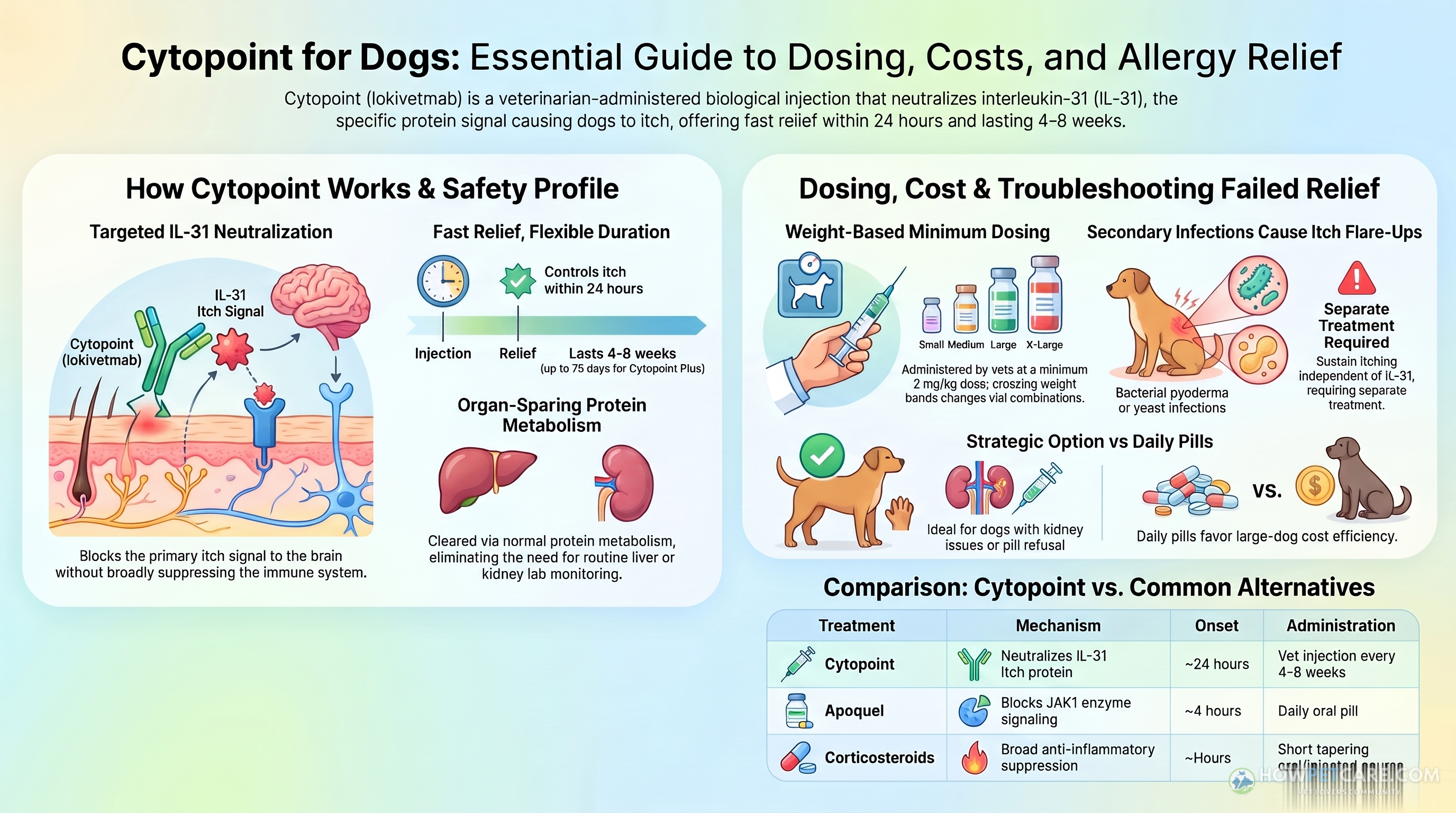
Cytopoint (lokivetmab) is a vet-only injection that neutralizes IL-31, the signal that makes dogs itch. Relief typically begins within 24 hours, one shot lasts 4–8 weeks, and cost runs roughly $50–$200 per injection depending on the dog’s weight.
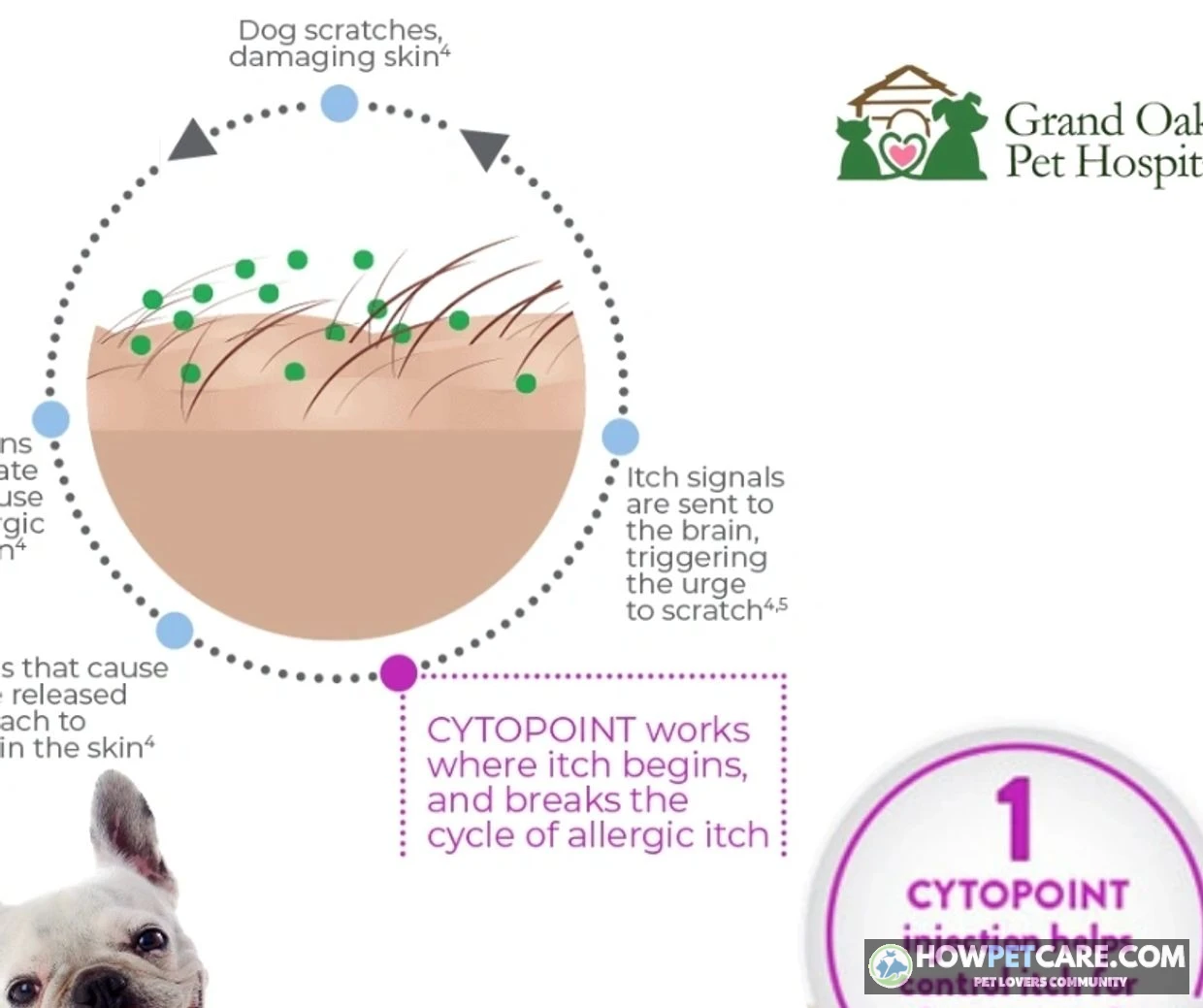
Cytopoint (lokivetmab) is a veterinarian-administered injection that neutralizes interleukin-31 (IL-31), the protein signal that tells a dog’s brain to itch. It provides itch relief for dogs with atopic dermatitis and other allergic skin diseases, with one injection typically lasting 4 to 8 weeks. Unlike steroids or daily pills, Cytopoint works selectively on the itch pathway and does not broadly suppress the immune system. One injection begins controlling itch within about 24 hours, so owners can typically see a difference in their dog’s scratching behavior within the first couple of days.
What Cytopoint Is and How It Stops Dog Itch
Cytopoint (lokivetmab) is a veterinarian-administered injection of a monoclonal antibody that neutralizes interleukin-31 (IL-31), the signal that tells a dog’s brain to itch. It is used for pruritus (itching) from atopic dermatitis and other allergic skin disease in dogs. This is not a steroid, not an antihistamine, and not a chemical drug in the traditional sense; it is a biological protein-based product.
How it works: The antibody binds circulating IL-31 before it can reach nerve receptors in the skin. By blocking this specific itch signal, Cytopoint reduces the sensation to scratch without broadly suppressing the entire immune system. The body clears the antibody through normal protein metabolism, which is why it does not require routine liver or kidney monitoring the way some other medications do.
What it treats and what it doesn’t: Cytopoint relieves the itch associated with atopic dermatitis, canine allergies, flea allergy dermatitis, and food allergy flare-ups. It stops the itch sensation, but it does not remove the underlying allergen, cure the allergy, or treat the primary cause. A dog still needs flea control, and dogs with suspected food allergy may still need an elimination diet trial.
Why it is different from other treatments: Antihistamines such as diphenhydramine (Benadryl) often have limited effect on canine itch because canine itch pathways differ from human pathways. Apoquel (oclacitinib) is a daily pill that blocks JAK enzymes carrying multiple itch and inflammation signals. Steroids such as prednisone broadly suppress inflammation and can have significant long-term side effects. Cytopoint’s selective action on IL-31 makes it narrower in scope than these options.
Onset of relief: Many dogs show at least some itch relief within about 24 hours of the injection, so owners can typically see a difference in their dog’s scratching behavior within the first couple of days. This contrasts with some oral medications that may take days to reach full effect.
How Long Does Cytopoint Last, and Why It Can Wear Off Early
How long does a Cytopoint shot last? The typical duration is 4 to 8 weeks per injection. Many veterinarians re-dose when itching returns, often at 4 to 6 weeks into the interval. Some dogs experience a longer interval as the allergy becomes better controlled over time, but 4 weeks is the most common re-dosing interval in clinical practice.
Why it can wear off before 4 weeks: Several factors can cause the effect to fade sooner. Heavy allergen exposure during peak season can overwhelm the IL-31 blockade. Dogs with a higher IL-31 load may metabolize the antibody more quickly. If a dog was underdosed relative to its current weight, the itch may return sooner. A secondary bacterial or yeast infection can sustain itching independent of IL-31, making it seem as though Cytopoint has stopped working. And finally, some itch is driven by pathways other than IL-31, so blocking that one signal alone will not fully control the itch.
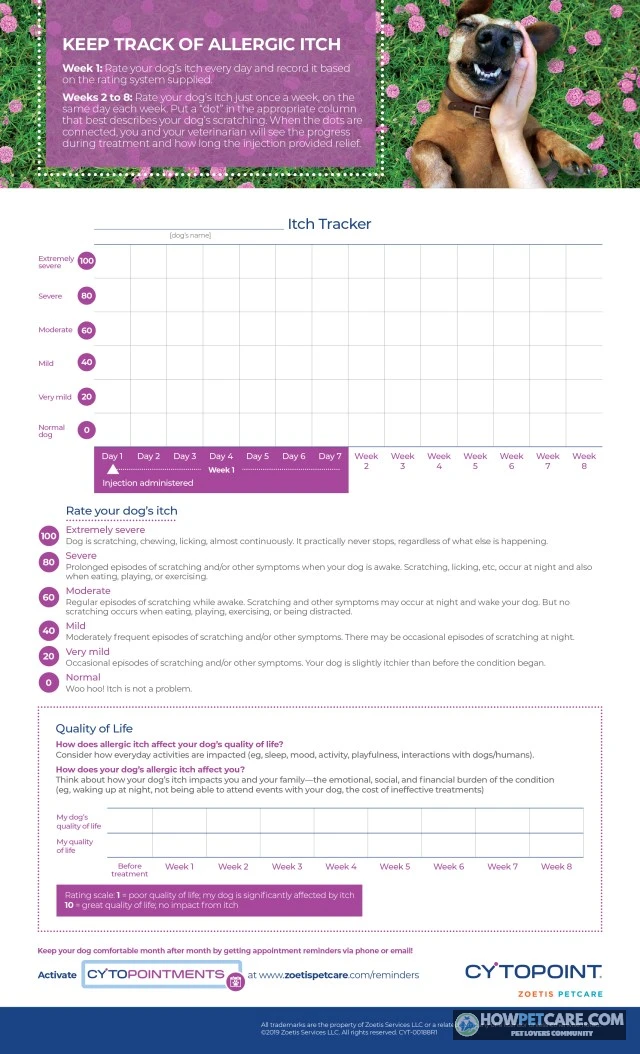
How to track it: Keep a simple itch diary. Use a 0-to-10 scale each day, or note how many scratching episodes occur per day. This helps both you and your vet see the real interval for your dog rather than relying on a calendar date. If the itch score climbs back toward 7 or above before the scheduled re-injection, that’s a signal to call the vet.
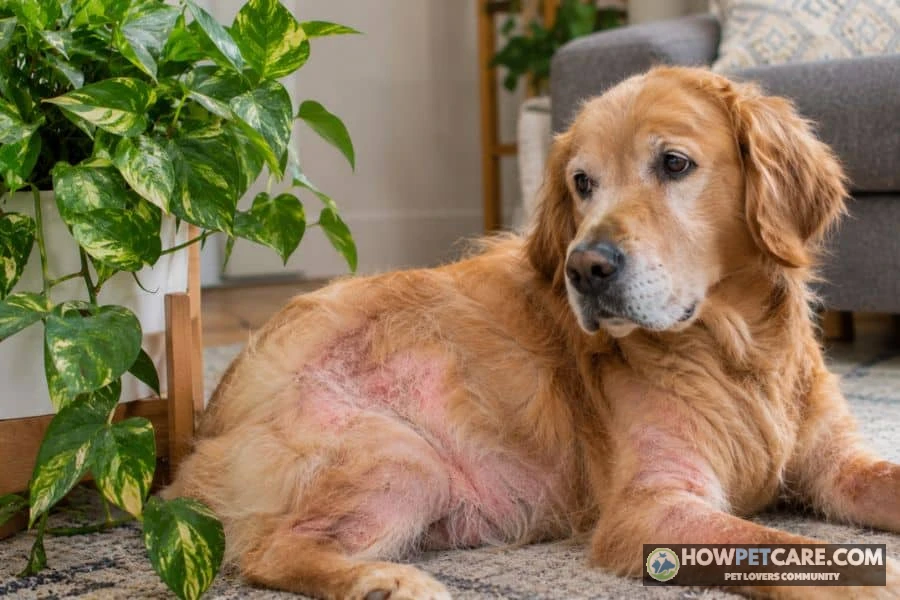
How often a dog needs Cytopoint: Dogs with seasonal allergies (pollen-related) may only need Cytopoint during their trigger season, perhaps two or three injections per year. Dogs with year-round atopic dermatitis may need repeat injections indefinitely, typically at 4- to 8-week intervals, as long as the allergy is active. The goal is to use the lowest effective interval that keeps the itch score below a level that causes discomfort or skin damage.
A note about Cytopoint Plus: The newer 75-day formulation (licensed in the US in November 2026) extends the typical interval beyond the 4-8 week range of original Cytopoint. Details are in the dedicated Cytopoint Plus section later in this article.
Cytopoint Side Effects in Dogs: How Common They Are and What to Watch For
What are the side effects of the Cytopoint injection in dogs? The safety profile of Cytopoint is generally favorable, but as with any medication, reactions can occur. The manufacturer’s label and field studies report the following frequency and severity data.
Common mild events: The most frequently reported events are vomiting, diarrhea, lethargy, and injection-site reactions such as mild swelling or pain at the injection site. These events are typically transient, resolving within a day or two without treatment. In clinical studies, these mild events occurred in a minority of dogs, often less than 10% for any single event, but the cumulative frequency of any mild event is higher.
Frequency data: Injection-site reactions (swelling, pain, bruising) are uncommon, occurring in less than 5% of dogs based on post-approval monitoring. Gastrointestinal signs (vomiting, diarrhea) are reported more frequently but are usually mild and self-limiting. Exact percentages vary by study, but the label characterizes these as uncommon to occasional.
Rare events to watch for: Facial swelling or hives may indicate an allergic reaction. In very rare cases, dogs may experience an anaphylactic-type reaction, which is a medical emergency requiring immediate veterinary care. Neurologic signs such as tremors or seizures have been reported extremely rarely post-approval, but a causal relationship has not been established in most cases. The post-approval surveillance database has captured these events, but the overall incidence of severe reactions remains very low.
Watchlist grouping for owners:
- Monitor at home: Mild vomiting or diarrhea lasting less than 24 hours, mild injection-site tenderness. Observe and call if it worsens.
- Call the vet today: Persistent vomiting or diarrhea lasting more than 24 hours, significant swelling at the injection site, hives anywhere on the body, marked lethargy or loss of appetite.
- Emergency now: Facial swelling with difficulty breathing, collapse, severe hives, or any signs of anaphylactic reaction. Seek emergency veterinary care immediately.
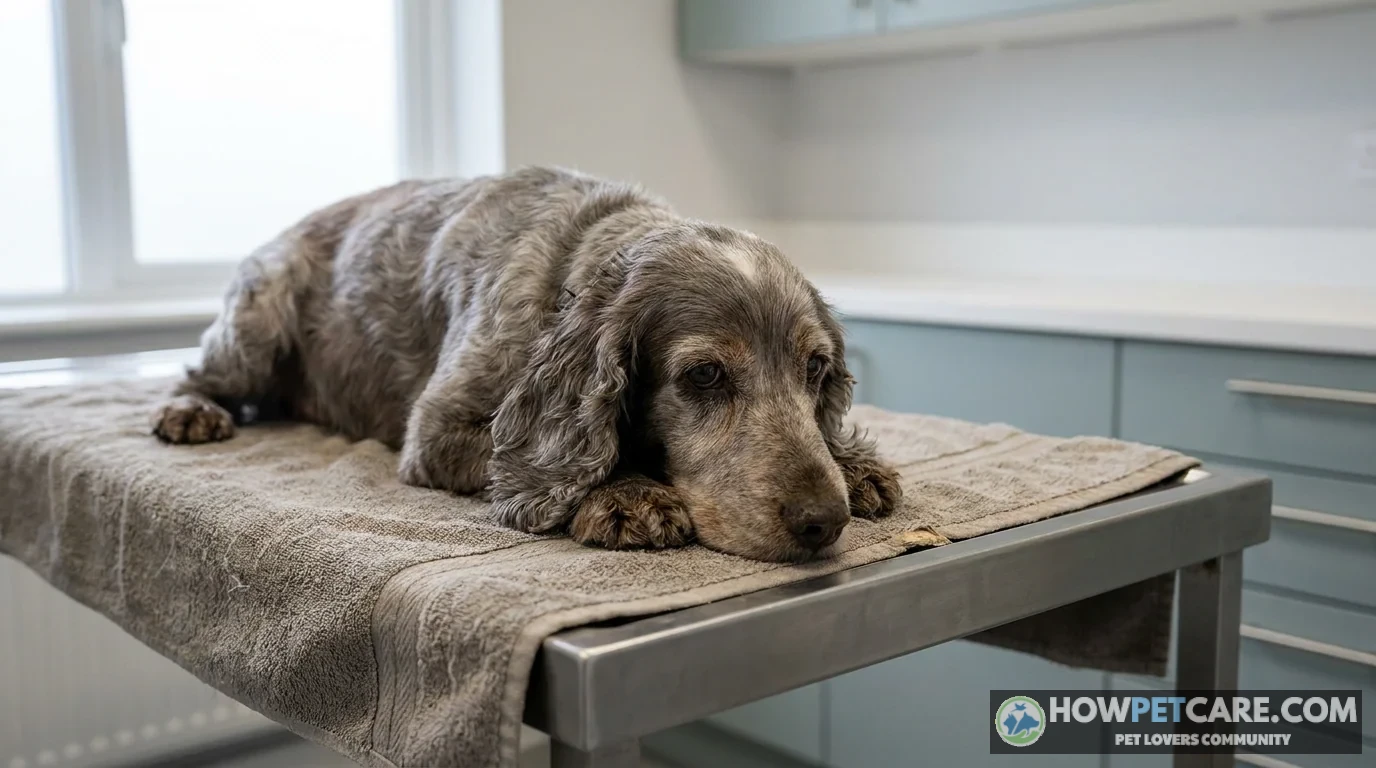
Is Cytopoint safe for dogs? Long-term safety studies have been conducted, and the drug has been used in over 8 million dogs since launch per Zoetis data. No routine lab monitoring (such as liver or kidney tests) is required because the antibody is cleared through normal protein metabolism, not organ processing. However, it has not been proven in every situation, and your vet will weigh the benefits against your dog’s specific health status.
Pregnant, breeding, and lactating dogs: The Cytopoint label states that safety has not been evaluated in pregnant or breeding dogs, or in dogs producing milk. Your vet will make a case-by-case decision if Cytopoint is needed for a dog in these categories. The same caution applies to very young puppies and senior dogs with multiple comorbidities, though the lack of organ monitoring requirement makes it an option some vets consider for older dogs where daily pills or steroids carry higher risk.
Overdose: Giving a dose higher than the recommended minimum of 2 mg/kg subcutaneous does not typically result in severe toxicity, based on label data and studies. If an extra vial or wrong dose is administered, contact your veterinarian or a pet poison hotline right away. Most overdoses are managed supportively, and serious harm is rare, but professional guidance is essential.
Cytopoint Dosing Chart by Dog Weight (10, 20, 30, and 40 mg Vials)
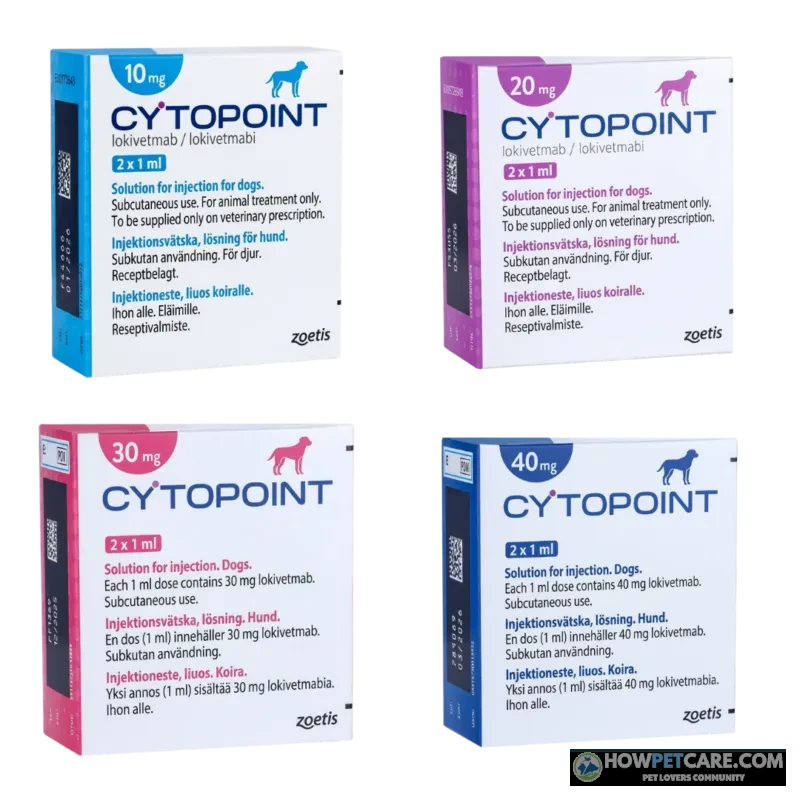
What Cytopoint dose will my dog receive? The label dose for Cytopoint is a minimum of 2 mg per kilogram of body weight (about 0.9 mg per pound), administered by subcutaneous injection. The drug is supplied in single-dose vials containing 10 mg, 20 mg, 30 mg, or 40 mg of the antibody.
Cytopoint Dosing Chart: Weight Band to Vial Size
| Dog weight (lb) | Dog weight (kg) | Vial size (mg) | Number of vials | Approximate dose (mg/kg) | Notes |
|---|---|---|---|---|---|
| 5–10 | 2.3–4.5 | 10 mg | 1 | 2.2–4.3 | Smallest labeled vial |
| 10–20 | 4.5–9.1 | 20 mg | 1 | 2.2–4.4 | |
| 20–30 | 9.1–13.6 | 30 mg | 1 | 2.2–3.3 | |
| 30–40 | 13.6–18.1 | 40 mg | 1 | 2.2–2.9 | |
| 40–50 | 18.1–22.7 | 40 + 10 mg | 2 | 2.2–2.8 | Two vials drawn into one injection |
| 50–60 | 22.7–27.2 | 40 + 20 mg | 2 | 2.2–2.6 | |
| 60–70 | 27.2–31.8 | 40 + 30 mg | 2 | 2.2–2.6 | |
| 70–80 | 31.8–36.3 | 2 × 40 mg | 2 | 2.2–2.5 | |
| Over 80 | Over 36.3 | Combinations of vials | 2–3 | At least 2.0 | Vet calculates the lowest-cost vial mix that meets 2 mg/kg |
Worked check: a 45-lb dog weighs 20.4 kg. Minimum dose = 20.4 × 2 = 40.8 mg. The smallest vial combination that meets it is 40 + 10 mg (50 mg total), giving an actual dose of about 2.4 mg/kg.
Why border-weight matters: a dog weighed at 39 lb gets one 40 mg vial; at 41 lb it needs two vials — roughly doubling drug cost. Weigh your dog at the visit, and if your dog has gained or lost weight, say so. An outdated weight is a common cause of underdosing and short duration.
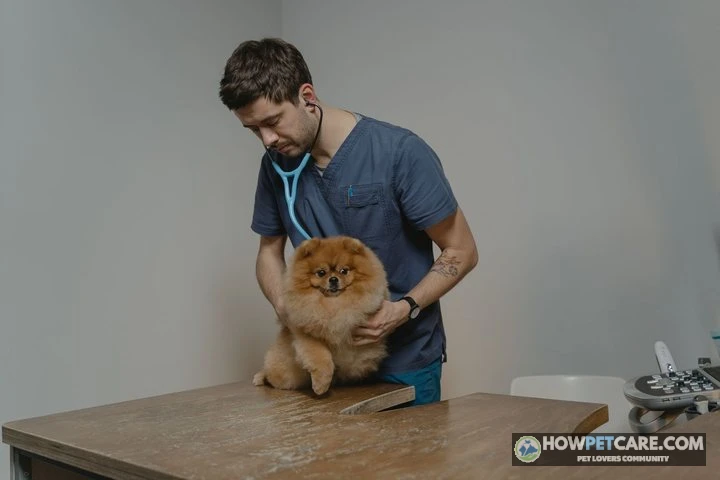
Verify every row against the current Zoetis package insert before relying on it — vial availability and labeled bands can change.
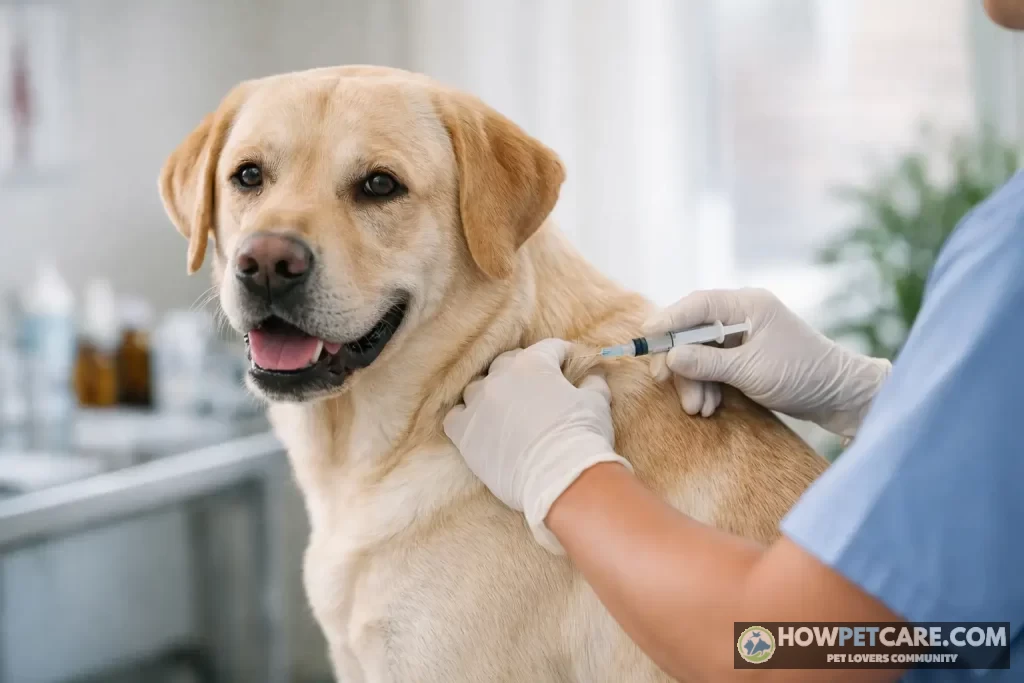
Why this is vet-only: Cytopoint is a prescription biologic. The label requires administration by a veterinary professional. The vial is drawn and injected under clinical observation for reactions afterward. Home injection is not currently an option. Regulatory status could change in the future, but as of 2026, owners must bring their dog to the clinic or veterinary office for each injection, and dogs that get anxious at the clinic may benefit from trazodone for vet-visit anxiety given beforehand.
How Much Cytopoint Costs: Per-Injection and Yearly Price by Dog Weight
Per-injection price ranges for each weight tier, shown as estimates from published US veterinary clinic price lists. State the date and region basis. Your local prices will vary depending on clinic, geographic region, and whether a visit fee is included.
Cytopoint Cost by Dog Weight: Per Injection and Per Year
| Weight tier | Typical vial(s) needed | Estimated cost per injection | Typical visit fee | Annual cost at 4-week intervals (13 doses) | Annual cost at 6-week intervals (~9 doses) | Annual cost at 8-week intervals (~7 doses) |
|---|---|---|---|---|---|---|
| Small (5–20 lb) | 1 × 10 or 20 mg | $50–$90 | $0–$70 | $650–$1,170 | $450–$810 | $350–$630 |
| Medium (20–50 lb) | 1 × 30–40 mg, or 2 vials | $70–$110 | $0–$70 | $910–$1,430 | $630–$990 | $490–$770 |
| Large (50–80 lb) | 2 × vials | $90–$150 | $0–$70 | $1,170–$1,950 | $810–$1,350 | $630–$1,050 |
| Giant (80+ lb) | 2–3 × vials | $120–$200 | $0–$70 | $1,560–$2,600 | $1,080–$1,800 | $840–$1,400 |
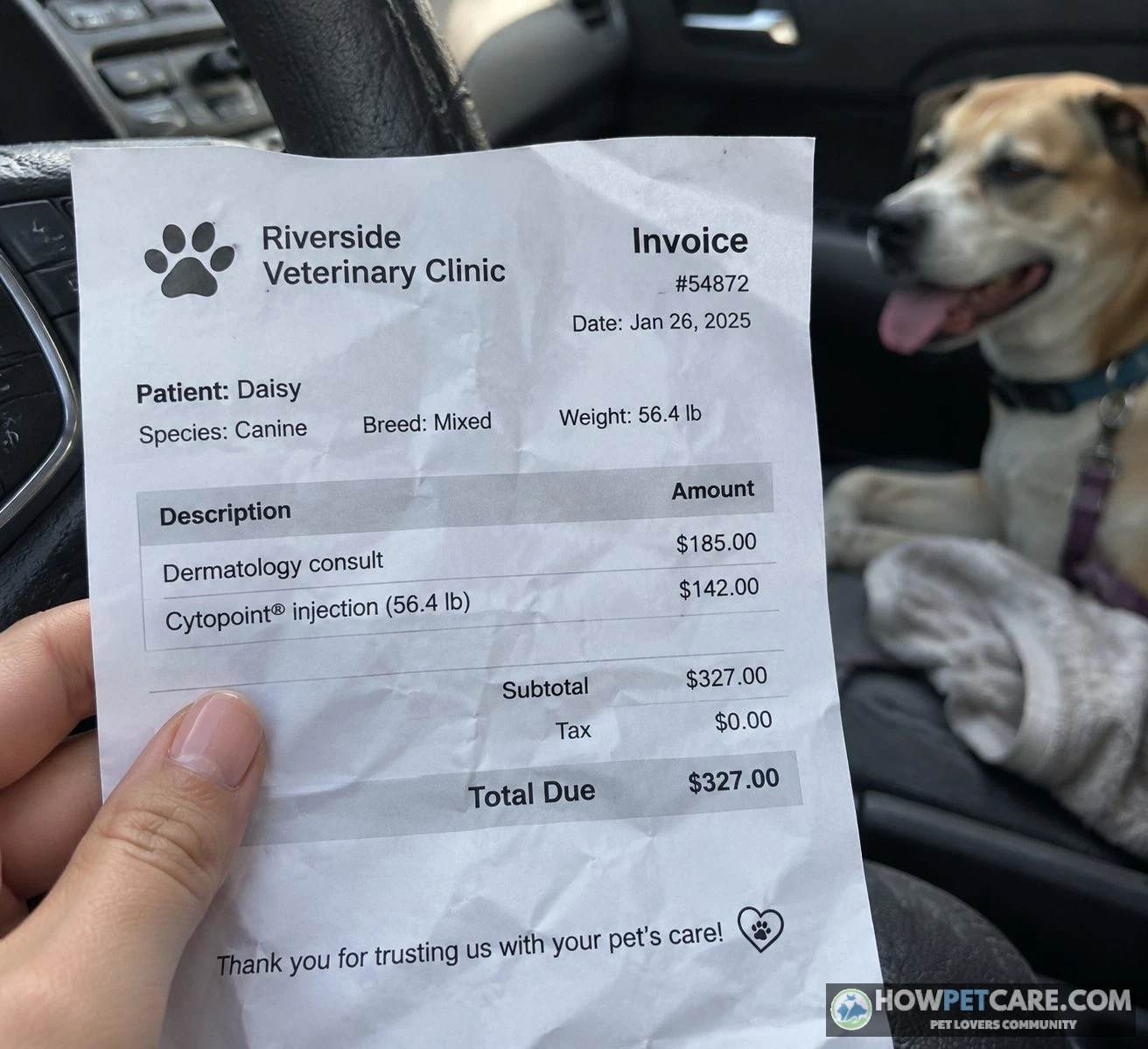
How to read it: a medium dog re-dosed every 6 weeks lands near $630–$990 per year — roughly $53–$83 per month. If your clinic charges the visit fee on top, add it once per injection (13 visits add $650–$910 per year at a $50–$70 recheck fee).
Monthly shortcut: annual cost ÷ 12. At 8-week intervals a small dog can cost under $30 per month for the drug alone; at 4-week intervals a giant dog can exceed $200 per month for the drug alone.
Ways to reduce what you pay: ask your vet about pricing per vial (some clinics discount when multiple vials are needed), inquire about wellness plans that bundle recheck exams, check for manufacturer rebates or loyalty programs where they exist, and consider timing injections to allergy season where appropriate so fewer doses are needed per year.
Cost comparison with daily Apoquel: Apoquel has a flat pill cost that favors large dogs compared to Cytopoint’s weight-scaled per-injection price. A large dog on daily Apoquel may cost $80–$150 per month, while the same dog on Cytopoint at 8-week intervals could be under $110 per month for drug alone. However, Apoquel provides more flexible daily control, whereas Cytopoint’s cost scales with the interval chosen.
Cytopoint Plus: The 75-Day Version and What It Means for Dogs Already on Cytopoint
What it is: The longer-acting (about 75-day) USDA-licensed version of Cytopoint, licensed in the United States in November 2026 per the Zoetis announcement. This is a regulatory milestone that creates a new option for established patients, but questions about transition and cost per day remain open.
How it differs from original Cytopoint: The active ingredient (lokivetmab) is the same, the weight-based dosing is the same, and the subcutaneous administration route is the same. The difference is the formulation’s duration of effect — approximately 75 days versus the 4-to-8-week range of original Cytopoint. Post-market data accumulated through 2026 is still limited, so exact real-world intervals may vary.
Does it replace original Cytopoint? Both products are expected to be available during a transition period. Your vet will decide whether to switch at the next scheduled injection based on your dog’s response history. The manufacturer has not announced a mandatory phase-out date, so existing patients can likely continue on original Cytopoint if they and their vet prefer.
Practical guidance for current patients: Ask your vet whether to switch at the next scheduled injection, what to expect at the first dose of Cytopoint Plus, and how to compare cost per day rather than just per shot. If your dog currently receives Cytopoint every 6 weeks, switching to the 75-day formulation could mean fewer vet visits per year, but the per-shot cost may be similar or higher. Compare the annual cost math before deciding.

Who may benefit most: Dogs with consistent 4-to-8-week responses to original Cytopoint and owners who find frequent vet visits difficult. Note that Cytopoint Plus does not fix a poor response to IL-31 blockade — if original Cytopoint gave incomplete relief, the plus version is unlikely to change that outcome.
Cytopoint vs Apoquel vs Zenrelia vs Steroids: Which Is Better for Your Dog?
Honest side-by-side comparison of the main itch-control options, including the dermatologist view that Cytopoint is the gentlest and narrowest anti-inflammatory option available.
Side-by-Side: Cytopoint, Cytopoint Plus, Apoquel, Zenrelia, and Steroids
| Treatment | How it works | Speed of relief | Duration or dosing schedule | Best suited for | Common side effects | Relative cost |
|---|---|---|---|---|---|---|
| Cytopoint | Antibody that neutralizes IL-31, the main itch signal | ~24 hours for many dogs | One injection every 4–8 weeks | Mild-to-moderate itch; dogs with other conditions or on multiple medications | Mild vomiting/diarrhea, lethargy, injection-site soreness; rare allergic reactions |
–
$ — scales up sharply with dog weight |
| Cytopoint Plus | Same antibody approach, longer-acting formulation | ~24 hours (expected similar) | About every 75 days | Established responders who want fewer visits | Expected similar; post-market data still accumulating | Per-day cost not yet confirmed — ask your vet for the math |
|---|---|---|---|---|---|---|
| Apoquel (oclacitinib) | Daily pill blocking JAK1 enzymes that carry several itch/inflammation signals | Often within 4 hours | Once or twice daily, ongoing | Moderate itch needing fast, flexible control; cost-sensitive large-dog owners | GI upset, increased infection susceptibility, demodicosis risk; label cautions for dogs under 12 months and dogs with serious infections |
$–
— flat pill cost favors big dogs vs. Cytopoint |
| Zenrelia (ilunocitinib) | Once-daily JAK inhibitor (newer, approved 2024) | Fast, within hours | Once daily | Moderate-to-severe itch; Cytopoint partial/non-responders | GI signs, lethargy; label flags vaccine-timing considerations | |
| Corticosteroids (prednisone etc.) | Broad, powerful suppression of inflammation | Fast, hours | Short tapering courses; poor choice long-term | Severe acute flares, cheap rescue, confirming an itch is inflammatory | Increased thirst/urination/appetite, panting; long-term: liver stress, skin thinning, iatrogenic Cushing’s | $ — cheapest per course, costliest in side effects over time |
The honest trade-off: dermatologists often describe Cytopoint as the gentlest and narrowest option — it blocks one itch signal (IL-31) and nothing else. That’s why it’s friendly to seniors and dogs on other medications, and also why it does little for severe inflammation, infected skin, or itch driven by other pathways. Steroids and JAK inhibitors hit more targets — more powerful, more side effects.
Which option fits which dog?
Young dog with first allergy signs: Cytopoint is often a first choice because of the favorable safety profile and no daily pills. If the itch is mild-to-moderate and IL-31-driven, one injection every 4–8 weeks may suffice. Apoquel offers faster daily control if the owner prefers a pill that can be stopped or started based on flare frequency.
Senior dog with other conditions: Cytopoint is frequently chosen because it does not require liver or kidney monitoring and has fewer drug-interaction concerns. Steroids may be avoided in dogs with heart disease (managed with drugs like pimobendan), diabetes, or Cushing’s disease risk. Zenrelia or Apoquel may be options if Cytopoint provides inadequate relief.
Dog that refuses pills: Cytopoint’s injection-every-few-weeks schedule is ideal. Apoquel requires daily administration, which can be a challenge for some owners and dogs.
Severe flare or widespread skin lesions: Steroids or a short course of Apoquel/Zenrelia may be needed initially to bring the inflammation under control, after which Cytopoint can be used for maintenance. Cytopoint alone may not be sufficient for severe, inflamed, or infected skin.
Seasonal vs. year-round itch: Seasonal allergy dogs may need only a few Cytopoint injections per year. Year-round atopic dogs may need repeat injections indefinitely. The same logic applies to Apoquel (fewer pills in low-season) or steroids (short courses during flares).
Antihistamines and flea or food-allergy control: Benadryl-type antihistamines provide limited benefit for canine itch regardless of the primary drug used. Strict flea control is essential for any dog with flea allergy dermatitis, whatever itch medication is chosen. A diet trial remains the only way to confirm or rule out food allergy, regardless of the itch drug being used. Link to related cluster articles instead of repeating them.
When Cytopoint Stops Working or Your Dog Is Still Itchy: A Troubleshooting Guide
Why roughly 35 to 40% of dogs respond poorly or incompletely: Itch has several drivers beyond IL-31, including other cytokines, secondary infection, parasites (fleas, mites), and unaddressed environmental or food triggers. The ~60-65% responder rate in clinical trials does not guarantee the same result for every individual dog, and real-world response rates may be lower. State the figure as an estimate with the caveat that ‘response’ means at least some itch reduction, not complete absence of scratching.
Is it a secondary skin infection? A checklist
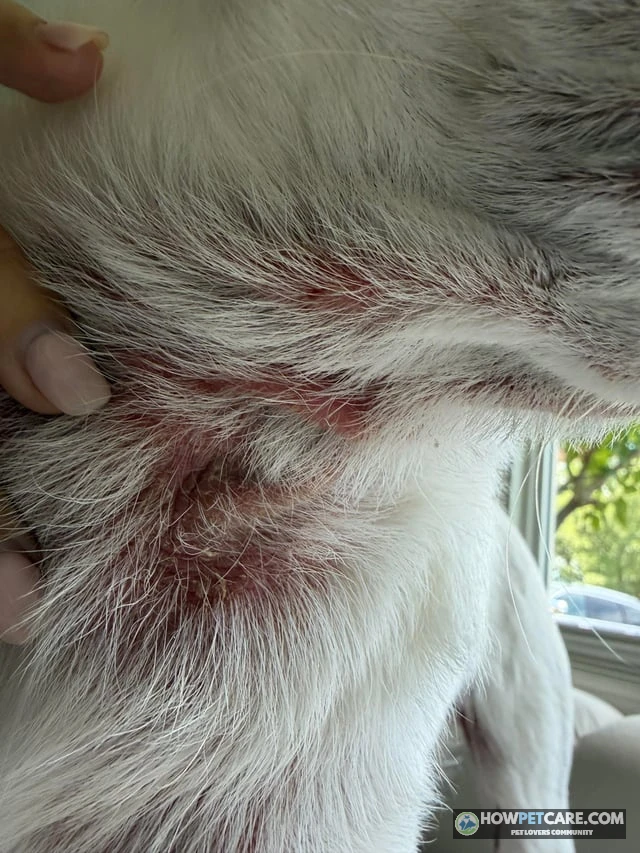
The most common reason Cytopoint "doesn’t work" is that a secondary infection — bacterial pyoderma or Malassezia yeast — is sustaining the itch independent of IL-31. Cytopoint stops the itch signal, not the infection causing it. Any of the following signs warrant a vet exam and possible skin cytology:
- Corn-chip or musty odor → likely yeast (Malassezia)
- Greasy, crusty, or thickened skin
- Pustules, red bumps, or hot spots → likely bacterial pyoderma
- Hair loss or darkened, leathery skin
- One or both ears waxy, red, or smelly
Any box checked → the itch won’t resolve until the infection is treated (medicated shampoo, antifungals, or antibiotics such as doxycycline). Cytopoint can be continued alongside infection treatment.
Step-by-step next moves when the shot wears off early or fails
Work top to bottom. Each branch ends with what to ask your vet.
Step 1 — Did the itch improve at all?
- ☐ Yes, it dropped within 24–48 hours but came back before 4 weeks → Early wear-off. Check: current weight accurate? Peak allergen season? Any odor or greasy skin (infection)?
- Ask your vet: "Should we shorten the interval, recheck the dose, or look at Cytopoint Plus?"
- ☐ No real change by day 5–7 → Possible poor responder (roughly 1 in 3 dogs get incomplete relief). The itch may be driven by something other than IL-31.
- Ask your vet: "Before re-dosing, can we do skin cytology to rule out infection, and discuss Apoquel or Zenrelia as the next step?"
- ☐ Better for weeks, then slowly worse over months of injections → Possible loss of response or rising allergen load.
- Ask your vet: "Is this the drug fading, or a new trigger — fleas, food, or a change at home?"
Step 2 — Screen for secondary infection (the most common reason Cytopoint "doesn’t work"):
- ☐ Corn-chip or musty odor → likely yeast (Malassezia)
- ☐ Greasy, crusty, or thickened skin
- ☐ Pustules, red bumps, or hot spots → likely bacterial pyoderma
- ☐ Hair loss or darkened, leathery skin
- ☐ One or both ears waxy, red, or smelly
Any box checked → the itch won’t resolve until the infection is treated (medicated shampoo, antifungals, or antibiotics). Cytopoint stops the itch signal, not the infection causing it.
Step 3 — Screen for untreated triggers:
- ☐ Is flea prevention current and given on schedule? (One flea bite can sustain itch in allergic dogs.)
- ☐ Any recent diet or treat change? (Food allergy needs a strict 8-week elimination trial, not a drug switch.)
- ☐ Is the itch seasonal? (Pollen-season dogs may simply need re-dosing timed to their season.)
Don’t do this: don’t pay for an early re-injection without answering Step 2 first, don’t layer on Benadryl or leftover steroids without asking, and don’t wait out visibly worsening skin.
Your Pre-Visit Checklist: Questions to Ask Before Starting a Cytopoint Plan
Turn this article into action: take these questions and items into the vet visit to have an informed conversation about whether Cytopoint is right for your dog.
Questions to ask:
- Is this IL-31-driven itch or something else? Do we need skin cytology or testing for infection?
- Which vial size and total price will my dog’s weight need? What is the visit fee?
- Do you stock Cytopoint Plus, and if so, what is the cost per day compared to original Cytopoint?
- Based on my dog’s weight and expected interval, what is the estimated annual cost?
- If the first injection gives less than expected, which alternative do you recommend trying first?
- What would trigger a referral to veterinary dermatology for allergy testing and immunotherapy?
What to bring:
- Current weight (weighed on the day of the visit)
- Itch diary or 0-to-10 daily score notes for the past 1–2 weeks
- Photos of skin flares or areas of concern
- A list of all medications, supplements, and preventive your dog takes
- Flea and tick preventive records
- Diet history, including any recent changes or treats
Set the success benchmark:
- What counts as a good response? (e.g., itch score drops by at least 3 points within 48 hours, stays below 3 by day 7)
- How long to wait before judging it? (Typically 4–6 weeks, but some vets recommend evaluating at the first re-check.)
- When to reassess? (If the itch score remains above 5 after 6 weeks, or if it returns early, contact the vet.)
Decide the fallback in advance:
- Which alternative to try first if the first injection gives less than expected? (Apoquel, Zenrelia, a short steroid course, or a switch to Cytopoint Plus)
- What would trigger a dermatology referral? (Persistent poor response, suspected food allergy needing a formal trial, or evidence of secondary infection that recurs.)
Budget plan:
- Estimated annual cost at the likely re-dosing interval, compared with the alternatives discussed.
- Note whether visit fees are included per injection or per recheck.
- Factor in the possibility of combination therapy (Cytopoint plus a short antibiotic or antifungal course if a secondary infection is found).
Conclusion: Making an Informed Decision with Your Vet
You now have a comprehensive overview of Cytopoint: what it is, how it works, what it costs, what the side effects are, how long it lasts, how it compares to alternatives, and what to do if it stops working. You can walk into your vet visit knowing the expected cost ranges for your dog’s weight, the dose your dog likely needs, the realistic efficacy odds, the side-effect watchlist, how Cytopoint stacks up against Apoquel/Zenrelia/steroids, and the contingency plan if it wears off early or fails. Use this information to have a productive conversation about your dog’s specific situation, and together with your vet decide whether Cytopoint, Cytopoint Plus, or another option best fits your dog’s itch, your budget, and your lifestyle. Remember that Cytopoint must be administered by a veterinary professional, and that the best treatment plan may involve combination therapy or a stepped approach rather than a single drug decision. For broader context, see our overview of what each dog medication class treats.
Still Itchy After Cytopoint? A Decision Checklist
Work top to bottom. Each branch ends with what to ask your vet.
Step 1 — Did the itch improve at all?
- ☐ Yes, it dropped within 24–48 hours but came back before 4 weeks → Early wear-off. Check: current weight accurate? Peak allergen season? Any odor or greasy skin (infection)?
- Ask your vet: "Should we shorten the interval, recheck the dose, or look at Cytopoint Plus?"
- ☐ No real change by day 5–7 → Possible poor responder (roughly 1 in 3 dogs get incomplete relief). The itch may be driven by something other than IL-31.
- Ask your vet: "Before re-dosing, can we do skin cytology to rule out infection, and discuss Apoquel or Zenrelia as the next step?"
- ☐ Better for weeks, then slowly worse over months of injections → Possible loss of response or rising allergen load.
- Ask your vet: "Is this the drug fading, or a new trigger — fleas, food, or a change at home?"
Step 2 — Screen for secondary infection (the most common reason Cytopoint "doesn’t work"):
- ☐ Corn-chip or musty odor → likely yeast (Malassezia)
- ☐ Greasy, crusty, or thickened skin
- ☐ Pustules, red bumps, or hot spots → likely bacterial pyoderma
- ☐ Hair loss or darkened, leathery skin
- ☐ One or both ears waxy, red, or smelly
Any box checked → the itch won’t resolve until the infection is treated (medicated shampoo, antifungals, or antibiotics). Cytopoint stops the itch signal, not the infection causing it.
Step 3 — Screen for untreated triggers:
- ☐ Is flea prevention current and given on schedule? (One flea bite can sustain itch in allergic dogs.)
- ☐ Any recent diet or treat change? (Food allergy needs a strict 8-week elimination trial, not a drug switch.)
- ☐ Is the itch seasonal? (Pollen-season dogs may simply need re-dosing timed to their season.)
Don’t do this: don’t pay for an early re-injection without answering Step 2 first, don’t layer on Benadryl or leftover steroids without asking, and don’t wait out visibly worsening skin.
1Which specific protein signal does Cytopoint (lokivetmab) target and neutralize to disrupt the itch sensation in dogs?
Cytopoint is a monoclonal antibody designed specifically to bind circulating IL-31 before it can attach to skin nerve receptors.
2Which of the following mild side effects are recognized as common, transient events following a Cytopoint injection?
Gastrointestinal upset is among the most frequently reported self-limiting adverse events following administration.
3Why does Cytopoint not require routine pre-treatment or ongoing organ function laboratory monitoring (such as liver or kidney panels)?
Monoclonal antibodies are processed like normal biological proteins, bypassing the metabolic stress placed on the liver and kidneys by chemical drugs.
4What is the primary operational distinction between original Cytopoint and the Cytopoint Plus formulation approved in late 2026?
Cytopoint Plus features a longer-acting formulation designed to prolong itch relief beyond original Cytopoint's 4-to-8-week window.
5Which of the following statements accurately contrast Apoquel (oclacitinib) and Cytopoint (lokivetmab)?
This highlights the fundamental difference in administration route and dosing frequency between the two treatments.
6According to standard dosing guidelines, what vial combination should be drawn for a dog weighing 41 lbs (18.6 kg) to satisfy the minimum 2 mg/kg dosage requirement?
At 18.6 kg, the dog requires a minimum of 18.6 × 2 = 37.2 mg. Crossing the 40-lb threshold moves the dog into the 40–50 lb tier, which utilizes a 40 mg vial combined with a 10 mg vial.
7If a dog receiving regular Cytopoint injections develops a waxy, musty-smelling ear discharge and greasy skin, which diagnostic procedure is most appropriate to perform before administering another injection?
Skin cytology allows the veterinarian to identify secondary yeast (Malassezia) or bacterial overgrowth driving the symptoms.
8Which patient profiles highlight clinical scenarios where Cytopoint is often preferred over systemic corticosteroids or daily oral immunosuppressive drugs?
Because Cytopoint is cleared by routine protein metabolism without organ strain, it is particularly suitable for older dogs with complex medical histories.
FAQ
Does Cytopoint suppress a dog’s immune system?
Cytopoint neutralizes only IL-31, the itch-signaling protein, and does not broadly suppress immune function the way corticosteroids or some other allergy drugs can. Your vet will still weigh your dog’s overall health and any current infections before treatment.
Can puppies and senior dogs get Cytopoint?
Cytopoint is used in dogs of different ages and with other health conditions, and its lack of liver or kidney processing is one reason vets choose it for older dogs. For very young puppies, breeding dogs, or dogs with complex illnesses, your vet decides based on the label and your dog’s history.
Does Cytopoint treat food allergies or flea allergies?
It relieves the itch caused by these allergies but does not treat the cause. Dogs with flea allergy dermatitis still need strict flea control, and dogs with suspected food allergy still need an elimination diet trial.
Can my dog get vaccines or other medications while on Cytopoint?
Yes. Cytopoint is commonly used alongside vaccines, flea and tick preventives, antibiotics, and other allergy medications. Tell your vet about every medication and supplement your dog takes so they can plan around any specific concerns.
Can I give a second Cytopoint dose early if my dog’s itch comes back?
Don’t re-dose on your own. Call your vet, who can check for an infection, parasites, or an under-dose and decide whether to shorten the interval or add or switch treatments.