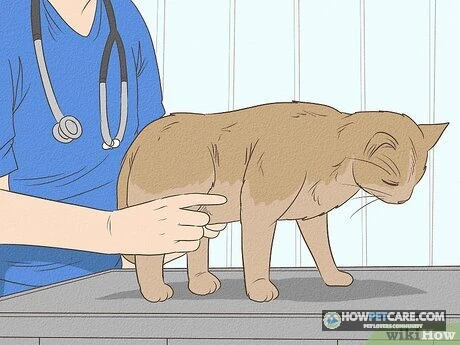

Worms in cats are often roundworms, tapeworms, hookworms, or heartworms; many cats have no symptoms, but rice-like segments, spaghetti-like worms, or dark tarry stool can signal infection. Collect a fresh stool sample, photograph visible worms, and contact your veterinarian before giving any dewormer.
If you spot rice-like specks in the litter box, a pot-bellied kitten, or unexplained weight loss, worms could be to blame. Roundworms, tapeworms, and hookworms are the most common feline intestinal parasites, and heartworm disease is a serious threat that never shows up in stool. Many infected cats show no signs at all, so visible clues — pale spaghetti-like worms in vomit, rice-grain segments on bedding, or dark tarry stool — are strong but not definitive indicators. Your first safe step is to collect a fresh stool sample and contact your veterinarian before giving any medication.
This guide walks you through identifying likely worm types from visible signs, understanding how cats get infected, what diagnosis and treatment cost, which dewormers vets use, and when symptoms cross from routine into same-day or emergency care.
Quick Triage: Routine vs. Urgent vs. Emergency
Most worm cases are routine, but some are not. Mild stomach upset, a known exposure, scheduled kitten deworming, or rice-like segments in an otherwise active cat usually means a vet visit within one to three days. Blood in stool, persistent vomiting, dehydration, pale gums, or a bloated painful abdomen warrant same-day care. Collapse, severe lethargy, labored breathing, or a kitten under eight weeks with a heavy worm burden means emergency care now.
Pale gums, blood in stool, persistent vomiting, dehydration, or a very young kitten with weakness are not routine deworming situations. Seek veterinary care the same day or immediately.
What Cat Worms Look Like: Visual Identification in Stool, Vomit, and Around the Anus
Visual clues help you describe what you see to your vet, but appearance alone never confirms a diagnosis. Use a coin for scale and photograph anything you find before flushing or discarding it.
Roundworms
Roundworms (Toxocara cati) are the most common intestinal parasite in cats, affecting 25% to 75% of cats, with higher rates in kittens. Adult worms are three to five inches long, cream-colored, and smooth, resembling pale spaghetti strands. You may see them in vomit or stool, sometimes moving. They live freely in the intestine rather than attaching to the wall.

Tapeworms
Tapeworm segments (Dipylidium caninum) are the most recognizable clue owners report. A fresh segment is off-white, flat, and about the size of a grain of rice or a cucumber seed. Segments may stretch, flatten, or move slightly when fresh and dry into hard yellow specks. They appear on stool, bedding, fur near the anus, or on the floor.

Hookworms and Heartworms
Hookworms are rarely visible in stool. Evidence is usually black, tarry, or bloody stool plus signs of anemia such as pale gums. Heartworms (Dirofilaria immitis) are not seen in stool at all; coughing, fatigue, or weight loss in an adult cat requires a vet blood test.

-
Photograph first
Place a coin beside anything you find to show scale, then take a clear photo for your vet.
-
Collect a sample
Scoop a fresh stool sample into a sealed bag or container and keep it cool.
-
Call before treating
Contact your veterinarian with the photo and sample before giving any dewormer.
 You might be wonderingDo cats fartDo Cats Fart? Silent Gas, Smell Signals & Easy Home FixRead the answer
Symptom-to-Worm Matching: Which Signs Point to Which Parasite
This table connects common signs to likely parasites without pretending to diagnose. Many infected cats are asymptomatic, so fecal testing matters even without visible signs.
| Likely worm | Common signs | Visible clues | Urgency |
|---|---|---|---|
| Roundworms (Toxocara cati) | Pot-bellied kitten, dull coat, vomiting, diarrhea, weight loss despite eating | Pale spaghetti-like worms 3–5 inches in vomit or stool | Routine unless kitten is weak, dehydrated, or very young |
| Tapeworms (Dipylidium caninum) | Weight loss despite appetite, scooting, itching around the anus | Rice-grain or cucumber-seed segments on feces, bedding, or fur | Routine; treat and add flea control |
| Hookworms (Ancylostoma) | Dark tarry diarrhea, pale gums, weakness, poor growth | Rarely seen in stool | Same-day if pale gums, weakness, or kitten under 8 weeks |
| Heartworms (Dirofilaria immitis) | Coughing, exercise intolerance, weight loss, breathing changes | Not visible in stool; requires blood testing | Vet evaluation; do not wait for severe breathing signs |

Roundworm Signs
A pot-bellied kitten, dull coat, vomiting, diarrhea, and weight loss despite eating point toward roundworms. Kittens often pick up roundworms through their mother’s milk. For effective cures for roundworms in cats, your vet will confirm the parasite and choose the right medication.
Tapeworm Signs
Weight loss despite a good appetite, scooting, and itching around the anus suggest tapeworms. Tapeworms are transmitted when a cat eats an infected flea during grooming.
Hookworm and Heartworm Signs
Dark tarry stool, pale gums, and weakness suggest signs of hookworms in cats. Coughing, exercise intolerance, and weight loss in adult cats can indicate heartworms. GI parasitism can cause dull coat, coughing, vomiting, diarrhea, bloody feces, appetite loss, pale gums, and potbellied appearance.
How Cats Get Worms: Transmission Routes and Risk Factors
Understanding routes helps you target prevention. Cats ingest eggs from contaminated soil, litter, or prey; roundworms and hookworms spread this way. Tapeworms arrive via fleas ingested during grooming, and indoor cats are at risk because fleas hitchhike on pets or humans. Mother-to-kitten transmission happens through milk or in utero. Mosquito bites transmit heartworm larvae, so year-round heartworm prevention for cats is an important part of any prevention plan. Hookworms can also penetrate skin or come from eating infected animals.

Indoor cats are not immune. Fleas, soil tracked in on shoes, and prey such as mice all create exposure. Regular vet-recommended worming is the best treatment approach, using tablets, injections, or spot-ons depending on the cat and local worm types.
Diagnosis: Fecal Flotation, Segment Checks, and When Blood Tests Matter
Veterinarians typically diagnose worms using a stool sample and fecal flotation test. Fecal flotation detects roundworm and hookworm eggs; a fecal exam typically costs $25–$60. Tapeworms may be missed on fecal tests, so segment inspection or specific antigen tests help. Heartworms require blood antigen testing, often $30–$80. Kittens may need repeat fecals because early infections shed intermittently.

A physical exam adds $40–$90, and total first-visit costs often range from $70 to $200. These figures are typical US ranges and vary by region and clinic.
Treatment: Dewormer Names, Classes, Doses, and Schedules by Age and Status
Dewormer selection, dosing, and repeat schedules depend on worm type, weight, age, health status, and pregnancy. Always confirm dose by weight and never give dog products to cats.
| Medication | Drug class | Targets | Typical schedule |
|---|---|---|---|
| Pyrantel pamoate | Tetrahydropyrimidine | Roundworms and hookworms | Commonly 5 mg/kg by mouth; repeat in 2–3 weeks; often used in kittens from 2 weeks with vet weight check |
| Praziquantel | Isoquinoline | Tapeworms | Commonly 5 mg/kg orally or in a topical combination; often one dose, with vet confirmation of product and weight |
| Fenbendazole | Benzimidazole | Roundworms, hookworms, and some tapeworms | Vet-directed course, commonly 3–5 days; dose and length depend on parasite and cat status |
| Broad-spectrum prescription combinations | Varies by product | Multiple common worms | Vet selects based on age, weight, pregnancy, nursing, and local risk; never use dog products on cats |
Kittens
Kittens should be dewormed every two weeks from two to eight weeks of age, then monthly to six months. Early roundworm infections can stunt growth. When choosing choosing a dewormer for kittens, your vet will match the product to age, weight, and local parasite risk.
Adult Cats
Adult cats are dewormed based on fecal test results and risk. Indoor cats still need annual fecal checks. Year-round parasite prevention is often recommended even for indoor cats.
Pregnant and Nursing Cats
Pregnant and nursing cats need vet-selected protocols; many standard dewormers are unsafe or need timing adjustments. Do not deworm a pregnant cat without veterinary guidance.
Emergency vs. Routine: When to See a Vet the Same Day
| Situation | Examples | Recommended action | Timeframe |
|---|---|---|---|
| Routine | Mild GI upset, known exposure, scheduled kitten deworming, rice-like segments without weakness | Collect fresh stool, call vet for appointment, follow deworming plan | Within 1–3 days |
| Same-day urgent | Blood in stool, persistent vomiting, diarrhea with dehydration, pale gums, bloated painful abdomen | Call vet same day; keep cat hydrated if vet advises and bring stool sample | Same day |
| Emergency | Collapse, severe lethargy, labored breathing, kitten under 8 weeks with heavy worm burden, suspected anemia | Seek emergency veterinary care now; do not wait for more symptoms | Immediately |
Hookworm anemia can become life-threatening quickly in kittens. When unsure, call the vet; do not wait for more symptoms.
Zoonotic Risk: Can Humans Get Worms from Cats and How to Reduce It
Roundworm (Toxocara) can cause visceral or ocular larva migrans in humans, especially children. Hookworms can cause cutaneous larva migrans (skin tracks) in humans. Tapeworms from cats are rarely zoonotic, but flea control prevents Dipylidium exposure.
Risk by Worm Type
Roundworms pose the highest zoonotic risk, particularly to young children. Hookworms can penetrate skin and cause itchy tracks. Heartworms are not transmitted from cats to humans.
Household Prevention Steps
Wash hands after litter handling, scoop litter daily, cover sandboxes, and wear gloves when gardening. Pregnant and immunocompromised household members should avoid litter duties. Wash bedding in hot water when segments are found. Dispose of waste in sealed bags.
Prevention and Household Plan to Stop Reinfection
- Use year-round flea control; fleas can carry tapeworm larvae.
- Scoop litter boxes daily and wash hands after handling litter.
- Pregnant, elderly, or immunocompromised household members should not clean litter boxes.
- Wash cat bedding and soft surfaces in hot water when segments or worms are found.
- Dispose of cat waste in sealed bags; do not compost or leave it in garden soil.
- Cover sandboxes and garden soil to reduce contamination and child exposure.
- Wear gloves when gardening or handling soil, then wash hands.
- Keep children from putting hands in their mouths after touching pets, litter areas, or soil.
- Retest stool 2–4 weeks after treatment to confirm clearance.
- Schedule annual fecal checks even for indoor cats.
Monthly broad-spectrum parasite prevention covering roundworms, hookworms, and heartworms typically runs $10–$25 per month depending on product and cat weight. Year-round flea control prevents tapeworm reinfection. Indoor cats still need scheduled fecal checks at least annually.
Match what you see to likely worm types, collect a fresh stool sample, and let your vet confirm and prescribe. Most cases are routine, but blood, pale gums, or a sick kitten means call today.
 You might be wonderingSigns of cat with diabetesSigns of Diabetes in Cats: Early Symptoms, Triage & DiagnosisRead the answer
FAQ
What does a tapeworm segment look like compared with rice grains or cucumber seeds?
A fresh tapeworm segment is off-white, flat, and about the size of a grain of rice or a cucumber seed; it may move or stretch slightly when fresh and dries into a hard yellow speck. Segments are most often seen on stool, bedding, or around the anus.
How often should indoor cats be dewormed?
Indoor cats should still have a fecal exam at least once a year, with deworming based on test results and risk; kittens need more frequent schedules. Year-round parasite prevention is often recommended even for indoor cats.
Can natural remedies get rid of worms in cats?
No natural remedy is reliably effective or safe against feline worms; proven dewormers and veterinary diagnosis are recommended. Home treatments can delay care and worsen outcomes, especially in kittens.
How much does treating worms in cats usually cost?
A fecal exam typically costs $25–$60, a veterinary exam $40–$90, and dewormer medication $15–$60 depending on type and cat size. Total first-visit costs often range from $70 to $200.