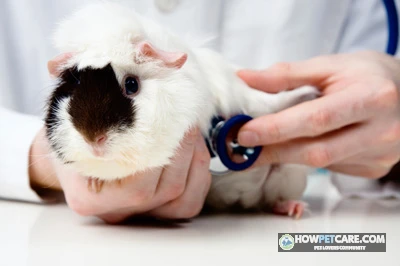

The most common guinea pig health problems are:
- Upper respiratory infections and pneumonia — sneezing, nasal discharge, labored breathing
- GI stasis and bloat — not eating, few or no droppings, swollen abdomen
- Dental disease (malocclusion) — drooling, dropping food, weight loss
- Bladder stones and urinary infections — blood in urine, straining to pee
- Scurvy (vitamin C deficiency) — stiff gait, swollen joints, dull coat
- Skin conditions — mites, ringworm, and pododermatitis (bumblefoot)
Any guinea pig that stops eating for 12 hours or more needs an emergency exotic vet visit.
If your guinea pig seems quiet, is sneezing, or has left its morning vegetables untouched, don’t wait to see what happens. Guinea pigs are prey animals that instinctively hide symptoms until illness is advanced. A few key signs can help you decide whether your pet needs an emergency exotic vet visit now or can wait for an appointment tomorrow morning.
This guide can help you assess urgency and prepare supportive care. It is not a substitute for a professional veterinary diagnosis. If your guinea pig shows life-threatening signs, contact an exotic animal veterinarian or veterinary emergency hospital immediately.
Is Your Guinea Pig Sick? Emergency or Can-Wait Triage in 60 Seconds
Before reading about specific diseases or home care, check your guinea pig against these three urgency tiers. Start with your pet’s current condition:
Emergency: go now
Take your guinea pig to an exotic veterinarian or 24-hour emergency hospital immediately if you see any of these signs:
- Complete anorexia: Refusing all food and water for 12 hours or more.
- Respiratory crisis: Labored breathing, open-mouth breathing, loud wheezing, or audible clicking in the chest.
- Bloated, tense abdomen: A stomach that feels hard, tight like a drum, or visibly distended.
- No fecal output: A complete absence of droppings over a 12-hour window.
- Severe neurological distress: Active seizures, rolling, head tilt with inability to stand, or extreme lethargy where the body feels limp and cold to the touch.
- Urinary obstruction: Active, painful straining to urinate with no urine produced, or obvious, profuse blood pooling beneath the rear.
- Heatstroke signs: Heavy panting, drooling, limpness, or hot ears after exposure to high temperatures.
Same-day or next-day vet visit
Book the earliest available appointment within 12 to 24 hours if your guinea pig shows:
- Sneezing with cloudy, thick nasal discharge or crusty, watery eyes.
- A reduced appetite: the pig eats some hay or greens but leaves pellets and treats behind.
- Drooling, a persistently damp chin ("slobbers"), or dropping food while chewing.
- Soft, unformed stools or true watery diarrhea.
- Steady, noticeable weight loss over several days.
- A mild head tilt or unusual balance problems while remaining alert.
Can wait for a scheduled appointment
A standard appointment within a few days is acceptable if you observe:
- Mild, occasional scratching without skin breaks, bleeding, or open sores.
- Light dandruff or minor flaky skin patches.
- Slightly overgrown toenails that need trimming.
- A single, isolated sneeze with clear airways, bright eyes, and normal feeding behavior.
Urgency Rule: If a routine-tier symptom escalates—for example, scratching causes bloody wounds, or an isolated sneeze becomes persistent sneezing with nasal moisture—move your pet to the same-day tier immediately.
Why a guinea pig that stops eating cannot wait
A guinea pig that stops eating is experiencing a medical emergency. Guinea pigs are strict herbivores and hindgut fermenters, meaning they digest fibrous food with the help of microbes in the later part of the gut. They need a continuous stream of fiber through the cecum and colon to support those microbes and stimulate the muscle contractions that move food along. When eating stops, the digestive tract rapidly slows or halts. This is called gastrointestinal stasis (GI stasis or ileus).
Within 12 to 24 hours of total fasting, gut microbe imbalances worsen, gas builds up, and the liver begins processing stored fats abnormally, risking hepatic lipidosis (fatty liver disease). A stalled gut can become irreversible and fatal within 24 to 48 hours. A guinea pig that has stopped eating needs prompt help.
What to do in the next 10 minutes:
- Weigh your guinea pig on a digital kitchen scale in grams and record the number.
- Check the cage floor and count recent droppings; note whether they’re dry, misshapen, or absent.
- Place the pig in a warm, quiet, draft-free room.
- Call your exotic vet clinic or nearest emergency facility to let them know you’re on your way, then continue reviewing the symptoms below.
Symptom-to-Condition Table: Match What You’re Seeing to the Likely Cause
Many common guinea pig health issues share symptoms. Use this table to identify possibilities to discuss with your veterinarian. It doesn’t replace an in-person physical exam.
| What you’re seeing | Most likely condition(s) | Other possibilities | Urgency tier | What to do now |
|---|---|---|---|---|
| Sneezing, wheezing, runny nose or crusty eyes | Upper respiratory infection (URI) | Dust or hay irritation, pneumonia | Same-day (Emergency if open-mouth breathing) | Keep warm; run bedding check only if appetite is 100% normal |
| Not eating, small or absent droppings | Gastrointestinal stasis | Dental disease, body-wide pain, bloat | Emergency | Offer favorite greens, weigh pig, call an exotic vet immediately |
| Bloated, hard, drum-tight abdomen | Bloat (gastric tympany) | Severe GI stasis, abdominal mass | Emergency | Transport immediately; do not syringe-feed a bloated pig |
| Drooling, wet chin fur, dropping food | Dental disease / malocclusion (misaligned teeth) | Mouth ulcer, cheek abscess, foreign body | Same-day | Weigh daily; prep recovery formula if intake drops |
| Intense scratching, scabs, hair loss | Mites (Trixacarus caviae) | Fungal infection, lice | Same-day (Emergency if causing seizures) | Do not apply dog/cat treatments; handle gently to avoid spasms |
| Circular bald patches, flaky skin around face | Ringworm (dermatophytosis) | Mites, barbering (chewing fur) | Same-day | Wear gloves; ringworm spreads readily to humans and other pets |
| Sore, red, swollen, or bleeding foot soles | Pododermatitis (bumblefoot) | Foot fracture, sprain, nailbed infection | Same-day (Routine if very mild redness) | Move immediately to clean, soft fleece bedding; remove wire grates |
| Blood in urine, squeaking/straining while peeing | Bladder stones (urolithiasis) or UTI (urinary tract infection) | Cystitis (bladder inflammation), reproductive discharge | Emergency if straining with no urine output; otherwise Same-day | Note calcium intake; collect fresh urine sample on clean plastic if possible |
| Gradual, steady weight loss over days/weeks | Malocclusion (misaligned teeth), chronic renal disease (kidney disease) | Scurvy, intestinal parasites | Same-day | Log daily weight morning and night; schedule diagnostic bloodwork/X-rays |
| Hunched posture, dull coat, hiding constantly | General pain / advanced illness affecting the body | Any severe internal condition | Same-day (Emergency if combined with anorexia) | Place heat pack wrapped in towels nearby; isolate from noisy surroundings |
| Panting, drooling, limpness in warm room | Heatstroke (hyperthermia) | Acute heart failure, severe sepsis (a dangerous response to infection) | Emergency | Begin gentle evaporative cooling; transport to clinic with car AC running |
| Sudden head tilt, rolling, loss of balance | Inner ear infection (otitis interna) | E. cuniculi, stroke, nervous system trauma | Same-day | Keep in a single-level carrier padded with towels to prevent trauma |
 You might be wonderingDove health problemsDove Health Problems: Symptoms, Causes and What to Do NextRead the answer
Early Signs of Illness in Guinea Pigs (and Why They Hide Them)
Why guinea pigs hide symptoms
In the wild, guinea pigs are small ground-dwelling rodents hunted by birds of prey, reptiles, and mammalian carnivores. An animal showing weakness, a changed gait, or sluggishness becomes a target. Guinea pigs consequently evolved strong masking behaviors. They suppress sounds of distress and may rally when an owner approaches the cage, standing up, sniffing, and pretending to chew even while suffering from a severe bacterial infection or acute dental pain. By the time a casual observer notices a guinea pig looks sick, the illness has often been progressing for several days.
Normal behavior versus warning signs
Daily observation helps you distinguish subtle signs of distress from normal behavior:
- Resting vs. Lethargy: A healthy guinea pig may rest flat with its back legs stretched out ("pancake position") when relaxed, but springs up quickly at the sound of food bags or familiar voices. A lethargic guinea pig sits rigidly hunched in a ball, with half-closed or dull eyes and puffed-out fur, and doesn’t respond to fresh produce.
- Vocalizations vs. Pain Screams: Normal sounds include rapid "wheeking" for food, quiet, curious chuckling during exploration, and brief social chattering. Pain sounds are different: high-pitched shrieks during urination or defecation, persistent whimpering, or quiet, rhythmic teeth grinding.
- Social Chattering vs. Pain Grinding: Normal teeth chattering comes in rapid, loud, aggressive bursts directed at cage-mates or intruders to establish boundaries. Pain grinding (bruxism) is slower, softer, and repetitive, and occurs while the pig sits hunched alone.
Dust sneezing vs. respiratory infection
Sneezing is a common reason for a visit to an exotic clinic. Frequency, discharge, and overall health can help distinguish environmental dust from an active bacterial upper respiratory infection (URI).
| Symptom | Usually harmless if… | Likely a problem if… | Action |
|---|---|---|---|
| Sneezing | It occurs once or twice after burrowing into fresh hay, clears immediately, and leaves no residue | It happens multiple times per hour, sounds wet, or is paired with eye crusts, wheezing, or weight drop | If clear, switch bedding for 24–48 hours; if wet or frequent, see an exotic vet immediately |
| Soft, misshapen droppings | They are cecotropes: soft, clustered pellets eaten directly from the anus during normal digestion | Droppings are truly watery, unformed, smeared across cage accessories, and soil the rear coat | True diarrhea requires same-day vet care and hydration support |
| Teeth chattering | Short, loud bursts during social interactions with cage-mates or during initial handling | Continuous slow grinding paired with a hunched stance, dull eyes, and refusal of food | Treat pain grinding as an urgent indicator of internal distress |
| Wet chin or damp fur | The fur is briefly wet immediately after drinking from an inverted water bottle | Fur is persistently soggy, smells sour, or the pig drops food and chews with a tilted head | Schedule an oral exam under sedation to check for malocclusion |
| Decreased movement | The pig takes a deep afternoon nap but wakes alertly for evening vegetables | The pig ignores favored greens, stays tucked in a corner for hours, and sits fluffed up | Weigh immediately and prepare for veterinary triage |
If your guinea pig sneezes occasionally but has 100% normal appetite, completely clear eyes and nose, and steady weight, environmental dust may be irritating its nasal passages. Replace all wood shavings or dusty paper bedding with clean, unscented fleece liners or flat towels for 24 to 48 hours. Shake out all hay outdoors before offering it. If the sneezing disappears, bedding dust was the culprit. If sneezing persists, or if you spot any nasal fluid, stop the test and take your pet to an exotic vet.
Cecotropes vs. diarrhea
New owners often mistake normal cecotropes for diarrhea. Guinea pigs produce two types of fecal waste: hard, dry, dark brown oval pellets and soft, mucus-covered clusters of nutrients called cecotropes. Cecotropes are rich in nitrogen, B vitamins, and healthy gut microbes. Guinea pigs eat them directly from the anus, a process called coprophagy or cecotrophy, to extract essential nutrition. Finding an occasional squished cecotrope on a fleece liner is normal, especially if the diet is slightly rich.
True diarrhea, by contrast, is a same-day emergency. It appears as liquid, unformed, watery stool that soils the area around the anus, legs, and lower belly. Diarrhea can cause catastrophic dehydration, electrolyte collapse, and toxic shock within 24 hours in small hindgut herbivores.
The Most Common Guinea Pig Illnesses and Symptoms, Condition by Condition
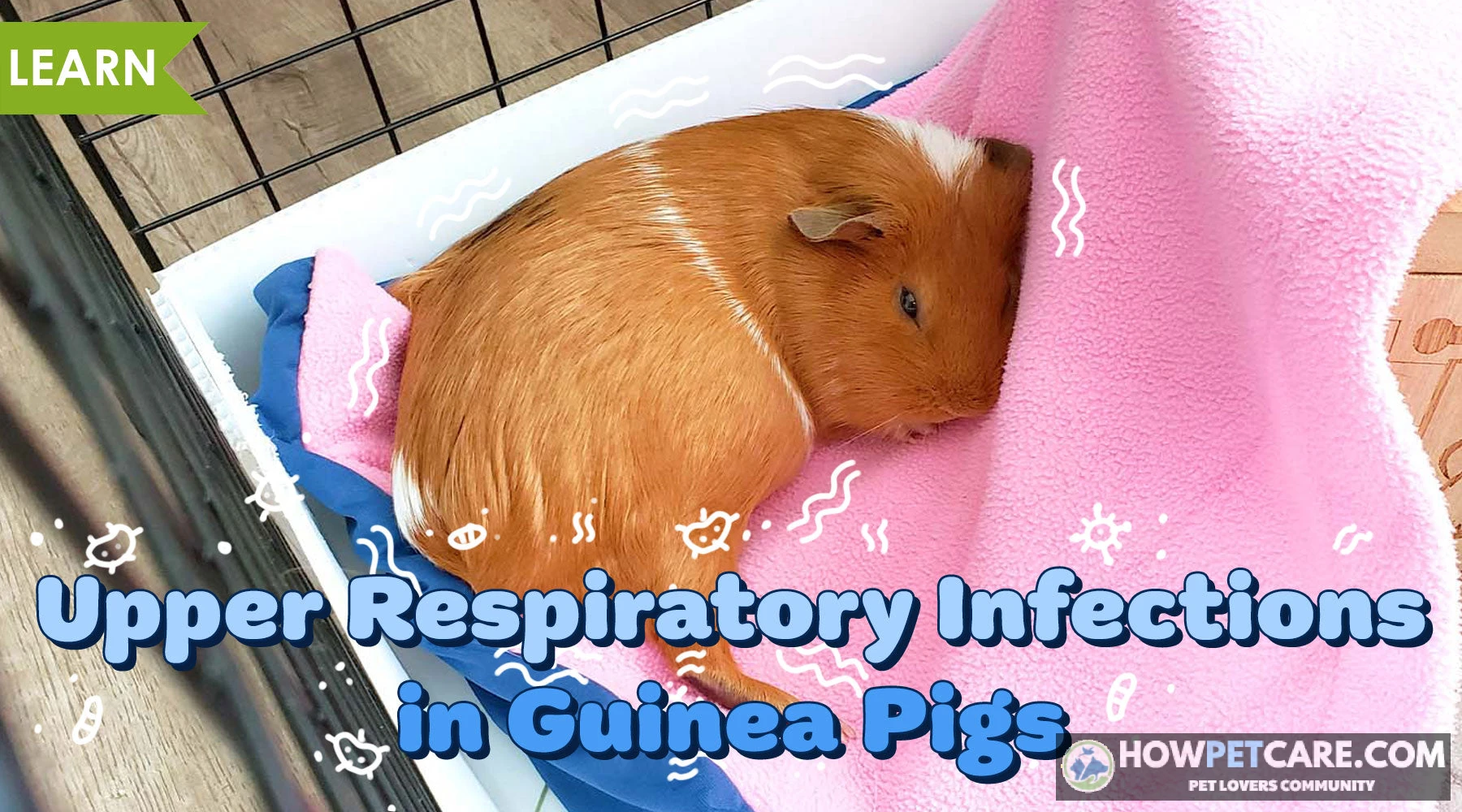
Upper respiratory infection and pneumonia
- What it is: Bacterial infections of the nasal cavity, windpipe, or lungs, commonly caused by pathogens such as Bordetella bronchiseptica and Streptococcus pneumoniae. Guinea pigs are obligate nasal breathers, meaning they can breathe only through their noses under normal circumstances, so any airway obstruction is life-threatening.
- Symptoms: Frequent wet sneezing, thick white or yellow nasal discharge, crusty eyes (conjunctivitis), audible wheezing, raspy chest sounds, lethargy, and open-mouth breathing in advanced cases.
- Causes: Exposure to carrier animals (dogs and rabbits frequently carry Bordetella without symptoms and can transmit it to guinea pigs), high-ammonia environments from soiled bedding, dusty bedding, drafts, and weakened immunity from vitamin C deficiency.
- What the vet does: Listens to the lungs with a pediatric stethoscope, takes chest X-rays to assess changes in lung tissue, and prescribes antibiotics safe for exotic pets (such as trimethoprim-sulfamethoxazole or enrofloxacin), along with anti-inflammatories and nebulization therapy, which delivers medicine as a mist.
- Can guinea pigs recover? Yes. The prognosis is good if treatment begins during the initial upper-respiratory stage. Once an infection moves deep into the lungs and causes bacterial pneumonia, however, mortality rates climb sharply.
- Urgency tier: Same-day visit for mild sneezing with discharge; immediate emergency if breathing is labored or open-mouthed.
Gastrointestinal stasis and bloat
- What it is: Gastrointestinal stasis (ileus) occurs when muscle contractions in the stomach and intestines slow down or stop. Bloat (acute gastric tympany) involves rapid, painful gas buildup that balloons the stomach or cecum, pressing against the diaphragm and vena cava, a major blood vessel.
- Symptoms: A dramatic reduction or complete absence of droppings; droppings that are tiny, dry, tear-drop shaped, or strung together with hair; refusal of food; a hollow "drum-like" sound when the sides of the abdomen are gently tapped; and a hunched posture.
- Causes: Insufficient dietary fiber (lack of long-stem grass hay), underlying pain from dental spurs or bladder stones, chronic dehydration, stress, or eating inappropriate carbohydrate-rich treats.
- What the vet does: Takes abdominal X-rays to distinguish gas buildup from a physical blockage, gives fluids under the skin or intravenously, provides gut motility stimulants (prokinetics such as cisapride or metoclopramide, provided no physical blockage exists), and gives strong pain relief (meloxicam or buprenorphine).
- Urgency tier: Stasis without gas is an urgent same-day case; acute bloat is a life-threatening emergency requiring immediate intervention.
Dental disease and malocclusion
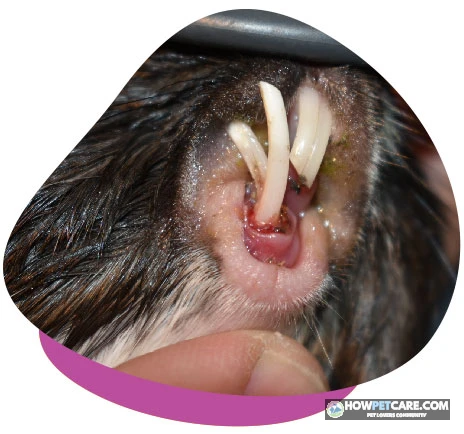
- What it is: Malocclusion means teeth don’t meet and wear down correctly. Guinea pigs have open-rooted, continuously growing (elodont) teeth—including incisors, premolars, and molars—that grow throughout their lives. If chewing is abnormal, the lower molars grow inward over the tongue, while the upper molars grow outward into the cheek lining, forming painful spurs.
- Symptoms: Wet fur on the chin, neck, or chest ("slobbers"); dropping bits of food while chewing; showing keen interest in food but turning away after taking one bite; slow eating; selective feeding (refusing hay, accepting soft greens); and progressive weight loss.
- Causes: Inadequate dietary grass hay (which provides the abrasive silica needed to grind crowns down), genetic jaw misalignment, metabolic bone disease from insufficient dietary calcium or vitamin D, and trauma to front incisors.
- What the vet does: Examines the mouth using an otoscope or specialized cheek-opening instruments, takes skull X-rays to evaluate tooth roots beneath the gumline, and burrs or files teeth under general anesthesia to restore their chewing surfaces.
- Urgency tier: Same-day appointment if the pig is still eating some food; emergency if it has stopped eating entirely.
Urinary tract infection and bladder stones
- What it is: Infections of the bladder (cystitis) or the formation of hard mineral deposits (calculi) in the kidneys, ureters, bladder, or urethra. The vast majority of guinea pig bladder stones are made of calcium carbonate or calcium oxalate.
- Symptoms: Squeaking or high-pitched crying while urinating or defecating; visible blood in the urine (hematuria), turning bedding pink, rust-colored, or red; a wet rear end; and frequent attempts to urinate that yield only tiny droplets.
- Causes: Diets excessively high in calcium or oxalates (such as continuous alfalfa hay, heavy spinach feeding), chronic low-level dehydration, genetic predisposition, anatomical differences, and bacterial infections that travel up the urinary tract.
- What the vet does: Obtains a sterile urine sample for testing and culture, takes abdominal X-rays (calcium stones show up brightly), prescribes targeted antibiotics and anti-inflammatories, or schedules surgery (cystotomy) to remove stones lodged in the bladder.
- Urgency tier: Same-day visit if urinating with blood or discomfort; immediate emergency if an animal (especially a male) is straining with zero urine passing, indicating a fatal urethral blockage.
Scurvy (vitamin C deficiency)
- What it is: Guinea pigs, like humans, lack the enzyme L-gulonolactone oxidase and cannot make vitamin C (ascorbic acid) from glucose. Scurvy is a body-wide breakdown in the production of collagen, a structural protein, caused by inadequate dietary vitamin C.
- Symptoms: A stiff, hopping hind leg gait; painful, swollen joints; reluctance to move; an unkempt, dull coat; petechiae (pinpoint hemorrhages) on the gums; loose teeth; delayed wound healing; and vulnerability to secondary respiratory infections.
- Causes: Feeding old, expired guinea pig pellets (vitamin C degrades rapidly within 90 days of milling); offering commercial rabbit or rodent mixes lacking ascorbic acid; and feeding low-nutrient lettuce instead of high-vitamin C vegetables.
- What the vet does: Performs a thorough assessment of movement and diet, gives high-dose injectable or oral ascorbic acid, provides pain relief for joint discomfort, and stabilizes the diet.
- Urgency tier: Same-day veterinary consultation.
Mites and ringworm
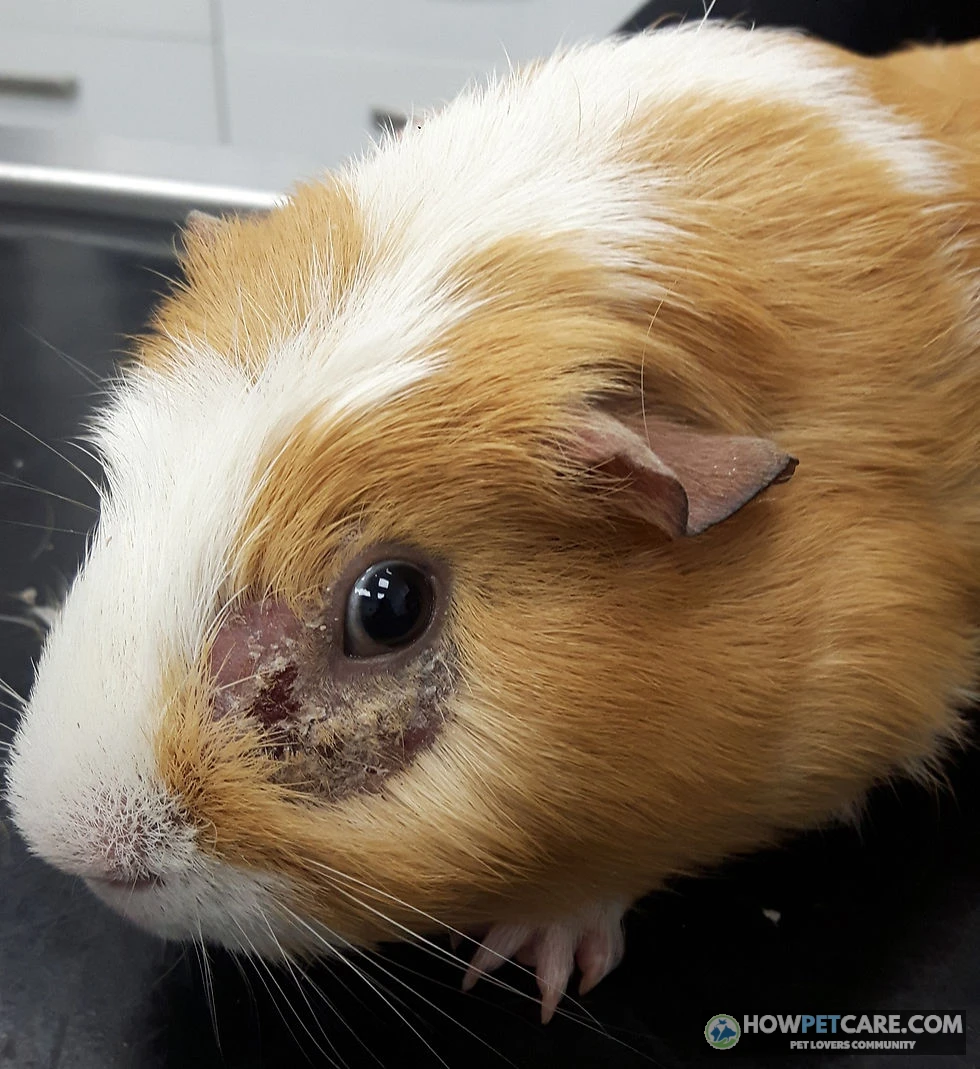
- What it is: Mites are microscopic parasitic arachnids; Trixacarus caviae (the guinea pig sarcoptic mange mite) burrows beneath the skin, causing severe pain. Ringworm isn’t a worm, but a contagious fungal infection of the skin and hair shafts, typically caused by Trichophyton mentagrophytes.
- Symptoms:
- Mites: Intense, frantic scratching; hair thinning and loss across the back and flanks; crusty open sores from scratching and biting; extreme sensitivity to touch; and violent thrashing or seizure-like episodes triggered by stroking the back.
- Ringworm: Distinct, patchy, circular areas of hair loss with crusty, flaky, chalky white or grey skin, typically starting on the nose, face, and ears and spreading to the paws and back.

Circular bald patches and frantic scratching deserve a same-day call. (Source: theguineapigvet) - Causes: Mites are often transmitted through direct contact or carried without visible symptoms and activated by stress, poor diet, or concurrent illness. Ringworm thrives in humid, warm, poorly ventilated enclosures with damp bedding.
- What the vet does: Diagnoses mites through skin scrapings (or a presumptive diagnosis based on characteristic sores) and treats them with veterinary-prescribed antiparasitics, such as topical or injectable ivermectin or selamectin. Ringworm is diagnosed through a fungal culture or PCR test and treated with antifungal medicine (itraconazole) and topical medicated washes.
- Urgency tier: Same-day visit if skin is raw, bleeding, or triggering seizures; routine appointment if mild flakes appear without acute self-injury.
Pododermatitis (bumblefoot)
- What it is: A progressive bacterial infection involving inflammation and sores on the soles of the feet, commonly involving Staphylococcus aureus.
- Symptoms: Redness, swelling, calluses, deep fluid-filled abscesses, open sores, or black crusty scabs on the paw pads; reluctance to walk; and uncomfortable weight shifting.
- Causes: Abrasive wire-mesh cage floors, prolonged contact with wet, urine-soaked bedding, obesity causing excessive pressure on the feet, overgrown nails causing abnormal foot posture, and vitamin C deficiency.
- What the vet does: Examines the foot pads, takes X-rays to check whether infection has reached the underlying bones (osteomyelitis), cleans and removes damaged tissue from sores, applies sterile protective wraps, and prescribes antibiotics and pain relief.
- Urgency tier: Same-day visit if open sores, bleeding, or swelling are present; routine if mild, early redness appears without skin breaks.
Heatstroke
- What it is: Life-threatening overheating (hyperthermia). Guinea pigs don’t have functional sweat glands and can’t pant efficiently to cool their bodies. Temperatures above 75°F (24°C)—especially with high humidity or poor air circulation—can quickly induce heatstroke.
- Symptoms: Rapid, shallow breathing; profuse drooling; bright red or pale gums; ears that feel scorching to the touch; extreme lethargy; weakness; lying flat on the side; and comatose collapse.
- Causes: Enclosures in direct sunlight, warm rooms without climate control during summer, placement near heating radiators, or transport in cars without air conditioning.
- What the vet does: Gives cool IV fluids, oxygen support, and anti-shock medications, and monitors for secondary organ failure and brain swelling.
- Urgency tier: Critical emergency.
What You Can Do at Home While You Arrange Vet Care (Including Syringe-Feeding)
Supportive care at home can bridge the time between recognizing illness and arriving at the clinic. It helps stabilize your pet’s body temperature and keep the digestive tract engaged, but it should never delay professional care.
Setting up a recovery space
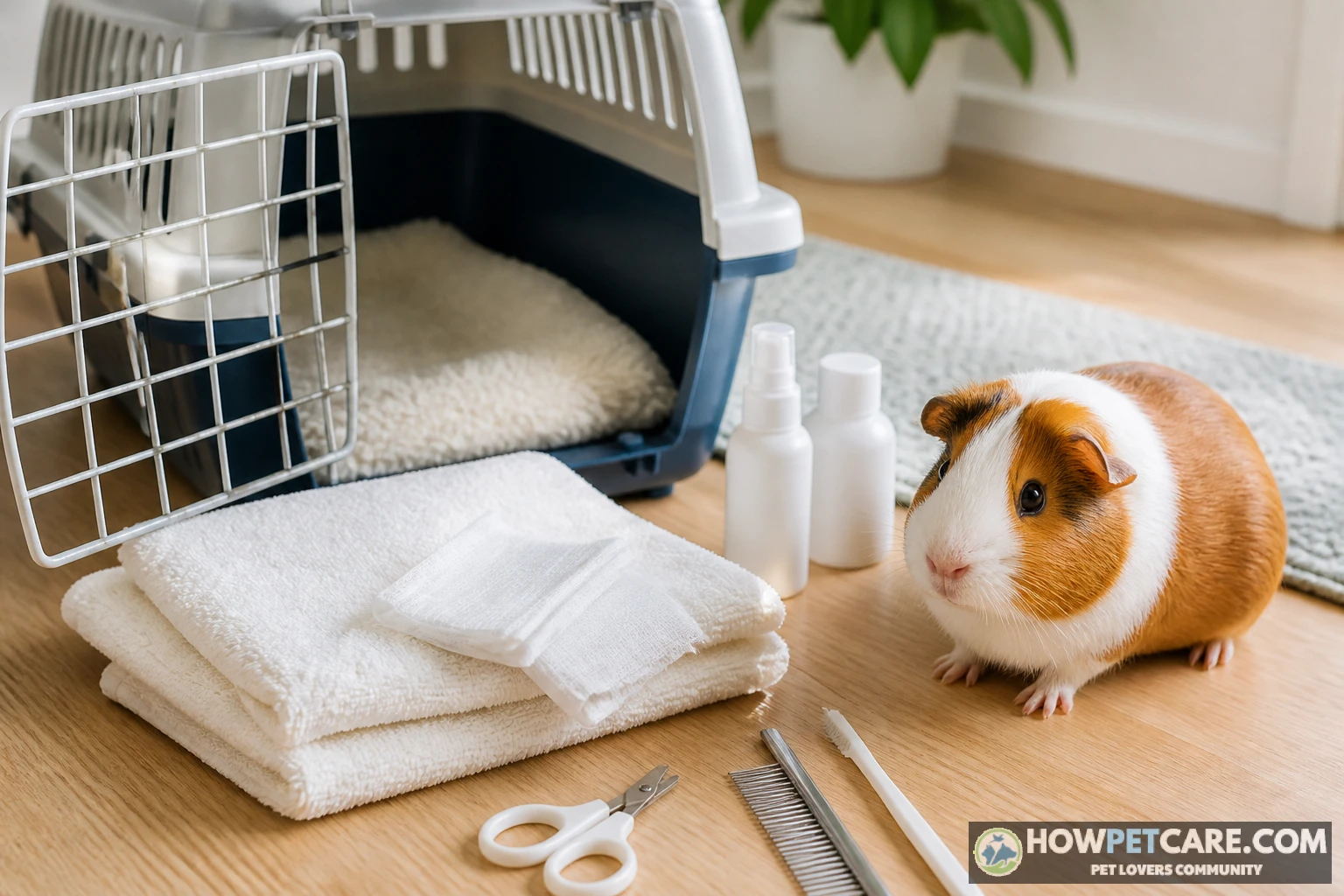
Prepare a quiet recovery space:
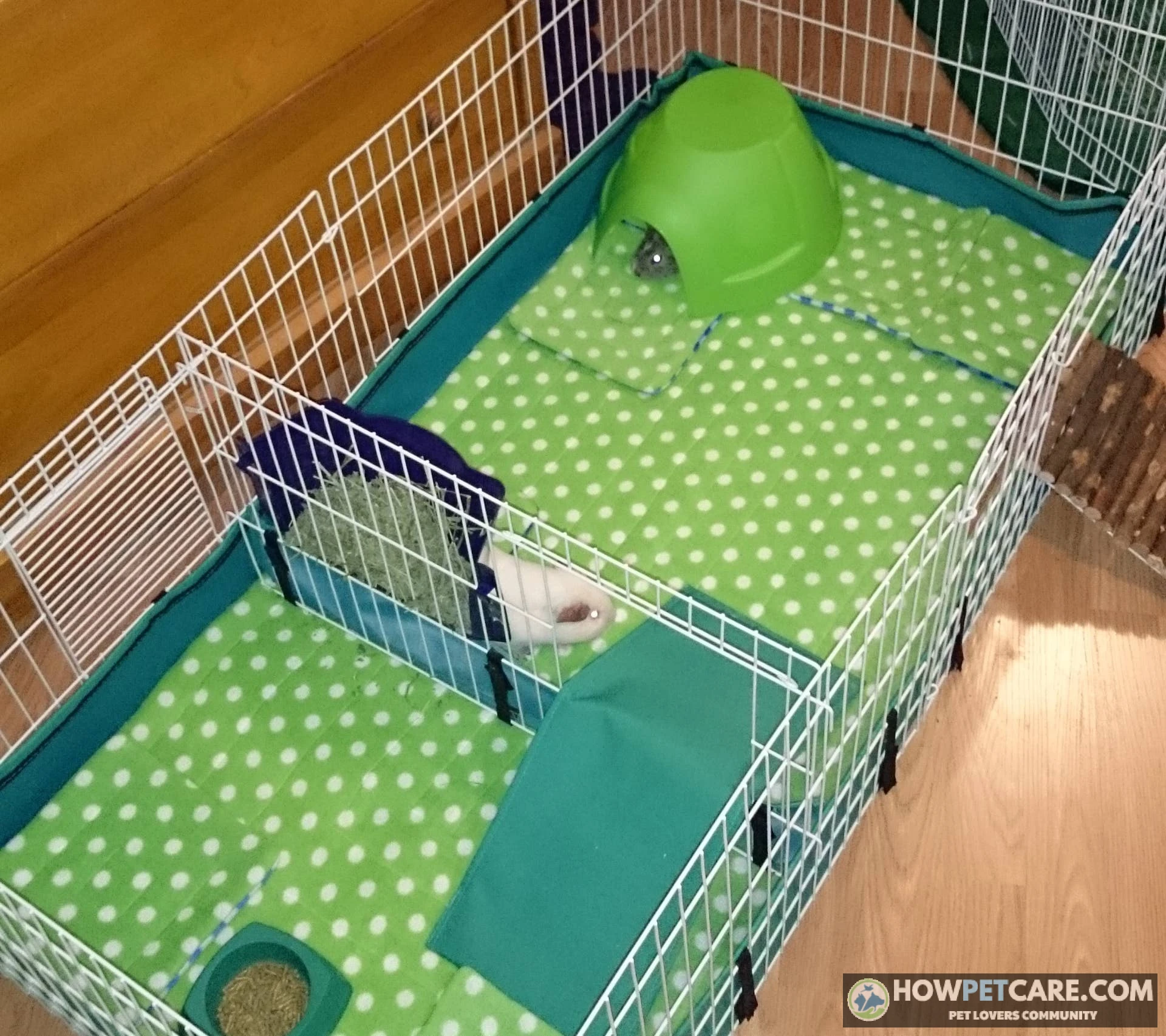
- Separate the sick guinea pig into a smaller recovery cage or broad plastic tub with low sides if cage-mates are harassing it or competing for food. If your guinea pig has a calm, bonded partner, however, keep the companion nearby or in the same enclosure (separated by a low wire divider) so emotional stress doesn’t compound the illness.
- Line the base with clean, soft fleece or layered white bath towels. Avoid wood shavings or loose paper that can cling to moist noses, eyes, or open sores.
- Maintain an ambient room temperature between 68°F and 72°F (20°C to 22°C). If the pig feels cold, place a warm-water bottle wrapped in a hand towel next to its sleeping area. Make sure it has enough room to crawl away if it gets too warm.
- Lower the lighting and reduce household noise, including televisions and barking dogs.
How to syringe-feed a guinea pig step by step
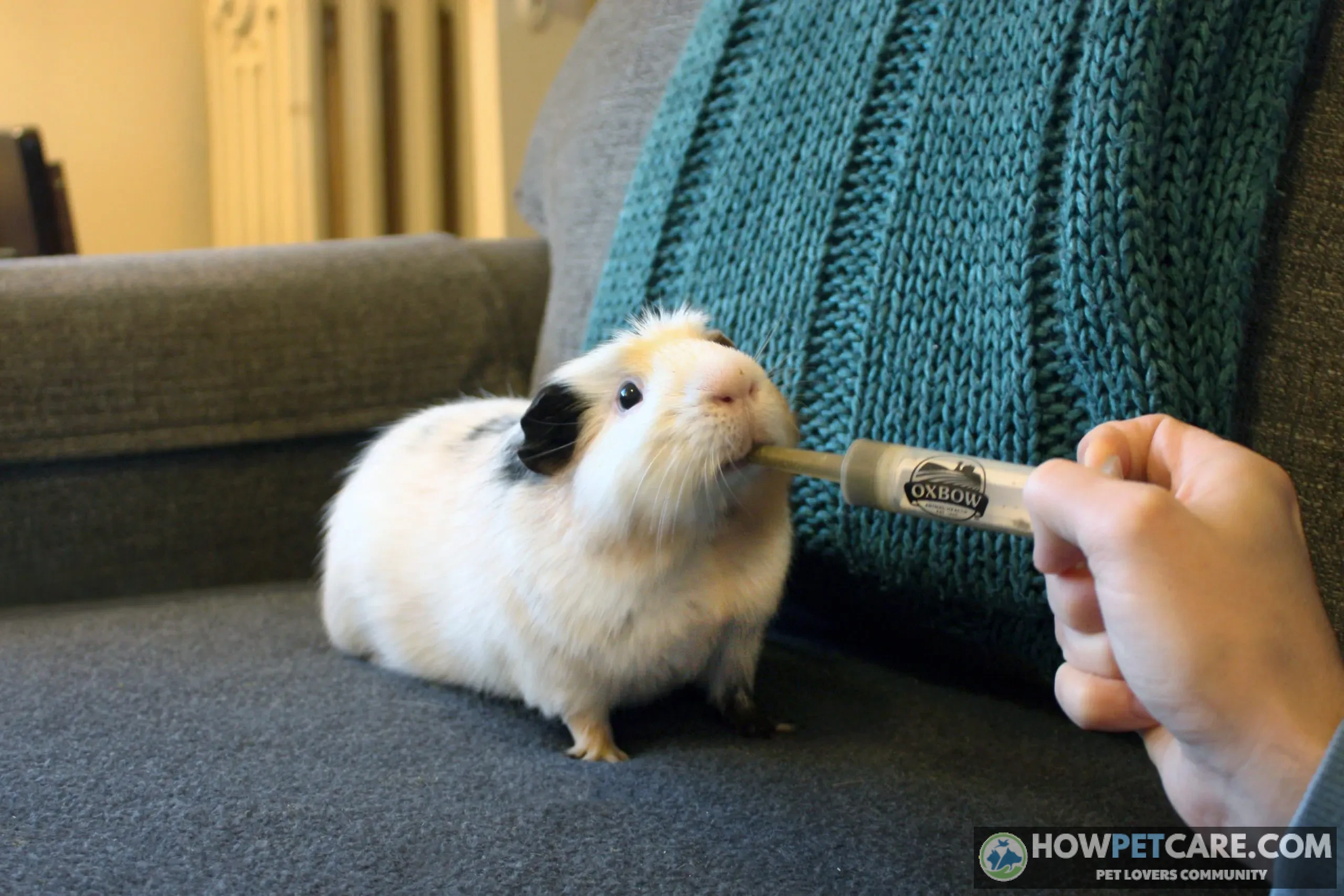
Syringe-feeding (assisted feeding) is essential when a guinea pig stops eating or eats too little to keep food moving normally through the intestines.
Never attempt to syringe-feed a guinea pig that is unconscious, completely limp, having seizures, gasping for breath, or has a bloated, hard, distended abdomen. Forcing slurry into an animal with an obstructed gut or an inability to swallow can cause fatal aspiration into the lungs or stomach rupture.
Follow this veterinary-approved procedure for syringe-feeding:
-
Prepare the recovery slurry
Use a commercially prepared herbivore recovery formula, such as Oxbow Critical Care or EmerAid Intensive Care Herbivore. In a small clean dish, mix 1 part powdered formula with 2 parts warm (never hot) water until it has the consistency of smooth, pourable pancake batter. If you have no commercial recovery food on hand, crush plain timothy pellets into a fine powder and dissolve them in warm water or unsweetened chamomile tea as an emergency bridge.
-
Select the proper syringe
Standard oral syringes with narrow nozzles will clog immediately. Use a specialized 15 mL feeding syringe with an enlarged bore tip, or take a standard 1 mL or 3 mL syringe and carefully slice off the tapered narrow tip with a utility knife, smoothing any rough plastic edges.
-
Secure your guinea pig
Place the guinea pig on a flat table or in your lap on a clean towel, with all four feet firmly on the ground. Wrap the towel gently around its body (a "pig burrito") to restrain the front paws while leaving the head free. Keep the head in a natural, neutral, horizontal position—never tilt it back or feed a guinea pig on its back.
-
Locate the diastema
Slide the syringe tip gently into the side of the mouth, immediately behind the front incisors. There is a natural, toothless gap (the diastema) between the front incisors and back molars. Direct the syringe across the tongue toward the opposite cheek, not down the center of the throat.
-
Depress the plunger slowly
Express a tiny amount—roughly 0.3 to 0.5 mL of slurry. Withdraw the syringe tip slightly and watch for chewing. Wait for the animal to swallow completely before introducing more. A normal session of 10 mL should take 15 to 20 minutes; rushing can cause aspiration into the lungs.
-
Clean the coat
Wipe the chin, cheeks, and chest with a soft cloth dipped in warm water, then dry thoroughly. Slurry left on the skin will harden and can cause hair loss and skin inflammation.
How much and how often, by weight
According to manufacturer guidelines and exotic veterinary protocols, an adult guinea pig requires approximately 40 to 50 mL of prepared recovery slurry per kilogram of body weight every 24 hours to meet nutritional needs and keep the intestines moving. Divide this total across multiple sessions:
- Weight 800 g – 1,000 g: Feed 8 to 12 mL per session, 4 to 5 times daily.
- Weight 1,000 g – 1,200 g: Feed 12 to 15 mL per session, 4 to 5 times daily.
- Hydration balance: Offer 2 to 5 mL of fresh, plain water via syringe between feeding sessions to keep gut contents moist.
Aspiration Warning: If your guinea pig starts coughing, makes a gurgling or clicking sound in the chest, or has slurry coming from its nostrils, stop feeding immediately. Its airway is compromised.
What not to do at home
- Never administer human medications: Common over-the-counter drugs such as ibuprofen, acetaminophen (Tylenol), and aspirin cause kidney tissue death, stomach perforation, and liver toxicity in guinea pigs.
- Never use leftover dog, cat, or human antibiotics: Guinea pigs have a delicate balance of Gram-positive bacteria in their cecum. Common broad-spectrum antibiotics—especially the "PLACE" group (Penicillins, Lincosamides, Ampicillin, Cephalosporins, and Erythromycin)—destroy beneficial bacteria, leading to fatal Clostridium difficile overgrowth and toxic intestinal illness (enterotoxemia).
- Never submerge a heatstroke victim in freezing water: An ice bath causes rapid narrowing of blood vessels near the skin, trapping heat inside and inducing cardiac shock. Instead, mist the ears and paws with cool (lukewarm) tap water, place the pet in front of a gentle fan, and transport it with vehicle air conditioning running.
How Much Guinea Pig Vet Care Costs: Exams, Dental Filing and Bladder Stone Surgery
Veterinary care for exotic companion mammals requires specialized diagnostic equipment and advanced post-graduate clinical training. Knowing the likely costs can help you make choices under pressure. These figures reflect typical veterinary pricing across the United States, compiled from regional exotic fee schedules and animal welfare cost surveys.
| Service | Typical US range | What affects the price | Ways to reduce the cost |
|---|---|---|---|
| Exotic vet wellness / sick exam | $60–$120 | Practice overhead, general vet vs. board-certified ABVP exotic specialist | Schedule non-emergency wellness visits during normal business hours |
| Emergency / after-hours exam | $150–$325 | Time of night, weekend admission, intensive trauma triage staffing | Maintain a regular exotic vet to handle early daytime issues |
| Prescription medication (e.g., Baytril, Meloxicam) | $20–$65 per bottle | Formulation (compounding flavor vs. generic stock), pet body weight | Ask if an unflavored generic veterinary suspension is available |
| Fecal exam or skin scraping | $25–$65 | In-house microscopic analysis vs. outsourced reference lab processing | Pair with the initial physical exam to bundle lab charges |
| Diagnostic X-rays (full body / skull) | $120–$280 | Number of views from different angles required, use of light gas sedation | Ask the veterinarian which single view provides the most useful information |
| Incisor trimming / molar filing | $90–$220 (awake incisor trim); $280–$650 (molar burring under general anesthesia) | Complexity of spurs, duration of inhalant anesthesia, dental X-rays | Catch dental spurs early before deep tongue cuts occur |
| Topical / injectable mite treatment | $35–$90 (complete course) | Number of doses, single pig vs. treating entire herd enclosure | Treat all cage-mates simultaneously to prevent recurring reinfection cycles |
| Bladder stone removal surgery (cystotomy) | $600–$1,800+ | Pre-op blood chemistry, isoflurane monitoring, surgical time, post-op hospitalization | Request quotes from non-profit clinics or university veterinary teaching hospitals |
Why exotic vet visits cost more
Many dog and cat clinics don’t treat small rodents. Exotic pet medicine requires specialized equipment: precision gram scales, low-dose medications in tiny volumes, dental burrs with cheek guards, pediatric heating pads, and narrow monitoring probes designed to read heart rates exceeding 250 beats per minute. General anesthesia carries greater risks for small herbivores because of their high metabolic rates and sensitive airways, requiring advanced veterinary oversight.
Ways to manage the cost
- Ask for prioritized treatment stages: If finances are tight, tell the veterinarian about your budget. Ask: "Which diagnostic test is most essential to prescribe safe treatment today, and which can we defer until follow-up?"
- Explore third-party financing: Most major US exotic practices accept financing options such as CareCredit or Scratchpay, which allow you to divide unexpected treatment bills into interest-free monthly installments.
- Seek university veterinary hospitals: Academic institutions training veterinary residents often provide comprehensive, advanced care at subsidized rates compared to private corporate specialty practices.
- Remember early treatment math: Managing an upper respiratory infection caught on day two costs between $80 and $160 for an exam and oral antibiotics. If it develops into severe pneumonia, oxygen hospitalization, chest X-rays, and IV therapy can easily total $600 to $1,200. Addressing symptoms early is always the most economical choice.
How to Prevent Guinea Pig Health Problems: Vitamin C, Hay, Bedding and Foods to Avoid
Prevention starts with understanding how guinea pigs live and digest food. Many common medical issues stem directly from diet, bedding choices, or the environment.
Vitamin C: how much, and why water drops are outdated
A healthy adult guinea pig requires 10 to 30 mg of active vitamin C per kilogram of body weight daily. This increases to 30 to 50 mg/kg daily for growing pups, pregnant or nursing sows, and animals recovering from illness or surgery.
Older care guides often recommended adding liquid vitamin C drops to a guinea pig’s daily drinking water. Modern veterinary medicine strongly discourages this practice for two reasons:
- Ascorbic acid is sensitive to light and chemically unstable. In contact with light, plastic water bottles, and dissolved oxygen, roughly 50% of the active vitamin C degrades within 8 to 24 hours, making accurate dosing impossible.
- The acid changes the taste of the water. Many guinea pigs won’t drink enough flavored water, leading to chronic dehydration that may not be obvious and an increased risk of urinary sludge and bladder stones.
Provide vitamin C directly through these reliable methods:
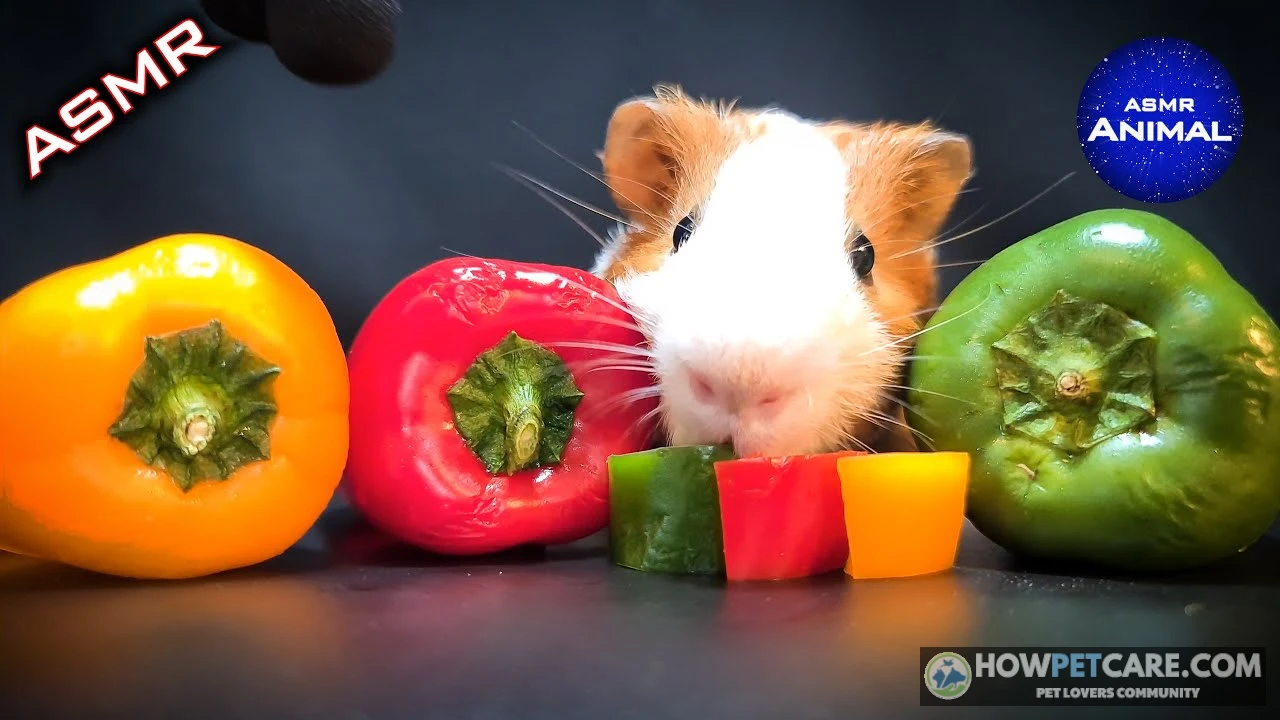
- Fresh, high-C vegetables: Feed one cup of varied, washed fresh vegetables per pig daily. Sources include raw sweet bell peppers (one-eighth of a medium pepper contains 20 to 30 mg of vitamin C; yellow and red peppers offer higher concentrations than green), fresh cilantro, and small amounts of parsley.
- Stabilized pellets: Provide a daily quarter-cup of high-grade, timothy-based pellets containing stabilized vitamin C (L-ascorbyl-2-monophosphate), which preserves potency longer than standard ascorbic acid. Store pellets in an airtight, opaque container and discard bags older than 90 days.
- Direct oral chewable tablets: Offer daily stabilized chewable tablets (such as Oxbow Natural Science Vitamin C) directly to the pig as a treat.
Hay and a fiber-first diet
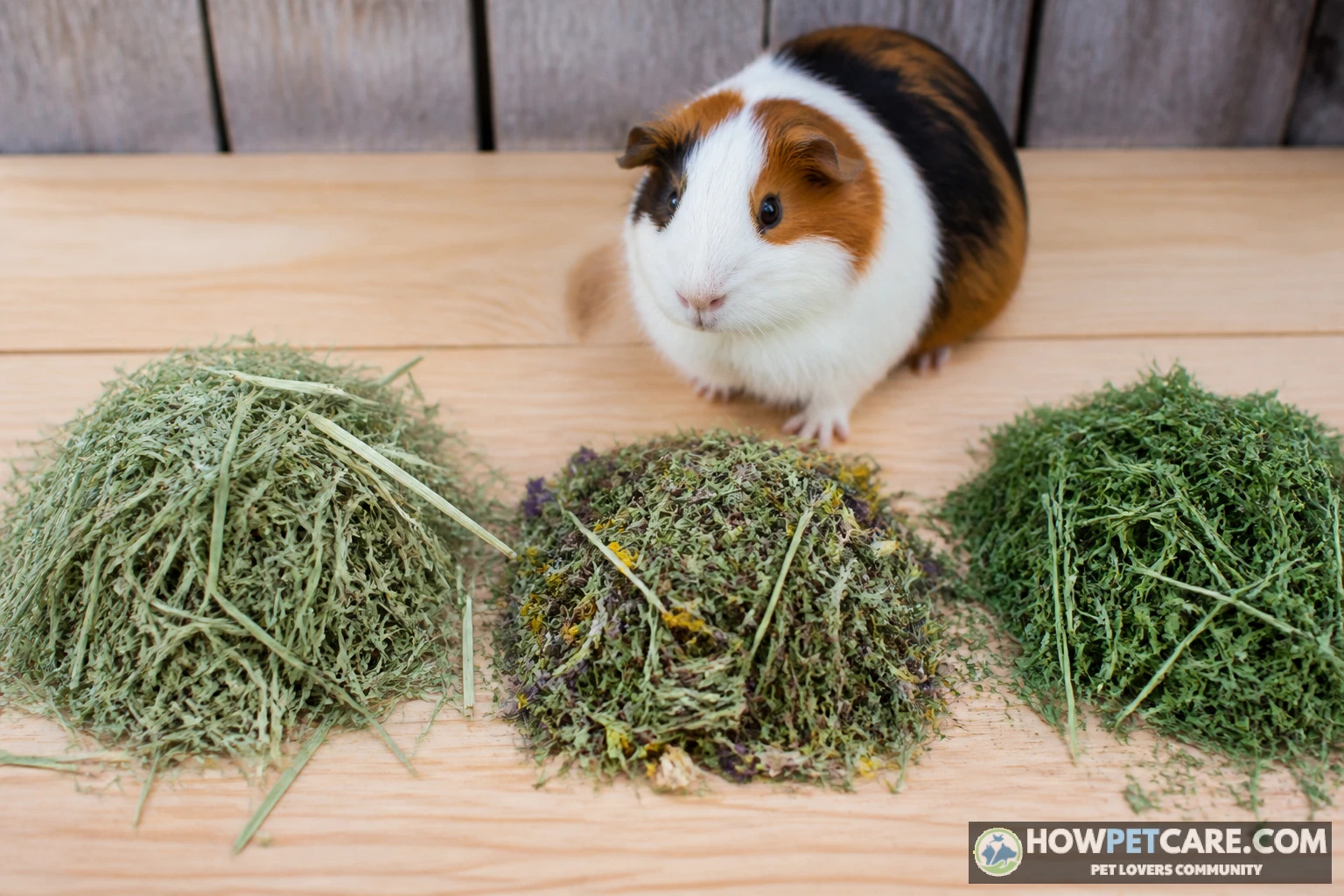
Long-stem grass hay should make up at least 80% of your guinea pig’s total diet by volume and be available in unlimited quantities 24 hours a day. Suitable types include second-cut timothy hay, orchard grass, meadow hay, or botanical grass hay.
Fiber provides two essential benefits:
- Continuous dental wear: Guinea pig cheek teeth grind together horizontally with a figure-eight chewing motion. The tough, silicate-rich fibers in grass hay wear down crowns evenly, preventing painful molar spurs and malocclusion.
- Cecal fermentation balance: Fiber keeps material moving through the hindgut, preventing intestinal stasis and supporting beneficial microbes in the cecum.
Reserve alfalfa hay exclusively for growing pups under six months of age, pregnant sows, or malnourished adults. Alfalfa is a legume rather than a grass; its high protein and excessive calcium content cause urinary sludge and bladder stones in healthy adult guinea pigs.
Safe bedding and housing
Bedding affects respiratory and foot health:
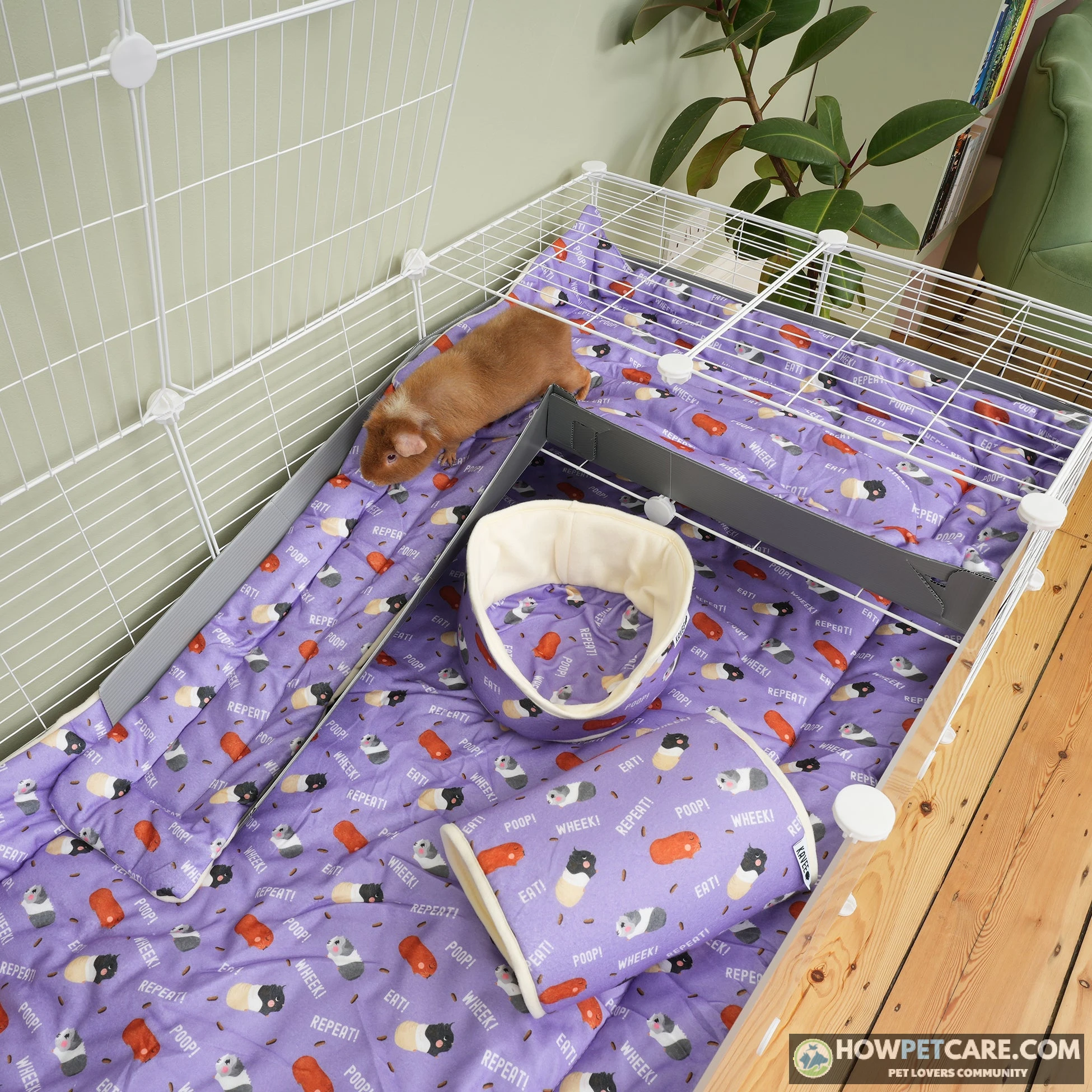
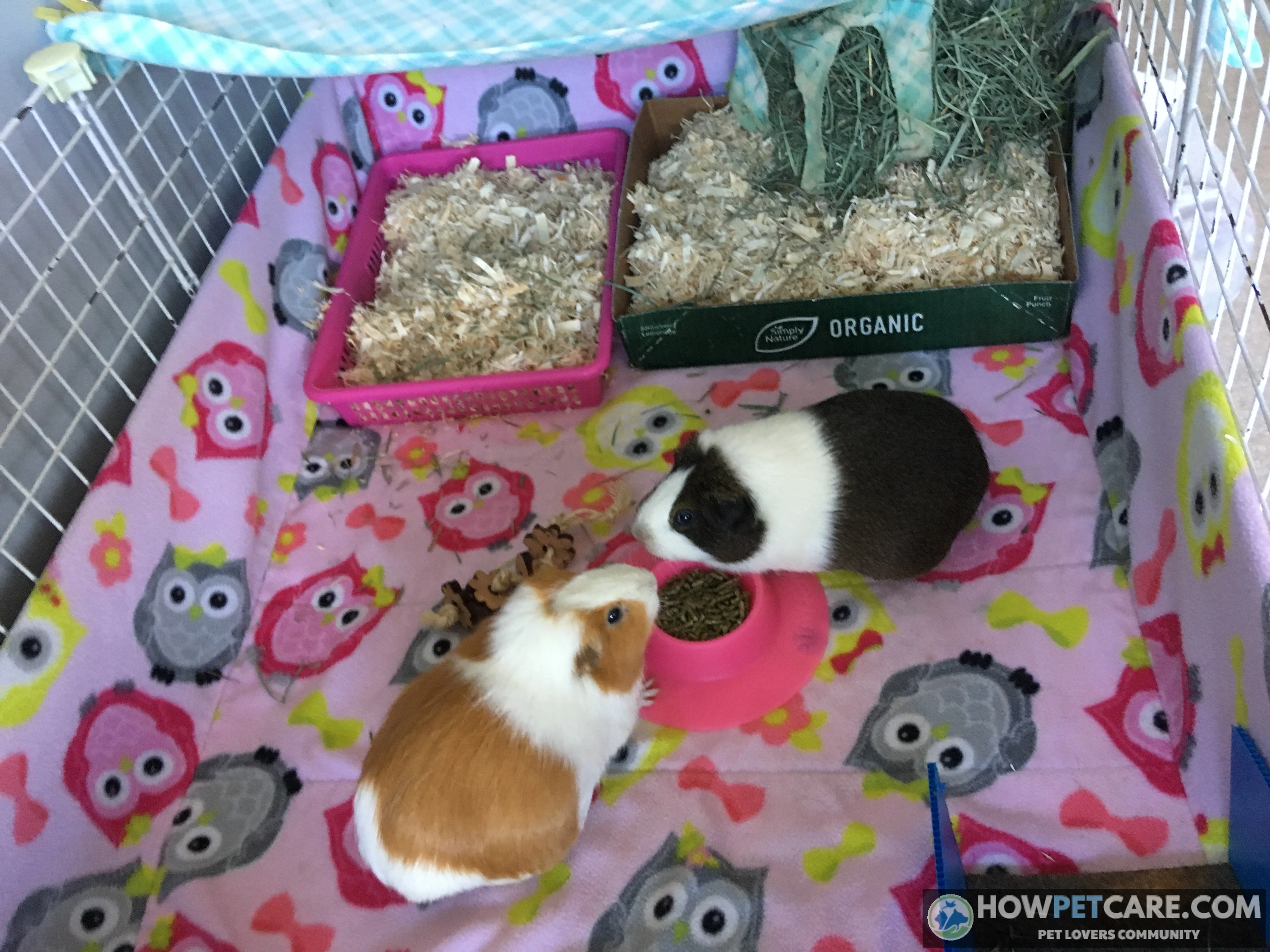
- Safe bedding: Low-dust paper bedding, absorbent paper pulp, or fleece liners paired with an underlying absorbent layer (such as washable mattress pads or chenille bath mats) provide safe flooring. Fleece liners keep surfaces dry by wicking urine down to the lower layer.
- Dangerous bedding: Avoid cedar and untreated pine wood shavings. These softwoods release aromatic chemicals (phenols) that irritate respiratory linings and cause chronic changes in liver enzymes. Fine, dusty shavings also worsen upper respiratory infections.
- Flooring construction: Never house a guinea pig on wire-mesh or slatted cage floors. Wire concentrates the animal’s weight on tiny areas of the foot pads, causing pressure sores and pododermatitis. Provide a flat, continuous surface.
Foods to avoid: toxic and high-oxalate
Guinea pigs have sensitive digestive systems. Certain human foods can cause acute toxicity or contribute to painful urinary stones:
TOXIC FOODS (Never Feed):
* Allium family: Onions, garlic, chives, shallots, leeks (cause hemolytic anemia)
* Nightshade components: Potato tubers, tomato leaves, tomato stems
* Toxic plants: Avocado (persin toxicity), raw kidney beans (phytohemagglutinin)
* Miscellaneous: Chocolate, caffeine, dairy products, processed grains, nuts, seeds

FOODS TO STRICTLY LIMIT (High Oxalates / Calcium):
* High-oxalate hazards: Spinach, Swiss chard, beet greens, rhubarb
* High-calcium hazards: Alfalfa hay (for adults), dandelion greens, kale, collard greens
Oxalates bind with dietary calcium within the urinary tract, forming insoluble calcium oxalate crystals that collect into bladder stones. Offer low-oxalate, low-calcium greens such as green leaf lettuce, red leaf lettuce, romaine (in moderate rotation), cilantro, and bell peppers.
Heat and environment
Keep your guinea pig enclosure within a safe temperature range of 65°F to 72°F (18°C to 22°C). Place cages away from direct sunlight, drafty exterior doors, air conditioning vents, and heat sources. Keep relative ambient humidity between 40% and 60% to suppress both fungal ringworm spores (which thrive in damp conditions) and respiratory irritation (worsened by dry air).
Your Daily Two-Minute Health Check and Next-Step Plan
Prey animals hide sickness until they can no longer maintain the disguise. A routine health check helps you spot subtle changes long before life-threatening symptoms appear.
The daily two-minute checklist
Perform this 120-second physical scan at the same time every day, such as during morning vegetable feeding:
- Appetite & Water: Did the pig finish yesterday’s hay and pellets? Does it arrive enthusiastically for fresh greens? Is the water bottle level decreasing normally?
- Droppings: Are fecal pellets scattered throughout the cage in normal quantities? Are they uniform, firm, dark brown, and oval? Are any droppings tiny, tapered, dry, or missing entirely?
- Eyes: Are both eyes clear, wide, and bright? Is there white crust, watery discharge, or cloudy film on the cornea?
- Nose & Breathing: Is the nose clean and completely dry? Is breathing silent and relaxed, without wheezing, clicking, or flaring nostrils?
- Mouth & Chin: Is the fur under the chin dry? Are incisors straight, meeting evenly without chips or jagged edges?
- Coat & Skin: Does the fur look smooth? Are there circular bald patches, scratches, or flakes across the back and behind the ears?
- Feet & Soles: Are paw pads smooth, clean, and free of redness, calluses, or bleeding?
- Perianal Area: Is the rear area clean and dry, without feces stuck to the genital sac or wet fur?
- Posture & Mobility: Is the pig moving smoothly on all four legs without limping, hopping, or sitting hunched up?
Weekly checks and weight log
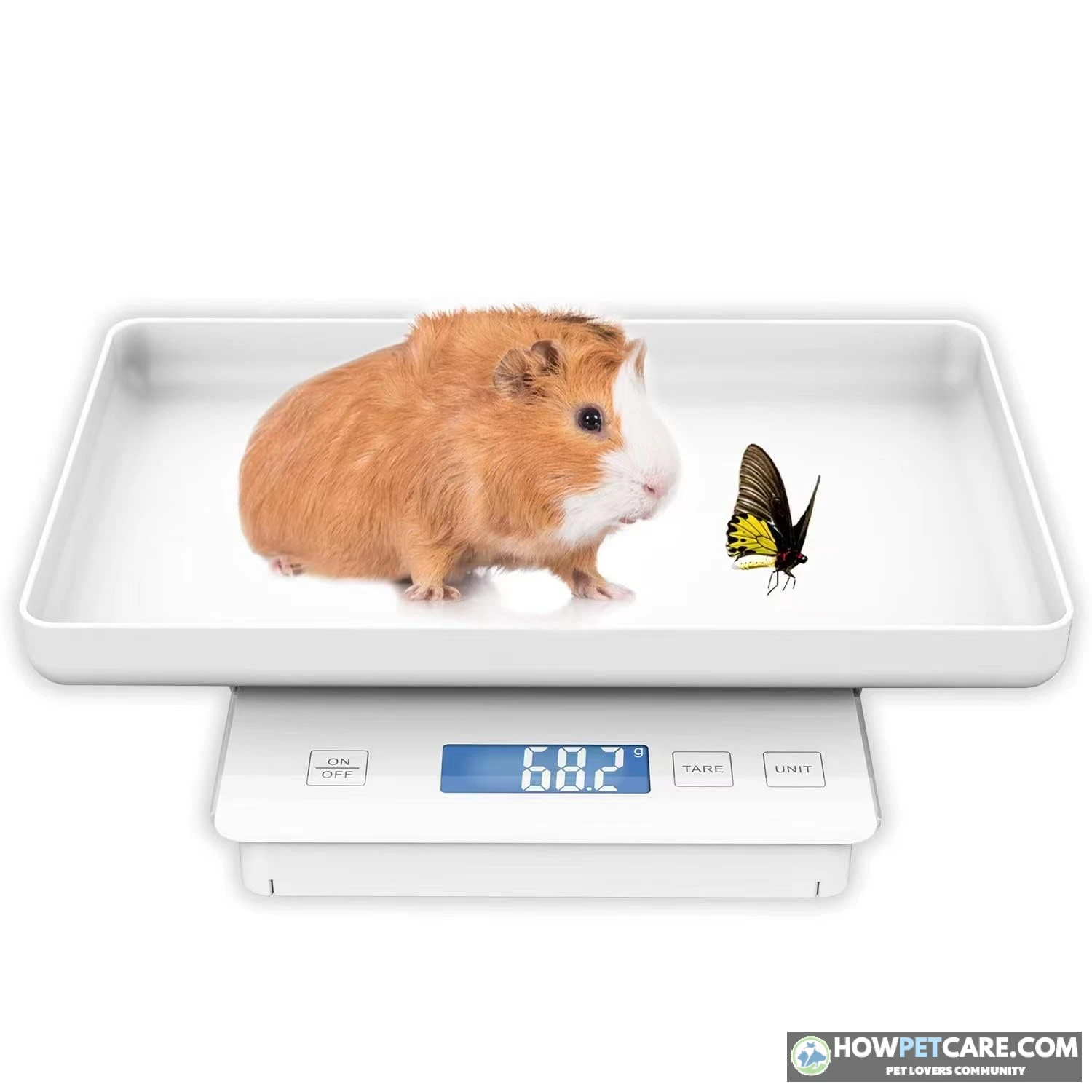
Once a week, take your guinea pig out for a thorough check and weigh-in. A digital kitchen scale that weighs in individual grams is an essential tool for guinea pig care.
Weight Trend Action Guide:
* Fluctuations of 10–25 grams: Normal daily variation (water intake, fullness of gut).
* Loss of 30–50 grams: Warning signal. Increase monitoring to daily weigh-ins.
* Loss of 50–100+ grams: Confirmed clinical issue. Schedule a prompt veterinary exam.
Keep a simple notebook or phone spreadsheet with the date, weight in grams, stool consistency, and general observations. A six-month weight log gives your exotic vet useful context during a diagnostic workup.
Your decision path from today
If your guinea pig is showing symptoms right now, use this decision path:
              [OBSERVE SYMPTOMS]


        +-------------+-------------+

 [EMERGENCY CRITERIA]       [NON-EMERGENCY]
 * Not eating >12 hrs       * Occasional sneeze
 * Straining / blood        * Mild flakes / scratch
 * Severe bloat / gas       * Clear nasal discharge
 * Open-mouth breathing     * Eating normally

        v                           v
 [Immediate Vet Call]       [Monitor 24-48 Hours]
 Transport to ER clinic     Run bedding switch / log weight
 Do not wait overnight      Escalate if appetite drops
To prepare before an emergency occurs, take these three practical steps today:
- Locate an exotic veterinarian: Standard dog and cat hospitals often turn away pocket pets during emergencies. Find an established exotic animal clinic and note the nearest 24-hour emergency hospital that accepts exotic species. Save their phone numbers and addresses in your contacts.
- Stock a supportive-care kit: Keep an unopened bag of herbivore recovery formula (Critical Care), two 15 mL feeding syringes, a digital kitchen scale, and a digital thermometer in your pet supply cabinet.
- Audit daily nutrition: Remove any seed mixes, mineral blocks, or high-calcium alfalfa products from your adult guinea pig’s cage. Make sure unlimited grass hay is available and establish a reliable routine for daily fresh vitamin C.
 You might be wonderingFrench bulldog health issuesFrench Bulldog Health Issues: Risks, Emergencies and CostsRead the answer
FAQ
Should I spay or neuter my guinea pig to prevent health problems?
Neutering males is not routinely needed for health reasons. Spaying females is sometimes discussed because ovarian cysts are common in older sows, but it is major surgery with real anesthesia risk. Talk to an experienced exotic vet about your pig’s age and health before deciding.
How often should a guinea pig see the vet when it is healthy?
Many exotic vets recommend a wellness exam about once a year, with more frequent visits for seniors or pigs with ongoing conditions such as dental problems. A yearly visit also gives you a weight baseline for spotting problems early.
Do I need an exotic vet, or can my regular dog and cat vet treat my guinea pig?
An exotic vet is strongly preferred. Guinea pigs react differently to anesthesia and to some antibiotics, and exotic vets are trained to spot problems early. If none is nearby, ask your regular vet whether they treat guinea pigs and whether they can consult an exotic specialist.
Can I catch ringworm from my guinea pig?
Yes, ringworm is a fungal skin infection that can spread from guinea pigs to people. Wash your hands after handling your pig, avoid touching bald or crusty patches without gloves, and see a vet for treatment and a doctor if you develop a circular rash.
Is it normal for a guinea pig to sneeze sometimes?
Yes, an occasional sneeze is normal, especially from dust in hay or bedding. See a vet if sneezing is frequent or comes with wheezing, nasal or eye discharge, or reduced appetite.