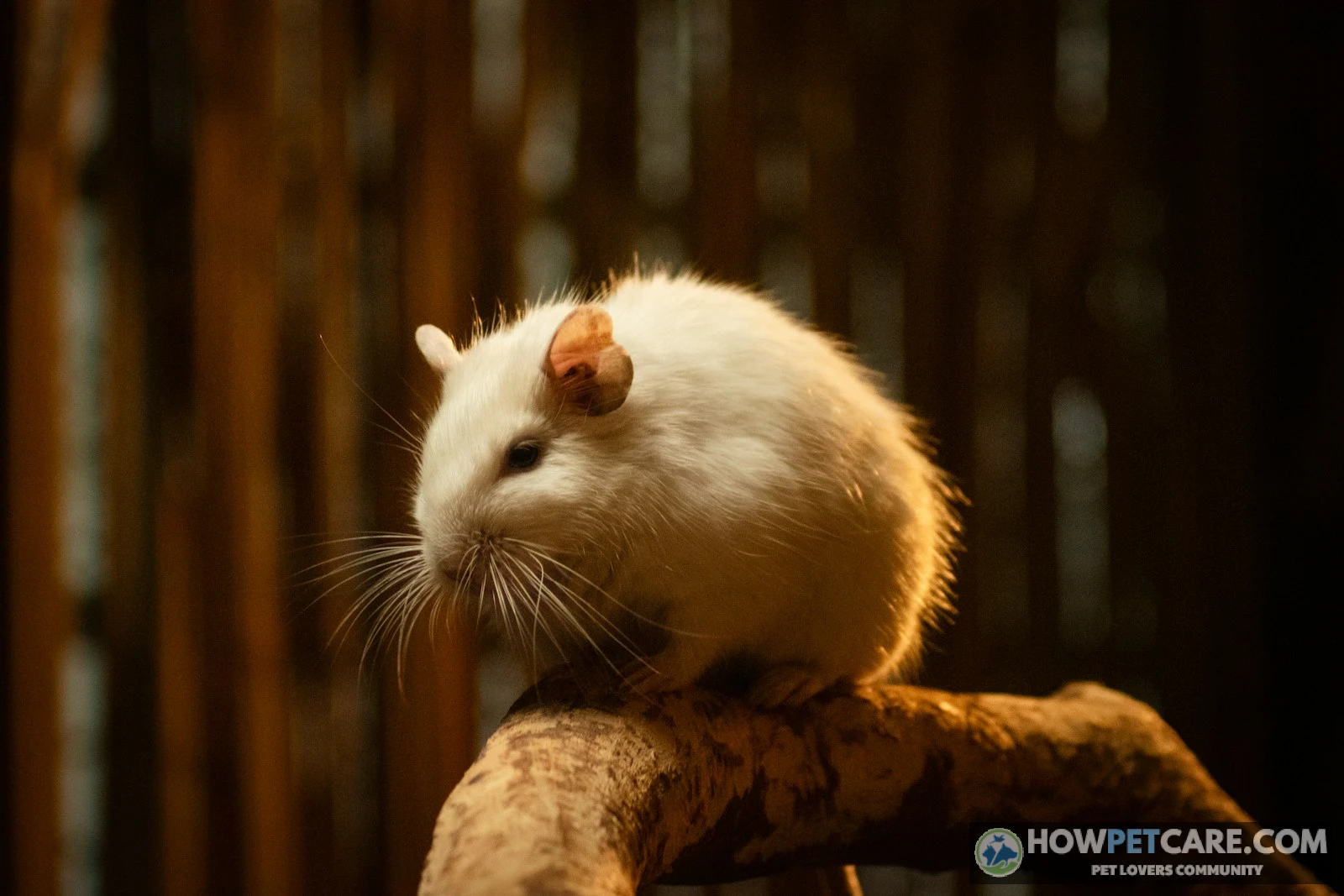

Pet gerbils typically live 2–4 years, and Mongolian gerbils — the species sold in US pet stores — average about 3 years. With excellent care and good genetics some reach 4 or slightly beyond, but 5+ years is a rare outlier, not a realistic expectation.
How Long Do Gerbils Live? 2–4 Years as Pets, Explained
Pet gerbils typically live 2–4 years. Mongolian gerbils — the species sold as pets across the United States — usually live about 3 years, and a minority reach 4 or slightly beyond with excellent care and good genetics. If you’re setting a child’s expectations, budgeting for vet bills, or deciding whether a gerbil fits your household in 2026, plan for about three years and treat anything past four as a bonus.
Sources disagree mainly because they’re answering slightly different questions. A guide that says 2–3 years describes the common outcome; one that says 3–4 years describes healthy, well-kept pets. A page promising 5+ years is usually describing an outlier or repeating an old claim without checking it. About three years is a defensible average lifespan of a gerbil, with 2–4 years as the range worth quoting to a family.
Typical vs. exceptional: how to read lifespan ranges
Treat published ranges as distributions, not promises. Most gerbils die in their third or fourth year, a smaller group dies earlier from illness, and a few live past five. Care affects the odds: diet, housing, stress, and early veterinary care all matter. At the extremes, though, genetics and breeding quality matter more than anything an owner does.
The oldest gerbil ever recorded and why it is not the norm
Guinness World Records lists a gerbil named Sahara that lived 8 years 4 months. The figure circulates because it’s roughly double the typical lifespan. It’s a verified outlier, not a target. No diet, cage setup, or supplement reliably reproduces it, and no veterinary source presents eight years as a realistic expectation for a pet.
- Planning figure: 2–4 years, clustering near 3 for Mongolian gerbils.
- Sex difference in older lab data: females outlived males at roughly 139 versus 110 weeks median survival — directional only, because colony conditions differ from homes.
- Main life-limiters: tumors and bacterial disease such as Tyzzer’s are repeatedly named as causes of death in older gerbils.
- Record claim: 8 years 4 months is exceptional and not a realistic goal.
Bottom line: plan for about three years, hope for four with excellent care and luck, and treat anything beyond that as a happy outlier rather than an expectation.
Gerbil Lifespan in the Wild vs. in Captivity
Gerbils living in the wild face predators, extreme heat and cold, and unreliable food and water, all of which limit how long they can live. Published wild figures cluster at the low end of the range — around two to three years — and describe animals that beat the odds. Captivity removes predators and food scarcity, which is the main reason a pet gerbil can reach two to four years while its wild relatives generally do not.
| Species | Wild lifespan | Captive lifespan | Notes and data quality |
|---|---|---|---|
| Mongolian gerbil (Meriones unguiculatus) | Rarely reaches its captive ceiling; predation, climate, and food scarcity dominate | 2–4 years, commonly about 3 | The best-documented pet gerbil; figures are consistent across veterinary and laboratory references |
| Fat-tailed gerbil (Pachyuromys duprasi) | Little published data | No reliable figure; some retail sources quote longer lifespans than Mongolian gerbils, without citations | Treat any specific number as unverified |

The gap between wild and captive lifespans is mostly about risk, not biology. A wild gerbil that survives its first months still has to find water in a desert, avoid raptors and snakes, and endure temperature swings. A pet gerbil has climate control and a food bowl. It’s the same animal facing very different odds.
Why gerbils have short lifespans compared with larger mammals
Small body size isn’t the whole story, but it’s most of it. Gerbils mature fast: pups are weaned around four weeks and are reproductively capable within a few months. Species that are small, heavily preyed upon, and short-lived are shaped by evolution to reproduce early rather than invest in decades of tissue repair. That’s why a three-year-old gerbil is genuinely elderly while a three-year-old dog is still young.

 You might be wonderingFavorite pets in the united statesFavorite Pets in the United States: A Practical GuideRead the answer
Mongolian vs. Fat-Tailed Gerbil Lifespan (and Does Sex or Genetics Matter?)
One species dominates the pet trade, and that shapes almost every lifespan figure you’ll read.
Wild vs. captive lifespan by species
The Mongolian gerbil (Meriones unguiculatus) is the animal almost everyone means when they say pet gerbil. In the wild, it’s adapted to desert conditions. Its captive lifespan is the well-documented one: 2–4 years, clustering near three. A guide quoting a single number for gerbils is almost always quoting the Mongolian gerbil.
The fat-tailed gerbil is a different case. It’s sold far less often, and reliable lifespan data is thin and inconsistent. Some retail sources quote figures well above the Mongolian range, but without a citable study behind them. With so little data, nobody should state a confident number. If a seller quotes one, ask where it comes from.

Do male or female gerbils live longer? The most frequently cited laboratory dataset puts median survival at about 139 weeks for females and 110 weeks for males — roughly 2.7 versus 2.1 years. Read that as directional rather than decisive: colony conditions differ from living rooms, the underlying work is old, and individual genetics matter more than sex alone. Females also carry reproductive risks, including ovarian cysts and uterine tumors, that can offset their statistical edge.
Does spaying or neutering change lifespan? There’s no solid evidence that it extends life in gerbils, and the procedures are rarely performed on animals this small. Surgical risk in a few-ounce rodent is real. The topic usually comes up because of reproductive disease in females. If your vet raises it, the decision is about your animal’s circumstances, not a lifespan hack.
Do coat colors and genetics matter? Mass breeding for color has real welfare consequences: inbreeding narrows the gene pool and can concentrate inherited problems, including a hereditary seizure tendency and elevated tumor risk. There’s no reliable evidence that albino, black, or other color mutations shorten life compared with the natural agouti coat. Anyone who claims a particular color is longer-lived is guessing.
Gerbil Lifespan Compared to Hamsters, Mice, Rats, and Chinchillas
Gerbils sit in the middle of the small-pet pack: they live longer than most hamsters but not as long as a guinea pig or chinchilla. That matters to families choosing a first pet, because those years are roughly how long a child will be attached to the animal.
| Pet | Typical captive lifespan | Notes on longevity |
|---|---|---|
| Gerbil (Mongolian) | 2–4 years, often ~3 | Usually outlives most hamsters; social pairs reduce stress but must be compatible. |
| Syrian hamster | ~1.5–3 years | Often shorter-lived than gerbils; solitary by nature. |
| Dwarf hamster | ~1.5–3 years | Similar to Syrian; diabetes risk in some lines can affect health span. |
| Mouse | ~1.5–3 years | Fast-aging; females are often prone to mammary tumors. |
| Rat | ~2–3.5 years | Highly social; tumors and respiratory disease are common late-life issues. |
| Guinea pig | ~5–8 years | Bigger commitment; needs vitamin C and more space. |
| Chinchilla | ~10–15+ years | Long-term pet; heat sensitivity and dental care are major considerations. |
Gerbil vs. hamster is the comparison most families make. Syrian and dwarf hamsters commonly live around 1.5–3 years and often less with poor breeding, so a gerbil usually gives you a modestly longer window rather than a dramatically longer one. If you’re weighing gerbil lifespan versus hamster lifespan purely on years, the gerbil wins by a nose, not by a decade.

The longer-lived pets on the list are a different commitment. A chinchilla at 10–15+ years may outlive a childhood, and a guinea pig at 5–8 years can still be around through much of a child’s school years. Ranges vary by source, breeding, diet, and vet access, but the ordering is stable.
One practical point: a gerbil is a 2–4 year commitment per animal, and gerbils should be housed in pairs, so double the food, bedding, and vet planning. That’s still short enough to be realistic for a child’s first pet and long enough to teach consistent daily care.
Gerbil Age in Human Years: A Rough Conversion Chart
No formula converts gerbil years to human years with scientific accuracy. You can make a rough comparison: if a gerbil typically lives about three years and a person about 75–80, then one adult gerbil year is roughly 25 human years. The shortcut breaks down for pups, which mature far faster than the math suggests.
Use this chart for planning and conversation, not as a medical tool.
| Gerbil age | Approximate human age | Life stage | Care focus |
|---|---|---|---|
| 4 weeks | ~4–6 years | Pup / weaning | Fully weaned; still with breeder or rescue; avoid sexing errors. |
| 6–8 weeks | ~8–12 years | Juvenile / adoption age | Best window to adopt; handle gently; confirm a same-sex pair. |
| 10–12 weeks | Early teens | Sexual maturity | Separate sexes immediately; expect hormonal behavior. |
| 6 months | ~18–25 years | Young adult | Establish baseline weight, teeth check, pair stability. |
| 1 year | ~25–30 years | Prime adult | Prevent obesity; monitor for seizures or early lumps. |
| 2 years | ~50 years | Mature adult | Start senior screening; watch mobility and the scent-gland area. |
| 2.5–3 years | ~60–75 years | Senior threshold | More sleep and slowing are common; vet check every six months if possible. |
| 3.5–4+ years | ~85–100+ years | Very elderly | Comfort-first care; plan end-of-life decisions before a crisis. |

Life stages from pup to senior
Pup, 0–4 weeks. Pups are weaned around four weeks and should stay with their mother until then.
Juvenile, 6–8 weeks. This is the standard adoption window. Young gerbils bond quickly, making it the easiest time to establish a same-sex pair.
Sexual maturity, around 10–12 weeks. Males and females must be separated before this point unless you intend to breed — and breeding shortens females’ lives and floods the market with unwanted animals.
Adulthood, 6–12 months. Adulthood begins somewhere in this window, and gerbils stay active well into old age with few visible changes. Owners often assume nothing can go wrong during this stage, but that assumption can leave problems unnoticed.
Senior, 2.5–3 years. Weight, coat condition, and activity level start to drift. Twice-yearly exotic vet checks are worth the cost at this stage.
Very elderly, 3.5 years and beyond. At this age, care shifts from prevention to comfort.
What Shortens a Gerbil’s Life: Common Health Problems
Veterinary literature consistently names cancer, bacterial disease, and the slow accumulation of dental and organ problems among the conditions that end gerbil lives. Knowing what to look for and when to act matters more than the statistics.
Tumors and scent gland problems
Scent-gland tumors on the belly and skin tumors elsewhere are among the most common late-life diagnoses in gerbils. Veterinary references often quote an estimate that roughly 80% of gerbils over three years develop at least one tumor. Treat that figure as directional rather than precise: the underlying data is old and drawn from laboratory colonies. Use it as a reason to check for lumps monthly, not as a prognosis for your animal. Many lumps are benign; some aren’t. A new lump deserves a vet visit, not a wait-and-see approach.

Tyzzer’s disease and wet tail
Tyzzer’s disease is a bacterial infection that can kill a gerbil quickly, often with few warning signs beyond a hunched posture and poor appetite; it’s linked to stress and unsanitary conditions. Wet tail describes severe diarrhea. The term is used mostly for hamsters, but gerbils can develop comparable bacterial enteritis. Either one is an emergency: dehydration in a small rodent moves fast, and supportive care from an exotic vet is the difference between survival and loss.
Other conditions that cut life short
Seizures are common in some lines and usually brief. Dental problems can shorten a gerbil’s life because its teeth grow continuously and must be worn down by gnawing; overgrown molars cause weight loss, drooling, and pain. Respiratory infections and kidney disease tend to appear in older animals and are easy to mistake for normal slowing.

Because gerbils are classified as exotic pets, a general-practice vet may not be equipped to treat them. Find an exotic or small-mammal vet before you need one, and put the number somewhere you can find it at 2 a.m.
A brief seizure followed by a full recovery is a known hereditary pattern in gerbils and is rarely fatal on its own. Time it, keep the environment quiet, and do not restrain the animal or put anything in its mouth. Call an exotic vet the same day if a seizure lasts more than a couple of minutes, if seizures cluster, or if the gerbil does not return to normal afterward. Never give human medication of any kind.
How to Help Your Gerbil Live Longer: A Care Checklist
Lifespan is mostly decided by three things you control — diet, housing and stress, and how quickly you catch illness — plus one you don’t: genetics. Use this monthly audit to spot small declines while they’re still treatable.
- ☐ Weight: weigh in grams on a kitchen scale and flag any drop around 10% or a steady downward trend.
- ☐ Body condition: feel the hips and spine. They shouldn’t be sharply bony, and the belly shouldn’t be round and tight from obesity.
- ☐ Lump scan: check the belly, tail base, and scent-gland area for new bumps, bald irritated patches, or scabs.
- ☐ Teeth and eating: check for normal chewing, drooling, weight loss despite a full bowl, and selective eating caused by dental pain.
- ☐ Breathing: watch for 30 seconds at rest. Listen and look for clicking, wheezing, flared sides, or labored effort.
- ☐ Coat and eyes: look for a dull or rough coat, discharge around the eyes or nose, cloudy eyes, or a hunched posture.
- ☐ Mobility: note hesitation to climb, wobbling, dragging limbs, or sleeping far more than usual.
- ☐ Pair check: confirm both gerbils eat, groom, and sleep near each other. Separate immediately if there’s chasing, blood, tufted fur loss, or one animal guarding the food.
- ☐ Habitat basics: check for deep bedding for burrows, stable temperatures, no fall hazards for seniors, and seed-heavy treats kept occasional.
- ☐ Vet trigger: if two boxes fail, or any red flag appears, book an exotic vet rather than waiting for next month.

Diet, habitat, and stress reduction
A quality commercial rodent diet or pellet block should be the base of the bowl. Limit fatty seeds and nuts to occasional treats; obesity shortens life and makes surgery riskier. Gerbils gnaw continuously to wear down ever-growing teeth, so hard food and safe wood chews serve a purpose.
Deep substrate is also essential. Wild burrows can reach 1.7 meters, and a gerbil that can’t dig lives in a habitat that doesn’t match its instincts. That chronic mismatch creates stress, which can affect lifespan. A sand bath, a quiet location, and a predictable routine help reduce stress; a cage small enough that two gerbils can’t avoid each other raises it.

Pairs vs. solo housing
Gerbils are sociable burrowers that live in family groups of 2–17 animals in the wild. They probably live longer in pairs, but no clean controlled study isolates pet housing type from everything else. The inference is strong: isolation is a chronic stressor for a social rodent, and compatible companionship reduces it. There’s a risk on the other side, though. A mismatched pair fights, and bite wounds can end a life faster than loneliness. Same-sex pairs introduced young are the standard, and solitary housing should be a temporary, vet-driven exception rather than a default.
What a gerbil costs over a lifetime
Owners rarely plan for the vet line item, and it can be costly. In the US in 2026, expect roughly $20–$40 a month for food, bedding, and supplies, and budget roughly $75–$200 for a routine exotic-pet exam. Tumor surgery or extended treatment can run into the hundreds or more.
Prices vary by state and by clinic, and exotic-pet surcharges are real. Call two nearby exotics practices before you adopt and ask for an exam fee and a rough surgery range. A two-gerbil household over three years typically lands in the low thousands all-in once housing, food, bedding, and one or two vet visits are counted.
Signs Your Gerbil Is Aging or Dying, and How to Keep Them Comfortable
Most gerbils don’t die suddenly at a healthy old age. They decline over weeks to months. Owners who notice small changes early have more options, including the chance to act before suffering.
Aging signs checklist
- ☐ Weight loss despite normal eating — often the first sign of dental or organ disease.
- ☐ Slower movement and reluctance to climb; a senior that stops using a wheel isn’t being lazy.
- ☐ Thinner, duller coat or a patchy, scruffy rear end from reduced grooming.
- ☐ Cloudy eyes or a pale, sunken look around the face.
- ☐ Sleeping far more and emerging less often.
- ☐ New lumps, especially fast-growing ones.
- ☐ Hunched posture at rest, which usually signals discomfort rather than relaxation.
- ☐ Reduced appetite or dropping food, which is always worth a vet call in an older animal.

The triage rule is simple. Normal aging means a gerbil is slower, thinner, and sleepier but still eating, drinking, and moving to the essentials. A same-day exotic vet visit is needed for not eating or drinking, diarrhea, labored breathing, bleeding, repeated seizures, a new fast-growing lump, or an inability to reach food and water. Signs of likely end of life include refusing all food and water, staying hunched, feeling cold to the touch, being unable to stand, breathing shallowly or through an open mouth, and comfort measures that are no longer helping.
Palliative care and euthanasia decisions
-
Make the habitat hospice-friendly
Move food and water within easy reach, use a shallow dish if climbing is hard, add soft deep bedding, and keep one warm hide away from drafts without overheating the tank.
-
Offer easy calories and comfort
Ask your exotic vet about softened pellets or a plain cereal-style soft food, remove wheels and high platforms, keep the room quiet, and never give human painkillers — only vet-prescribed pain relief.
-
Set a quality-of-life trigger in advance
Decide with your vet what would count as too much: three consecutive bad days, inability to eat unassisted, or constant breathing effort. An exotic vet can discuss in-clinic or at-home euthanasia; ask about cost and aftercare beforehand so the decision is not made in panic.
Euthanasia is a veterinary decision made with you, not a procedure to attempt at home. It’s the right call when pain or distress persistently outweighs the good moments, and it’s a kindness rather than a failure. Ask your vet to walk you through what happens, and decide in advance whether you want to be present.
Caring for a surviving pair-mate
A pair-bonded gerbil that loses its companion may stop eating, hide, over-groom, or call and search for the missing animal. Watch its appetite, weight, and behavior for 7–14 days. Give the survivor extra attention, but don’t rush a strange gerbil into the tank; an unsupervised introduction between adults can end in serious injury.
-
Use a split-cage divider
Set up a mesh divider so the two gerbils can see, smell, and hear each other without contact.
-
Swap bedding daily
Move bedding between the two sides so each animal lives with the other’s scent and the novelty fades.
-
Feed and rest near the divider
Place food and water close to the mesh so calm, adjacent eating becomes routine before any face-to-face meeting.
-
Supervise short meetings
Try brief introductions on neutral ground only once both animals are calm at the divider, and separate at the first sign of serious fighting — tufted fur, chasing, or blood.
If introductions fail twice, a senior gerbil can often live out its life alone with more human contact, but that’s a welfare trade-off worth discussing with your vet. For children, the loss is real too. Explain what happened plainly, let them help with the burial or memorial, and avoid replacing the animal the same day. A short lifespan is one of the reasons a gerbil can teach responsibility and grief in the same three years.

Your Next Steps: A Lifespan Planning Checklist
If you are about to adopt: confirm the species and ask for its age in weeks. Set expectations at 2–4 years out loud with your child before the animal comes home, find an exotic vet and note the exam fee, and buy two same-sex young gerbils rather than one.

If you already own gerbils: run the ten-minute monthly audit above, log weights in your phone, and check the habitat against the diet and deep-bedding basics. A $15 kitchen scale is the cheapest lifespan tool you can own.
If your gerbil is already a senior: book an exotic vet visit now rather than waiting for symptoms, lower the cage furniture to reduce fall risk, and write down your quality-of-life trigger while everyone is calm. Planning for the end doesn’t shorten a gerbil’s life — it protects the last months of it.
 You might be wonderingCockatoo lifespanCockatoo Lifespan: Verified Ranges for All 21 SpeciesRead the answer
FAQ
How long do pet gerbils live on average?
Pet gerbils usually live 2 to 4 years, with about 3 years being typical. Some live longer with excellent care and good genetics, but 5+ years is rare.
Do gerbils die of old age at 2 years?
Gerbils can be considered seniors at around 2.5 to 3 years, and many show signs of aging by then. Dying at 2 is not unusual, but it is often caused by illness such as tumors rather than age alone.
Why does my gerbil seem to sleep more as it gets older?
Older gerbils tend to be less active and rest more as muscle mass and energy decline. A sudden or dramatic change, along with weight loss or poor appetite, warrants a vet visit.
Can a gerbil die suddenly from a seizure?
Seizures are common in some gerbils and are usually brief, with the animal recovering on its own. They are rarely fatal, but frequent or prolonged seizures should be checked by an exotic vet.
Is a gerbil a good first pet for a child given its short lifespan?
Gerbils can be a good first pet, with the short lifespan serving as a chance to prepare children for loss. Parents should explain the 2–4 year timeline beforehand and supervise care.