

The Doberman Pinscher is a large, athletic working breed (typically 60–100 pounds) developed in Germany for personal protection. It suits active owners who can provide 90–120 minutes of daily exercise, consistent training, and close companionship — but it is a poor fit for long alone hours or restricted housing.
Before bringing a Doberman Pinscher dog home, take a close look at your schedule, living space, and financial buffer. This isn’t a casual companion. A member of the American Kennel Club (AKC) working dog group, the Doberman needs an owner prepared for its intelligence, physical stamina, and strong need for human companionship. In an active household where people are home throughout the day and committed to consistent obedience training, the breed can be a loyal protector and gentle family member. In a home where adults are away for ten hours a day, a restrictive lease limits space, or the pet budget can’t cover specialized cardiac screenings, ownership can quickly become stressful.
Is a Doberman Pinscher Dog Right for Your Household? The Short Verdict
A Doberman Pinscher dog needs structured training and rigorous exercise every day, not just on weekends. The breed can be a good fit for an active household with a fenced yard or accessible outdoor training spaces, a predictable routine, and an appetite for a companion that stays close by.
Consider another breed if your home is empty for eight or more hours every weekday, your landlord or homeowners insurance carrier blacklists Dobermans, or a 75-pound dog leaning against your legs and following you into the bathroom sounds suffocating. The breed’s guard dog heritage makes it attentive to its surroundings, and boredom or isolation can lead to separation anxiety, compulsive pacing, or destructive chewing.
Quick facts at a glance
| Attribute | Male Standard | Female Standard |
|---|---|---|
| Height at Withers | 26 to 28 inches | 24 to 26 inches |
| Weight | 75 to 100 pounds | 60 to 90 pounds |
| AKC Breed Group | Working Dog Group | Working Dog Group |
| Coat Type | Short, hard, dense, and close-lying | Short, hard, dense, and close-lying |
| Recognized Colors | Black & rust, blue & rust, fawn (Isabella) & rust, red & rust | Black & rust, blue & rust, fawn (Isabella) & rust, red & rust |
| AKC Registration Rank | Consistently top 15 in the US (ranked 12th historically, maintaining top-tier working dog popularity as of 2026) | Consistently top 15 in the US |
| Average Lifespan | 10 to 12 years | 10 to 12 years |
Note on white/albino coats: The DPCA and AKC breed standard disqualifies solid white dogs. Albino Dobermans result from a specific tyrosinase gene mutation that often produces photophobia, behavioral instability, and skin lesions. Reputable breeders avoid propagating this mutation.
Doberman vs Doberman Pinscher vs Dobermann: same dog, different names
A Doberman, Doberman Pinscher, and Dobermann are the same dog. In the late 19th century in Apolda, Germany, local tax collector and night watchman Karl Friedrich Louis Dobermann set out to breed an alert, agile personal protection dog to accompany him on dangerous rounds. He blended several breeds, historically believed to include the old German Pinscher, the Rottweiler, the Weimaraner, the Manchester Terrier, and the Greyhound.
In Germany, the Federation Cynologique Internationale (FCI), and the Kennel Club in the United Kingdom, the breed retains the founder’s spelling: Dobermann. In the United States and Canada, the standard name became Doberman Pinscher, referencing the German word Pinscher (a terrier-like biter or gripper). Although the American Kennel Club dropped "Pinscher" from standard informal usage in some contexts starting around the mid-20th century, the official US registry designation remains Doberman Pinscher. Both regional spellings refer to the same historical lineage.

Doberman Pinscher Temperament: How Dangerous Is the Breed, Really?
For decades, popular culture has cast Dobermans as aggressive attack dogs patrolling junkyards or the estates of movie villains. That image obscures the breed’s temperament and the real responsibilities of ownership. The modern Doberman is sensitive, people-focused, and selectively watchful rather than indiscriminately aggressive.
Protective by design: what that means in daily life
Dobermans were bred to be protective. Unlike a Golden Retriever, which generally welcomes unfamiliar people into the living room with an open mouth and wagging tail, a Doberman tends to evaluate newcomers. When someone knocks, it will typically sound a sharp, booming bark and position itself between the visitor and its handler. The dog watches body language, proximity, and vocal tone.
Prospective owners are often surprised by the breed’s lack of personal boundaries inside the house. Known as ‘velcro dogs,’ Dobermans lean their full body weight against your shins, rest their muzzles on your lap while you work, and follow you from room to room. Without human contact, this intense attachment can turn into distress.
Dobermans are intelligent and sensitive to their handlers, so harsh physical corrections are a poor fit. Heavy-handed discipline or shock collars used without certified professional guidance can cause a Doberman to shut down, grow anxious, or develop defensive reactivity. Clear boundaries and positive reinforcement help produce a stable, discerning dog that can settle when welcomed guests enter.
What the bite and aggression evidence does and doesn’t show
Claims about canine aggression need context, including those drawn from Centers for Disease Control and Prevention (CDC) dog-bite data and peer-reviewed veterinary behavior studies, such as evaluations published by the American Veterinary Medical Association. Retrospective bite studies that rank breeds often have serious epidemiological flaws: victims and law enforcement frequently misidentify breeds by sight, and bite tallies are almost never controlled against total breed population density.
Controlled behavioral testing offers another perspective. In multi-year evaluations by the American Temperament Test Society (ATTS), which measures stability, shyness, aggressiveness, and self-preservation in simulated everyday encounters, the Doberman Pinscher has been reported above an 80% pass rate in many testing years, performing on par with or above many sporting breeds.
An untrained, poorly socialized, or physically isolated Doberman nevertheless poses serious management risks because of its size, speed, and biting leverage. Rare serious behavioral failures in the breed almost universally trace back to three avoidable factors: confinement in a backyard without mental stimulation, genetic instability from unethical backyard breeders who breed for unnatural aggression, or fear-based aggression driven by a lack of early socialization between weeks 8 and 16.
Doberman vs Rottweiler, German Shepherd, and Belgian Malinois
People considering a guardian breed for personal or home protection often compare the Doberman with other working breeds. Each presents different physical demands and handling challenges.
| Trait | Doberman Pinscher | Rottweiler | German Shepherd | Belgian Malinois |
|---|---|---|---|---|
| Typical Weight | 60–100 lbs | 80–135 lbs | 50–90 lbs | 40–80 lbs |
| Energy & Working Drive | High: requires structured daily work and running | Moderate to high: heavy bursts followed by quiet downtime | High: steady working drive, loves tasks | Extreme: relentless motor; often too intense for purely companion homes |
| Trainability & Handling | Outstanding; highly sensitive to human emotion and tone | Strong; can exhibit stubbornness or independent will | Outstanding; highly forgiving of minor handling errors | Exceptional; zero room for handler errors or erratic corrections |
| Grooming & Shedding | Low maintenance; short coat sheds year-round | Moderate; seasonal heavy coat blowing | Very heavy; intense year-round double-coat shedding | Moderate; short double coat that sheds continuously |
| Stranger Attitude | Polite but reserved; watchful guardian | Aloof, calm, slow to judge but physically imposing | Watchful, aloof, readily territorial | Highly suspicious, intense reactivity potential |
| Separation Tolerance | Very low; extreme velcro nature | Moderate; tolerates independent rest | Moderate; requires mental tasks to prevent pacing | Low to moderate; will channel anxiety into destruction |
| First-Time Owner Suitability | Conditional: requires professional guidance | Low to conditional: physical strength requires seasoned handling | Moderate: the most forgiving of the four for a novice | Not recommended: extreme drive demands advanced working-dog handlers |
The Doberman offers the lowest grooming maintenance and a particularly close, affectionate family bond. For an owner who makes frequent handling errors and needs more emotional resilience, the German Shepherd is more forgiving. If you can’t provide 90 minutes of active running and engagement daily, none of the four is a suitable choice.
 You might be wonderingDog breed shih tzu poodleShih Tzu Poodle Mix: Size, Care, Health & True CostsRead the answer
Are Dobermans Good Family Dogs? An Honest Fit Check for Kids, Cats, Apartments, and First-Time Owners
A properly bred and socialized Doberman Pinscher can be a devoted family dog. Dobermans don’t thrive as outdoor fixtures on the edge of household life; they want to participate in it. Whether that suits your family depends on the circumstances below.
Kids and other pets
Dobermans raised alongside children often become gentle companions and self-appointed sentries. Adolescence presents a physical challenge, though: between 7 and 18 months of age, a 75-pound young Doberman can be exuberant. Without deliberate impulse-control training, a galloping puppy can accidentally knock down a toddler or scratch a small child.
A Doberman naturally understands its own human children. But when neighborhood children visit for loud, boisterous play—such as wrestling, screaming, or chasing games—a guardian breed can mistake those distress cues for an attack on its family. Always separate the dog safely during energetic playdates with unfamiliar children.
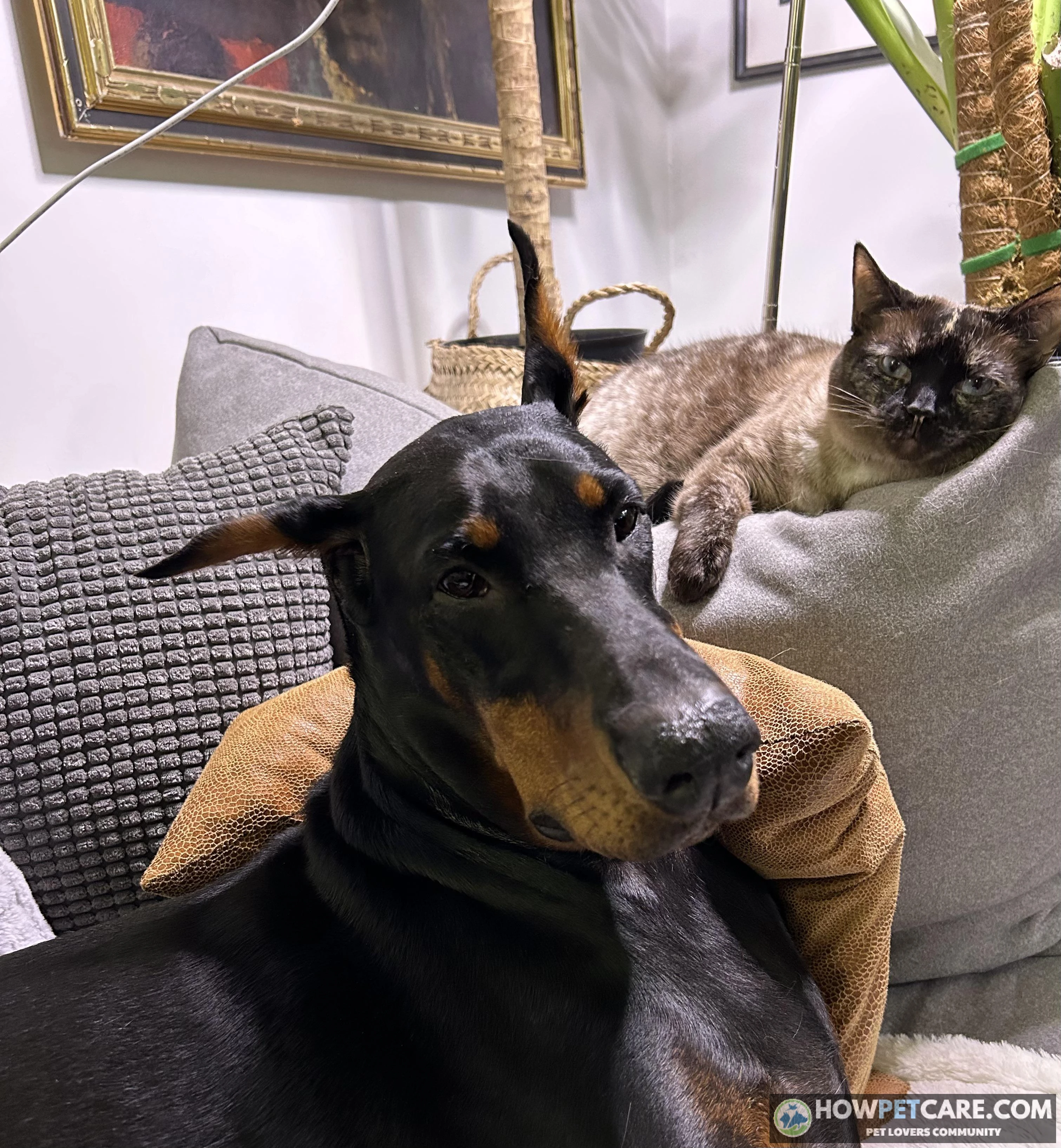
Cats can live peacefully with a Doberman introduced to them during early puppyhood. Use extreme caution when adopting an adult with an unknown history: prey drive can lead the dog to chase small running pets. Multi-dog households must also account for same-sex aggression. Male Dobermans often show pronounced intolerance toward other intact or dominant males. For a two-dog household, an opposite-sex male and female pairing is the safest, most stable dynamic.
Apartments, single-person households, and long workdays
A Doberman can live in an apartment under specific conditions. Dobermans don’t bark aimlessly when their physical and intellectual needs are met, and they can be calm couch loungers indoors. Apartment living, however, means committing to 90 to 120 minutes of outdoor exercise every day, regardless of rain, snow, or fatigue after work.
Building policy is often the bigger obstacle. Most US residential rental agreements impose strict weight caps, often at 35 or 50 pounds, along with restricted breed lists that prohibit Doberman Pinschers. Commercial property managers rarely grant exceptions, even for a dog that has passed the AKC Canine Good Citizen test.
A Doberman can provide companionship and security in a single-person household. But if that person works in an office 9 hours a day and commutes for another hour, the dog will quickly suffer. Without a professional midday dog walker or structured daycare, an isolated Doberman will likely express frustration through separation distress, howling, or chewing doorways.

Should a first-time owner get a Doberman?
A novice can raise a Doberman Pinscher successfully, but the answer is a conditional "Yes" that depends on outside support.
Beginners often struggle with the breed’s combination of physical power and sensitivity. If an owner is passive and inconsistent, the dog will assume leadership out of instinct. If the owner responds to stubbornness with anger or intimidation, the Doberman may lose trust and become defensive or fearful. A first-time owner can bridge that gap by working with an experienced positive-reinforcement trainer from the first week the puppy comes home, attending group socialization classes, and finding a veterinarian experienced with large working breeds.
Fit scorecard: answer these before you look at puppies
Assess your household against these seven criteria before contacting a rescue or breeder:
- ☐ Physical Living Environment: If renting, does your lease explicitly approve dogs over 80 pounds and waive Doberman breed restrictions in writing? (Pass if homeowner with fenced yard; Caution if renting).
- ☐ Children Under Age 8: Are you willing to strictly enforce zero-tolerance rules on ear-pulling and separate the dog during loud playdates? (Yes / No).
- ☐ Daily Time Budget: Can you dedicate a minimum of 2 continuous hours every day strictly to exercise, mental engagement, and training? (Yes / No).
- ☐ Absence Profile: Will the dog be left entirely alone for more than 5 to 6 continuous hours on regular workdays? (No is ideal; Yes requires budgeting a dog walker).
- ☐ Household Animals: Do you currently own an adult, intact dog of the same sex? (Pass if opposite sex or no pets; High Risk if another dominant male dog is present).
- ☐ First-Time Handler Humility: Are you prepared to enroll in professional obedience training immediately and follow professional handling instruction? (Yes / No).
- ☐ Annual Financial Capacity: Can your household budget sustain $2,500 to $4,000 annually for high-grade nutrition, preventive care, and premium pet insurance without financial distress? (Yes / No).
If you tallied two or more "No" responses on living space, absence profile, or annual financial capacity, choose a lower-maintenance breed.
Cost snapshot before you commit — the detailed budget appears later, but the itemized ranges are:
| Ownership cost item | Range used in this guide |
|---|---|
| First-year estimated investment | $3,910 to $10,270 |
| Baseline annual ongoing cost | $3,450 – $5,860 / year |
| Emergency bloat (GDV) surgery | $4,500 to $9,000 |
| Wobbler diagnostics and cervical surgery | $6,000 to $11,000 |
| DCM management after diagnosis | $2,500 to $4,500 annually |
| Baseline 10-year lifetime total | $35,000 to $55,000 |
Doberman Exercise Needs, Obedience Training, and a Realistic Daily Routine
A well-exercised Doberman can be a peaceful housemate. An understimulated one may dismantle furniture, dig up landscaping, and bark at passing shadows. Physical exercise alone isn’t enough; the breed also needs problem-solving, structured obedience, and scent work.
How much exercise a Doberman needs each day
A healthy adult Doberman needs at least 90 to 120 minutes of daily physical and mental stimulation. Time alone in a backyard doesn’t count: Dobermans don’t exercise themselves when isolated outside. They need interactive, purposeful movement, such as brisk heel walks, trail jogging, flirt pole sessions, fetch, and structured agility or protection-sport obedience.
Don’t take a Doberman puppy on repetitive street runs, forced jogging sessions, or high-impact agility jumps until its skeletal growth plates have fully closed—typically between 14 and 18 months of age. Excessive repetitive concussion on developing joints drastically increases the risk of early hip dysplasia and developmental arthritis. Stick to unstructured free play on grass and short, sniff-focused walks.
Mental work can tire a Doberman faster than a sprint. Try 15 minutes of advanced obedience, such as focused heeling, reliable drop-on-recall, scent discrimination games, or puzzle feeding. These activities use nervous energy and reinforce the dog’s working focus.

Sample daily routine
Meeting a Doberman’s needs means building them into your schedule. Here’s an example weekday for an adult dog:
-
6:30 AM – Morning Cardio & Nose Work (45 Minutes)
Take a brisk 30-minute power walk or play off-leash fetch in a secure field, followed by 15 minutes of sniffing games. Sniffing engages the canine brain and reduces morning cortisol levels.
-
7:15 AM – Breakfast & Post-Meal Rest
Feed the morning meal using a puzzle toy or slow feeder. Keep the dog completely calm for a full 60 minutes after eating to reduce the risk of gastric dilatation-volvulus (bloat).
-
8:30 AM to 12:30 PM – Resting Block & Focus Toy
The dog rests indoors or works on a durable, frozen interactive chew while you complete your morning work block.
-
12:30 PM – Midday Mental Drill (25 Minutes)
Follow a potty break with a fast-paced 15-minute training drill: practice duration stays, place-board transitions, and impulse control. If you work off-site, this is when a hired dog walker visits.
-
1:00 PM to 5:00 PM – Afternoon Nap
A low-activity rest period in a designated crate or dog bed.
-
5:15 PM – Primary Exercise Block (50 Minutes)
Try active running, flirt pole tracking, rigorous hill work, or long-distance walking to use up physical energy built up over the afternoon.
-
6:30 PM – Dinner & Rest Hour
Feed the evening meal, followed by another strictly enforced hour of quiet downtime to ensure safe gastric digestion.
-
8:00 PM – Evening Family Unwind (20 Minutes)
Spend time on light trick training, grooming, gentle massage, and quiet couch time with the family before bed.
Training a Doberman puppy: the first 6 months
To raise a stable, confident Doberman, prioritize exposure to the environment over complex tricks between 8 and 16 weeks of age. Early socialization doesn’t mean letting strange dogs mob your puppy at a chaotic dog park. It means introducing unusual sights, sounds, construction surfaces, diverse human demographics, and novel objects while the puppy remains calm and rewarded at your side.
- Weeks 8 to 12: Establish crate training, predictable housebreaking schedules, and bite inhibition. Doberman puppies explore with sharp teeth; redirect biting immediately onto rubber teething toys and teach a reliable "drop it" cue.
- Weeks 12 to 16: Focus on impulse control. Ask your puppy to sit calmly before doors open, food bowls are put down, or leashes are attached. Teach loose-leash walking early, because a 12-month-old Doberman can pull hard enough to injure your shoulder.
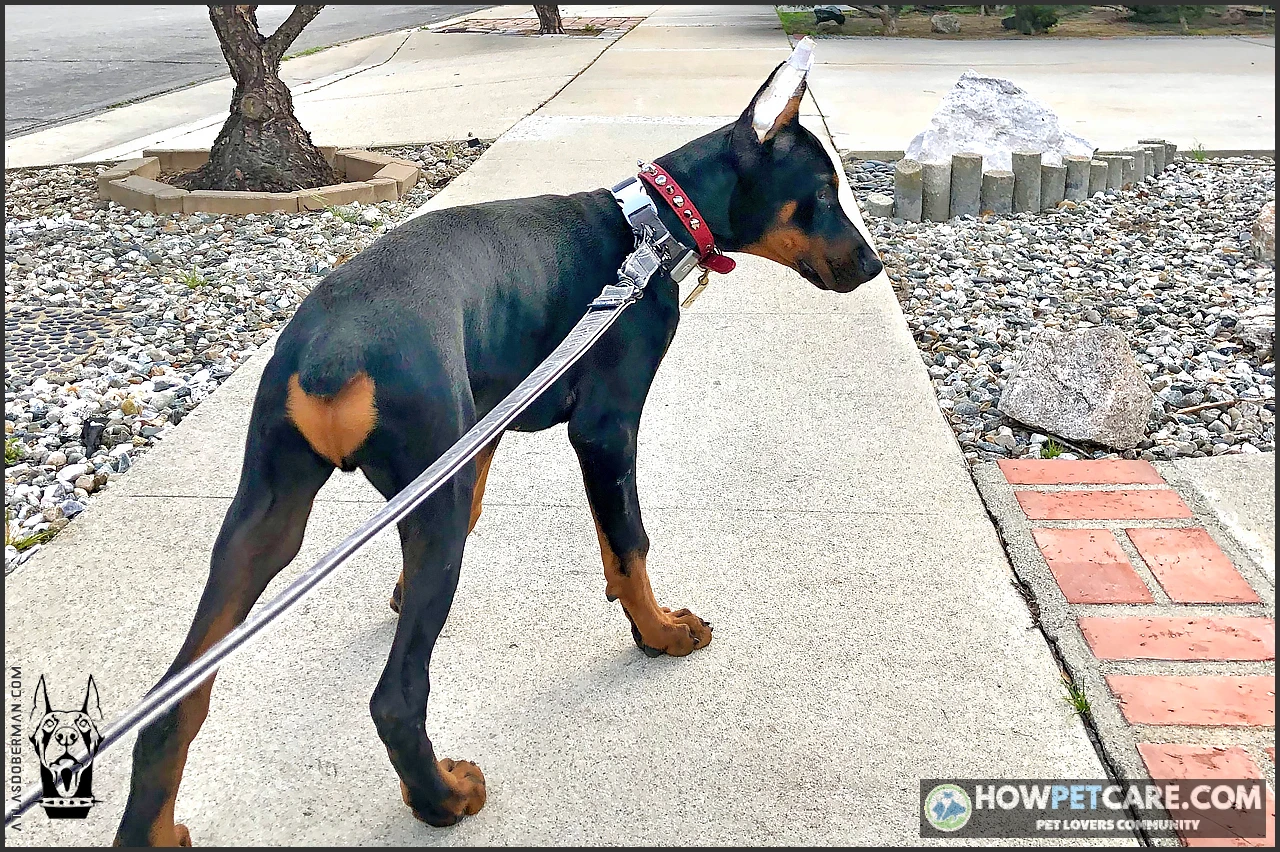
- Months 4 to 6: Proof obedience commands (Sit, Down, Stay, Place, Recall) in public spaces with mild distractions. Never attempt DIY "guard dog" or bite-work training. Dobermans have natural defensive instincts; training them requires experienced professional decoy and protection trainers who put stable temperament and complete control first.
Grooming, shedding, and cold-weather care
The Doberman’s grooming needs are relatively modest. Its single, short, dense coat has no thick insulating undercoat. Weekly brushing with a rubber curry comb removes loose dead hair and distributes skin oils. Dobermans shed lightly but continuously year-round, so a robotic vacuum or light broom used once a day can keep hair under control.
Doberman Pinschers aren’t hypoallergenic. They produce standard amounts of dander, saliva, and loose hair, which can trigger reactions in allergic individuals. Because their single coat lacks an insulating undercoat and they have very low body fat, Dobermans chill quickly. In ambient temperatures below 40°F (4°C), your dog will need an insulated canine coat for outdoor walks. Dobermans should never be kept as outdoor kennel dogs in cold climates.
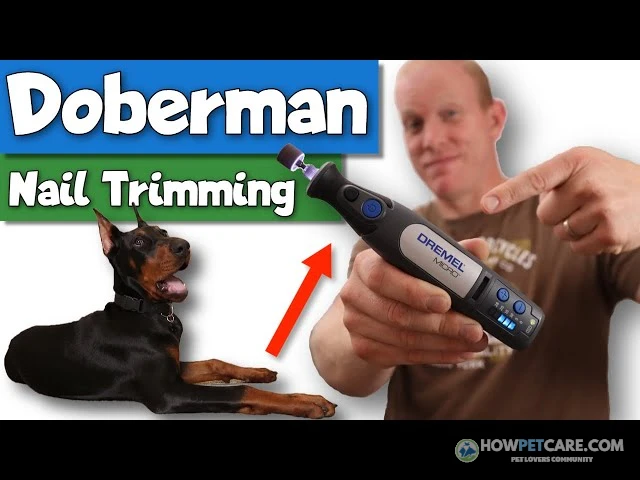
Nail care deserves attention. On the Doberman’s athletic, arched feet, long nails can shift the angle of the toes, causing joint strain and splayed paws. Trim or dremel dark nails weekly from early puppyhood so the dog becomes comfortable having its paws handled.
Doberman Pinscher Health Problems: DCM, Bloat, vWD, Wobbler Syndrome, and What to Watch For
Prospective owners need to look beyond the Doberman’s athletic appearance to the serious hereditary conditions that affect the breed. Knowing about these conditions helps you assess breeder testing records, arrange appropriate pet insurance, and recognize early clinical signs.
Dilated cardiomyopathy in Dobermans
Dilated Cardiomyopathy (DCM) is the primary medical threat facing the breed. This progressive, inherited disease of the cardiac muscle causes heart walls to thin and stretch. It can lead to severely enlarged ventricles, impaired pumping, congestive heart failure, and sudden death triggered by ventricular arrhythmias.
Veterinary research led by institutions including the University of Guelph and Washington State University indicates that approximately 40% to 50% of the overall Doberman population carries genetic susceptibility to the condition over their lifetime. Researchers have identified two prominent genetic markers in breeding lines: DCM1 (PDK4) and DCM2 (TTN). Because DCM is complex and multigenic, a negative test for these two known mutations doesn’t guarantee that a dog won’t develop heart failure.
The gold standard for DCM screening is annual diagnostic cardiac testing: an echocardiogram (ultrasound) performed by a board-certified veterinary cardiologist, paired with a 24-hour continuous Holter electrocardiogram (a wearable vest that records the dog’s heart rhythms over a full day). The echocardiogram detects structural wall thinning, while the Holter monitor detects occult premature ventricular contractions (PVCs) that appear long before physical heart failure develops.
Dietary warning: Veterinary cardiologists and the FDA have investigated instances of diet-associated dilated cardiomyopathy linked to grain-free boutique diets with high concentrations of legumes, lentils, and peas. Since Dobermans are already genetically predisposed to cardiac muscle compromise, feed a balanced, complete large-breed diet meeting AAFCO standards. Avoid untested exotic grain-free formulations unless a veterinary nutritionist specifically directs you to use one.
Von Willebrand disease and Wobbler syndrome
Two other serious conditions warrant close attention:
- Von Willebrand Disease (vWD): This inherited bleeding disorder results from a deficiency in von Willebrand factor, a plasma protein essential for normal platelet adhesion. Dobermans primarily have Type 1 vWD. A clear DNA test is available. Dogs can test as Clear (two normal genes), Carrier (one mutated gene, one normal; clinically normal clotting), or Affected (two mutated genes; impaired clotting ability). Know your dog’s vWD status before any surgery, including ear cropping, tail docking, or routine spay/neuter.
- Wobbler Syndrome (Cervical Spondylomyelopathy): This condition involves compression of the spinal cord in the cervical spine (neck), typically caused by malformed cervical vertebrae or herniated intervertebral discs. It usually appears in middle-aged or older Dobermans. Early signs include an unsteady gait, often described as "wobbling" or swaying in the hind limbs, a stiff neck, or difficulty rising from a down position. Diagnosis requires advanced magnetic resonance imaging (MRI). Mild cases can be managed with anti-inflammatory medications and crate rest; advanced cases require complex surgical spinal decompression.
Bloat emergency signs and first-minute actions
Their deep, narrow chest conformation puts Dobermans at very high risk for Gastric Dilatation-Volvulus (GDV), commonly called bloat. The stomach rapidly fills with gas and twists on its mesenteric axis, cutting off venous blood return to the heart and suffocating gastric tissue. Without immediate emergency intervention, bloat is fatal within hours.
If you observe any combination of the following symptoms, transport your dog to an emergency veterinary hospital immediately. Seconds matter.
- Unproductive retching: The dog gags, heaves, or attempts to vomit continuously, but produces only white foamy slime.
- Distended, hard abdomen: The belly appears swollen, rigid, and sounds drum-like when gently tapped.
- Restless pacing: The dog cannot settle, continually walks, whines, and stretches in a downward ‘praying’ position.
- Excessive drooling: Thick strings of saliva pouring from the mouth.
- Pale or blue gums: Indicating cardiovascular shock and failing blood circulation.
Your First 10-Minute Action Plan:
- Do not wait and see. A twisted stomach will never untwist on its own. Never give antacids, water, or oil.
- Call the nearest 24-hour veterinary emergency center immediately. Tell the team you’re on your way with a suspected Doberman GDV case so they can prepare IV catheters and surgical suites before you arrive.
- Drive smoothly and safely. Keep the dog lying on its side and its airway clear.
Surgical Prevention: When your Doberman is spayed or neutered, ask your veterinarian about a prophylactic gastropexy. The surgeon permanently tacks the outer wall of the stomach to the abdominal wall, preventing it from twisting even if it distends with gas later.
Buying a Doberman Puppy: Health Clearances to Demand, American vs European Lines, and Adoption
Finding a healthy Doberman puppy starts with an ethical breeder who puts health testing and structural stability ahead of profit. Don’t buy from an online classified listing or a local seller advertising "vet checked" puppies without verifiable health documentation.
Health-screening checklist for breeders
Ask for documentation of the following tests for both parent dogs before paying a deposit. Verify registration certificates through the public Orthopedic Foundation for Animals (OFA) registry at ofa.org:
- ☐ Cardiac Ultrasound (Echocardiogram): Completed by a board-certified veterinary cardiologist within the last 12 months.
- ☐ 24-Hour Holter Monitor Report: Executed within the last 12 months showing minimal to zero ventricular premature contractions (PVCs).
- ☐ OFA Hip Evaluation: Radiographs evaluated by OFA or PennHIP, resulting in an official rating of Excellent, Good, or Fair (PennHIP distraction index below breed average).
- ☐ vWD DNA Screening: Verified status of both parents. At least one parent must be genetically Clear to guarantee no puppies are clinically Affected.
- ☐ OFA Thyroid Panel: Full baseline blood evaluation from an approved laboratory showing normal endocrine function.
- ☐ DCM Genetic Markers (PDK4 & TTN): Documented status (Clear, Heterozygous, or Homozygous) for the known genetic variants.
Walk away immediately if the seller:
- Refuses to show parent OFA certificates or promises to email them after purchase.
- Claims their line is "100% free of DCM" (no breeder can honestly make this guarantee).
- Sells albino or "rare white" Doberman puppies.
- Does not require a signed purchase contract with a lifetime return clause.

American vs European Dobermans: which suits your home
Breeders often offer "European line" or "American line" Dobermans. Both belong to the same breed, but different breeding priorities on either side of the Atlantic have produced differences in build, working drive, and day-to-day handling.
| Factor | American Line Doberman | European Line Dobermann | Buyer Consideration |
|---|---|---|---|
| Skeletal Build & Weight | Sleeker, more refined bone structure; elegant neck arch; lighter frame (60–85 lbs) | Heavier bone density; broader head, thicker chest, and deeper muzzle (75–100+ lbs) | European dogs are visibly bulkier; American dogs look more athletic and agile. |
| Temperament & Drive | Softer, sensitive, lower working drive; quickly relaxes into a companion pet role | High drive, intense territoriality, intense physical motor, bold and assertive | European dogs need continuous, demanding working outlets (IGP, Schutzhund). |
| Handler Requirement | Easier for an active pet family or novice guardian-breed owner | Demands experienced handlers skilled in canine sport and high-drive management | European lines are easily frustrated in standard suburban pet environments. |
| Puppy Price Range | $2,000 to $3,500 from fully screened, ethical show/companion breeders | $3,000 to $4,500+ (often higher if imported directly with working titles) | High-drive European working imports rarely fit casual family households. |
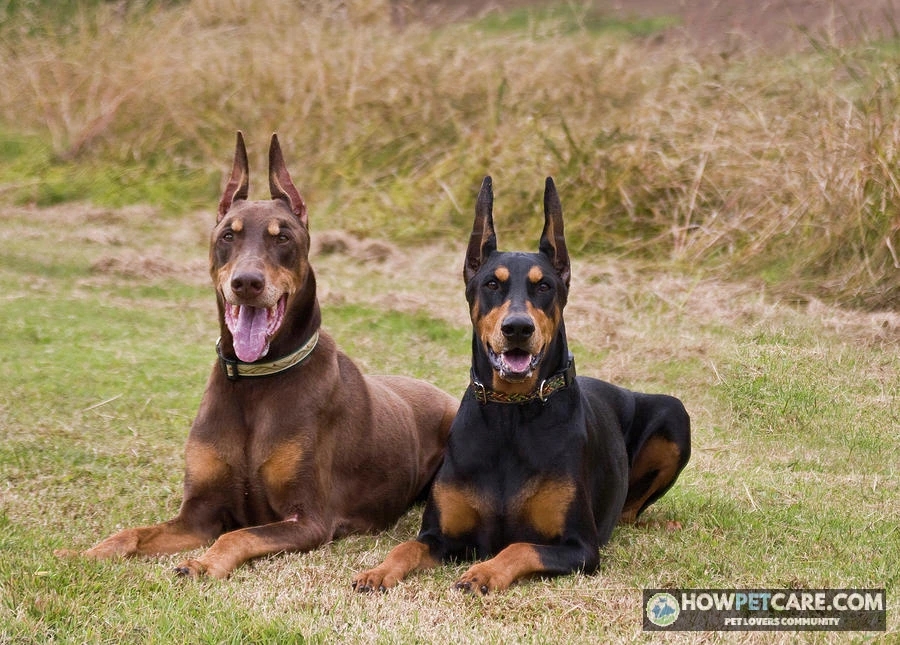
For an affectionate family protector that enjoys weekend hikes, couch cuddles, and standard obedience, an American line Doberman from health-tested parents is almost always the better choice. An owner active in IGP/Schutzhund, personal protection trials, or rigorous tracking may find the desired drive in a European line working Doberman.
Cropped ears and docked tails: a decision guide
The historic Doberman silhouette includes erect cropped ears and a short, docked tail. Before deciding, understand the medical, legal, and practical implications of these elective procedures.
Tail docking is typically performed by a veterinarian within the first 3 to 5 days of a puppy’s life, when the caudal vertebrae are soft and recovery is rapid. Historically, docking prevented tail injuries when dogs pursued poachers through dense brush. In the United States, docking remains standard within the AKC breed standard.
Ear cropping is an elective surgery performed under full general anesthesia between 8 and 12 weeks of age. A surgeon crops the floppy portion of the pinna (ear leather) to produce a standing triangular carriage. After surgery, the ears must be supported with surgical tape, foam posts, or bridge splints, a process called "posting."
Ear cropping isn’t a simple surgery; it requires 2 to 6 months of weekly tape-posting and cleaning. If posting is done incorrectly or abandoned early, the ear cartilage can break down permanently, leaving the ears drooping awkwardly across the head. If you don’t have the time or patience for intensive post-surgical care, seek a breeder who is happy to leave your puppy’s ears natural.
Both ear cropping and tail docking are prohibited by animal welfare legislation across the United Kingdom, Australia, and most European Union nations. In the United States and Canada, the procedures remain legal, though they face increasing scrutiny. The AKC breed standard currently permits uncropped ears and undocked tails in the show ring, although traditional cropped profiles remain dominant. Choose an ethical breeder who supports your preference, whether that’s the historic standing ear or natural, floppy hound-like ears.
Rescue and adoption
If you’d rather adopt than buy an eight-week-old puppy, specialized Doberman rescues across the country offer adult dogs. Organizations including the Doberman Pinscher Rescue network, Illinois Doberman Rescue Plus, and Distinguished Dobermans Rescue evaluate dogs for medical conditions, cat compatibility, and temperament stability.
Adopting an adult lets you bypass the chaotic puppy teething phase and bring home a dog with an established adult personality. Adoption fees typically range from $250 to $500, generally including full vaccinations, microchipping, heartworm testing, and spay/neuter surgery. The trade-off is an incomplete early medical history, so be prepared to arrange independent cardiac screenings once the dog is in your care.
How Much Does a Doberman Cost? Puppy Price, First-Year Budget, and Lifetime Total
The purchase price is only part of the investment. With the breed’s size, dietary requirements, and health screening needs in mind, budget for the Doberman’s entire 10-to-12-year lifespan.
Puppy price and adoption fees
In the United States as of 2026, an ethically bred Doberman puppy from parents that have completed annual Holter, echocardiogram, vWD, and OFA orthopedic clearances costs between $2,500 and $4,000. Litters imported directly from titled European working stock often range from $3,500 to $5,000. Puppies on online classified sites are often advertised for $800 to $1,500, but their parents almost never have cardiac health screening. Later veterinary expenses can quickly outweigh the upfront savings. Adoption through a 501(c)(3) breed rescue costs between $250 and $550, including base veterinary processing.
First-year budget
The initial twelve months are generally the most expensive single year of Doberman ownership outside of late-life medical care:
- Puppy Purchase or Adoption: $300 to $3,500
- Core Vaccines & Preventives (Distemper/Parvo series, Rabies, Lepto): $350 to $600
- Crate, Bedding, Leashes, Heavy-Duty Chew Toys: $400 to $650
- Puppy Socialization & Basic Obedience Courses: $300 to $600
- Spay/Neuter Procedure with Prophylactic Gastropexy: $900 to $2,200
- High-Quality Large-Breed Puppy Nutrition (12 months): $1,000 to $1,400
- Microchip, City Registration, Licensing: $60 to $120
- Optional Ear Cropping & Weekly Posting Supplies: $600 to $1,200
- Total First-Year Estimated Investment: $3,910 to $10,270
Ongoing costs and insurance
After the initial year, recurring costs fall into the following baseline categories, excluding unexpected emergencies:
| Cost Category | One-Time vs. Recurring | Typical Range (Annual 2026 Rates) | Doberman Ownership Notes |
|---|---|---|---|
| Premium Large-Breed Food | Recurring (Monthly) | $1,100 – $1,600 / year | An active 85-lb dog consumes 3.5 to 5 cups of high-grade kibble daily. |
| Veterinary Wellness & Vaccines | Recurring (Annual) | $350 – $600 / year | Routine blood panels, heartworm tests, and annual booster injections. |
| Parasite Preventives (Heartworm/Flea/Tick) | Recurring (Monthly) | $240 – $360 / year | Large-breed dosages (70–100 lbs) sit at the highest commercial pricing tier. |
| Comprehensive Pet Health Insurance | Recurring (Monthly) | $960 – $1,800 / year ($80–$150/mo) | Rates reflect heightened breed risks for cardiomyopathy and bloat. |
| Annual Cardiac Screening (Echo + Holter) | Recurring (Annual) | $600 – $1,100 / year | Strongly advised after age 2 to identify silent asymptomatic heart changes early. |
| Toys, Replacement Gear, Treats | Recurring (Annual) | $200 – $400 / year | Powerful working jaws require heavy-duty rubber toys to avoid ingestion risks. |
| Total Baseline Annual Ongoing Cost | Recurring | $3,450 – $5,860 / year | Assumes a healthy adult dog requiring standard maintenance care. |

Enroll your Doberman in a comprehensive pet health insurance policy the day you bring the puppy home. Insurers strictly exclude pre-existing conditions. If your dog develops a heart murmur at two years old or shows gastrointestinal distress before your policy starts, treatment for DCM or GDV will be permanently excluded. Choose an accident-and-illness policy with no bilateral exclusions for orthopedic and cardiac issues.
Cost of the health emergencies the breed is known for
If you self-insure rather than pay monthly insurance premiums, your emergency savings must be able to absorb sudden medical events common to the breed:
- Emergency Bloat (GDV) Decompression & Surgery: $4,500 to $9,000
- Cardiology Workup & Long-Term DCM Medication Management: $2,500 to $4,500 annually following an active diagnosis
- Wobbler Syndrome Diagnostics (MRI) & Cervical Spine Surgery: $6,000 to $11,000
- Foreign Body Ingestion Surgery: $3,000 to $6,000
Over an average 10-year lifespan, baseline care for a Doberman Pinscher dog costs between $35,000 and $55,000, assuming normal health. A major medical emergency can push the total higher. Check that your household can comfortably support those costs before committing.
Doberman Breed Bans, Housing Restrictions, and Insurance Blacklists: Check These Before You Commit
Even owners with sufficient funds and a commitment to training can face legal and housing barriers. Check these restrictions before adopting or buying a dog.
Breed-specific legislation and local ordinances
Breed-Specific Legislation (BSL) refers to municipal laws, city codes, or county ordinances that ban or severely restrict specific dog breeds within city limits. Pit bull-type dogs bear the heaviest burden, but Doberman Pinschers are also frequently included on municipal dangerous dog registries.
Some jurisdictions require Doberman owners to use a muzzle in public, build six-foot enclosed chain-link outdoor kennels with concrete footers, carry $100,000 to $300,000 in dedicated canine liability insurance, or pay specialized annual registration fees. Don’t rely on general BSL advice; check your municipal code and county animal control ordinances before bringing a dog home.
Renting with a Doberman
Renting with a Doberman Pinscher can be challenging in the United States. Corporate property managers and private landlords routinely maintain prohibited breed lists that include Dobermans, Rottweilers, Pit Bulls, and German Shepherds. Building owners’ master property insurance policies often dictate these restrictions.
If you rent, these steps may help establish credibility with a prospective landlord:
- Acquire the AKC Canine Good Citizen (CGC) Certificate: This credential shows that your dog has passed verified tests for calm public behavior, polite greeting, and basic obedience.
- Prepare a Dog Resume: Include health certificates, training graduation forms, photos, and letters of recommendation from former landlords, certified trainers, and your regular veterinarian.
- Carry Your Own Pet Liability Policy: Offering to add your landlord as an additional insured party on a specialized private canine liability policy can help reassure hesitant property owners.
Homeowner’s and renter’s insurance questions to ask first
A Doberman can trigger immediate cancellation or non-renewal of a standard homeowner’s insurance policy. Traditional carriers maintain proprietary "ineligible dog breed lists," and dog bites account for hundreds of millions of dollars in liability claims across the insurance industry each year.
Call your insurance agent before committing and ask:
- "Does our current homeowner’s policy contain breed-specific exclusions for personal liability claims involving canines?"
- "Is the Doberman Pinscher on your company’s list of restricted, excluded, or non-insurable breeds?"
- "If Dobermans are restricted, can we keep our property coverage if we exclude canine liability and purchase a separate standalone dog liability policy from an independent carrier?"
If your insurer won’t cover your home with a Doberman present, investigate carriers that have historically used breed-neutral underwriting—State Farm is often cited for evaluating dogs by individual bite history rather than breed, but confirm current rules before relying on that. You can also look into specialized umbrella canine liability policies from independent underwriters.
Your Doberman Decision Checklist: Go/No-Go Steps and Puppy Preparation
Use the breed’s exercise demands, costs, health risks, and protective temperament to make a practical decision about your household.
Final go/no-go check
Give yourself a green light ONLY if you meet all four criteria:
- You control your housing: You own your home without an anti-Doberman HOA policy, or you hold a long-term lease that explicitly approves an 80+ pound Doberman Pinscher in writing.
- Your budget is secure: You have verified that you can absorb roughly $300 to $450 every month for high-grade food, large-breed parasite preventives, and comprehensive pet insurance, plus an accessible emergency buffer.
- You have the time: You can dedicate 2 hours every day to training, structured exercise, and companionship, with no schedule that leaves the dog isolated for 8+ hours a day.
- You value the guardian temperament: You want an alert, velcro-like partner that demands consistent guidance, not a casual backyard dog you can interact with only on weekends.
If you cannot meet these standards right now: Consider a lower-drive, lower-risk companion breed, or wait until your living arrangements, schedule, and budget fit the demands of this working breed.
Puppy-prep checklist
If you’re moving forward, prepare your home before your puppy arrives:
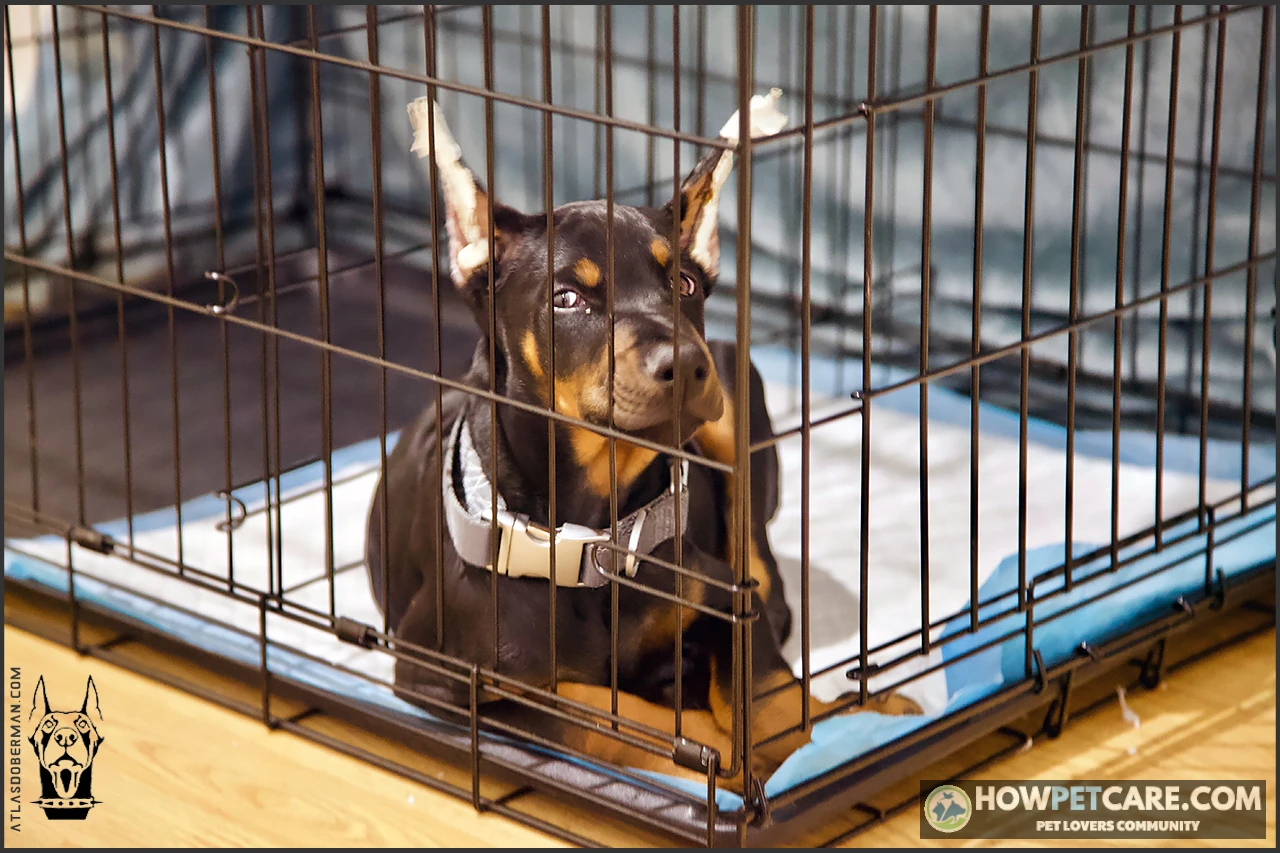
- ☐ Heavy-Duty Crate with Wire Divider: Purchase an adult-sized 42-inch or 48-inch crate equipped with a divider panel so you can expand interior space as your puppy grows.
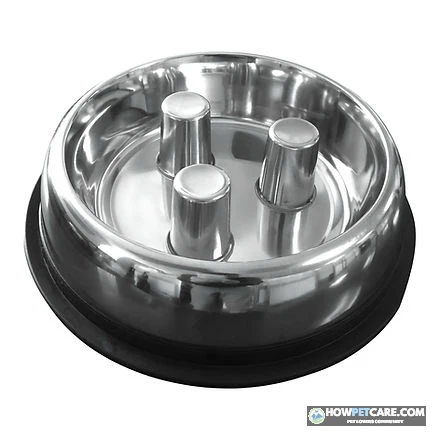
- ☐ Durable Feeding Bowls: Stainless steel or ceramic bowls (plastic bowls harbor bacteria and can lead to canine chin acne).
- ☐ Interactive Enrichment Toys: Heavy rubber KONG toys, puzzle boards, and durable lick mats to provide mental stimulation during rest periods.
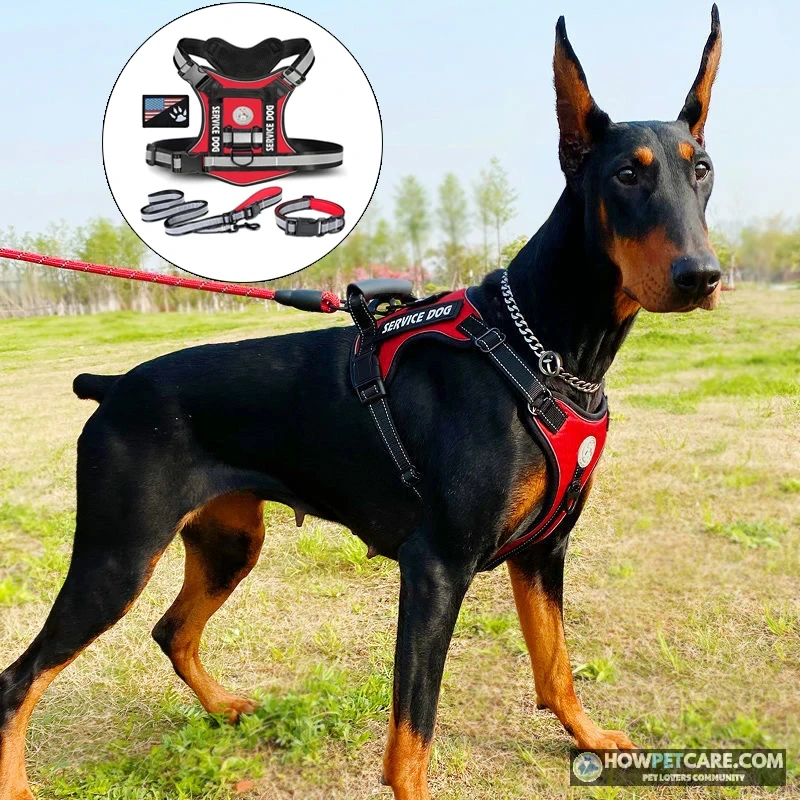
- ☐ Biothane Leashes & Flat Collar: A 6-foot sturdy leash and a flat buckle collar with an ID tag. Avoid choke chains or prong collars on young puppies.
- ☐ Enzyme Cleaner: Stock an enzymatic cleaner to neutralize urine scents during housebreaking.
- ☐ Veterinary Appointment Booked: Schedule a baseline veterinary exam within 48 to 72 hours of your puppy’s arrival to validate your purchase contract’s health guarantee.
- ☐ Professional Obedience Trainer Reserved: Pre-enroll in an accredited puppy kindergarten class focused on early socialization and positive reinforcement.
What to do in the first 30 days
-
Day 1 to 3: Calm Acclimation
Keep life quiet, predictable, and low-stress. Introduce the puppy gently to its crate, establish outdoor bathroom zones, and avoid inviting neighborhood crowds over to meet the new puppy.
-
Day 4 to 10: Establish Household Boundaries
Begin short, 3-minute training sessions for basic cues (Sit, Eye Contact, Name Recognition). Make sure everyone in the family enforces the same rules: no mouth-on-skin, no couch jumping without an invitation, and calm behavior before meals.
-
Day 11 to 20: Controlled Socialization Rollout
Take the puppy on safe car outings. Carry your puppy to observe outdoor shopping plazas, parks, and quiet construction sites from a comfortable distance. Pair every new sight, engine sound, or umbrella opening with high-value treats.
-
Day 21 to 30: Formal Group Classes Begin
Start structured puppy kindergarten classes. Teach your puppy to stay focused on you while other dogs move nearby, and continue handling its paws, teeth, and ears to prepare for future vet visits and grooming.
A calm, structured first month gives your Doberman a foundation for a confident life as a companion and protector.
 You might be wonderingPon dog breedPON Dog Breed Guide: Costs, Care, Temperament and FitRead the answer
FAQ
Are Doberman Pinschers hypoallergenic?
No. Dobermans have a short coat that sheds lightly, but they still produce dander and saliva, which are the main triggers for allergic people. Spend time with an adult Doberman before committing if anyone in the household has allergies.
Do Doberman Pinschers shed a lot?
They shed less than many double-coated breeds, but they do shed year-round, with some seasonal increase. Weekly brushing with a rubber curry mitt keeps loose hair under control.
What is the best dog food for a Doberman Pinscher?
Choose a complete and balanced large-breed diet that meets AAFCO standards, and feed it in two or more meals a day to help lower bloat risk. Because of the link being studied between some diets and DCM, talk to your vet before using grain-free or boutique foods.
How big do Doberman Pinschers get, and when are they fully grown?
Most reach close to adult height around one year, then fill out in chest and muscle over the next one to two years. The AKC breed standard gives height and weight ranges for males and females.
Do Doberman Pinschers bark a lot?
They are not usually nuisance barkers, but they are alert and will bark at unfamiliar people or sounds. Bored or under-exercised dogs bark more, so exercise and training reduce it.