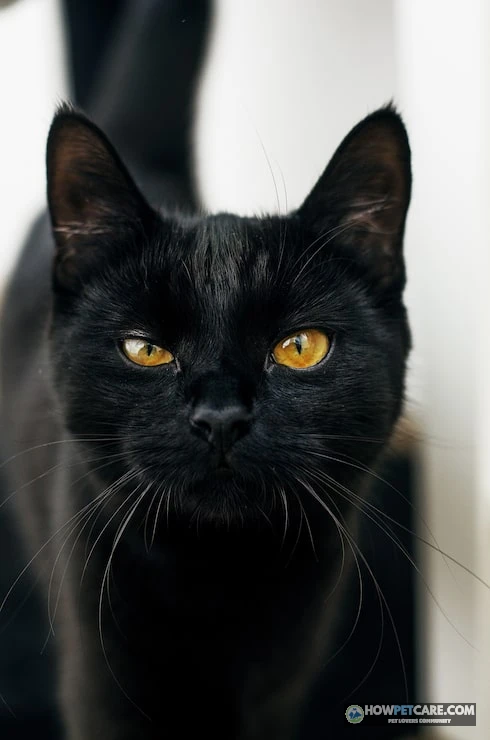

Black cat breeds are those recognized feline breeds that can produce a solid black coat, including the exclusively black Bombay and other popular breeds like American Shorthair, British Shorthair, Maine Coon, Persian, and Rex varieties.
Black cat breeds are not a single breed; they are solid‑black coat variations found across many recognized feline lines. This definitive guide tells you which breeds can be truly all‑black, compares their temperaments and care needs, and provides practical tools for identification and adoption. Solid black cats are among the most visually striking felines in the world, yet significant confusion exists about what a "black cat" actually is. In feline genetics, black is not a distinct breed. It is a coat pigmentation phenotype produced by dominant eumelanin expression. Nearly any cat breed can produce individuals with black fur. In fact, the overwhelming majority of solid black cats in homes and shelters across the United States are non‑pedigreed Domestic Shorthairs or Domestic Longhairs—affectionately called moggies—rather than members of a formal, registered breed.
Only one recognized domestic cat breed is required by its major registry standards to be exclusively solid black: the Bombay. For dozens of other established breeds recognized by organizations like the Cat Fanciers’ Association (CFA) and The International Cat Association (TICA), a solid black coat is an accepted and admired color morph alongside tabbies, bicolors, and points. Understanding the difference between pedigree traits, color genetics, and random‑bred domestic populations is essential for anyone looking to bring a black cat into their home.
Which Cat Breeds Can Have Solid Black Coats?
Feline coat coloration stems from two primary pigments: eumelanin, which produces black and brown shades, and pheomelanin, which produces red and cream tones. When a cat inherits the non‑agouti gene (represented genetically as aa), the agouti gene that typically creates banding and tabby stripes is masked. This process allows dense eumelanin to saturate the entire hair shaft from root to tip. This genetic mechanism, known as melanism, operates across both wild felids and domestic felines alike.
Because melanism is an ancient, naturally occurring genetic expression, cat breeds with black coats span every physical build, coat texture, and geographic origin. However, show standards establish strict definitions for what qualifies as a true "solid black" cat. In competitive feline exhibition, a true solid black coat must be uniform from the skin out, completely devoid of white lockets, white belly spots, reddish casts, or smoke undercoats. Under bright halogen show lighting, even faint "ghost tabby" striping—often visible in black kittens whose pigment has not fully settled—can disqualify a cat from being classified as a true solid.
The Bombay: the exclusively black breed
Among all recognized domestic breeds, the Bombay holds a unique distinction: it is the only breed that must be solid black to meet its official breed standard. Originating in the United States during the 1950s, the Bombay was developed by breeder Nikki Horner of Louisville, Kentucky. Horner set out to create a miniature domestic panther by crossing sable Burmese cats with solid black American Shorthairs.
The result was a compact, muscular feline characterized by a tight, satiny, patent‑leather black coat, an arched muzzle break, and luminous eyes ranging from rich gold to deep copper. While outcrosses to sable Burmese and black American Shorthairs were historically permitted to establish genetic vitality, modern championship standards across the CFA and TICA require the Bombay to exhibit an unblemished, jet‑black coat right down to its nose leather and paw pads.

Quick Bombay vs Domestic Shorthair Checklist
- Eye color: deep copper/amber (Bombay) vs chartreuse/green (Domestic Shorthair).
- Nose & paw pads: solid black (Bombay) vs may show pink or grey mottling.
- Head shape: rounded skull with a visible nose "break" (Bombay) vs wedge‑shaped, longer muzzle.
- Ear set: medium, broad, rounded tips (Bombay) vs sharper, pointed tips.
- Body: muscular, compact frame (Bombay) vs longer, slender build.
- Coat: single, satin‑like coat with no guard hairs (Bombay) vs double coat, possible ghost tabby striping.
Breeds where black is an accepted color
Far more common than exclusively black felines are popular black cat breeds where ebony or solid black is one of dozens of officially accepted color classes. In these breeds, the non‑agouti gene expresses itself over the standard skeletal and physiological framework established for that lineage:
- American Shorthair: A balanced, athletic working cat built with a dense, protective coat that comes in solid coal black, traditionally paired with brilliant gold or amber eyes.
- British Shorthair: Known for its rounded, "cobby" body frame, prominent jowls, and exceptionally dense, plush coat. The black British Shorthair pairs an ink‑black coat with copper or deep golden eyes.
- Maine Coon: As one of the largest domestic feline breeds, black Maine Coons feature heavy bone structure, tufted paws, lynx‑tipped ears, and an imposing, water‑repellent semi‑long coat complete with a massive frontal ruff.
- Persian: Renowned for its pansy‑like brachycephalic facial structure and flowing double coat. Black Persians almost invariably possess striking copper eyes that contrast against their deep raven fur.
- Norwegian Forest Cat & Siberian: Both are powerful northern forest breeds sporting weather‑resistant, multi‑layered coats adapted for harsh winter climates. Solid black specimens in both breeds feature thick undercoats that prevent hypothermia.
- Oriental Shorthair: Developed using Siamese lineage, the "Ebony" Oriental Shorthair is long, svelte, and fine‑boned, pairing skin‑tight black fur with vibrant green almond‑shaped eyes.
- Cornish Rex & Devon Rex: Distinct curly‑coated breeds originating from natural mutations in England. Cornish Rex cats feature a tight, rippling coat composed entirely of undercoat hairs, while Devon Rex felines possess loose, fragile curls and oversized elf‑like ears. Both breeds accept solid black colorations.
- Selkirk Rex: Originating from a dominant genetic mutation discovered in Montana in 1987 and recognized by the CFA in 2013, the Selkirk Rex features a plush, sheep‑like curly coat that appears in solid black in both long‑ and short‑haired varieties.
- Japanese Bobtail & Scottish Fold: While celebrated primarily for their unique anatomical traits—naturally kinked pom‑pom tails or folded ear cartilage—both breeds permit rich, solid black varieties.

Why most black cats have no pedigree breed
When a solid black cat wanders into a rescue center or a suburban backyard, the immediate human impulse is to ask, "What breed is that?" Statistically, the answer is almost always: no specific breed at all. Over 95% of the domestic feline population in North America consists of random‑bred cats classified taxonomically as Domestic Shorthairs (DSH) or Domestic Longhairs (DLH).
Unlike purebred dogs, which were selectively bred for centuries to fulfill distinct functional roles such as herding, hunting, or guarding, domestic cats have largely propagated through natural selection. Their primary historic job—rodent management—required no radical modification of their baseline physiological shape. Consequently, the random‑bred domestic population retains immense genetic diversity. Two brown tabby domestic shorthairs can produce an all‑black kitten in a litter if both carry the recessive non‑agouti gene. Unless a cat possesses certified registration documentation tracing its ancestry through a recognized pedigree registry, it is classified as a domestic cat rather than a representative of a formal breed.

Black Cat Breeds Compared by Size, Grooming and Family Fit
Selecting among domestic black cat breeds requires evaluating the practical, day‑to‑day care requirements of each animal rather than focusing solely on coat aesthetics. An active, vocal Oriental Shorthair demands a completely different domestic lifestyle than a placid, low‑energy Persian. Similarly, the grooming demands of a long‑haired forest breed dwarf the minimal maintenance needed for a sleek shorthair.
Quick-reference comparison matrix
The following matrix provides a side‑by‑side evaluation of prominent breeds capable of producing solid black coats, assessing size parameters, shedding volume, coat upkeep, longevity, and activity profiles.
| Breed | Black Coat Status | Adult Size | Coat Length | Shedding Index (1-5) | Grooming Demand | Typical Lifespan | Activity Profile | Family & Pet Fit |
|---|---|---|---|---|---|---|---|---|
| Bombay | Exclusively solid black | 6–11 lbs (compact, muscular) | Short | 2/5 | 1x weekly rubber brush | 12–16 yrs | High; intensely social, lap‑seeker | Excellent with kids and gentle dogs; dislikes long isolation |
| American Shorthair | Accepted standard color | 10–15 lbs (medium-large) | Short, dense | 3/5 | 1–2x weekly comb | 15–20 yrs | Moderate; easygoing, playful | High adaptability; tolerant of bustling households |
| British Shorthair | Accepted standard color | 9–17 lbs (cobby, heavy‑boned) | Short, plush | 4/5 | 2–3x weekly slicker | 12–17 yrs | Low–Moderate; calm, independent | Tolerant bystander; prefers 4 paws on floor over handling |
| Maine Coon | Accepted standard color | 12–22+ lbs (large, long) | Long, heavy ruff | 5/5 | 3–4x weekly de‑shedding | 12–15 yrs | Moderate; interactive, puppy‑like | Exceptional with respectful dogs and multi‑pet homes |
| Persian | Accepted standard color | 7–12 lbs (short, cobby) | Very long, thick undercoat | 5/5 | Daily wide‑tooth comb + eye wipe | 12–17 yrs | Low; quiet, sedentary lounge‑sleeper | Best in predictable, low‑chaos homes without grabby toddlers |
| Oriental Shorthair | Accepted standard color (Ebony) | 6–10 lbs (fine‑boned, tubular) | Very short, satin | 1/5 | Occasional chamois polish | 12–15 yrs | Very High; vocal, athletic, needy | Loves active homes; requires bonded playmate or near‑constant company |
| Cornish Rex | Accepted standard color | 6–10 lbs (tucked belly, arches) | Short, tight ripples (no guard hair) | 1/5 | Occasional wash/rubdown | 12–15 yrs | Very High; acrobatic, warm‑seeker | Engaged companion; seeks body heat from humans and friendly pets |
| Devon Rex | Accepted standard color | 5–9 lbs (compact, slender) | Short, loose curls (fragile guard) | 1/5 | Gentle damp cloth wipe | 10–15 yrs | High; inquisitive, perch‑loving | Playful clown; handles active indoor family environments well |
| Norwegian Forest Cat | Accepted standard color | 10–18 lbs (sturdy, balanced) | Semi‑long, water‑repellent double | 4/5 | 2x weekly (daily during spring molt) | 14–16 yrs | Moderate; confident, climbing‑focused | Patient with children; thrives with vertical climbing structures |
| Siberian | Accepted standard color | 10–17 lbs (barrel‑chested) | Semi‑long, triple‑coat | 4/5 | 2–3x weekly steel greyhound comb | 12–15 yrs | Moderate–High; agile jumper, affectionate | High dog and child tolerance; robust, social play style |

Best black cat breeds for families
When evaluating cat breeds for family environments—particularly homes with toddlers, school‑aged children, or active companion dogs—temperamental resilience is paramount. Breeds like the American Shorthair and Maine Coon consistently excel in multi‑pet, high‑traffic homes. The American Shorthair is famously even‑tempered; it tolerates the sensory chaos of family life without retreating into hiding or reacting defensively when startled.
The Maine Coon acts more like a canine companion than a solitary feline. Their large physical stature gives them confidence, making them less prone to feeling physically threatened by small children or barking dogs. Similarly, the Siberian displays an outgoing, sturdy demeanor that welcomes interactive play, such as retrieving tossed toys.
Conversely, families should exercise caution before selecting delicate, high‑strung, or sedentary breeds. A black Persian, while docile, can easily become stressed by rough handling or high noise levels. Their long, dense coats also collect dropped food and household debris, requiring daily care that busy parents may struggle to maintain.

Low‑grooming versus long‑haired choices
A common misconception is that a cat’s shedding volume directly correlates to coat length. In reality, coat structure and density dictate the actual maintenance burden. The British Shorthair, despite having short fur, possesses a dense undercoat packed with tens of thousands of fine hairs per square inch. During seasonal coat transitions in spring and autumn, a black British Shorthair will shed profusely, demanding frequent combing to prevent loose hairs from carpeting home upholstery.
For households seeking minimal coat care, the Bombay, Cornish Rex, Devon Rex, and Oriental Shorthair represent true low‑maintenance options. The Bombay possesses a single coat that lies flat against the muscular body; a weekly rubdown with a rubber curry glove or chamois cloth is typically sufficient to remove dead hairs and distribute natural skin oils. The Cornish Rex and Devon Rex shed minimally because their coats lack coarse guard hairs, though their unique skin biology means they require periodic skin wipe‑downs to absorb sebum that would otherwise be wicked away by a standard double coat.
On the opposite end of the spectrum, long‑haired fluffy black cat breeds—such as the Persian, Maine Coon, and Norwegian Forest Cat—require a significant weekly time investment. A solid black coat shows mats and dead undercoat easily; trapped shedding quickly oxidizes, forming dense, painful felting close to the dermis. A prospective owner must commit to systematic line combing several times per week using a dual‑depth steel greyhound comb to prevent painful matting.

Use stainless‑steel combs rather than wire slicker brushes on long‑haired black coats. Wire bristles can scratch sensitive skin and snap fine guard hairs, while wide‑spaced steel teeth lift the dense undercoat without damaging the dark topcoat.
Temperament and Care Profiles of Popular Black Cat Breeds
Because purebred domestic cats have been selectively developed across dozens of generations, their behavioral tendencies are far more predictable than those of random‑bred cats. Understanding these distinct temperaments ensures an owner matches their feline companion to their personal lifestyle and home environment.
Bombay and American Shorthair
The Bombay is often described by cat fanciers as the "velcro cat" of the feline world. Inheriting the affectionate, people‑focused nature of its Burmese ancestry alongside the steady calm of the American Shorthair, the Bombay demands direct human involvement. They are known to follow owners from room to room, perch upon shoulders, and insist on sleeping beneath the covers at night. Bombays tend to remain active and inquisitive well into their senior years. They do poorly when left alone for 10 to 12 hours a day; without adequate environmental enrichment or a feline companion, an isolated Bombay can develop separation anxiety and destructive behavior.
The American Shorthair offers a much more independent companionship style. Originally maintained on farms and ships to protect food stores, this breed retains an innate hunting drive balanced by a stable, relaxed temperament. An American Shorthair will gladly join you on the couch for an evening movie, but they do not demand continuous physical contact. They handle household solitude reasonably well during the workday, provided they have access to window perches, scratching posts, and self‑directed puzzle toys.

Maine Coon and other fluffy black cat breeds
A solid black Maine Coon possesses an arresting physical presence, evoking the appearance of a wild woodland predator. In personality, however, the breed is famously gentle. Maine Coons communicate through soft chirps, trills, and squeaks rather than loud, demanding meows. They enjoy participating in household activities—such as supervising laundry folding or sitting beside the bathtub—without being overbearing.
Caring for a large, long‑haired black cat introduces unique environmental needs. Litter boxes must be substantially larger than standard commercial pans; a fully grown male Maine Coon can stretch over 35 inches in length and weigh up to 22 pounds. Sturdy, wide‑based scratching posts and heavy cat trees with reinforced platforms are mandatory to support their weight safely. Furthermore, their water‑resistant coats require systematic grooming around the sanitary zones (under tail and hindquarters) to prevent fecal contamination, a practical reality that fluffy cat owners must manage routinely.

Persian and British Shorthair
The black Persian represents the pinnacle of low‑energy, indoor feline companionship. They are quiet, dignified, and serene, spending the vast majority of their day sleeping on elevated cushions or observing household activities from a distance. Persians rarely run, jump to high perches, or engage in high‑speed play. However, their physical care is non‑negotiable. Because of their brachycephalic (flat‑faced) cranial structure, their tear ducts often drain inadequately, leading to facial tearing. On a solid black Persian, dried tears can crust along the facial folds, causing bacterial or fungal dermatitis if not wiped clean daily with a warm, damp cloth.
The British Shorthair combines a plush, teddy‑bear appearance with a calm, stoic personality. They are classic observers: affectionate and loyal, yet fiercely protective of their personal autonomy. Most British Shorthairs dislike being picked up, carried around, or forced onto laps; they vastly prefer lounging on the floor next to your feet. Their dense, crackly double coat needs weekly maintenance to clear out the thick wool undercoat, especially during seasonal shedding cycles.

Oriental Shorthair, Cornish Rex and Devon Rex
For owners who thrive in high‑energy, interactive households, the svelte Oriental Shorthair and the agile Rex breeds are ideal. The Ebony Oriental Shorthair is an exceptionally vocal companion. They comment on every household event with a loud, raspy vocalization derived from their Siamese lineage, demanding dialogue from their human family. They possess remarkable athletic power, easily clearing seven‑foot vertical leaps to scale door frames and refrigerators.
The Cornish Rex and Devon Rex behave more like perpetual kittens than sedate adult felines. The Cornish Rex, with its arched back and sighthound‑like tuck‑up, is capable of rapid bursts of speed, racing through hallways and retrieving small objects. The Devon Rex tends to perch directly on the back of the neck, seeking out radiant warmth from human skin. Because both breeds possess minimal insulating guard hair, they actively seek heat sources: warm computer keyboards, sunlit windowsills, and the space under bedcovers. During cold winter months, owners may need to provide heated pet pads or lightweight fleece shirts to keep them comfortable.

Bombay Cat vs Black Domestic Shorthair: How to Tell the Difference
A ubiquitous question among owners of black felines is: "How do I know if my black rescue cat is actually a Bombay?" Because the Bombay was originally created by crossing a black domestic shorthair with a Burmese, random‑bred black cats frequently share visual similarities with the breed. However, true pedigree Bombays are exceedingly uncommon outside dedicated registry catteries.
Physical traits to compare
To distinguish an intentional, pedigree‑standard Bombay from a domestic shorthair (moggy), examine the anatomical markers outlined in the diagnostic checklist below. While individual domestic shorthairs may possess one or two of these characteristics, a purebred Bombay displays all of them concurrently as an integrated breed standard.

Bombay vs. Black Domestic Shorthair: 6-Point Phenotype Checklist
- ☐ 1. Eye Color Depth and Hue
- Bombay standard: Deep copper to warm amber/gold; uniform hue across both irises with zero green rings around the pupil.
- Domestic Shorthair: Wide spectrum, most commonly chartreuse, yellow‑green, clear green, or pale hazel; rarely saturated copper.

Physical markers such as eye hue and nose leather help distinguish true Bombays from moggies. - ☐ 2. Nose Leather and Paw Pad Pigmentation
- Bombay standard: Completely coal black. Zero pink, lavender, liver, or slate‑grey patches allowed anywhere on leather surfaces.
- Domestic Shorthair: Black or dark charcoal, but frequently exhibits lighter greyish borders, pink mottling, or brown undertones.
- ☐ 3. Head Contour and Muzzle Stop
- Bombay standard: Moderately rounded skull without sharp angles, prominent cheekbones, short broad muzzle, and a visible nose "break" (concave indentation) in profile.
- Domestic Shorthair: Typically displays a moderate wedge‑shaped head, longer tapering muzzle, and a straight or gently sloped nose profile without an abrupt stop.
- ☐ 4. Ear Set and Terminal Tips
- Bombay standard: Medium‑sized ears spaced broadly apart, tilted slightly forward with distinctly rounded tips and broad bases.
- Domestic Shorthair: Upright, vertically positioned ears with sharper, pointed tips and narrower bases.
- ☐ 5. Body Density and Bone Structure
- Bombay standard: "Patent leather kid with a bulldog build"—medium frame with surprising, solid muscular weight; compact chest with no long‑limbed lankiness.
- Domestic Shorthair: Variable frame; commonly long‑bodied, slender‑bony, fine‑limbed, or rangy.
- ☐ 6. Coat Texture and Base Undercoat
- Bombay standard: Single coat lying skin‑tight like painted satin; jet black down to the follicle roots with patent‑leather sheen and zero white locket hairs.
- Domestic Shorthair: Often features a softer double coat, lighter root hairs, ghost tabby striping visible in sunlight, or scattered white bib/belly hairs.

Pedigree papers, DNA tests and proof of breed
Physical markers provide strong clues, but visual phenotype alone cannot legally or scientifically prove purebred lineage. In the cat fancy, an animal is only considered a genuine purebred Bombay if it possesses certified pedigree registration papers issued by an established cat registry such as the CFA, TICA, the Fédération Internationale Féline (FIFe), or the Governing Council of the Cat Fancy (GCCF).
Many owners turn to commercial direct‑to‑consumer feline DNA testing panels hoping to confirm their cat’s breed. It is vital to understand the functional limitations of these tests. Unlike human DNA ancestry tests, feline DNA panels do not trace pedigree lineages through closed historical studbooks. Instead, they evaluate genetic similarity against reference populations of purebred cats. A commercial DNA report indicating that a rescue cat shares "35% genetic similarity with a Bombay" does not mean the cat is an unregistered Bombay; rather, it indicates the cat shares common, ancestral domestic alleles with the Burmese‑ancestry baseline used by the laboratory.
A five-step identification checklist
If you want to evaluate your solid black cat’s background accurately, execute this sequential five‑step evaluation:
- Check Ownership and Transfer Documents: Review your cat’s original adoption contract or breeder documentation. If the paperwork does not include an official registration certificate containing a certified multi‑generation pedigree number from CFA, TICA, or an equivalent body, the cat is classified as a Domestic Shorthair.
- Examine Eye Hue in Indirect Natural Light: Photograph the cat’s eyes outdoors or near a bright window without camera flash. True Bombay eyes display deep copper, bronze, or rich warm gold. If you detect any trace of green, lime, or chartreuse—particularly in a halo ring surrounding the pupil—the cat does not meet the Bombay breed standard.
- Inspect the Dermal Leather: Check the pad surfaces under all four paws and the entire nasal leather under direct illumination. A Bombay exhibits unbroken, pitch‑black pigmentation with no faded mauve or pink spots.
- Evaluate Cranial Profile: Gently run your finger along the bridge of the cat’s nose. Feel for the distinct concave dip (the "nose break") between the eyes. A smooth, sloping Roman nose or a long, pointed fox‑like muzzle points directly to domestic shorthair lineage.
- Accept the Beauty of the Domestic Moggy: If your cat lacks official registration papers, celebrate your companion as an exceptional Domestic Shorthair. Random‑bred black cats are magnificent animals possessing rich behavioral complexity, outstanding genetic vigor, and sleek aesthetic appeal without needing an artificial pedigree label.
Why Black Cat Fur Turns Brown or Rusty
One of the most frequent health and aesthetic concerns among owners of solid black cats is coat "rusting"—a visible shift where jet‑black fur develops a washed‑out, reddish‑brown, or copper‑colored cast. While owners often worry this indicates a toxic reaction or severe illness, coat rusting stems from specific biochemical and environmental factors.
UV bleaching versus pigment production
Feline hair color is dictated by the distribution of microscopic melanin granules inside the hair cortex. The deep black color of a melanistic coat relies entirely on eumelanin. When a cat spends hours sleeping in a sunny bay window or roaming an outdoor enclosure, ultraviolet radiation penetrates the translucent outer cuticle of the hair shaft. This solar radiation causes photochemical oxidation, breaking down the eumelanin pigment granules.
Because pheomelanin (the pigment responsible for red tones) is chemically more stable and resistant to photodegradation than eumelanin, the degraded eumelanin unmasks warm, reddish‑brown undertones. This condition is harmless "sun bleaching." It is strictly topical: the hair tips and surface mantle turn rusty, while the hair shafts deep down near the skin follicles remain rich, midnight black. The reddish cast naturally resolves once the bleached hairs complete their growth cycle, shed, and are replaced by newly pigmented fur during the next molt.
In biochemical terms, UV bleaching chemically oxidizes existing eumelanin molecules, while a dietary shortage of tyrosine limits the synthesis of new eumelanin, leading to a lighter, reddish‑brown hair from the root.

Can diet fix coat rusting?
When coat discoloration extends uniformly down to the roots across multiple regions of the body, the cause is often nutritional rather than solar. The biological synthesis of eumelanin is an enzymatic process that depends on two essential aromatic amino acids: phenylalanine and tyrosine. Cats cannot synthesize phenylalanine internally; they must absorb it through their diet. Inside the feline liver, phenylalanine is converted into tyrosine, which the enzyme tyrosinase subsequently transforms into eumelanin pigment.
If a cat’s diet contains insufficient bioavailable tyrosine or phenylalanine, the body prioritizes these crucial amino acids for vital systemic functions—such as thyroid hormone synthesis and neurotransmitter production—rather than cosmetic hair pigmentation. As a direct metabolic consequence, the hair follicles produce diluted, reddish‑brown hair shafts from root to tip.
Never administer concentrated L‑tyrosine capsules, kelp powders, or copper supplements to your cat without a direct veterinary prescription. Commercial feline diets formulated to AAFCO or FEDIAF standards already provide the baseline nutrients required for health. Excess copper supplementation can induce irreversible feline copper storage hepatopathy (fatal liver toxicity), while uncalibrated amino acid dosing disrupts kidney filtration.
When a coat change needs veterinary attention
While coat rusting is often benign, a sudden or widespread color change can signal an underlying systemic disease that requires prompt veterinary evaluation. In older cats, advanced coat rusting coupled with a ravenous appetite, hyperactivity, weight loss, or excessive water intake can indicate feline hyperthyroidism. Hyperthyroidism significantly accelerates basal metabolic turnover, depleting amino acid reserves and degrading coat quality.
Similarly, hepatic insufficiency (liver disease) or chronic renal disease impairs the enzymatic conversion of phenylalanine to tyrosine, leading to rapid pigment loss. Finally, severe infestations of external parasites (fleas and lice) or chronic allergic dermatitis can inflame dermal hair follicles, causing premature shedding and discolored hair regrowth. If a color shift is accompanied by skin flaking, patchy hair loss (alopecia), gastrointestinal upset, or behavioral shifts, schedule a comprehensive blood chemistry panel and urinalysis with your veterinarian immediately.
Use the following structured protocol to troubleshoot and resolve coat rusting in your black cat:
-
Inspect Pigment Distribution Across the Body
Part the fur along the back, flank, and neck under natural daylight. If the hair tips are reddish while the roots remain deep charcoal‑black, the issue is topical UV photochemical bleaching from sun exposure. If the hair is washed‑out or copper‑brown straight down to the skin follicle, the cause is systemic or nutritional.
-
Audit Dietary Tyrosine and Animal Protein Intake
Examine your cat’s commercial food label. Cats require high‑quality animal muscle protein to obtain bioavailable phenylalanine and tyrosine. Diets that rely heavily on plant‑based proteins, such as corn gluten or soy protein concentrates, may meet baseline legal minimums while failing to provide the surplus amino acids required to maintain jet‑black coat saturation.
-
Check Trace Mineral Balance in the Diet
Confirm your pet’s food is certified complete and balanced under AAFCO guidelines. Inadequate zinc or copper absorption suppresses tyrosinase activity. However, address this exclusively by transitioning to a superior, meat‑first commercial diet—never by giving home mineral supplements, which easily trigger feline toxicity.
-
Screen for Underlying Systemic Indicators
Evaluate your cat for non‑dermatological symptoms: changes in thirst, litter box output, body weight, or energy levels. If coat bronzing coincides with any of these signs, obtain a senior blood panel including total serum thyroxine (T4) and liver enzymes to rule out hyperthyroidism or metabolic disease.
Shelter Adoption Costs vs Purebred Black Cat Prices
Bringing a solid black feline into your family involves significant financial and ethical choices. Prospective owners must weigh the realities of buying a registered purebred kitten against adopting a shelter cat, while understanding the ongoing economic commitments involved in responsible pet ownership.
What shelter adoption fees usually cover
Adopting a black cat from an animal shelter, humane society, or foster rescue network typically incurs an adoption fee ranging from $75 to $250. This upfront fee represents exceptional economic value because shelters package essential preventative medical treatments directly into the adoption agreement.
A standard shelter adoption fee generally includes:
- Full surgical sterilization (spaying or neutering)
- Core feline vaccinations (FVRCP combination protecting against rhinotracheitis, calicivirus, and panleukopenia)
- Rabies immunization
- Microchip implantation with lifetime registry enrollment
- Comprehensive internal parasite deworming and topical flea preventative
- Feline Leukemia Virus (FeLV) and Feline Immunodeficiency Virus (FIV) blood screening
Procuring these veterinary procedures independently at a private veterinary hospital would easily cost between $350 and $700, making rescue adoption remarkably cost‑effective.
Adopting a shelter black cat also helps address "Black Cat Syndrome"—a documented shelter phenomenon where black cats face longer shelter stays and higher euthanasia rates compared to lighter‑colored, patterned, or exotic‑looking felines. While some shelters report progress due to targeted adoption events, black cats remain statistically overrepresented in municipal shelters nationwide. Adopting a black rescue cat directly saves an animal at elevated risk of prolonged institutional confinement.

Registered purebred kitten costs
Conversely, purchasing a registered purebred black kitten—such as a Bombay, British Shorthair, or Maine Coon—from an ethical preservation breeder represents a substantial financial investment. In 2026, prices for pet‑quality, registered pedigree black kittens from reputable breeders typically range from $1,200 to $2,800, with show‑quality prospects commanding even higher sums.
This premium price reflects the breeder’s substantial operational costs: maintaining registered adult studs and queens, performing costly pre‑breeding genetic and cardiac diagnostic screenings, managing veterinary obstetrics, providing high‑tier nutrition, and socializing kittens within the home for 12 to 16 weeks before placement. However, prospective buyers must understand that the initial purchase price rarely covers future veterinary expenses, and some breeders require buyers to pay for spay/neuter surgery separately through contractual alter deposits.
First-year and lifetime budget factors
Evaluating the true cost of bringing home a black cat requires projecting beyond the initial acquisition fee to account for total first‑year setup and long‑term care outlays.
| Budget Category | Rescue / Shelter Black Cat | Registered Pedigree Kitten (e.g., Bombay, British Shorthair, Maine Coon) | Line‑Item Scope & Inclusions |
|---|---|---|---|
| Initial Acquisition Fee | $75 – $250 | $1,200 – $2,800 | Shelter: includes rescue intake. Breeder: includes official registry papers (CFA/TICA) and lineage transfer. |
| Core Medical Inclusions | Included in fee ($300–$600 value) | $0 – $150 (partial) | Shelter fee covers spay/neuter surgery, core FVRCP vaccines, rabies vaccine, microchip, and initial deworming. Pedigrees often leave spay/neuter to buyer contracts. |
| Parental Genetic Screening | N/A ($0) | Included by ethical breeders | |
| First-Year Veterinary Baseline | $150 – $300 | ||
| Breed‑Specific Care Gear | $50 – $100 | ||
| Pet Insurance (Annual Premium) | $280 – $450 / year | ||
| Estimated Total First‑Year Outlay | $555 – $1,100 | ||
| Estimated Total First‑Year Outlay | $2,120 – $4,800 |
| Breed | Black Coat Status | Adult Size | Coat Length | Shedding Index (1-5) | Grooming Demand | Typical Lifespan | Activity Profile | Family & Pet Fit |
|---|---|---|---|---|---|---|---|---|
| Bombay | Exclusively solid black | 6–11 lbs (compact, muscular) | Short | 2/5 | 1x weekly rubber brush | 12–16 yrs | High; intensely social, lap‑seeker | Excellent with kids and gentle dogs; dislikes long isolation |
| American Shorthair | Accepted standard color | 10–15 lbs (medium-large) | Short, dense | 3/5 | 1–2x weekly comb | 15–20 yrs | Moderate; easygoing, playful | High adaptability; tolerant of bustling households |
| British Shorthair | Accepted standard color | 9–17 lbs (cobby, heavy‑boned) | Short, plush | 4/5 | 2–3x weekly slicker | 12–17 yrs | Low–Moderate; calm, independent | Tolerant bystander; prefers 4 paws on floor over handling |
| Maine Coon | Accepted standard color | 12–22+ lbs (large, long) | Long, heavy ruff | 5/5 | 3–4x weekly de‑shedding | 12–15 yrs | Moderate; interactive, puppy‑like | Exceptional with respectful dogs and multi‑pet homes |
| Persian | Accepted standard color | 7–12 lbs (short, cobby) | Very long, thick undercoat | 5/5 | Daily wide‑tooth comb + eye wipe | 12–17 yrs | Low; quiet, sedentary lounge‑sleeper | Best in predictable, low‑chaos homes without grabby toddlers |
| Oriental Shorthair | Accepted standard color (Ebony) | 6–10 lbs (fine‑boned, tubular) | Very short, satin | 1/5 | Occasional chamois polish | 12–15 yrs | Very High; vocal, athletic, needy | Loves active homes; requires bonded playmate or near‑constant company |
| Cornish Rex | Accepted standard color | 6–10 lbs (tucked belly, arches) | Short, tight ripples (no guard hair) | 1/5 | Occasional wash/rubdown | 12–15 yrs | Very High; acrobatic, warm‑seeker | Engaged companion; seeks body heat from humans and friendly pets |
| Devon Rex | Accepted standard color | 5–9 lbs (compact, slender) | Short, loose curls (fragile guard) | 1/5 | Gentle damp cloth wipe | 10–15 yrs | High; inquisitive, perch‑loving | Playful clown; handles active indoor family environments well |
| Norwegian Forest Cat | Accepted standard color | 10–18 lbs (sturdy, balanced) | Semi‑long, water‑repellent double | 4/5 | 2x weekly (daily during spring molt) | 14–16 yrs | Moderate; confident, climbing‑focused | Patient with children; thrives with vertical climbing structures |
| Siberian | Accepted standard color | 10–17 lbs (barrel‑chested) | Semi‑long, triple‑coat | 4/5 | 2–3x weekly steel greyhound comb | 12–15 yrs | Moderate–High; agile jumper, affectionate | High dog and child tolerance; robust, social play style |
How to identify an ethical breeder or rescue
Whether acquiring a pedigree kitten or a rescue cat, choosing an ethical, transparent organization protects animal welfare and shields your family from predatory commercial operators.
An ethical preservation breeder:
- Registers every breeding adult and litter with the CFA, TICA, or an equivalent national registry, willingly providing proof of registration.
- Allows prospective buyers to observe the breeding queens and kittens living inside a clean, enriched home environment (not isolated in sheds or commercial cages).
- Performs certified health testing on adult breeding stock (such as annual board‑certified veterinary echocardiograms for breeds prone to heart conditions) and shares documented test certificates.
- Retains kittens until they reach at least 12 to 14 weeks of age to ensure full physical weaning and critical maternal socialization.
- Provides a legally binding written contract mandating that if you can ever no longer care for the cat, the breeder will take the animal back at any point in its life.
Conversely, steer clear of operations that advertise "rare mini black panthers" without papers, offer to ship kittens without personal vetting, refuse to permit video calls or in‑person visits, or sell un‑weaned kittens under 8 weeks of age. These are standard hallmarks of predatory backyard breeders and kitten mills.

Health Risks That Can Change Lifetime Care Costs
A cat’s coat color itself does not cause genetic illnesses. The eumelanin pigmentation pathway that creates a solid black coat does not carry pleiotropic health risks; black cats are not inherently more or less prone to disease than orange, tabby, or calico felines. However, specific purebred cat breeds carry documented hereditary risks that can dramatically increase lifetime veterinary care costs.
Breed‑linked screening questions
When purchasing a pedigree black cat, understanding breed‑specific hereditary risks helps you verify that the breeder performs adequate health screenings before pairing animals:
- Hypertrophic Cardiomyopathy (HCM): This fatal disease involves progressive thickening of the heart muscle. It is the most common cardiac condition affecting felines, with elevated hereditary prevalence in Maine Coons and British Shorthairs. While genetic DNA swabs identify known mutations (such as the MYBPC3 gene mutation in Maine Coons), testing negative for that single mutation does not guarantee cardiac health. Ethical breeders perform annual serial Doppler echocardiograms on all active breeding stock using board‑certified veterinary cardiologists.
- Polycystic Kidney Disease (PKD): Highly prevalent in Persian cats and related outcross lines, PKD causes progressive, fluid‑filled cyst development within the renal parenchyma, ultimately terminating in irreversible kidney failure. Fortunately, a validated, definitive DNA test exists for the causative PKD1 gene. Never purchase a black Persian kitten unless both parents have verified negative PKD1 genetic test certificates.
- Brachycephalic Airway Syndrome: Because standard‑type Persians possess deeply shortened craniofacial anatomy, their elongated soft palates, narrowed nares (nostrils), and shallow eye orbits frequently cause chronic upper airway obstruction, heat intolerance, dental malocclusions, and persistent ocular discharge.
Preventive care for any black cat
For the vast majority of black cats—including all random‑bred domestic shorthairs—preventative veterinary care focuses on lifestyle‑induced and age‑related conditions rather than rare genetic anomalies. Feline obesity is the single greatest preventable threat to feline longevity in the United States. Stocky, sedentary breeds like the British Shorthair, as well as neutered domestic indoor cats, require measured caloric feeding rather than continuous free‑choice dry food grazing to prevent secondary hepatic lipidosis, osteoarthritis, and feline diabetes mellitus.
Routine dental hygiene is another critical care factor. Periodontal disease affects over 70% of cats over three years of age, causing systemic bacterial inflammation that taxes the kidneys and heart valves. Introducing regular enzymatic tooth brushing during kittenhood and scheduling professional veterinary ultrasonic dental cleanings under anesthesia prevents painful tooth resorption lesions and tooth extractions later in life.

Planning for insurance and emergency costs
Veterinary emergency and critical care medicine has advanced significantly, but specialized diagnostics and surgical interventions carry substantial costs. Modern treatments for feline trauma, urethral urinary obstructions (frequent in male cats), foreign body ingestion, or oncological care routinely cost between $2,500 and $7,000.
Enrolling your black cat in a comprehensive pet health insurance policy while they are still a healthy kitten protects against lifetime exclusions for pre‑existing conditions. When comparing policies, look for plans that cover chronic hereditary and congenital conditions (such as HCM or hip dysplasia), pay out based on actual veterinary invoice costs rather than rigid benefit schedules, and do not impose arbitrary per‑incident claim caps.
Choose the Right Black Cat: Adoption and Lifestyle Checklist
Selecting the right feline companion requires moving past superficial traits. Eye color, coat gloss, and perceived breed rarity should never take precedence over behavioral compatibility, grooming capacity, and the day‑to‑day realities of your home environment.
Match temperament and care needs to your household
Before browsing adoption listings or contacting preservation breeders, conduct an honest audit of your daily household dynamic:
- Household Energy and Noise Levels: If your home features small children, barking dogs, and frequent social guests, prioritize an adaptable, confidence‑rich cat such as an American Shorthair or Maine Coon. If you live in a quiet, predictable, adult‑only apartment, a reserved Persian or British Shorthair will flourish.
- Time Away From Home: If family members work 10‑hour days outside the house, avoid high‑engagement, emotionally dependent breeds like the Bombay or Oriental Shorthair unless you plan to adopt a bonded pair. An independent Domestic Shorthair or American Shorthair handles solo time far better.
- Grooming Commitment: Honestly evaluate your schedule. If spending 20 minutes every single day line‑combing fine hair and wiping facial tears sounds unrealistic, avoid long‑haired breeds like the Persian. Opt instead for a sleek, single‑coated shorthair that needs only a quick weekly brush.
Questions to ask a shelter or breeder
When meeting a prospective cat or kitten, use these targeted diagnostic questions to uncover critical temperament and medical details:
Questions for Shelters and Foster Rescues:
- "What specific behaviors has this cat shown in response to loud noises, unfamiliar visitors, or handling?"
- "Has this cat been fostered in a home environment with other animals, or has their behavior only been observed inside a shelter kennel?"
- "What complete medical interventions, dewormers, and vaccinations have been completed during the cat’s intake period?"
- "Has the cat exhibited any history of litter box avoidance, urinary cystitis, or dietary sensitivities?"
Questions for Preservation Breeders:
- "Are both the sire and dam registered with the CFA or TICA, and can you provide official multi‑generation pedigree certificates?"
- "Can you provide certified documentation of annual cardiac echocardiograms (for HCM) or DNA clearances (for PKD1) performed on both parents?"
- "What specific environmental enrichment and handling protocols did you use to socialize these kittens during weeks 3 through 12?"
- "Does your sales contract include a mandatory lifetime return clause guaranteeing you will take the cat back if an emergency prevents me from keeping it?"
Final pre‑adoption checklist
Complete this practical readiness checklist before welcoming your black cat home:
- ☐ Litter Box Architecture: Secure one open‑top, spacious litter pan per cat in the household, plus one extra. Place them in quiet, accessible locations away from loud appliances.
- ☐ Vertical Territory: Install at least one tall, heavy‑based scratching post wrapped in natural sisal rope, along with elevated perches or cat trees to provide safe observation points.
- ☐ Species‑Appropriate Nutrition: Procure a high‑protein, meat‑first commercial cat food that lists named animal muscle meats (such as chicken or turkey) as primary ingredients rather than corn or soy fillers.
- ☐ Coat Care Toolkit: Assemble breed‑appropriate grooming gear: a dual‑sided steel greyhound comb for medium and long coats, a soft rubber curry brush for short coats, and pet‑safe claw trimmers.
- ☐ Veterinary Baseline Appointment: Schedule an intake wellness exam with your local veterinarian within 72 hours of bringing your new cat home to establish baseline health records and activate your pet health insurance policy.
By prioritizing health clearances, lifestyle compatibility, and proper care over physical appearance alone, you ensure your solid black cat—whether an exceptional rescue moggy or a registered purebred—remains a thriving, beloved companion for years to come.
FAQ
What breed are black cats usually?
Most black cats are Domestic Shorthairs or Domestic Longhairs rather than members of a pedigree breed. Without registration papers or documented ancestry, a solid black cat is generally identified by its coat and domestic population.
What is the rarest black cat breed?
There is no authoritative registry ranking of the rarest black‑coated breed. Rarity varies by region, registry population, and whether solid black is accepted by that breed’s current standard.
Which black cat breeds can have green, yellow or blue eyes?
Eye‑color allowances depend on the breed standard: black Domestic Shorthairs can have many eye colors, Bombay standards favor gold or copper, and black Persians typically have copper eyes. Solid black cats with blue eyes are uncommon.
Are any black cat breeds hypoallergenic?
No cat breed is truly hypoallergenic, and black coat pigmentation does not reduce allergen production. Some people tolerate individual cats or lower‑shedding breeds better, but the main allergen comes from saliva and skin glands.