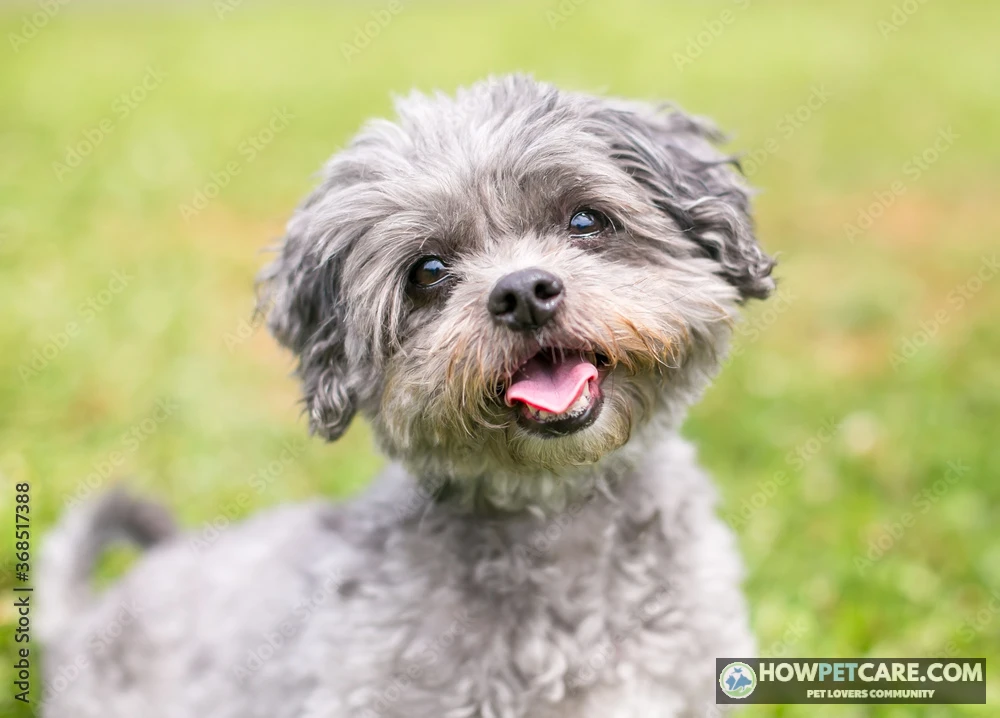

A Shih Tzu Poodle mix (Shih-Poo) typically weighs 7–20 pounds and stands 8–15 inches tall, living 12–16 years. This low-shedding companion cross combines the Shih Tzu’s affectionate nature with Poodle intelligence, but requires frequent brushing to prevent severe matting, consistent housebreaking routines, and dedicated care for dental and respiratory health.
Shih Tzu Poodle Mix at a Glance: Size, Lifespan, and Care Level
A Shih Tzu Poodle mix, commonly called a Shih-Poo, Shihpoo, or ShihPoo, crosses a Shih Tzu with a Toy or Miniature Poodle. Because it is a designer cross rather than a standardized breed, there is no single blueprint for adult size, coat type, or temperament. The traits of the adult dog trace directly back to the physical build, coat genetics, and baseline behavior of both parents.
Most adult Shih-Poos weigh between 7–20 pounds and measure about 8–15 inches at the shoulder. Toy Poodle pairings yield smaller dogs, typically 7–13 pounds and 8–11 inches tall. Miniature Poodle parents produce a larger Shih Tzu and Poodle mix, frequently settling around 12–20 pounds and 10–15 inches. These figures offer practical targets, not ironclad guarantees. A mother’s stature and the genetic history across both ancestral lines steer the puppy’s eventual adult build.
Life expectancy generally spans 12–16 years, though veterinary records show broader windows of 10–17 years. Lifespan depends on weight management, dental care, hereditary traits, and consistent preventive medicine. While a Shih-Poo thrives as an affectionate lap companion, it is not an entry-level pet. Plan for moderate exercise, substantial grooming demands, strict dental routines, and a real tendency toward separation distress.
Low shedding does not equal hypoallergenic or hands-off grooming. A Shih-Poo drops less visible hair across your floors, but it produces dander and allergen-carrying saliva like any other dog. Without systematic brushing down to the skin, trapped undercoat mats quickly.
Toy Poodle Shih Tzu Mix vs. Mini Shih-Poo
A Toy Poodle Shih Tzu mix is lightweight and easy to carry, suiting apartment life well. However, its small bladder, delicate joints, and narrow airway demand careful handling. A Mini Shih-Poo has a sturdier bone structure and tolerates longer walks, but it consumes more food, requires more structured exercise, and can easily outgrow a prospective owner’s expectations.
Verify the adult weights of both parents, inspect records of past litters from the same pairing, and gauge the puppy’s growth rate directly. Dismiss subjective marketing phrases such as “teacup,” which signal retail sales tactics rather than sound breeding practices.

Quick Compatibility Verdict
A Shih-Poo suits apartments, active families, or seniors who can handle short daily walks, interactive toys, frequent bathroom breaks, regular brushing, professional clipping fees, and lots of company. It will not suit an owner who expects an independent pet, skips grooming appointments, or needs a medically certified hypoallergenic animal.
Shih-Poo Temperament, Energy Level, Barking, and Trainability
The temperament of this mix blends the Shih Tzu’s devoted, occasionally headstrong disposition with the Poodle’s bright, responsive nature. Most are lively, social, and determined to shadow their favorite human throughout the day. Evidence regularly documents their playful and loyal nature, while highlighting that an independent streak can complicate training routines.
Individual variance runs wide. A single litter can produce one energetic puppy and another quiet, cautious sibling that prefers resting nearby. Structured socialization from an early age is vital. Systematically introduce your puppy to children, neutral dogs, clippers, domestic noises, houseguests, car rides, varying floor textures, and gentle touch around the paws, muzzle, and ears.
Typical Personality at Home
Most Shih-Poos thrive on continuous human contact. That deep bond makes them great companions, but it can quickly slide into demand barking, clinging behavior, and panic when left alone. A small dog carried everywhere without practicing quiet independence often struggles when family members leave the house.
Around young children, physical safety must take priority over friendly intent. A small frame breaks easily if dropped, squeezed, stepped on, or cornered. Oversee all family interactions, show children how to spot warning signs, and set up a gated zone where the dog rests undisturbed.

Exercise and Mental Stimulation
This cross requires moderate everyday movement rather than endurance running. A baseline of roughly 30 minutes of daily activity through brief neighborhood walks or 15-minute fetch sessions satisfies most adults. Adjust those intervals around life stage, outdoor temperatures, airway anatomy, and vet recommendations.
Break activity into short routines: an exploratory sniff-walk, interactive treat puzzles, basic trick work, or living room scent games. Given their Poodle lineage, these dogs tire faster from mental puzzles than repetitive walking. Keep training sessions brief and stop while the dog is still enthusiastic.

Why Some Shih-Poos Bark More Than Others
Sharp alert barking often starts with corridor steps, delivery drivers, neighborhood visitors, boredom, or loneliness. Apartments do not prevent vocal habits; shared walls, elevator pings, and stairwell echoes frequently make them worse.
Catch and reward silence before a bark starts. Pair hallway sounds with small treats, teach the dog to target a floor mat on cue, schedule mental puzzles daily, and never shout in response—it sounds like barking along. If vocalizing accompanies panicked panting, clawing at exits, pacing, or drool, consult an accredited trainer to map out an isolation desensitization protocol.
Are Shih Tzu Poodle Mixes Hypoallergenic? Coat Types and Grooming
No dog breed is completely allergen-free. Canine allergies stem from dander, saliva, and urine rather than loose fur alone. While a low-shedding Shih-Poo sheds less fur than a double-coated breed, it can still trigger allergies. Spend several hours around the specific dog before adopting, and consult a medical doctor if family members manage severe respiratory symptoms.
Coat development stays unpredictable through early development. A straight-coated puppy often grows into a wavy or dense curly coat by 12 months. Color, thickness, and structure diverge widely across individual litters. When hair does not fall out onto the floor, it stays caught in the undercoat, creating dense mats that require dedicated maintenance. Grooming routines must explicitly distinguish between straight, wavy, and curly coats to select the proper brush combinations and prevent pelted fur.
Straight-Silky, Fleece, and Wool Coat Differences
Evaluate coat care by examining the adult root line, not just topcoat fluff. The term “dense” indicates that skin remains hard to see when hair is parted. Straight coats require soft pin brushes and combs, wavy fleece textures require medium slickers, and tight curly wool textures demand firm long-pin slicker brushes.
| Coat texture | Likely shedding | Matting risk | Tool pairing | At-home frequency | Professional grooming interval |
|---|---|---|---|---|---|
| Straight-silky, light density | Low to moderate | Moderate, especially behind ears and under harness straps | Soft pin brush, then fine/coarse metal greyhound comb; detangling spray on friction zones | Brush 3 times weekly; comb to skin weekly | Every 8 weeks, usually at a 1-inch or shorter clip |
| Straight-silky, dense | Low to moderate | High because loose hair can remain trapped near the skin | Long-pin slicker plus metal greyhound comb; line-brush in 1-inch sections | Brush and comb every other day | Every 6–8 weeks; consider a 1/2- to 3/4-inch clip |
| Fleece or loose-wave, light density | Usually low | Moderate to high | Medium slicker plus metal greyhound comb; light detangling spray | Brush 4 times weekly; comb friction zones daily | Every 6–8 weeks at a 1/2- to 1-inch clip |
| Fleece or loose-wave, dense | Usually low | Very high, especially during the puppy-to-adult coat change | Long-pin slicker plus sturdy metal greyhound comb; line-brush from feet upward | Brush and comb daily or at least 6 days weekly | Every 4–6 weeks; a 1/2-inch clip reduces home workload |
| Tight-wool, light density | Very low | High because curls tighten around loose hair | Firm long-pin slicker plus metal greyhound comb; separate curls in narrow sections | Brush and comb at least every other day | Every 4–6 weeks at a 1/2-inch or shorter clip |
| Tight-wool, dense | Very low | Extreme; surface brushing commonly misses skin-level mats | Firm long-pin slicker plus metal greyhound comb; grooming table or nonslip mat | Full brush-and-comb check daily | Every 4 weeks; choose a 1/4- to 1/2-inch clip if daily care is unrealistic |
How to Groom a Shih Tzu Poodle Mix at Home
- Place the dog on a nonslip surface and separate hair into narrow sections.
- Apply line brushing: lift the coat, brush from skin to ends, and work upward in thin rows.
- Run a metal greyhound comb behind the slicker brush. Brushes frequently glide over deep tangles that only a comb catches.
- Check friction spots: behind the ears, armpits, harness edges, groin, leg contours, and the tail base.
- Work out tangles before wetting the dog. Water tightens mats against the skin.
- Spray stubborn knots with detangler, avoiding harsh pulling on raw skin.
- Blow-dry the coat thoroughly while brushing in small sections. Wet fur locks into tight tangles as it dries.
- Wipe facial folds clean, check ear canals, trim nail tips, and clean teeth using enzymatic pet toothpaste.
After brushing, your metal comb should glide from root to tip. Snagging means hidden mats remain. Never use shears against the skin to cut knots out at home; have a certified groomer clip them off safely.

Professional Grooming Schedule and Warning Signs
Appointments every 4–8 weeks are typical. Tightly curled coats often need a four-week schedule. Warn your groomer about breathing limits, joint sensitivities, handling nerves, and how much brushing you manage at home. Choosing a short utility clip saves daily labor, but it never removes the need to brush friction spots.
Watch for foul ear odors, inflamed skin, frantic scratching, stale odors, deep matting, overgrown claws, or sensitive spots when touched. These signs require a veterinary visit, not a bath appointment.
A Shih-Poo that sheds little can still require daily brushing, frequent combing, and professional grooming every few weeks. Choose the dog only if your household can maintain the coat you are likely to get, not the coat shown in a puppy advertisement.
Shih Tzu Poodle Mix Lifespan and Inherited Health Issues
Genetic variation can introduce hybrid vigor, but crossing two parent breeds never erases inheritable disease. A Shih-Poo risks acquiring genetic weaknesses from both parent lines. A basic veterinary health slip for a puppy does not replace comprehensive parent screening.
Health Risks From the Shih Tzu Parent
Shih Tzus carry a flat brachycephalic skull. A Shih-Poo with a compressed muzzle faces risk of brachycephalic airway syndrome (brachycephalic obstructive airway syndrome), low heat tolerance, wheezing, low stamina, and slow post-walk recovery. Crossing with a Poodle muzzle can help, but it cannot ensure clear airways.
Other typical vulnerabilities include overcrowded teeth, corneal ulcers, environmental allergies, recurring ear infections, slipped kneecaps (patellar luxation), and joint strain from excess body weight. Crowded jaws hold bacteria and require consistent plaque management.

Health Risks From the Poodle Parent
Poodles pass down risks for patellar luxation, progressive retinal atrophy (PRA), cataracts, hip dysplasia, skin allergies, dental disease, and specific endocrine or cardiac conditions. Severity reflects the parent’s size class, lineage, and overall genetic background.
A transparent breeder discusses these medical realities openly instead of marketing crossbreeds as invulnerable. Request documented test results with registered microchip numbers, certified dates, and clear documentation that proves the results match the dam and sire.
Screening Tests and Parent Health Clearances
Verify that the breeder holds diagnostic screenings: recent eye exam certificates (OFA Companion Animal Eye Registry), orthopedic knee clearances for patellar luxation, and relevant DNA panels for progressive retinal atrophy (PRA). Cardiac checks and hip evaluations should match parent breed guidelines. Screenings reduce genetic odds; they cannot guarantee total immunity against illness.
Expect an initial veterinary assessment to run roughly $100–$300, while targeted diagnostic testing runs from several hundred dollars to more than $1,000. Regional fees, specialty consultations, imaging scans, and surgery increase these totals quickly. Treat these as realistic planning figures.
Papers from organizations such as the American Canine Hybrid Club, the International Designer Canine Registry, or the Designer Dogs Kennel Club serve as registration logs, not health warranties. Demand actual clinic records rather than trusting oral promises.
Symptoms That Need Prompt Veterinary Care
Contact your veterinarian for raspy breathing at rest, pale or blue-tinted gums, collapse, heat exhaustion, coughing, sudden limping, squinting, persistent ear shaking, urinary straining, severe scratching, or unexpected changes in water intake and urination. A house-trained pet that suddenly wets indoors needs a medical workup before behavioral intervention.
How to Housebreak a Stubborn Shih-Poo Puppy
Potty training a Shih-Poo demands consistency, timing, and high-value rewards. The Shih Tzu lineage can bring an independent attitude, while a tiny bladder restricts physical control. Harsh scolding only teaches sensitive pups to eliminate out of sight.
The Toy-Breed Potty Schedule
-
Anchor every toilet trip to an event
Take an 8- to 12-week-old puppy out after waking, meals, drinking, active play, naps, and before bed, plus every 45–60 minutes while awake. At 3–4 months, test 60–90-minute intervals; at 5–6 months, test 2–3 hours. These are starting points, not promises.
-
Use one quiet toilet station
Carry or leash the puppy to the same small area, say one cue such as “go potty,” and wait calmly for up to 5 minutes. Use shade in warm weather and stop if breathing becomes labored or recovery is unusually slow.
-
Pay within two seconds
When elimination finishes, mark it with “yes” and give three pea-sized high-value treats outdoors. Allow a few minutes of sniffing afterward so the puppy does not learn that toileting ends outdoor time.
-
Reset instead of arguing
If nothing happens, return indoors for 10 minutes of direct supervision or correctly sized crate or pen time, then retry. Do not punish hesitation or prolong exposure to rain, cold, heat, or frightening noise.
-
Promote freedom from the log
Record each trip, result, trigger, and accident. After 7 accident-free days in one supervised room, add one room. After an accident, shorten the next interval by 15 minutes; after two accidents in 48 hours, return to the previous freedom level for 3 days.
Crate and Pen Setup That Prevents Rehearsal
A crate should provide enough space for your dog to stand, rotate, and lie flat without letting it urinate on one side and sleep clean on the other. An exercise pen bridges the gap between active supervision and free run of your home. Keep containment aligned with age and bladder control.
Housebreaking fails when crates are too large, isolation windows drag on too long, fear is dismissed as stubbornness, or rewards come too late. Panting, excessive drool, wall scratching, skipped meals, or cage biting indicate separation panic. Shorten kennel stretches, build positive associations, and hire an experienced behavior consultant if distress continues.

What to Do When Housebreaking Regresses
Tighten supervision, resume scheduled potty breaks, scrub soiled floors with enzymatic cleaner, and check for disruptions in diet, activity, guests, trips, or weather. Never scold. Sudden lapses, frequent micro-urinations, visible straining, increased thirst, loose stools, or belly pain demand a vet call to rule out urinary issues.
The Real Cost of Owning a Shih-Poo From Puppyhood to Old Age
The initial puppy purchase represents a fraction of lifetime Shih-Poo expenses. Across the United States, commercial breeder prices run about $1,200–$4,000, while rescue fees sit significantly lower. Price tags do not guarantee ethical practices, sound parental health, or genetic resilience.
Breeder Price vs. Adoption Cost
Before bringing a puppy home, account for initial exams, immunizations, preventative parasite medications, microchips, spay or neuter surgery, high-quality food, pens, crates, training courses, grooming kits, salon fees, dental exams, pet insurance, local licensing, and gear replacements.
First-Year Puppy Setup
The first twelve months demand the highest cash reserve because baseline investments bunch together. A puppy requires multiple veterinary boosters, primary accessories, training classes, and early salon exposure. Factor in travel, missed work, pet sitting, or unexpected emergency room visits as well.

Monthly and Annual Recurring Expenses
The overview below provides standard planning ranges. Actual expenses shift according to location, coat thickness, styling choices, insurance policies, diet, medical issues, and unexpected emergency needs.
| Expense category | Upfront or first-year cost | Healthy adult annual cost | Senior annual cost | Estimated lifetime range | Cost variables |
|---|---|---|---|---|---|
| Adoption or breeder fee | $100–$4,000 | — | — | $100–$4,000 | Source, location, lineage, demand |
| Veterinary care and prevention | $500–$1,800 | $300–$800 | $800–$2,000+ | $5,000–$20,000+ | Vaccines, exams, diagnostics, region |
| Spay/neuter and microchip | $200–$800 | — | — | $200–$800 | Clinic, sex, location |
| Food and treats | $300–$600 | $400–$700 | $500–$800 | $5,000–$10,000 | Diet, weight, medical needs |
| Professional grooming | $400–$1,000 | $600–$1,200 | $700–$1,400 | $8,000–$18,000 | Coat, frequency, clip, local rates |
| Dental care | $100–$500 | $200–$600 | $400–$1,500+ | $3,000–$12,000+ | Home care, cleanings, disease |
| Equipment and supplies | $500–$1,200 | $150–$400 | $200–$500 | $2,000–$5,000 | Replacement and training needs |
| Insurance or emergency reserve | $300–$1,000 | $600–$1,500 | $1,000–$2,500 | $8,000–$25,000+ | Coverage, claims, savings strategy |
Senior Care and Lifetime Cost Scenarios
A 15-year scenario highlights how ownership costs change across life stages. Consider a 10-pound Toy Poodle cross adopted for $500, maintained in a practical 1/2-inch clip, groomed every 6 weeks, and covered by pet insurance. These figures reflect rounded 2026 U.S. dollars without factoring in inflation.
| Life stage | Years | Annual calculation | Stage total |
|---|---|---|---|
| Puppy and setup | 1 | Adoption $500 + veterinary care and procedures $1,200 + equipment $600 + food $420 + grooming $720 + insurance or reserve $600 + training $250 | $4,290 |
| Healthy adult | 2–9 | Food $480 + grooming $840 + routine care $550 + dental fund $250 + insurance or reserve $720 + supplies $180 | $24,160 |
| Mature adult | 10–12 | Food $540 + grooming $900 + care and bloodwork $750 + dental fund $400 + reserve $900 + medication and supplies $250 | $11,220 |
| Senior | 13–15 | Food $600 + grooming $960 + exams and diagnostics $1,100 + dental fund $600 + reserve $1,200 + medication and mobility supplies $720 | $15,540 |
| 15-year total | 1–15 | $4,290 + $24,160 + $11,220 + $15,540 | $55,210 |
This breakdown averages $307 per month over 180 months, but real-world invoices hit in spikes. Swapping the $500 rescue fee for a $4,000 breeder cost lifts total spending to about $58,710. A single out-of-pocket $6,000 surgical event increases the tally to $61,210, or $64,710 if both factors apply. Dedicated savings allocations provide financial breathing room, not a policy guarantee.
Shih-Poo vs. Shih Tzu, Toy Poodle, Maltipoo, and Cavapoo
A Shih-Poo offers a small footprint, an affectionate nature, minimal shedding, and Poodle intelligence. Its primary drawback is a lack of predictability. Standardized breeds provide far more certainty regarding mature weight, fur texture, and daily behavior.
| Trait | Shih-Poo | Shih Tzu | Toy Poodle | Maltipoo | Cavapoo |
|---|---|---|---|---|---|
| Adult size | About 7–20 lb; varies by Poodle line | Generally small and compact | Usually very small | Small; varies by Poodle line | Often somewhat larger; varies by parentage |
| Coat predictability | Low | Higher, but still high-maintenance | Higher, usually curly or wavy | Low to moderate | Low to moderate |
| Shedding potential | Often low, not guaranteed | Low to moderate | Often low | Often low | Often low to moderate |
| Grooming workload | High | High | High | High | High |
| Exercise needs | Moderate | Low to moderate | Moderate, with high mental needs | Moderate | Moderate to high |
| Barking risk | Alert barking possible | Alert barking possible | Alert and demand barking possible | Alert barking possible | Alert barking possible |
| Training | Intelligent but potentially stubborn | Often slower and less eager | Highly responsive but mentally active | Often responsive and sensitive | Often responsive and social |
| Independence | Often low; separation anxiety possible | Moderate but people-oriented | Variable | Often low | Often low |
| Health considerations | Knees, eyes, teeth, allergies, airway, ears | Brachycephalic and eye risks, knees, teeth | Eye, knee, dental, and line-specific risks | Parent-line eye, knee, dental, and allergy risks | Parent-line heart, eye, knee, and orthopedic risks |
Shih-Poo vs. Its Parent Breeds
Pick a purebred Shih Tzu if consistent miniature sizing and modest exercise requirements matter more than fast obedience work. Choose a Toy Poodle if high trainability, physical agility, and established breed baselines outweigh a desire for a low-key lap dog. The Shih-Poo sits between both lines, though it rarely inherits only the most convenient qualities of each.

Shih-Poo vs. Maltipoo
A Maltipoo is equally reliant on human company and learns quickly, though it can display vocal sensitivities and heightened alert barking. Both mixes develop coats prone to friction matting. Evaluate both parents directly, assessing physical frames, muzzle profiles, puppy socialization, and clear test panels rather than making assumptions based on cross names.
Shih-Poo vs. Cavapoo
Cavapoos often mature into larger, more active companions that also face issues with alone time. They bring distinct ancestral risks for heart disease, eye conditions, and joint trouble. While a Shih-Poo may better suit a quieter home seeking a smaller dog, neither crossbreed guarantees easier handling or lower vet bills.
Use this comparative matrix to weigh priorities. Ratings from 1 to 5 mark a more manageable or advantageous score for each factor, not a promise for every dog.

| Dimension | Shih-Poo | Cavapoo | Maltipoo | Shih Tzu | Toy Poodle |
|---|---|---|---|---|---|
| Training responsiveness | 3 | 4 | 4 | 2 | 5 |
| Low exercise requirement | 4 | 3 | 4 | 5 | 3 |
| Grooming ease | 2 | 2 | 2 | 2 | 2 |
| Lower alert-barking tendency | 3 | 3 | 3 | 3 | 2 |
| Ability to tolerate routine alone time | 2 | 2 | 2 | 3 | 3 |
| Predictability of size, coat, and temperament | 2 | 2 | 2 | 5 | 5 |
| Total out of 30 | 16 | 16 | 17 | 20 | 20 |
Do not choose a breed based on the final total alone. Focus on your household’s two most critical needs. A Shih-Poo works well for low-mileage households, but it is an unreliable choice if you need fixed adult heights, standard coat textures, or long muzzles.
Is a Shih-Poo Right for Your Home? A Pre-Adoption Checklist
Apartment and Alone-Time Readiness
Apartment living succeeds when you manage corridor noise, stair transitions, frequent toilet breaks, and indoor enrichment. Reward quiet behavior around unexpected sounds, run white noise machines near doorways, and train a dependable mat rest. Introduce solitary time in brief sessions rather than assuming a companion cross can handle eight solitary hours right away.
Build departure times slowly while keeping your puppy relaxed. Provide safe lick mats, establish clear routines, and line up backup caretakers. Plan on a dog walker, licensed sitter, or daytime daycare during early development or if an adult displays separation stress.

Allergy and Grooming Reality Check
Spend substantial indoor time around your chosen puppy before bringing it home permanently. Do not trust marketing terms like hypoallergenic. Determine whether family members can consistently comb hair down to the skin several times a week, clean skin folds, clean ears, trim nails, brush teeth, and pay salon bills every few weeks.
Questions to Ask a Breeder or Rescue
Request the adult weights of both parents, maternal breathing records, fur traits, medical clearances, ophthalmologist reports, patellar certifications, relevant DNA clearances, cardiac and hip scores, complete vaccine logs, and return guarantees. Ask about behavioral milestones from earlier litters instead of simply judging the puppy in front of you.
Rescue organizations may have limited background records. Compensate by scheduling an independent veterinary screening, carrying adequate emergency coverage, and checking respiration, gait, eye discharge, ears, and overall disposition.
Proceed, Reconsider, or Choose Another Breed
Move forward if your household accepts unpredictable physical traits, has allocated funds for ongoing grooming and medical fees, has planned out potty schedules and alone-time protocols, and has cleared family allergies in person.
Wait if you lack savings for sudden medical bills, have limited time for brushing, or expect a young dog to remain alone all day. Stepping back is smarter than adopting a dog whose needs clash with your schedule.

Look at purebred options if predictable adult size, coat type, airway conformation, or proven parent screenings are mandatory. A purebred Shih Tzu provides a low-mileage companion; a purebred Toy Poodle ensures high trainability and established breed history. A thoughtful choice matches the dog’s daily requirements with your actual budget, available hours, and lifestyle.

| Dimension | Shih-Poo | Cavapoo | Maltipoo | Shih Tzu | Toy Poodle |
|---|---|---|---|---|---|
| Training responsiveness | 3 | 4 | 4 | 2 | 5 |
| Low exercise requirement | 4 | 3 | 4 | 5 | 3 |
| Grooming ease | 2 | 2 | 2 | 2 | 2 |
| Lower alert-barking tendency | 3 | 3 | 3 | 3 | 2 |
| Ability to tolerate routine alone time | 2 | 2 | 2 | 3 | 3 |
| Predictability of size, coat, and temperament | 2 | 2 | 2 | 5 | 5 |
FAQ
What is a Shih Tzu Poodle mix called?
A Shih Tzu and Poodle mix is commonly called a Shih-Poo, Shihpoo, or ShihPoo. It is a designer cross rather than a standardized purebred dog.
Are Shih-Poos good with children and other pets?
Many are sociable with respectful children and compatible pets when introduced early. Because they are small and can be injured by rough handling, interactions with young children should always be supervised.
How long can a Shih-Poo be left alone?
Tolerance varies, but this people-focused mix may struggle with long, sudden absences. Build alone time gradually and arrange a toilet break and human contact if an adult dog would otherwise spend most of the workday alone.
What should a Shih-Poo eat?
Feed a complete, balanced diet formulated for the dog’s life stage and small size, with portions based on body condition and veterinary guidance. Measure meals and limit treats because excess weight can worsen joint, airway, and mobility problems.
Is the Shih-Poo recognized as an official dog breed?
Major kennel clubs generally do not recognize the Shih-Poo as a standardized breed. Registration with a designer-dog organization does not replace documented parent health testing or establish predictable traits.