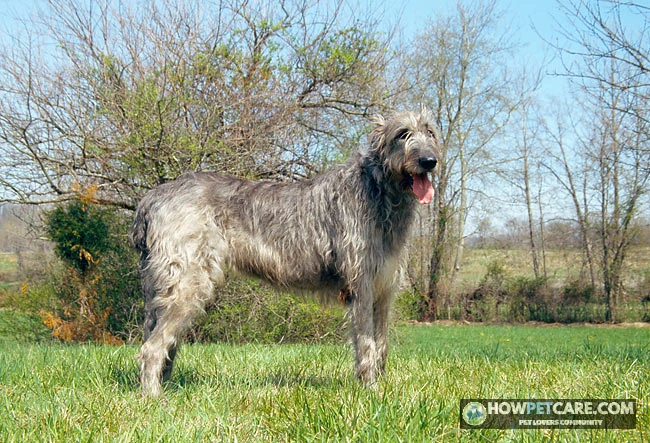

Irish Wolfhounds typically live 6 to 8 years. The Irish Wolfhound Foundation reports an average of about 7.5 years, while published study averages range from 4.95 to 8.75 years. Cancer, heart disease, and bloat (GDV) are the leading causes of death.
Irish Wolfhound Lifespan: The Evidence-Based Range at a Glance
Irish Wolfhounds commonly live around 6 to 8 years, though individual dogs may live considerably shorter or longer lives. The Irish Wolfhound Foundation has reported an average of about 7.5 years, while a published review found study averages ranging from 4.95 to 8.75 years. Those figures describe different groups of dogs; they don’t predict how long your dog will live.
Cancer, including osteosarcoma, and heart disease are major threats to the breed. Gastric dilatation-volvulus (GDV), often called bloat, is a potentially fatal emergency. Owners can’t eliminate inherited risks, but they can plan cardiac screening, maintain a lean body condition, recognize emergencies and arrange veterinary care promptly.
Every Published Lifespan Estimate, Compared: 4.95 to 9.9 Years
The numbers repeated online don’t all have equally traceable origins. This table separates figures supported by the available research from claims that need a primary source. It isn’t a complete inventory of every study.
| Estimate (years) | Study or source and date | Sample basis | Mean or median | Key caveats |
|---|---|---|---|---|
| 4.95 | Lower end of the range reported in Urfer’s review, 2007 | A study summarized in the review | Not established in the available evidence | The original sample and calculation need checking before comparing it directly with other estimates. |
| 6.0 males; 6.55 females | Historical study covering 1966–1986, summarized in the research | Historical Irish Wolfhound population | Reported averages | Old data; the available evidence does not establish the sample size or how living dogs were handled. |
| 6.47 | Historical study covering 1966–1986, summarized in the research | Historical Irish Wolfhound population | Reported average | Not necessarily representative of dogs living today. |
| About 7.5 | Irish Wolfhound Foundation, date of underlying calculation not established here | Foundation estimate | Reported average | Useful as a practical reference, but the available evidence does not specify its sample or methodology. |
| 8.75 | Upper end of the range reported in Urfer’s review, 2007 | A study summarized in the review | Not established in the available evidence | Do not assume this is a current breed-wide median. |
| 9.9 | Circulating estimate; primary source not verified | Unknown | Unknown | The available evidence does not substantiate this figure, so it should not be used as a dependable breed average. |

Why the numbers conflict: methodology and right-censoring
A mean adds the ages together and divides by the number of dogs; a median is the middle age when observations are ordered. Early deaths can pull a mean down, though the two measures can differ for other reasons, too.
The population matters just as much. A voluntary owner survey, a registry and a veterinary practice may capture different dogs. A study that includes only dogs already known to have died can miss longer-lived dogs still alive when information is collected. On the other hand, treating a living dog’s current age as its final age understates its eventual lifespan. Survival analysis can account for these incomplete observations, known as right-censoring.
The claim that 91% die before age 10 appears in the supplied research, but its underlying survey, date and denominator aren’t identified well enough here to assess it. Don’t treat it as a current probability for an individual Wolfhound.
Which estimate to trust
For planning, use the Foundation’s approximately 7.5-year estimate as a reference point, not a guarantee. Keep in mind that the available evidence doesn’t establish its sampling method. A recent, representative study that follows dogs over time and accounts for those still alive would support a stronger comparison than an undated, self-selected survey.
Some dogs reach double digits, but an exceptional individual doesn’t change the breed average. A claim about the oldest Irish Wolfhound on record needs independently verifiable birth and death records; the evidence available here doesn’t establish one.
Is there post-2007 evidence that Wolfhounds are living longer?
The available research includes a Foundation estimate described as current, but doesn’t provide enough dated, comparable registry data to establish a trend. The older studies and the 2007 review remain important context. On their own, they can’t prove that today’s Wolfhounds live longer than earlier generations.
What Irish Wolfhounds Die From: Cause-of-Death Proportions
Cancer and heart disease deserve attention, but a percentage of recorded deaths isn’t the same as an individual dog’s lifetime risk. The supplied research gives two cancer figures without identifying the underlying survey and denominator in enough detail to assess them independently.
| Cause | Reported proportion | Source and date | Notes and limitations |
|---|---|---|---|
| Cancer, all types | 36.6% of deaths | Cause-of-death data summarized in the supplied research; original survey and date not specified | Treat as a historical reported figure, not a precise current probability. |
| Osteosarcoma | 20% of deaths | Cause-of-death data summarized in the supplied research; original survey and date not specified | Bone cancer is part of the cancer category; do not add the two percentages. |
| Heart disease, including dilated cardiomyopathy | No verified death proportion available here | Research summary; date and mortality denominator not specified | A major cause of death, but disease prevalence cannot be substituted for a proportion of deaths. |
| GDV and pneumonia | No verified breed-specific death proportion available here | Not established in the available evidence | Both warrant prompt attention; their relative shares cannot be reliably ranked from these figures. |
Cancer and osteosarcoma
Osteosarcoma is an aggressive bone cancer. Make a veterinary appointment promptly for persistent or worsening lameness, pain or swelling over a bone. A sudden inability to bear weight warrants urgent assessment. An X-ray may be a starting point, but the vet may recommend further testing to distinguish cancer from other causes.
Treatment can involve amputation, chemotherapy or palliative pain control. The right choice depends on the dog’s overall health, mobility, disease stage and family resources—not age alone.
Dilated cardiomyopathy and heart disease
Dilated cardiomyopathy (DCM) weakens the heart’s pumping ability. Atrial fibrillation, an abnormal rhythm, can occur with heart disease and may be detected before an owner notices obvious symptoms. Ask about an echocardiogram and an electrocardiogram (ECG); a stethoscope examination alone can’t answer every cardiac question.
The research summary reports DCM in 24% to 43% of dogs in certain European studies, but that is disease prevalence in those study populations, not the percentage of all Wolfhounds that die from DCM. The underlying study details are needed before applying those numbers more broadly.

Bloat (GDV) and pneumonia
In GDV, the stomach becomes distended and twists. It’s an emergency that requires immediate veterinary treatment. Pneumonia can also become serious quickly, particularly when breathing is difficult. The emergency protocol later in this guide explains what to do.
Hip dysplasia and arthritis can limit movement and quality of life. They may influence difficult care decisions, even when they aren’t recorded as the immediate cause of death.
Why Irish Wolfhounds Die Young: Giant Breed Biology and a Small Gene Pool
Large dogs tend to have shorter lifespans than small dogs, but body size doesn’t explain every individual outcome. Cancer and heart disease add important breed-specific concerns for Wolfhounds. Researchers are investigating rapid growth, aging mechanisms and genetics; it isn’t established that a particular feeding regimen prevents cancer or DNA damage in an individual puppy.
Inherited variation may affect disease risk, but a pedigree alone can’t predict whether a dog will develop DCM or cancer. Health screening helps identify some problems; it doesn’t guarantee a long life.
Wolfhound vs. Great Dane and other giant breeds
Both Irish Wolfhounds and Great Danes are giant breeds with relatively short expected lifespans. The available evidence doesn’t provide a suitably matched numerical Great Dane or all-dog estimate, so it can’t establish whether Wolfhounds live longer. Breed comparisons are most useful when the dogs come from the same population and period and researchers use the same survival methods.

Do females live longer than males?
In one historical study covering 1966–1986, reported averages were 6.55 years for females and 6.0 years for males. That difference isn’t a reliable prediction for an individual dog, and the old data don’t establish the size of any sex difference in the present population.
An Age-by-Age Screening and Care Plan, From Puppy to Senior
Use this schedule to start a conversation, not as a substitute for your veterinarian’s recommendations for your dog. Costs are illustrative US planning allowances, not verified national averages or quotes; location, tests and specialist fees matter.
| Life stage and age | Screening and vet checks | Diet and exercise focus | Illustrative cost allowance |
|---|---|---|---|
| Puppy, about 10–12 weeks | Ask about a portosystemic shunt screen and review results with your vet. | Feed a complete large-breed growth diet; monitor body condition. | $80–$200 for a screening test; confirm what is included. |
| Adolescent, about 6–24 months | Track growth and gait; discuss neutering and gastropexy timing. | Avoid forced repetitive impact; allow appropriate, self-paced activity. | Routine examination and any procedures are additional. |
| Adult, age 2 onward | Arrange annual cardiac assessment; discuss echocardiography, ECG and additional monitoring. | Keep a visible waist and palpable ribs; divide daily food into meals. | Allow $400–$800 for a specialist cardiac screen, subject to local quotes. |
| Senior, around age 7 onward | Plan exams roughly every six months; tailor bloodwork and other tests to findings. | Adjust calories and activity to body condition, comfort and mobility. | Allow $150–$350 per visit with basic testing; imaging and specialist care cost extra. |
The research summary supports puppy shunt screening before rehoming at about 10–12 weeks and regular annual heart screening beginning at age 2. The precise tests and follow-up depend on the dog and veterinarian.
Puppy: PSS screen and growth control
A portosystemic shunt (PSS) allows blood to bypass the liver. Ask whether the puppy has been screened, which test was used and whether the result requires follow-up. A screening result isn’t the same as a definitive diagnosis. If your adult dog has no documented puppy result, ask the vet whether testing is appropriate now.
Choose a complete and balanced puppy food labeled for growth including growth of large-size dogs. Measure meals and reassess portions as the puppy grows. Aim for steady, lean growth rather than the fastest possible weight gain. Avoid adding calcium supplements unless your veterinarian specifically prescribes them.
Before bringing a puppy home, request available cardiac screening results for the parents and the litter’s PSS results. Ask about the ages and causes of death of close relatives, while recognizing that family history can’t promise an outcome.

Ages 2–6: annual heart screening
Ask your vet whether a veterinary cardiologist should perform an echocardiogram and ECG each year. If an irregular rhythm or other concern appears, the cardiologist may recommend a Holter monitor or a different follow-up interval.
At home, learn your dog’s normal sleeping breathing rate. Count chest rises for a full minute when your dog is asleep and not dreaming; record the result and ask your vet what change should trigger a call. Persistent increases or breathing effort deserve prompt advice, and severe breathing difficulty is an emergency.
Keep a monthly record of weight, appetite, cough, stamina and any lameness. Bring changes—not just the latest number—to the appointment.

Age 7+: senior care and nutrition
For planning, treat about age 6 to 7 as a practical point to discuss senior care, adjusting earlier for a dog with health concerns. Twice-yearly exams give the vet a chance to assess pain, mobility, teeth, weight and heart findings; blood and urine tests can be tailored to the dog’s condition and medications.
There’s no automatic need to switch food on a birthday. If activity declines and weight rises, discuss a measured calorie reduction. If your dog loses weight or muscle, ask about a diet that meets its protein and calorie needs and investigate the cause. Don’t restrict protein solely because a dog is older without veterinary advice.
Nonslip rugs, ramps and an accessible resting area may help a dog with mobility problems. Joint supplements have mixed evidence and variable formulations; ask your vet whether a specific product is worth trying rather than assuming it will prevent arthritis.
Neutering, Diet, and Other Choices That Can Shift the Odds
Should you neuter a male Irish Wolfhound?
The research summary notes concern about a possible association between neutering and osteosarcoma in the breed. An association doesn’t prove that neutering causes cancer, and the evidence presented here doesn’t establish a precise risk for an individual male or an ideal age for surgery.
Discuss timing with your veterinarian before making a decision. Consider orthopedic development, reproductive and testicular disease, the possibility of accidental breeding, behavior, household circumstances and anesthesia. The right plan can differ between dogs; neither routine early surgery nor leaving every male intact is a universal answer.
Feeding by life stage
For puppies, use a large-breed growth formula and adjust measured portions to maintain a lean body condition. For adults, divide the daily ration into at least two meals rather than feeding one large meal. For seniors, adjust the amount and formulation to weight, muscle and medical needs.

Ask your vet before choosing a grain-free or other unconventional diet, especially if your dog has cardiac concerns. Diet-associated DCM is an area of investigation; the label alone doesn’t diagnose or exclude a problem. A veterinary nutritionist can help when allergies or other medical needs complicate feeding.
Avoid vigorous activity immediately around meals as a cautious management choice, but don’t rely on meal timing to prevent GDV. Feeding practices can’t remove the risk.
Gastropexy and bloat prevention
A preventive gastropexy attaches the stomach to the abdominal wall to reduce the chance of a life-threatening twist. It does not prevent the stomach from filling with gas and doesn’t make suspected bloat safe to observe at home. Ask your veterinarian about the procedure, its costs and whether it makes sense alongside another planned abdominal surgery.
A normal heart screen describes what was found at that visit. Keep the recommended follow-up schedule and call your veterinarian about new symptoms between appointments.
Bloat (GDV) and Pneumonia Emergencies: Recognize and Respond Step by Step
GDV: first 15 minutes
Possible signs include unproductive retching, restlessness, drooling, a swollen or tight abdomen, pale gums, weakness and collapse. A dog doesn’t need to show every sign, and swelling may not be obvious. **One concerning sign, especially repeated unproductive retching, is enough to call an emergency veterinarian immediately.
-
Call and leave now
Contact the emergency clinic while someone prepares transport. Say you have a giant-breed dog with possible GDV; don’t wait to see whether symptoms pass.
-
Keep your dog calm
Help the dog into the vehicle with minimal exertion. Note when signs began if you can do so without delaying departure.
-
Do not try home treatment
Don’t offer food or water, give medication, or attempt to release gas yourself. Follow the emergency team’s instructions.
-
Proceed to the clinic
Tell the clinic about collapse or changes in breathing during the journey and follow its directions. GDV requires immediate veterinary assessment and often emergency surgery.
Save the number and route of a 24-hour clinic before you need them. Confirm that it can manage emergency surgery and identify a backup. A gastropexy history doesn’t change the need to call about symptoms.

Pneumonia: when a cough is an emergency
Coughing, nasal discharge, fever, lethargy and faster breathing can occur with pneumonia. Difficulty breathing, blue or gray gums, collapse or marked distress warrants an emergency visit now. Call your vet promptly for a new cough with lethargy or faster breathing, even if your dog is still walking.
Aspiration pneumonia can follow inhalation of food, liquid or vomit, including in dogs with swallowing or esophageal problems. Tell the clinic about recent anesthesia, vomiting, regurgitation or a known swallowing problem. Don’t force food or water into a dog struggling to breathe.

What Lifelong Irish Wolfhound Care Realistically Costs
There is no verified national Wolfhound cost dataset in the available evidence. The following are illustrative US planning ranges**, not guarantees, survey averages or insurance quotes. Ask local clinics for written estimates; a large dog’s medication dose, specialist access and emergency hospital charges can change the total substantially.
| Expense | Illustrative allowance | What to check |
|---|---|---|
| Puppy PSS screen | $80–$200 | Laboratory, examination and follow-up charges may be separate. |
| Cardiac screening | $400–$800 per visit | Ask whether consultation, echocardiogram and ECG are included. |
| Preventive gastropexy | $500–$1,500 | Price depends on technique and whether combined with another procedure. |
| DCM care | $3,000–$6,000 over a treatment period in this example | Medication, repeat imaging and emergency care vary with severity and duration. |
| Osteosarcoma workup and treatment | $6,000–$12,000 | Ask separately about staging, surgery, chemotherapy and palliative alternatives. |
| GDV emergency surgery | $3,000–$7,000 | Complications, hospitalization and local pricing can make the bill higher. |
| Euthanasia and aftercare | $300–$800 | Home visits and individual cremation may cost more. |
Year-by-year budget example
Consider a hypothetical dog living eight years. This is arithmetic for planning, not a forecast of a typical dog’s needs. The baseline includes routine veterinary care and preventive products, but excludes food, boarding, grooming, insurance premiums and unexpected illness.
| Life stage | Example expenses | Allowance |
|---|---|---|
| Puppy year | Routine care and preventives, plus PSS screen | $680–$1,200 |
| Ages 1–6 | Six years of routine care at $600–$1,000 per year, plus five annual heart screens from ages 2–6 at $400–$800 each | $5,600–$10,000 |
| Ages 7–8 | Two years of routine and senior care at $800–$1,400 per year, plus two heart screens at $400–$800 each | $2,400–$4,400 |
| End of life | Euthanasia and aftercare | $300–$800 |
| Illustrative baseline total | Sum of the lines above | $8,980–$16,400 |
If that dog also needs DCM care and osteosarcoma treatment, adding the illustrative ranges above produces approximately $17,980–$34,400. A GDV emergency, if it occurs, is additional; it shouldn’t be assumed to occur in either scenario. These totals don’t account for inflation or reimbursement and aren’t a promise that treatment will fall within the ranges.

Insurance and emergency funds
If you’re considering insurance, get quotes before a diagnosis. Review waiting periods, annual limits, deductibles, reimbursement percentages and exclusions for hereditary conditions. A condition identified before coverage begins may be treated as pre-existing; terms vary by policy. Compare the lifetime premiums and potential out-of-pocket costs rather than assuming insurance will pay for itself.
Whether or not you insure, build an emergency fund and ask your clinic about payment expectations. A reserve of $5,000–$10,000 is a planning goal, not a guarantee that every emergency will be covered.

Quality of Life and End-of-Life Decisions for Senior Wolfhounds
A weekly quality-of-life record can make gradual changes easier to see. Rate these areas consistently and share the pattern with your vet:
- Hurt: Is pain controlled, and can the dog rest comfortably?
- Hunger and hydration: Is the dog eating and drinking enough without distress?
- Hygiene: Can the dog stay clean and move away from soiled bedding?
- Happiness: Does the dog still respond to family and enjoy familiar activities?
- Mobility: Can the dog rise, walk and toilet with reasonable help?
- Good days: Are comfortable days still outnumbering difficult ones?
A score supports a conversation; it doesn’t make the decision for you. Uncontrolled pain, inability to rise, refusal of food or breathing difficulty require prompt veterinary advice. Severe breathing distress needs emergency care.
Ask about pain relief, supportive equipment, palliative treatment and hospice care. If euthanasia becomes the kindest option, the veterinarian can explain sedation, the procedure and aftercare in advance. Some families choose a home appointment where available; others prefer the support and equipment of a clinic.

Is a Wolfhound Right for You? A Decision Checklist and Next Steps
For prospective owners
A Wolfhound can be a rewarding family companion, but the decision includes a potentially short life, a physically large dog and substantial care costs. Consider whether your household can help a large dog with mobility problems, reach an emergency hospital and manage the emotional consequences of a serious diagnosis.
Before committing, ask for available parental cardiac results, the puppy’s PSS screening information and family longevity history. Get local quotes for routine care and emergency services, and decide how you’d pay for a major illness.
For current owners
- Book or discuss the next cardiac screen, particularly if your dog is age 2 or older.
- Ask your vet whether gastropexy and your dog’s current diet are appropriate.
- Review insurance terms or set a recurring emergency-fund contribution.
- Save an emergency clinic’s phone number and route; share them with everyone who cares for your dog.
- Record weight, appetite, cough, sleeping breathing rate and exercise tolerance; report meaningful changes.
- If your dog is approaching senior age, schedule a discussion about twice-yearly examinations and a mobility plan.
1According to the Irish Wolfhound Foundation, what is the reported average lifespan for the breed?
The Irish Wolfhound Foundation reports an average lifespan of approximately 7.5 years, serving as a practical reference point.
2When analyzing canine lifespan studies, what statistical technique accounts for living dogs whose full lifespans are not yet observed?
Survival analysis uses right-censoring to evaluate incomplete observations from living dogs without understating their eventual lifespans.
3What percentage of recorded Irish Wolfhound deaths is attributed specifically to osteosarcoma in the summarized cause-of-death research?
The summarized cause-of-death research attributes 20% of reported deaths to osteosarcoma.
4Which health screen is explicitly recommended for an Irish Wolfhound puppy at around 10 to 12 weeks of age before rehoming?
Screening puppies around 10 to 12 weeks checks whether blood is improperly bypassing the liver.
5At what age should owners begin arranging regular annual cardiac assessments for an Irish Wolfhound?
The care plan recommends establishing regular annual heart screenings, including echocardiograms and ECGs, starting at age 2.
6What is an important limitation of performing a preventive gastropexy on an Irish Wolfhound?
A gastropexy anchors the stomach to reduce the risk of a life-threatening twist, but it does not stop gas bloat from occurring.
7How does the text recommend managing adult Irish Wolfhound feeding to assist with digestive management?
Splitting daily food into at least two separate meals helps manage gastric volume compared to a single large daily portion.
8Research summaries note Dilated Cardiomyopathy (DCM) in 24% to 43% of dogs in certain European studies. How should this statistic be interpreted?
Prevalence describes how many dogs in a tested group have the disease, which differs from the proportion of total deaths caused by it.
9If an Irish Wolfhound demonstrates repeated unproductive retching, what is the appropriate immediate action?
Repeated unproductive retching is a primary warning sign of GDV (bloat), requiring immediate emergency veterinary evaluation.
10What guideline does the source material provide regarding calcium supplementation for growing Irish Wolfhound puppies?
Balanced large-breed growth diets supply necessary minerals, so additional calcium should be avoided unless prescribed.
| Lifespan Estimate (Years) | Source or Study | Sample Basis | Metric Type | Key Caveats and Limitations |
|---|---|---|---|---|
| 6.0 (males); 6.55 (females); 6.47 (overall) | Historical study covering 1966–1986, summarized in the research | Historical Irish Wolfhound population | Mean | Old data; not necessarily representative of dogs living today; the available evidence does not establish the sample size or how living dogs were handled. |
| 4.95–8.75 | Urfer's review, 2007 | Studies summarized in the review | Unspecified | The original samples and calculations need checking before comparing directly with other estimates; should not be assumed as a current breed-wide median. |
| ~7.5 | Irish Wolfhound Foundation | Foundation estimate | Mean | Useful as a practical reference, but the available evidence does not specify the date of the underlying calculation, sample size, or methodology. |
| 9.9 | Circulating estimate; primary source not verified | Not in source | Unspecified | The available evidence does not substantiate this figure, so it should not be used as a dependable breed average. |
FAQ
When is an Irish Wolfhound considered a senior dog?
Irish Wolfhounds are generally treated as seniors from about age 6 to 7 because of their giant size and shorter lifespan. Twice-yearly vet exams are commonly recommended from this point.
Do female Irish Wolfhounds live longer than males?
Some surveys suggest females may live slightly longer, but the evidence is limited and the difference is small compared with individual variation. Neither sex should be assumed to live substantially longer.
Is it safe to neuter a male Irish Wolfhound?
Neutering involves a trade-off, as some studies in large breeds link early neutering to joint and cancer risks, including osteosarcoma. Discuss timing and individual risk with a vet who knows giant breeds.
Do Irish Wolfhounds live longer than Great Danes?
Irish Wolfhounds generally live somewhat longer than Great Danes, which are often cited at about 7 years, but both are among the shorter-lived dog breeds. Differences between studies make precise comparisons uncertain.
Is an Irish Wolfhound a good family dog despite the short lifespan?
Many owners find them gentle and calm with families. The main considerations are the emotional impact of a shorter life, space and cost demands, and readiness for health care needs.