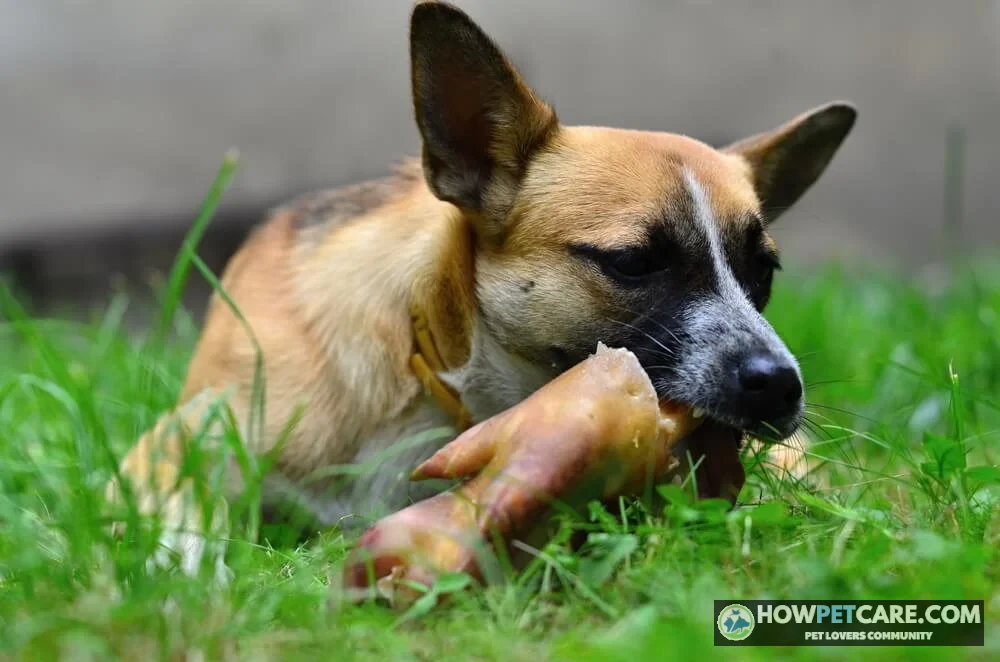

Yes, dogs can safely eat pork if it is plain, lean, and thoroughly cooked. However, raw pork risks parasite transmission like trichinosis, cooked pork bones splinter into dangerous intestinal blockages, and fatty or cured cuts like bacon, ham, and sausage can trigger severe, life-threatening pancreatitis or sodium toxicosis.
Can Dogs Eat Pork? Immediate Safety Verdict and Nutritional Profile
Yes, if plain, lean, and cooked, pork is safe for dogs, but raw pork, pork bones, fatty or cured cuts, and seasonings containing garlic, onion, or excess salt are hazardous. When pet parents ask can dogs eat pork, the short answer is positive only under strict culinary standards, as detailed below.
Nutritional Benefits of Plain Lean Pork
Lean pork provides high‑quality animal protein, essential amino acids, and a range of B‑vitamins (thiamine, niacin, B6, B12) that support muscle maintenance and energy metabolism. Zinc and iron also appear in bioavailable forms, helping immune function and skin health. When prepared without added fats or salts, a 3‑oz serving of cooked pork loin supplies roughly 45–50 calories and 22 g of protein, comparable to skinless chicken breast but with slightly higher thiamine content.
When Pork Becomes Toxic: Fat, Salt, and Seasonings
While pork’s protein is digestible, its fat and sodium levels vary dramatically by cut. High‑fat cuts such as bacon, pork belly, or sausage can overload a dog’s pancreas, precipitating acute pancreatitis – a life‑threatening inflammation triggered by premature enzyme activation. Cured meats contain large amounts of sodium, nitrates, and sometimes sugar, which can cause dehydration, electrolyte imbalance, or renal strain, especially in small breeds or dogs with pre‑existing kidney disease. Finally, seasonings from the Allium family (garlic powder, onion powder, chives) generate oxidative damage to red blood cells, leading to hemolytic anemia; even trace amounts are dangerous for dogs.

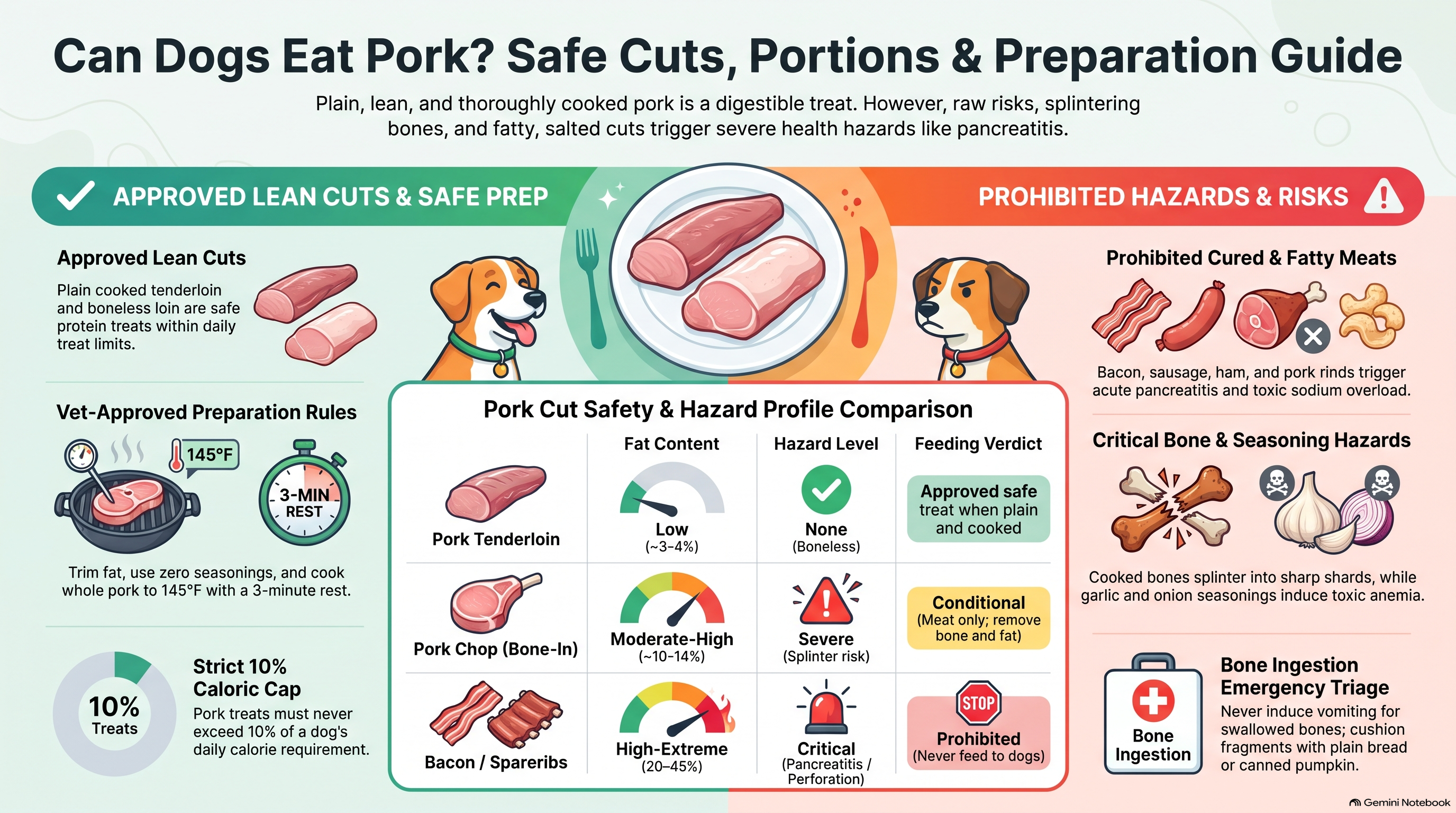
Pork Cut Safety Matrix: Safe Choices vs. High-Risk Hazards
Evaluating each commercial pork cut by its fat content, sodium level, bone hazard, and overall safety helps owners decide what to offer and what to discard.
| Pork Cut | Fat Content (% by wt) | Sodium Level (mg / 100g) | Bone Hazard | Safety Rating | Feeding Verdict |
|---|---|---|---|---|---|
| Pork Tenderloin | Low (~3–4%) | Low (~50) | None (boneless) | Safe | Approved daily treat within 10% caloric allowance; must be cooked plain. |
| Center‑Cut Loin Roast | Low‑Mod (~5–7%) | Low (~55) | None (when boneless) | Safe | Excellent lean protein source; trim all exterior fat caps before cooking. |
| Pork Chop (Bone‑In) | Mod‑High (~10–14%) | Low (~60) | Severe (splinter risk) | Conditional | Meat is safe only if carved completely off the bone and fat cap is removed. |
| Pork Spareribs / Baby Back | Very High (~20–25%) | Low‑Mod (~75 plain) | Critical (brittle rib bones) | Dangerous | Never feed. Extreme risk of pancreatitis and intestinal perforation. |
| Bacon (Cured) | Extreme (~40–45%) | Extreme (~1,700) | None | Prohibited | Never feed. Massive saturated fat load triggers pancreatitis; toxic salt level. |
| Deli Ham | Moderate (~6–10%) | Extreme (~1,200) | None | Prohibited | Never feed. Rich in sodium nitrates, dextrose, and salt; stresses kidneys. |
| Breakfast Sausage | Very High (~25–30%) | Very High (~800–1,000) | None | Prohibited | Never feed. Contains toxic seasonings (onion/garlic powder), sage, and excess fat. |
| Pork Rinds (Chicharrones) | High (~30%) | Extreme (~1,800–2,200) | None | Prohibited | Never feed. Deep‑fried, heavily salted skin with zero nutritional utility for dogs. |
Lean Cuts: Pork Tenderloin and Center‑Cut Loin
These cuts contain the lowest fat and sodium, making them the most reliable protein treat. Trim any visible fat cap, then cook according to the protocol in the next section. Because they are boneless, there is no mechanical obstruction risk.
High‑Risk Cured Meats: Why Bacon, Ham, and Sausage Are Prohibited
Curing adds large quantities of sodium chloride, nitrates, and often sugars. Bacon’s fat exceeds 30 %, overwhelming a dog’s digestive capacity and triggering pancreatitis within hours of ingestion. The high sodium load can cause rapid dehydration and, in susceptible breeds, worsen heart disease.
Pork Chops and Ribs: Structural and Obstruction Hazards
Bone‑in chops must have the bone removed before cooking; even after removal, the remaining meat can retain a thin periosteal layer that splinters when bitten. Ribs are especially dangerous because cooking makes them brittle; they shatter into sharp shards that can perforate the esophagus, stomach, or colon.

How to Cook Pork for Dogs: Culinary Standards and Parasite Elimination
Proper thermal treatment eliminates Trichinella spiralis larvae and common bacterial contaminants while preserving lean protein.
Target Cooking Temperatures and the 3‑Minute Rest Rule
The USDA recommends an internal temperature of 145°F (63°C) for whole pork cuts, followed by a 3‑minute rest to ensure lethal heat penetration for any surviving Trichinella cysts. Ground pork, however, must reach 160°F (71°C) because surface area increases pathogen risk. Use an instant‑read food thermometer; visual cues like color are unreliable.
Vet‑Approved Preparation: Boiling, Baking, and Trimming
- Mechanical Trimming – Remove 100 % of visible fat and any connective tissue. Discard trimmings in a sealed bag.
- Zero‑Additive Check – Do not marinate, oil, or season. The meat must remain bare.
- Thermal Processing –
- Boiling/Poaching: Submerge 1‑inch cubes in rolling water for 12–15 minutes until opaque.
- Baking/Roasting: Preheat oven to 350°F (175°C). Place trimmed pork on a wire rack over a rimmed sheet pan to allow fat to drip away. Bake until probe reads 145°F (or 160°F for ground pork).
- Rest & Dice – Let the meat sit untouched for at least 3 minutes, then pat dry and dice into bite‑size pieces suitable for your dog’s mouth size.

Never try to make your dog vomit after it has swallowed cooked pork bones. The act can drive splintered fragments further into the esophagus or cause a secondary perforation, dramatically increasing the risk of life‑threatening bleeding.
Weight‑Tiered Feeding Guidelines: Applying the 10% Treat Rule
Treats, including pork, should never exceed 10 % of a dog’s Daily Energy Requirement (DER). The remaining 90 % must come from a complete, balanced diet. Understanding what human food can dogs eat safely helps pet owners rotate proteins and snacks without unbalancing everyday nutrition.
Calculating Daily Calorie Ceilings for Pork Treats
DER can be estimated using the formula: DER = 70 × (BodyWeight kg)^0.75 (kcal). Multiply DER by 0.10 to obtain the maximum treat calories. Because plain cooked pork loin provides ~1.63 kcal per gram (≈46 kcal per ounce), you can translate the calorie cap into a gram or ounce limit.
Portion Limits by Dog Weight Class
| Dog Weight Class | Typical Weight Range | Average Daily Need (DER kcal) | 10% Treat Calorie Cap | Max Daily Cooked Pork Loin (Grams) | Max Daily Cooked Pork Loin (Ounces) |
|---|---|---|---|---|---|
| Toy (e.g., Chihuahua, Yorkie) | 5–10 lb (2.3–4.5 kg) | 180–300 | 18–30 | 11–18 g | 0.4–0.6 oz (≈1–2 small bite cubes) |
| Small (e.g., Pug, Beagle) | 11–25 lb (5–11.3 kg) | 330–580 | 33–58 | 20–35 g | 0.7–1.2 oz (≈2–3 medium cubes) |
| Medium (e.g., Border Collie, Boxer) | 26–50 lb (11.8–22.7 kg) | 600–980 | 60–98 | 37–60 g | 1.3–2.1 oz (≈¼ cup diced) |
| Large (e.g., Lab, German Shepherd) | 51–80 lb (23–36.3 kg) | 1,000–1,400 | 100–140 | 61–85 g | 2.2–3.0 oz (≈⅓ cup diced) |
| Giant (e.g., Mastiff, Great Dane) | 81–110+ lb (36.7–50+ kg) | 1,420–1,800+ | 142–180 | 87–110 g | 3.1–3.9 oz (≈½ cup diced) |
These limits assume pork is the sole treat; subtract any other treat calories first.

Pathology of Hazards: Trichinosis, Bone Perforation, and Pancreatitis
Understanding the underlying mechanisms clarifies why the earlier restrictions exist.
Raw Pork and Trichinella spiralis Transmission
Trichinella larvae encyst in muscle tissue of raw or undercooked pork. When a dog ingests viable cysts, the larvae mature in the intestine, then migrate to skeletal muscle, causing gastrointestinal upset, fever, and muscle pain. Cooking to ≥145°F eliminates the larvae, preventing trichinosis.
Mechanical Obstruction: Why Cooked Pork Bones Splinter
Heat dries pork bones, making them brittle. A dog’s bite force shatters them into razor‑thin shards that can puncture the esophagus, stomach, or intestines, leading to perforation, peritonitis, or life‑threatening hemorrhage. Even small fragments can cause complete obstruction requiring surgical intervention.
High‑Fat Triggers and Canine Pancreatitis
Pancreatitis results when excessive dietary fat stimulates premature activation of pancreatic enzymes within the gland itself. Fat > 20 % of a meal’s caloric content is a known trigger; bacon and sausages easily exceed this threshold, especially in dogs with a history of pancreatitis or a predisposition (e.g., Miniature Schnauzers).

Critical 0–2 Hour Triage: Action Plan for Bone Ingestion and Toxic Scraps
When an accidental pork ingestion occurs, time is critical. Follow this checklist before any symptoms manifest.
-
Step 1: Secure the Scene & Identify the Substance
Remove all remaining food, note the exact cut (bone‑in rib, chop, bacon, or garlic- and onion-seasoned BBQ scraps), estimate amount (grams or ounces), and record time since ingestion.
-
Step 2: Assess Contraindications
Never induce vomiting if bones were swallowed, as fragments can tear esophageal tissue. For bone-free garlic- or onion-seasoned BBQ scraps, contact your vet or animal poison control immediately before attempting any intervention; never administer home remedies without professional guidance.
-
Step 3: Emergency Cushioning (Bone‑Only)
If the dog swallowed only small bone fragments and shows no distress, offer 1–2 slices of plain whole‑wheat bread or 2–4 Tbsp of 100 % canned pumpkin. The fiber coats shards and may help transit them safely. Consult a vet before proceeding.
-
Step 4: Monitor for Red‑Flag Symptoms
Watch for gagging, retching, pale/blue gums, abdominal guarding, the “prayer position,” vomiting blood, or tarry stools. If any appear, transport to a 24‑hour emergency clinic immediately.
If your dog exhibits any of the following, bypass home monitoring:
- Persistent dry heaving or choking sounds
- Pale, white, or blue‑tinged gums
- Abdominal pain, swelling, or the “prayer position”
- Blood in vomit or stool (coffee‑ground or black tarry material)
- Sudden collapse or weakness
Pork in Elimination Diets: Comparing Pork to Chicken and Beef
For dogs with food‑protein sensitivities, a novel protein can aid diagnosis. Pork is less frequently implicated in adverse food reactions than chicken or beef, making it a viable trial candidate when pet owners wonder if other gentle options like can i feed a dog eggs or poultry might trigger allergies.
- Digestibility: Lean pork loin yields a protein digestibility of >85 %, roughly equal to skinless chicken breast and higher than many beef cuts. When pairing lean proteins with digestible carbs for sensitive stomachs, evaluating can dogs eat rice can help structure a short-term bland regimen.
- Amino‑acid profile: Pork provides more thiamine and comparable lysine, supporting nerve function and skin health.
- Fat considerations: When limited to ≤10 % of daily calories, pork does not increase pancreatitis risk more than chicken; however, owners must still avoid the high‑fat processed forms.
Transition Protocol – Introduce plain cooked pork over a 7‑day period: 10 % of the normal protein source on days 1‑2, 30 % on days 3‑4, 60 % on days 5‑6, and 100 % on day 7, while monitoring for GI upset or skin changes.
By following the cut‑by‑cut safety matrix, cooking standards, weight‑based portion limits, and the rapid‑response triage checklist, you can confidently decide whether a specific pork scrap is safe, how to serve it, and what to do if an accident occurs.
| Pork Cut | Fat Content (% by wt) | Sodium Level (mg / 100g) | Bone Hazard | Safety Rating | Feeding Verdict |
|---|---|---|---|---|---|
| Pork Tenderloin | Low (~3–4%) | Low (~50) | None (boneless) | Safe | Approved daily treat within 10% caloric allowance; must be cooked plain. |
| Center‑Cut Loin Roast | Low‑Mod (~5–7%) | Low (~55) | None (when boneless) | Safe | Excellent lean protein source; trim all exterior fat caps before cooking. |
| Pork Chop (Bone‑In) | Mod‑High (~10–14%) | Low (~60) | Severe (splinter risk) | Conditional | Meat is safe only if carved completely off the bone and fat cap is removed. |
| Pork Spareribs / Baby Back | Very High (~20–25%) | Low‑Mod (~75 plain) | Critical (brittle rib bones) | Dangerous | Never feed. Extreme risk of pancreatitis and intestinal perforation. |
| Bacon (Cured) | Extreme (~40–45%) | Extreme (~1,700) | None | Prohibited | Never feed. Massive saturated fat load triggers pancreatitis; toxic salt level. |
| Deli Ham | Moderate (~6–10%) | Extreme (~1,200) | None | Prohibited | Never feed. Rich in sodium nitrates, dextrose, and salt; stresses kidneys. |
| Breakfast Sausage | Very High (~25–30%) | Very High (~800–1,000) | None | Prohibited | Never feed. Contains toxic seasonings (onion/garlic powder), sage, and excess fat. |
| Pork Rinds (Chicharrones) | High (~30%) | Extreme (~1,800–2,200) | None | Prohibited | Never feed. Deep‑fried, heavily salted skin with zero nutritional utility for dogs. |
FAQ
Can dogs eat pork rinds (chicharrones)?
No, dogs should never eat pork rinds. Commercial pork rinds are deep-fried in lard, heavily salted, and frequently seasoned with garlic or onion powder, making them a potent trigger for acute pancreatitis and sodium toxicosis.
Can dogs digest pork as easily as chicken or beef?
Plain, lean cooked pork has a protein digestibility rating exceeding 85%, which is directly comparable to skinless chicken breast and lean beef. However, cuts with higher fat marbling digest much slower and can cause osmotic diarrhea or digestive distress.
What should I do if my dog licked up pork grease or bacon drippings?
Withhold food for 6 to 8 hours while providing small amounts of fresh water to prevent stomach distension. Monitor your dog closely for 48 hours for clinical signs of pancreatitis, including repeated vomiting, lethargy, diarrhea, and a painful, hunched abdomen, contacting your vet immediately if these arise.
Can puppies eat plain cooked pork?
Puppies can eat small, pea-sized bites of thoroughly cooked, unseasoned pork tenderloin as high-value training treats. However, treats must not exceed 5% to 10% of a puppy’s daily calories to prevent upsetting the precise calcium-to-phosphorus ratio required for skeletal growth.