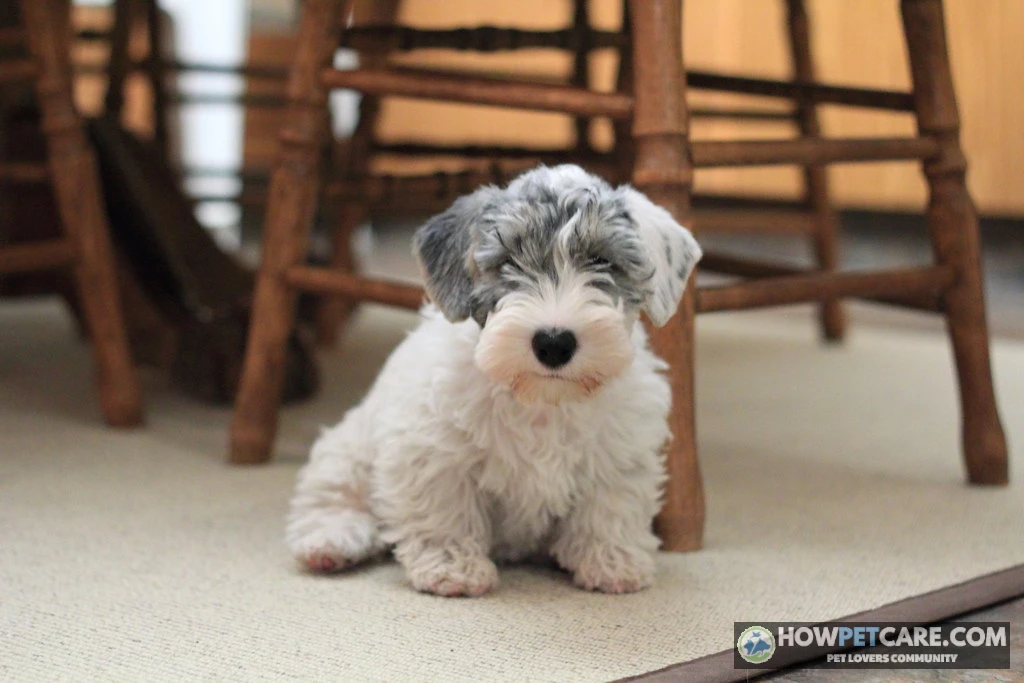

Yes—you can get a rare Sealyham Terrier puppy in the US, but expect a waitlist rather than an available litter. Start with the Sealyham Terrier Club of America and AKC Marketplace, verify PLL DNA results and eye exams for both parents, and budget roughly $1,000–$2,500 for the puppy plus first-year costs.
Can You Realistically Get a Sealyham Terrier Puppy in the US? The Short Answer
Yes—but not by browsing a stocked inventory. A rare Sealyham Terrier puppy in the United States usually comes through a small breeder network, and most conversations center on planned litters rather than puppies ready today. Start with the Sealyham Terrier Club of America, compare several breeders, and read health records and contract terms before you pay a deposit.
You’ll often see a puppy price range of $1,000–$2,500, but the available research doesn’t establish that as a current, US-specific breeder survey. Use it as a rough starting point and ask for current quotes. Your first-year budget also has to cover veterinary care, grooming, food, supplies, and possibly travel.
A Sealyham can suit a first-time owner who welcomes an independent terrier and will keep up with coat care. It’s a less comfortable choice if you need reliable off-leash recall, a quiet household, or minimal grooming. Be extra skeptical of a seller who advertises an unusually scarce puppy as available now with fast shipping—that’s a reason to scrutinize, not to send money automatically.
Before you join a waiting list, check these points:
- Ask for both parents’ primary lens luxation (PLL) DNA results. This inherited eye condition can affect the breed. Request named laboratory reports and an explanation of the proposed mating.
- Ask about eye exams and hearing. Request records from a veterinary ophthalmologist—OFA eye certification where available—and ask whether BAER hearing testing is done and why. Congenital deafness is a recognized concern in the breed.
- Read the deposit and puppy contract before paying. Confirm refund terms, registration, health provisions, and what happens if you can’t keep the dog.
- Treat breed-specific excuses for secrecy as a warning. “There are too few Sealyhams to test,” “a champion pedigree replaces health testing,” and “pay immediately because another rare-breed buyer is waiting” are reasons to pause, not reasons to skip verification.

Is a Sealyham Terrier a Good Family Dog for a First-Time Owner?
The Sealyham Terrier is a small Welsh breed developed to hunt animals that live in burrows. That history helps explain why a companion puppy may enjoy investigating, digging, and chasing moving things.
Temperament and training reality
Sealyhams can be affectionate, entertaining companions at home, though individual dogs vary. Some are reserved with strangers or picky about other dogs. Their independence can make training less predictable than a first-time owner expects: a dog may know a cue and still decide an interesting scent deserves attention first.
They can live happily with children who treat dogs gently. Adults should supervise interactions, give the dog a place to retreat, and not expect it to tolerate rough handling. Introductions to cats and other dogs need care; small pets can trigger a terrier’s chase instincts.
Apartment living is possible if the household can provide walks, play, training, and an outlet for digging or sniffing. Think about your neighbors and your own tolerance for barking. A securely fenced space or a leash is safer than assuming every Sealyham will come back reliably around wildlife.

Grooming a wire coat
The breed has a harsh outer coat and a softer undercoat, and it sheds relatively little. Low shedding doesn’t mean maintenance-free, and it doesn’t guarantee an allergy-friendly dog.
Brush and comb regularly, especially the furnishings around the legs and face. Hand-stripping removes dead coat and helps preserve its wiry texture; clipping is another option for companion dogs but can change coat texture. Before you commit, find a groomer who knows terrier coats and ask about availability and pricing for the approach you prefer.
Who the breed does not suit
Look elsewhere if your priority is dependable off-leash freedom, a dog that needs almost no coat care, or a pet guaranteed to welcome every unfamiliar dog. A first-time owner can do well with a Sealyham—provided they’re ready for patient, reward-based training and the practical limits of terrier temperament.
Sealyham Terrier Size and Weight: Why Sources Say 10–12 Inches and 14.5–15 Inches
For a breed-standard reference, use the American Kennel Club’s official Sealyham Terrier standard, not an unattributed size chart. The ideal height is about 10.5 inches at the withers—the highest point of the shoulders—with a stated maximum of 12 inches. Ideal weight is about 23–24 pounds for males and 20–22 pounds for females.
| Reference or claim | Height | Weight | How to use it |
|---|---|---|---|
| AKC Sealyham standard | About 10.5 inches ideal; maximum 12 inches | About 23–24 pounds for males; 20–22 pounds for females | Breed-standard reference, not a guarantee for each pet |
| UK Kennel Club breed standard | Does not exceed 12 inches at the withers | About 20 pounds for dogs and 18 pounds for bitches are described as desirable | A separate standard; wording and preferred weights differ from the AKC standard |
| Broader profile estimate | 10–12 inches | 18–25 pounds | A general description, not the wording of the AKC standard. |
| Claims of 14.5–15 inches or 30–45 pounds | Not consistent with the cited Sealyham standards | Not consistent with the cited Sealyham standards | Check the source, breed name and measurement before relying on the figures |
Standards can differ in wording and preferred weight, and pet dogs can fall outside a show ideal. Those differences don’t by themselves explain every larger figure found online; a chart may contain an error or refer to another breed, but you can’t establish the cause without checking the original source.
To estimate a particular puppy’s adult size, ask for measured height and weight from both parents, and discuss the breeder’s experience with their relatives. Even then, an individual puppy’s adult build is an estimate, not a contractual certainty.
Why Sealyham Terriers Are Rare and How Many Exist Today
The Sealyham is uncommon, with a limited pool of breeders and litters. Shifts in popularity and a small breeding population help explain why finding a puppy can require more flexibility than searching for a common breed. Scarcity doesn’t prove that any particular seller is responsible or that a high asking price is justified.
What the old numbers did and did not show
Research summaries repeat 49 AKC puppy registrations in 2011 and approximately 500 dogs in the United States in 2016. Both figures are historical, not a count of dogs alive in 2026. The available research doesn’t identify a verifiable current US or worldwide population total, and the 2016 figure’s counting method isn’t clear enough to treat it as an official census.
A registration figure counts registrations within a particular registry and period; it isn’t the same as a living population. Likewise, a breed popularity ranking shows relative registrations, not how many puppies are available to buy.
How to check current registration data yourself
Check AKC registration statistics and popularity rankings for the latest year actually published. Then ask the Sealyham Terrier Club of America about its breeder referral process and the practical outlook for planned litters. The UK Kennel Club’s Vulnerable Native Breeds information can provide UK registration context, but UK registrations are not a US population count.

A seller’s exact population claim, a high price, or a promise that a puppy is the last available does not replace health records, an identifiable breeder, or a contract you can review before paying.
Sealyham Terrier Puppy Price and True First-Year Cost
Purchase price: what is and isn’t included
The frequently cited $1,000–$2,500 purchase range comes from a general research summary, not a verified 2026 survey of US Sealyham breeders. It may not reflect the quotes you receive. Ask breeders directly what a companion puppy costs and what the price includes.
A quote may include initial vaccinations, a microchip, registration paperwork, or a veterinary exam, but don’t assume it does. Ask separately whether the puppy comes with limited or full AKC registration and what conditions attach to either. Health-test documentation for the parents should be available to review, not treated as an optional premium feature.
Year-one cost table
The figures below are illustrative planning assumptions, not verified US market rates or a promise of availability. The purchase-price endpoints use the general research range above; the remaining amounts are hypothetical worksheet inputs because the supplied research doesn’t include a Sealyham-specific US price survey. Replace every line with actual breeder and local-provider quotes.
| Cost category | Low estimate | Mid estimate | High estimate | What is included or needs checking |
|---|---|---|---|---|
| Puppy purchase | $1,000 | $1,800 | $2,500 | Illustrative range; ask what registration, microchip and initial care are included |
| Transport or pickup | $0 | $450 | $1,200 | Local pickup versus a longer trip or arranged transport |
| Initial supplies | $250 | $500 | $900 | Crate, gates, bedding, bowls, leash, ID and grooming tools |
| Routine veterinary care | $400 | $800 | $1,500 | Exams, vaccines, fecal testing and preventives; confirm what your quote includes |
| Food | $300 | $600 | $1,000 | Puppy food and treats; varies with diet and local prices |
| Professional grooming | $300 | $720 | $1,500 | Depends on local rates, coat condition and clipping versus hand-stripping |
| Training and socialization | $150 | $400 | $900 | Classes or individual instruction |
| Insurance premiums or savings contribution | $360 | $600 | $900 | Illustrative annual premiums or money set aside; neither guarantees full emergency coverage |
| Illustrative first-year total | $2,760 | $5,870 | $10,400 | Excludes major emergencies, boarding, pet rent and show costs |

These are three arithmetic scenarios, not statistical low, average, and high market prices. A real quote can fall outside any line. Spay or neuter surgery may be an extra expense if your veterinary estimate doesn’t include it, and insurance policies can have exclusions, deductibles, and waiting periods.
Where costs surprise new owners
Travel and grooming are easy to underestimate. A nearby groomer may not offer hand-stripping, and a breeder with a suitable litter may be several states away. Before you reserve a puppy, get a written grooming estimate, ask your veterinarian about the expected puppy-care schedule, and calculate the actual pickup trip.
A very low advertised puppy price deserves investigation, but a high price doesn’t prove quality either. Gift-card or wire-only deposit demands, missing paperwork, and pressure to pay are stronger warning signs than price alone.
How to Find Sealyham Terrier Puppies for Sale in the USA: A Step-by-Step Acquisition Playbook
Where legitimate breeders are listed
Start with the Sealyham Terrier Club of America and ask how its breeder referral works. Also check AKC Marketplace and contact regional terrier clubs for referrals. Listings are leads, not endorsements: verify every breeder independently, including anyone you find through a club or registry.
Searching for “Sealyham Terrier puppies near me” can be a starting point, but expand your geographic range if local results are thin. Ask whether you can visit, pick up the puppy yourself, or discuss a safe transport plan. Don’t let the difficulty of finding a nearby litter push you toward an unverifiable seller.

-
Find leads
Contact the breed club, review AKC Marketplace and ask regional terrier clubs about breeders who may be planning litters.
-
Introduce your home
Explain your household, dog experience, location, travel flexibility and whether you want a companion or a show prospect.
-
Complete the interview
Ask about the parents, puppy raising, health documentation and expected timing; answer the breeder’s questions honestly.
-
Review the waitlist and contract
Clarify how puppies are matched, when a deposit is due, whether it is refundable and what happens if a litter does not produce a suitable puppy.
-
Verify before paying
Check named health records and registration details, review the written agreement and use a payment method with suitable buyer protections.
-
Arrange homecoming
Confirm the release date, veterinary records, food and identification, then plan pickup or carefully verified transport.
A concise inquiry helps a breeder decide whether to continue the conversation:
Subject: Sealyham Terrier inquiry — [state], [companion/show] home
Hello [breeder name],
I found your details through [club or listing] and am researching a Sealyham Terrier for a [companion/show] home. Our household includes [adults, children and other pets]. We live in [type of home], have [relevant dog experience], and can [describe travel flexibility]. Our preferred timing is [timeframe], although we understand litter plans can change.
Could you tell me about your application and waiting-list process, any planned litters, and the health testing completed for the proposed parents? I would be happy to provide more information or references.
Thank you,
[Name and contact information]
If you don’t hear back, a polite follow-up is reasonable. Don’t send money just to get a response.

Waitlist and deposit process explained
A waiting list may be a contact list for a planned litter, a list of applicants already interviewed, or a reservation system with a deposit. Ask which one applies. Also ask whether the breeder matches puppies to homes or lets buyers choose in reservation order, and whether preferences for sex, temperament, or show potential affect your position.
Get the deposit amount and terms in writing. Is it applied to the purchase price? Is it refundable if no litter is born, no suitable puppy is available, the breeder changes plans, or you withdraw? Can it transfer to a later litter? A payment method with buyer protections can reduce risk, but it doesn’t replace verification or guarantee recovery.
Realistic timelines and what affects them
The available evidence doesn’t support a reliable fixed wait. A breeder may be planning a litter without knowing whether a pregnancy will occur, how many puppies will be born, or which homes will be a match. You may wait through a planned litter or longer; ask each breeder for an honest estimate and what could change it.
Discuss pickup timing with the breeder and your veterinarian. Puppies shouldn’t leave before they’re ready, and state rules can set minimum transfer ages. Ask about an older puppy or retired adult if the right dog matters more to you than a particular age.

Vetting a Sealyham Breeder: Health Tests, Contract Terms and Scam Red Flags
Non-negotiable health documentation
PLL can cause the lens of the eye to move out of its normal position. DNA results help breeders understand inherited risk; they don’t replace an eye exam or guarantee that a puppy will never develop an eye problem. Congenital deafness and intervertebral disc disease are also reported breed concerns, so ask how the breeder monitors relevant health history.
Check current breed-club and applicable registry recommendations directly before you treat a test list as an official required panel. In particular, ask whether BAER hearing testing and ophthalmologist exams are recommended or used for the proposed dogs; don’t assume every useful test is a universal club requirement.
| Item | What to ask for | How to verify | Red flag if missing |
|---|---|---|---|
| PLL DNA status | Laboratory results for the sire and dam, including whether each is clear, a carrier or affected | Match registered names and identifiers to the reports; ask the breeder to explain the mating | “Vet checked” offered instead of genetic status, or no explanation of inherited risk |
| Eye examination | Veterinary ophthalmologist examination records and dates, including OFA eye certification if submitted | Search OFA by registered name or number and inspect the report | “The eyes look fine” substituted for documentation |
| Hearing | Whether BAER testing was performed on the parents or litter, and the breeder’s hearing protocol | Review named results when available and check current club guidance | Dismissing a concern without explaining the screening approach |
| Other health history | Discussion of spinal problems, skin issues and other conditions relevant to the lines | Ask about relatives, veterinary history where available and any applicable test reports | A promise that the line has no possible hereditary health issues |
| Registration and pedigree | Parents’ registered names and numbers, litter registration plan and terms of puppy registration | Check the records with the AKC and compare names with health documents | Vague promises of “papers” without identifying the registry or conditions |
| Raising and placement | Where puppies live, handling, socialization and the breeder’s screening process | Visit when appropriate or request a live video conversation and consistent details | Refusal to show the dogs or setting without a credible explanation |
| Contract | Full purchase and deposit agreement before payment | Read the actual document and resolve unclear terms in writing | Payment demanded before you can review terms |

A missing public OFA record doesn’t by itself prove a dog wasn’t tested: ask for the original report and why it isn’t listed. Conversely, a screenshot without a name, identifier, or date isn’t enough to connect a result to the proposed parent.
Contract clauses to insist on
A useful agreement identifies the puppy or explains how it will be matched, states the price and deposit terms, and describes what happens if the litter or placement doesn’t proceed. Read the health guarantee carefully: note its duration, covered conditions, required veterinary exam, exclusions, and available remedy. A guarantee may include conditions you need to understand before signing.
Look for a return-to-breeder provision or another clear plan if you can’t keep the dog. Review any spay/neuter requirement, breeding restrictions, co-ownership provisions, and limited-registration terms. Ask for revisions or independent advice if a provision is unclear; verbal assurances should appear in the document.
Red flags specific to rare-breed sales
A responsible breeder may not have puppies to show immediately, and a planned sire may live elsewhere. Those facts aren’t inherently suspicious. The problem is a seller who uses them to avoid meaningful verification.
Be cautious when a seller says health testing is unnecessary because the gene pool is small; substitutes a champion bloodline or pedigree for test results; or offers multiple supposedly scarce breeds for immediate delivery while refusing a live conversation. Reverse-search photos where possible, verify contact information independently, and watch for copied images or inconsistent details. Club membership is a positive lead, not proof of ethical breeding.
AKC registration establishes a registry record, not a health guarantee or independent approval of the seller. Confirm what “with papers” means and when the documents will arrive.

Questions to ask before you pay a deposit
Ask how many litters and breeds the breeder raises, why these parents were selected, what the sire and dam are like, and how puppies experience household sounds, handling, and new surfaces. Request the parents’ registered names, health records, and the draft contract. Finally, ask what support is available after pickup and whom to contact if the dog needs a new home.
Sealyham Terrier vs Dandie Dinmont, Glen of Imaal and Skye Terriers: Which Rare Terrier Fits You?
If you are still comparing terrier types and best fit, these are broad breed tendencies, not predictions about an individual puppy. Availability is hard to rank without comparable current US litter data; use each breed’s national club to investigate.
| Trait | Sealyham Terrier | Dandie Dinmont Terrier | Glen of Imaal Terrier | Skye Terrier |
|---|---|---|---|---|
| Build | Compact, low and sturdy | Low, long body with distinctive topknot | Low, substantial and strong for its height | Long, low body with a profuse coat |
| Temperament and activity | Bold and independent; enjoys walks and play | Often described as affectionate and dignified | Game and sturdy; needs outlets for strength and digging | Devoted and often reserved; benefits from thoughtful socialization |
| Trainability and noise | Independent; barking can need management | Independent; individual vocal habits vary | Strong-willed; digging can be a concern | Sensitive and independent; may alert vocally |
| Coat work | Wire coat needs brushing and stripping or clipping | Coat and topknot need regular attention | Harsh coat needs regular maintenance and occasional stripping or trimming | Long coat needs consistent brushing |
| Health questions | Ask about PLL, eye examinations, hearing and spinal history. | Ask its parent club about current screening and back health | Ask its parent club about current eye and other screening | Ask its parent club about current screening and orthopedic history |
| Finding a puppy | Limited breeder network; ask the US parent club | Limited breeder network; ask its US parent club | Limited breeder network; ask its US parent club | Limited breeder network; ask its US parent club |
| Best starting point | A buyer comfortable with terrier independence and wire-coat care | A buyer drawn to a lower-slung companion and distinctive coat | A buyer comfortable managing a powerful, determined small dog | A buyer willing to maintain a long coat and value a close companion |

Compared with a Sealyham, a Jack Russell-type terrier is generally a more intense choice for someone who wants a highly active working terrier. Meet adults of any breed you’re considering, ask about the particular lines, and choose for daily management needs rather than appearance alone.
Adopting a Sealyham Terrier Through Rescue Instead of Buying
National Sealyham Rescue is a starting point for asking about Sealyhams that need homes. Contact the organization directly to ask about its current application, service area, adoption requirements, and available dogs. The Sealyham Terrier Club of America may also point you toward breed rescue resources. Check regional terrier rescues and shelters as well, while recognizing that a shelter’s breed identification may be uncertain.
Be prepared to complete an application describing your household, other animals, experience, and expectations. A rescue may request references, a home assessment, or a conversation about fencing and care. Ask about the dog’s known medical and behavior history, what veterinary care has been provided, the adoption fee, transport arrangements, and the procedure if the placement doesn’t work.
A rescue dog may be an adult or senior rather than a puppy, and its history may be incomplete. Availability changes, so ask whether the organization keeps an inquiry list and whether it accepts applicants outside your area. The research provided doesn’t support a current count of available rescue Sealyhams.
A breeder-placed retired adult is another option. Compare each choice by the individual dog’s needs, the information available, and your ability to provide care—not by assuming adoption is always inexpensive or that a breeder puppy is always healthier.

Your Sealyham Puppy Plan: First-Year Roadmap and Next-Step Checklist
Before the puppy comes home
Choose a veterinarian and schedule an initial visit. Prepare a crate or safe sleeping area, gates, bowls, a properly fitted collar or harness, identification, grooming tools, and an enzyme cleaner. Puppy-proof cords, medications, small objects, and access to stairs or unsafe outdoor areas.
Ask the breeder for the food currently used, feeding instructions, vaccination and deworming records, microchip details, and registration paperwork. Confirm the contract, pickup plan, and an emergency contact. Book a groomer who understands wire coats and ask how they introduce puppies to handling.

Months 2–4: socialization and routines
Build predictable routines for meals, toilet breaks, sleep, and short training sessions. Introduce the puppy positively to ordinary household sounds, gentle handling, brushing, and appropriate people and environments. Avoid overwhelming experiences; reward calm curiosity and let the puppy retreat when needed.
Discuss vaccination timing and safe exposure with your veterinarian. A well-run puppy class can support socialization while accounting for local disease risk. Feed a complete puppy diet as directed by your veterinarian and the food label, adjusting for the individual dog’s condition rather than relying on a breed-average portion.
Months 4–12: training and coat care
Continue reward-based work on recall, loose-leash walking, settling, and cooperative grooming. Practice in controlled environments before adding distractions; don’t assume early progress means prey drive has disappeared. Plan regular coat maintenance with your groomer and introduce stripping or clipping gradually.
Adolescence can bring new distractions and inconsistent responses. Keep expectations realistic, prevent rehearsal of unsafe chasing or digging, and ask a qualified trainer for help if a behavior worries you. Discuss spay or neuter timing with your veterinarian and check any relevant contract terms before deciding.
Before committing to a puppy, use this final checklist:
- Confirm that your household can manage terrier independence, supervision, and coat care.
- Replace the illustrative budget with breeder, veterinary, grooming, and travel quotes, plus an emergency plan.
- Contact several breeders or the breed club; consider rescue and suitable adults as well as puppies.
- Request identifiable PLL results, eye and hearing information, and the health history of both parents.
- Review registration, placement, return, and deposit terms in writing before paying.
- Compare your options and walk away if a seller uses rarity or urgency to discourage questions.
| Breed Name | Physical Build | Temperament & Activity | Trainability & Noise | Coat Care & Maintenance | Key Health Screening Questions | Finding Strategy | Best Fit Owner Profile |
|---|---|---|---|---|---|---|---|
| Sealyham Terrier | Compact, low and sturdy | Bold and independent; enjoys walks and play | Independent; barking can need management | Wire coat needs brushing and stripping or clipping | Ask about PLL, eye examinations, hearing and spinal history. | Limited breeder network; ask the US parent club | A buyer comfortable with terrier independence and wire-coat care |
| Dandie Dinmont Terrier | Low, long body with distinctive topknot | Often described as affectionate and dignified | Independent; individual vocal habits vary | Coat and topknot need regular attention | Ask its parent club about current screening and back health | Limited breeder network; ask its US parent club | A buyer drawn to a lower-slung companion and distinctive coat |
| Glen of Imaal Terrier | Low, substantial and strong for its height | Game and sturdy; needs outlets for strength and digging | Strong-willed; digging can be a concern | Harsh coat needs regular maintenance and occasional stripping or trimming | Ask its parent club about current eye and other screening | Limited breeder network; ask its US parent club | A buyer comfortable managing a powerful, determined small dog |
| Skye Terrier | Long, low body with a profuse coat | Devoted and often reserved; benefits from thoughtful socialization | Sensitive and independent; may alert vocally | Long coat needs consistent brushing | Ask its parent club about current screening and orthopedic history | Limited breeder network; ask its US parent club | A buyer willing to maintain a long coat and value a close companion |
FAQ
Are Sealyham Terrier puppies rare in the US?
Yes. The breed is uncommon in the US, with few breeders and small litters, so most buyers reserve a puppy ahead of time. Check current AKC registration statistics and the Sealyham Terrier Club of America for up-to-date information.
Can I buy a Sealyham Terrier puppy with AKC papers?
Yes, reputable breeders register litters with the AKC and provide registration paperwork. Ask for the litter registration details and confirm the parents’ registered names before paying a deposit.
Are Sealyham Terriers good with children?
They can be good family dogs with sturdy, respectful children when well socialized. Like many terriers, they can be stubborn and may not tolerate rough handling, so supervision matters.
Do Sealyham Terriers shed a lot?
They shed little because of their wire coat, but the coat needs regular brushing and professional grooming or hand-stripping to stay healthy.
How can I tell if a Sealyham Terrier breeder is legitimate?
A legitimate breeder shares health test results for both parents, lets you see the dam and how the puppies are raised, offers a written contract, and asks you questions in return. Avoid sellers who push for fast payment or always have puppies available.