

A US Löwchen puppy is a rare, high-involvement companion: plan roughly $2,500–$4,000 purchase price and $4,610–$9,230 first year, expect a months-long breeder search, verify both parents’ OFA/CHIC-linked patella, hip, and eye results, and budget ongoing grooming plus alert-barking training.
A Löwchen puppy can be a lively, affectionate companion if you have time for training, regular coat care, and a potentially lengthy breeder search. For your budget, use a provisional purchase range of $2,500–$4,000 and roughly $4,600–$9,200 for the first year, including a modest emergency reserve. These are planning estimates, not verified market averages. The available breeder evidence includes one $3,500 listing, so request current written quotes before committing. Plan for a search measured in months rather than days, but ask each breeder for an estimate; the available evidence does not establish a reliable breed-wide wait time.
Löwchen Origins, AKC Status, and Household Fit
The Löwchen, sometimes written Lowchen, is a small companion dog known as the little lion dog. Its German name means “little lion,” and its traditional clipped coat gives it a lion-like silhouette. The breed appears in accounts of Renaissance-era companion dogs and has been rare enough to face near extinction.
The American Kennel Club recognizes the Löwchen in its Non-Sporting Group. Small but not especially fragile-looking, the breed stands roughly 12–14 inches at the withers according to the AKC standard, and an adult often weighs around 15 pounds. Individual dogs vary, though, and a puppy’s eventual size is not guaranteed.
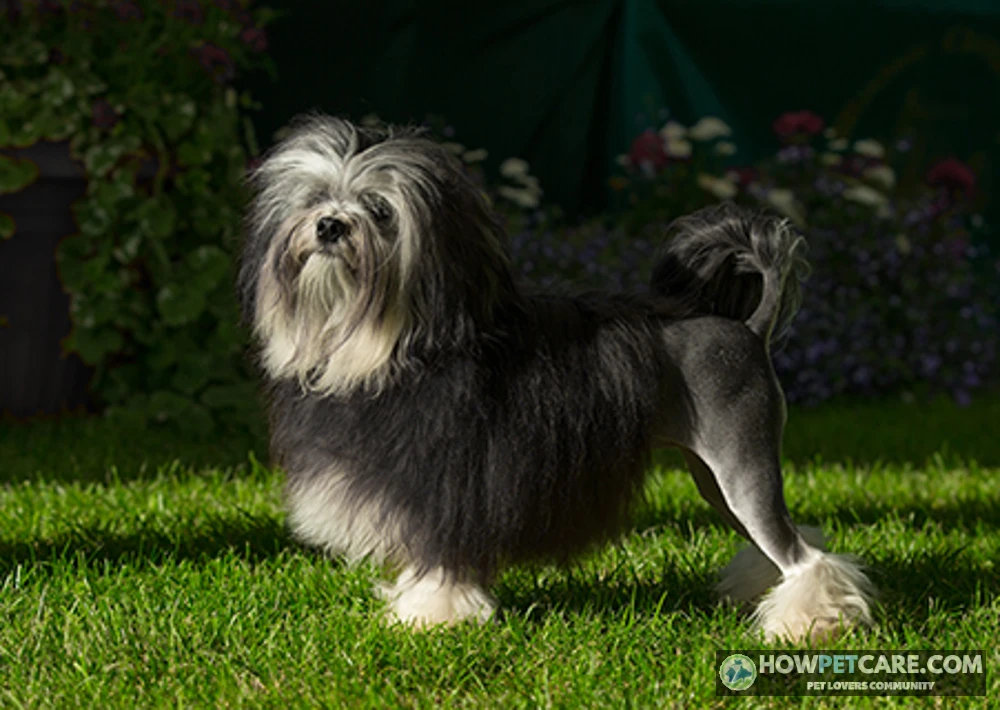
A Löwchen is a strong fit for a household that wants an involved companion, can accommodate barking and grooming, and is willing to check health records rather than buy the first available puppy. The sections below cover that decision, along with budgeting, breeder verification, waitlists, and the first month at home.
Living With a Löwchen: Temperament, Kids, Other Pets, and Apartment Life
Löwchens are typically playful, alert, and attached to their people. They enjoy outings and games as well as quiet time at home, but they aren’t simply decorative lapdogs. Take their alert-barking heritage seriously: a dog that announces every hallway sound may test your patience and your neighbors’ goodwill.
With children, consider whether the adults can supervise consistently. Teach children to sit beside the puppy rather than carry it, and don’t allow pulling, chasing, or disturbing a resting dog. Respectful older children may find those rules easier to follow; young children and puppies should not be left alone together.
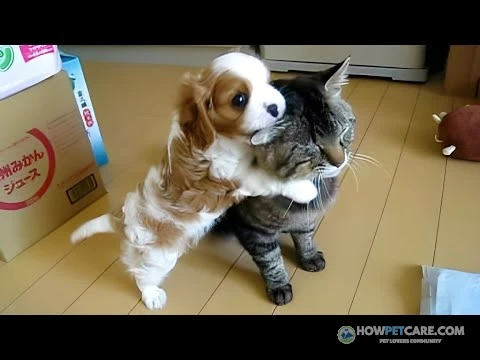
Many Löwchens can live happily with other dogs and cats if introductions are gradual and supervised. Puppy socialization helps, but each animal’s temperament and the resident pet’s tolerance matter too. Use barriers and separate feeding areas at first, and give every animal an escape route.
Positive reinforcement training—rewarding the behavior you want—suits a small, people-oriented dog. Practice settling on a mat, coming when called, and responding to a quiet cue. House-training can take persistence. Take a small puppy out often, reward it immediately for going in the right place, and clean accidents without punishment.
Löwchen vs. Bichon Frise Puppy: Key Differences for Buyers
Both breeds are small companion dogs whose coats need regular professional care. The Löwchen has a long, silky coat and can wear a lion clip; the Bichon Frise has a curlier, plush-looking coat. A Löwchen’s alert barking and scarcity may matter more to your decision than appearance alone. Meet adults of both breeds, and compare grooming quotes and breeder availability rather than assuming either breed will be easy to find or allergy-safe.

Are Löwchens a Good Fit for Apartments and Busy Households?
An apartment can work if the dog gets daily walks, play, training, and company. Adult Löwchens have moderate exercise needs; puppies need shorter, gentler activities rather than forced long walks. In a noise-sensitive building, reward calm behavior around doors and hallway sounds before barking becomes a habit.
Don’t expect a puppy to stay alone through a full workday. Arrange family help, a sitter, or another suitable care plan for toilet breaks and companionship. Gradually teach the puppy to spend short periods apart, while recognizing that training cannot guarantee prevention of separation anxiety. If everyone is regularly away for eight or more hours with no help available, or you want a low-contact dog you can buy immediately, consider a different arrangement or breed.
Löwchen Health: Common Problems and the Tests Parents Should Have
Löwchens can be long-lived companions, but no puppy is guaranteed to remain healthy. Ask your veterinarian about expected lifespan and preventive care. When talking with breeders, focus on patellar luxation, inherited or acquired eye disease, and hip dysplasia. Eye concerns discussed in the breed include cataracts and progressive retinal atrophy, or PRA. Screening reduces uncertainty; it doesn’t eliminate every inherited or future problem.
Patellas, Eyes, and Hips: What Each Test Tells You
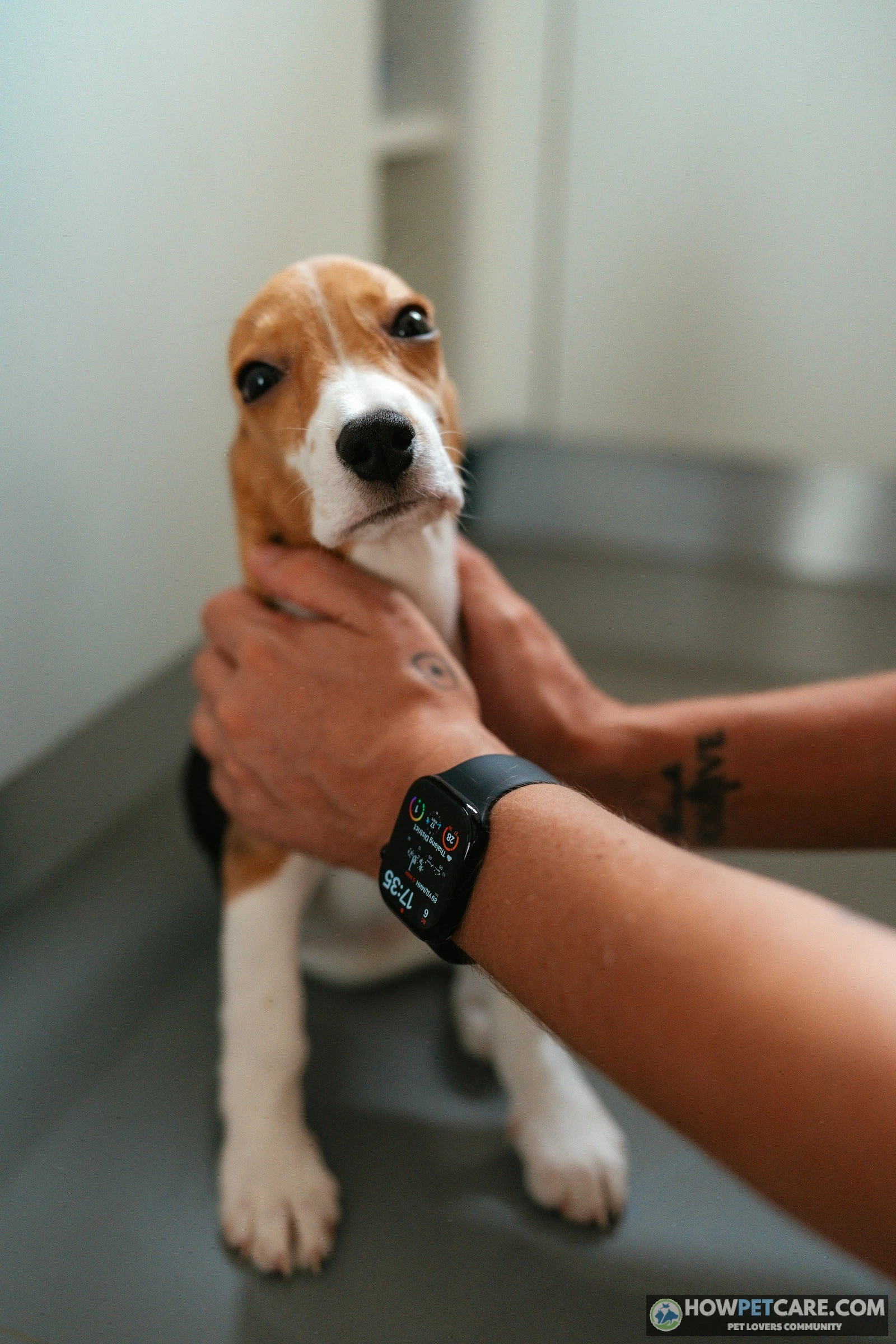
- Patella evaluation: A veterinarian checks whether the kneecap moves out of its normal position, a condition called patellar luxation.
- Eye examination: A veterinary ophthalmologist examines the eyes; an OFA Companion Animal Eye Registry result is commonly called a CAER result. The exam describes findings at that point in time and doesn’t rule out every later-onset condition.
- Hip evaluation: Imaging assesses the hip joints for signs relevant to hip dysplasia. Ask whether the result is final or preliminary.
- DNA testing: Ask which DNA tests, if any, the breed club currently recommends and how the results affect the proposed pairing. A DNA panel isn’t a substitute for physical examinations or hip imaging.
Check the Löwchen Club of America’s current recommendations and OFA’s breed-specific CHIC requirements before treating any list as complete. Requirements can change. Ask for the registered identities and results of both parents, not just a statement that the puppy was vet checked.
OFA final hip evaluations generally require a dog to be at least 24 months old; permanent patella evaluations generally require at least 12 months. A young puppy therefore cannot have both final parental-style clearances. During growth, prevent repeated jumps off furniture, cover slippery floors, and carry the puppy on stairs when practical.
Puppy Cut vs. Lion Clip: What Each Looks Like and Which Is Easier to Keep
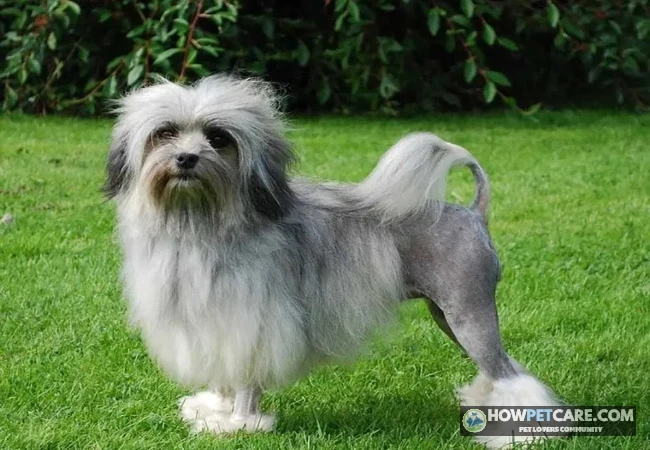
The Löwchen’s coat is part of its appeal, but it also needs ongoing care. The traditional lion clip leaves a mane at the front, closely clipped hindquarters, cuffs on the legs, and a plume at the end of the tail. It’s the signature presentation associated with the breed. A pet puppy cut is an even short-to-medium trim all over; despite its name, an adult can wear it too.
Side-by-Side Comparison: Look, Upkeep, Cost, and Best For
| Feature | Puppy cut | Lion clip | Best for |
|---|---|---|---|
| Appearance | Soft, relatively even coat over the body | Full mane, clipped rear, leg cuffs, and tail plume | Puppy cut for a simple pet look; lion clip for the traditional silhouette |
| At-home care | Comb and brush regularly, especially where the coat rubs | Focus on the longer mane, cuffs, and tail | A shorter cut is usually easier between appointments |
| Groomer visits | Often every 6–8 weeks, depending on coat length | Often every 4–6 weeks to keep the pattern crisp | Lion-clip owners should find a groomer familiar with the pattern |
| Illustrative US cost | Budget roughly $60–$90 per visit | Budget roughly $80–$120 or more per visit | Request local quotes; prices depend on coat condition and services |
| Changing styles | Can be grown into a longer coat | Clipped areas need time to grow out | A puppy cut is a flexible starting choice |
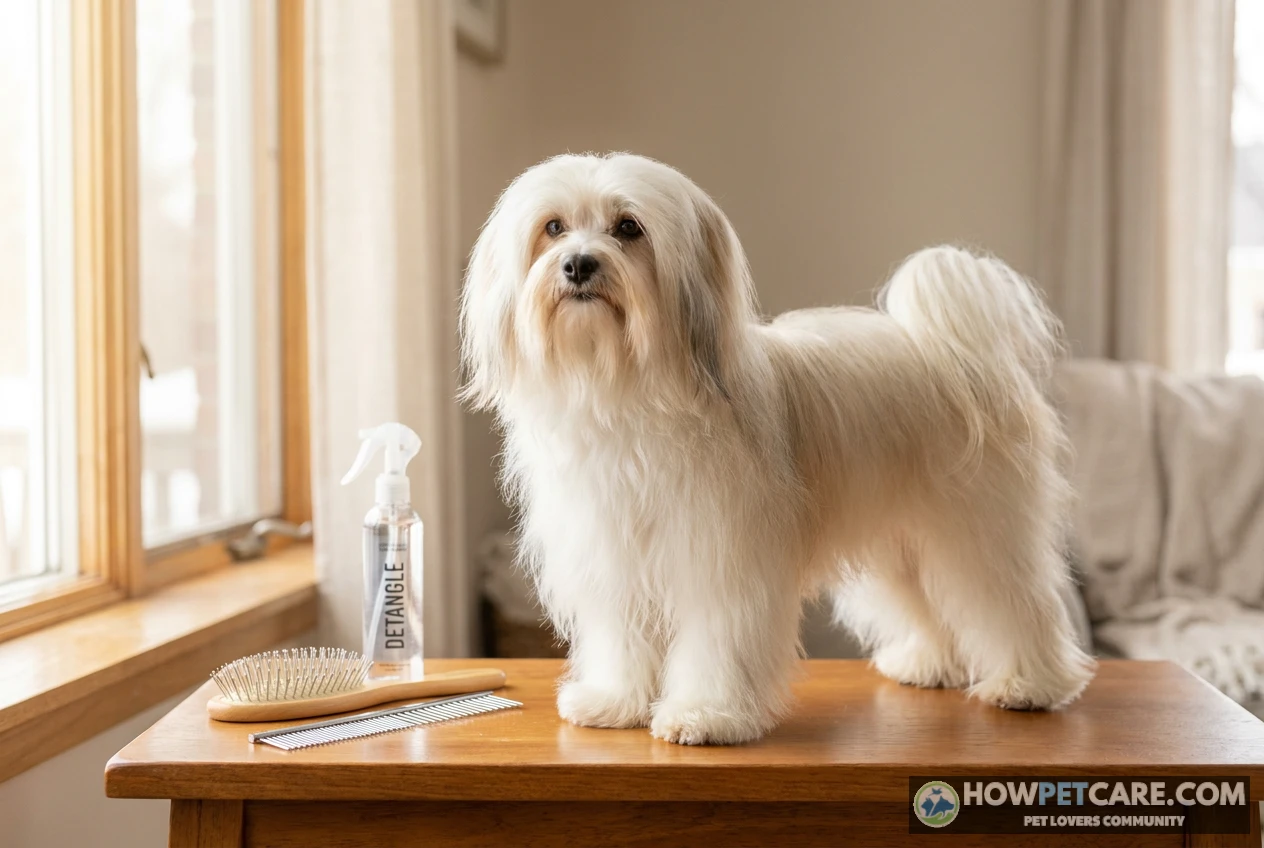
These grooming intervals and prices are budgeting examples, not verified national averages. Ask a groomer to assess your dog’s coat. Brush several times a week, more often if the coat is long, and check behind the ears, under the legs, and around the collar with a comb for mats. Introduce the brush, dryer sound, paw handling, and nail care gently, using treats.
Löwchens are often described as low-shedding, but no dog is guaranteed to be hypoallergenic. Allergens also come from saliva and skin. If allergies matter to your household, spend time with adult Löwchens before paying a deposit and discuss your situation with an allergy professional.
How Much Does a Löwchen Puppy Cost? Purchase Price and First-Year Budget
Löwchen Puppy Price Ranges in the US
For a pet-quality Löwchen puppy, $2,500–$4,000 is a provisional planning range, not a verified survey of US breeders. One available breeder listing quotes $3,500 and attributes the price partly to small litters and intensive puppy rearing. A single listing can’t establish a typical low or high price, so get several current quotes and ask what each includes.
Limited availability, health screening, veterinary care, and raising a litter can affect a breeder’s costs. A show prospect, full registration, or co-ownership arrangement may come with different terms and pricing. A much lower quote warrants investigation, but it isn’t proof of a scam; a high price isn’t proof of good breeding either.
Ask whether the quoted price includes a veterinary examination, initial vaccines, deworming, microchip, registration paperwork, and a written health guarantee. Don’t assume every breeder includes every item.
First-Year Cost of Ownership, Line by Line
These figures are illustrative household planning allowances, not verified price surveys. Local clinics, groomers, insurers, and breeders may charge outside these ranges. The total includes the emergency reserve as money set aside, not as a bill you’re certain to pay.
| Expense | Low estimate | High estimate | Notes |
|---|---|---|---|
| Puppy purchase | $2,500 | $4,000 | Provisional pet-quality budget; confirm quotes |
| First veterinary exam | $50 | $150 | Check any contract deadline for the exam |
| Vaccine boosters and rabies | $100 | $300 | Individual schedule and local fees vary |
| Spay or neuter | $200 | $600 | Timing and whether it is needed depend on veterinary advice and contract |
| Microchip | $0 | $60 | May already be included; check registration fees too |
| Crate, pen, bed, gate, harness, and bowls | $200 | $500 | Mostly initial purchases |
| Food | $300 | $600 | Depends on food and individual needs |
| Professional grooming | $360 | $1,000 | Allowance varies with frequency, coat, and location |
| Puppy class | $100 | $300 | Check vaccination requirements |
| Pet insurance | $300 | $720 | Illustrative $25–$60 monthly; compare exclusions and deductibles |
| Emergency reserve | $500 | $1,000 | Savings, not a substitute for insurance or a ceiling on bills |
| Estimated first-year total | $4,610 | $9,230 | Includes purchase and emergency reserve |
A serious emergency can exceed the reserve in this example. Insurance may exclude pre-existing conditions and reimburse only part of an eligible bill, so read the policy before relying on it. After the first year, a working allowance of roughly $1,500–$3,000 annually can help you start a budget for food, routine care, grooming, and insurance. Obtain local quotes and keep separate emergency savings as well.
A limited-registration pet puppy may have breeding restrictions. Co-ownership can add obligations about breeding, showing, expenses, or decisions about the dog. Get every condition in writing and make sure you understand it before paying.
How to Find and Vet a Reputable Löwchen Breeder (and Avoid Scams)
Start with the Löwchen Club of America’s breeder-referral resources and the AKC Marketplace. The AKC breed profile directs prospective owners toward its marketplace and puppy-search resources. Neither club affiliation nor an online listing independently guarantees responsible breeding. A search for “lowchen puppy breeders near me” can be a starting point, but verification matters more than distance.
Step-by-Step: From Application to Deposit to Contract
- Make a shortlist. Contact several breeders through established club or registry channels. Ask whether they breed Löwchens, where they’re located, and whether they expect a litter or can offer a referral.
- Introduce your household. Explain your schedule, experience, other pets, children, and interest in the breed. Ask about barking, grooming, and how the breeder matches puppies with homes.
- Complete the application. Expect questions about your home and care plans. A careful breeder should welcome your questions too; screening should work in both directions.
- Meet or arrange a live video call. See where puppies are raised and meet the mother when practical. The sire may live elsewhere, so ask for his identity and records rather than treating his absence as automatic proof of a problem. A live call helps, but it doesn’t prove a seller is legitimate.
- Obtain both parents’ registered names or registration numbers. Check their health results independently and ask the breeder to explain any missing, abnormal, or older results.
- Discuss puppy raising. Ask about handling, sounds, grooming introductions, and safe social experiences. Some breeders use named approaches such as Puppy Culture or Avidog; one documented breeder uses both, but a program name alone doesn’t establish quality.
- Get the price and inclusions in writing. Confirm veterinary records, vaccine and deworming dates, microchip status, registration type, and what happens if no suitable puppy becomes available.
- Clarify the waitlist. Ask whether you’re approved, how placement decisions are made, whether you can decline a match, and whether joining another list is permitted.
- Read deposit terms before paying. Ask for the amount, whether it’s refundable, what happens if a litter isn’t born or a puppy is unavailable, and whether a deposit transfers to a later litter. The available evidence doesn’t establish a reliable breed-wide deposit amount; compare written terms rather than relying on an assumed norm.
- Review the complete contract. Look for the duration and remedy of any genetic-health guarantee, the required veterinary examination, spay/neuter or breeding restrictions, return-to-breeder provisions, and ongoing support. A guarantee isn’t the same as insurance and may have exclusions or deadlines.
- Confirm pickup and records. Puppies should not leave before eight weeks; a breeder may keep a small puppy longer. Agree on pickup arrangements and request dated health records, food instructions, and microchip transfer details.
- Pay cautiously. Verify the seller independently using contact information you found yourself. Use a traceable payment method with appropriate protections; avoid gift cards, cryptocurrency, and wire transfers to an unverified seller. Don’t let urgency replace verification.
Checking OFA and CHIC Results Yourself
- Go to the Orthopedic Foundation for Animals website, OFA.org, and search each parent’s registered name or registration number. Confirm that the result matches the dog’s identity and breed.
- Open the individual record and look for patella, hip, and eye/CAER entries. Compare examination dates and check whether hip results are preliminary or final.
- Read the actual findings. A patella result may say Normal; passing OFA hip grades include Excellent, Good, and Fair. Eye reports may contain qualifications, so ask the breeder and your veterinarian to explain any finding rather than interpreting a label alone.
- Check the current Löwchen CHIC requirements on OFA and compare them with the listed tests. A CHIC number means the required tests were completed and results made publicly available; it doesn’t mean every result was normal or guarantee healthy puppies.
- If a result is missing, ask for certificates and an explanation. Not every result is necessarily public, and different registries may hold relevant records. Verify documents with the issuing organization when possible. If the breeder can’t substantiate important claims, continue your search.

A puppy’s wellness exam is useful, but it does not replace documented screening of both parents for inherited or developmental concerns. Registration papers alone are not health certificates.
Löwchen Puppy Scam and Backyard Breeder Red Flags
Be cautious of a seller who always has puppies available, pressures you to pay immediately, refuses a live conversation, can’t identify the parents, or substitutes “vet checked” for specific health results. Very low prices, copied-looking photos, multiple breeds offered at once, or insistence on shipping before meaningful verification also deserve scrutiny. None of these signs alone proves fraud, but several together are a strong reason to walk away.
Ask to pick up in person when possible. If travel is necessary, independently verify the breeder and transport arrangements. Don’t send final payment merely because someone provides a shipping invoice.
Löwchen Waitlists and Scarcity: Litter Sizes, Timing, Rescue, and Import Options
Löwchens are uncommon, and a breeder may have only a few puppies available from a litter. One breeder explicitly cites small litter size when explaining its price. The available evidence doesn’t establish an average litter size or a typical national waitlist duration. A wait of months or longer is a sensible planning possibility, not a promise that a puppy will arrive within a particular period.
Ask each breeder about planned—not guaranteed—litters, the number of approved homes already waiting, and how often they update applicants. Contact two or three suitable breeders if their policies allow it, disclose other applications, and be flexible about color or sex if those preferences aren’t essential. Don’t pay multiple nonrefundable deposits without understanding the cost of withdrawing.

Adopting a Löwchen Through Rescue
Ask the Löwchen Club of America about rescue or rehoming resources, and inquire with breed-specific rescue organizations. A puppy may be difficult to find. An adult needing a new home or a retired show dog may be a better match for a household open to an older companion. Ask for veterinary records, known behavior, grooming needs, and the rescue’s return policy. Adoption fees vary, so get the actual fee and included services directly rather than budgeting from a presumed breed-wide average.
Importing a Löwchen From the UK or Europe
An import can widen your search, but it adds cost, paperwork, and the risk of evaluating a puppy from afar. Verify the breeder, pedigree, and health results through the relevant national registry or kennel club, and arrange independent veterinary and transport checks. Ask for written quotes for the dog, travel, documentation, and any agent or boarding fees.
Before committing, check current CDC dog-import requirements, destination-state rules, airline policies, and rules for the country of departure. US entry requirements can depend on where the dog has been, its age, microchip, rabies-vaccination status, and required documentation. In particular, US rules can prevent importing a young puppy at the age a domestic breeder might normally send it home. Rules change, so confirm the actual itinerary before paying.
Your Löwchen Puppy Timeline: Go-Home Age, Vaccines, Socialization, and the First 30 Days
A puppy may go home from eight weeks onward, though some breeders keep small puppies until around 10–12 weeks to monitor development and prepare them for the transition. One documented Löwchen breeder sends puppies home at 12 weeks after veterinary checks, vaccination, and microchipping; that’s one breeder’s protocol, not a universal schedule.
Before pickup, request dated records of vaccines and deworming, the product names if available, the veterinary examination, and microchip details. An initial core vaccine and deworming are commonly started before go-home, but don’t assume the work was done without records. Arrange your own veterinary appointment promptly and meet any deadline in the contract.
Puppy Health and Socialization Milestones, Week by Week
| Age | Health and vet tasks | Socialization and training | Home setup notes |
|---|---|---|---|
| Around 8 weeks | Earliest usual go-home point; obtain records of initial care and book a veterinary exam | Pair gentle brushing, ear checks, and paw handling with treats | Prepare a crate and exercise pen; block stairs and furniture jumps |
| 9–10 weeks | Review deworming and the individual vaccine schedule with your vet | Carry the puppy in suitable public places; introduce calm visitors and household sounds | Take the puppy out frequently, including after sleep, meals, and play |
| 11–12 weeks | Continue core DHPP vaccinations as scheduled | Practice short car rides and calm meetings with known, healthy vaccinated dogs | Start very brief, comfortable separations |
| 13–14 weeks | Follow your vet’s parasite-control and booster advice | Introduce varied people, surfaces, and sounds without overwhelming the puppy | Secure cords and small objects; add nonslip rugs |
| Around 15–16 weeks | Continue the DHPP series through approximately 16 weeks as directed; discuss rabies timing under local law | Consider a well-run puppy class requiring appropriate vaccination | Maintain predictable meals, rest, and toilet breaks |
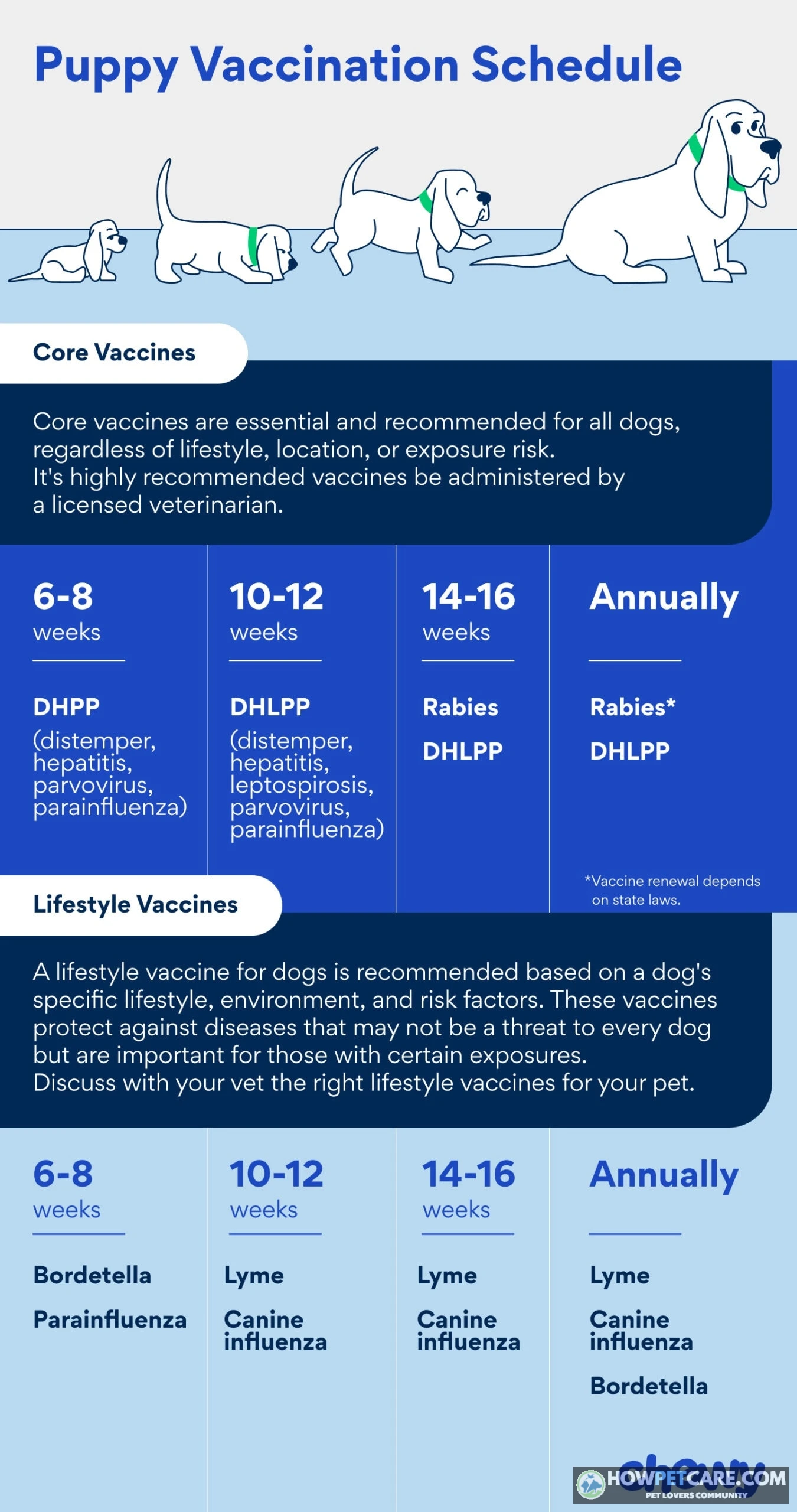
DHPP protects against distemper, adenovirus, parvovirus, and parainfluenza. Your veterinarian will set the schedule based on prior doses and local risk; boosters are commonly spaced about three to four weeks apart, with a core dose at or after roughly 16 weeks. Rabies timing depends on veterinary guidance and local law. Ask your vet when it’s safe to use shared dog areas.
Early socialization is valuable, but exposure doesn’t mean putting an incompletely vaccinated puppy on every public floor. Carrying the puppy, inviting calm visitors, and attending a suitable puppy class can provide experiences while managing infection risk. Let the puppy retreat when worried, and reward curiosity rather than forcing contact.
First 30 Days at Home: Crate, House-Training, and Joint-Safe Setup
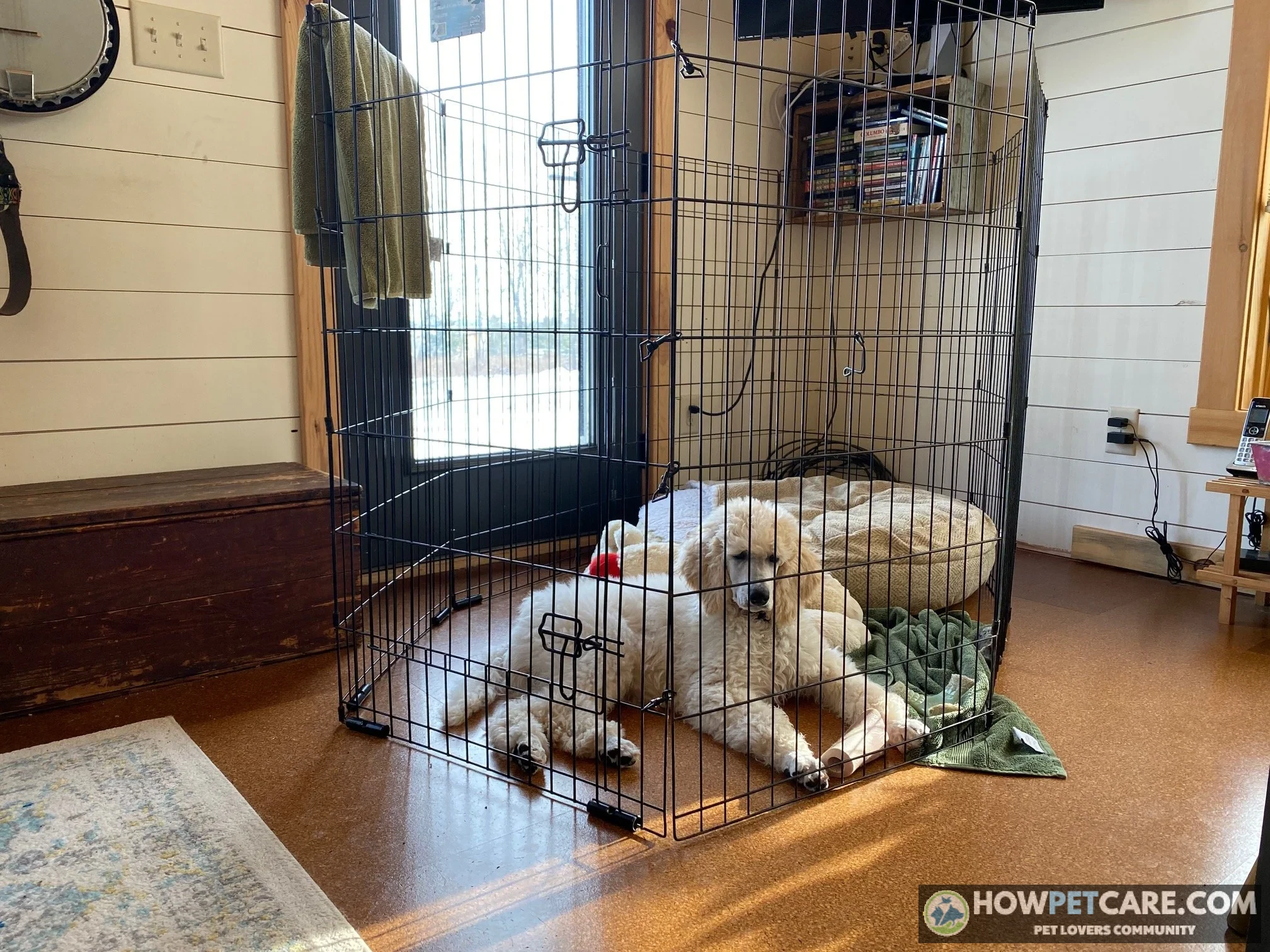
Prepare the small-dog essentials. Buy an appropriately sized crate, exercise pen, washable bed, small harness and leash, bowls, puppy-safe chew toys, a soft brush, a metal comb, an enzymatic cleaner, and gates. Put rugs or mats on slippery floors, and keep cords, medications, and swallowable objects out of reach.
Keep meals predictable. Ask what the breeder feeds and avoid an abrupt food change. Many young puppies start with three or four small meals daily; your veterinarian can adjust the amount and schedule. If four meals are advised, a practical starting pattern is breakfast, midday, late afternoon, and evening. Monitor appetite and growth with your vet.
Make the crate a resting place, not a punishment. Feed treats or meals near it, let the puppy enter voluntarily, and build up closed-door time gradually. Keep the crate near your sleeping area at first if that helps the puppy settle. Practice brief departures while the puppy is relaxed, increasing the duration only as it copes comfortably.
Use a repeatable toilet routine. Go to the same outdoor spot after waking, eating, and playing, and frequently between those events. Reward the puppy immediately after it finishes. Supervise indoors or use the pen when you can’t supervise; accidents mean the schedule or setup needs adjustment, not punishment.
Protect growing joints. Carry the puppy on stairs when practical, prevent repeated jumping from beds and sofas, and favor short play sessions on nonslip surfaces. Ask your veterinarian about any limping, skipping, or reluctance to move rather than assuming it’s normal for a small dog.
Is a Löwchen Right for You? A Decision Checklist and Next Steps
Before contacting a breeder, make sure your household can answer yes to these questions:
- Can someone provide frequent puppy breaks, companionship, and gradual alone-time training?
- Can we manage alert barking, including in an apartment or shared building?
- Can we budget for the puppy, grooming, veterinary care, and an emergency beyond the first-year estimate?
- Are we prepared to brush the coat and pay for regular grooming?
- Can we wait for a carefully matched puppy rather than buying under pressure?
- If allergies are a concern, have the affected people spent time around adult Löwchens?
Over the next month, build a local budget and choose a veterinarian. Use the breed club’s resources to shortlist three to five breeders, send thoughtful introductions, and ask for both parents’ registered names and health results. Check OFA and the current CHIC requirements yourself, then read the entire contract and deposit policy before sending money.
While you wait, research a puppy class and a groomer, and plan a safe space at home. If a suitable litter isn’t available, ask about breed-club rescue, a retired adult, or a longer wait. Consider an import only after verifying the breeder and entry rules. Choose a next step that leaves you comfortable with both the dog’s needs and the evidence behind the purchase.
1According to official OFA testing standards mentioned in the guide, what are the minimum age requirements for a dog to receive final hip and permanent patella evaluations?
Full hip dysplasia evaluations require complete skeletal growth at two years, whereas permanent knee evaluations can be completed at one year.
2What does obtaining an OFA Canine Health Information Center (CHIC) number indicate about a Löwchen parent dog?
CHIC status requires completing all health testing recommended by the parent club and making those results publicly accessible, regardless of outcome.
3How does the traditional lion clip compare to a standard puppy cut in terms of maintenance and professional grooming frequency?
Keeping the signature lion silhouette crisp demands shorter intervals between professional trims than a uniform short cut.
4When budgeting for a Löwchen puppy's first year, what is the estimated total cost range provided for planning purposes, including purchase price and emergency reserves?
This total incorporates the initial purchase price, veterinary care, supplies, grooming, training, insurance, and an emergency savings allowance.
5Under which American Kennel Club (AKC) group is the Löwchen officially classified?
The AKC recognizes the Löwchen within the Non-Sporting Group.
6What is the recommended protocol regarding core DHPP vaccine boosters during early puppyhood?
Core immunization series rely on regular intervals to build long-term immunity against distemper, adenovirus, parvovirus, and parainfluenza.
7Which behavioral characteristic of the Löwchen requires proactive positive reinforcement training, particularly in apartment settings?
Their heritage as alert companion dogs makes them prone to announcing hallway sounds, which requires early quiet-cue training.
8What is recommended when supervising interactions between young children and a new Löwchen puppy?
Sitting beside the puppy prevents accidental falls and keeps interactions calm and safe for a small breed.
9When considering importing a Löwchen puppy from Europe or the UK into the United States, what potential hurdle must buyers evaluate?
CDC import regulations and age/vaccination guidelines can delay travel beyond the typical age domestic puppies go to new homes.
10Which of the following is flagged as a major red flag when vetting a potential Löwchen breeder?
A general wellness check on a puppy does not replace official parent screening for genetic hip, eye, or knee conditions.
| Expense Category | Low Estimate | High Estimate | Category Notes |
|---|---|---|---|
| Pet insurance | $300 | $720 | Illustrative 25–60 monthly; compare exclusions and deductibles |
| Puppy purchase | $2,500 | $4,000 | Provisional pet-quality budget; confirm quotes |
| First veterinary exam | $50 | $150 | Check any contract deadline for the exam |
| Vaccine boosters and rabies | $100 | $300 | Individual schedule and local fees vary |
| Spay or neuter | $200 | $600 | Timing and whether it is needed depend on veterinary advice and contract |
| Microchip | $0 | $60 | May already be included; check registration fees too |
| Crate, pen, bed, gate, harness, and bowls | $200 | $500 | Mostly initial purchases |
| Food | $300 | $600 | Depends on food and individual needs |
| Professional grooming | $360 | $1,000 | Allowance varies with frequency, coat, and location |
| Puppy class | $100 | $300 | Check vaccination requirements |
| Emergency reserve | $500 | $1,000 | Savings, not a substitute for insurance or a ceiling on bills |
| Estimated first-year total | $4,610 | $9,230 | Includes purchase and emergency reserve |
FAQ
Are Löwchens hypoallergenic?
No dog is completely hypoallergenic, but Löwchens shed very little, which some allergy sufferers tolerate better. Spend time with adult Löwchens before committing, because allergies are triggered by dander and saliva as well as hair.
How much exercise does a Löwchen need?
Most adults do well with daily walks totaling roughly 30–60 minutes plus indoor play. Puppies need shorter, gentler sessions to protect developing joints.
Do Löwchens bark a lot?
They are alert and will often bark at visitors or noises, which can matter in apartments. Early training with positive reinforcement and enough company usually keeps it manageable.
Is the Löwchen recognized by the AKC?
Yes. The Löwchen has an AKC breed standard and a national parent club, the Löwchen Club of America. Registration papers alone do not prove a puppy is healthy, so you still need to check health testing.
Can a Löwchen puppy be left alone during the workday?
Young puppies cannot be left for long and need frequent breaks. Adults are companion dogs prone to separation anxiety, so plan for a midday visitor or sitter if your workday is long.