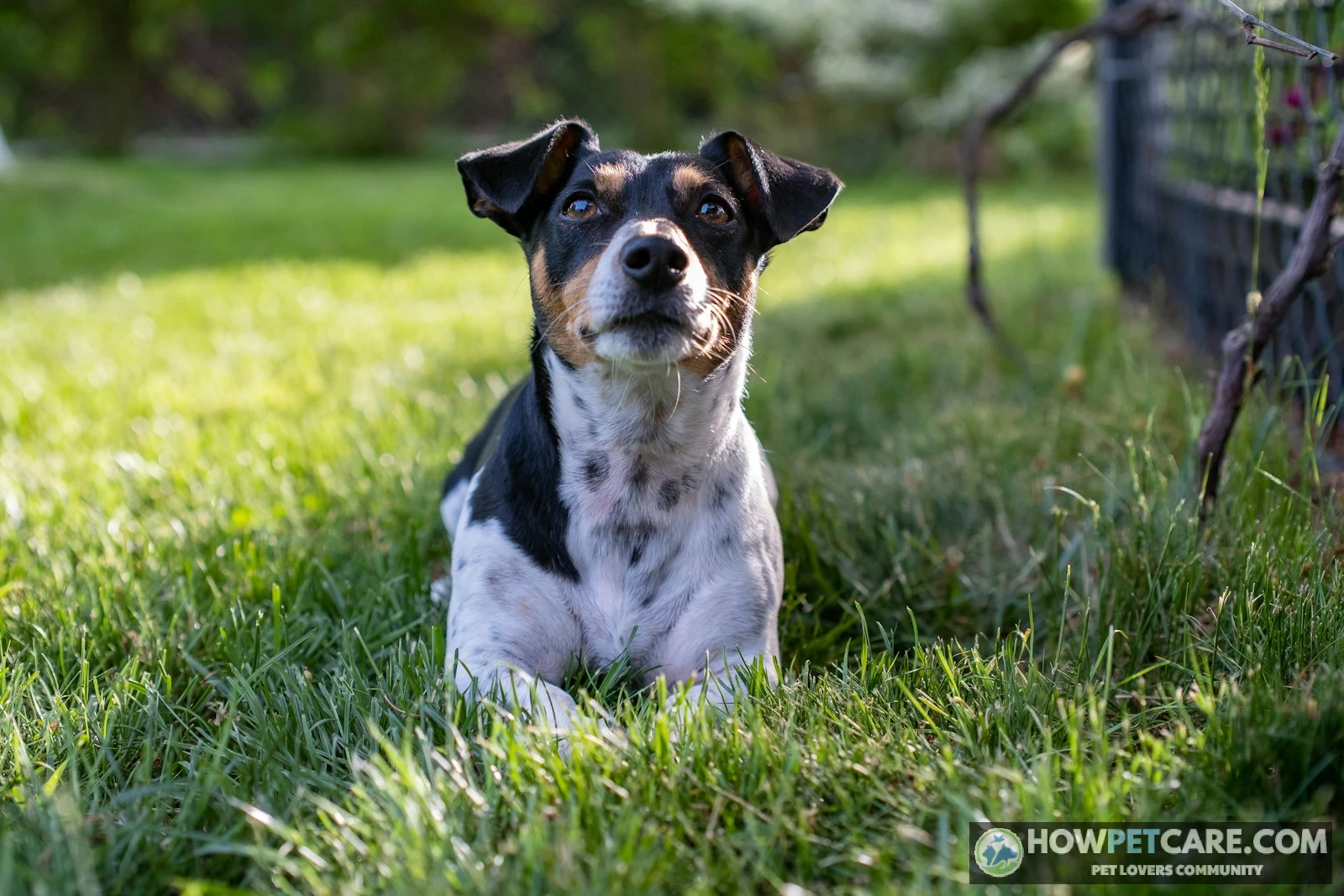

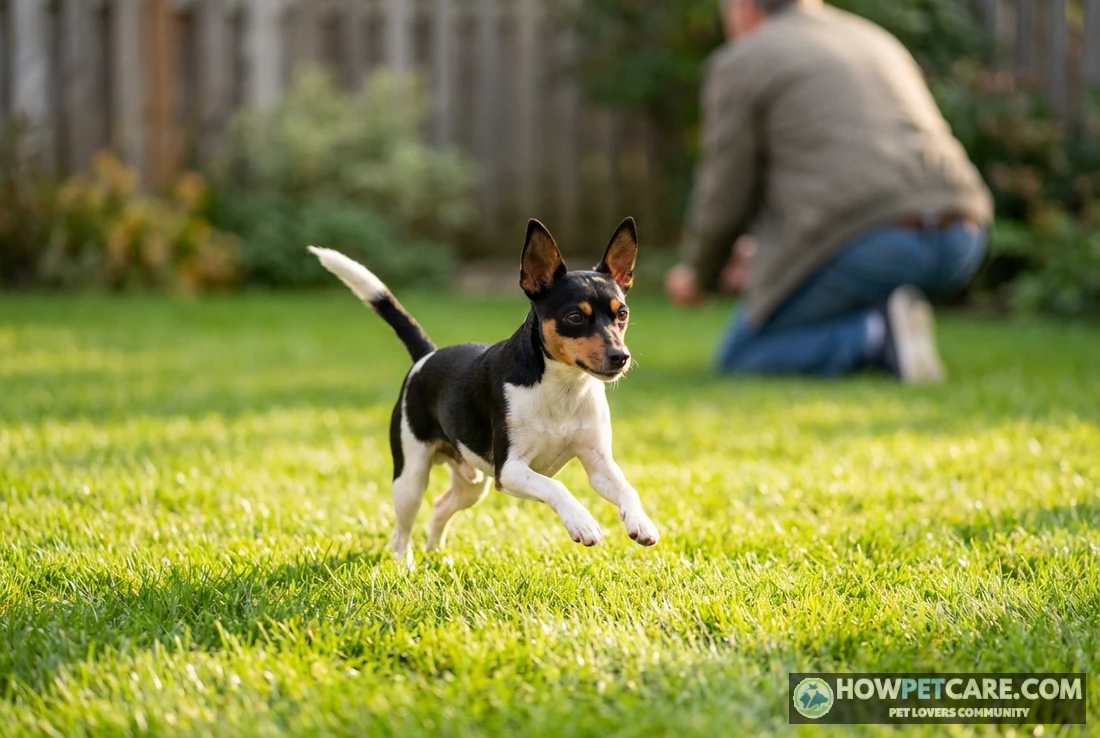
The mini foxy dog breed is the everyday name for the Miniature Fox Terrier, a small, smooth-coated working terrier developed in Australia. Standing about 9.4–12 inches and weighing roughly 7–13 pounds, it holds breed-club recognition in Australia and is not the same dog as the American Toy Fox Terrier.
What a Mini Foxy Is: Definition and Quick Facts
In practice, the mini foxy dog breed is the everyday name for the Miniature Fox Terrier: a small, smooth-coated working terrier developed in Australia. It is distinct from the American Toy Fox Terrier.
Bred to hunt small pests, this little dog has a big-dog outlook. Expect alertness, energy and an interest in anything that moves. The name reflects its fox-terrier ancestry and looks, from the pointed face to the attentive ears.
| Trait | Mini Foxy (Miniature Fox Terrier) | Source or verification note |
|---|---|---|
| Origin | Australia | Developed as a small working terrier. |
| Height | About 9.4–12 inches at the shoulder | Approximately 24–30.5 cm; individual dogs and published ranges vary. |
| Weight | Often about 7–13 pounds | Sources differ: some give 3–6 kg, while others specify under 5.5 kg. |
| Lifespan | Approximately 12–15 years | Some dogs may live longer; this is not a guarantee. |
| Coat | Short and smooth, usually white with black and/or tan markings | Ears may stand upright or fold at the tips. |
| Shedding | Sheds; not reliably hypoallergenic | A short coat does not eliminate allergens. |
| Exercise | About 30–45 minutes daily for a healthy adult | Adjust for the individual dog’s health and fitness. |
| Barking | Often alert and vocal | Consider neighbors and household tolerance. |
| Apartment suitability | Possible with exercise and barking management | Small size alone is not enough. |
| Recognition | Breed-club recognition differs from major kennel-club recognition | See the recognition section before interpreting a seller’s papers. |
A Mini Foxy is not a dependable choice for someone who needs a hypoallergenic coat. If allergies are a concern, spend time with the individual dog and talk to an allergist before committing.
Mini Foxy vs Toy Fox Terrier vs Tenterfield Terrier vs Jack Russell
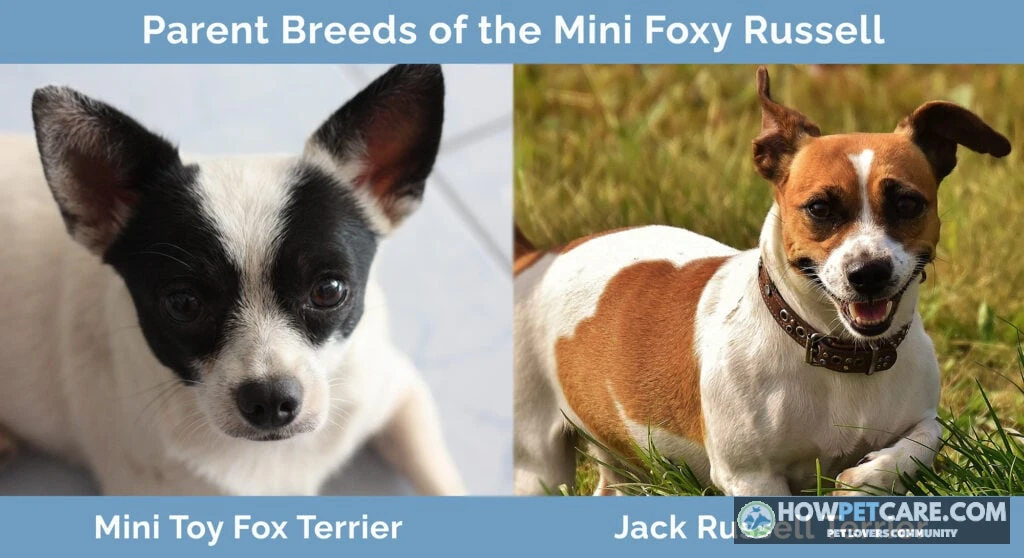
The names sound alike, and the dogs share some fox-terrier ancestry. They are not interchangeable breed labels.
| Feature | Mini Foxy / Miniature Fox Terrier | Toy Fox Terrier | Tenterfield Terrier | Jack Russell |
|---|---|---|---|---|
| Development | Australia | United States | Australia | England; working-terrier lines vary |
| General size | About 9.4–12 inches and often 7–13 pounds. | Small, fine-boned toy terrier | Small terrier, often a little sturdier in appearance | Small but generally more substantial; size varies by line |
| Background | Australian miniature fox-terrier type | Developed from Smooth Fox Terriers and toy breeds | Developed from related Australian small-terrier stock | Developed for fox work |
| Recognition | Not recognized as a separate breed by Dogs Australia, formerly ANKC. | AKC-recognized Toy Group breed | Recognized by Dogs Australia | Recognition and naming depend on the registry and whether the dog is a Russell or Parson Russell type |
| Useful identification clue | Australian Miniature Fox Terrier ancestry and club records, if available | American Toy Fox Terrier pedigree or registration | Dogs Australia pedigree identifying a Tenterfield Terrier | Documented parentage and registry name, not leg length alone |
Why the names get mixed up on classifieds sites
Sellers may use familiar search terms for a dog that resembles another breed, repeat a previous owner’s description, or advertise a mix under several names. Some dogs have no documented ancestry. A similar coat color or small frame cannot prove which breed a puppy is.
For US and UK readers, the distinction matters: a search for a Mini Foxy should not lead automatically to the assumption that the dog is an AKC Toy Fox Terrier. Related Australian ancestry also does not make every Mini Foxy a registered Tenterfield Terrier.
How to tell which dog a listing really describes
Before comparing prices, ask the seller:
- What breeds are the sire and dam, and what documents support that? Ask to see the records, not just a description in the ad.
- Which organization issued the puppy’s or parents’ papers? A breed-club record, a major kennel-club pedigree and a microchip registration are different documents.
- Where did the parents’ lines originate, and can I meet the mother? Appearance can help you understand the dog, but it cannot prove its breed on its own.
If the seller cannot establish ancestry, treat the description as an estimate or a terrier mix. Don’t pay extra for a promised breed identity.
Is the Miniature Fox Terrier a Recognized Breed? Kennel Clubs and the NSW Companion Animals Act
Kennel club recognition: who recognizes which dog
The Miniature Fox Terrier has a breed-club identity in Australia, but Dogs Australia—formerly the Australian National Kennel Council, or ANKC—does not recognize it as a separate breed. The Mini Foxie Club of Australia (MFCA) maintains its own breed community and breeding requirements. Club records are not the same as a Dogs Australia pedigree.
The AKC recognizes the Toy Fox Terrier in its Toy Group. That breed is not another name for the Mini Foxy. Dogs Australia recognizes the Tenterfield Terrier as a separate breed. If a seller claims registration with the AKC, UKC, FCI or another organization, ask for the exact registered breed name and verify the document with the issuing body. Registry listings and eligibility rules can change.
No major kennel-club recognition doesn’t mean there is no breed-club standard or no recorded pedigree. It does mean a buyer must establish which organization keeps the records, what its requirements are, and whether the claimed ancestry is documented. Registration papers are not a substitute for health-test results.
NSW Companion Animals Act: what it means for your dog
The Miniature Fox Terrier is reportedly recognized as a breed under the New South Wales Companion Animals Act for the purposes of the state’s pet register—an administrative standing that is separate from kennel-club recognition. That standing does not make the dog an AKC or Dogs Australia breed, and a pedigree is not what makes ordinary pet ownership legal.
NSW owners generally have identification and registration obligations for dogs, including microchipping and registration, subject to applicable deadlines and exemptions. Check the NSW government and your local council for the rules that apply to your dog. Other Australian states and US jurisdictions have different requirements. Confirm that microchip details and any required ownership transfer are completed instead of assuming the breeder handled everything.
Mini Foxy Temperament: Kids, Cats, Barking and Apartment Living
Miniature Fox Terrier temperament combines a people-oriented companion with an alert working terrier. Many are quick learners, bold and curious. They can also be independent and easily distracted by movement or noise. Individual upbringing and experience matter as much as a breed description.
Good with kids?
A Mini Foxy can make a good family pet when children know how to handle a small dog gently. Older children who can follow instructions may be a better match than toddlers who might grab, squeeze or drop one.
Adults should supervise interactions, give the dog an escape route and keep children from disturbing it while it eats or rests. Even a friendly dog can be injured by rough handling—or snap when frightened.
Cats, rabbits and other small pets
A Mini Foxy’s pest-hunting background makes prey drive an important consideration. Some can live with a dog-confident cat after slow, supervised introductions, especially if they were accustomed to cats early. Others may chase. Don’t assume the relationship will be safe just because the dog is small.
Rabbits, rodents and birds need secure separation from the dog. A cage or enclosure should be sturdy and out of reach, and interactions should not depend on the terrier resisting temptation.
Barking and apartment living
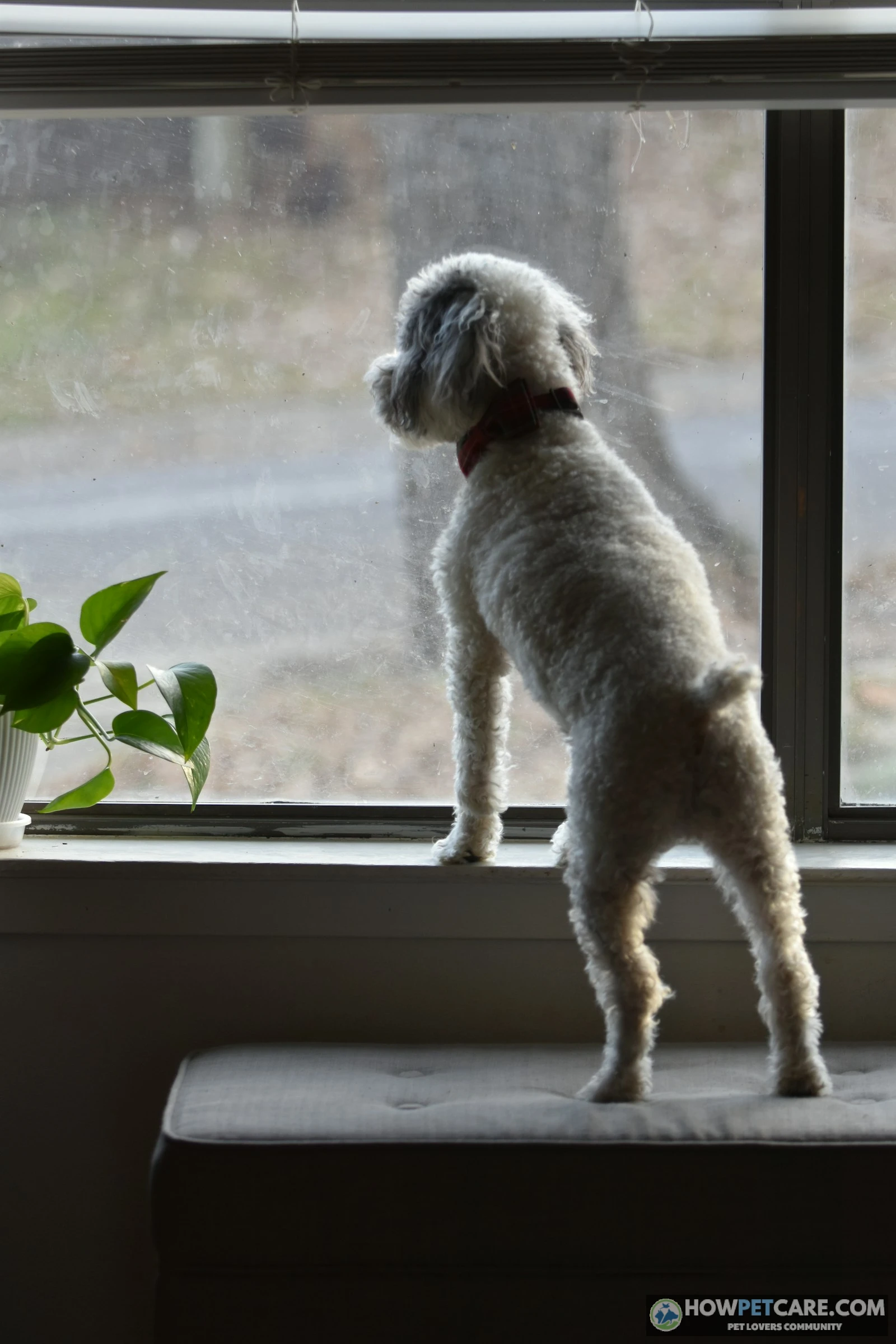
The breed’s size can suit an apartment, but its habit of noticing every sound and movement may not suit thin walls. Plan for daily activity and a quiet routine, not just a small bed.
- Block a frequent visual trigger, such as a street-facing window, or move the dog’s resting place away from it.
- Reward calm behavior before barking escalates, and teach a quiet cue through reward-based training instead of shouting over the dog.
- Practice calm responses to door and hallway sounds at a manageable volume.
- Provide sniffing, play and short training sessions so alert barking is not the dog’s main occupation.
Some people-oriented dogs struggle with long periods alone and may bark or become destructive when distressed or bored. Build alone time gradually, and arrange a break or company if a full workday is too long for the individual dog.
Before choosing a puppy, ask the breeder or rescue how the individual dog reacts to visitors, unfamiliar sounds and time alone. A small dog is not automatically a quiet dog.
Daily Care Numbers: Exercise, Grooming and Feeding
For a healthy adult, plan on roughly 30–45 minutes of daily activity, adjusted to the dog’s fitness and your veterinarian’s advice. Split that into walks and active play, then add brief training or sniffing games. A secure area helps: a terrier interested in prey may not reliably return when called.
Puppies need age-appropriate, gentler activity rather than being pushed through an adult exercise schedule. Older dogs and dogs with orthopedic problems may need shorter, more frequent outings. Ask your veterinarian for an individual plan.
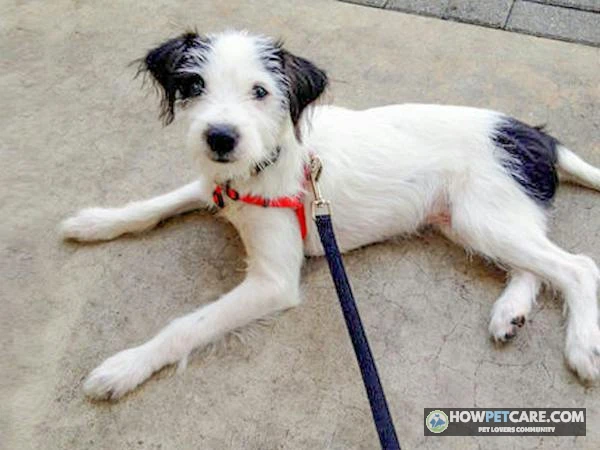
The smooth coat is easy to manage, but it is not maintenance-free. Brush about twice a week to remove loose hair, and bathe when dirty or as your veterinarian recommends. Check nails regularly and trim them before they grow long enough to affect walking. Introduce toothbrushing gradually, and ask your vet about dental examinations and professional cleaning.
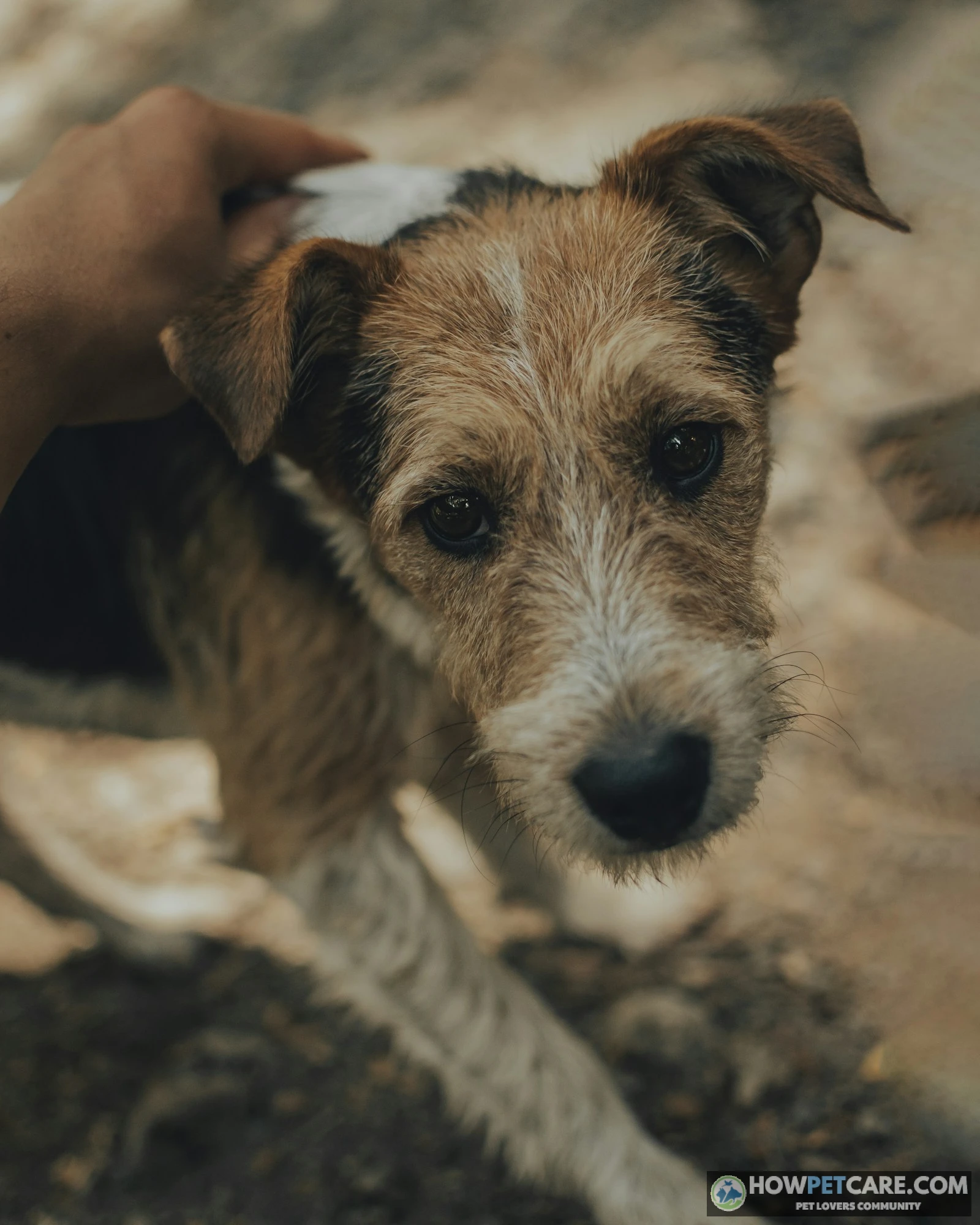
For food, start with the feeding chart on a complete diet suited to the dog’s life stage and expected weight. Measure portions, account for training treats and adjust with your vet based on body condition rather than relying on a fixed cup measurement—kibble calories differ. Many adult dogs do well with two measured meals; puppies under six months may need three or four meals daily.
A short coat offers limited insulation. On cold days, consider a well-fitting coat. In heat, choose cooler walking times, provide water and stop if the dog shows signs of overheating.
Mini Foxy Health Problems and the Screening Tests Breeders Should Prove
No health test guarantees a healthy puppy, and there is no strong breed-wide dataset here that shows how often individual inherited conditions occur. The practical starting point is to request written patella evaluations and primary lens luxation DNA results for both parents, then discuss those records with your veterinarian.
Patellar luxation
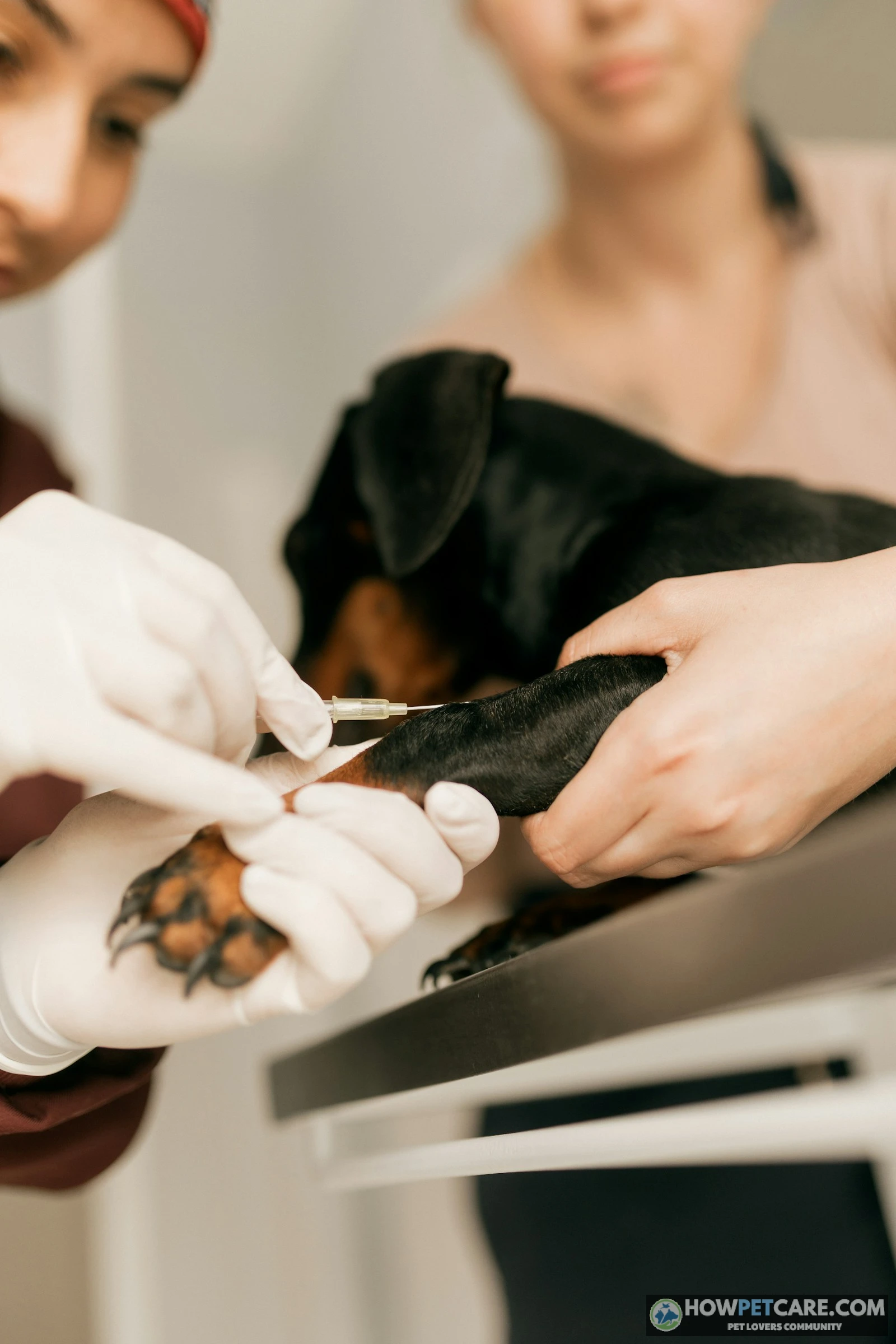
Patellar luxation means the kneecap moves out of its normal groove. A dog may briefly skip or hop on a hind leg, though some affected dogs show little obvious discomfort. A veterinarian can examine and grade each knee. Treatment depends on the severity and the individual dog.
Ask for a written veterinary assessment of both parents, including each dog’s identity, examination date and grade for each knee. A puppy that walks normally at a visit can still develop a problem later. Healthy-looking parents are not a substitute for documented examinations.
Primary lens luxation (PLL) and DNA testing
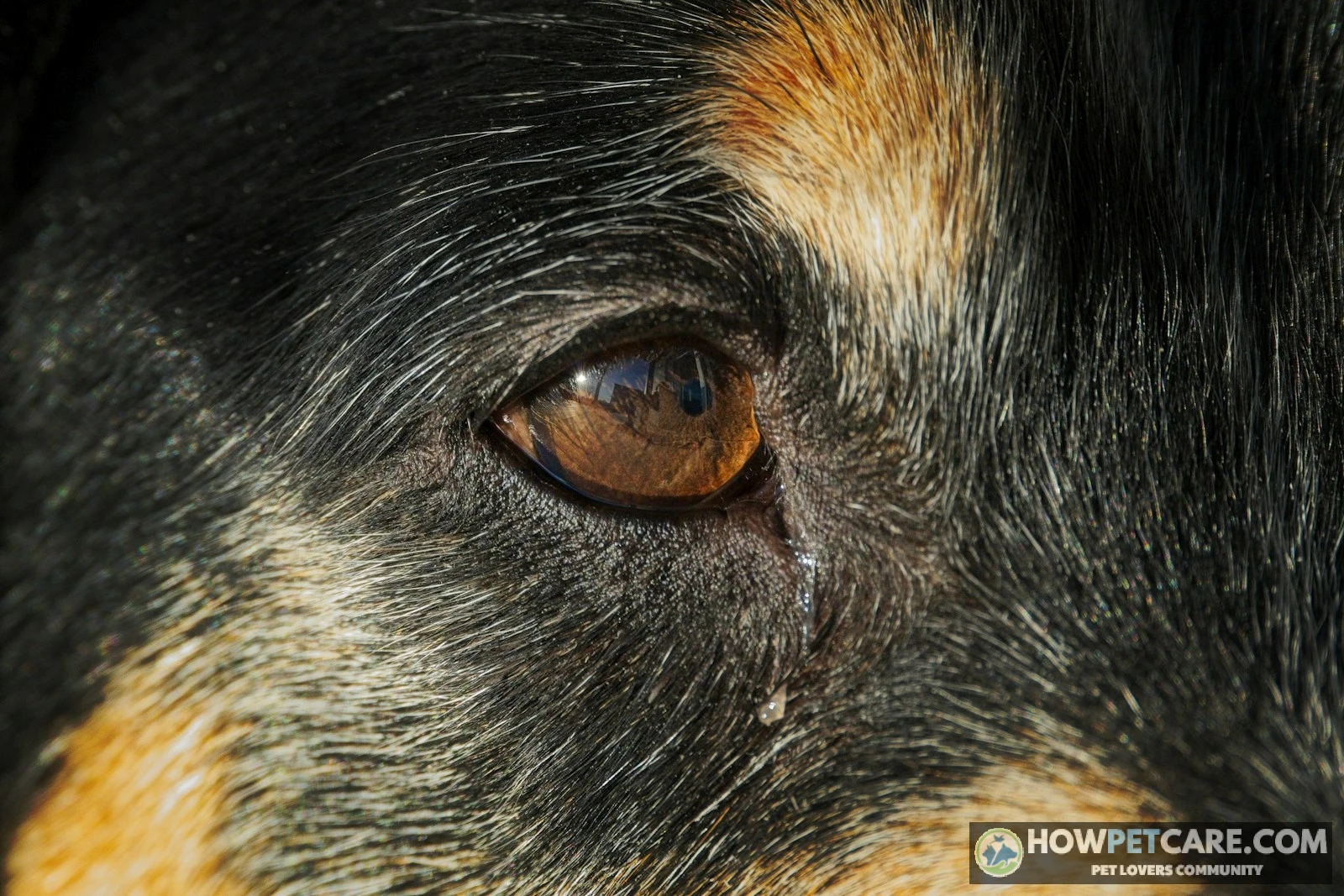
PLL is an inherited eye condition in which the lens can become displaced. It can threaten vision and needs prompt veterinary attention. The MFCA requires PLL genetic testing for breeding dogs.
Ask for the actual laboratory result for each parent, and check the dog’s identifying details against the breeder’s records. Clear, carrier and at-risk results have different implications; a carrier is not automatically an unsuitable breeding dog. Ask a veterinarian or veterinary geneticist to explain the specific pairing and laboratory report rather than relying on the seller’s claim that the puppies are all clear. DNA testing does not replace eye examinations or rule out every eye disease.
Spotting warning signs in a puppy
Watch the puppy walk and trot on a nonslip surface. Repeated skipping, reluctance to bear weight, stiffness or an unusual hind-leg posture deserves a veterinary assessment. Don’t diagnose or dismiss a problem from a short video: a puppy may be excited, tired or asymptomatic during your visit.
Arrange an independent veterinary examination within days of bringing the puppy home, and understand the sale agreement’s terms before paying. Ask the vet about dental health and other orthopedic concerns, including Legg-Calvé-Perthes disease, when assessing an individual puppy. Screening and possible treatment have costs, so get local veterinary estimates instead of assuming insurance will cover an existing condition.
A statement that the parents are healthy is not the same as a lab certificate or a signed veterinary patella assessment. Match each document to the correct dog.
How Much Does a Mini Foxy Puppy Cost? Price and Yearly Ownership Costs
Purchase price: what the numbers really say
An indicative Australian asking-price range for 2026, drawn from the available research, is AUD 400–2,000, with an average of approximately AUD 1,000–1,200. Treat this as a rough research figure, not a verified market survey or a promise of availability. Another unverified classifieds estimate puts the range at AUD 1,000–4,000; don’t treat it as a reliable ceiling or as evidence that expensive puppies are better bred.
In 2026, compare several actual quotations and ask what each includes. Location, documentation, veterinary care and the dog’s actual breed can all change an asking price. A low price deserves scrutiny, but a high price does not prove health testing or ethical breeding.
Mini Foxies are primarily associated with Australia. In the US, a Toy Fox Terrier may be easier to find, but its price is not a valid substitute for a Mini Foxy price. If you consider an import, get separate quotes and check all applicable transport, entry and veterinary requirements.
Yearly and lifetime ownership costs
The table below is an illustrative Australian planning budget, not breed-specific survey data or a verified price list. Local veterinary charges, insurance terms and household choices can change it substantially. Get quotes before committing.
| Cost item | Typical planning range | One-off or yearly | Source or verification note |
|---|---|---|---|
| Puppy purchase | AUD 400–2,000 | One-off | Research range; current quotations may differ. |
| Microchip and registration | AUD 50–200 | Usually initial cost | Planning estimate; check local rules, exemptions and fees. |
| Desexing | AUD 300–600 | One-off | Planning estimate; request a vet quote and discuss timing. |
| Puppy vaccination course | AUD 150–300 | Initial | Planning estimate; ask what the breeder has already paid for. |
| Food | AUD 300–600 | Yearly | Estimate; depends on diet and portion size. |
| Checkup and parasite prevention | AUD 300–700 | Yearly | Estimate; products and regional risks vary. |
| Insurance | AUD 400–1,200 | Yearly, if purchased | Estimate; compare quotes and exclusions. |
| Dental care | AUD 200–800 | Allowance, not necessarily spent every year | Estimate; a professional procedure may cost more or less. |
| Basic equipment | AUD 150–300 | Initial | Estimate for bed, leash, bowls and similar supplies. |
Using the middle of those broad estimates, a worked example is AUD 1,200 for a puppy plus about AUD 2,575 in first-year setup and care, or approximately AUD 3,775 total. That illustration includes insurance and a dental allowance but not boarding, training, emergencies or import costs. Later routine years using the listed annual categories are roughly AUD 1,200–3,300, before unexpected treatment or optional services.
Over a 12–15-year lifespan, even AUD 1,200–3,300 a year represents roughly AUD 14,400–49,500 in ongoing spending before purchase and inflation. This is arithmetic for planning, not a prediction of your bill. Ask insurers how they define pre-existing conditions, waiting periods, annual limits and exclusions for knees or eyes. A problem noted before coverage begins may not be covered.
How to Vet a Mini Foxy Breeder and Avoid Puppy Scams
Documents and health certificates to ask for
Before paying a deposit, request:
- PLL laboratory certificates for both parents, showing the test and each dog’s identifying details.
- Written patella assessments for both parents, with a veterinary assessment and the result for each knee.
- Puppy veterinary, vaccination and worming records, with dates and the provider’s details.
- Microchip documentation and clear instructions for transferring ownership where required.
- A written sale agreement, including return or rehoming terms and what happens if an independent vet finds a problem.
- Any pedigree or breed-club papers, with the issuing organization’s name and an explanation of what the records establish.
Meet the puppy and its mother where the litter lives when possible. Ask about the sire and dam, why the pairing was chosen, the litter and how the puppies were raised. A conscientious breeder should welcome reasonable questions and also ask about your household.
Scam red flags on classifieds sites
Be cautious of pressure to pay immediately, refusal to show the puppy or mother, copied photographs, inconsistent answers, or a seller who offers only a car-park handoff. Reverse-image-search listing photos and check any breeder or source number against the applicable state register. Gift-card demands are a strong warning sign. An ordinary bank transfer alone does not verify a seller’s identity either.
A video call can help, but it does not prove ownership or replace independent checks. Don’t rely on a price or a friendly conversation as proof that a litter exists. Where an in-person visit is genuinely impractical, use extra independent verification and understand the risk before sending money.
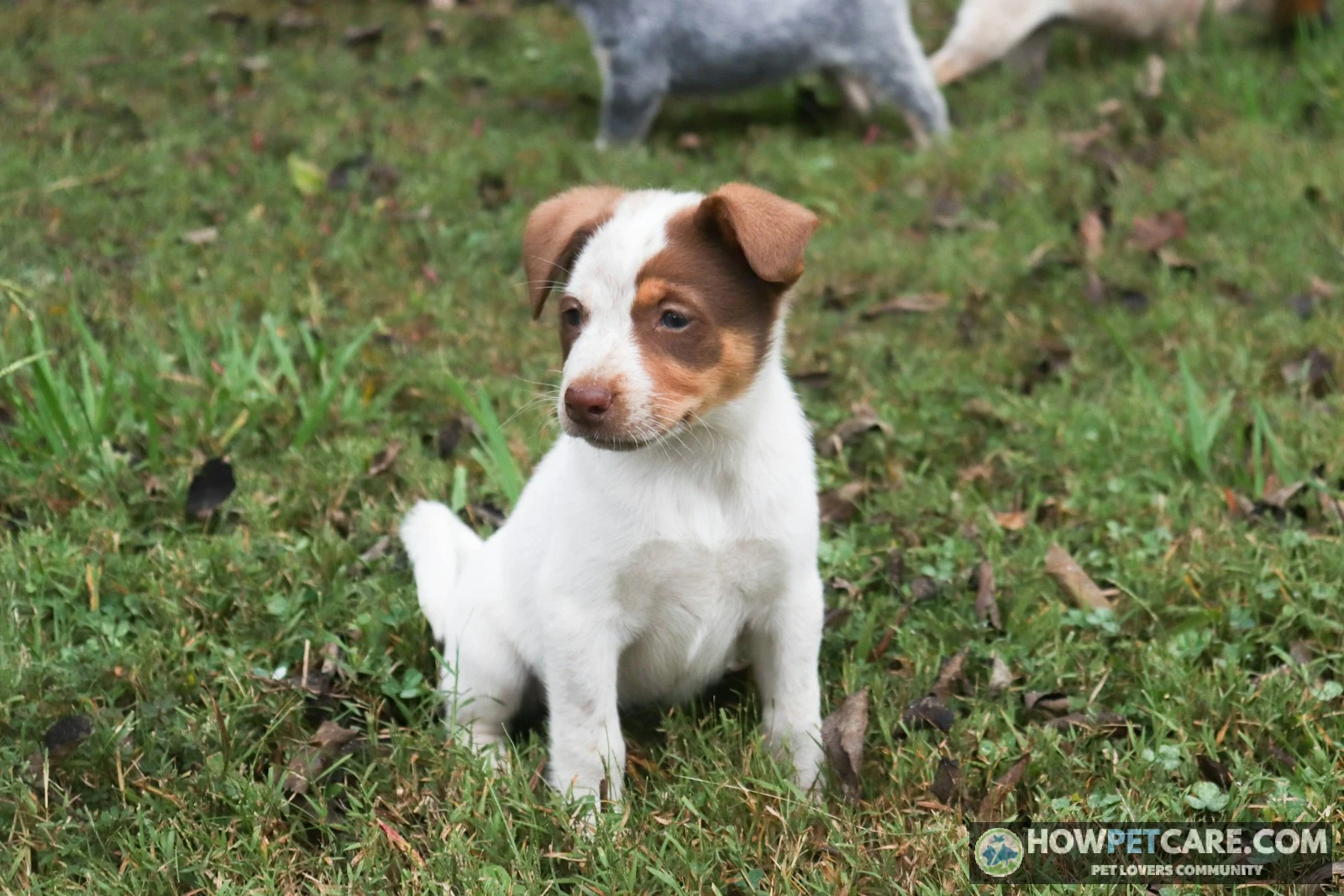
Puppy adoption or an adult rescue dog is another option. Ask what the rescue knows about the dog’s history, behavior around children and other animals, veterinary care and breed identification. A rescue’s Mini Foxy label may describe appearance rather than documented ancestry.
Is a Mini Foxy Right for You? A Decision Checklist and Fox-Like Alternatives
Who a Mini Foxy suits and who it doesn’t
Use this checklist as a conversation starter with everyone in the household:
- ☐ I can provide approximately 30–45 minutes of appropriate adult activity each day, plus attention and enrichment.
- ☐ I can manage alert barking and have considered the effect on neighbors.
- ☐ Children will be supervised and can learn to handle a small dog gently.
- ☐ Rabbits, rodents or birds can be securely separated from the dog, and any cat introductions will be supervised.
- ☐ I have a plan for workdays and time alone.
- ☐ I can budget for routine care and unexpected veterinary bills.
- ☐ I am willing to wait for documented parent health screening rather than buying the first available puppy.
- ☐ I accept shedding and do not need a guaranteed hypoallergenic dog.
A noise-sensitive apartment, a household unable to separate small pets, or frequent rough handling by young children are strong reasons to reconsider. No checklist can predict an individual dog’s behavior, but these constraints deserve attention before you bring one home.
Fox-like dog breeds worth comparing
If you like dogs that look like foxes, compare their care needs—not just their faces:
- Toy Fox Terrier: A small American toy breed with terrier energy and a short coat. It is not the Australian Mini Foxy.
- Tenterfield Terrier: A related Australian small terrier with its own recognized breed identity. Ask for the actual pedigree rather than assuming all similarly colored dogs belong to it.
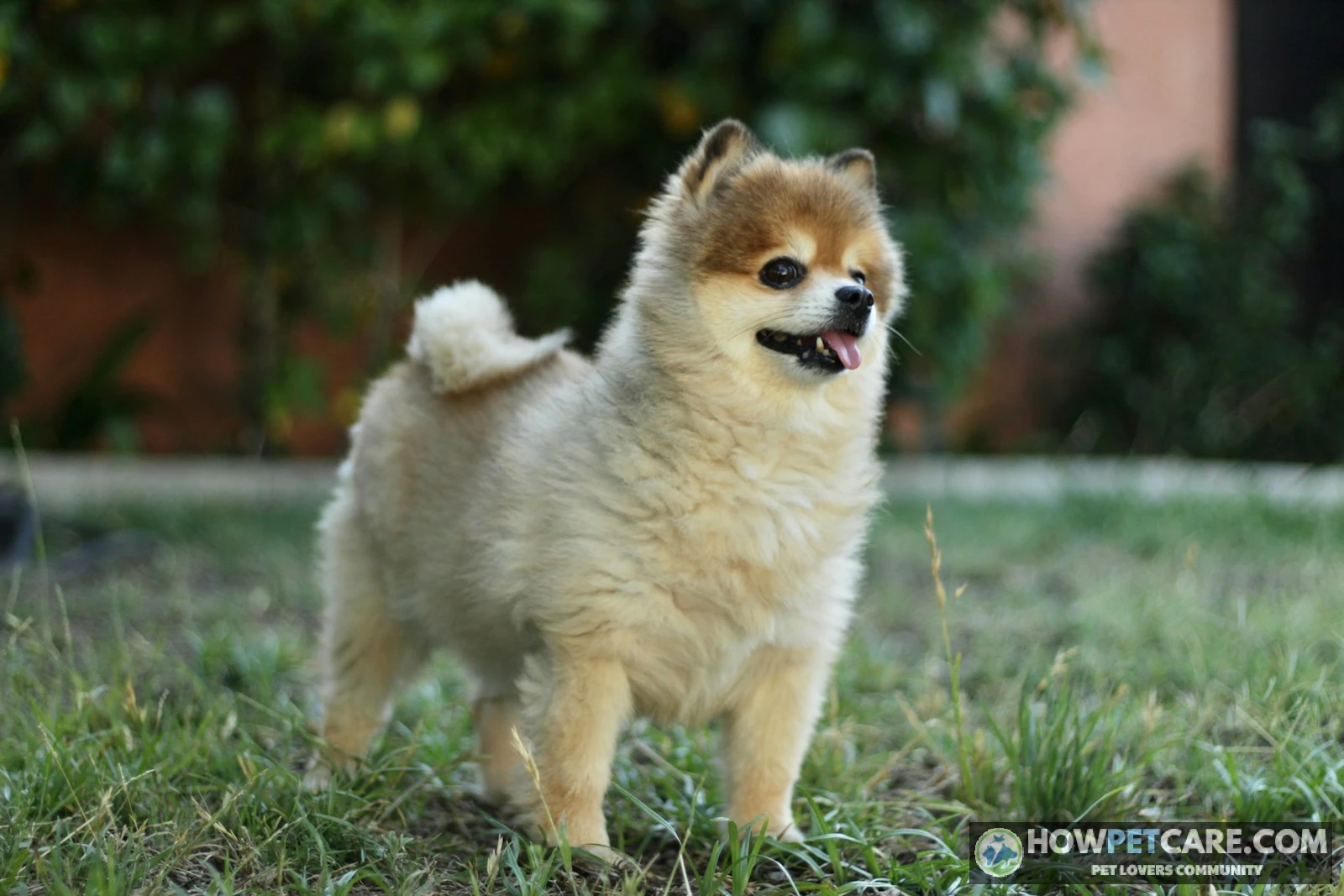
- Pomeranian: A small, fluffy companion with a much fuller coat and more brushing needs than a Mini Foxy. It can also be vocal.
- Shiba Inu: A larger, independent spitz-type dog with a dense shedding coat. Its fox-like appearance comes with different training and management demands.
Your next five steps
- Confirm the type. Ask whether the dog is a Miniature Fox Terrier, Toy Fox Terrier, Tenterfield Terrier or a mix, and review any supporting records.
- Assess your household. Make a realistic plan for barking, exercise, children, other pets and time alone.
- Request parent test documents. Review PLL results and patella assessments with your veterinarian if anything is unclear.
- Meet and verify. Visit the litter and mother where possible, check identification and paperwork, and read the sale or adoption agreement before paying.
- Prepare the budget and vet visit. Price local care and insurance, reserve money for unexpected expenses, and book an independent examination within days of the dog arriving.
1What is the official breed identity and historical origin of the dog commonly called a 'Mini Foxy'?
The Mini Foxy is the everyday short name for the Miniature Fox Terrier, which was developed in Australia as a small working terrier.
2How does Dogs Australia (formerly ANKC) treat the Miniature Fox Terrier regarding official breed recognition?
Dogs Australia does not grant separate breed recognition to the Miniature Fox Terrier, leaving breed management to independent clubs like the MFCA.
3Which health condition requires genetic DNA testing for breeding dogs under the Mini Foxie Club of Australia (MFCA) standards?
PLL is an inherited eye condition capable of displacing the ocular lens, prompting the MFCA to mandate genetic testing for breeding stock.
4When verifying a parent dog's patellar luxation status, what document should a prospective buyer expect from a responsible breeder?
Patella evaluations require a physical clinical assessment by a veterinarian who grades both knees in writing.
5What is the recommended daily exercise duration for a healthy adult Mini Foxy?
A healthy adult Mini Foxy thrives on around 30 to 45 minutes of daily exercise, combining walks, play, and mental enrichment.
6How does the source characterize the Mini Foxy's coat regarding shedding and allergies?
Even though the coat is short and smooth, the breed sheds hair and dander, meaning it cannot be guaranteed allergy-safe.
7Which management strategy is suggested to help reduce alert barking in a Mini Foxy living in an apartment?
Removing direct visual access to hallway or street movement prevents the dog from reacting constantly to passing triggers.
8According to the research range provided in the text, what was the indicative Australian asking price for a Mini Foxy puppy in 2026?
The source cites an indicative Australian research asking price range of AUD 400 to 2,000, averaging roughly AUD 1,000–1,200.
9Which scenario is highlighted as a major red flag indicating a potential puppy scam when searching listings?
Refusing home visits, demanding untraceable payment methods like gift cards, and organizing public parking lot handoffs are classic scam indicators.
10How do the feeding recommendations differ between an adult Mini Foxy and a puppy under six months of age?
Young puppies require more frequent meal splits to support growth and digestion, while adult dogs do well with two structured portions.
| Feature | Mini Foxy / Miniature Fox Terrier | Toy Fox Terrier | Tenterfield Terrier | Jack Russell |
|---|---|---|---|---|
| Development | Australia | United States | Australia | England; working-terrier lines vary |
| General size | About 9.4–12 inches and often 7–13 pounds | Small, fine-boned toy terrier | Small terrier, often a little sturdier in appearance | Small but generally more substantial; size varies by line |
| Background | Australian miniature fox-terrier type | Developed from Smooth Fox Terriers and toy breeds | Developed from related Australian small-terrier stock | Developed for fox work |
| Recognition | Not recognized as a separate breed by Dogs Australia, formerly ANKC | AKC-recognized Toy Group breed | Recognized by Dogs Australia | Recognition and naming depend on the registry and whether the dog is a Russell or Parson Russell type |
| Useful identification clue | Australian Miniature Fox Terrier ancestry and club records, if available | American Toy Fox Terrier pedigree or registration | Dogs Australia pedigree identifying a Tenterfield Terrier | Documented parentage and registry name, not leg length alone |
FAQ
Is a Mini Foxy hypoallergenic?
No. The Mini Foxy has a short, smooth coat that sheds, and no dog breed is guaranteed hypoallergenic. People with allergies should spend time with the specific dog before committing.
Can I buy a Mini Foxy in the US or UK?
The Mini Foxy is mainly an Australian dog, so it is rarely sold elsewhere. US buyers will usually find the AKC-recognized Toy Fox Terrier, which is a different breed with a separate American origin.
Is a Mini Foxy easy to train for a first-time owner?
Mini Foxies are intelligent and eager to please, but terriers can be stubborn and easily distracted. Short, consistent, reward-based sessions work best, and early socialisation helps reduce barking and reactivity.
Why is it called a ‘foxy’?
The name comes from the breed’s descent from the Smooth Fox Terrier and its fox-like look, with a pointed muzzle and alert ears. ‘Mini Foxy’ is the everyday short form of Miniature Fox Terrier.
Can a Mini Foxy be left alone during the workday?
Many can manage a few hours, but they are people-oriented and can bark or become destructive if bored. Build up alone-time gradually, give exercise before you leave, and arrange a break for long workdays.