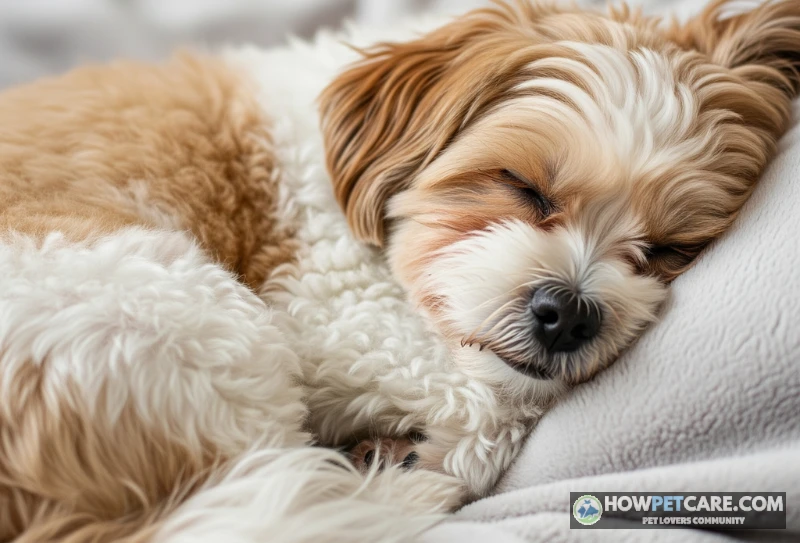

A Shichon is a Shih Tzu–Bichon Frise mix, also called a Zuchon or teddy bear dog. Most adults weigh roughly 10–15 pounds and stand 9–15 inches tall, with a lifespan around 12–15 years. Expect regular grooming, daily companionship, and real variation between individual dogs.
A Shichon dog is a Shih Tzu–Bichon Frise mix that may suit someone looking for a small, sociable indoor companion. The trade-offs are significant: expect regular coat care, daily attention, and a dog whose adult traits can’t be guaranteed. Shichons are often low-shedding, but no dog is guaranteed to be hypoallergenic.
Shichon dog at a glance: who this small companion suits
Also called a Zuchon or Tzu Frise, the Shichon is a hybrid dog rather than a standardized purebred. “Teddy bear dog” is a broader informal description used for several small mixes, so a teddy bear dog isn’t necessarily a Shichon.
| Trait | Planning range or expectation | What can vary |
|---|---|---|
| Parentage and recognition | Shih Tzu and Bichon Frise mix; not a standardized AKC breed | Some hybrid registries record the mix under different names. |
| Adult height | About 9–15 inches at the shoulder for planning | Many published estimates are narrower; parents and genetics matter. |
| Adult weight | About 10–15 pounds for planning | Some dogs are smaller or larger; one guide puts the upper end around 18 pounds. |
| Lifespan | Plan for roughly 12–15 years | Individual dogs may live longer or shorter lives. |
| Coat and shedding | Soft, wavy, or curly; often low-shedding | Texture, shedding, and allergy reactions vary. |
| Grooming | Frequent home brushing; professional grooming about every 4–8 weeks | A longer coat or matting can increase the work and cost. |
| Exercise | Daily walks and play | Needs depend on age, health, and the individual dog. |
| Temperament | Often affectionate and playful | Genetics and experience influence behavior; barking and difficulty being alone are possible. |
A Shichon is worth considering if you can provide companionship, keep up with grooming, and take a flexible approach to training. Think twice if you need a reliably silent dog, can’t accommodate grooming costs, or need a guarantee about allergies or adult size.
Budget before you contact a seller: For an illustrative U.S. plan, allow approximately $800–$3,500 to purchase a puppy or $75–$600 for adoption. A first year might total roughly $2,230–$7,740 with a purchased puppy, or $1,505–$4,840 with adoption; subsequent annual costs might run $1,280–$3,500. These are budgeting scenarios, not verified market quotes or a comprehensive survey. Get local estimates and keep a separate plan for emergencies. The cost table below shows the assumptions and exclusions.
Full-grown Shichon size, lifespan, and why published stats differ
What size might a Shichon puppy reach?
For a Shichon dog’s full-grown size, use about 10–15 pounds and 9–15 inches as a practical planning range, not a promise. Some guides list heights of 9–12 inches, while another gives a weight range beginning at 4 pounds. A small adult is possible, but a 4–7-pound outcome should be treated as an outlier rather than the default. A Shichon can also exceed 15 pounds.
There’s no universal breed standard, and the mix includes both first-generation and later-generation crosses. That variation helps explain why published ranges differ; individual guides may also use different estimates. Ask for the actual adult weights of both parents and the puppy’s growth history. Those details are more useful than a seller’s guaranteed adult weight, though they still can’t predict it precisely.

How to interpret lifespan estimates
One guide lists 12–15 years, while others give 15–18 years. These are estimates, not competing guarantees. In a mixed population without a strict standard, differences in the dogs and methods behind estimates can affect the ranges. Plan financially and emotionally for roughly 12–15 years, while recognizing that an individual dog may live longer or have a shorter life.
Shichon temperament and household fit: kids, apartments, and alone time
Shichons are commonly described as affectionate, playful, and adaptable, but a puppy can inherit different combinations of its parents’ traits. Early experiences, health, and the individual dog matter too. An adult rescue with a detailed foster history may offer more information about established behavior than a puppy can.
Barking, companionship, and separation anxiety
Some Shichons alert-bark at hallway noise, visitors, or unfamiliar sounds; others are quieter. If you share walls, consider whether you can manage barking through a predictable routine, appropriate enrichment, and patient training. No seller can promise that a puppy will never bark.
A companion dog may also find long periods alone difficult. Brief protest when a routine changes is different from persistent distress. Repeated frantic vocalizing, attempts to escape, destructive behavior around exits, or toileting associated with departures warrant a conversation with a veterinarian. The vet can rule out medical causes and help arrange behavior support. Don’t assume another dog will automatically solve the problem.
Practice short, manageable separations gradually, and arrange a sitter, family member, or other suitable care when your schedule exceeds what the individual dog can handle. Puppies generally need more frequent supervision and bathroom opportunities than settled adults.
Family and apartment fit
Shichons can be candidates for families, seniors, and first-time owners, including apartment residents, provided their needs are met. Their small size makes gentle handling important. Supervise young children, teach them not to lift or crowd the dog, and give the dog a quiet place to retreat. Check pet rules in writing before committing.

A practical fit scorecard: Score each item 0, 1, or 2, then add your points. This is a discussion tool, not a validated behavioral assessment.
| Question | 0 points | 1 point | 2 points |
|---|---|---|---|
| Weekday alone time | More than 8 hours without help | 4–8 hours | Under 4 hours, or reliable help is available |
| Grooming budget | Little room for grooming | Some professional care is affordable | Regular professional grooming is affordable |
| Noise tolerance | Need a nearly silent pet | Some barking is manageable | Can manage and work on alert barking |
| Child supervision | Young children may handle the dog unsupervised | Supervision needs work | Gentle interactions can be consistently supervised |
| Allergies | Severe reactions without a management plan | Mild symptoms; evaluation needed | No known allergy or an individual assessment supports the match |
| Activity | Little time for daily activity | Short walks and play are possible | Daily walks and play are reliably available |
| Housing | Pets are not permitted | Rules are unclear | Permission is confirmed |
| Training patience | Want a dog requiring no adjustment | Can follow a basic routine | Can practice consistently and seek help if needed |
| Veterinary cushion | No plan for unexpected care | Some savings | Savings or suitable insurance is planned |
| Predictability | Must guarantee size, coat, and behavior | Some variation is acceptable | Comfortable assessing the individual dog |
A score of 16–20 suggests a promising starting point; 10–15 means resolving weak areas before proceeding; 0–9 suggests waiting or reconsidering. Regardless of score, address severe allergies, lack of housing permission, and the absence of a veterinary-care plan first. Even a high score can’t guarantee a particular dog will fit.
Coat, shedding, grooming, and allergy reality
Is a Shichon hypoallergenic or low-shedding?
Both parent breeds are generally described as low-shedding, but a Shichon’s coat can vary. Low-shedding doesn’t mean allergen-free: dogs produce allergens in dander and other material, and people react differently. Spending time with the specific dog can help inform a decision, but it doesn’t guarantee you won’t have symptoms at home. For significant allergies, consult an allergist before adopting or buying.
The familiar rounded teddy-bear appearance depends on both genetics and grooming. A first-generation cross has one parent of each breed; a backcross or later-generation mix need not have the same ancestry proportions. Ask what the seller means by the label rather than assuming every Shih Tzu Bichon Frise mix will look alike.
A realistic grooming routine
Plan on frequent, often daily, brushing and combing to check for tangles, especially behind the ears, under the harness, and around the legs. Professional grooming about every 4–8 weeks is a useful starting point; the right interval depends on the coat and haircut. Brushing at home helps prevent mats but doesn’t necessarily replace trimming.

An illustrative grooming budget is $60–$120 per visit, but ask local groomers for quotes. A shorter trim may make home maintenance easier. Skipping brushing can lead to matting, extra fees, or a close clip for the dog’s comfort. Keep the eye area clean, check ears for irritation, trim nails as needed, and discuss dental care with your veterinarian.
A seller who promises a completely hypoallergenic puppy, a permanently specific coat, or a guaranteed adult weight is offering more certainty than a mixed breed can provide.
Health risks, exercise, feeding, and puppy care by life stage
Health questions to discuss with a veterinarian
A Shichon can inherit health risks from either parent, but a risk isn’t a diagnosis. Discuss these possibilities and the parents’ screening records with a veterinarian:
- Patellar luxation: The kneecap moves out of its normal position; ask about intermittent skipping, limping, or discomfort.
- Dental and periodontal disease: Small mouths can need particular attention. Establish a home dental routine and ask when professional assessment or cleaning is appropriate.
- Eye problems: Seek prompt veterinary advice for squinting, redness, discharge, or an injured-looking eye.
- Breathing difficulty: A shorter muzzle can make breathing concerns important to assess, particularly during heat or exertion.
- Other inherited or individual risks: Hip dysplasia, bladder stones, and diabetes are among concerns described for the mix.
Schedule preventive visits and ask about vaccines, parasite prevention, dental care, and an appropriate weight. If breathing or mobility seems difficult, ask your vet to guide exercise rather than pushing through symptoms.

First-year puppy care priorities
Offer daily walks and play suited to the dog’s age, energy, and health. Puppies benefit from short, frequent activity rather than being expected to match an adult’s routine. An adult may enjoy walks, indoor games, and gentle training; there’s no single exercise target for every Shichon.
Feed a complete puppy food appropriate to the dog’s life stage, measure portions, and adjust with veterinary guidance as the puppy grows. Ask your vet when to transition to adult food. Avoid using appearance alone to judge whether a fluffy dog is at a healthy weight.
Early puppy socialization means introducing people, surfaces, sounds, handling, and suitable dogs in positive, manageable ways. Ask your veterinarian how to balance early experiences with vaccination and local disease risk. Start a consistent potty routine and gradually practice calm time apart. These foundations matter more than expecting a young puppy to arrive fully trained.
Shichon puppy price, adoption fees, and realistic ownership costs
What does a Shichon puppy cost?
For planning rather than as verified national price data, the examples below use $800–$3,500 for a breeder puppy and $75–$600 for adoption. Actual fees can fall outside those ranges. Location, included veterinary care, and the individual organization all affect the amount; a high price doesn’t establish responsible breeding.

Adoption is often the lower-cost route. Shelter or rescue fees may include an exam, age-appropriate vaccinations, microchipping, and spay or neuter, but inclusions vary. Ask for an itemized medical record so you don’t budget for the same service twice—or assume an unfinished puppy vaccine series is complete.
First-year and annual budget
The following is an illustrative budget, not a set of sourced national averages. It assumes one dog, eight grooming visits per year, and routine care without a major illness. Ask local providers for estimates before committing.
| Cost category | Typical planning range | First-year or recurring | Assumptions |
|---|---|---|---|
| Acquisition | $800–$3,500 breeder; $75–$600 adoption | First year | Choose one; included care varies |
| Setup supplies | $150–$400 | First year | Bed, bowls, harness, leash, crate or pen, and grooming tools |
| Puppy exam, vaccines, deworming, and microchip | $200–$500 | First year | Depends on what is already complete |
| Spay or neuter, if needed | $200–$600 | First year | May be included in adoption; timing and price vary |
| Food | $300–$720 | Recurring annually | Equivalent to $25–$60 per month |
| Professional grooming | $480–$960 | Recurring annually | Eight visits at $60–$120 each |
| Routine veterinary care and preventives | $200–$500 | Recurring annually | Local prices and services vary |
| Training or socialization | $100–$300 | Mainly first year | A class or other introductory support |
| Vet savings or insurance allowance | $300–$840 | Recurring annually | Equivalent to $25–$70 per month; coverage varies |
Adding the listed categories gives an illustrative first-year total of $2,730–$8,320 with a breeder puppy, or $2,005–$5,420 with adoption, before subtracting services included in an adoption fee. For later years, food, grooming, routine veterinary care, and the savings or insurance allowance total $1,280–$3,020 under these assumptions.
These totals exclude emergency treatment, dental procedures, boarding, pet rent, and replacement supplies. Insurance premiums aren’t the same as a cash reserve: deductibles, exclusions, waiting periods, and reimbursement rules matter. If grooming is needed more often than eight visits, increase the estimate accordingly. Compare several local quotes and build a plan for costs beyond routine care.
Choose a responsible Shichon breeder or find an adoptable mix
Questions to ask before placing a deposit
A search for “Shichon puppies for sale near me” can uncover leads, but a listing isn’t a welfare or health check. Before paying, ask:
- Where were the puppies raised? Visit the environment and meet the mother with the litter when possible. A seller who will only arrange an anonymous handoff warrants caution.
- What is the actual cross? Ask whether the puppy is a first-generation Shih Tzu–Bichon Frise mix, a backcross, or a later-generation mix.
- How big are the parents, and what are they like? Ask about their adult weights, temperaments, breathing, eye issues, and known medical history.
- Which parent health screenings were completed? Ask for verifiable results, not just “vet checked.” Discuss patella and eye evaluations and any hip screening relevant to the parents with your veterinarian. Ask which parent-breed club recommendations the breeder followed.
- What veterinary care has this puppy received? Review dated examination, vaccination, deworming, and microchip records, including what remains due.
- When can the puppy leave, and what routine is it used to? Avoid unusually early separation; ask about feeding, socialization, and veterinary advice on handoff timing.
- What does the written contract say? Read health terms, any examination deadline, refund conditions, and spay or neuter requirements before paying.
- What happens if the placement fails? A responsible seller should explain whether they will take the dog back or help arrange a safe return.
- What questions does the seller ask you? Expect interest in your housing, schedule, and ability to care for the dog—not just your payment.
Walk away from pressure to pay immediately, gift-card or wire-only demands, missing records, refusal to answer reasonable questions, or promises of a guaranteed hypoallergenic, silent, or perfectly sized dog. A seller with many breeds and litters continually available merits extra scrutiny; availability alone, however, doesn’t prove poor care.

Where to look for Shichon adoption
Contact local shelters, humane societies, foster-based small-dog rescues, and Shih Tzu or Bichon rescue groups. Ask about Shichons, Zuchons, and mixes identified by either parent breed; a rescue dog’s ancestry may be unknown. Availability changes, so ask organizations directly about their current process rather than assuming a particular dog will be available.
For an adult dog, ask the foster or shelter what they’ve observed about barking, time alone, children, other animals, handling, grooming, and medical needs. Find out what the fee includes and how returns or support work if the match is unsuccessful.

Shichon vs. Cavachon, Maltipoo, and Shih-Poo: choose by household fit
These mixes share the appeal of a small companion, but their labels can’t guarantee a particular coat or temperament. The comparisons below are broad planning descriptions, not predictions for an individual puppy. Size and price depend especially on the parents, generation, seller, and location.
| Mix | Typical size | Coat and shedding | Energy and companionship | Grooming workload | Relative cost | Household fit |
|---|---|---|---|---|---|---|
| Shichon: Shih Tzu × Bichon Frise | Often around 10–15 lb; outliers occur | Often low-shedding; variable | Playful companion; may need help with alone time | High; regular brushing and trims | Budget for grooming as well as acquisition | A candidate for households wanting a small, involved companion |
| Cavachon: Cavalier King Charles Spaniel × Bichon Frise | Small; varies with parents | Variable coat and shedding | Often companion-oriented; assess the individual | Regular brushing and grooming | Quotes vary; compare health and lifetime costs | Worth researching if the individual dog’s size and activity suit the home |
| Maltipoo: Maltese × Poodle | Small; Poodle parent size matters | Variable, often longer or curly coat | Activity and vocal tendencies vary | Regular brushing and trims | Quotes vary; no reliable cheapest option | A candidate for owners prepared for coat care and interaction |
| Shih-Poo: Shih Tzu × Poodle | Small; Poodle parent size matters | Variable, often wavy or curly | Companionship and exercise needs vary | Regular brushing and trims | Quotes vary; no reliable cheapest option | A candidate for owners comfortable with mixed-breed variation |

None is reliably better for allergies, barking, apartment life, or budget solely because of its mix name. Compare the individual dog, documented parent health where available, grooming quotes, and your ability to provide company. If you need more predictability, consider an adult rescue whose size and behavior have already been observed.
Before moving forward, confirm four things: your housing permits the dog, your household can manage the grooming and veterinary budget, someone can meet its daily companionship needs, and any allergy concerns have a practical plan. Then contact a shelter, rescue, or carefully screened breeder with the questions above.

| Mix | Parent Breeds | Typical Size | Coat and Shedding | Energy and Companionship | Grooming Workload | Relative Cost | Household Fit |
|---|---|---|---|---|---|---|---|
| Cavachon | Cavalier King Charles Spaniel × Bichon Frise | Small; varies with parents | Variable coat and shedding | Often companion-oriented; assess the individual | High; regular brushing and grooming | Quotes vary; compare health and lifetime costs | Worth researching if the individual dog's size and activity suit the home |
| Maltipoo | Maltese × Poodle | Small; Poodle parent size matters | Variable, often longer or curly coat | Activity and vocal tendencies vary | High; regular brushing and trims | Quotes vary; no reliable cheapest option | A candidate for owners prepared for coat care and interaction |
| Shichon | Shih Tzu × Bichon Frise | Often around 10–15 lb; outliers occur | Often low-shedding; variable | Playful companion; may need help with alone time | High; regular brushing and trims | Budget for grooming as well as acquisition | A candidate for households wanting a small, involved companion |
| Shih-Poo | Shih Tzu × Poodle | Small; Poodle parent size matters | Variable, often wavy or curly | Companionship and exercise needs vary | High; regular brushing and trims | Quotes vary; no reliable cheapest option | A candidate for owners comfortable with mixed-breed variation |
FAQ
How much exercise does a Shichon need each day?
Most Shichons benefit from daily walks and indoor play, adjusted for age, health, and individual energy. Ask a veterinarian for guidance if your dog has breathing or mobility concerns.
What should I look for in a Shichon puppy listing near me?
Treat a listing as a starting point, not an endorsement: verify the seller, meet the puppy and its mother when possible, review veterinary and parent health records, and read the contract before paying. Consider local shelters and rescues as well as breeders.
Do Shichons need professional grooming if I brush them at home?
Often, yes: home brushing helps prevent mats but does not replace coat trimming and routine care many Shichons need. Ask local groomers about maintenance frequency and pricing for the dog’s specific coat.
Is a Shichon better than a Maltipoo for allergies?
Neither mix is reliably hypoallergenic, and coat traits vary between individual dogs. Spend time around the specific dog before committing, especially if someone in your home has allergies.