

| Breed | Size | Lifespan | Best for |
|---|---|---|---|
| French Bulldog | 11–13 in, 16–28 lb | 10–12 years | Apartments, first-time owners, quiet homes |
| English Bulldog | 14–15 in, 40–50 lb | 8–10 years | Ground-floor homes with a large vet budget |
| Boston Terrier | 15–17 in, 12–25 lb | 11–13 years | Buyers wanting a Frenchie look with lower health risk |
| Pug | 10–13 in, 14–18 lb | 13–15 years | Lap-dog seekers and seniors who don’t mind shedding |
| Pitbull-type | 17–21 in, 30–65 lb | 12–16 years | Active owners with a secure yard and no breed bans |
Choosing a companion dog often starts with a shortlist of similar-looking breeds. But comparing profiles across a dozen open tabs can leave you without a clear decision. For a small-to-medium companion, your living situation, budget, and tolerance for veterinary care matter most. An apartment dweller seeking a quiet first dog should consider the French Bulldog or Boston Terrier. If avoiding chronic breathing problems and limiting long-term medical bills are priorities, look at the Boston Terrier or a Pitbull-type dog. The English Bulldog suits someone who wants a devoted, low-energy couch companion and can manage the heavy lifting. For a lower initial purchase price and an affectionate lap dog, consider the Pug. A Pitbull-type dog is the choice in this group for an athletic running partner and an active outdoor routine.
This guide brings the five most common french bulldog comparisons together. It compares the French Bulldog with its three closest flat-faced lookalikes—the English Bulldog, Boston Terrier, and Pug—as well as the Pitbull, an athletic alternative for buyers considering a sturdier bully breed. It also covers the American Bully and how it differs from Frenchies and standard pit bull lines. The French Bulldog sits in the middle of the group for size: standing 11 to 13 inches tall and weighing between 16 and 28 pounds, it is more compact than an English Bulldog or Pitbull, but denser and more muscular than a Pug or Boston Terrier.
| Breed | Height | Weight | Energy Level | Shedding | Typical Lifespan | Puppy Price Range |
|---|---|---|---|---|---|---|
| French Bulldog | 11–13 in | 16–28 lb | Low–moderate (~30 min/day) | Moderate | 10–12 years | $1,500–$5,000+ |
| English Bulldog | 14–15 in | 40–50 lb | Low (~20–30 min/day) | Moderate | 8–10 years | $2,000–$4,000+ |
| Boston Terrier | 15–17 in | 12–25 lb | Moderate–high (45–60 min/day) | Low | 11–13 years | $800–$2,500 |
| Pug | 10–13 in | 14–18 lb | Low–moderate (~30 min/day) | High (double coat, year-round) | 13–15 years | $800–$2,500 |
| Pitbull-type (APBT and related) | 17–21 in | 30–65 lb | High (60+ min/day) | Low–moderate | 12–16 years | $500–$2,500 |
These figures come from AKC breed standards and parent breed club guidelines checked in 2026. Here, "Pitbull" is common shorthand for the American Pit Bull Terrier and closely related bully breeds. The American Bully is a separate, specialized breed discussed later. Each pairing below includes a verdict to help you decide which dog fits your home.
French Bulldog vs English Bulldog: Differences and Which Suits First-Time Owners
French and English Bulldogs share ancestral roots, but they have developed as separate breeds for more than 200 years. A French Bulldog isn’t simply a miniature English Bulldog. The French bulldog vs English bulldog differences matter in everyday handling, household logistics, and veterinary care.
Size, look and temperament differences that matter day to day
The size difference is clear when you handle the dogs. An English Bulldog stands 14 to 15 inches tall and weighs 40 to 50 pounds—males typically reach 50 pounds while females average around 40 pounds. French Bulldogs stand 11 to 13 inches tall and stay under 28 pounds. Frenchies are known for their upright "bat ears," while English Bulldogs have small, folded "rose ears" and a massive, heavily jowled head.
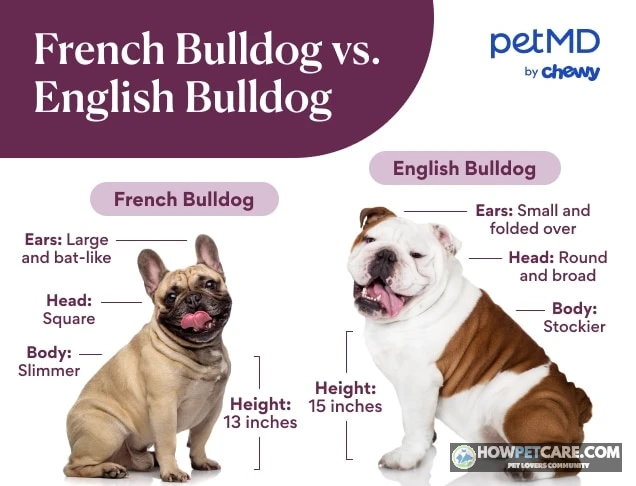
That 20-to-30-pound weight difference changes daily life. Lifting an English Bulldog into a vehicle, up a flight of stairs during an injury, or into a bathtub takes considerable strength. In an apartment without an elevator, carrying a 50-pound dog multiple times per day can quickly become unsustainable. Veterinary medication doses, monthly parasite preventatives, and boarding fees also use weight brackets; an English Bulldog routinely costs 40% to 70% more in basic pharmaceutical upkeep than a Frenchie.
Their temperaments differ, too. The English Bulldog is known for being calm, courageous, amiable, and laid-back. Adults spend much of their time lounging, though a stubborn streak can make leash training a test of patience. French Bulldogs tend to be more playful, alert, and adaptable. They often keep their clownish energy into adulthood, seeking interactive play before settling on the sofa.
Lifespan and reproduction are another important contrast. English Bulldogs have an average AKC lifespan of 8 to 10 years and face heavy joint stress and profound respiratory limitations. French Bulldogs live an average of 10 to 12 years. Both breeds face serious reproductive hurdles: their narrow pelvises and disproportionately broad skulls mean they typically require artificial insemination to conceive and Cesarean sections to deliver litters safely. These veterinary interventions help explain the premium puppy prices charged by reputable breeders of both breeds.
Verdict: which is easier for a first-time owner
Of the two, the French Bulldog is generally the more manageable choice for a first-time owner. Its compact frame is easier to handle, its exercise needs are modest without being entirely sedentary, and it adapts well to rental housing and urban spaces. Choose an English Bulldog if you have dog-handling experience, a ground-floor home with direct yard access, and the financial and emotional capacity to support a heavier dog with a shorter lifespan and demanding skin-fold hygiene needs.

Always walk both French and English Bulldogs on a well-fitted, wide-strap chest harness rather than a neck collar. Collars put concentrated pressure on their already compressed windpipes, accelerating respiratory distress during warm weather or excitement.
French Bulldog vs Boston Terrier and Pug: Which Lookalike Is the Better Fit?
Buyers drawn to flat-faced companion dogs often compare the French Bulldog, Boston Terrier, and Pug, especially the Boston Terrier versus French Bulldog pairing. All three are brachycephalic, but their energy levels, grooming needs, and respiratory structures differ considerably.
French Bulldog vs Boston Terrier: the lower-risk lookalike
Nicknamed the "American Gentleman" for its smooth tuxedo coat, the Boston Terrier is taller and leaner than the Frenchie. It measures 15 to 17 inches at the shoulder and weighs between 12 and 25 pounds. The Boston has erect ears like the Frenchie, but its muzzle is slightly longer and its nostrils are generally less pinched. As a result, Boston Terriers typically have fewer debilitating breathing problems than French Bulldogs, although they’re still sensitive to extreme summer heat.

Boston Terriers are also more energetic and athletic. They thrive on 45 to 60 minutes of daily activity, excel at agility, and tend to learn commands quickly thanks to an eager-to-please working attitude. French Bulldogs are more independent and comically stubborn. They prefer short 30-minute play sessions and may refuse commands when they don’t see an immediate reward. A Boston Terrier puppy is also generally more affordable, typically priced between $800 and $2,500, with an expected lifespan of 11 to 13 years.
French Bulldog compared to Pug: shedding, eyes and weight
The French Bulldog and Pug differ substantially in coat care and physical vulnerabilities. The Pug is an ancient, compact breed, standing 10 to 13 inches tall and weighing 14 to 18 pounds. A French Bulldog has a smooth, single-layer coat that sheds moderately; a Pug has a dense double coat that sheds throughout the year. Expect daily vacuuming and frequent de-shedding brushing with a Pug.
Pugs have particular physical vulnerabilities, too. Their prominent eyes sit in shallow sockets, making them susceptible to corneal ulcers, abrasions, and accidental trauma during rough play. Pugs are also food-driven and may eat whatever is placed before them. Without strict portion control, they can become obese, which worsens their breathing difficulties. On the positive side, Pugs are deeply affectionate, cling to their owners like velcro, and have a longer AKC lifespan of 13 to 15 years.

If you love the Frenchie look but want fewer health costs
Of these three lookalikes, the Boston Terrier generally has the lowest airway risk and the greatest physical durability. The French Bulldog and Pug face a much higher level of respiratory and ocular sensitivity.
If you like the compact, flat-faced look but want to reduce the risk of respiratory surgery, consider the Boston Terrier. It offers the Frenchie’s perky ears and manageable size, along with greater heat tolerance, easier housebreaking, and lower routine medical costs. The Pug is a better fit if you want an affectionate lap dog with a gentle pace and are prepared for continuous shedding and careful eye and weight management.
 You might be wonderingFrench bulldog health issuesFrench Bulldog Health Issues: Risks, Emergencies and CostsRead the answer
Health and Lifespan Compared: BOAS, Hip Dysplasia, Skin-Fold Dermatitis and More
Generic warnings about "breathing problems" aren’t enough when comparing French bulldog similar breeds. Before bringing a puppy home, buyers need to understand the specific conditions these breeds face and the potential financial impact.
BOAS: how severe is it in each breed?
Brachycephalic Obstructive Airway Syndrome (BOAS) is caused by the shortened skull structure of flat-faced dogs. It leads to anatomical abnormalities such as stenotic nares (pinched nostrils), an elongated soft palate that blocks the windpipe, everted laryngeal saccules, and a hypoplastic (narrow) trachea.
The relative risk varies by breed:
- English Bulldog: Very High. A significant percentage experience moderate to severe upper airway restriction, audible stridor, and severe exercise intolerance.
- French Bulldog: High. Stenotic nares and elongated soft palates are exceptionally common; many dogs need surgery to breathe normally and comfortably.
- Pug: High. Pinched nostrils and collapsed airways frequently occur alongside soft palate elongation.
- Boston Terrier: Moderate. Although still brachycephalic, Bostons have slightly longer nasal passages that give them a wider safety margin during normal respiration.
- Pitbull-type: Low / None. As mesocephalic dogs with fully developed muzzles, they do not suffer from BOAS.

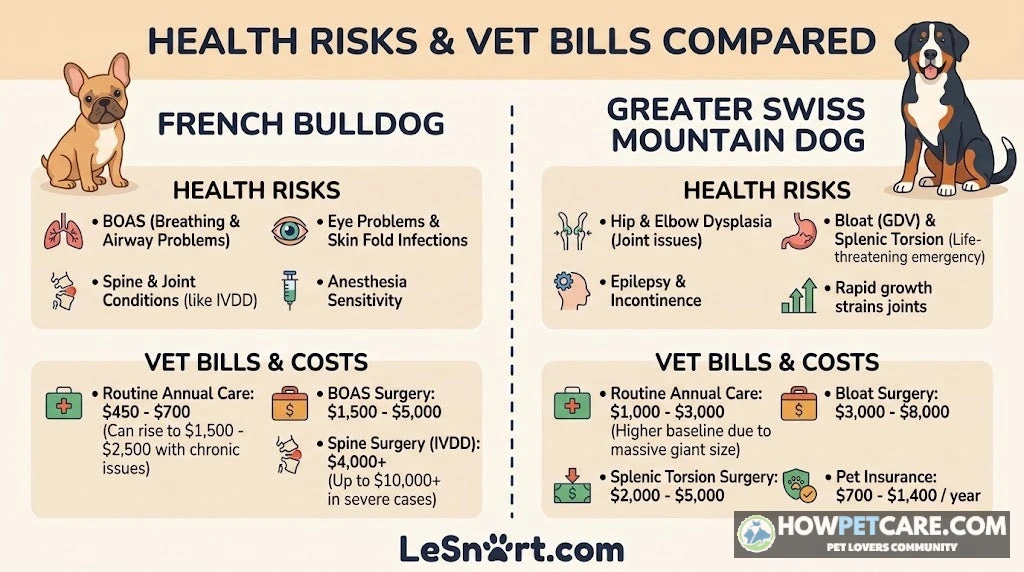
Surgical correction for BOAS involves widening the nostrils (rhinoplasty) and trimming excess palate tissue (palatoplasty). It routinely costs between $1,500 and $7,000, depending on the veterinary surgical center and geographic region.
Joint, spine and skin conditions by breed
These breeds also face distinct orthopedic and dermatological vulnerabilities:
- Spinal Disorders (Hemivertebrae and IVDD): French Bulldogs have screw-tails, a genetic trait tied to spinal malformations such as hemivertebrae (butterfly vertebrae) and Intervertebral Disc Disease (IVDD). A sudden disc rupture can cause hind-limb paralysis and require emergency neurosurgery ($5,000 to $10,000). Boston Terriers and Pugs have lower IVDD rates, while English Bulldogs occasionally show spinal compression.
- Hip Dysplasia and Patellar Luxation: According to Orthopedic Foundation for Animals (OFA) evaluations, the English Bulldog has one of the highest rates of hip dysplasia of any domestic breed, with over 70% of evaluated dogs showing abnormal hip formation. Pitbull-type dogs also face moderate-to-high hip dysplasia risks due to their powerful, muscular mass. French Bulldogs and Boston Terriers are more prone to patellar luxation (slipping kneecaps), which can require corrective orthopedic pinning if high-grade.
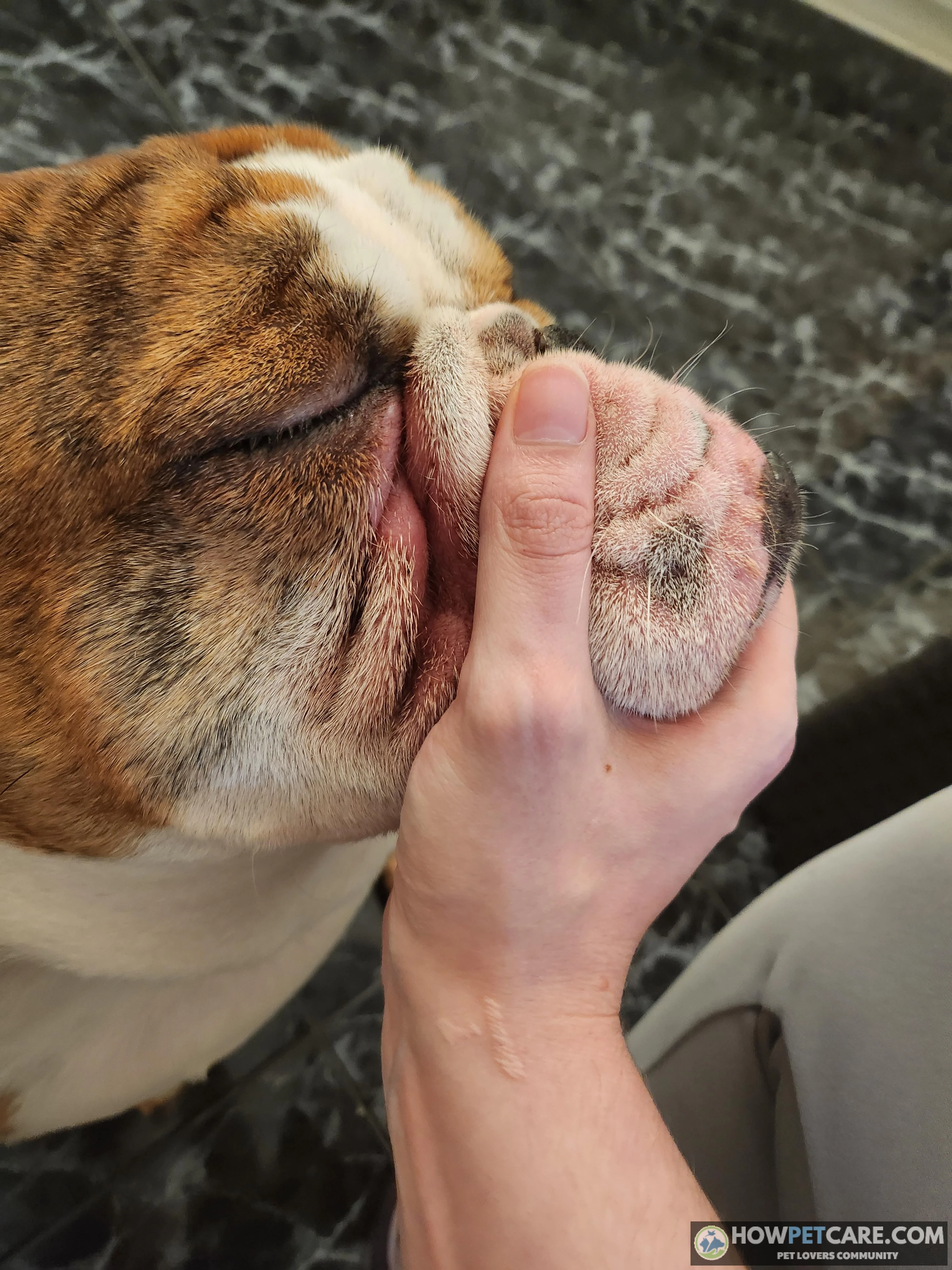
- Skin-Fold Dermatitis and Pyoderma: The deep facial wrinkles of English Bulldogs, French Bulldogs, and Pugs collect moisture, food particles, and skin oils. Without meticulous cleaning, the folds can rapidly develop bacterial and fungal pyoderma. English Bulldogs carry the heaviest skin burden, often needing medicated wipes and prescription topicals throughout their lives.
Which conditions are manageable and which are costly
Some conditions call for simple home care; others require substantial savings:
- Manageable Conditions: Skin-fold dermatitis, routine shallow ear cleaning, and minor seasonal environmental allergies. These require 5 minutes of daily maintenance and roughly $20 to $40 per month in antiseptic wipes and soothing rinses.
- Recurring Conditions: Chronic allergic otitis (deep ear infections), recurrent eye abrasions, and food intolerances requiring prescription hydrolyzed protein diets. These need ongoing veterinary oversight and cost $100 to $250 per month in specialized nutrition and medication.
- Costly and Chronic Conditions: Surgical BOAS repair, emergency spinal hemilaminectomy for IVDD, and total hip replacement. These can mean sudden four-figure veterinary bills that disrupt personal finances if pet health insurance isn’t in place.
To protect yourself and support ethical breeding, don’t purchase a flat-faced puppy without documented parental clearances: OFA or PennHIP scores for hips and elbows, OFA eye clearances, and documentation of a Respiratory Function Grading Scheme (RFGS) exam proving the sire and dam breathe clearly without distress.
Every brachycephalic breed lacks the internal surface area needed to cool themselves effectively through panting. Never exercise a French Bulldog, English Bulldog, or Pug in ambient temperatures above 75°F (24°C) with high humidity. Heat exhaustion can escalate to fatal heat stroke in fewer than 15 minutes.
French Bulldog vs Pitbull: When You’re Weighing a Bigger, More Energetic Dog
People who like the Frenchie’s broad chest, muscular stance, and loyal disposition may also consider the American Pit Bull Terrier or related bully breeds. Although they share historical bull-and-terrier roots, their physical demands and lifestyles are far apart.
Energy, size and exercise: how different the daily routine is
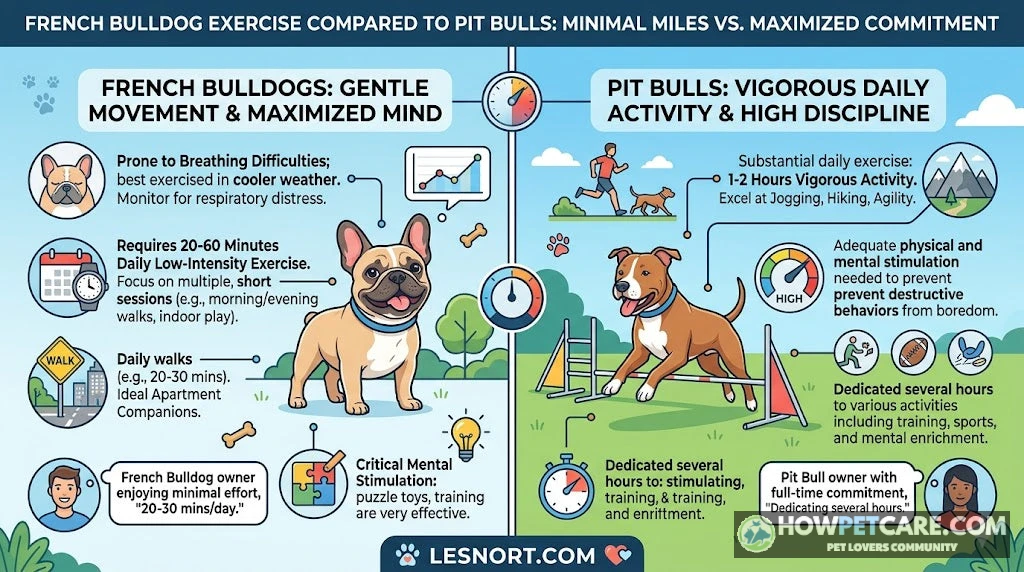
A French Bulldog is a manageable companion weighing 16 to 28 pounds and needs roughly 30 minutes of low-impact walking divided across the day. A Pitbull-type dog typically stands 17 to 21 inches tall and weighs anywhere from 30 to 65 pounds of lean, dense muscle.
Their exercise needs are quite different. A Pitbull needs 60 to 90 minutes of vigorous daily exercise and thrives on intense fetch sessions, flirt poles, weighted agility, and long trail runs. Without enough physical and mental activity, the dog can develop destructive chewing, persistent barking, and escape behaviors. Over-exercising a French Bulldog, on the other hand, can trigger an acute respiratory crisis.
Both dogs are people-oriented and affectionate. Handling an athletic, 55-pound terrier with a high prey drive, however, requires consistent obedience training, physical leash control, and proactive social management. A French Bulldog may be stubborn, but its capacity to pull or cause accidental injury is much lower.
Housing and insurance restrictions to check before you commit
Before choosing a Pitbull-type dog, check the laws and housing rules that apply to you. Breed-Specific Legislation (BSL), municipal restrictions, and rental property bans frequently single out pit bull-type dogs. Many apartment complexes enforce 25-to-35-pound weight ceilings—which a French Bulldog meets but a Pitbull exceeds—alongside explicit breed blacklist clauses.
Many homeowner and renter insurance carriers also exclude pit bull-type dogs from liability coverage, requiring specialized supplemental riders. French Bulldogs can carry higher pet health insurance premiums because of their medical vulnerability, but municipal ordinances, landlord pet policies, and property liability carriers rarely restrict them.
The American Bully is worth distinguishing here. Often confused with pit bulls, it is a separate breed recognized by the United Kennel Club (UKC). Breeders used American Pit Bull Terriers and various bulldog lines to create a heavier-boned, wider-chested companion dog with diminished prey drive. An American Bully has a calmer indoor temperament than a high-drive working pit bull, but it is still subject to the same landlord and insurance bans. Poorly bred dogs also frequently suffer from the joint and breathing challenges seen in heavy bulldogs.

Verdict: Choose a Pitbull-type dog if you own an unrestricted home with a secure fence, enjoy spending 1 to 2 hours outdoors every single day, and have the confidence to handle a powerful dog. For apartment residents, busy professionals, and people wanting a calm, portable housemate, the French Bulldog is the more practical choice.
What a French Bulldog Really Costs vs Alternatives: Puppy Price, Vet Bills and Insurance
The purchase price is only a fraction of a dog’s lifetime cost. Comparing ownership expenses across these five breeds shows how much long-term spending can vary.
| Breed | Puppy Price | Est. Annual Vet and Routine Care | Est. Annual Insurance Premium | Chronic or Surgery Risk | Overall Cost Level |
|---|---|---|---|---|---|
| French Bulldog | $1,500–$5,000+ | $800–$1,500 | $600–$1,200 | High: BOAS surgery, spine (hemivertebrae/IVDD), allergies | High |
| English Bulldog | $2,000–$4,000+ | $1,000–$1,800 | $700–$1,300 | Very high: BOAS, skin-fold dermatitis, hip and joint issues | Highest per year owned |
| Boston Terrier | $800–$2,500 | $500–$900 | $400–$800 | Moderate: eye ulcers, patellar luxation, milder airway risk | Lowest of the flat-faced breeds |
| Pug | $800–$2,500 | $600–$1,000 | $450–$850 | Moderate–high: eye injuries, skin-fold infections, obesity care | Moderate |
| Pitbull-type | $500–$2,500 | $500–$1,000 | $350–$700 (where coverage is offered) | Moderate: hip dysplasia, allergies; no BOAS | Low–moderate |
Puppy price vs lifetime cost
French Bulldogs have substantial initial prices ($1,500 to $5,000+), driven by high demand and the veterinary costs breeders incur during breeding and delivery. English Bulldogs have similarly high prices ($2,000 to $4,000+). Boston Terriers, Pugs, and Pitbulls generally cost less to purchase up front.
The budget impact continues after year one. Routine care—high-quality dog food, core vaccinations, monthly flea/tick/heartworm preventatives, and annual dental checkups—averages $600 to $1,500 per year for small-to-medium dogs. For larger Pitbull-types, annual food costs alone rise to $1,000 to $1,500. Non-medical expenses, including cooling mats, specialized walking harnesses, raised food bowls, and non-refundable apartment pet fees, add another $500 to $1,000 over the dog’s life.
Insurance and surgery: where Frenchie costs add up
Pet insurance premiums reflect actuarial risk. Because of claims associated with brachycephalic syndrome, insuring a French Bulldog or English Bulldog costs significantly more per month than insuring a Boston Terrier or mixed breed. Some providers also exclude pre-existing conditions or cap coverage for congenital airway conditions unless the dog passes an unblemished airway exam during the waiting period.
These scenarios, drawn from published veterinary and insurance rate averages, show how costs can add up over a pet’s life:

French Bulldog (10-Year Lifespan):
- Puppy purchase: $3,000
- Pet health insurance: ~75/month × 10 years =9,000
- Routine veterinary care, food, and basic supplies: ~1,200/year × 10 =12,000
- BOAS surgical intervention (nares widening + soft palate resection): $3,500
- Estimated 10-Year Total: ~$27,500 (A path with zero major health complications runs ~$24,000; spinal surgery for IVDD pushes this figure past $32,000).
Boston Terrier (12-Year Lifespan):
- Puppy purchase: $1,500
- Pet health insurance: ~50/month × 12 years =7,200
- Routine care, food, and basic supplies: ~1,000/year × 12 =12,000
- One moderate medical episode (corneal repair or patellar therapy): $1,000
- Estimated Lifetime Total: ~$21,700 (Spanning 12 years, this equates to roughly $1,800/year, compared to the Frenchie’s ~$2,750/year).
English Bulldog (8-Year Lifespan):
- Puppy purchase: $3,000
- Pet health insurance: ~80/month × 8 years =7,680
- Routine care, prescription allergy diet, and daily wrinkle hygiene supplies: ~1,500/year × 8 =12,000
- Airway correction or major joint treatment reserve: $4,000
- Estimated Lifetime Total: ~$26,680 (Because this expenditure is concentrated into just 8 years, the English Bulldog carries the highest annual cost of the three).
The French Bulldog has a steep total cost of ownership. The English Bulldog concentrates equal or greater expenses into a shorter period, while the Boston Terrier spreads lower overall risk across a longer life.
Which Breed Fits Your Life: Apartments, Kids, Other Pets, Seniors and First-Time Owners
A dog’s fit with your daily habits matters more than looks alone. The matrix below rates each breed against common household profiles.
| Breed | Apartments | Young Kids | Other Pets | Seniors | First-Time Owners | Daily Exercise + Weekly Grooming Time |
|---|---|---|---|---|---|---|
| French Bulldog | Strong — quiet, low exercise needs, small footprint | Moderate — sturdy enough but small; supervise rough handling | Moderate — usually sociable, can be possessive | Strong — light to lift, calm routine | Strong — stubborn but low physical demands | ~30 min exercise/day; ~15 min grooming/week plus daily skin-fold wipe |
| English Bulldog | Moderate — calm indoors but heavy to lift in stairs-only buildings | Moderate — patient and sturdy, but supervision still required | Moderate — can be dog-selective | Caution — 40–50 lb is hard to lift; high vet-visit load | Caution — stubborn plus heavy chronic care | ~20–30 min exercise/day; ~20 min grooming/week plus daily fold cleaning |
| Boston Terrier | Strong — small, adaptable, barks less than many terriers | Moderate — playful but easily injured by toddlers | Strong — typically social with dogs and cats | Moderate — light, but energy may exceed a sedentary routine | Strong — eager to please, easier to train than a Frenchie | ~45–60 min exercise/day; ~10 min grooming/week |
| Pug | Strong — compact and low-exercise | Moderate — small and fragile; eye injuries are a real risk around rough play | Strong — generally easygoing with other animals | Strong — light to lift, low exercise | Strong — forgiving, food-motivated | ~30 min exercise/day; ~15 min per brushing session, several sessions weekly; constant shed cleanup |
| Pitbull-type | Caution — needs real exercise; many leases ban the breed | Caution — loving but strong; always supervise with toddlers | Caution — variable dog sociability; manage introductions carefully | Caution — strength and exercise load are hard to manage | Caution — trainable but needs consistent, confident handling | 60+ min exercise/day; ~10 min grooming/week |
Apartment living and noise
French Bulldogs do well in multi-family buildings. They’re generally quiet, rarely bark without cause, and can meet their modest exercise needs with two brisk 15-minute walks and indoor play. Boston Terriers and Pugs are similarly suited to apartments, though Pugs shed heavily on shared carpets and Bostons need structured indoor play to burn off their greater energy. English Bulldogs can do well in ground-floor units, but walking up multiple flights of stairs daily puts extreme wear on their joints.
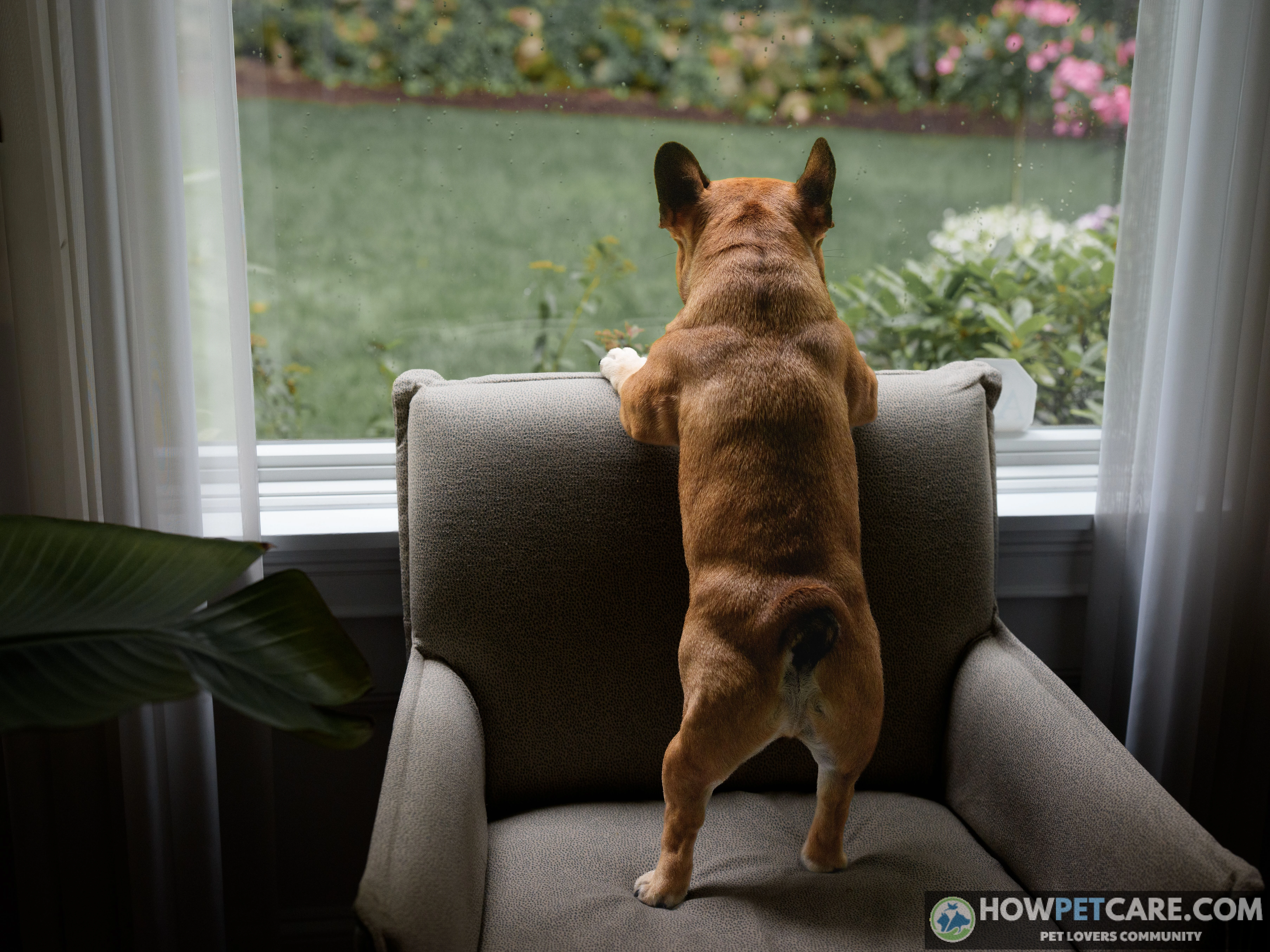
Families with young children and other pets
All four smaller breeds are popular family dogs, but their size calls for careful parental supervision around toddlers. French Bulldogs are stocky and durable, yet a falling toddler can injure their sensitive backs. Pugs and Boston Terriers have protruding eyes that uncoordinated young children can scratch. Pitbull-type dogs are affectionate with family members, but their physical power, enthusiasm, and speed require constant adult monitoring around young children to prevent accidental knock-downs.
In multi-pet homes, Pugs and Boston Terriers tend to be the most immediately sociable with unfamiliar dogs and household cats. French Bulldogs are generally gregarious but can be possessive of food, bones, and favorite family members. Pitbull-type dogs need slow, controlled introductions to unfamiliar dogs because of potential dog-directed reactivity. Their high prey drive also calls for close management around cats and small pocket pets.

Seniors and first-time owners
For senior owners, weight and handling matter. A 20-pound Frenchie or 16-pound Pug is easier to lift, control on a leash, and transport to veterinary appointments. A 50-pound English Bulldog or an energetic 60-pound Pitbull can pull a handler off balance. For first-time owners, the Boston Terrier is the easiest to train, while the French Bulldog and Pug are forgiving companions that tolerate minor beginner training lapses.
Daily exercise, grooming and shedding in minutes and dollars
- French Bulldog: 30 minutes of walking per day; 15 minutes of brushing per week; daily 60-second face-fold cleaning with an antiseptic wipe. Moderate shedding. Grooming costs: ~$30/month in home care supplies.
- English Bulldog: 20 to 30 minutes of slow walking per day; 20 minutes of brushing per week; daily deep-wrinkle sanitation and tail pocket cleaning. Moderate shedding. Grooming costs: ~$45/month in specialty antiseptic wipes, wrinkle pastes, and medicated shampoos.
- Boston Terrier: 45 to 60 minutes of active walking and fetch per day; 10 minutes of brushing per week; no facial folds to clean. Minimal shedding. Grooming costs: ~$15/month in standard shampoo.
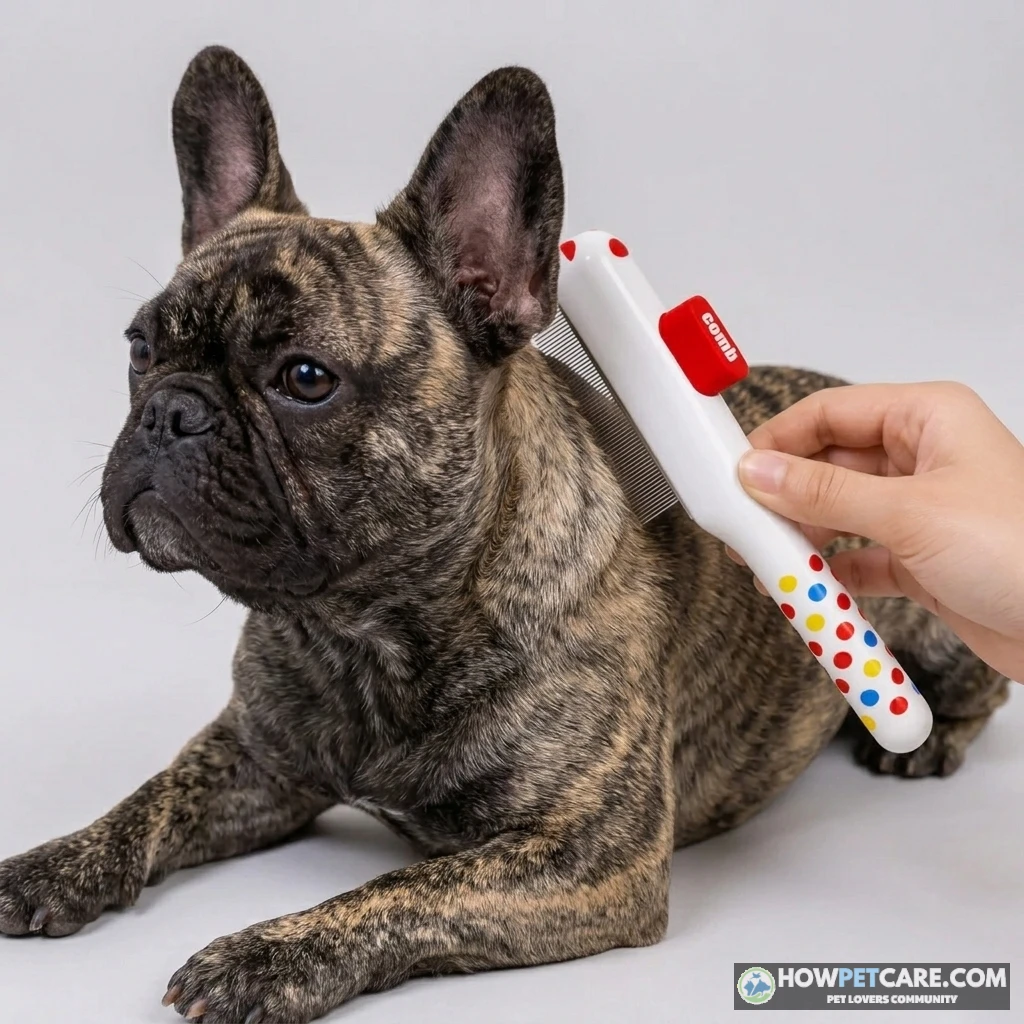
- Pug: 30 minutes of walking per day; 20 minutes of vigorous brushing 3 to 4 times per week to manage heavy undercoat drop; daily facial fold wipes. Very high shedding. Grooming costs: ~$35/month in de-shedding tools and fold wipes.
- Pitbull-type: 60 to 90 minutes of vigorous walking, running, or structured play per day; 10 minutes of weekly rubber-curry brushing. Low-to-moderate shedding. Grooming costs: ~$15/month in basic supplies.
Clear Lifestyle Matches:
- If you live in an apartment and work in an office: Choose a French Bulldog.
- If you want a low-maintenance, trainable family dog with fewer health risks: Choose a Boston Terrier.
- If you’re a homebody looking for an affectionate lap dog and don’t mind shedding: Choose a Pug.
- If you want a calm companion, have a ground-floor home, and have a solid vet budget: Choose an English Bulldog.
- If you run, hike, have an unrestricted yard, and want an active partner: Choose a Pitbull-type.
French Bulldog Pros and Cons Compared with Its Closest Alternatives
The French Bulldog has held the American Kennel Club’s No. 1 popularity spot since 2022, unseating the Labrador Retriever’s 31-year tenure. Its popularity, however, comes with serious compromises prospective buyers need to understand.
The Advantages
- Compact Urban Footprint: At 16 to 28 pounds, the Frenchie fits comfortably under airline seats when airline rules permit, easily meets apartment weight limits, and takes up little space on the couch.
- Low Bark Frequency: Frenchies are quiet roommates compared with small terriers or hounds; they rarely alert-bark at hallway footsteps or street traffic.
- Minimal Exercise Demand: Unlike the Boston Terrier or Pitbull, a French Bulldog doesn’t need hours of daily physical conditioning. Two short, gentle walks suffice.
- Endearing Personality: Their comical, affectionate, people-focused demeanor makes them rewarding indoor companions.
The Disadvantages
- Significant Health Fragility: The breed’s compressed airway structure makes BOAS a constant concern, while its screw-tail genetics predispose it to IVDD and hemivertebrae.
- Severe Heat and Cold Intolerance: French Bulldogs cannot regulate their body temperature in warm weather and lack the dense coat needed to withstand sub-freezing temperatures.
- High Lifetime Financial Burden: Premium puppy prices and steep pet health insurance rates mean owning a Frenchie requires substantial disposable income.
- Housebreaking Challenges: Like many stubborn companion breeds, French Bulldogs can take longer to housebreak than eager-to-please dogs like the Boston Terrier.
- Separation Anxiety: French Bulldogs thrive on human proximity. Those left alone for 8 to 10 hours a day frequently develop stress behaviors, vocalization, and destructive chewing.

Who Should Not Buy a French Bulldog:
Don’t choose a French Bulldog if your household lacks central air conditioning, if you can’t commit to a $3,000+ emergency veterinary reserve or monthly insurance policy, or if you want an athletic dog for hikes and summer outdoor adventures. High commercial demand has also brought irresponsible backyard breeders into the market, producing fad "fluffy" or merle colors that carry heightened risks of genetic defects. Vet your breeder carefully.
Choosing Your Breed: A Decision Checklist and Next Steps
Work through this five-question lifestyle audit honestly before moving from research to a decision.

Five questions to answer before you contact a breeder
- Where do you live? If you rent an apartment with strict pet rules, consider a French Bulldog, Boston Terrier, or Pug. If your building has a 25-pound weight ceiling or insurance restrictions, rule out English Bulldogs and Pitbulls immediately.
- What is your veterinary reserve? If an unexpected $3,500 airway surgery would cause financial distress, choose a Boston Terrier or rule out flat-faced breeds altogether in favor of a non-brachycephalic alternative.
- How many minutes of exercise can you guarantee daily? If you have 20 to 30 minutes, pick a French Bulldog, Pug, or English Bulldog. If you want 60 minutes or more of running and outdoor play, pick a Boston Terrier or Pitbull-type.
- Who shares your home? If you have delicate seniors or energetic toddlers, choose a manageable, mid-weight companion like a Frenchie or Boston Terrier; avoid 50-pound dogs that are difficult to lift or physically restrain.
- What is your tolerance for grooming and noise? If you hate vacuuming pet hair, avoid the Pug. If you can’t stand loud snoring, wheezing, and daily facial fold cleaning, choose the Boston Terrier or Pitbull.
What to verify before you pay a deposit
Once you’ve chosen a breed that fits your lifestyle, complete these verification steps to protect yourself and support canine welfare:
-
Review OFA and Health Screening Clearances
Demand documented proof of parent testing. For French and English Bulldogs, look for OFA clearances on hips, patellas, and cardiac function. Insist on parents evaluated under the Respiratory Function Grading Scheme (RFGS).
-
Inspect the Breathing and Living Environment
Meet the mother dog in person or via live video call. Listen carefully to her resting respiration: she should breathe smoothly without open-mouth panting, heavy snorting, or audible rattling in a climate-controlled room.
-
Obtain Preliminary Pet Insurance Quotes
Contact insurance providers with your prospective breed and postal code. Review the policy’s exclusions regarding brachycephalic airway syndrome, IVDD, and congenital orthopedic care before committing to a puppy.
-
Verify Housing and Lease Guidelines in Writing
Check your rental agreement, HOA covenants, and homeowner insurance policy to ensure there are no hidden weight limits, breed-specific exclusions, or restrictive pet deposits that could force a rehoming emergency.
-
Visit Adult Dogs or Local Breed Rescues
Spend time with adult specimens of your chosen breed—not just cute 8-week-old puppies. Contact local breed-specific rescues or attend an AKC-sanctioned event to observe real adult shedding, energy levels, and vocalizations firsthand.
An honest assessment of your budget, housing, and daily schedule will help you look beyond appearances and choose a dog suited to your home for years to come.
 You might be wonderingBoston terrier andBoston Terrier Dog Breed Guide: Care, Costs, and HealthRead the answer
FAQ
Why are French Bulldogs so expensive?
Frenchies often can’t mate or give birth naturally, so breeders rely on artificial insemination and C-sections, which raises costs. High demand also pushes prices up. Prices vary widely, and a very low price can signal a poorly bred puppy.
Is an American Bully the same as a Pitbull?
No. The American Bully is a separate, stockier breed developed from pit bull-type and bulldog lines, while ‘Pitbull’ usually refers to the American Pit Bull Terrier or similar types. Check how your landlord or insurer defines each term.
Can French Bulldogs handle hot weather?
Not well. Their short airways make panting less effective at cooling them, so they can overheat quickly. Walk them in cool hours, keep them in air conditioning in summer, and never leave them in a parked car.
Can a French Bulldog be left home alone?
Many can handle a few hours, but Frenchies are people-oriented and can develop separation anxiety. Gradual training and a dog walker or daycare help if you work long hours.
Is the French Bulldog still America’s most popular breed?
The AKC ranked the French Bulldog No. 1 starting with its 2022 list, ending the Labrador Retriever’s 31-year run. Check the latest AKC ranking for the current position.