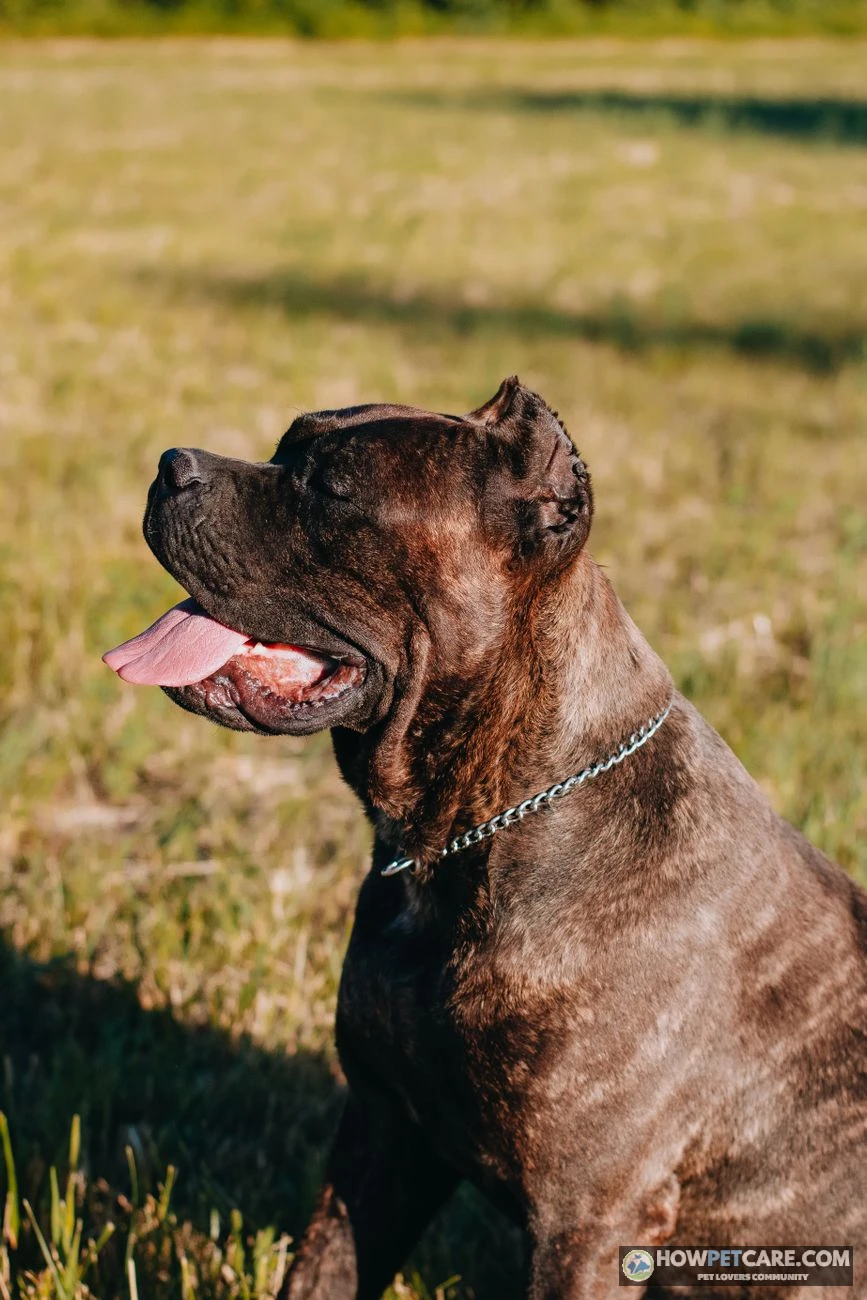

A Cane Corso is a large Italian guardian breed that suits experienced owners who can provide 60–90 minutes of daily exercise, consistent reward-based training, secure containment, and a realistic budget. First-time owners and homes with unsupervised young children should consider a less demanding breed.
Is a Cane Corso Dog Right for Your Household? The Short Verdict and Breed Facts
A Cane Corso can be a rewarding companion for a household ready to train, exercise, and manage a powerful dog every day. It can be a tough choice for a first-time owner, especially in a home with young children, a tight budget, or limited access to professional training. Before you choose a puppy, think about whether you can safely handle a large adult dog around visitors, other animals, and unfamiliar situations.
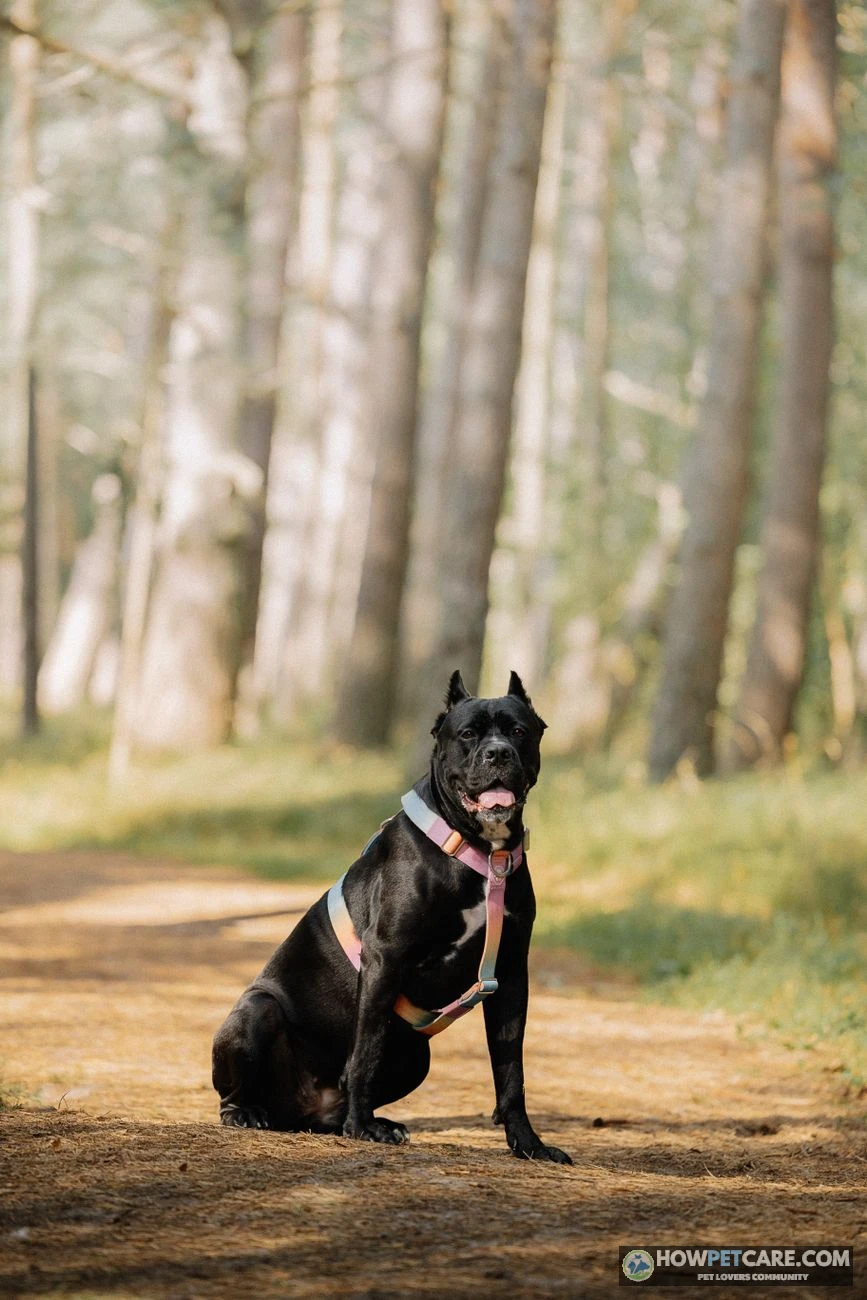
Cane Corso breed quick facts
| Trait | Typical Cane Corso profile |
|---|---|
| Origin | Italy |
| Breed classification | AKC Working Group; Italian mastiff-type dog |
| Height at the shoulder | Males: about 25–27.5 inches; females: about 23.5–26 inches |
| Weight | Roughly 88–110 pounds; individual dogs can fall outside this range |
| Lifespan | Approximately 9–12 years |
| Coat and colors | Short, dense coat; black, gray, fawn, red, and brindle variations are among the recognized colors |
| Exercise | Adults: about 60–90 minutes of daily activity plus short training sessions |
Height, weight, and lifespan vary with sex, breeding, health, and the individual dog. Some fawn or red dogs have a black or gray mask. The short double coat sheds and benefits from regular brushing. Drooling varies from dog to dog.
Where the Italian mastiff comes from
The Cane Corso is an Italian working breed historically used for farm work, hunting, and guarding. Its mastiff ancestry reaches back to Roman-era dogs. For prospective owners, though, its present-day needs matter more than its ancient history: this is a large dog bred to notice and respond to its surroundings.

Cane Corso Temperament: What the Guarding Instinct Means in Daily Life
Everyday behavior and guarding instinct
People often describe the Cane Corso temperament as serious, intelligent, loyal to its household, and strong-willed. Many are reserved around unfamiliar people. These are tendencies, not guarantees. Genetics, early experiences, health, and day-to-day handling all shape an individual dog.
A Corso may alert to a delivery person at the door, watch a visitor closely, or struggle with a crowded sidewalk. Plan for those situations in advance. A gate or separate room can give the dog space to settle while guests come in. A sturdy leash and practiced walking skills help keep an adult manageable outside. A fenced yard is useful, but it doesn’t replace walks, training, or supervision.
Don’t encourage suspicion or treat aggression as a desirable trait. The goal is a dog that can stay calm and respond to its handler—not one expected to decide whom to confront.
Is a Cane Corso a good family dog? Kids and other pets
A well-matched, well-socialized Cane Corso can live happily with a family, but its size means mistakes can have serious consequences. Even without aggressive intent, an enthusiastic dog can knock over a small child. Adults should supervise every interaction between children and the dog, use gates when they can’t supervise, and provide a quiet place where children can’t follow the dog.
Teach children not to climb on, hug, chase, or disturb a dog while it’s eating or resting. Visiting children need the same rules. Rough play between children may mean separating the dog from the activity. Families that can’t manage these situations consistently should choose a different dog.

Introductions to resident dogs and cats take planning. Some Corsos have difficulty with other dogs or may chase smaller animals; you can’t assume compatibility based on sex or breed alone. Use controlled introductions and separate the animals when needed. Males aren’t automatically better family dogs than females, although they are generally larger.
For a first-time owner: this breed is an option only with an unusually strong support plan: a suitable individual dog, reliable containment, enough time and money, and early help from a qualified trainer. For most first-time households, a less demanding breed or a carefully assessed adult dog is a safer starting point.
Is a Cane Corso dangerous? What actually drives risk
A breed label can’t predict whether an individual dog will bite. Any powerful dog can cause serious injury if it’s fearful, poorly managed, or put in an unsafe situation. Responsible breeding, positive socialization, training, supervision, and secure containment reduce risk, but they can’t eliminate it. Inconsistent handling and inadequate socialization can contribute to problems with strangers or other pets.
Before you commit, check your lease, homeowners or renters insurance, and local rules. Restrictions vary, so don’t assume a property or policy will accept every breed.
 You might be wonderingDog breed shih tzu poodleShih Tzu Poodle Mix: Size, Care, Health & True CostsRead the answer
How Big Does a Cane Corso Get? Size, Growth, Exercise, and Feeding by Life Stage
Cane Corso size and the growth timeline
Most height growth happens during the first year, but a large dog may keep filling out into its second year. Behavioral maturity varies and may come later than physical growth. A puppy that’s comfortable with everyone won’t necessarily behave the same way as an adult. Keep training and managing the dog as it matures.
The weights and activity times below are practical planning examples, not growth targets or prescriptions. Puppies from different sexes and lineages develop differently. Ask your veterinarian to track growth and body condition instead of aiming for a particular weight by a particular date.

Daily exercise by age and activity type
| Life stage | Approximate age | Illustrative weight | Daily exercise guidance | Meals and feeding notes | Milestones and cautions |
|---|---|---|---|---|---|
| Young puppy | 8 weeks–6 months | Roughly 15–50 lb; highly variable | Several gentle 5–15 minute outings or play sessions, with rest between them | Usually 3 measured meals; use a large-breed puppy diet | Prioritize safe exposure, handling, and lean growth; avoid forced running and repetitive jumping |
| Adolescent | 6–18 months | Often roughly 50–100 lb | About 45–60 minutes in manageable sessions, adjusted to development | Often transition to 2 meals; follow the veterinarian’s growth plan | Reinforce leash skills and calm greetings; avoid repetitive high-impact exercise while growing |
| Adult | Approximately 18 months–7 years | Commonly around 88–110 lb | A useful starting plan is 60–90 minutes split among walks, sniffing, and play, plus short training sessions | Usually 2 measured meals; adjust to condition and activity | Maintain training and a healthy weight; activity needs vary |
| Senior | Around 7 years onward | Varies | Start with shorter, comfortable walks; some dogs manage 30–45 minutes daily, others need less | Usually 2 meals; review calories and diet with the vet | Watch for stiffness, fatigue, muscle loss, and changes in appetite |
For adults, mix leash walks with scent games, controlled play, and obedience or rally-style exercises. Aim for roughly 15–30 minutes of training or enrichment. Split that time into short sessions or work it into daily routines. Swimming can be useful for dogs that enjoy it and can get in and out safely.

Treat these as planning ranges, not required quotas. Cut back in hot weather or when a dog is sore, tired, or recovering from illness. Ask your veterinarian about suitable exercise for a growing puppy or a dog with joint problems. A dog park isn’t a substitute for controlled exercise, particularly if your dog struggles around unfamiliar dogs.
What and how much to feed: puppy, adult, senior
The best food for a Cane Corso is a complete, balanced diet suited to the dog’s age, growth, body condition, and health—not simply the food with the largest dog pictured on the bag. For a puppy, look for an AAFCO nutritional adequacy statement saying the food is suitable for growth including growth of large-size dogs. These diets account for the nutritional needs of large-breed growth, including calcium. Ask your veterinarian when to switch to adult food.
Use the package feeding guide as a starting point, measure portions, and check progress regularly with your veterinarian. Calories per cup vary substantially between foods, so a fixed number of cups isn’t a reliable recommendation for every dog. Include treats in the daily intake, and don’t treat rapid weight gain as a sign of healthy growth.
For adults and seniors, choose an appropriate complete diet and adjust portions to maintain a healthy body condition. You should be able to feel the ribs without a thick layer of fat. Your veterinary team can show you how to assess your dog. Obesity is among the health concerns noted for the breed.
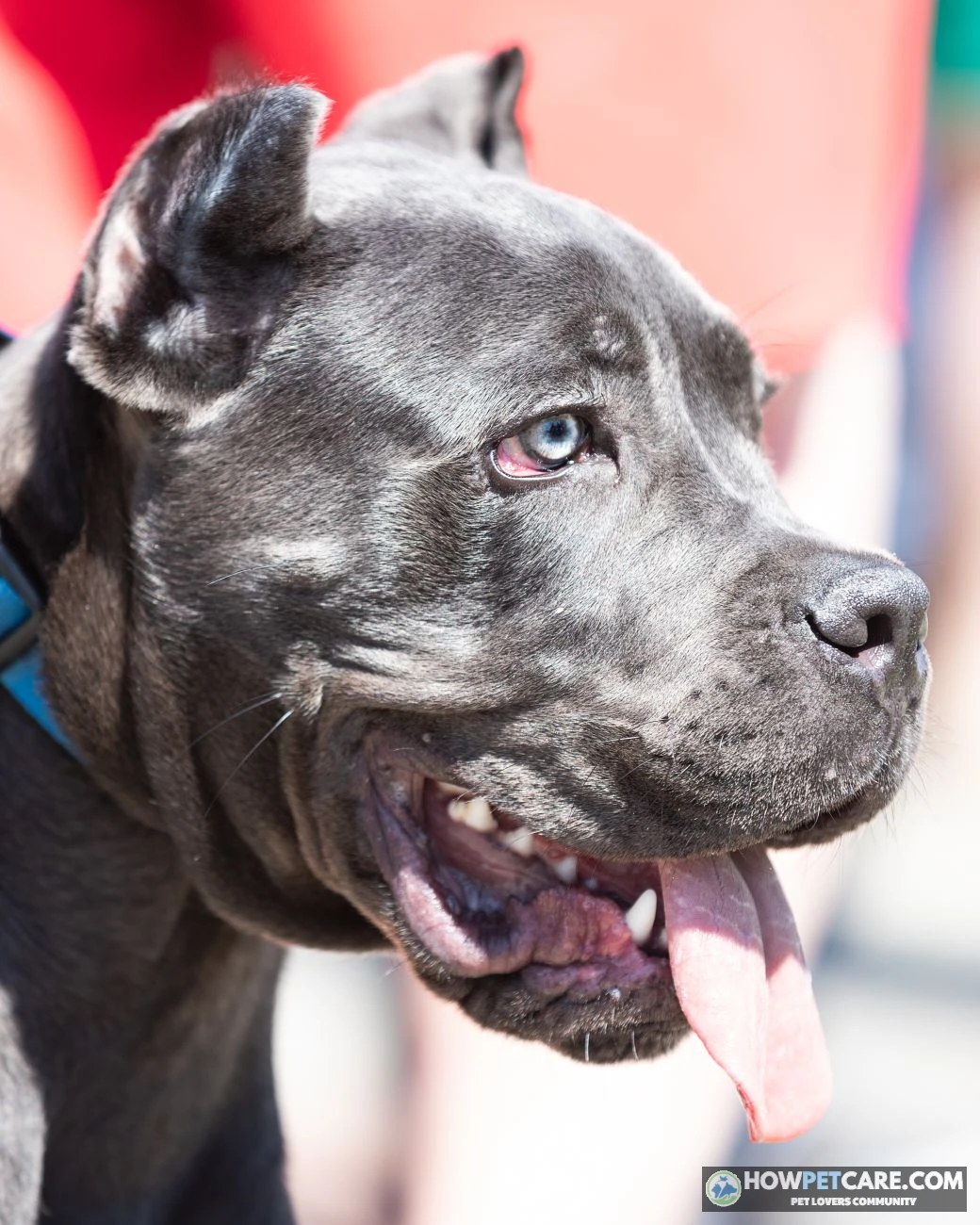
Serve measured meals rather than one large meal a day. Talk with your veterinarian about meal timing, exercise around meals, and bloat risk. No feeding routine guarantees prevention of gastric dilatation-volvulus.
Cane Corso Lifespan and Health Problems: Symptoms, Screenings, and When to Call a Vet
Cane Corsos commonly live about 9–12 years, though individual lifespans vary; our guide to the breed’s expected lifespan explains the main factors. Serious conditions, including bloat and joint disease, can affect quality of life and lead to substantial treatment costs. Screening breeding dogs can reduce some risks, but it can’t guarantee a healthy puppy.
Joint problems: hip and elbow dysplasia
Hip or elbow dysplasia results from abnormal joint development and can lead to pain and arthritis. Signs may include stiffness after rest, limping, reluctance to climb stairs, or a hopping gait. These symptoms can have several causes, so arrange a veterinary exam rather than trying to diagnose them yourself.
Ask breeders for verifiable hip and elbow evaluations for both parents. OFA hip and elbow results and PennHIP hip assessments are examples of screening records. A routine veterinary examination isn’t the same as a formal joint evaluation. Keep a growing puppy lean and ask your vet about suitable activity. Treatment for an affected dog may range from weight management and medication to rehabilitation or surgery, depending on the case.
Bloat: the emergency every owner must recognize
Gastric dilatation-volvulus, or GDV, happens when the stomach enlarges and twists. It’s a life-threatening emergency. Warning signs can include repeated attempts to vomit with little produced, restlessness, heavy drooling, a swollen abdomen, weakness, or collapse. A swollen belly may not be obvious.
Call an emergency veterinary hospital while you are on the way. Don’t wait to see whether the symptoms pass or try to treat them at home.
Ask your veterinarian about preventive gastropexy—a surgery that secures the stomach to the body wall. It can reduce the risk of the stomach twisting, but it doesn’t prevent every form of bloat.
Eye, heart, and skin conditions
Eyelid conditions such as entropion or ectropion, and the protruding gland commonly called cherry eye, can cause irritation. Squinting, redness, discharge, or rubbing at the eye calls for veterinary attention; some problems need medication or surgery.
Heart disease can be hard to spot early. Coughing, reduced exercise tolerance, fainting, or unusual breathing warrants a veterinary assessment. Skin irritation, itching, hair loss, or recurring infections also deserve an appointment. Allergies, parasites, and other conditions can look similar.
Health tests to expect and when to call a vet
The AKC breed page lists recommended evaluations for hips, elbows, patellas, and the heart, along with DNA tests for DSRA and NCL1. Ask breeders for current breed-club recommendations and evidence that both parents were tested. Your veterinarian can explain what each result means. Eye evaluation is also worth discussing, given the breed’s eyelid concerns.
Call your veterinarian promptly about a new limp, persistent itching, reduced appetite, or a red or squinting eye. Seek emergency care for suspected GDV, collapse, severe breathing difficulty, or inability to stand. Keep up with veterinary exams, dental care, weight checks, and vaccination and parasite-prevention plans tailored to your dog.
How Much Does a Cane Corso Cost? Puppy Price to Lifetime Expense
Cane Corso puppy price and what it includes
A US buyer might see Cane Corso puppy prices around $1,500–$4,500, with some prices outside that range. This is an illustrative planning range, not a verified market survey. Region, breeding program, health testing, pedigree, and what the breeder includes all affect the price. A high price doesn’t prove responsible breeding, and a low price doesn’t automatically mean a dog is unhealthy.
Ask what’s included: veterinary records, vaccinations appropriate for the puppy’s age, registration paperwork if offered, a written contract, and support after placement. Adoption fees can be lower, but an adopted dog still needs the same food, care, and management budget.

First-year, annual, and emergency costs
The figures below are illustrative US budgeting allowances, not quoted prices. Get local estimates, especially for insurance, surgery, training, and boarding. The first-year column assumes a purchased puppy; annual figures cover later years and shouldn’t be added to first-year expenses a second time.
| Cost category | First-year estimate | Ongoing annual estimate | Notes and ways to manage cost |
|---|---|---|---|
| Puppy | $1,500–$4,500 | — | Adoption is an alternative; verify health testing rather than judging by price |
| Food | $800–$1,600 | $900–$1,700 | Depends on diet, size, and intake; compare cost per feeding |
| Routine veterinary care and preventives | $700–$1,500 | $500–$1,000 | Includes an allowance for exams and preventives; procedures and local prices vary |
| Equipment and containment | $400–$1,000 | $100–$300 | Large crate, leash, gates, bed, and replacement supplies; major fencing is extra |
| Training | $300–$800 | $100–$400 | Group classes or individual help; behavior cases may cost more |
| Insurance | $600–$1,200 | $600–$1,400 | Optional; premiums, deductibles, exclusions, and reimbursement vary |
| License, grooming supplies, and pet care | $150–$600 | $200–$700 | Boarding and travel can increase this substantially |
| Illustrative total | $4,450–$11,200 | $2,400–$5,500 | Excludes major fencing and emergency treatment |
An emergency or orthopedic procedure can cost thousands of dollars. For planning, get quotes for GDV treatment and surgery in the range of roughly $2,500–$7,500 or more, and for orthopedic procedures that may also run several thousand dollars. Actual bills depend on the hospital, complications, and follow-up care. Set aside an emergency reserve or arrange insurance, and understand what the policy will pay.
Insurance may exclude pre-existing conditions and include waiting periods, deductibles, annual limits, or other restrictions. Check coverage for hereditary conditions and make sure the deductible and your share of a large claim remain affordable.
Lifetime cost of ownership scenarios
A worked example helps make the ongoing commitment concrete. Suppose a household spends $2,500 on a puppy, $600 on equipment, $900 on first-year veterinary care, $450 on classes, $1,300 on food, and $700 on insurance. That adds up to $6,450 in the first year, before fencing, boarding, and other extras.
If later care averages $3,000 annually, the first year plus eight additional years totals $30,450. Add an illustrative $5,000 emergency paid out of pocket, and the nine-year total is $35,450. For a 12-year life, the same assumptions produce $44,450. If insurance reimburses part of that emergency, subtract the actual reimbursement rather than counting it twice.
A lower-spending scenario of $4,450 in year one and $2,400 for each of eight later years totals $23,650, without major emergencies. A higher scenario of $11,200 plus $5,500 for each of 11 later years totals $71,700, also before emergencies. These are scenarios, not predictions. Food inflation, insurance changes, illness, and lifespan can all change the result substantially.
Training and Socialization a Cane Corso Puppy Needs in the First Year
Puppy socialization means helping a young dog experience the world safely and positively. It doesn’t mean making the puppy greet everyone. Pair new sights, sounds, surfaces, people, and handling with rewards, and let the dog move away when it needs to. Ask your veterinarian how to balance early exposure with infectious-disease precautions.
Weeks 8–16: foundations and safe exposure
Set a predictable routine for sleep, toilet breaks, meals, and a comfortable crate or resting area. Reward the puppy for responding to its name, coming to you, and accepting gentle handling of its paws, ears, and mouth. Introduce household sounds and visitors at a distance where the puppy can stay calm.

A well-run puppy class offers structured practice. Look for an instructor who uses rewards, prevents overwhelming interactions, and can explain vaccination and cleaning requirements. Don’t force the puppy toward something it fears.
Months 4–8: manners and adolescence
Practice loose-leash walking before the dog is strong enough to pull you off balance. Build sit, down, leave it, and recall with food, toys, and short sessions. Teach a mat or place cue to give the dog a predictable activity when the doorbell rings.
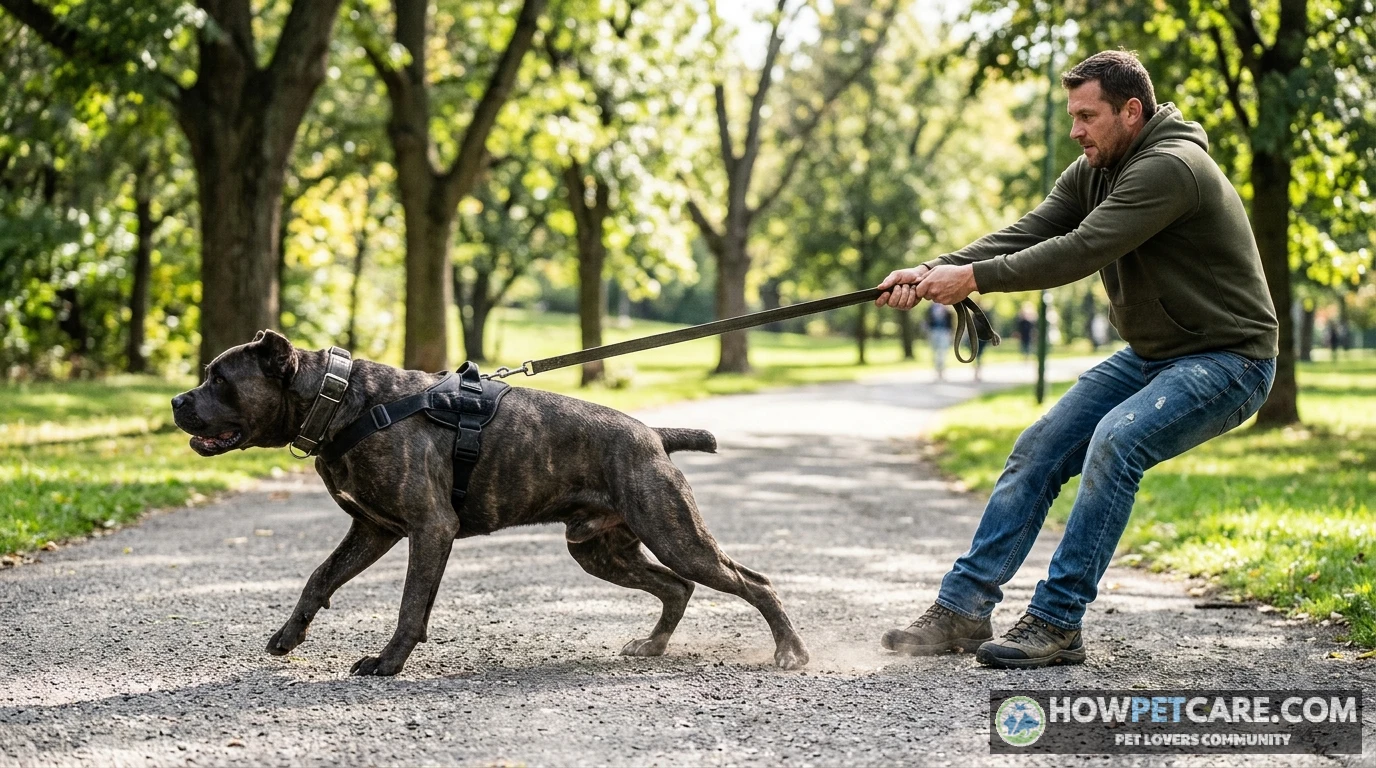
Practice visitor arrivals with a gate or leash in place. Reward calm behavior; visitors don’t need to touch the dog. Keep introducing the puppy to people and dogs at a comfortable distance rather than arranging uncontrolled greetings.
Months 8–12: proofing and ongoing management
Adolescence can make behavior inconsistent. Revisit familiar skills in gradually more distracting places, and use a long line or secure enclosure for recall practice. By the end of the first year, aim to have foundations for sit, down, stay, leave it, loose-leash walking, recall in a secure area, settling on a mat, and calm door manners. None becomes reliable on a fixed birthday.
Keep gates secure and maintain a visitor plan as the dog grows. Don’t rely on a child’s ability to restrain the dog or on an off-leash recall that hasn’t been tested.
When to hire a trainer or behaviorist
Get qualified help early for repeated growling, resource guarding, fearful reactions, lunging, or any bite. Don’t punish a growl; it provides useful warning information. A reward-based trainer with experience in large guardian breeds can help with management and skill-building. Ask your veterinarian for a referral to a veterinary behaviorist when safety or significant fear is involved.
Cane Corso vs Neapolitan Mastiff, Rottweiler, Presa Canario, and Dogo Argentino
Side-by-side comparison
These are broad tendencies, not promises about an individual dog. Weight ranges overlap, and health risks depend on the dog’s family and care. Exercise figures are starting points for planning for healthy adults, not breed-wide requirements tested across dogs.
| Trait | Cane Corso | Neapolitan Mastiff | Rottweiler | Presa Canario | Dogo Argentino |
|---|---|---|---|---|---|
| Approximate adult weight | Around 88–110 lb | Often 110–150 lb | Often 80–135 lb | Often 84–110 lb | Often 80–100 lb |
| Background and temperament | Athletic guardian; often reserved with strangers | Massive mastiff; often more sedate at home | Versatile working dog; confident and engaged | Powerful guardian; careful stranger management is important | Athletic hunting breed; prey drive can be a major consideration |
| Training and fit | Consistent training; best with substantial support or experience | Patient training and management of considerable mass | Often enjoys structured work; still needs skilled handling | Generally better suited to experienced handlers | Experienced handling and secure management around potential prey |
| Drool and coat | Short coat; variable drool and shedding | Heavy drool and skin-fold care can be significant | Short coat; shedding, generally less drool than a Neo | Short coat; drool varies | Short coat; generally modest grooming |
| Adult activity starting point | About 60–90 minutes daily | Often shorter, gentler sessions; avoid overheating | Often 60 minutes or more plus training | Often 60 minutes or more plus training | Often substantial activity; some may need 90 minutes or more |
| Health topics to discuss | Dysplasia, GDV, eye and cardiac concerns | Joint, skin-fold, heart, and bloat concerns | Joint, heart, and cancer concerns | Joint and other inherited health concerns | Hearing, joint health, and sun sensitivity |
| Household consideration | Plan for visitors, children, and other pets | Space, drool, heat, and sheer size | Time for work and training | Secure containment and experienced management | Prey drive and safe exercise opportunities |
Which breed fits which household
A household looking for an athletic guardian may prefer the Corso’s working style. Someone prepared for more drool and a very large, often less athletic dog may want to consider the Neapolitan Mastiff. A Rottweiler may suit someone interested in structured training activities. The Presa Canario and Dogo Argentino call for particular care in matching handler experience, containment, and the individual dog’s behavior to the home.
None of these breeds is automatically easy. Check housing, insurance, and local rules for the specific breed before you commit.
How to Find a Responsible Cane Corso Breeder, or Adopt Instead
Breeder health-testing checklist
Searching for Cane Corso breeders near you is a starting point, not a decision. Contact the Cane Corso Association of America for breed information and referrals, then assess each breeder on their own merits. Registry papers show registration information; they don’t certify health or temperament.
Before paying a deposit:
- Ask for the registered names or identification numbers of both parents and look up their published results in the Orthopedic Foundation for Animals database.
- Check hip, elbow, patella, and cardiac evaluations, and ask for the DSRA and NCL1 DNA results listed among breed-recommended tests. Ask how any carrier or other result affects the planned pairing.
- Ask about eye examinations, family health history, and conditions for which a result is pending or unavailable. A normal routine vet check isn’t a substitute for formal screening.
- Meet the dam where feasible, see the puppies’ environment, and ask how the litter has been exposed to handling, sounds, and everyday life.
- Review the written contract, health guarantee, deposit terms, and return-to-breeder provision. Ask for veterinary records and references from previous buyers.
- Expect the breeder to ask about your household and plans. Puppies generally shouldn’t leave for their new homes before eight weeks; confirm applicable local requirements.

Red flags to walk away from
Be cautious if a seller can’t provide verifiable test results, pressures you to pay immediately, refuses reasonable opportunities to see the dogs’ environment, or asks nothing about your home. Advertising puppies as unusually aggressive or charging extra for a supposedly rare color doesn’t demonstrate sound breeding. Multiple simultaneous litters or puppies always being available are reasons to investigate further, not proof by themselves of poor care.
Ear cropping isn’t necessary for a companion dog. If a breeder offers cropped ears or docked tails, discuss welfare, medical implications, and applicable law with your veterinarian. Natural ears are an option.
Rescue and adult-dog adoption pathways
Breed-specific organizations such as Cane Corso Rescue, Inc., along with local shelters and foster-based rescues, may have adults or mixes looking for homes. With an adult dog, you can observe its size and behavior more directly than with a puppy. Still, stress and a change of home can affect behavior, and some history may be unknown.

Ask about known bites or incidents, behavior around children and other animals, veterinary records, medication, and post-adoption support. If offered, discuss a foster-to-adopt arrangement. Use a careful introduction and separation plan instead of assuming an adult dog will fit right in.
Should You Get a Cane Corso? A Go/No-Go Fit Framework and Next Steps
Owner-fit scorecard
Use this scorecard to spot gaps, not to certify that a household or dog is safe. Score each factor from 0 to 2.
| Factor | 0 points | 1 point | 2 points |
|---|---|---|---|
| Experience | First dog or companion-dog experience only | Large-dog experience | Experience training a large working or guardian breed |
| Household | Young children cannot be reliably supervised around the dog | Occasional children or visitors require planning | Adults or dog-aware family members, with reliable gates and supervision |
| Other pets | No workable separation plan | Managed introductions will be needed | No other pets, or demonstrated multi-pet management skills |
| Daily time | Under an hour most days | About 60–90 minutes, inconsistently | About 90 minutes or more reliably for activity, training, and management |
| Containment | No reliable way to contain or walk the dog | Leash-based plan or modest secure space | Secure containment and a daily exercise plan |
| Budget | Routine care or an emergency would be a crisis | Routine care and insurance premiums are manageable | Routine care plus a realistic emergency reserve or suitable insurance |
| Training | No plan for ongoing training | One class planned | Reward-based training through adolescence and professional help when needed |
A score of 12–14 suggests a stronger candidate; still verify the budget, individual dog, and household plan. 8–11 suggests gaps to address before proceeding. 0–7 suggests this breed is a poor fit right now. A high score doesn’t override a serious safety issue: if children can’t be supervised, the dog can’t be contained, or necessary care is unaffordable, resolve that problem first.
Who should not get a Cane Corso
Choose another dog or wait if you can’t commit to daily training and exercise, can’t manage visitors safely, travel often without a reliable care plan, or want a dog mainly to intimidate people. A secure yard is helpful but not essential. An apartment can work only if its rules allow the breed and the owner can manage exercise, shared spaces, neighbors, and safe leash control reliably.

Even an experienced first-time owner in other areas of life is starting without dog-handling experience. If that’s you, arrange professional support before bringing home a Corso, not after problems emerge. Fostering or adopting a carefully assessed adult may suit some households, but an adult rescue isn’t automatically easier.
Your pre-purchase checklist
- Make sure everyone in the household agrees on supervision, visitor rules, exercise, and care responsibilities.
- Check the lease, insurance policy, and local requirements, then make a realistic containment plan.
- Get local quotes for food, routine care, training, insurance, and emergency treatment, and establish a reserve.
- Contact the breed club or a rescue; meet dogs and ask detailed questions about behavior and support.
- Verify both parents’ health records and review the contract before sending a breeder a deposit.
- Arrange a qualified trainer and prepare gates, a suitable resting space, and a plan for the dog’s first weeks at home.
 You might be wonderingDoberman pinscher dogDoberman Pinscher Dog: Costs, Health & Is It Right for You?Read the answer
FAQ
Do Cane Corsos need ear cropping?
No. Ear cropping is cosmetic and has no health benefit. Natural ears are fully acceptable, and cropping is restricted or banned in some countries and discouraged by many veterinary groups, so owners should discuss it with a vet and check local rules.
Do Cane Corsos shed and drool a lot?
They have a short, dense coat that sheds moderately, and regular brushing helps manage it. Drooling is usually light to moderate—less than in the Neapolitan Mastiff—though it varies with lip shape and the individual dog.
Can a Cane Corso live in an apartment?
It can if the owner reliably provides daily exercise, training, and good manners in shared spaces, but a large, secure yard is easier to manage. Apartment living also requires a plan for neighbors, elevators, and leash control.
Are male or female Cane Corsos better for families?
Neither sex is reliably better, since temperament depends more on genetics, socialization, and training. Males are typically larger and stronger, and same-sex dog aggression can be an issue in either sex.
Is a Cane Corso the same as an Italian mastiff?
Yes, the Cane Corso is often called the Italian mastiff, but it is a distinct breed from the Neapolitan Mastiff, which is also Italian. The Cane Corso is lighter, more athletic, and has a shorter, cleaner face.
Is pet insurance worth it for a Cane Corso?
It can be, since large-breed emergencies like bloat or orthopedic surgery can cost thousands of dollars. Buy it while the dog is young and healthy, and check exclusions for hereditary and pre-existing conditions before choosing a policy.