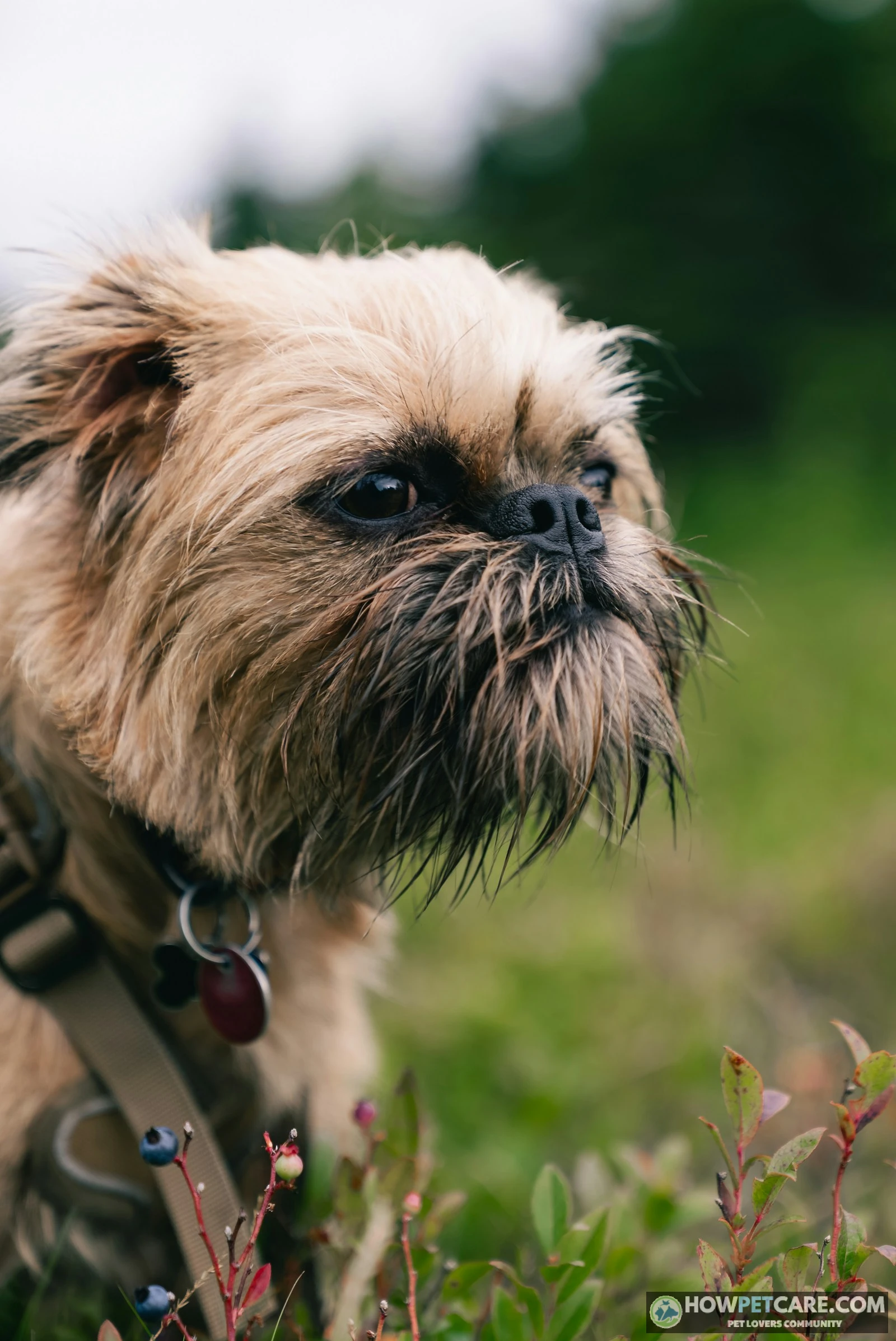

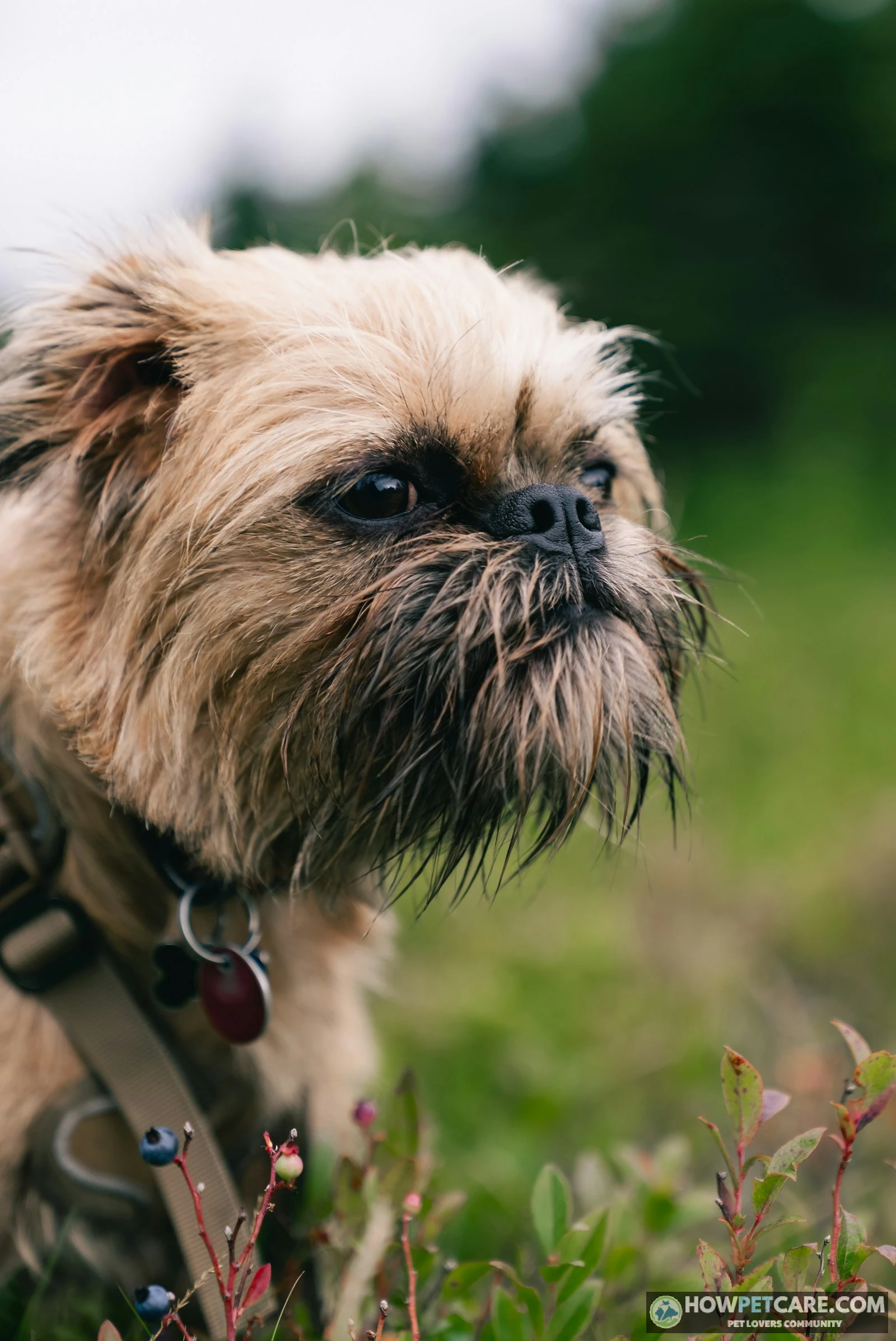
A griffon dog isn’t one breed — the name covers several distinct breeds:
- Brussels Griffon — a small, short-faced toy companion (includes the rough Griffon Bruxellois and Griffon Belge and the smooth Petit Brabançon under FCI rules)
- Wirehaired Pointing Griffon — a much larger sporting breed developed for pointing and retrieving
- Petit and Grand Basset Griffon Vendéen — French scent hounds that share the name only
A griffon isn’t a single dog breed. The name belongs to several distinct breeds, including the small Brussels Griffon, the much larger Wirehaired Pointing Griffon, and the Vendéen scent hounds — the Petit Basset Griffon Vendéen and Grand Basset Griffon Vendéen. Among Brussels-type dogs, you may also see the names Griffon Bruxellois, Griffon Belge, and Petit Brabançon. Registry rules determine whether those Belgian dogs are grouped together or treated as separate breeds.
Griffon Is a Name Shared by Several Breeds: Which Dogs Count as Griffons
A griffon dog might be a flat-faced toy companion, a bearded sporting dog, or a scent hound. The name often suggests a rough or wiry coat, but not every dog called a griffon has one. “Griff” is informal shorthand whose meaning depends on context: a Brussels Griffon owner may mean their toy dog, while a sporting-dog owner may mean a Wirehaired Pointing Griffon.
Size and shape offer an initial clue. A tiny, short-faced dog is likely a Brussels type; a larger, shaggy-faced bird dog may be a Wirehaired Pointing Griffon. Neither appearance proves a dog’s breed.
Brussels Griffon, Griffon Belge, and Petit Brabançon: One Breed or Three?
The American Kennel Club (AKC) recognizes the Brussels Griffon as one Toy Group breed with rough and smooth coats. The Fédération Cynologique Internationale (FCI) separates the closely related Belgian dogs into three breeds: the rough red Griffon Bruxellois, the rough black or black-and-tan Griffon Belge, and the smooth-coated Petit Brabançon.
In US usage, a smooth-coated dog of this type is generally registered as a Brussels Griffon. The Belgian varieties share a close background, but their names and classifications aren’t interchangeable under every registry’s rules. Brussels Griffons developed in Belgium from small stable dogs, with breeds including the Pug and Affenpinscher contributing to their history.
Wirehaired Pointing Griffon: The Sporting Dog Behind the Name
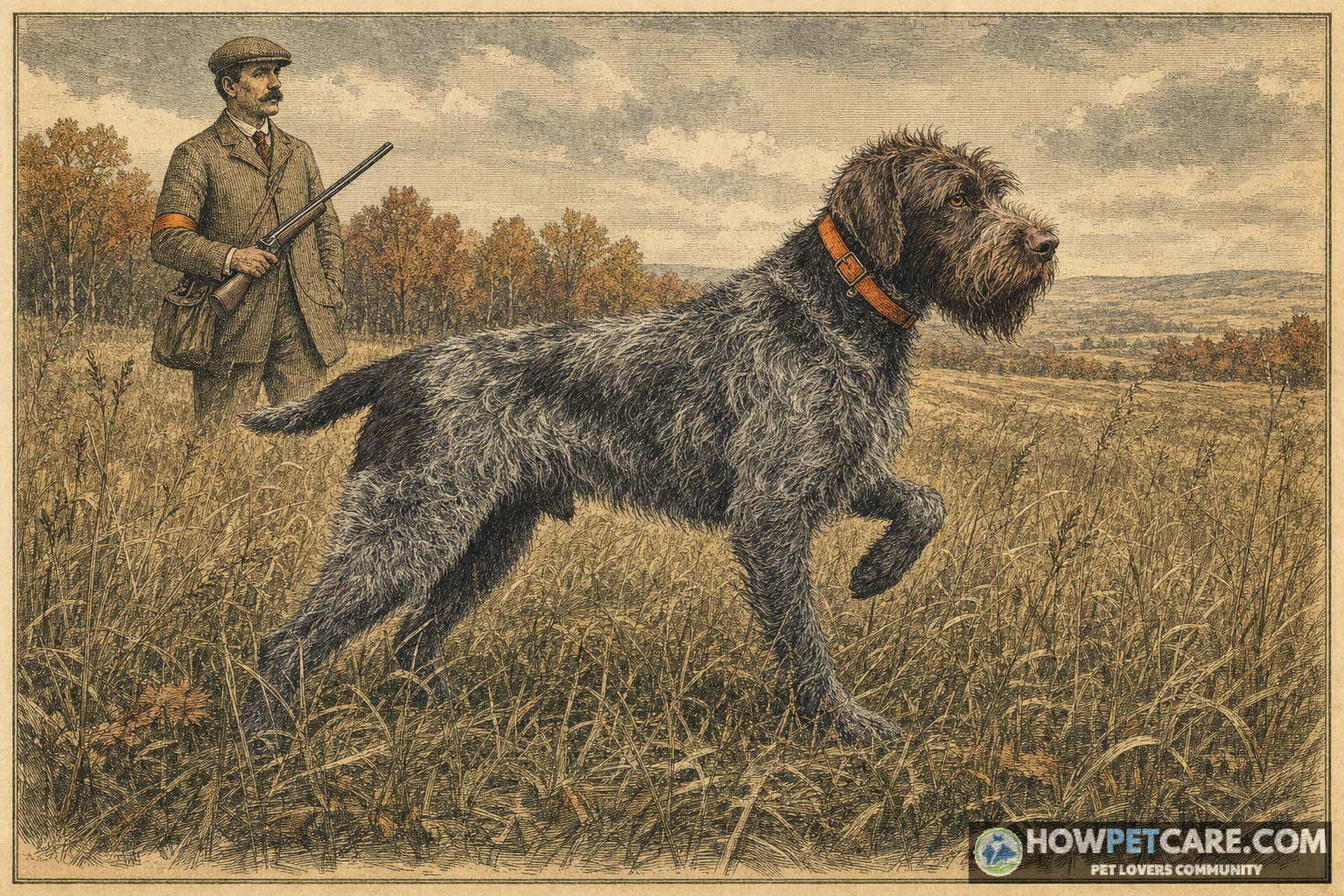
The Wirehaired Pointing Griffon, also called the Korthals Griffon, is a separate sporting breed, not a large Brussels Griffon. Eduard Karel Korthals developed the versatile hunting dog in continental Europe for work including pointing and retrieving game. Compared with its toy-sized namesake, it has a longer muzzle, a weather-resistant coat, and considerably greater exercise needs.
Other Griffon-Named Breeds You May Run Into
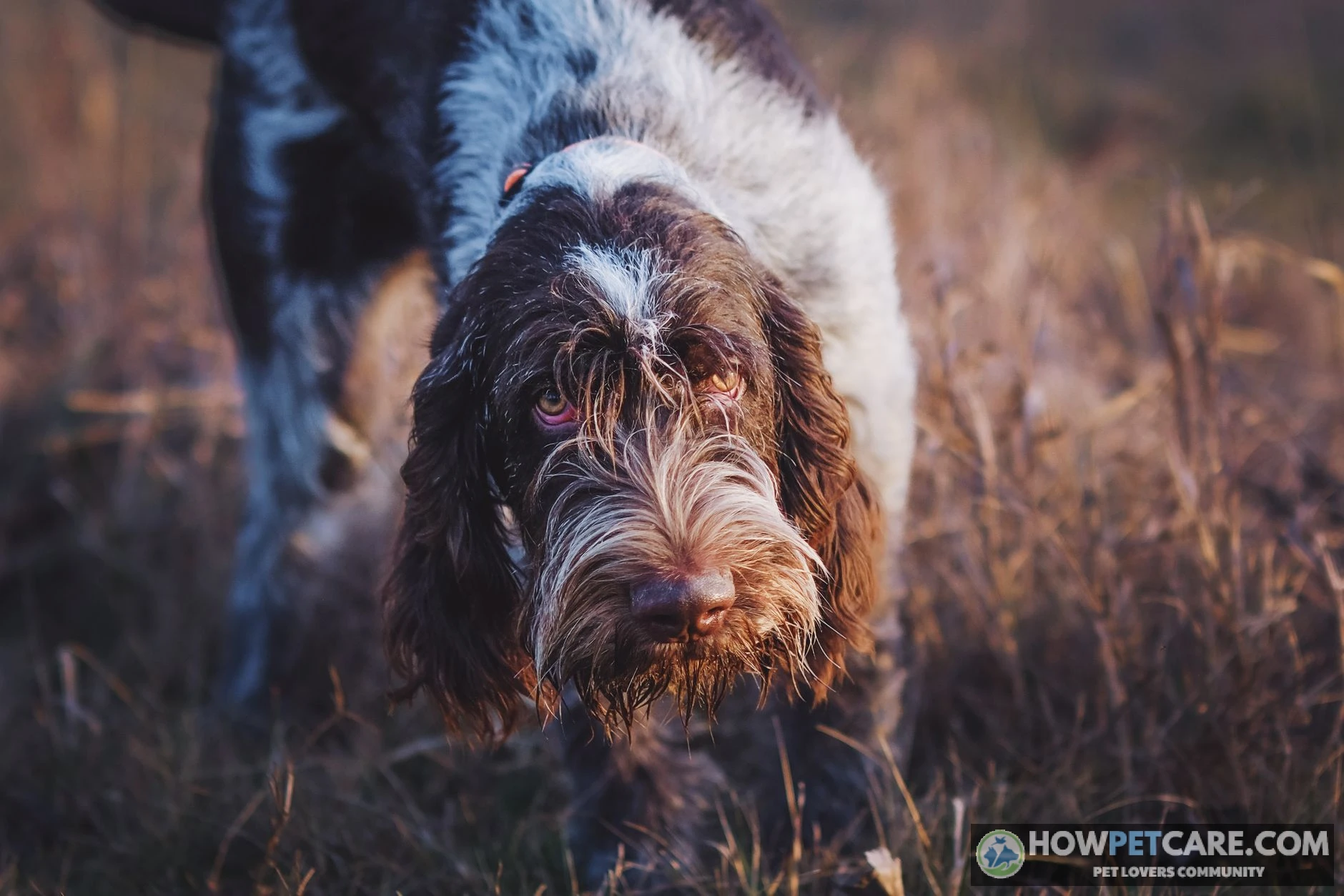
The Petit Basset Griffon Vendéen and Grand Basset Griffon Vendéen are French scent hounds, not varieties of either breed above. They differ in hunting instincts, proportions, and care needs. When researching any griffon, start with the full breed name rather than assuming the shared word describes a single temperament or body type.
Brussels Griffon vs Wirehaired Pointing Griffon: Side-by-Side Comparison
The table separates the Belgian registry varieties to help you identify the name on a pedigree. Height, weight, and lifespan are approximate; exercise suggestions are starting points for healthy adults, not breed-standard requirements.
| Breed or variety | Group and registry classification | Typical height and weight | Coat and colors | Shedding and grooming | Daily exercise | Temperament | Apartment suitability | Typical lifespan |
|---|---|---|---|---|---|---|---|---|
| Rough Brussels Griffon / Griffon Bruxellois | AKC Toy Group; FCI recognizes Griffon Bruxellois separately | About 7–10 inches; commonly 8–10 pounds | Harsh rough coat; beard and eyebrows. AKC colors include red, belge, black, and black and tan | Usually low shedding; brush and hand-strip or clip | Short walks and play, adjusted for breathing and weather | Affectionate, alert, sensitive | Often suitable if barking and alone time are managed | About 12–15 years |
| Smooth Brussels Griffon / Petit Brabançon | AKC Brussels Griffon; FCI recognizes Petit Brabançon separately | About 7–10 inches; commonly 8–10 pounds | Short, smooth coat; Belgian breed colors | Sheds; weekly brushing is generally simpler than stripping | Short walks and play, adjusted for breathing and weather | People-focused, alert, sensitive | Often suitable with the same caveats | About 12–15 years |
| Griffon Belge | FCI separate breed; generally included within the AKC Brussels Griffon classification | Small toy dog; FCI standard gives a weight of approximately 3.5–6 kg, or 8–13 pounds | Rough coat, black or black and tan | Generally low shedding; regular coat maintenance and stripping or clipping | Short walks and play, adjusted for breathing and weather | Affectionate and alert | Often suitable with companionship and training | Approximately 12–15 years |
| Wirehaired Pointing Griffon | AKC Sporting Group; separate breed | About 20–24 inches; roughly 35–70 pounds, depending on sex and individual | Harsh double coat; often steel gray with brown markings | Low-to-moderate shedding; weekly brushing and periodic tidying or stripping | Often an hour or more of purposeful activity, plus mental work | Friendly, responsive, energetic | Possible, but demanding without reliable daily outings | About 12–15 years |
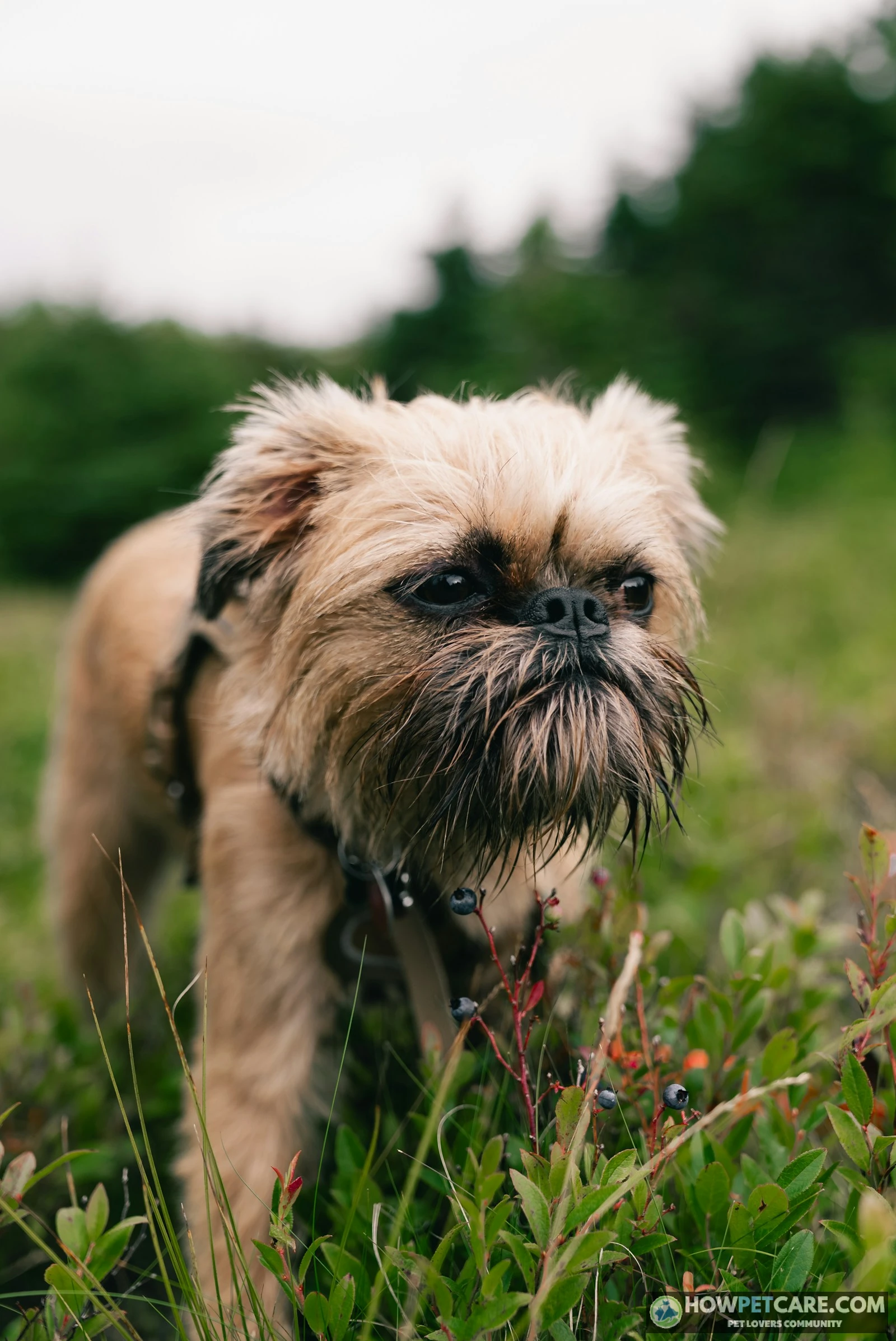
The AKC breed standard and breed-club descriptions are useful starting points for size and coat. A dog outside a typical range isn’t automatically unhealthy or misidentified. Brussels Griffons are brachycephalic, meaning they have shortened muzzles; Wirehaired Pointing Griffons are not. That distinction matters when assessing breathing and heat tolerance.
Rough coats may leave less loose hair around the home, but no dog is truly hypoallergenic. Allergens also occur in saliva and skin material. If someone in your household has allergies, spend time with individual dogs and discuss management with an allergist before committing.
What Living With a Griffon Is Really Like: Temperament, Energy, and Clinginess
Breed descriptions point to tendencies, not guarantees. Socialization, health, training, and the individual dog all matter.
The Brussels Griffon Day: Shadowing, Stubbornness, and Alone-Time Limits
A Brussels Griffon often follows its person around the home. That attachment can be rewarding if you want an interactive toy companion. Long, predictable household absences can be difficult, though, for a dog prone to separation distress. Introduce time alone gradually rather than assuming a second pet will solve the problem.
These alert dogs may bark at noises, visitors, or activity outside a window. Their small size makes them manageable in many apartments, but noise training and a plan for company still matter. Some are slow to housetrain, especially when a small bladder, inconsistent supervision, or unpleasant weather gets in the way. Harsh corrections can make a sensitive dog more reluctant to learn.
A Brussels Griffon can live happily with children who handle it gently, but its size makes accidental injury a real concern. Older children are often a better match than toddlers; adults should supervise all dog-child interactions. Introduce other pets gradually, especially when the other animal is much larger.

The Wirehaired Pointing Griffon Day: Exercise, Scent Drive, and Family Fit
A Wirehaired Pointing Griffon is a working sporting dog that generally enjoys family life. A walk around the block is unlikely to satisfy every adult. Plan for active outings, training, and chances to use its nose. An under-stimulated dog may become restless, dig, chew, or invent other activities indoors.
Many can be good family companions, but a young, exuberant dog may accidentally knock over a small child. Supervise interactions and teach both dog and child appropriate boundaries. The breed’s hunting heritage also makes careful introductions and secure management important around cats, birds, and other small animals. An individual dog’s history matters more than a blanket promise.
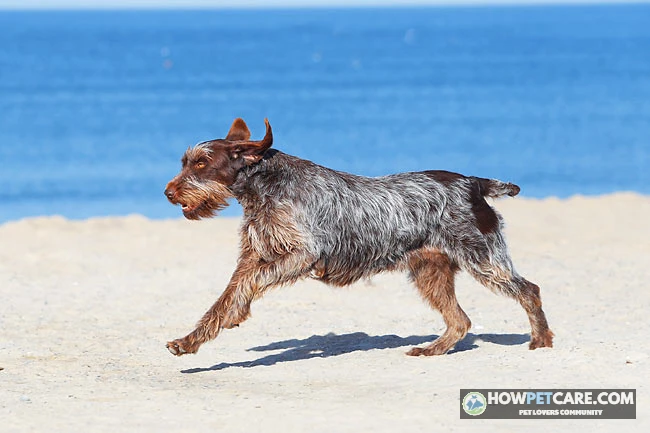
Wirehaired Pointing Griffon vs German Wirehaired Pointer: How to Tell Them Apart
Both are bearded, wire-coated hunting dogs. Their outlines offer the quickest visual clue: the Wirehaired Pointing Griffon often looks more tousled, with conspicuous eyebrows and a mustache; the German Wirehaired Pointer generally has a closer-lying coat and a more streamlined look. Appearance alone cannot reliably identify a mixed-breed dog.
| Trait | Wirehaired Pointing Griffon | German Wirehaired Pointer |
|---|---|---|
| Development | Developed by Korthals in continental Europe | Developed in Germany |
| Work | Versatile pointing and retrieving dog, commonly associated with working for a walking hunter | Versatile hunting dog bred to point, retrieve, and track |
| Appearance | Shaggier-looking coat and prominent facial furnishings | Generally sleeker outline with a close, wiry coat |
| Common colors | Often steel gray with brown markings; other brown-and-white combinations occur | Liver and white, including roan patterns; often a liver-colored head |
| Size | Approximately 20–24 inches; roughly 35–70 pounds | Approximately 22–26 inches; generally a substantial sporting dog |
| Home-life demands | High activity and companionship needs; regular coat maintenance | High activity and training needs; regular coat maintenance |
Some breed descriptions portray the Wirehaired Pointing Griffon as a cooperative, close-working companion, while German Wirehaired Pointers are often described as driven and independent. That doesn’t mean every Griffon will be calmer or easier. Breeding lines, age, and individual temperament can outweigh a generalization.
To help choose a pet, meet adult dogs from both breeds and ask how they settle after exercise. Compare the time you can reliably spend on activity, training, and grooming. Neither is a low-effort substitute for the other.
Griffon Care Basics: Feeding by Life Stage, Hand-Stripping, and Housetraining
Feeding and Weight Control for a Toy Breed vs a Sporting Breed
Choose a complete and balanced food appropriate to your dog’s life stage. Use the label as a starting point, not an automatic serving size. Calorie density varies considerably between foods, and two dogs of the same weight may need different amounts. Measure meals, count treats as part of daily intake, and ask your veterinarian to assess body condition and adjust portions.
- Puppies: Feed a puppy-formulated diet in measured meals throughout the day, following your veterinarian’s advice. Very small puppies can be vulnerable to low blood sugar; ask about meal frequency and seek urgent veterinary help for weakness, trembling, or unusual sleepiness.
- Adults: A toy Brussels type generally needs far fewer calories than an active Wirehaired Pointing Griffon. Use a measuring cup or kitchen scale and adjust for body condition, not the dog’s enthusiasm at the bowl.
- Seniors: Reassess portions and mobility with the veterinarian as activity changes. A senior label alone doesn’t determine the right calories or protein for an individual dog.
A healthy waist and palpable ribs can help guide conversations about weight. Avoid drastic restriction, particularly in a growing puppy. For a sporting dog, adjust food to actual workload rather than assuming every day requires a field-dog ration.
How to Hand-Strip a Rough-Coated Griffon at Home
Hand-stripping removes loose, mature outer hairs so a harsh new coat can grow. Clipping is practical for some pets, but repeated clipping can change the coat’s texture and appearance. Ask a groomer experienced with the breed to demonstrate before you attempt a full strip; not every coat or dog is a good candidate.
-
Check the coat
Look for loose, dull outer hair. Gently test a tiny tuft: mature hair should release easily. If it resists, wait and ask a groomer.
-
Comb and prepare
Brush and comb through the coat. Do not pull at mats or irritated skin; seek professional help for difficult tangles.
-
Remove a few hairs
Using your fingers or a blunt stripping tool for grip, hold the skin gently taut and pull a few loose hairs in the direction of growth. The tool should grip, not cut.
-
Work in short sessions
Start on a small area of the body. Stop if the dog shows pain, the skin becomes red, or hairs do not release easily.
-
Maintain between sessions
Brush regularly and ask a groomer how to rotate small sections as the coat matures. Leave sensitive areas around eyes, ears, and the genitals to a professional.
Coat maturity varies, so checking whether the hair is ready is more useful than following a fixed stripping schedule. Smooth Brussels Griffons generally need weekly brushing rather than stripping. Wirehaired Pointing Griffons also benefit from regular brushing, a check for burrs after outdoor activity, and coat tidying as needed.
For both types, trim nails regularly, brush teeth with dog-safe toothpaste, and check ears for redness, odor, or discharge. Ask a veterinarian how to clean your dog’s ears; don’t insert swabs deep into the ear canal.
A short-faced dog that is struggling to breathe, collapsing, or overheating needs prompt veterinary attention. Do not push a Brussels Griffon through exercise because a generic schedule says it needs a walk.
A Housetraining Schedule for a Small Dog
Take a young puppy outside immediately after waking, eating, drinking, and play, as well as frequently between those events. Start with a trip about every one to two hours while awake, then adjust to the puppy’s age and success. Very young puppies may also need a nighttime trip.
Go to the same spot, wait quietly, and reward the puppy outdoors immediately after it finishes. In cold or wet weather, a sheltered spot and a well-fitting coat may help. Indoors, supervise closely or use a properly introduced crate or small safe area for short periods. A crate isn’t a substitute for regular bathroom breaks.
If an accident happens, clean it with an enzymatic pet cleaner and consider whether the previous interval was too long. Don’t punish after the fact. A previously reliable dog that suddenly has accidents needs a veterinary assessment for possible medical causes.
Griffon Health Risks: Syringomyelia, Chiari-Like Malformation, BOAS, and Screening
Chiari-Like Malformation and Syringomyelia
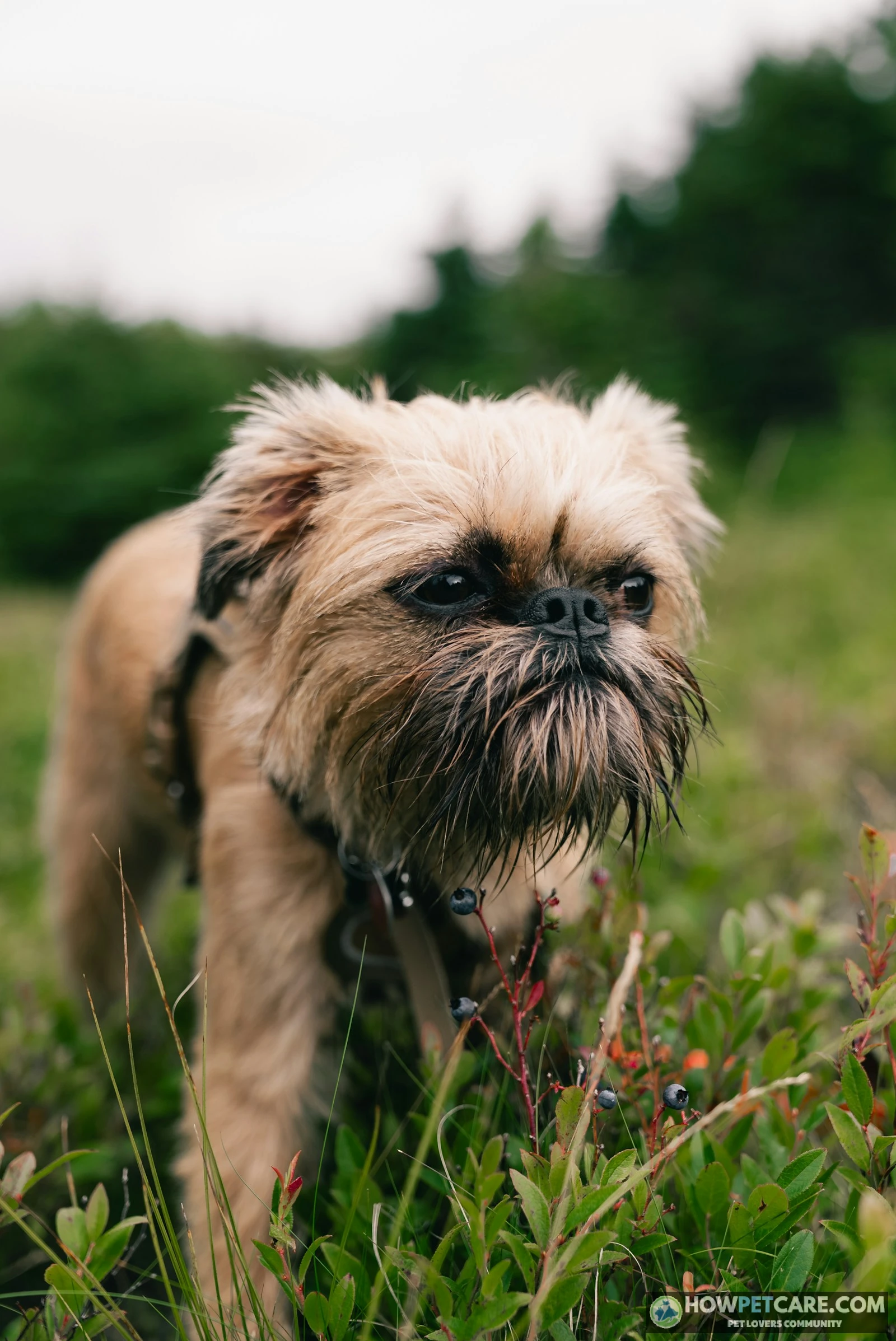
Chiari-like malformation refers to an abnormal relationship between the skull and structures at the back of the brain. It can disrupt the flow of fluid around the brain and spinal cord. Syringomyelia occurs when fluid-filled cavities develop in the spinal cord. These conditions have been documented in Brussels Griffons, but a diagnosis or severe symptoms shouldn’t be assumed in every dog.
Possible signs include neck or head sensitivity, pain, scratching near the neck or in the air, and changes in movement. Scratching has many possible causes, so it isn’t diagnostic on its own. Signs may appear at different ages; a dog that seems well when young isn’t necessarily unaffected for life. A veterinarian may recommend referral to a neurologist and MRI when signs warrant investigation.
BOAS and Other Brachycephalic Problems
Brachycephalic obstructive airway syndrome, or BOAS, describes breathing obstruction associated with a shortened head and airway anatomy. Signs can include noisy breathing while awake, difficulty exercising, heat intolerance, and disturbed sleep. Severity varies, and a snort shouldn’t automatically be dismissed as normal for the breed.
Weight management, avoiding heat, and appropriate exercise can help manage affected dogs, but they don’t correct obstructive anatomy. A veterinarian may recommend surgery when a dog’s airway problems warrant it. Severe breathing difficulty is an emergency.
Other concerns to discuss include luxating patellas and eye problems in Brussels Griffons, and hip dysplasia and ear problems in Wirehaired Pointing Griffons. These are reasons for informed screening and routine care, not predictions that an individual dog will develop them.
Health Tests to Ask a Breeder For
Ask for the registered names and actual results for both parents, and check the Orthopedic Foundation for Animals (OFA) database when results are publicly available. Compare the records with current recommendations from the relevant breed parent club and the OFA Canine Health Information Center program.
For a Brussels Griffon, ask specifically about patella and eye examinations, breathing and heat tolerance, and the family history of neurological signs. Ask whether either parent has had an MRI for Chiari-like malformation and syringomyelia, when it was performed, and what it showed. MRI isn’t a guarantee against affected offspring, and a normal examination at one age cannot rule out later changes. Don’t assume MRI is a universal mandatory breed-club test.
For a Wirehaired Pointing Griffon, request documented hip evaluations and the other eye or breed-specific testing recommended by the parent club. A routine puppy vet visit isn’t a substitute for screening the breeding dogs.
MRI, specialist consultations, and airway surgery can be costly, but reliable nationwide price figures aren’t available in the supplied evidence. Ask a local referral hospital for an itemized estimate covering consultation, anesthesia, imaging, interpretation, and follow-up. Thoughtful breeding can reduce risk; neither screening nor surgery guarantees prevention. If you’re considering insurance, compare exclusions, waiting periods, and preexisting-condition rules before enrolling.
How Much Does a Griffon Cost? Puppy Prices and Lifetime Ownership Costs
There is no single dependable national price for a Brussels Griffon or Wirehaired Pointing Griffon puppy. Published asking prices vary by location, pedigree, availability, and breeder practices; the available evidence doesn’t establish a verifiable range for either breed. The same limitation applies to separately named Griffon Belge and Petit Brabançon puppies, which may be uncommon in the US. Obtain written quotes from several breeders and assess the health documentation independently of price.
The table is a budgeting illustration, not a survey of breeder prices or veterinary fees. Replace the assumptions with quotes for your location. It deliberately leaves out the purchase or adoption fee rather than presenting an unsupported figure.
| Cost item | Brussels Griffon | Wirehaired Pointing Griffon | Source or notes |
|---|---|---|---|
| Puppy or adoption fee | Obtain quotes | Obtain quotes | No verified national range is available here; registration alone is not proof of responsible breeding |
| Initial supplies | Budget for appropriately sized crate, bed, leash, gates, and bowls | Budget for larger equipment and outdoor gear | One-time costs vary by product and household |
| Food and routine veterinary care | Usually less food; routine exams, preventives, vaccines, and dental care still matter | More food may be needed, especially for an active dog; routine care still matters | Ask a veterinarian and price the actual diet |
| Grooming | Smooth coats can be simpler; professional rough-coat stripping adds cost | Brushing and occasional professional coat work may add cost | Ask groomers whether they strip or clip and request a quote |
| Training, boarding, and insurance | Price classes, care during absences, and coverage | Price classes, active-day care, and coverage | These costs depend heavily on household choices |
| Planning illustration | $1,500–$2,500 a year, before purchase and major emergencies | $1,800–$3,000 a year, before purchase and major emergencies | Example assumptions only, not measured averages or price quotations |
| Illustrative 12–15-year subtotal | $18,000–$37,500, plus purchase, setup, and major emergencies | $21,600–$45,000, plus purchase, setup, and major emergencies | Annual illustration multiplied by 12–15 years; actual costs can be higher or lower |
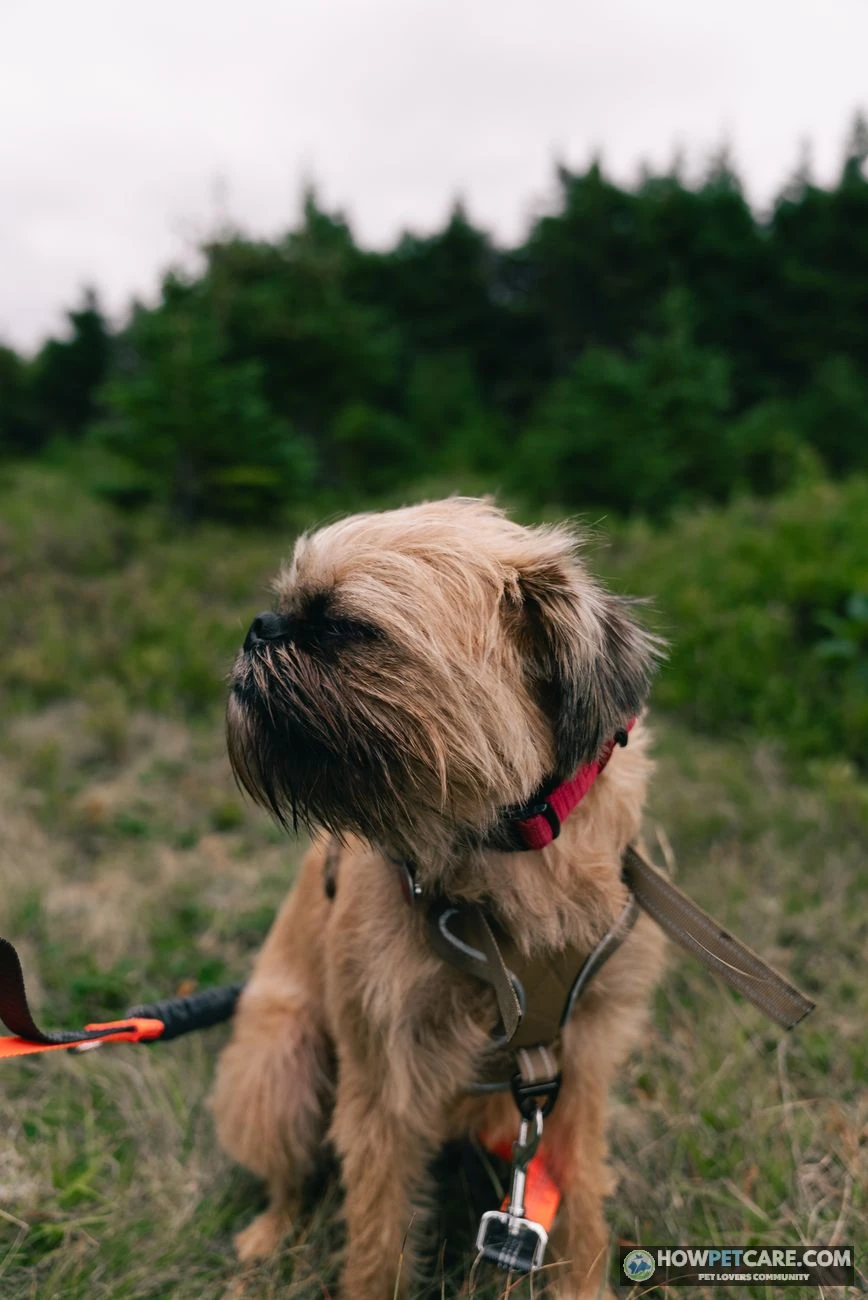
For example, a $2,000 annual allowance over 12 years is $24,000 before the acquisition fee, initial equipment, and major medical expenses. A toy dog may cost less to feed but can still generate substantial dental, grooming, or specialist bills. Neither a high asking price nor AKC registration establishes that a breeder has completed appropriate health testing.
Before committing, request a puppy or adoption quote, a routine-care estimate from a veterinarian, and a grooming quote. Add a separate emergency fund or compare insurance coverage and exclusions.
Finding a Griffon Responsibly: Breeder Checklist, Red Flags, and Adoption
Breeder Vetting Checklist and Questions to Ask
The American Brussels Griffon Association and the American Wirehaired Pointing Griffon Association are starting points for breed education and referrals. Club membership is useful context, not a guarantee; evaluate the evidence yourself.
- ☐ Confirm the breed and registry. Ask for the registered names of both parents and clarify which Belgian variety is being described.
- ☐ Review health results for both parents. Check OFA or equivalent records by registered name where available; don’t accept “vet checked” as a substitute.
- ☐ Ask breed-specific questions. Discuss patellas, eyes, breathing, and neurological history or MRI for Brussels types; ask about hips and current parent-club recommendations for Wirehaired Pointing Griffons.
- ☐ Meet the dam when feasible. See where puppies are raised and observe the dogs’ condition and behavior. Ask for an explanation if the sire lives elsewhere.
- ☐ Ask about socialization. Find out how puppies are introduced safely to ordinary handling, people, surfaces, and household experiences.
- ☐ Discuss litter and breeding history. Ask how often the dam has been bred and how the breeder makes mating decisions.
- ☐ Read the contract before paying. Look for health terms, registration details, and a clear return or take-back policy.
- ☐ Confirm the going-home plan. Puppies should not leave before eight weeks and should come with veterinary, vaccination, and feeding records.
- ☐ Expect questions about your home. A thoughtful breeder should ask about your schedule, experience, and plans for the dog.
- ☐ Ask about lifelong support. Confirm whom to contact if training, health, or rehoming problems arise.
Puppy-Mill and Pet-Store Red Flags
Be cautious if a seller can’t show health records or the puppy’s living conditions; offers several breeds and a constant supply of litters; pressures you to pay immediately by gift card or wire; or offers a puppy younger than eight weeks. An online-only seller who refuses a meaningful visit or verification also warrants caution. Shipping or meeting away from a home isn’t proof of a puppy mill on its own, but it should prompt further questions.
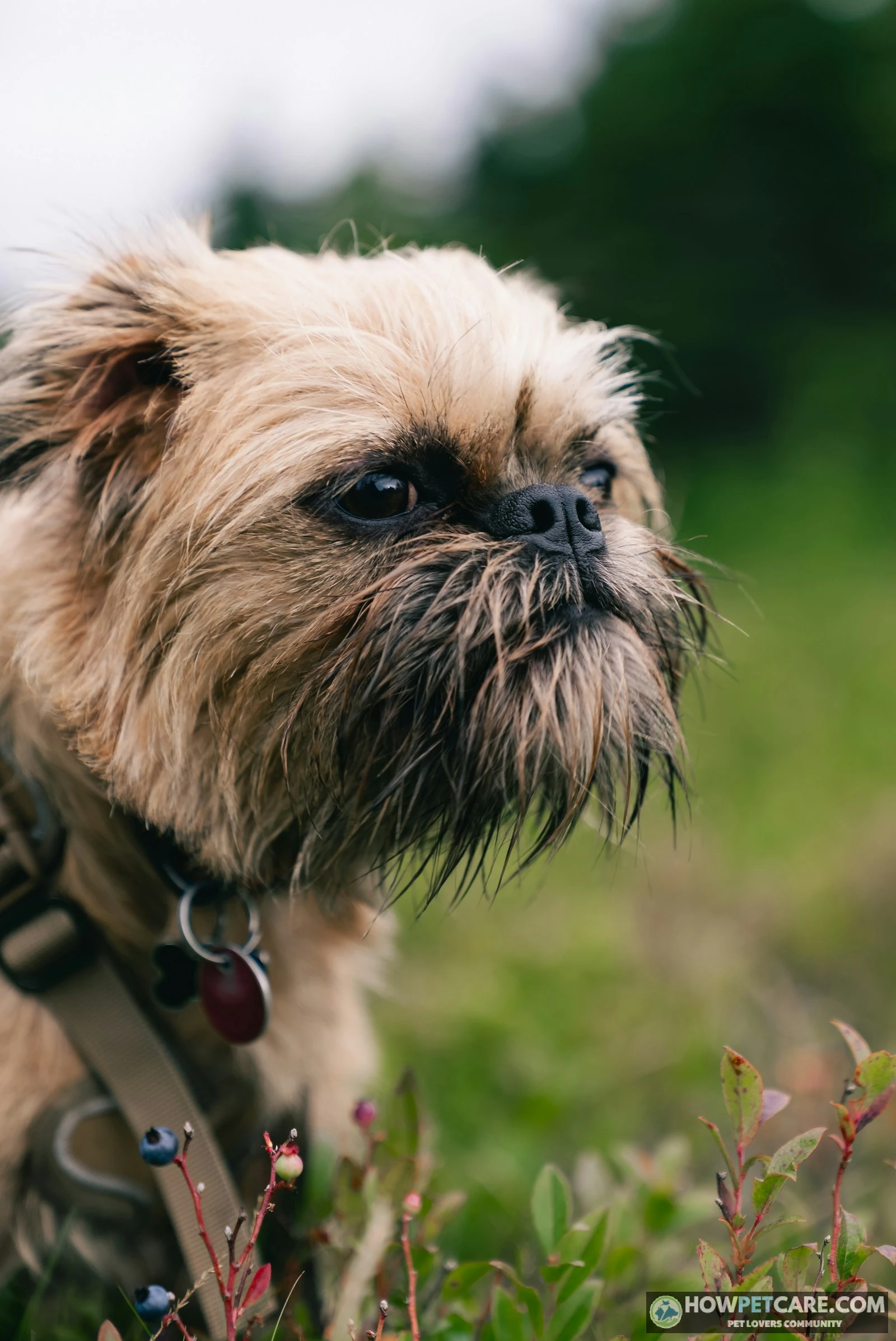
“Teacup” is a marketing term, not a recognized Brussels Griffon variety. Don’t pay a premium for a promised unusually tiny adult. An appealing website, a registration certificate, or a high price can’t replace parent health results and a written agreement.
Adopting a Griffon or Griffon Mix
Breed-specific rescue networks and local shelters can be good places to look. Ask about the dog’s known medical history, time alone, handling preferences, behavior around children and pets, and housetraining. A rescue dog may need a transition period and a fresh routine; don’t assume a surrender label tells the whole story.
A beard, wiry coat, domed forehead, or short muzzle may suggest a Brussels-type mix, but terriers and many mixed-breed dogs can share some of those traits. A veterinarian can assess health and visible characteristics; a reputable canine DNA test may add ancestry information, though results depend on the test’s reference database. Choose the dog for its individual needs and behavior, not an appearance-based label alone.
Which Griffon Fits Your Household? A Decision Guide and Next Steps
Match Your Home, Schedule, and Grooming Tolerance to a Griffon Type
- Apartment and companion-focused household: A Brussels Griffon may fit if you can manage barking, provide company, and account for possible breathing limitations. A smooth coat is easier to maintain, though it still sheds.
- Active household seeking a sporting dog: A Wirehaired Pointing Griffon may fit if you can provide daily exercise, scent work, training, and regular grooming. A yard helps with access to outdoor space but doesn’t replace activities with you.
- Family with young children: Consider whether you can protect a fragile toy dog from rough handling or manage a large, boisterous adolescent sporting dog. Supervision is essential either way.
- People away from home all day: Plan reliable companionship, gradual alone-time training, and care breaks—or consider whether this is the right time for a dog at all.
- Allergy-sensitive household: Don’t rely on a low-shedding label. Spend time with individual dogs and seek medical advice before adoption.
- First-time owner: A Brussels Griffon is physically easier to handle and may need less exercise, but housetraining and health concerns can be challenging. A Wirehaired Pointing Griffon can be responsive to training, yet its size and activity needs are a much larger commitment. Neither is automatically the best choice for every beginner.
If you want minimal grooming, can’t arrange daily companionship or exercise, or can’t budget for veterinary care, neither type may fit. A suitable adult rescue dog—or a different breed chosen for the individual’s health and temperament—may be a better match.
A Seven-Step Checklist Before You Contact a Breeder or Rescue
- Decide whether you want a toy companion, a sporting dog, or a different type of dog altogether.
- Write down your realistic weekday schedule, exercise capacity, and grooming tolerance.
- Contact the appropriate breed parent club or a reputable rescue for education and available options.
- Ask for parent health results or, for an adopted dog, all available veterinary and behavioral records.
- Obtain local estimates for food, routine care, grooming, insurance, and a medical reserve.
- Meet the dog and, when buying a puppy, visit the breeder and meet the dam when feasible.
- Read the adoption agreement or purchase contract, including its return terms, before paying or bringing a dog home.
1How does the American Kennel Club (AKC) classification of Belgian toy griffons differ from that of the Fédération Cynologique Internationale (FCI)?
The AKC treats the smooth and rough varieties under one breed standard, whereas the FCI separates the red rough, black/black-and-tan rough, and smooth varieties into three distinct breeds.
2When comparing the Wirehaired Pointing Griffon to the German Wirehaired Pointer, which visual characteristic best helps distinguish the Griffon?
Prominent facial furnishings like eyebrows and a mustache give the Wirehaired Pointing Griffon its characteristically tousled, shaggy appearance.
3Brussels Griffons are brachycephalic dogs, which directly increases their risk for which health concern?
Shortened facial bones in brachycephalic dogs physically obstruct airways, leading to breathing challenges and increased heat sensitivity.
4What is the primary purpose of hand-stripping the coat of a rough-coated Griffon?
Manual removal of mature, loose outer hair stimulates new growth while maintaining the coat's naturally harsh texture and color.
5Which of the following seller behaviors represents a clear red flag when looking to acquire a Brussels Griffon puppy?
Marketing dogs with unofficial size jargon like 'teacup' and demanding unverified, immediate payments are common signs of irresponsible or deceptive selling practices.
6Which complex conditions documented in Brussels Griffons involve abnormal skull-brain proportions or fluid cavities in the spinal cord?
These conditions involve skull structure mismatch and fluid cavity formation in the spinal cord documented in Brussels Griffons.
7How does routine grooming for a smooth-coated Petit Brabançon differ from that of a rough-coated Brussels Griffon?
Smooth-coated dogs lack the long outer guard hair that requires manual stripping, making regular brushing sufficient for coat care.
8Who was responsible for developing the Wirehaired Pointing Griffon as a versatile sporting breed in continental Europe?
Eduard Karel Korthals developed this versatile hunting breed in continental Europe, which is why it is also known as the Korthals Griffon.
9What behavioral tendency is commonly observed in Brussels Griffons due to their strong devotion to owners?
Brussels Griffons form intense companion attachments, making them prone to distress if left alone for extended periods without gradual training.
10Which exercise schedule best matches the daily physical needs of a healthy adult Wirehaired Pointing Griffon?
As working sporting dogs, Wirehaired Pointing Griffons require substantial physical activity and scent engagement to prevent restlessness.
| Breed or variety | Group and registry classification | Typical height and weight | Coat and colors | Shedding and grooming | Daily exercise | Temperament | Apartment suitability | Typical lifespan |
|---|---|---|---|---|---|---|---|---|
| Rough Brussels Griffon / Griffon Bruxellois | AKC Toy Group; FCI recognizes Griffon Bruxellois separately | 7–10 inches; 8–10 pounds | Harsh rough coat; beard and eyebrows. AKC colors include red, belge, black, and black and tan | Low shedding; regular brushing and hand-stripping or clipping | Short walks and play, adjusted for breathing and weather | Affectionate, alert, sensitive | Suitable if barking and alone time are managed | 12–15 years |
| Smooth Brussels Griffon / Petit Brabançon | AKC Brussels Griffon; FCI recognizes Petit Brabançon separately | 7–10 inches; 8–10 pounds | Short, smooth coat; Belgian breed colors | Sheds; weekly brushing | Short walks and play, adjusted for breathing and weather | People-focused, alert, sensitive | Suitable if barking and alone time are managed | 12–15 years |
| Griffon Belge | FCI separate breed; included within AKC Brussels Griffon classification | Small toy dog; 7–10 inches (approx.); 8–13 pounds (3.5–6 kg) | Harsh rough coat; black or black and tan | Low shedding; regular coat maintenance and stripping or clipping | Short walks and play, adjusted for breathing and weather | Affectionate, alert, sensitive | Suitable with companionship and training | 12–15 years |
| Wirehaired Pointing Griffon | AKC Sporting Group; separate breed | 20–24 inches; 35–70 pounds | Harsh double coat; steel gray with brown markings | Low-to-moderate shedding; weekly brushing and periodic tidying or stripping | 1 hour or more of purposeful activity, plus mental work | Friendly, responsive, energetic | Demanding; requires reliable daily outings | 12–15 years |
FAQ
How long do griffon dogs live?
The AKC lists a typical lifespan of about 12 to 15 years for both the Brussels Griffon and the Wirehaired Pointing Griffon. Individual dogs vary, and Brussels Griffons with severe airway or neurological conditions may have a shorter or more difficult life.
Are Brussels Griffons good with children?
They can be, but their small size makes them easy to injure, so they usually suit homes with older, gentle children better than homes with toddlers. Supervision and teaching children how to handle a small dog matter more than the breed label.
Do griffon dogs bark a lot?
Brussels Griffons are alert and can be vocal, especially when bored or left alone. Wirehaired Pointing Griffons are generally less yappy but may bark from boredom if they do not get enough exercise.
Can a Wirehaired Pointing Griffon live in an apartment?
It is possible but generally a poor fit, because this sporting dog needs a lot of daily exercise and room to run. A small apartment works only if the owner reliably provides long, active outings every day.
Is a Petit Brabançon the same as a smooth-coated Brussels Griffon?
Yes, in practice. The Petit Brabançon is the smooth-coated variety, which the FCI lists as a separate breed and the AKC includes within the Brussels Griffon breed as the smooth coat variety.