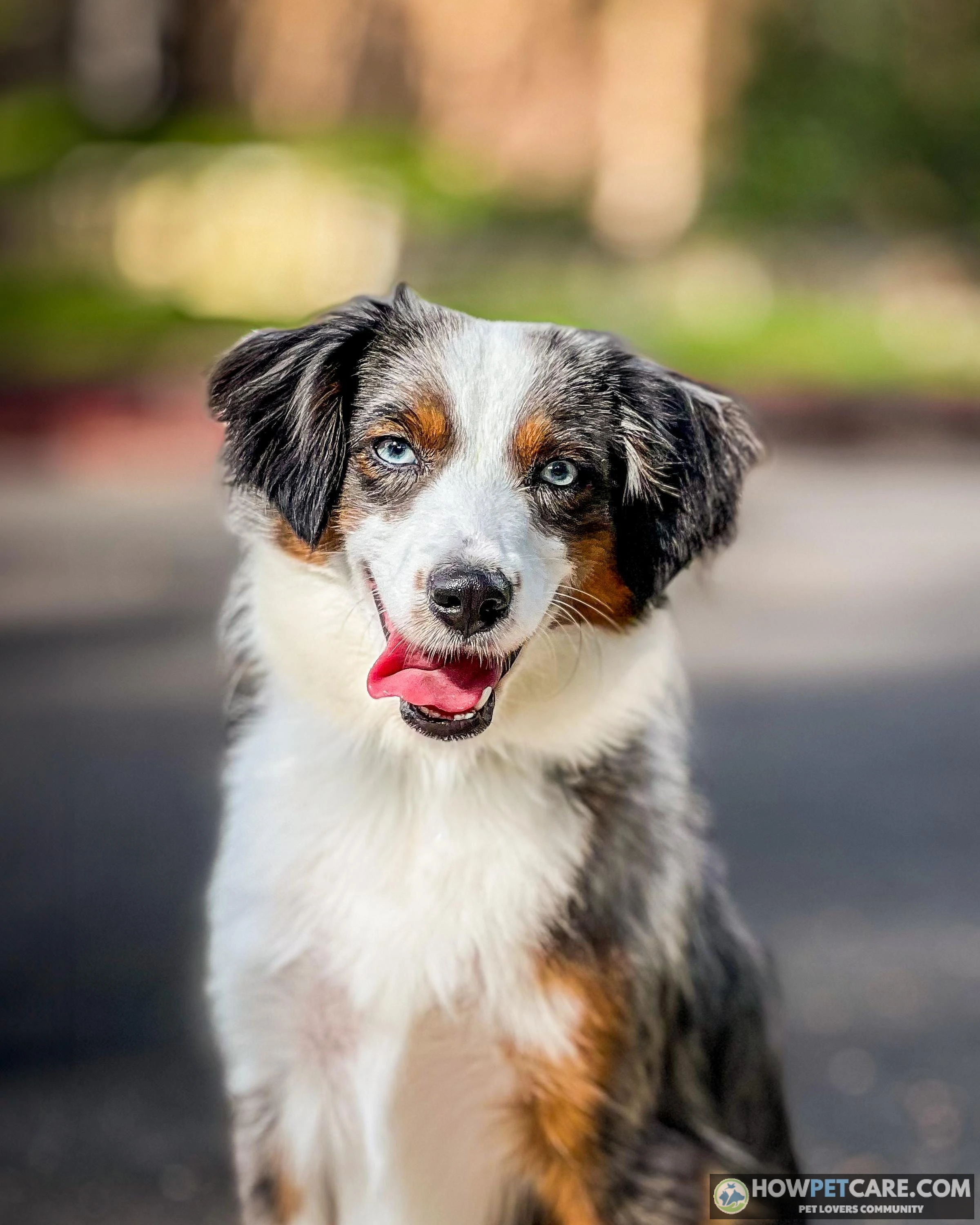

The Australian Shepherd dog is a smart, high-energy herding breed developed in the U.S. It thrives in active homes that can provide 1–2 hours of daily exercise and training, tolerate shedding and alert barking, and supervise its strong herding instincts around kids and pets. It’s a poor fit for low-activity or away-all-day households.
An Australian Shepherd dog fits best in an active home with time for daily exercise, training, and company. If you want a low-energy dog or one that’ll spend long days alone, this breed is usually a poor match—its intelligence and herding instincts need real outlets, not just a backyard. Before choosing, weigh those demands against your schedule, children and other pets, shedding and barking tolerance, and budget for training and veterinary care.
This guide also covers the details generic profiles skip. Many Aussies carry the MDR1 (ABCB1) gene variant, which can let certain drugs—ivermectin, loperamide, and some sedatives among them—reach the brain at unsafe levels; a DNA test and sharing the result with every treating veterinarian is the standard management approach, detailed in the health section below. And because heel-nipping is the complaint that sends new owners searching, the short version up front: prevent rehearsals, teach a calm replacement behavior, reintroduce movement gradually, and escalate to a qualified trainer if the dog can’t disengage—the full plan follows.
Australian Shepherd Temperament and Herding Drive: Who Fits and Who Doesn’t
Australian Shepherds are smart, people-focused herding dogs. Many bond tightly with their household, watch strangers carefully, and bark to alert their owners. Those same traits can make an Aussie attentive and responsive, but they can also produce a dog that follows you from room to room, reacts to movement, and struggles to settle when bored.
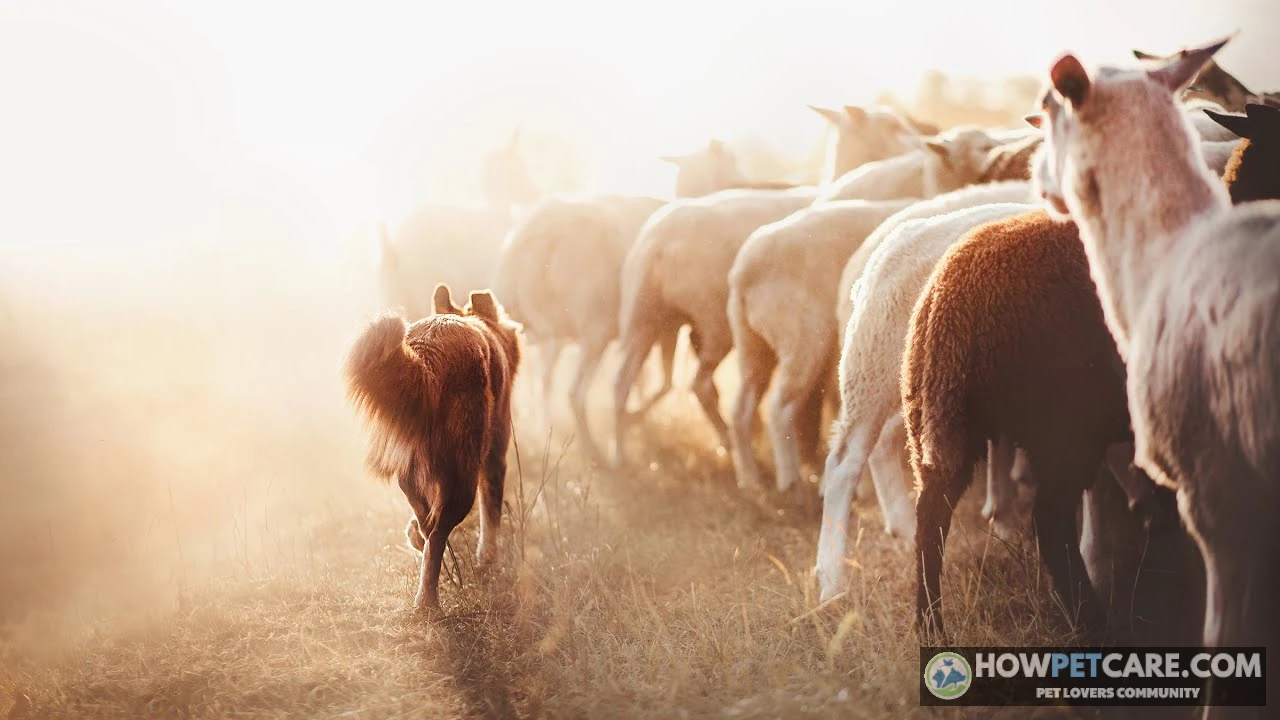
Herding is instinctive, not proof of aggression. An Aussie may stare, stalk, circle, chase, or nip at heels when people or animals move quickly. At home, children running down a hallway, a cat darting away, or a bicycle passing the fence can trigger that sequence. Training can teach the dog what to do instead; it won’t erase the instinct.
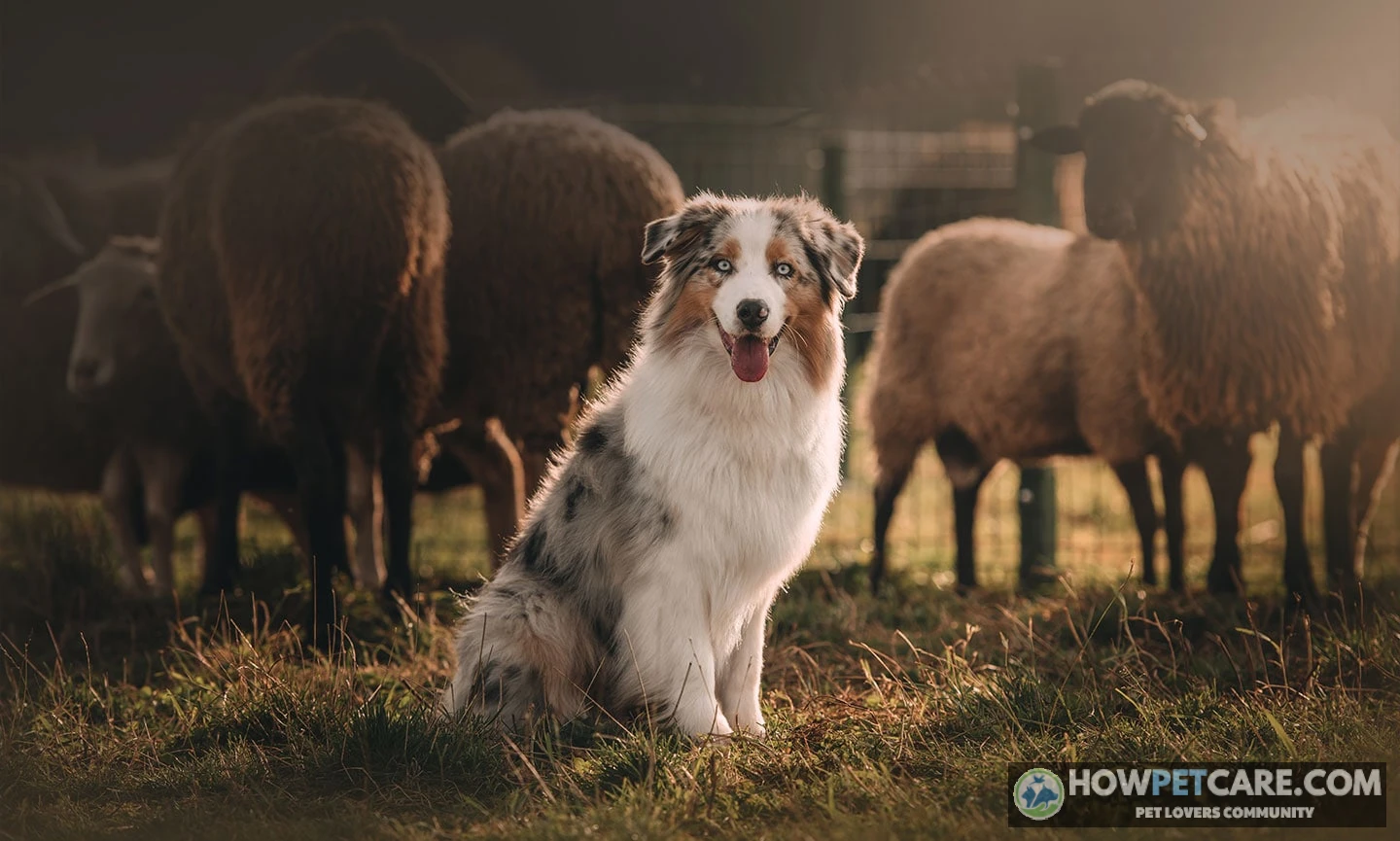
First-time owners can succeed, but they need to start reward-based training early and keep it consistent. If you haven’t trained a dog before, plan to enroll in a class or work with a qualified trainer rather than expect the dog to teach itself good manners. Aussies learn quickly, but their intelligence is no substitute for time, supervision, and practice.
Probably a yes if… / Probably a no if…
Probably a yes if you can build exercise and short training sessions into most days, enjoy including a dog in your routine, and have a plan for company or midday help when you’re away. You should also be comfortable managing barking, shedding, and a dog that may try to control movement around the home.
Probably a no if your household wants a low-maintenance, low-drive companion, can’t provide regular activity, or expects a puppy to stay alone through a long workday without help. A yard by itself won’t meet an Aussie’s social and mental needs.
Use this scorecard to turn a vague impression into a concrete decision. Score each item 0 for no, 1 for partly, or 2 for yes. A high score is encouraging only if you can keep the routines you’re promising yourself.
Aussie Fit Scorecard
- Time present: Someone is home or can arrange a walker or daycare on most weekdays; the dog won’t routinely be alone for 8–10 hours. (0/1/2)
- Activity: You can provide about 60–120 minutes a day of combined exercise and training, including in bad weather. (0/1/2)
- Noise tolerance: Alert barking won’t create serious problems, and you can teach quiet and settle behaviors. (0/1/2)
- Kids and pets: Children can follow safety rules, and you can separate pets during supervised introductions. (0/1/2)
- Grooming: You accept year-round hair, seasonal shedding increases, and regular brushing. (0/1/2)
- Training: You have trained a dog before, or will book a reward-based trainer before bringing the dog home. (0/1/2)
A score of 10–12 suggests a strong fit if you follow through; 6–9 means the weak areas need a realistic plan; 0–5 points toward a lower-drive dog or an adult dog whose temperament is already known. If time at home is your lowest score, don’t choose a puppy on the assumption that it’ll adapt to long absences. If herding intensity is the main concern, ask about a moderate-energy companion-line dog or consider an adult rescue with foster observations.
Aussies with kids, cats, and other dogs
Australian Shepherds can live successfully with children and other pets, but no breed guarantees safety or compatibility. A dog may chase toddlers or nip at fast-moving children even without meaning harm. Supervise every interaction, give children simple rules, and use gates or a separate resting area so the dog can disengage. Never leave a young child alone with any dog.
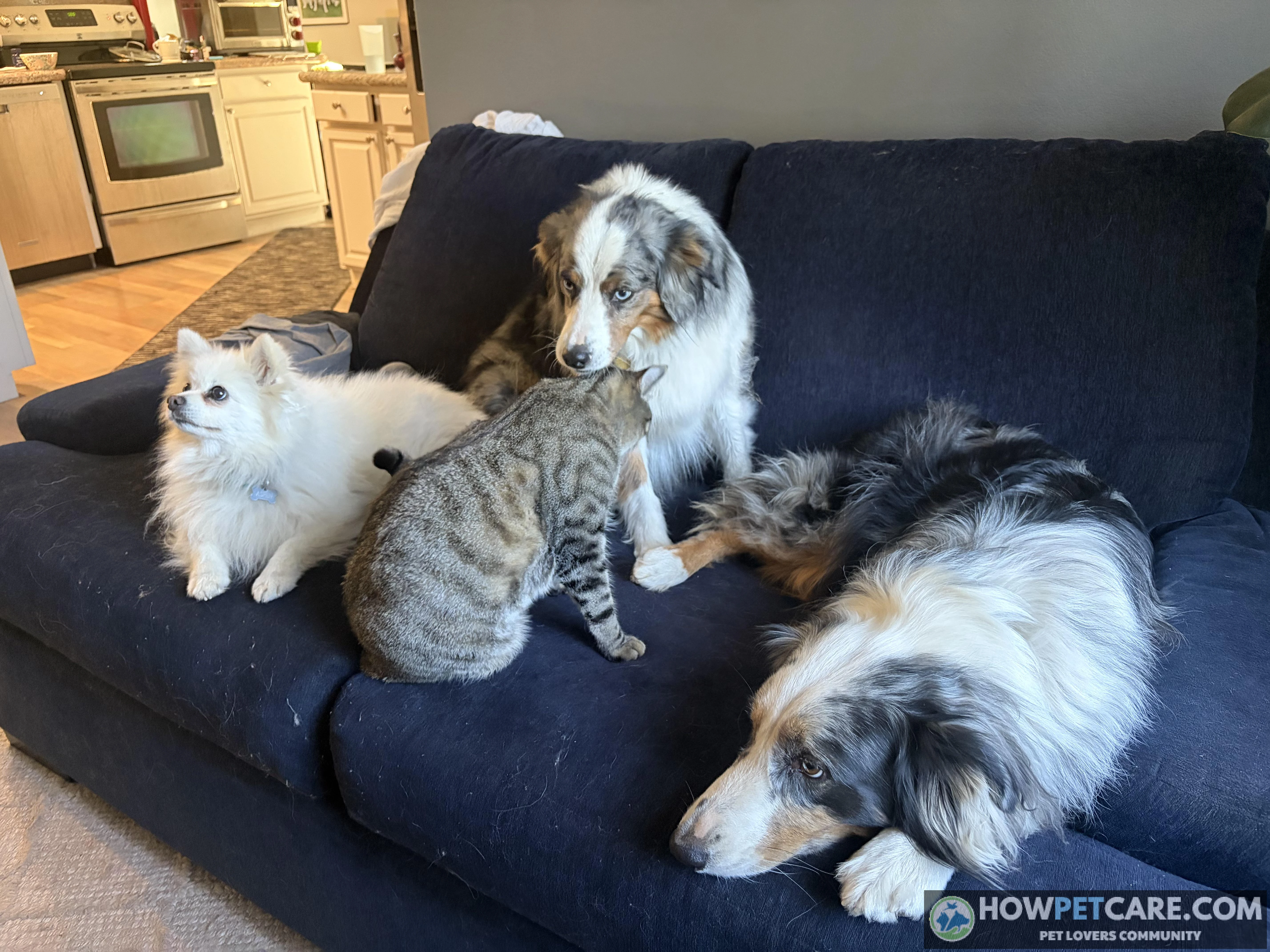
Some Aussies coexist well with cats and other dogs, especially when introductions are gradual and the dog is rewarded for calm behavior. A cat that runs, or a small dog that squeals and darts away, may trigger chasing. Keep the dog leashed or behind a barrier at first, provide escape routes for smaller pets, and don’t allow repeated chasing as a way to ‘work it out.’
Australian Shepherd Breed Facts, Corrected: Origin, Size, Colors, Lifespan
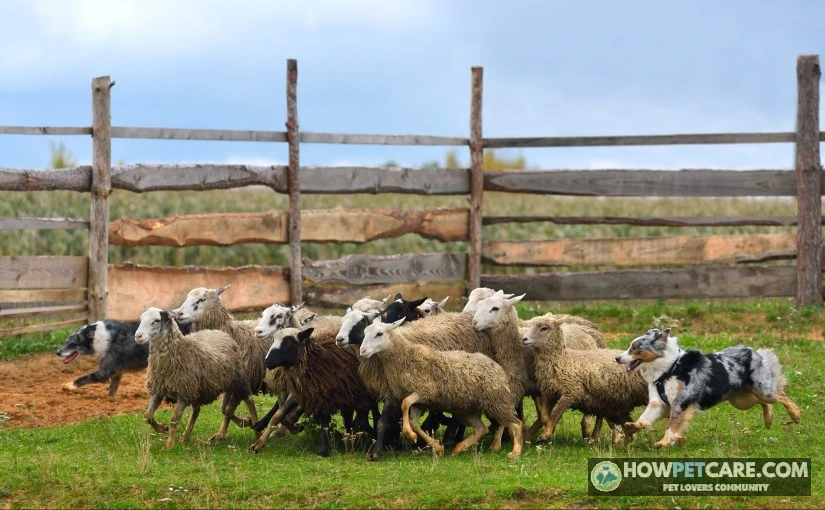
Despite the name, the Australian Shepherd is a U.S.-developed herding breed, not an Australian one. Its name is usually tied to Basque shepherds who reached the United States via Australia, though the details remain uncertain. Ranchers in the American West shaped the modern dog. One account traces its development to the 1840s Gold Rush and links it to collie- or shepherd-type dogs that arrived with Australian sheep.
Where the name "Australian" really comes from
The name trips up prospective owners. Australian Shepherds and Australian Cattle Dogs are separate breeds, and only the latter originated in Australia. The Australian Shepherd’s herding heritage is American; the name comes from the link between early dogs and sheep imported from Australia. Because early accounts differ, don’t treat any overly precise origin story as verified.
AKC recognition and popularity: what’s current
Some breed summaries list different AKC recognition years. The evidence available for this guide includes a 1993 claim, while the brief cites 1991 as the year of full recognition after an earlier Miscellaneous-class period. That conflict can’t be resolved from the evidence here, so don’t treat either date as verified—check the American Kennel Club’s official breed history before relying on a recognition year. Popularity rankings also change annually; a ranking without a year isn’t a reliable current fact.
The American Kennel Club (AKC) and the Australian Shepherd Club of America (ASCA) are distinct organizations with different registry and activity roles. Registration papers can help document a dog’s pedigree, but they don’t by themselves prove good health, sound temperament, or a responsible breeding program.
Size and weight chart, including standard vs. Miniature American Shepherd
Australian Shepherds are medium-sized, muscular dogs built for stamina. A general breed profile gives a range of about 40–65 pounds and 18–23 inches at the shoulder. Exact size varies between individuals; ask a breeder about the size of both parents rather than treat a range as a promise for a particular puppy, and review how long Australian Shepherds live when planning long-term care.
| Attribute | Standard Australian Shepherd | Miniature American Shepherd | Source and date checked |
|---|---|---|---|
| Breed identity | Australian Shepherd | Separate breed, not simply a smaller standard Aussie | Breed distinction should be verified with the relevant registry |
| Height and weight | General profile: 18–23 inches; 40–65 pounds | Not stated here; verify the current breed standard | Verify current breed standards before purchase |
| Lifespan | Often described as roughly 12–15 years in breed profiles; individual lifespan varies | Not stated here | Ask a veterinarian about individual health and care |
| Registration | AKC and ASCA records may apply, depending on dog and registry | AKC-recognized as a distinct breed, according to the supplied brief | Confirm registry and parentage with the issuing organization |
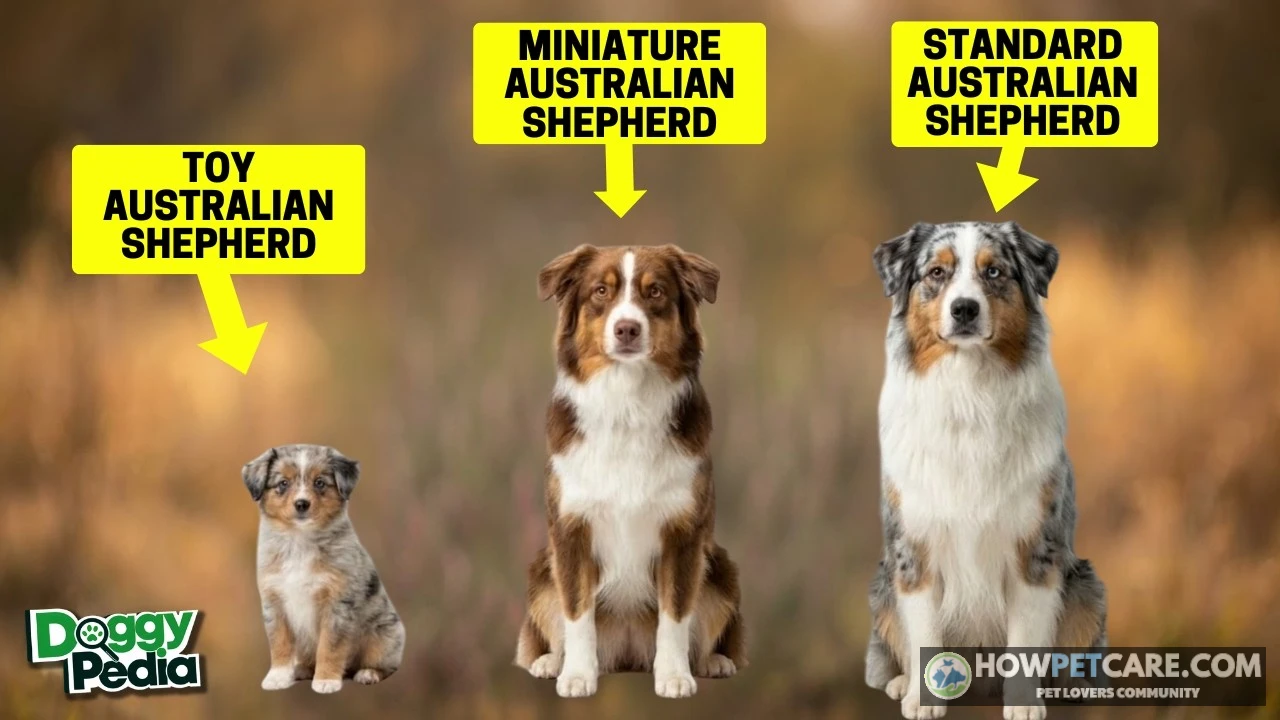
‘Mini Aussie’ is used inconsistently in marketing. Ask whether the dog is registered as a Miniature American Shepherd, what registry documents the parents, and how the breeder describes the dog’s parentage. A smaller dog isn’t automatically a lower-energy or easier dog.
Blue merle, red merle, and other coat colors
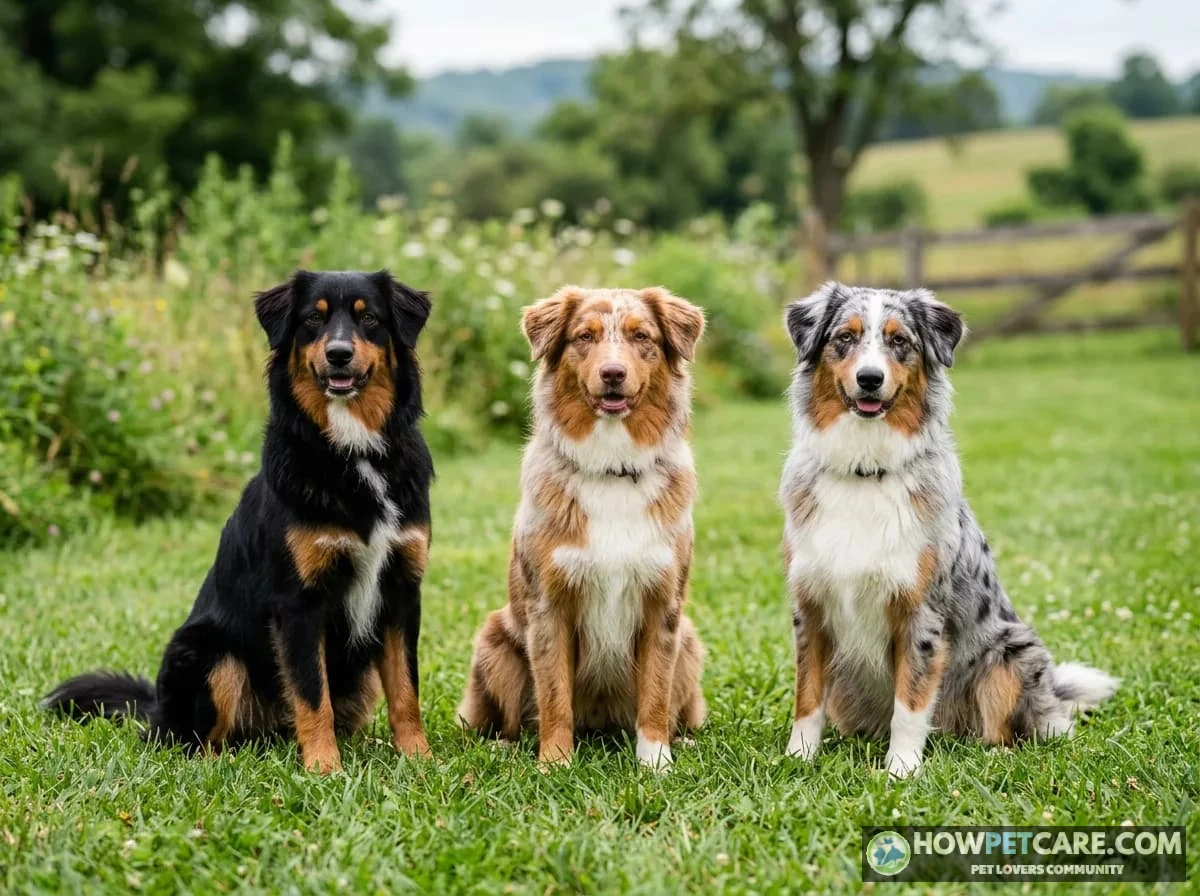
Common Australian Shepherd colors include black, red, blue merle, and red merle, often with white markings and copper points. Merle describes a coat pattern, not a measure of quality, temperament, or health. A puppy’s color isn’t a sound reason to pay a premium.
Breeding two merle-patterned dogs together can produce puppies at increased risk of hearing or vision problems, including deafness and blindness. Ask breeders directly about the coat patterns of both parents and walk away if they breed merle to merle.
Australian Shepherds have a weather-resistant double coat and shed. Their coat needs regular care, and shedding is part of living with the breed. A detailed routine appears below.
 You might be wonderingGriff dog breedGriffon Dog Breed Guide: Types, Costs, and Which One FitsRead the answer
Working-Line vs. Show-Line Australian Shepherds: Which Type Suits a Pet Home?
‘Working line’ and ‘show line’ describe breeding emphasis, not guaranteed personality types. Working or ranch lines are generally selected for herding ability and performance; conformation lines are selected to meet a written breed standard in the show ring. Some dogs come from lines that combine work, sport, and conformation. Individual temperament and energy can still vary substantially within any group.
Energy, build, and temperament differences
| Factor | Working line | Show line | What it means for a pet home |
|---|---|---|---|
| Breeding emphasis | Herding ability, stock work, or working performance | Conformation to a breed standard | Ask what the dogs actually do, rather than relying on a label |
| Energy and intensity | May have strong drive and a need for structured work | May be more moderate, but this isn’t guaranteed | Meet adult relatives and ask about settling at home |
| Build and coat | Can vary with working purpose and family line | Selected for the show standard | Appearance alone does not predict care needs or temperament |
| Training | Often quick to respond but may need experienced handling and an outlet | Can also be highly intelligent and active | Match the puppy to your skill and daily schedule |
| Health | Not inherently healthier or less healthy | Not inherently healthier or less healthy | Verify the same relevant health clearances in either case |
A breeder’s use of ‘working’ or ‘show’ is only a starting point for questions. Ask what activities the parents do, how they behave when not working, and what level of daily activity they need. Registry papers don’t guarantee a particular temperament or health outcome. No line is automatically free of inherited health concerns.
Choosing between working, show, and rescue
A first-time pet household may find a moderate-energy dog easier to live with than a puppy selected for intense stock work. A responsible breeder should discuss your schedule and experience and help match a puppy to your home, rather than invite you to choose solely by color or sex. Ask what the breeder does with their dogs and which parent’s temperament is most likely to appear in the puppy.
An adult rescue can be a good option when you want more information about a dog’s established behavior. Foster caregivers may be able to describe how the dog handles children, cats, visitors, alone time, and daily activity. An adult dog can still need training and adjustment, and health history may be incomplete, but known behavior can make matching easier than guessing at a puppy’s adult temperament.
How Much Exercise Does an Australian Shepherd Need? Plans for Apartments, Suburbs, and Acreage
A healthy adult Aussie typically needs about 1–2 hours a day of combined physical activity and mental work. Individual needs differ with age, health, temperament, and training, so this isn’t a prescription to run every dog for the same duration. Mental work counts: scent games, obedience, and learning to settle can be as valuable as adding miles. Puppies need shorter, controlled activities. Ask your veterinarian about safe exercise for a growing dog, and avoid forced repetitive running or jumping until the dog is mature and cleared for that activity.
Can an Aussie live in an apartment?
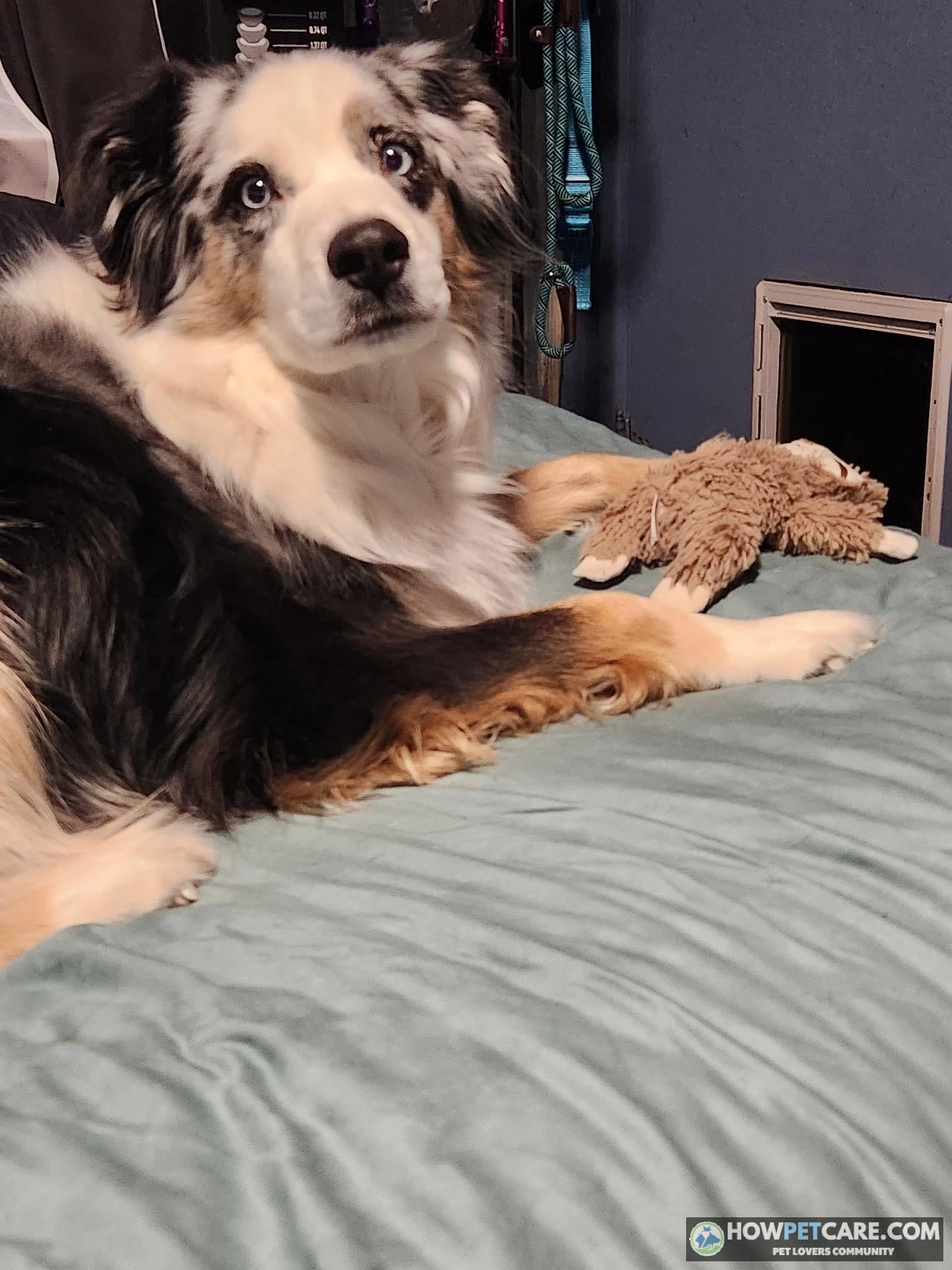
Yes, some Australian Shepherds can live happily in apartments, but the household must provide the activity, training, and quiet routine that the home itself doesn’t supply. Lack of acreage isn’t the deciding factor. Long daily absences, inadequate outings, thin walls combined with alert barking, and no practical place to decompress are more serious obstacles.
Plan ahead for a walker, daycare, or another form of midday support if your schedule leaves the dog alone for long stretches. Daycare isn’t right for every dog, so assess whether the individual enjoys it rather than treat it as a universal solution. Teach a ‘Place’ or settle behavior, reward quiet, and provide walks and enrichment before expecting the dog to rest at home.
Sample daily routines by living situation
These are planning examples, not fixed minimums for every dog. Adjust the total and intensity to the dog’s health and response. If an activity increases frantic behavior rather than helping the dog settle, change the activity or seek professional advice.
| Living situation | Daily physical exercise | Daily mental work | Key risks and fixes |
|---|---|---|---|
| Apartment | Two brisk walks totaling about 45–60 minutes, plus 10–15 minutes of play in a safe enclosed area | Two 10-minute training sessions, puzzle feeding, and a short scent game | Noise and limited decompression space: practice settling, use barriers and a calm pre-departure routine, and arrange midday help when needed |
| Suburban yard | A 45–75-minute walk or other suitable movement, plus about 15 minutes of structured fetch with clear start and stop cues | Short obedience practice, rotating food puzzles, and calm exposure to neighborhood activity | A yard is not a replacement for walks or interaction; supervise outdoor play and interrupt fence-running or escalating barking |
| Rural or acreage | About 60–120 minutes of suitable movement such as hikes, recall practice, or swimming if the dog enjoys it | Boundary waits, scent tasks, and manners around gates and livestock | Space can enable unsupervised chasing; keep livestock exposure controlled and use a qualified trainer for stock work |
For an apartment weekday, a workable pattern might be a morning walk, breakfast in a puzzle feeder, a midday walker or activity break, a short training session after work, and an evening sniff walk followed by a quiet settle. On weekends, add a class, longer outing, or sport rather than expect one marathon session to make up for inactive weekdays.
Mental stimulation and herding-sport outlets
Use food puzzles, ‘find it’ scent games, brief obedience refreshers, and rotating toys to give the dog manageable problems to solve. Games should have clear start and end cues so excitement doesn’t spill into chasing household members. Consider agility, treibball, nose work, dock diving, or a herding-instinct lesson if the dog is suitable and you have access to qualified instruction. Stock work should be controlled and taught by someone experienced; don’t introduce a dog to livestock and hope instinct alone will produce safe behavior.
Watch for patterns such as destructive chewing, pacing, demand barking, window guarding, or increasingly frequent heel-nipping. Keep a simple daily log of activity and behavior for a week. If problems appear repeatedly, first check whether the dog is getting enough suitable activity, sleep, and predictable rest; adding ever more intense exercise isn’t always the answer.
How to Stop Nipping, Heel-Herding, and Chasing: A Step-by-Step Training Plan
An Aussie’s instinct to manage movement can be redirected, but punishment isn’t a useful substitute for teaching an alternative. Yelling, pinning, or painful corrections can increase fear or arousal and may make a defensive response more likely. Start by preventing rehearsals of chasing and nipping, then practice a replacement behavior when the dog is calm enough to learn.
Why Aussies herd, and why punishment makes it worse
Every time the dog chases a child and the child runs, the chase becomes its own reward. The goal is to make chasing harder to rehearse and calm choices more rewarding. Children shouldn’t be responsible for training or restraining the dog; adults manage the environment and supervise.
The five-step herding correction plan
The following four-week progression is a practical framework, not a guaranteed timetable. Move forward only while the dog can respond calmly. Reduce the challenge if the dog locks onto a moving person or can’t take food or respond to a cue.
-
Week 1: Prevent rehearsal
Use a leash or house line when needed, put baby gates across busy routes, and supervise every dog-child interaction. Teach children to stop, cross their arms, and stand still if the dog starts to chase; an adult should call the dog away and create space. Record triggers such as running, bikes, visitors, or evening excitement so you can plan ahead.
-
Week 2: Teach a replacement
In a quiet room, practice Sit, Down, Place, a hand target, and tug on cue. Reward calm behavior promptly, before a nip occurs. Add short Wait-at-the-door and Leave It practice. Use brief sessions and stop while the dog is still engaged.
-
Week 3: Introduce movement at a distance
With the dog leashed, have one person move slowly at a distance while another rewards the dog for staying on Place or turning back to the handler. Increase movement gradually, from walking to faster movement, only while the dog can respond calmly. If the dog stares, stalks, or stops responding, increase distance and reduce the challenge.
-
Week 4: Add an appropriate outlet and maintain management
Use games such as fetch or treibball with clear start and end cues, and practice recalls away from movement. Keep gates, supervision, and other safety measures in place as the behavior improves; don’t assume that a few successful sessions make unsupervised interactions safe.
Give children a simple ‘be a tree’ rule, but remember that the adult is responsible for intervening. Never rely on a child freezing to keep a dog safe; use distance, a leash, or a gate to prevent access to situations the dog can’t handle.
Puppy socialization and early obedience basics
Introduce a puppy to everyday sounds, surfaces, people, handling, and calm dogs in positive, manageable ways. The commonly discussed early socialization period is around 3–14 weeks; coordinate outings with your veterinarian’s advice about vaccination and local disease risk. Socialization means safe, positive exposure, not overwhelming the puppy or allowing every person and dog to approach.
Teach a reliable recall, Sit, Down, Leave It, Wait, and a calm resting cue in short sessions. Practice around gradually increasing distractions, not first in the middle of a chaotic dog park. Reward the behavior you want and give the puppy planned naps and quiet time; tired and overstimulated puppies may become more mouthy.

When to bring in a professional
Contact a certified reward-based trainer or veterinary behavior professional if the dog breaks skin, guards people or objects, shows fear-driven reactivity, or can’t disengage from chasing. Seek help early rather than wait for a bite. Avoid shock collars and other aversive tools for herding behavior; suppressing warning signals doesn’t teach the dog a safe alternative.
MDR1 Drug Sensitivity and Other Australian Shepherd Health Problems
MDR1, also called ABCB1, is a genetic variant that can affect how a dog handles certain medications. In susceptible dogs, some drugs may reach the brain at higher levels and cause serious neurological effects. Risk depends on the specific drug, dose, and dog, so medication decisions belong to a veterinarian—not an online list or a product label. Test the dog and give the result to every veterinary professional who treats it.
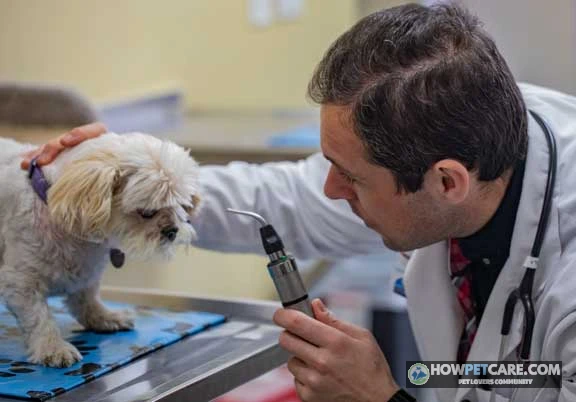
What MDR1 is and which medications to flag
Ask your veterinarian about drugs on the current Washington State University MDR1 drug list. Medications commonly flagged for caution include ivermectin, particularly at higher doses; loperamide (Imodium); the chemotherapy drugs vincristine, vinblastine, and doxorubicin; acepromazine; and butorphanol. This list is a prompt for a veterinary conversation, not a declaration that every drug is prohibited in every circumstance. A veterinarian must assess the dog’s genotype and the reason for treatment.
Never give human or livestock medication to an Aussie without veterinary direction. Even if a product is available over the counter, the active ingredient and dose may be unsafe for a particular dog.
What to tell your vet and groomer
Test early and keep the lab report in the dog’s medical record. Tell your regular veterinarian, emergency clinic, and any professional who may handle or treat the dog that it has an MDR1 result requiring review. A groomer doesn’t prescribe medication, but should know not to administer a product or treatment without your consent and veterinary guidance. Keep a note with the dog’s records and make the result easy to find during an emergency.
| MDR1 result | General meaning | Owner action |
|---|---|---|
| Clear/normal | No tested variant detected | Keep the result on file; medication decisions still belong to the veterinarian |
| Carrier | One copy of the variant | Tell the veterinarian and check medication choices against the dog’s result |
| Affected | Two copies of the variant | Make sure every treating veterinarian knows; discuss any medication risk before treatment |
For inheritance, a clear dog bred to a carrier dog is expected to produce about half carrier puppies and half clear puppies. Two carriers can produce, on average, 25% clear, 50% carrier, and 25% affected puppies. An affected dog bred to a clear dog produces carrier puppies under this simple inheritance pattern. These are expected proportions across a litter, not a promise about the outcome for any particular puppy. A carrier or affected dog’s result is a reason for medication precautions; breeding decisions should be made with verified test results and knowledgeable veterinary and breeding advice.
Genetic testing checklist and how to read the results
For a prospective puppy, ask for the parents’ actual test records, not only a verbal assurance. Some tests are DNA-based and can be done at any age; joint evaluations have age and method requirements. Clarify whether a document is a preliminary assessment or a final certification.
Health Testing and MDR1 Safety Checklist
- MDR1/ABCB1 DNA result for each parent; save your dog’s own report after testing.
- Hip and elbow evaluations through OFA or an appropriate alternative such as PennHIP; OFA final certifications are generally at 24 months, while preliminary assessments may be possible earlier depending on method and veterinary advice.
- A dated examination by a veterinary ophthalmologist. Ask what was checked, including CEA (collie eye anomaly), cataracts, and progressive retinal atrophy (PRA), and whether applicable DNA testing was also performed.
- Ask about HSF4-associated cataract testing where relevant, and the family history of epilepsy and autoimmune disease.
- Ask whether the parents’ merle patterns could create a merle-to-merle pairing. Don’t accept such a pairing as a harmless color choice.
CEA isn’t identical to an MDR1 drug-sensitivity test, and an eye examination isn’t interchangeable with DNA testing. Ask a veterinarian or the testing organization to explain what each specific result does and doesn’t establish. A clear test for one condition doesn’t mean a dog has no inherited health risks.
Hip dysplasia, collie eye anomaly, and other conditions
Australian Shepherds can be affected by hip or elbow dysplasia, eye disorders, epilepsy, and autoimmune conditions. A risk in a breed isn’t a diagnosis in an individual dog. Ask the breeder for documented clearances and family history, and ask your veterinarian which screening is appropriate as your dog grows. A double-merle breeding can add risk of hearing and vision problems; coat color alone doesn’t establish that a particular dog is affected.
Australian Shepherd Shedding and Double-Coat Grooming: A Realistic Routine
Aussies shed year-round, and many shed more heavily during seasonal coat changes. Their double coat is weather-resistant and needs regular grooming. Expect loose hair on clothing and floors. No brushing routine can make a shedding breed hair-free.
Weekly brushing routine
Once a week, work through the coat with a slicker brush or suitable undercoat tool, then use a comb to check behind the ears, around the chest, and through the longer hair on the legs and britches. Those areas can tangle and mat. Work gently and stop if the dog becomes uncomfortable; grooming should be taught gradually, not turned into a wrestling match.
Check nails, ears, teeth, and skin as part of routine care. Trim nails when needed, clean ears only as your veterinarian recommends, and build tooth brushing into a positive routine. Bath frequency depends on the dog’s coat and activity; rinse and dry thoroughly when a bath is needed, and brush out loose undercoat before bathing to reduce tangles.
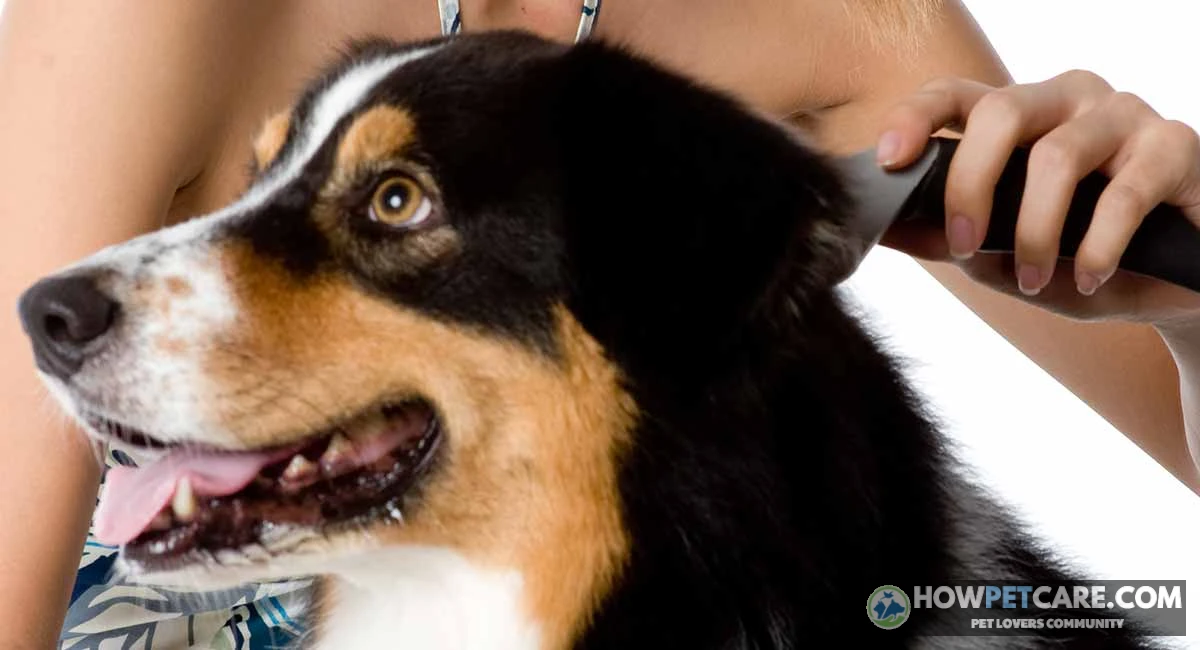
Seasonal blowouts and what not to do
During heavy shedding periods, brush more frequently and remove loose undercoat in manageable sessions. A high-velocity dryer or deshedding bath may help, but use appropriate equipment and technique; ask a professional groomer to demonstrate if you’re unsure. Vacuum regularly, keep washable covers on favorite resting spots, and use a lint roller for clothing.
Don’t shave an Australian Shepherd’s double coat as a routine way to reduce shedding or keep the dog cool. Shaving can interfere with the coat’s protective function and may affect regrowth. If coat or skin changes seem unusual, discuss them with your veterinarian instead of assuming a supplement will fix the problem. Diet and supplements should be a veterinary conversation, especially if the dog has itching, bald patches, or persistent skin irritation.
Buying or Adopting an Australian Shepherd: Puppy Cost, Breeder Red Flags, and Rescue Options
The purchase price of a puppy varies by location, line, pedigree, and what health testing and early care a breeder provides. Without a verifiable current survey, a precise national price range would be misleading. In the U.S., expect a well-bred pet puppy to be a four-figure purchase in many regions, and compare written quotes that explain what is included. Be wary of both unusually low prices paired with missing health documentation and high prices justified mainly by ‘rare’ colors or mini size.
What an Aussie puppy really costs
The puppy’s purchase price is only one part of the budget. Plan separately for routine veterinary visits and vaccinations, spay or neuter care if appropriate, food, a crate or pen, grooming tools, training classes, and an emergency fund or pet insurance. Activities such as daycare, private training, or dog sports can add recurring expenses. The right budget depends on local prices and the dog’s needs, so get estimates from nearby veterinary and training providers before committing.
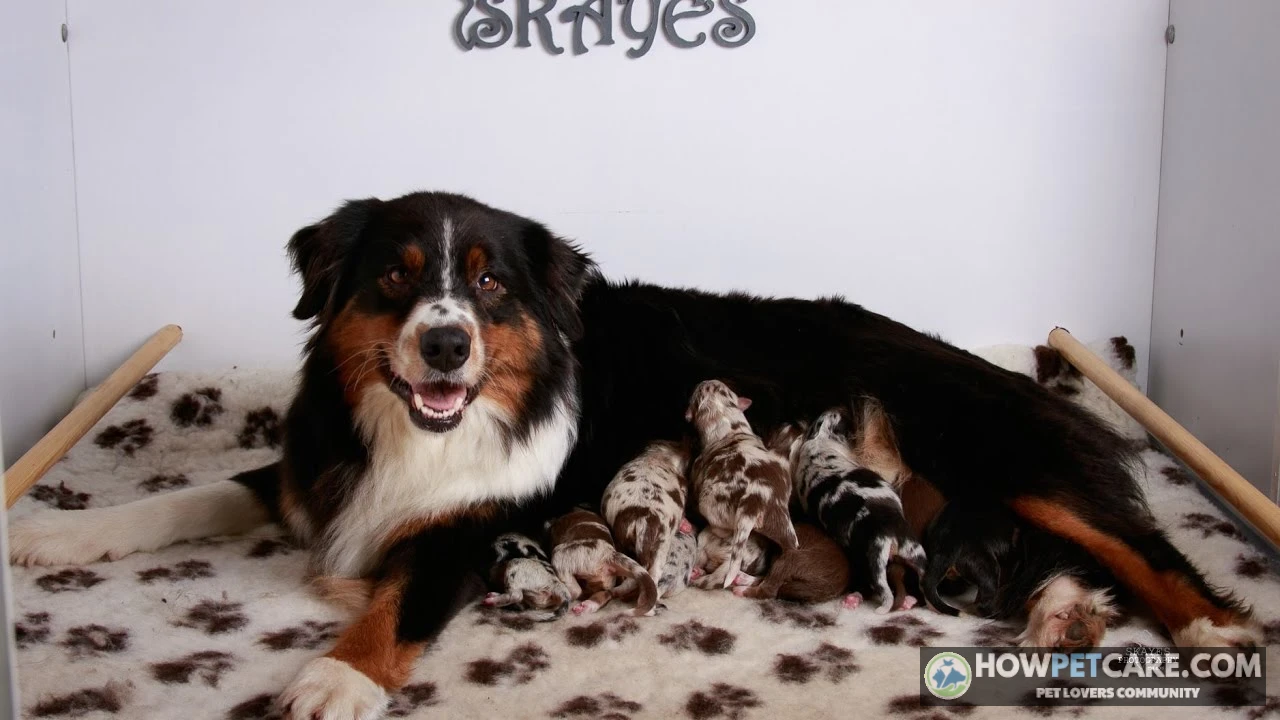
Breeder-vetting checklist and red flags
A responsible breeder should welcome questions and ask questions of you. They should be able to explain the dogs’ health, temperament, and daily lives, and provide records you can verify. Ask to see documents before paying a deposit.
Breeder and Rescue Vetting Scorecard
- Written health records for both parents, including MDR1/ABCB1 results, hip and elbow evaluations appropriate to age, and a dated eye examination. Verify identifying details and registry numbers where applicable; don’t rely on a cropped screenshot.
- A written contract explaining health terms, what happens if you cannot keep the dog, and any pet-home or spay/neuter provisions.
- Veterinary, vaccination, deworming, and microchip records for the puppy.
- Puppies raised with appropriate handling and everyday household exposure, with a chance to learn about at least one parent’s temperament.
- A thoughtful matching process or waitlist. The breeder should ask about your work schedule, children, pets, training plans, noise constraints, and activity level.
- Clear answers about what the parent dogs do for work or sport and how they behave at home.
- A plan for follow-up support and a commitment to help if circumstances change.
- Actual test certificates available for review, with enough information to verify which dog was tested and what the result means.
Ask what the breeder does with their dogs, which parent’s temperament you should expect, how they match puppies to homes, and what happens if you can no longer keep this dog. A breeder who takes the dog’s lifetime welfare seriously should be willing to discuss that last question plainly.
Red flags include ‘vet-checked’ in place of named health clearances, merle-to-merle breeding, puppies available all the time, many unrelated breeds for sale, pressure to send a deposit through a payment app before you can verify the seller, refusal to discuss the parents, and claims that a line has no health problems. Marketing based on ‘rare’ color or mini size isn’t a substitute for evidence of health and temperament.
Rescue and adult-dog alternatives
Breed-specific Australian Shepherd rescues and local shelters may have puppies, adults, or seniors looking for homes. A foster-based rescue may be able to share observations about the dog’s response to children, cats, visitors, car rides, and time alone. Ask what is known and what remains uncertain. An adult dog’s established behavior can help you choose a better match, though a rescue dog may have an incomplete health history or need time and training to settle into a new home.
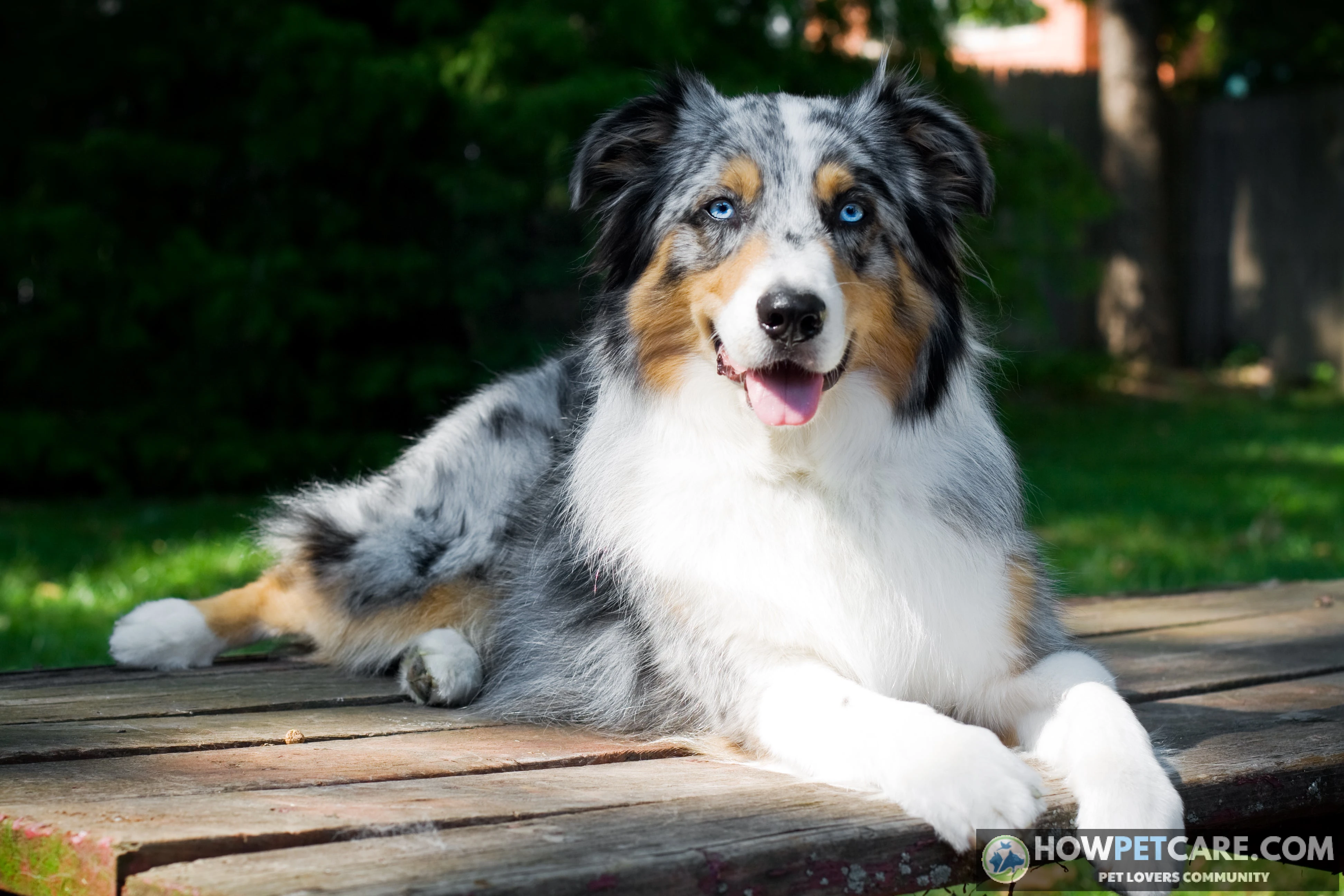
If an adopted dog’s MDR1 status is unknown, discuss testing with your veterinarian and treat medication decisions as a veterinary matter. Use national breed-club resources and established adoption organizations to learn about responsible sourcing; this guide doesn’t endorse individual breeders or serve as a puppy directory.
Your Next Steps: A Decision Checklist Before You Commit to an Aussie
Before you contact a breeder or rescue, write down how much time you can reliably provide on an ordinary weekday—not an ideal weekend. Include work hours, midday coverage, exercise, training, grooming, and veterinary costs. Be honest about whether household members will share the work and whether children can follow safety rules around the dog.
Choose Go ahead if your household can consistently meet the activity and training needs, manage barking and shedding, supervise children and pets, and budget for routine and unexpected care. Choose Wait and prepare if the fit seems possible but you need to arrange a walker, book training, secure a safe exercise area, or learn more about the breed first. Consider a different breed or an adult dog with a known lower activity level if your schedule leaves little time for daily interaction or your household wants a companion that needs minimal exercise and training.
Before committing, try the lifestyle for two weeks: schedule the walks and short training sessions you expect to provide, including on busy days and in poor weather. Meet adult Australian Shepherds, not only young puppies, and ask owners what they find challenging. Book a trainer consultation if you’re new to dogs, and identify a veterinarian you can call before bringing a puppy home. Then compare breeders or rescues using the health and temperament questions in this guide.
During the first month, establish a predictable routine for sleep, feeding, bathroom breaks, and calm alone-time practice. Arrange a veterinary visit, share any MDR1 result, and ask about vaccination-safe socialization and age-appropriate activity. Start reward-based training, prevent unsupervised chasing, and make sure every household member knows how to give the dog space. Individual lifespan varies, so choose with the full commitment of caring for an individual dog throughout its life.
 You might be wonderingDoberman pinscher dogDoberman Pinscher Dog: Costs, Health & Is It Right for You?Read the answer
FAQ
What is the difference between an Australian Shepherd and an Australian Cattle Dog?
They are separate breeds. Australian Shepherds were developed in the U.S. and have a long, feathered double coat and a people-focused herding style. Australian Cattle Dogs came from Australia, have a short coat, and were bred to drive cattle by nipping at heels, which usually makes them tougher and more independent.
Is an Australian Shepherd the same as a Border Collie?
No. Both are high-energy herding breeds, but Border Collies generally have a more intense ‘eye’ and are often more sensitive to being under-stimulated, while Aussies are typically a bit more sturdy and sociable. Either breed needs daily exercise and training.
Can an Australian Shepherd be left home alone while I work?
A well-exercised, trained adult may manage a standard work day if it has a morning workout and midday help such as a walker or daycare. Long daily absences often lead to barking, chewing, and anxiety, and puppies should not be left for long periods.
Do Australian Shepherds bark a lot?
They are alert dogs and often bark at noises, visitors, and when bored. Early training of a ‘quiet’ cue and enough exercise and mental work reduce nuisance barking, but a low-noise Aussie is unlikely.
Are blue merle Australian Shepherds healthier or rarer than other colors?
No. Coat color does not make a dog healthier or more valuable in itself. The merle gene is a health concern only when two merles are bred together, which can produce puppies with deafness or blindness.