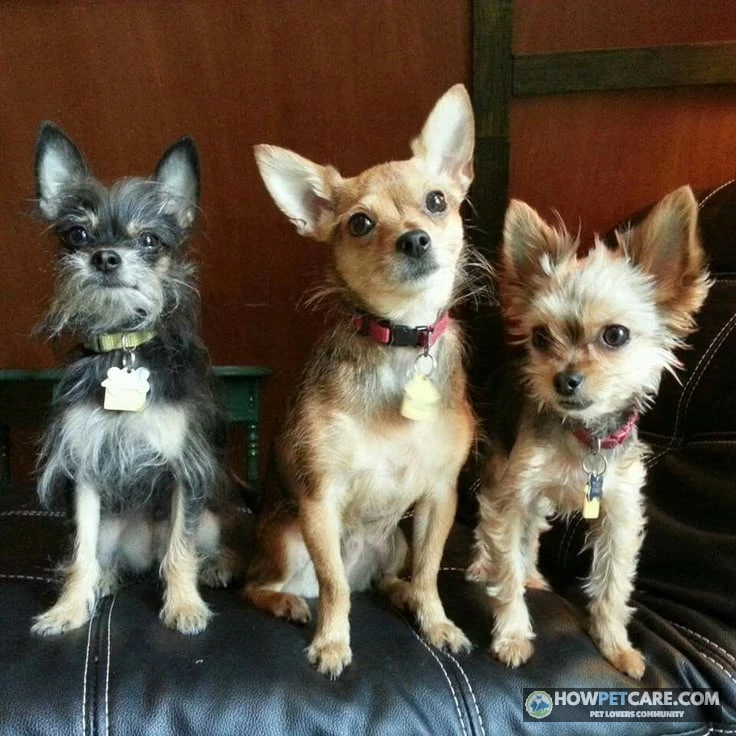

A Chorkie, or Chihuahua Yorkie mix, is a small companion dog weighing 4–10 lb (1.8–4.5 kg), standing 6–9 in tall, and living roughly 10–15 years. It blends the Chihuahua’s bold, loyal temperament with the Yorkshire Terrier’s silky coat, and typically suits apartments and experienced owners of gentle, older children.
A Chorkie, also called a chihuahua yorkie mix, combines a Chihuahua’s bold, alert personality with a Yorkshire Terrier’s silky coat. This small companion typically weighs 4–10 lb (1.8–4.5 kg) and stands 6–9 in (15–23 cm) tall. Chorkies live 10–15 years. They can suit apartment life, but their small size brings real risks: they’re fragile, may bark often, and puppies face a high risk of hypoglycemia. This guide covers typical costs, daily care, veterinary needs, training, and how to find a responsible breeder or rescue.
Chihuahua Yorkie Mix at a Glance: Size, Lifespan and Fit
Quick stats
- Weight: 4–10 lb (1.8–4.5 kg)
- Height: 6–9 in (15–23 cm)
- Lifespan: 10–15 years
- Coat: Variable — short to long and silky; brush 2–3 times per week (daily for long coats); bathe every 1–2 weeks; professional trims every 4–6 weeks
- Recognition: Not AKC-recognized; listed by the Designer Dogs Kennel Club and the American Canine Hybrid Club

A Chorkie’s size can make city living and travel easier, but this is a delicate dog. Handle it carefully, dress it warmly in cold weather, and supervise it around toddlers and larger dogs. Chorkies tend to stay close to their people and may bond most strongly with one or two family members. Long periods alone can trigger separation distress. They also bark at unfamiliar sounds, strangers, and the mail carrier; early training can help manage that instinct.
Chorkie Temperament: Kids, Pets and Apartment Life
Is a Chorkie a Good Family Dog?
Chorkies often combine a Chihuahua’s confidence with a Yorkshire Terrier’s affection. The result is usually a playful, curious dog that wants to be near its people. They may do well with older children (age 8+) who know how to handle a small dog gently. But Chorkies are fragile and may snap or bite if provoked or handled roughly. Introduce other pets gradually, supervise their meetings, and never leave a Chorkie alone with a larger dog that could injure it by accident.
Apartment life can work if you’re ready for regular barking, short daily exercise, and gradual alone-time training. Chorkies may alert to hallway noises, traffic, or the doorbell. Noise-sensitive neighbors make consistent behavior training especially important.

Chorkie vs. Parent Breeds and Other Toy Mixes
| Dog | Typical size | Coat and grooming | Common tendencies | Household considerations |
|---|---|---|---|---|
| Chorkie (Chihuahua × Yorkie) | ~4–10 lb, 6–9 in | Coat varies from short to long and silky; brush 2–3 ×/week, daily for long coats; trim every 6–8 weeks if clipped | Alert, people-attached, often vocal; traits vary by individual and generation | Suits apartments with training; fragile around young kids and large dogs; dislikes long alone time |
| Chihuahua | ~2–6 lb, 5–8 in | Smooth or long coat; low-to-moderate grooming; gets cold easily | Bold, loyal to one or two people, prone to barking and nervousness | Very fragile; needs gentle handling, warm clothing in cold weather, close supervision with children |
| Yorkshire Terrier | ~4–7 lb, 7–8 in | Long silky coat needs daily brushing or a short clip; professional grooming every 4–8 weeks | Feisty, affectionate, terrier-bold; often vocal | Similar fragility to Chihuahuas; higher grooming budget and time commitment |
| Morkie (Maltese × Yorkie) | ~4–8 lb, 6–9 in | Long soft coat, often non-shedding in appearance but still needs daily brushing and regular clipping | Playful, people-oriented, frequently prone to separation distress | Best for households that are home most of the day; high grooming upkeep |
| Chiweenie (Chihuahua × Dachshund) | ~5–12 lb, 6–9 in | Short or long coat; low-to-moderate grooming | Stubborn but trainable, likes to burrow; may inherit the Dachshund’s elongated back | Elevated back-injury (IVDD) risk — use ramps, avoid jumping off furniture and rough stairs |

Mixed-breed traits can vary considerably. Two Chorkie puppies from the same litter may differ in size, coat, and tendency to bark. These descriptions are typical, not guarantees.
Chorkie Health Risks and First-Year Vet Timeline
Inherited Conditions and the Limits of Hybrid Vigor
Reported health concerns in Chorkies include patellar luxation, tracheal collapse, patent ductus arteriosus (PDA), and hypoglycemia in toy puppies. “Hybrid vigor” is sometimes used to claim mixed breeds are healthier. Chorkies can still inherit genetic conditions from either parent, though, and aren’t guaranteed to be healthier than purebreds. Ask for a detailed puppy history and arrange regular health screenings, especially dental and cardiac checks.
Hypoglycemia in a toy-breed puppy is an emergency. Watch for weakness, wobbliness, trembling, glassy eyes, or seizures. If a puppy under about 4 months shows these signs, rub a little corn syrup or honey on its gums and seek veterinary care immediately. Don’t wait for a scheduled visit.
First-Year Vaccination, Deworming and Checkup Timeline
- 6–8 weeks (often done by the breeder): The puppy gets its first DHPP (distemper/parvo) shot, deworming, and a general wellness exam. Ask for the record when you pick it up.
- 8–10 weeks (first week home): Schedule a vet visit within 3 days of arrival. Bring a stool sample and all paperwork.
- 10–12 weeks: The puppy gets a second DHPP booster and a fecal test or deworming. Ask your vet about starting monthly flea/tick and heartworm preventives.
- 14–16 weeks: The puppy gets its final DHPP booster and rabies vaccine (required by law in most states). Your vet may also recommend Bordetella or leptospirosis vaccines based on lifestyle.
- Around 6 months: Discuss spay/neuter. Many vets perform the procedure at ~6 months for toy breeds, while some wait slightly longer. Have the puppy microchipped if it hasn’t been already (~$25–$60).
- 6–9 months: Schedule a dental check. Toy breeds often retain baby teeth that need extraction, sometimes during spay/neuter.
- ~12 months: Book the first adult wellness exam, booster shots, and a baseline dental assessment. Toy breeds often need professional cleanings every 1–2 years starting in early adulthood.

Urgent exception: Weakness, wobbliness, trembling, glassy eyes, or seizures in a puppy under ~4 months may signal hypoglycemia. Rub a little corn syrup or honey on the gums and get to a vet immediately; don’t wait for the next scheduled visit.
How to Feed and Care for a Chorkie Puppy
Puppy Feeding Schedule and Hypoglycemia Prevention
| Age | Current weight | Estimated calories per day | Sample meals per day | Portion calculation and cautions |
|---|---|---|---|---|
| 8–12 weeks | 2–4 lb | ~150–250 kcal | 4 meals (every ~4 hours while awake) | Toy puppies this age are highest risk for hypoglycemia — never skip a meal |
| 3–6 months | 3–6 lb | ~200–350 kcal | 3–4 meals | Keep a bedtime snack; gap between meals should not exceed ~5–6 hours |
| 6–12 months | 4–8 lb | ~250–400 kcal | 2–4 meals | Transition to adult food around 10–12 months per your vet’s guidance |
| 12 + months (adult) | 5–9 lb | ~200–325 kcal | 2 meals | Toy breeds gain weight fast — measure food, don’t free-feed |
How to calculate a portion: Divide the daily calorie target by the kcal per cup listed on the food bag. Then divide that amount by the number of meals. For example, a 5-month-old that needs 300 kcal/day and eats food with 400 kcal/cup gets 0.75 cup/day, split into 3 meals of ¼ cup each.
Hypoglycemia-prevention meal schedule (for puppies under ~4 months): Feed at roughly 7 am, 11 am, 3 pm and 7 pm, then give a small snack at bedtime. Keep honey or corn syrup on hand for emergencies. If the puppy skips more than one meal, call a vet that day.

Exercise, Dental Care and Grooming Needs
- Exercise: A healthy adult Chorkie needs about 20–30 minutes of activity daily, split between two short walks or play sessions. Puppies have less stamina; aim for 10–20 minutes several times a day. Indoor play, puzzle toys, and brief, supervised time outside can round out the routine.
- Dental care: Brush teeth 3–4 times per week with canine toothpaste. Schedule a professional cleaning every 1–2 years (cost $300–$700) to address toy-breed dental crowding.
- Grooming: Brush the coat 2–3 times per week; long-coated pups need daily brushing. Bathe every 1–2 weeks. Professional trims every 4–6 weeks help keep the coat tidy and reduce matting. Typical grooming cost $0 (DIY) to $50–$70 per session.

Train a Chorkie to Bark Less and Stay Calm Alone
A Step-by-Step Barking Plan
- Identify triggers: Note what sets off barking, such as the doorbell, other dogs, or strangers. Manage the environment by closing curtains, using a crate, or teaching a silent cue.
- Teach a "quiet" cue: When the puppy pauses after barking, say "quiet" and offer a high-value treat. Reward 3–4 seconds of silence, then gradually ask for longer pauses.
- Desensitize: Introduce triggers at a low level, such as a recorded doorbell, and reward calm behavior. Increase the intensity over weeks.
- Get everyone on the same plan: Each family member should respond consistently. If one person ignores the barking, progress can stall.
- Avoid punishment: Yelling or hitting can raise anxiety and make nuisance barking worse.
- Practice in stages: Begin with 10 second trials, then extend to 1 minute and longer. End each session when the dog is calm.
A Step-by-Step Alone-Time Plan
- Find the baseline (1 day): Set up a pet camera, step outside for 5 minutes, and note when whining or pacing begins. Start training below that threshold.
- Defang the departure cues (2–3 days): Pick up your keys, put on your shoes, or grab your coat at random times, then sit back down. Repeat 5–10 times a day until the puppy stops reacting to the routine.
- Days 1–3, real departures: Step outside and return after 30–60 seconds, before whining begins. Do 3–5 reps per session, twice daily. Come back calmly, without a big greeting.
- Days 4–7: Extend absences to 2–5 minutes, varying the length so the puppy can’t predict them. Offer a food-stuffed toy only while you’re away, and pick it up when you return.
- Week 2: Build up to 10–15 minutes. Begin leaving through different doors and at different times of day.
- Weeks 3–4: Work toward 20–40 minutes. Once the dog can stay calm for 40 minutes, many can build up to longer absences; add time in ~15 minute jumps.
- Going back to work? Arrange a midday dog walker, a neighbor check-in, or a few half-days to ease the transition instead of starting with a full workday.

When to get help: If the puppy can’t tolerate 30 seconds alone, injures itself, destroys exits, or loses bladder control from panic, stop the protocol and contact your vet or a certified separation-anxiety trainer. That’s a clinical issue, not a training gap.
Chihuahua Yorkie Mix Price and Ownership Costs in the US
Puppy Price vs. Adoption Fee
Breeder listings from 2025–2026 show Chorkie puppies priced between $500 and $1,500 for a standard F1 puppy. “Teacup” or unusually small puppies may be listed for $2,000 + because of marketing hype. Adoption fees vary widely, from $75 to $400 through shelters, rescue groups, or breed-specific rescues. Those fees often include spay/neuter, a microchip, and the first round of vaccinations, making adoption the less expensive option.
Monthly and First-Year Budget
| Expense | One-time or recurring | Estimated US cost | First-year treatment | Assumptions and source date |
|---|---|---|---|---|
| Breeder purchase price | One-time | ~$500–$1,500 | Paid upfront; "teacup" marketing often inflates to $2,000 + | Typical online listing ranges, 2025–2026; adoption is far cheaper |
| Adoption fee (shelter/rescue) | One-time | ~$75–$400 | Usually includes spay/neuter, microchip and first shots | Shelter/rescue fee schedules, 2025–2026 |
| Puppy vaccine series + exams | Recurring (first year) | ~$150–$350 | 3–4 vet visits in the first 4 months | General small-animal clinic pricing |
| Spay/neuter | One-time | ~$200–$600 (private vet); ~$50–$150 (low-cost clinic) | Around 6 months | Varies widely by region and clinic type |
| Microchip | One-time | ~$25–$60 | Often bundled with adoption or surgery | Clinic pricing, 2025–2026 |
| Starter supplies (crate, harness, bed, bowls, gates, toys) | One-time | ~$150–$300 | Buy before pickup day | Big-box pet retailer pricing |
| Food | Recurring | ~$20–$40/month (~$240–$480/yr) | Toy breeds eat little — premium food is affordable at 5–9 lb | ~1–2 cups/day of mid-range kibble |
| Flea/tick/heartworm prevention | Recurring | ~$15–$30/month (~$180–$360/yr) | Monthly, year-round in most regions | Vet-clinic and pharmacy pricing |
| Grooming | Recurring | $0 (DIY brushing) to ~$50–$70 per session every 6–8 weeks | Long-coated Chorkies: ~$300–$560/yr professionally groomed | Grooming salon pricing, 2025–2026 |
| Training classes (optional) | One-time | ~$100–$200 | One puppy manners course | Group-class pricing |
| Pet insurance (optional) | Recurring | ~$20–$40/month | Cheapest to start while young; not counted in the baseline total | Toy-breed premiums, 2025–2026 |
Worked first-year totals (excluding optional insurance):
- Adopted Chorkie: ~$1,100–$2,000 (adoption fee covers most medical startup costs)
- Breeder-purchased Chorkie: ~$2,000–$3,500
After the first year, ongoing costs typically run ~$600–$1,400 /year, plus dental cleanings (~$300–$700 every 1–2 years) and an emergency fund. A single ER visit can exceed $1,000, so budget for a reserve or insurance.

Where to Adopt or Find a Responsible Chorkie Breeder
Adoption and Rescue Search
- Local shelters and rescue groups: Search for "Chihuahua Yorkie mix" and "Chorkie rescue" on Petfinder.com, Adopt-a-Pet.com, and your local animal-control shelter. Regional Chihuahua and Yorkshire Terrier rescue organizations may also keep waitlists for mixed-breed dogs.
- Breed-specific rescues: Contact the Chihuahua Rescue Network and the Yorkshire Terrier Rescue to ask whether they accept mixed breeds. Request a Chorkie profile and behavior questionnaire.
- What to verify: Review the adoption contract, health records, spay/neuter status, microchip ID, and return policy. Responsible rescues won’t charge excess fees for known medical issues.
Breeder Screening and Generation Labels
- Ask to meet the mother: A healthy mother can offer useful clues about the puppy’s health. Check that her living space is clean, calm, and spacious.
- Inspect the puppies’ environment: Puppies should be active and alert, without signs of respiratory distress or dental crowding. Get the vet’s contact information and request vaccination records, deworming dates, and any health screenings performed on the parents.
- Understand generation labels:
- F1: First-generation cross (Chihuahua × Yorkshire Terrier). The puppy may show traits from both parent breeds, but those traits aren’t guaranteed.
- F2: Cross between two F1 Chorkies. Coat texture, shedding, and size may become more predictable, but can also vary more.
- Backcross (F1 backcross to a parent breed): Often used to maintain a specific trait (e.g., longer coat). Repeating a breed in the cross can increase the chance of inherited health issues from that breed.
The generation alone doesn’t guarantee coat, shedding, or size. Evaluate each puppy individually.

Healthy puppies should be active and alert in a clean, spacious environment. (Source: 101dogbreeds) - Red flags: Look elsewhere if a breeder pressures you for an immediate deposit, refuses to show records, always has multiple litters available, or will only ship the puppy.

Your Chorkie Readiness and First-Year Checklist
Household-fit checklist
- ☐ Can you tolerate daily barking and provide consistent training?
- ☐ Can you manage short periods alone and gradual desensitization?
- ☐ Do you have room for a small crate or bed, and can you puppy-proof the home (cords, small objects, toxic plants)?
- ☐ Can you cover recurring costs (food, vet, grooming, occasional training) and set aside an emergency fund?
- ☐ Is everyone at home willing to share feeding, walking, and training?
- ☐ Can you reach a vet that offers after-hours care or an emergency clinic?
- ☐ Are there young children or larger pets who’ll need supervision?
Essential supplies before pickup
- Appropriately sized harness and secure ID tag (with rabies tag and contact info).
- Crate or cozy bed with washable bedding.
- Puppy-safe food and two stainless-steel bowls.
- Soft-bristled brush, nail clippers, and a dog toothbrush with toothpaste.
- Interactive toys (soft plush, kibble-dispensing) and chew toys appropriate for toy breeds.
- Baby gates or barriers to restrict access to certain rooms.
- Poop bags and a waste-bag holder for walks.
Pre-arrival to-home tasks
- Vet appointment: Schedule a wellness exam within 3 days of pickup. Bring any existing medical records.
- Feeding schedule: Confirm the food brand and amount the breeder used. Transition gradually over 1–2 weeks.
- Puppy-proof: Secure cords, store chemicals, block off stairs, and remove small objects the puppy could swallow.
- Set up a routine: Choose feeding times, potty breaks, and short training sessions. Start gentle alone-time exercises as soon as the puppy arrives.
- Socialization plan: Plan safe exposures to new surfaces, brief car rides, and calm visitors after the first round of vaccines, with your vet’s approval.
Ideal-owner notes – who should consider another breed?
- Very busy professionals: If you’re away for 8 + hours daily without a midday break or dog walker, a Chorkie’s tendency toward separation distress may lead to destructive behavior.
- Homes with very young children: Toddlers may handle puppies too roughly and injure a fragile Chorkie.
- Allergy sufferers: Some Chorkies shed less, but they still produce dander and salivary proteins. Be prepared to test your allergies.
- Owners seeking a guaranteed low-maintenance dog: Chorkies need regular dental care, grooming, and consistent training. They aren’t “wash-and-go” pets.
- Those who cannot handle emergency vet costs: Hypoglycemia or PDA can lead to bills over $1,000. Budget for pet insurance or a sizable emergency fund.
If these concerns are deal-breakers, consider a calmer, more independent dog, such as a low-barking older dog. You could also look at a Morkie or Chiweenie after reviewing their trait tables.
| Dog | Typical Size | Coat and Grooming Needs | Temperament & Common Tendencies | Household Considerations |
|---|---|---|---|---|
| Chihuahua | 2–6 lbs, 5–8 in | Smooth or long coat type; low-to-moderate brushing; no professional trimming recommendations mentioned (gets cold easily) | Bold, loyal to one or two people; high attachment levels; prone to barking and nervousness | Suitable for apartments; fragile, needs gentle handling around children; requires warm clothing in cold weather and close supervision with children |
| Yorkshire Terrier | 4–7 lbs, 7–8 in | Long, silky coat type; daily brushing (or short clip); professional trimming every 4–8 weeks | Feisty, affectionate, terrier-bold; often vocal | Fragile around children; requires higher grooming budget and time commitment |
| Morkie (Maltese × Yorkie) | 4–8 lbs, 6–9 in | Long, soft coat type (often non-shedding in appearance); daily brushing; regular professional clipping recommended | Playful, people-oriented; high attachment levels, frequently prone to separation distress | Best for households home most of the day; high grooming upkeep |
| Chorkie (Chihuahua × Yorkie) | 4–10 lbs, 6–9 in | Coat type varies from short to long and silky; brush 2–3 ×/week (daily for long coats); professional trimming every 6–8 weeks if clipped | Alert, people-attached, often vocal; traits vary by individual and generation | Suitable for apartments with training; fragile around young kids and large dogs; dislikes long alone time |
| Chiweenie (Chihuahua × Dachshund) | 5–12 lbs, 6–9 in | Short or long coat type; low-to-moderate brushing; no professional trimming recommendations mentioned | Stubborn but trainable, likes to burrow; vocal inclinations not specified | Elevated back-injury (IVDD) risk — use ramps, avoid jumping off furniture and rough stairs |

FAQ
Is a Chorkie recognized by the American Kennel Club?
The American Kennel Club does not recognize the Chorkie as a purebred breed. Individual mixed-breed dogs may be eligible for some AKC programs under their current rules.
When is a Chorkie fully grown?
Many toy dogs approach their adult size around their first birthday, though timing varies. A veterinarian can assess a puppy’s growth and body condition.
Can a Chorkie be left outside?
A Chorkie should not live outdoors: its small size makes it vulnerable to temperature extremes, predators and injury. Outdoor time should be supervised and suited to the weather.
Are male or female Chorkies better pets?
Neither sex is consistently the better choice for every home. Individual temperament, health, socialization and compatibility with the household are more useful considerations.