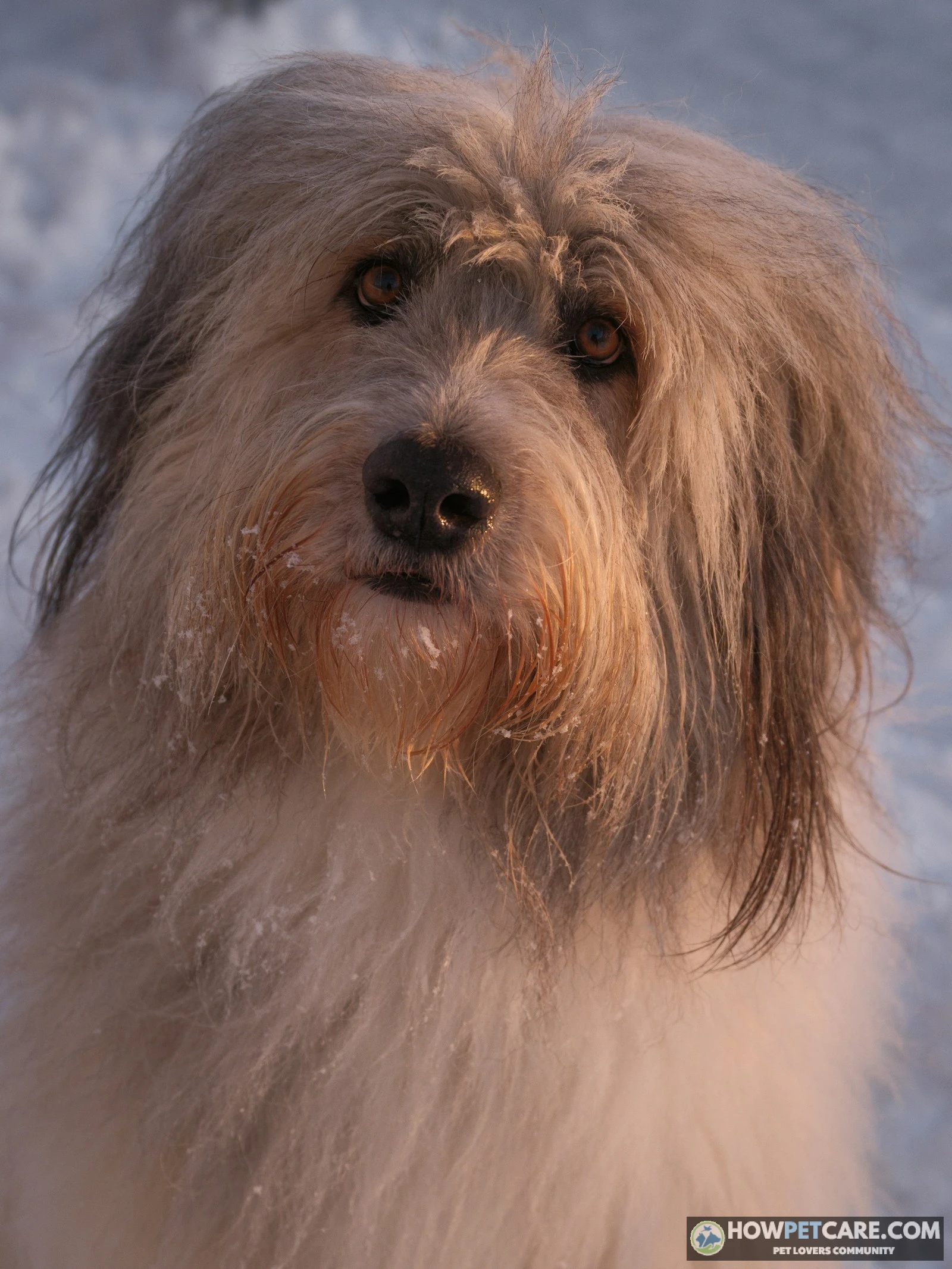

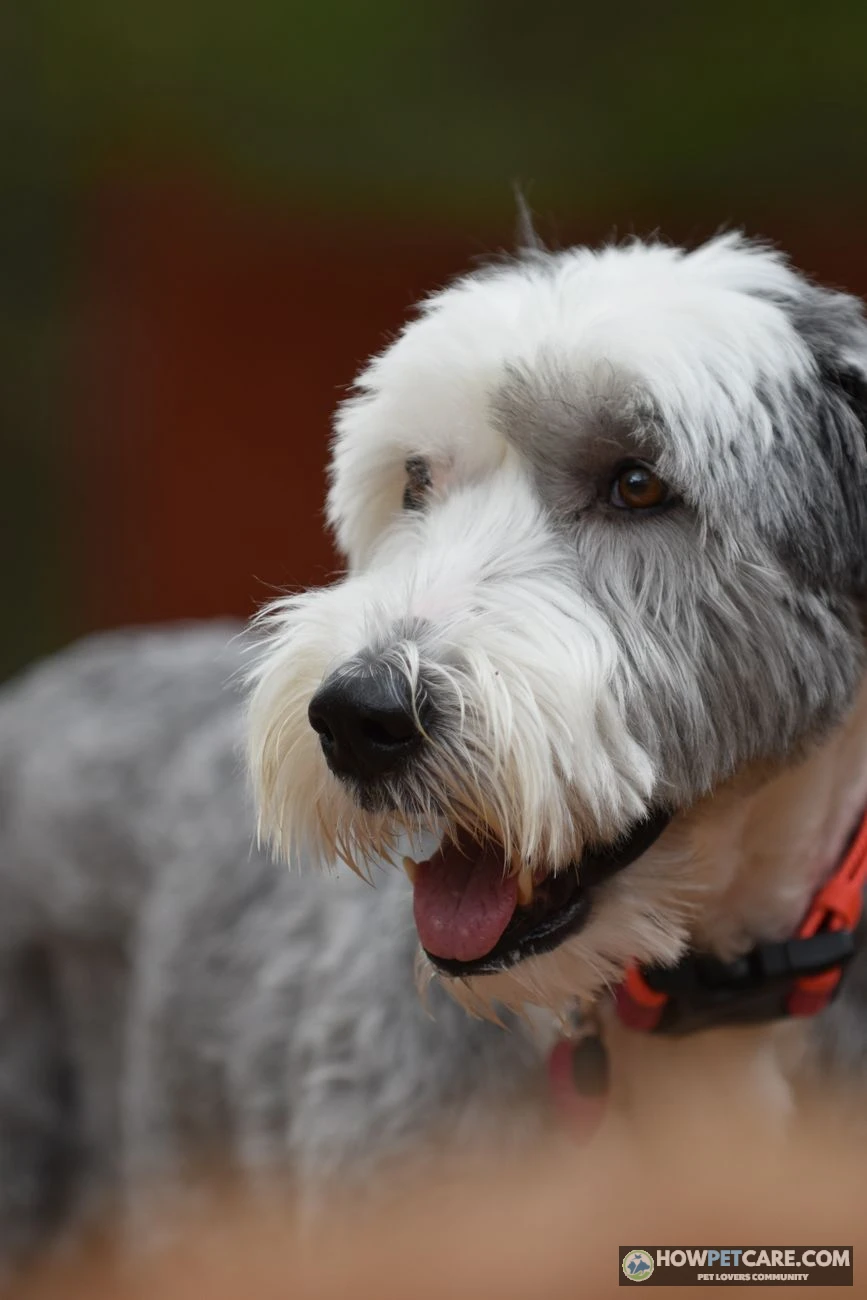
The PON, or Polish Lowland Sheepdog (Polski Owczarek Nizinny), is a medium-sized, shaggy herding breed from Poland. Intelligent and watchful, it needs regular coat care, daily exercise, and consistent training, and suits prepared owners rather than hands-off first-timers.
PON Dog Breed at a Glance: Name, Size, Lifespan and Fit Verdict
The PON, or Polish Lowland Sheepdog, is a medium-sized, shaggy herding dog best suited to people prepared for regular coat care, daily activity and consistent training. Expect an intelligent, watchful companion—not an effortless first dog or a guaranteed quiet neighbor.
What PON Stands For and How to Pronounce Polski Owczarek Nizinny
PON stands for Polski Owczarek Nizinny, the breed’s Polish name, meaning Polish Lowland Sheepdog. In English, it’s pronounced approximately pol-SKEE ov-CHA-rek nee-ZHIN-nih; most people simply say “PON.”
The breed developed as a Polish herding dog and was rebuilt after World War II with help from veterinarian Danuta Hryniewicz and her dog Smok z Kordegardy. The American Kennel Club recognized the breed in 2001 and places it in the Herding Group.
Size, Weight and Lifespan Stats
- Height: Approximately 16–20 inches at the shoulder; published ranges vary by sex and source.
- Weight: Roughly 30–55 pounds; individual dogs and published estimates vary.
- Life expectancy: Approximately 10–14 years.
- Coat: Long, shaggy double coat that needs thorough, regular grooming.
- Energy: Moderate to high; daily exercise and mental work matter.
- Barking: Watchful and often vocal, especially around unfamiliar activity.
- Best fit: A household ready for an alert herding dog, a substantial grooming routine and patient training.
Use the decision checklist near the end of this guide before contacting a breeder or rescue.
Polish Lowland Sheepdog Temperament: Herding Drive, Barking and Wariness of Strangers
PONs are clever, observant and closely bonded to their people. They can also be independent thinkers. Understanding a cue doesn’t mean a dog will choose to follow it when a visitor arrives or a squirrel runs past.
Many are reserved with strangers and alert to changes around the home. Barking at a door, window or fence can become a hard-to-break daily habit if the dog gets to practice it repeatedly. Temperament varies by individual, so ask breeders how the parents behave around visitors, other dogs and everyday household activity.
Herding Instinct at Home
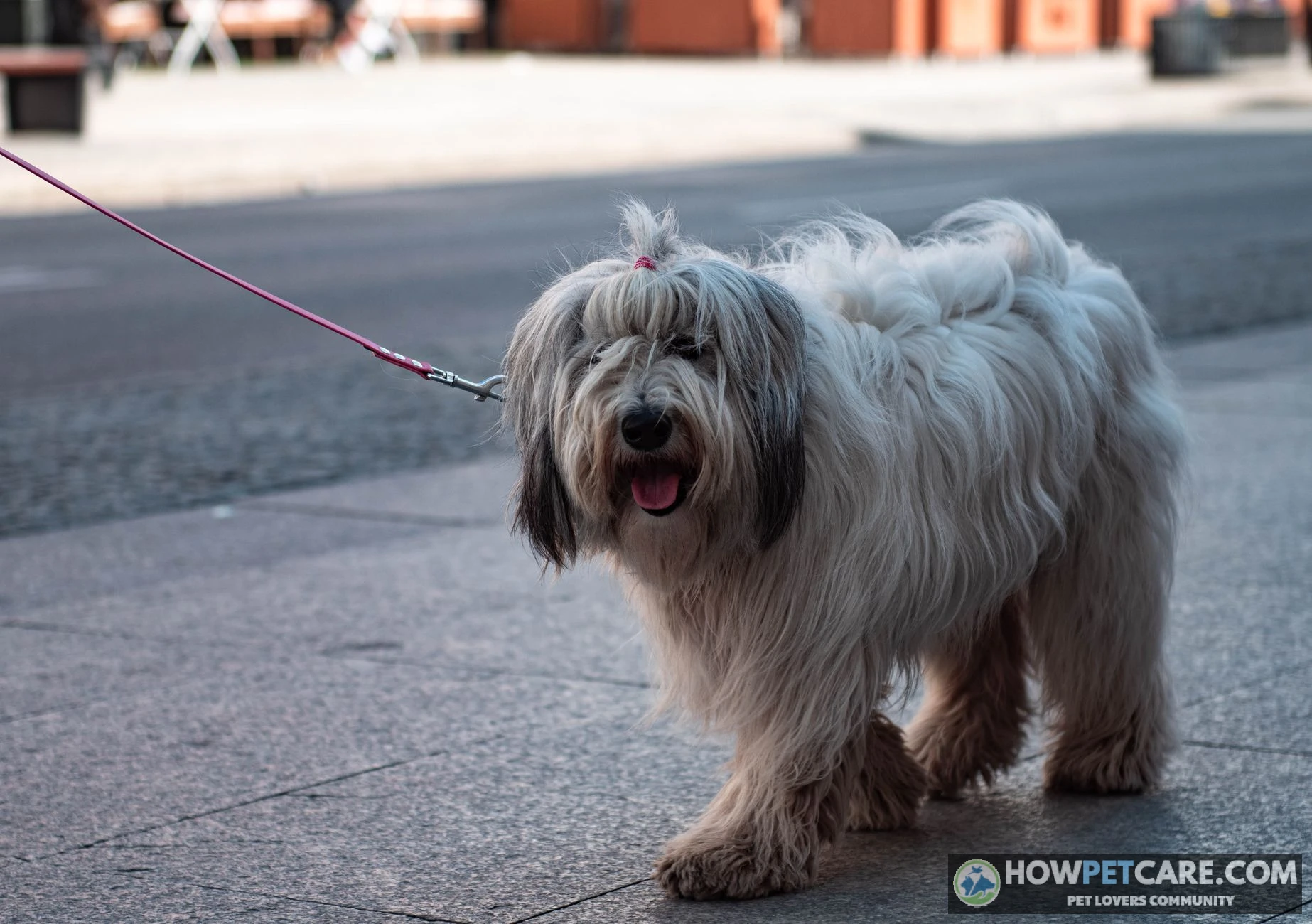
A PON may circle running children, follow family members from room to room or try to control movement by nudging or nipping at heels. These behaviors don’t prove aggression, but they still need managing. Interrupt chasing early and redirect the dog to a toy, a mat or a simple trained task.
Keep obedience sessions short, varied and rewarding. Food, toys and access to enjoyable activities can reinforce good choices. Harsh corrections may increase fear or conflict. Instead, teach the behavior you want and prevent the dog from rehearsing the one you don’t.
Taming Alert Barking and Territorial Guarding
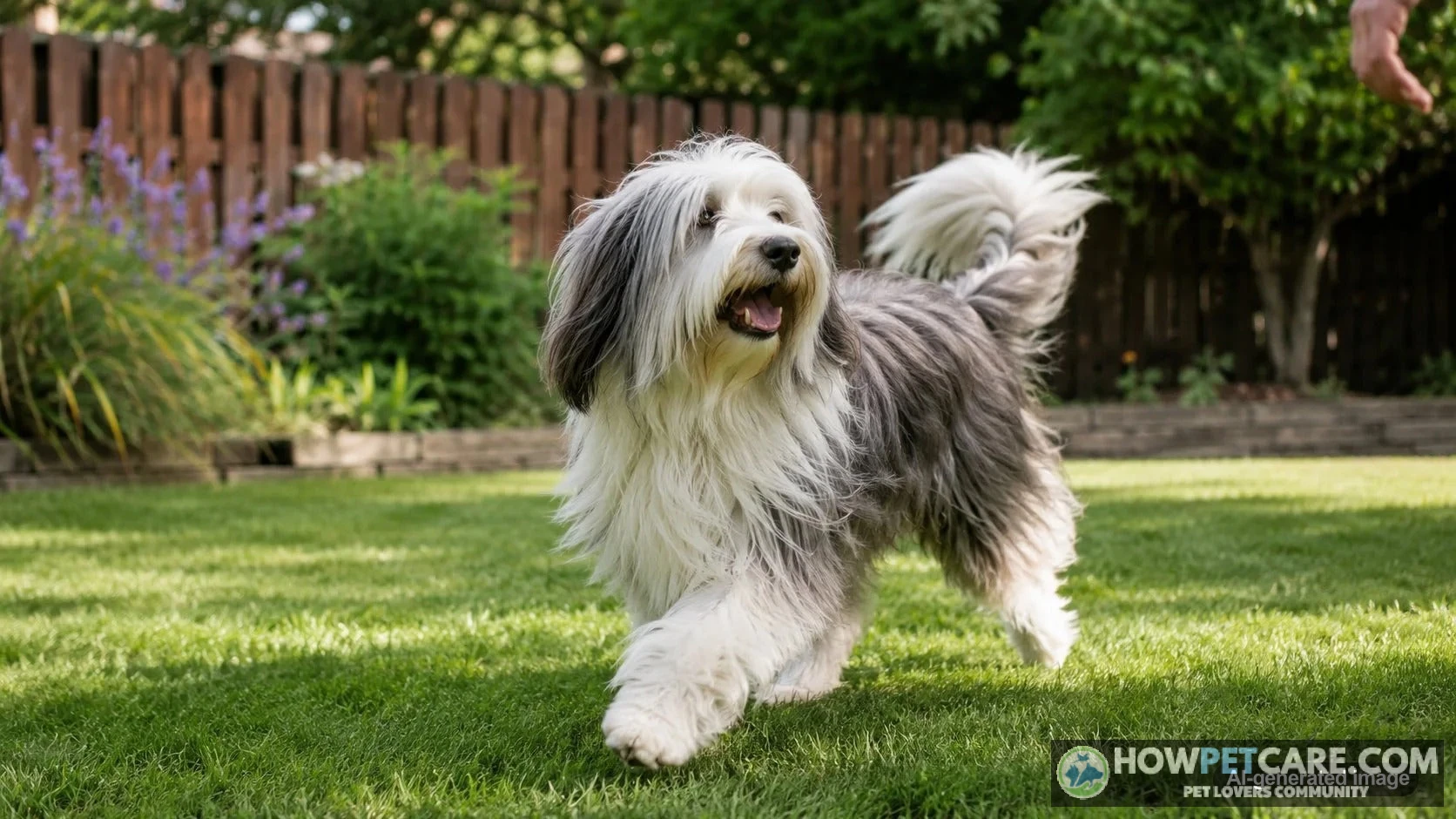
Start before barking becomes a well-established routine. Teach the mat cue away from the door, then add distractions gradually.
-
Reduce the triggers
Use window film, move the dog’s resting spot or add background sound to reduce repeated reactions to passersby and hallway noise.
-
Teach a place cue
Reward your dog for stepping onto a mat, then gradually reward staying there until released.
-
Practice an easy doorbell
Play a quiet recording or ask a helper to knock softly. Cue the mat and reward calm behavior; make the trigger easier if your dog cannot respond.
-
Add a calm interrupt
After an alert, say a consistent phrase such as “Thank you,” then cue the practiced mat behavior. Reward disengagement instead of shouting over the barking.
-
Rehearse real arrivals
Use a leash or gate for safety. Ask guests to ignore the dog at first, and reward calm behavior at a comfortable distance. Don’t force a greeting.
If your dog stiffens, lunges, snaps or can’t disengage, increase the distance and get help from a reward-based trainer. For bites, severe fear or escalating aggression, ask your veterinarian about a veterinary behaviorist.
Puppy Socialization Priorities
Introduce a puppy to a range of people, surfaces, sounds and grooming tools through brief, positive experiences. Socialization is about building comfort, not making a puppy accept handling or greetings that frighten it. Ask your veterinarian how to balance safe exposure with the puppy’s vaccination schedule, and choose a well-run puppy class.
Are Polish Lowland Sheepdogs Good Family Pets? Kids, Other Dogs and Cats
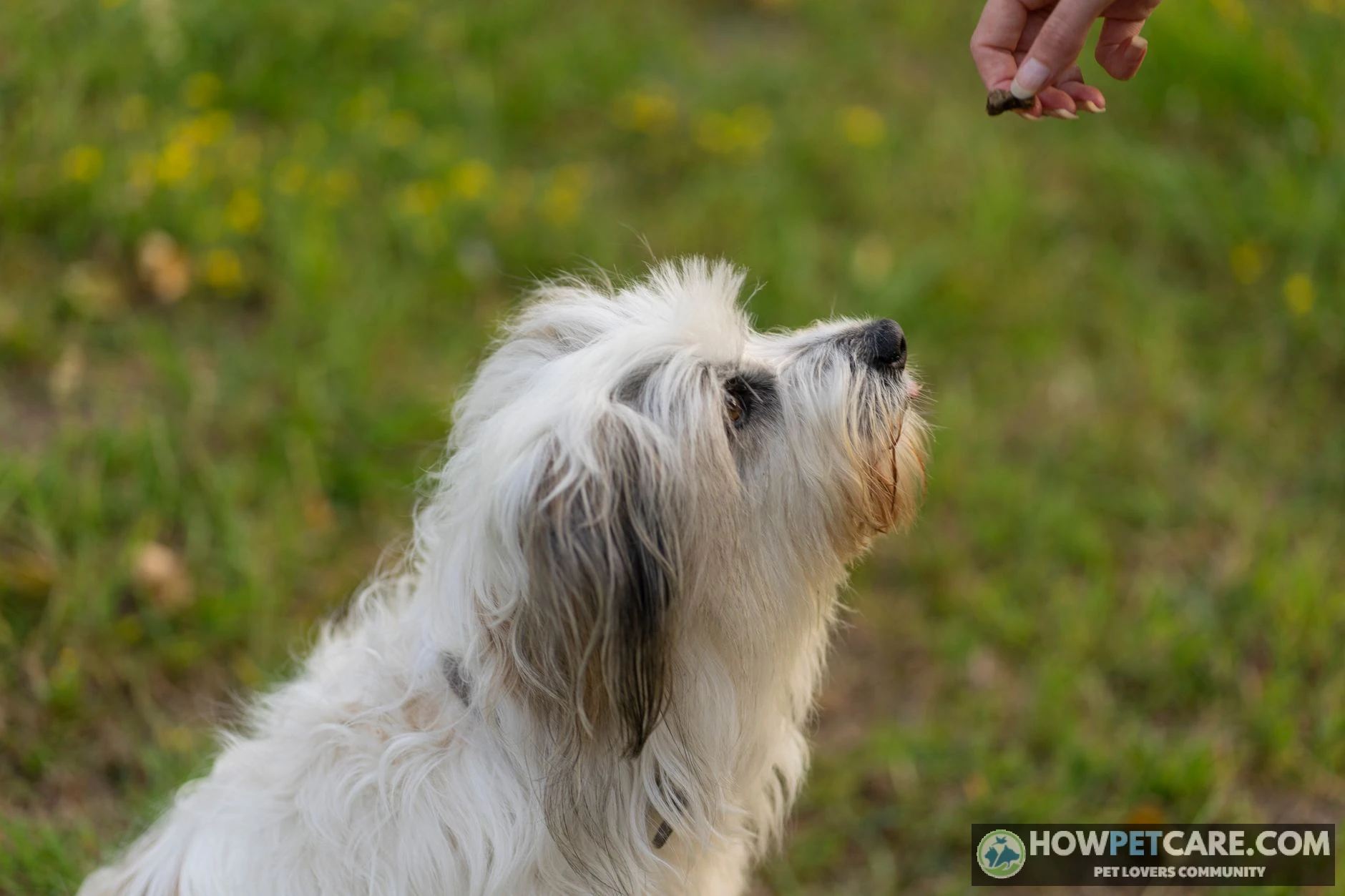
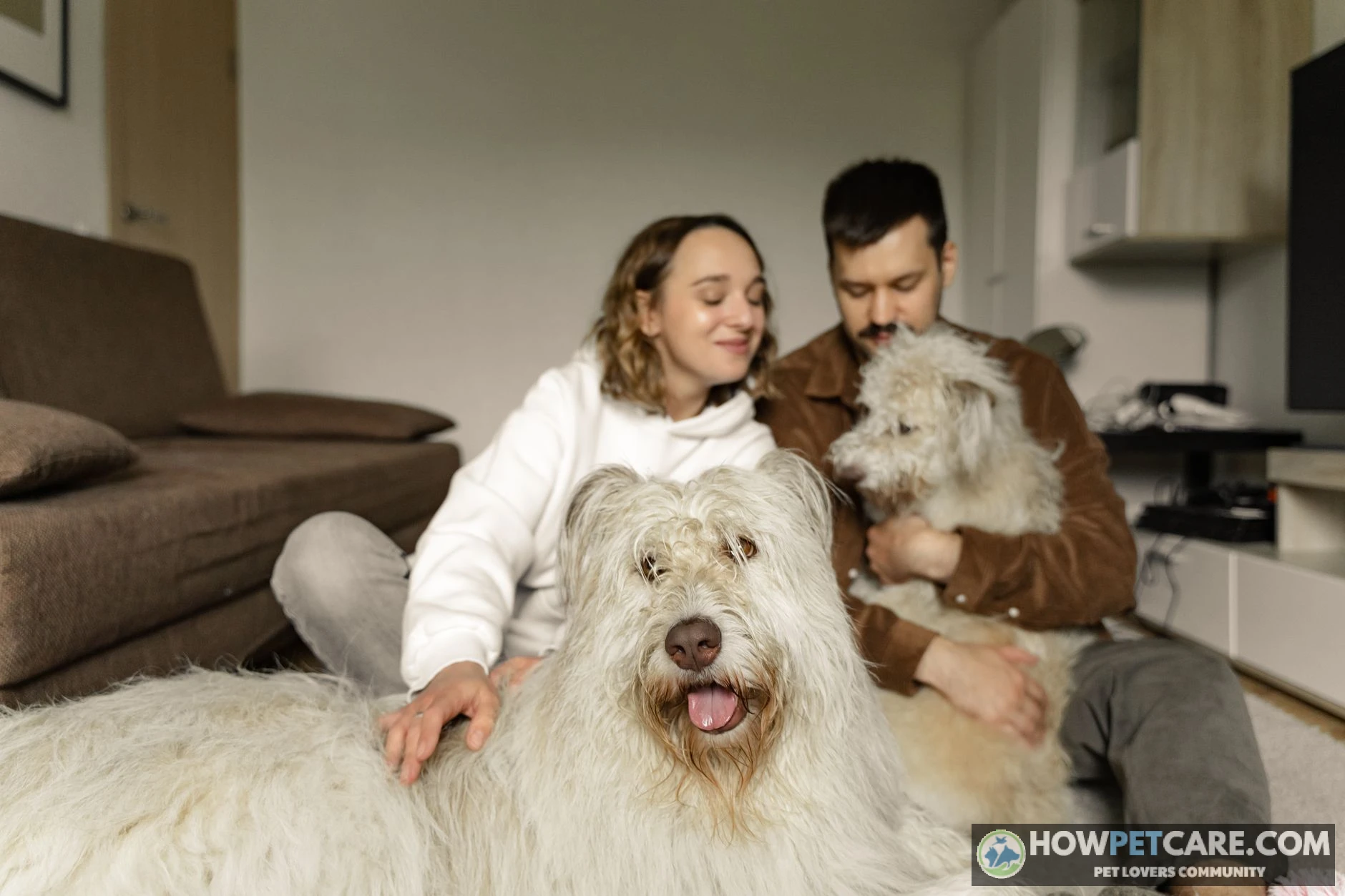
Yes: a PON can be a good family dog if adults supervise children and commit to training and coat care. It’s a less suitable choice for a household expecting a tolerant, self-managing dog amid constant unsupervised activity.
With young children, use gates or a leash to prevent chasing games and heel nipping. Teach children to give the dog space while it eats, sleeps or retreats. An adult should supervise interactions and make sure the dog has a quiet place to rest.
PONs can live with other dogs and cats, but introductions should be gradual. Start with barriers and reward calm observation; allow closer contact only when both animals seem comfortable. Give cats an escape route and stop the dog from practicing pursuit. Keep small pets in secure, separate accommodation.
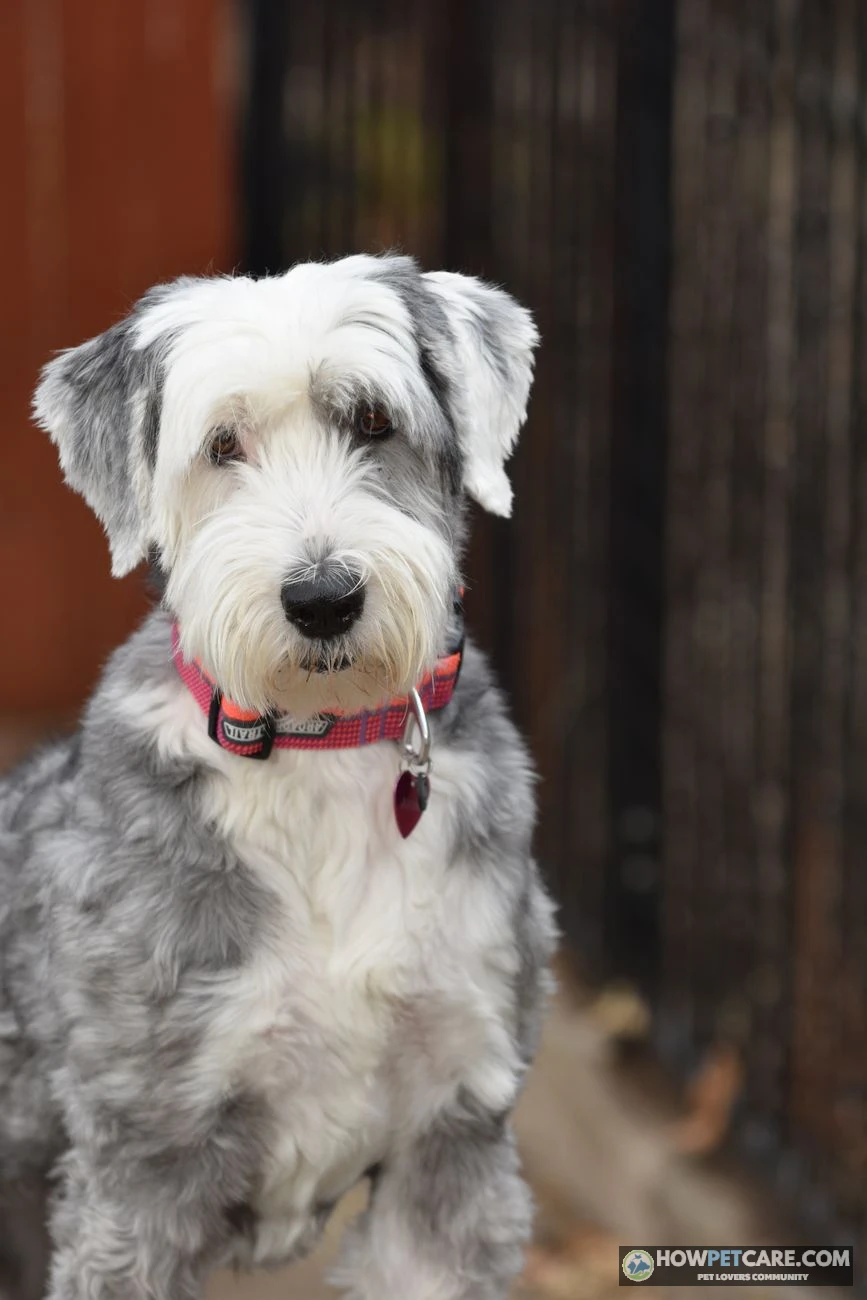
A people-oriented dog also needs a plan for time alone. Build independence gradually, starting with brief absences, and arrange a break or company if a long workday exceeds the individual dog’s comfort. Persistent barking, frantic escape attempts or destruction during departures call for a conversation with a veterinarian or qualified behavior professional.
Works best: A family that enjoys training, can supervise interactions and has a reliable grooming plan.
Likely to struggle: A household that’s away for long periods without help, can’t manage barking or won’t interrupt chasing and herding behavior.
PON Grooming, Exercise and Feeding Requirements
The PON’s long outer coat and soft undercoat create its characteristic shaggy look. Loose hair may stay caught in the coat instead of collecting visibly on the floor, so little visible shedding doesn’t mean little maintenance. The coat can be especially prone to tangles as it changes from puppy to adult coat.
Grooming Tools and Weekly Coat-Care Schedule
Gather a pin brush or suitable slicker, a wide-tooth metal comb, dog-safe detangling spray, nail clippers or a grinder, and veterinarian-recommended ear cleaner. A groomer can advise whether a dematting tool suits your dog’s coat and your skill level.
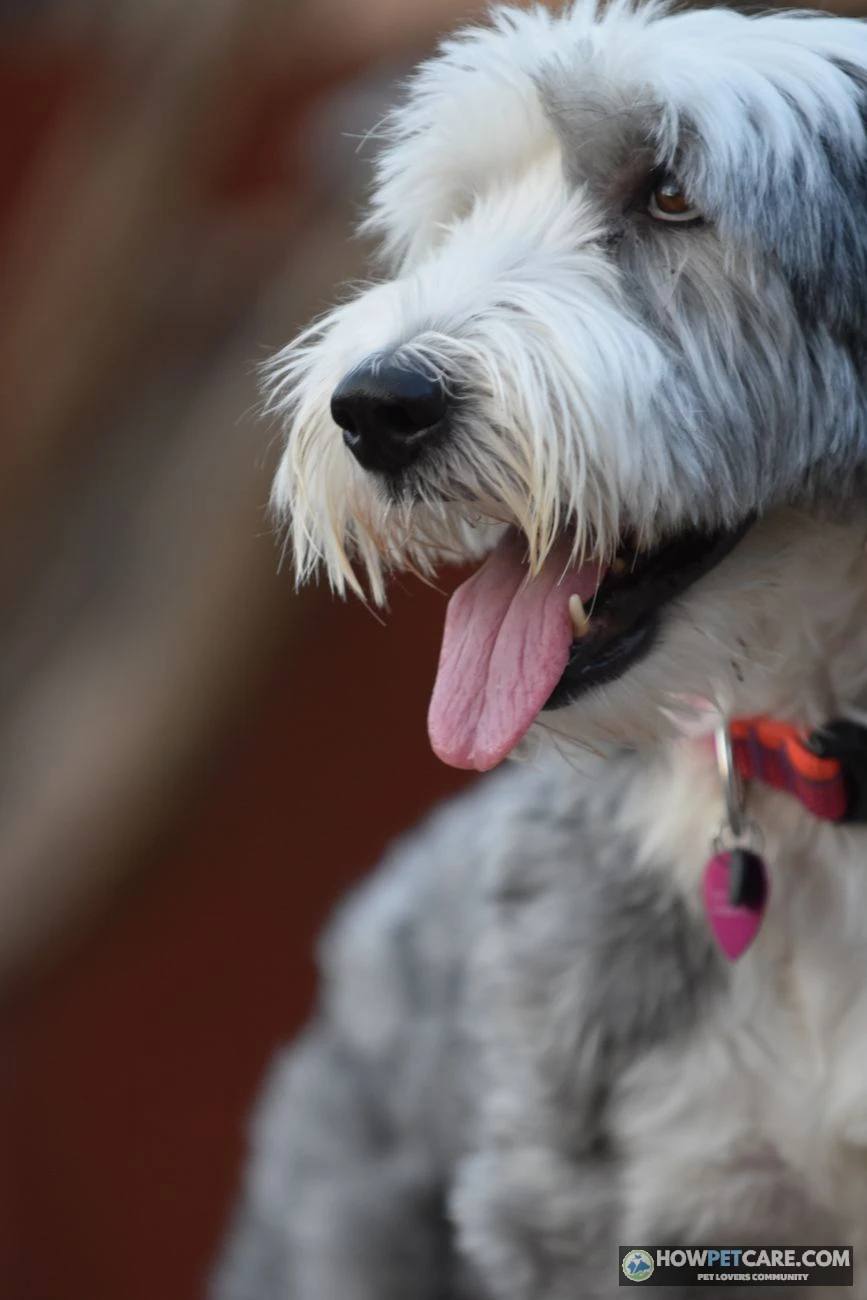
| Frequency | Task | Tools needed | Time required | Notes |
|---|---|---|---|---|
| Daily or after messy outings | Wipe beard and check for burrs, dampness and tangles | Damp cloth; comb | A few minutes | Check behind ears, under the collar, armpits and legs. |
| Several times weekly | Brush in sections and comb through to the skin | Pin brush or slicker; metal comb; detangling spray | Allow enough time to check the whole coat over the week | A comb should pass through without snagging; frequency rises during coat change. |
| Weekly | Check ears, skin and nails; brush teeth as part of a regular dental routine | Comb; nail tools; dog toothbrush and toothpaste | Varies | Ask your vet how often to clean ears; don’t insert swabs into the canal. |
| As needed | Bathe and dry a thoroughly detangled coat | Dog shampoo; towels; dryer if tolerated | Varies with coat and equipment | Rinse and dry thoroughly; bathing a matted coat can tighten tangles. |
| As needed | Trim nails or book a professional groom | Nail clippers or grinder; groomer | Varies | A shorter pet trim can reduce brushing time but still needs maintenance. |
As a planning guide, set aside roughly one to two hours a week for hands-on coat care, plus extra time during coat changes or after dirty outings. That’s an allowance, not a guarantee: coat texture, length, weather and professional help all affect the workload. Ask a local groomer for a quote based on your preferred coat length.
How to Remove Mats Without Hurting Your PON
- Separate the surrounding coat and lightly apply dog-safe detangling spray.
- Hold the hair at the base of the mat, close to the skin, to limit pulling.
- Gently loosen the outer edges with your fingers, then work toward the center with a comb in small sections.
- Stop if the dog is distressed, the mat is tight to the skin or you can’t clearly see what you’re doing. A professional groomer may need to clip the area; a veterinarian should assess irritated or injured skin.
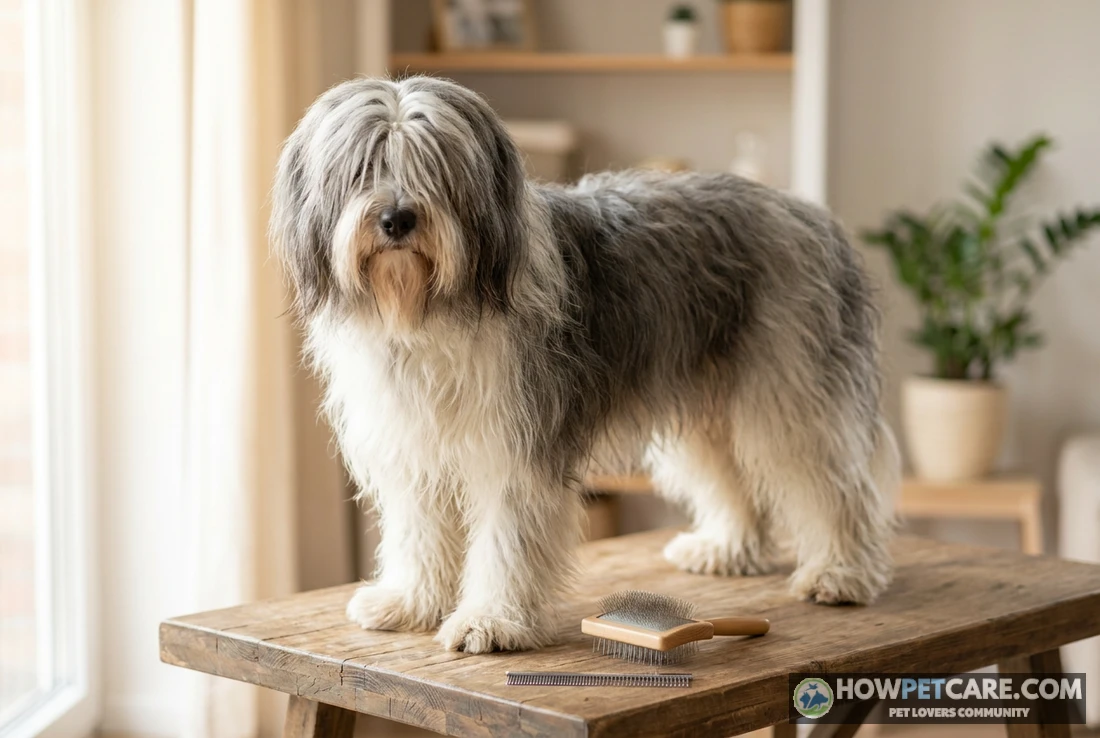
Don’t cut tight mats with scissors: skin can get pulled into the mat and cut accidentally. Don’t bathe a badly matted dog before having the tangles assessed.
A tight mat can hide irritated skin. If gentle finger separation and combing don’t work, stop and arrange professional help rather than cutting close to the skin.
Daily Exercise and Mental Stimulation
For a healthy adult, plan on approximately 45–75 minutes a day of combined walks, play, training or enrichment as a starting point. This is a practical planning target, not a breed-wide medical requirement. Adjust for weather, fitness, age and your veterinarian’s advice.
Mix sniffing walks with food puzzles, scent games, obedience or agility. Puppies need age-appropriate play and rest, not forced long-distance exercise; older dogs may do better with shorter, more frequent outings.
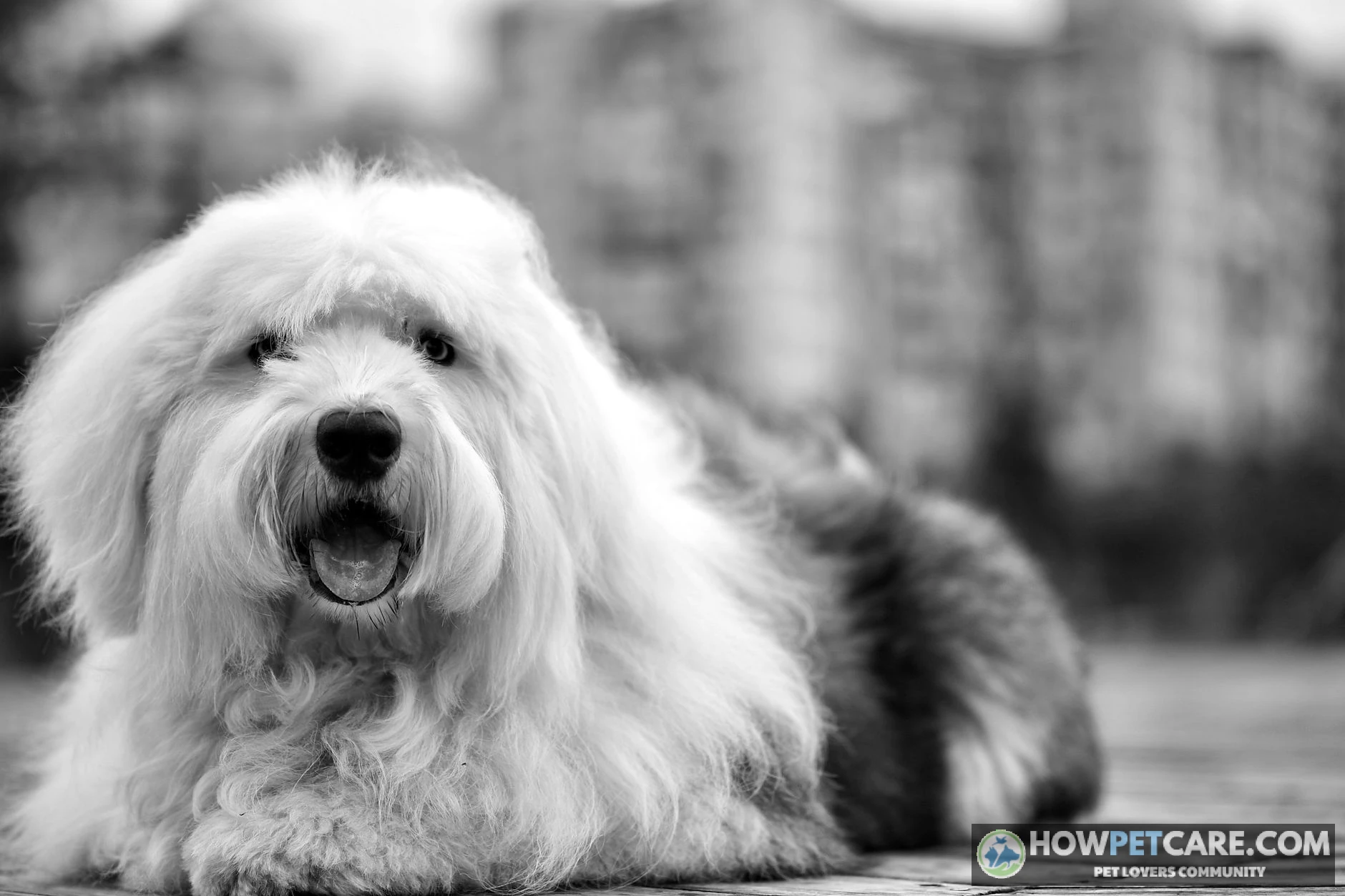
How Much to Feed a PON by Age and Activity
Choose a complete, balanced food suited to the dog’s life stage. Calorie needs vary with body size, food formulation, activity and whether the dog is neutered, so a universal number of cups would be misleading.
- Puppy: Follow the breeder’s initial feeding plan during the transition home, then work with your veterinarian on portions and meal frequency. Young puppies generally need meals divided across the day.
- Adult: Measure the daily ration using the food label as a starting point; many owners divide it into two meals. Adjust for treats, activity and body condition.
- Senior: Ask your veterinarian whether the same food and portions still suit the dog as activity or health needs change.
You should be able to feel the ribs without pressing hard and see a waist from above. If you’re unsure, ask your vet to assess body condition and calculate a starting calorie target.
Is the PON Hypoallergenic? A Clear Verdict for Allergy Sufferers
No: a PON can’t be guaranteed hypoallergenic or allergy-safe. Dogs produce allergens in skin flakes, saliva and urine, and visible hair shedding doesn’t reliably predict an individual’s reaction.
Before committing, arrange extended exposure to adult PONs and discuss your symptoms with an allergist. This matters especially for anyone with asthma or a history of severe reactions; a short visit can’t guarantee that living with a dog will be tolerable.
If your clinician agrees a trial is reasonable, consider keeping the dog out of the bedroom, using a HEPA air cleaner, washing bedding often and arranging grooming to limit the allergic person’s exposure. The shaggy coat can collect debris, so neglecting grooming won’t help with allergies.
PON vs Bearded Collie, Old English Sheepdog and Tibetan Terrier
These breeds share a shaggy outline, but their size, purpose and day-to-day demands differ. The comparisons below describe broad tendencies, not a substitute for meeting individual dogs.
| Trait | PON (Polish Lowland Sheepdog) | Bearded Collie | Old English Sheepdog | Tibetan Terrier |
|---|---|---|---|---|
| Size | Medium; roughly 30–55 lb | Medium to large | Large | Small to medium |
| AKC group | Herding | Herding | Herding | Non-Sporting |
| Coat and grooming | Long double coat; high maintenance | Long double coat; high maintenance | Abundant double coat; substantial maintenance | Long double coat; high maintenance |
| Activity | Moderate to high; enjoys a job | Energetic and athletic | Needs regular exercise; size affects handling | Active companion; enjoys walks and play |
| Strangers and barking | Watchful, often reserved and vocal | Often sociable and lively; may bark | Often sociable; may alert bark | Often reserved initially; may alert bark |
| Training | Quick learner with an independent streak | Responsive, lively and sometimes distractible | Trainable; consistency matters | Intelligent and sometimes independent |
| Life expectancy | Approximately 10–14 years | Varies by individual | Varies by individual | Varies by individual |
Quick Visual Identification Tips
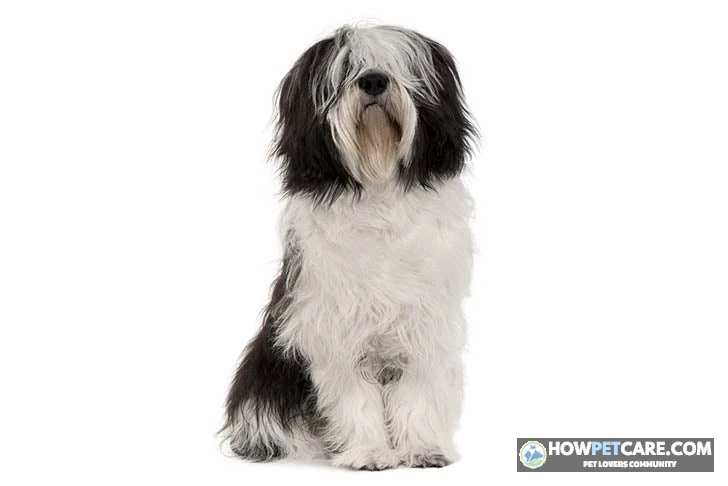
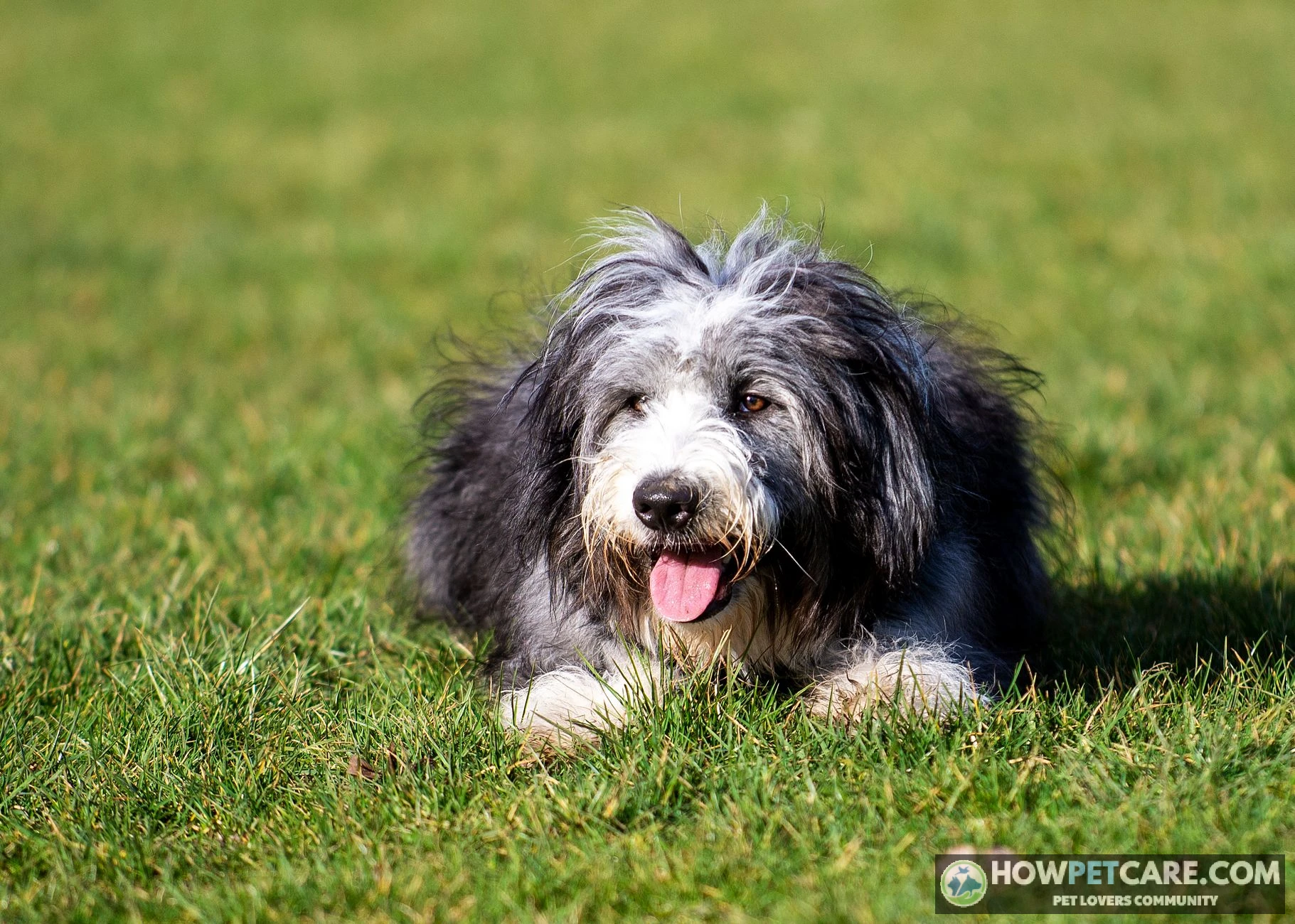
A PON is a compact, medium-sized dog with a long coat, beard and hair that falls over the eyes. Its body is slightly longer than it is tall, a relationship often described as roughly 10 to 9. It’s generally smaller and less massive than an Old English Sheepdog.
Tail appearance alone isn’t a reliable identifier: a dog may have a naturally short tail or a tail altered under local rules or past practices. Docking restrictions vary by country and jurisdiction. A coat, beard or missing tail doesn’t establish pedigree.
Which Shaggy Breed Matches Your Lifestyle?
Consider a PON if you want a medium-sized herding watchdog; a Bearded Collie if you want an athletic, lively herder; an Old English Sheepdog if you can manage a much larger dog and abundant coat; or a Tibetan Terrier if you want a smaller companion with a similarly significant grooming commitment. None is a no-grooming option.
Shelters and online listings can misidentify mixed-breed dogs. If pedigree matters, request registration and parent information rather than relying on a photo or label. When adopting, prioritize the individual dog’s behavior, health and support needs, regardless of breed label.
PON Dog Breed Health Problems and the Genetic Tests Breeders Should Show
A PON may live a long, active life, but prospective owners should ask about inherited conditions as well as routine preventive care. Documented concerns include hip dysplasia, progressive retinal atrophy (PRA) and neuronal ceroid lipofuscinosis (NCL). A condition listed as a breed concern won’t necessarily affect every dog.
Hip Dysplasia and Orthopedic Screening
Hip dysplasia is abnormal development of the hip joint that can contribute to pain and mobility problems. Ask for official hip evaluations for both parents, such as Orthopedic Foundation for Animals (OFA) results or PennHIP reports, and review the findings with your veterinarian.
An OFA result is more useful than a seller’s claim that a dog is “vet checked.” Request each parent’s registered name and identification number so you can look up available results in the OFA database. A normal result reduces uncertainty, but it can’t guarantee a puppy will never develop a joint problem.
Eye Conditions and Annual Eye Exams
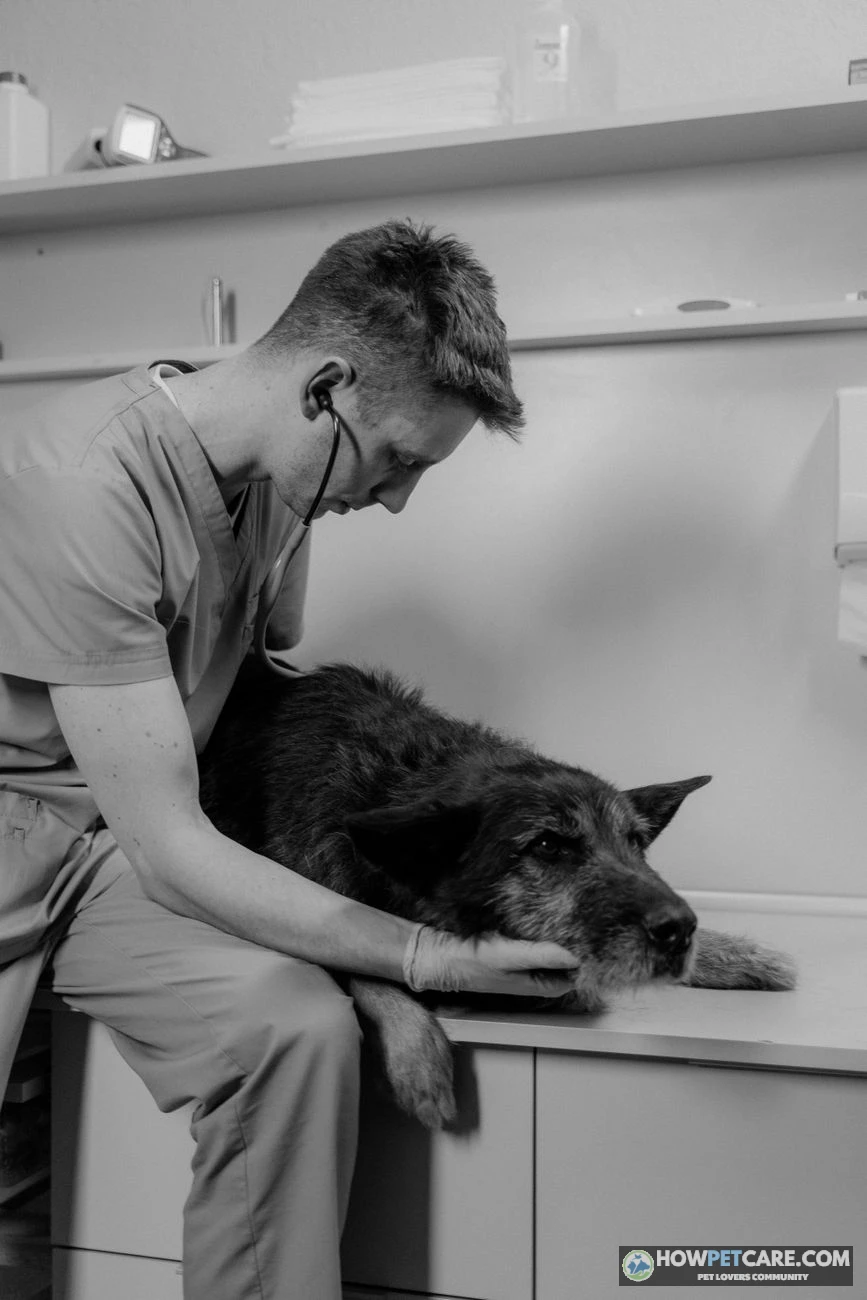
PRA refers to inherited retinal diseases that can cause progressive vision loss. Cataracts and other eye findings also warrant discussion with a veterinarian. Ask for a recent examination of each parent by a veterinary ophthalmologist, with results recorded through OFA’s eye certification program where available. CERF is the older name many buyers will encounter.
Ask when each exam took place and whether the breeder repeats eye examinations while breeding. An eye exam evaluates the dog at the time of the examination; it isn’t interchangeable with a DNA test or a lifetime guarantee.
NCL and Other DNA Tests: What Is Current
NCL is a group of inherited neurological storage diseases. This guide can’t confirm from the supplied evidence whether a PON-specific NCL DNA test or a particular PON PRA test is available in 2026. Don’t assume that an NCL test offered for another breed detects the relevant condition in a PON.
Ask the Polish Lowland Sheepdog Club of America, the breeder and a veterinary genetics laboratory which breed-specific tests are recommended and available for each parent. Request laboratory reports that identify the condition, tested variant and result, and confirm the test is relevant to the PON. If no validated test is available for a concern, ask how the breeder uses family health history and veterinary advice to manage risk.
For a validated recessive-disease test, a clear result generally means no copies of the tested variant were detected; a carrier has one copy. A carrier can sometimes be paired responsibly with a clear dog for that same variant, but interpret results with the laboratory and the breeder’s veterinarian. A clear result covers the tested variant, not every possible cause of disease.
Get the registered names of both parents, their hip and eye results, and reports for any relevant DNA tests before paying a deposit. Ask what the contract covers if an inherited condition appears.
Schedule routine veterinary examinations, keep weight under control, maintain dental care and discuss parasite prevention with your vet. Ask about the family history of eye, neurological and orthopedic problems, the health guarantee, its exclusions and any reporting requirements.
How Much Does a Polish Lowland Sheepdog Cost? Puppy Price and Yearly Budget
PON Puppy Price in the USA
A PON puppy’s price can vary based on the breeder, location, health testing, contract terms, travel and availability. A reliable 2026 US puppy-price range can’t be established from the evidence supplied here. Request written quotes from breeders and ask exactly what each includes before comparing offers.
A low advertised price isn’t a bargain if health records are missing, and a high price doesn’t prove responsible breeding. Budget separately for travel, initial veterinary care, equipment and training.
Monthly and Annual Cost of Ownership
The following is an illustrative household budget, not a verified market-price survey or quote. Replace these figures with estimates from your veterinarian, groomer, insurer and boarding provider. It includes optional insurance and boarding; emergencies, deductibles and major dental treatment are extra.
| Expense | One-time or recurring | Typical low estimate | Typical high estimate | Source or notes |
|---|---|---|---|---|
| Puppy | One-time | Not established | Not established | Obtain written breeder quotes; varies by contract and region. |
| Setup and initial care | One-time | $850 | $850 | Hypothetical example for equipment, grooming kit, microchip and initial vet care; confirm inclusions locally. |
| Initial training | One-time | $300 | $300 | Hypothetical class allowance; additional training costs extra. |
| Food | Monthly | $70 | $70 | Hypothetical; depends on diet and dog. |
| Preventive medication | Monthly | $35 | $35 | Hypothetical; ask your vet about local parasite risks. |
| Pet insurance | Monthly | $45 | $45 | Hypothetical premium; coverage, exclusions and deductibles vary. |
| Professional grooming | Monthly equivalent | $90 | $90 | Hypothetical allowance; frequency and coat condition affect quotes. |
| Routine vet and dental reserve | Annual | $350 | $350 | Hypothetical reserve, not a guarantee of covered costs. |
| Boarding or daycare | Annual | $300 | $300 | Hypothetical; may be unnecessary or considerably higher. |
| Licenses and miscellaneous | Annual | $150 | $150 | Hypothetical allowance; local fees vary. |
In this example, monthly core expenses total $240. Add the annual allowances and the ongoing yearly total is $3,680, or about $307 per month averaged across the year. The first-year total is $4,830 plus the puppy purchase price: $1,150 in setup and training plus $3,680 in ongoing costs. For illustration only, if a written puppy quote were $2,000, the first-year total would be $6,830.
This is not a recommended price or an estimate of what a PON puppy sells for. Get local figures and maintain an emergency fund or suitable insurance; coverage may exclude pre-existing conditions and some inherited issues.
Waitlists, Litter Frequency and Popularity Rank
The PON isn’t a breed buyers should expect to find readily in every area. Availability depends on breeders’ plans and the needs of individual dogs. Ask about the expected wait rather than assuming a litter will be available on a particular date. A current AKC popularity rank and a reliable national litter-frequency figure can’t be established from the evidence supplied here.
Treat searches for “Polish Lowland Sheepdog puppies for sale in USA” as a starting point for verification, not a reason to pay quickly. Confirm the breeder, parents, health records and contract before reserving a puppy.
Is a PON Right for You? Fit Checklist, Breeder Questions and Rescue Options
First-Time Owner and Apartment Decision Aid
A PON is a demanding first dog, but a prepared beginner can succeed with training, grooming support and a knowledgeable breeder or rescue.
A PON can live in an apartment if its exercise, enrichment and barking-management needs are met. A noise-sensitive building or a household unable to practice a visitor routine is a poor match.
Score each statement: 0 = no, 1 = maybe or with help, 2 = yes.
- I can provide daily exercise and mental work, with a practical plan for busy days.
- I can brush and comb the coat several times a week and get help during difficult coat changes.
- I can train a consistent response to doorbells, visitors and alert barking.
- I can build alone time gradually and arrange help if the dog can’t manage my workday.
- I can supervise children and prevent chasing or nipping, or children aren’t part of the household.
- I can introduce resident pets gradually and prevent chasing, or there are no other pets.
- Allergies have been considered, with an allergist’s guidance when appropriate.
- I can verify health documents and afford routine care, grooming and unexpected expenses.
- My housing and neighbors can accommodate a vocal dog while training progresses.
- I can wait for an appropriate dog rather than buying the first puppy advertised.
A score of 16–20 suggests a promising fit; 11–15 means you need a concrete support plan; 0–10 suggests waiting or considering a less demanding dog. This is a decision aid, not a scientific test. A zero for grooming, barking management, alone-time planning or health-document verification is a reason to resolve that issue before proceeding, whatever the total.
Breeder-Vetting Checklist and Questions to Ask
Start with the Polish Lowland Sheepdog Club of America’s breeder-referral resources, but assess each breeder independently. Club affiliation alone doesn’t guarantee a particular litter or breeder’s practices.
Before sending a deposit, ask:
- What are both parents’ registered names, and may I verify their OFA or PennHIP hip results?
- When were their most recent ophthalmologist eye exams, and can I see the reports?
- Which PON-relevant DNA tests were performed, which variants do they cover, and can I see the laboratory reports?
- What health or temperament concerns have appeared in the parents, siblings and previous litters?
- May I meet the dam and see where the puppies are raised, or arrange a suitable alternative if a visit isn’t yet safe for the litter?
- How are puppies socialized, and how are they matched to households?
- How many litters do you raise, what is the expected wait, and what happens if plans change?
- Is the deposit refundable, and what does the written contract say about health guarantees, spay/neuter terms and returning a dog?
Walk away if you’re pressured to pay immediately, the seller refuses to identify the parents or share verifiable health results, or there’s no written contract. Be especially cautious when many breeds or puppies are advertised constantly without a credible explanation of their care and origins.
Finding a PON Rescue or Adult Dog
Contact the Polish Lowland Sheepdog Club of America and ask for its current rescue or referral contact. Ask reputable breeders whether they know of an adult dog needing a home, and check established shelters and rescue organizations. Don’t rely on an unverified listing or an outdated rescue contact.
The adoption process may include an application, reference checks, a home assessment and a fee. Ask about the dog’s grooming tolerance, medical records, barking, behavior around visitors and experience with children or other pets. An adult dog can offer a clearer picture of its established size and temperament, though adjusting to a new home still takes time.
When you’re ready, contact the breed club, request parent health documents or an adult dog’s records, meet the dog when practical, review the contract, and prepare a grooming kit and training plan before bringing your PON home.
1Which individual played a critical role in rebuilding the Polish Lowland Sheepdog breed following World War II?
Historical records credit veterinarian Danuta Hryniewicz and her influential dog with aiding the breed's post-war restoration.
2What is the recommended approach for managing a PON's instinctual herding behaviors, such as heel-nipping or chasing running children?
Early redirection prevents the dog from rehearsing unwanted herding habits while promoting desirable alternate behaviors.
3When removing a severe coat mat from a PON, what action helps protect the dog from pain or injury?
Supporting the coat near the skin minimizes uncomfortable tension and skin pulling while working through tangles.
4What is recommended as a general daily exercise target for a healthy adult Polish Lowland Sheepdog?
This time range provides a realistic baseline for meeting both the physical and cognitive requirements of a working herding breed.
5Why is the Polish Lowland Sheepdog NOT considered a guaranteed hypoallergenic breed?
Canine protein allergens originate across multiple biological sources rather than hair coat shedding alone.
6In terms of physical proportions, how does the PON visually compare to an Old English Sheepdog?
The breed standard defines a compact, medium build with a length-to-height relationship of roughly 10 to 9.
7When verifying health screening for prospective PON parents, what document should a buyer request regarding hip health?
Formal orthopedic registry reports provide verifiable object evidence of parental joint structure beyond basic vet checks.
8What critical caution is noted regarding genetic DNA testing for Neuronal Ceroid Lipofuscinosis (NCL) in PONs?
Genetic variants differ across breeds, so an NCL panel designed for another breed may not detect PON-relevant conditions.
9Why does a PON require consistent, weekly brushing despite losing very little visible fur on household floors?
The combination of a long outer coat and soft undercoat holds shed hair in place, requiring manual removal.
10Under what circumstance can a Polish Lowland Sheepdog adapt successfully to apartment living?
Apartment living is viable if the dog's activity, enrichment, and vocal alert behaviors are actively managed.
| Breed | Size and Weight | AKC Group | Coat and Grooming | Activity Level | Temperament with Strangers | Trainability | Life Expectancy |
|---|---|---|---|---|---|---|---|
| PON (Polish Lowland Sheepdog) | Medium; roughly 30–55 lb | Herding | Long double coat; high maintenance | Moderate to high; enjoys a job | Watchful, often reserved and vocal | Quick learner with an independent streak | Approximately 10–14 years |
| Bearded Collie | Medium to large | Herding | Long double coat; high maintenance | Energetic and athletic | Often sociable and lively; may bark | Responsive, lively and sometimes distractible | Not in source |
| Old English Sheepdog | Large | Herding | Abundant double coat; substantial maintenance | Needs regular exercise; size affects handling | Often sociable; may alert bark | Trainable; consistency matters | Not in source |
| Tibetan Terrier | Small to medium | Non-Sporting | Long double coat; high maintenance | Active companion; enjoys walks and play | Often reserved initially; may alert bark | Intelligent and sometimes independent | Not in source |
FAQ
Do PONs shed a lot?
No, PONs shed little loose hair compared with many double-coated breeds, but dead hair stays in the coat and forms mats unless it is brushed out regularly. Expect to brush and comb through the whole coat weekly.
Can a PON be left alone while I work?
An adult PON can handle a standard workday if it has had exercise first and has been crate or independence trained as a puppy. The breed bonds closely with its family, so long daily absences can lead to barking, destructiveness or anxiety.
Does a PON need to be clipped or can the coat be left long?
A PON can be kept in a natural, brushed-out coat, but that takes steady grooming. Many owners choose a shorter pet trim, which cuts brushing time but still needs regular upkeep.
Are PONs easy to train?
PONs are intelligent and learn quickly, but they are independent and can be stubborn or sensitive. Short, positive-reinforcement sessions and early socialization work best.
Is the Polish Lowland Sheepdog the same as the PON?
Yes. PON is the common abbreviation for Polski Owczarek Nizinny, the breed’s Polish name, which is also written as Polish Lowland Sheepdog.