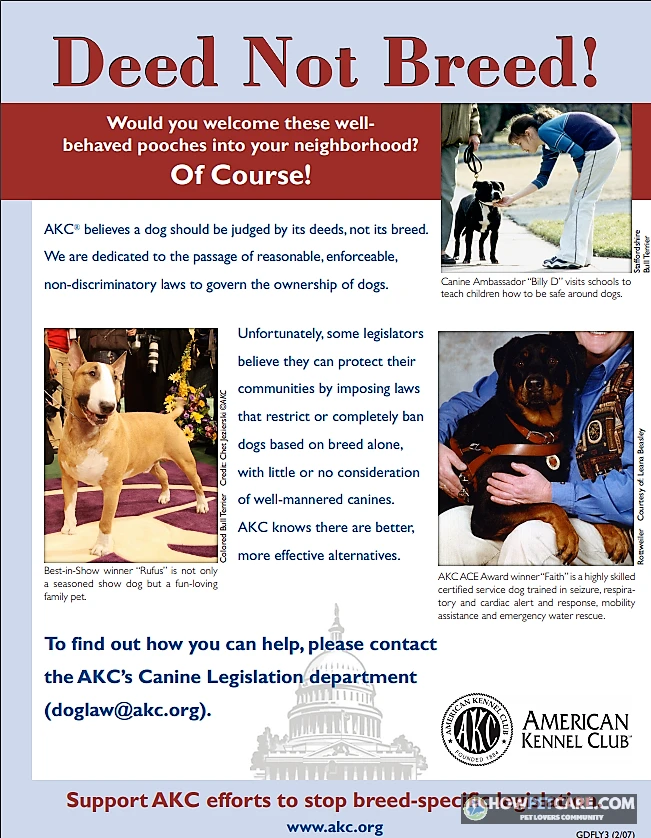

Breed specific legislation (BSL) is a state or local law that bans, restricts, or imposes special conditions on dog ownership based on a dog’s breed or appearance rather than its individual behavior. Most BSL targets pit bull-type dogs and exists at the city or county level; roughly 20 states preempt local breed bans.
Breed specific legislation (BSL) is a state or local law that bans, restricts, or imposes special conditions on dog ownership based solely on a dog’s breed or physical appearance, rather than its individual behavior.
These municipal ordinances and state statutes target particular types of dogs on the premise that certain breeds pose an inherent danger to public safety. Most breed specific laws appear in city or county codes, while state statutes determine whether local governments have the authority to enact them.
Dangerous dog ordinances can be entirely breed-neutral, focusing on a dog’s documented actions. BSL, by contrast, applies preemptively. A dog that has never bitten, snarled, or acted aggressively can be seized, restricted, or banned simply for resembling a restricted breed.
Breed rules also operate outside government statutes through private contracts, including landlord policies, homeowners insurance exclusions, and military base regulations. These restrictions aren’t municipal laws, but they often affect a dog owner’s daily life more directly than city codes do.
BSL vs. Breed-Neutral Dangerous Dog Laws in One Paragraph
The fundamental difference between breed specific and breed-neutral dangerous dog laws is behavior versus appearance. A breed-neutral law evaluates an individual dog after a documented incident, such as menacing someone off-property, running at large, or causing a bite injury. It holds the owner accountable regardless of whether the dog is a Labrador Retriever or a Rottweiler. BSL, by contrast, applies blanket mandates or bans to a group of dogs before any incident occurs, based on physical characteristics or presumed breed lineage.
Bans, Restrictions, and Grandfather Clauses: The Three Common Forms
Breed specific laws generally take one of three forms:
- Outright Bans: These ordinances make it illegal to own, harbor, sell, or transport a designated breed within municipal borders. Violations typically lead to immediate citations, mandatory removal of the animal, or impoundment and euthanasia.
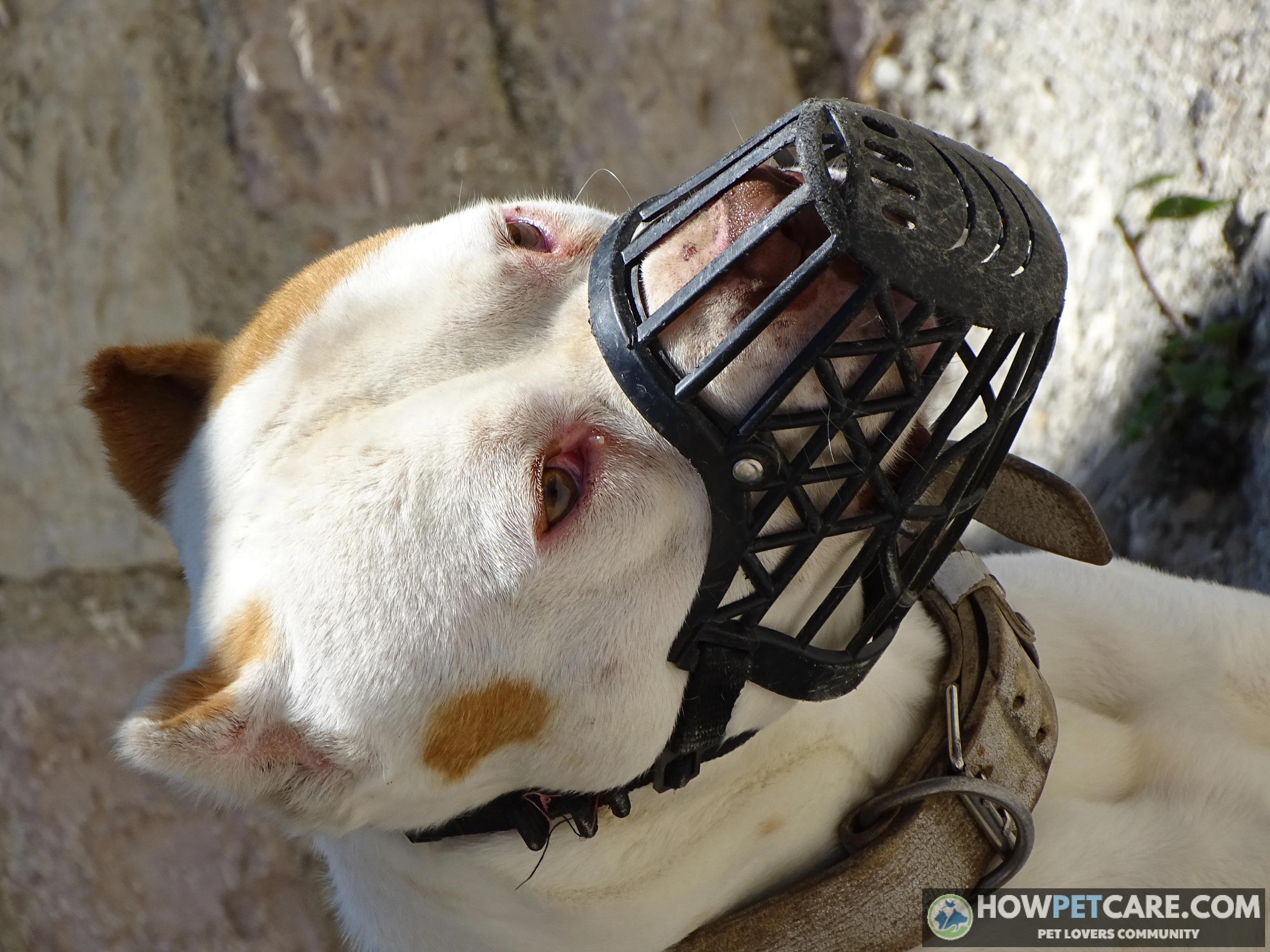
- Targeted Restrictions: Instead of banning a breed outright, the law permits ownership under strict conditions. These often include high-coverage liability insurance, public muzzling, mandatory spay or neuter procedures, microchipping, secure enclosures, and warning signs on the property.
- Grandfather Clauses: When a municipality passes a new ban, it often includes a temporary exception that allows existing dogs of that breed to remain. Owners must register the pet before a statutory deadline and maintain continuous compliance with insurance, licensing, and containment rules. Missing a single deadline permanently forfeits grandfathered status.
Which Dog Breeds Are Banned or Restricted Under BSL?
The primary targets of breed specific legislation in the United States are pit bull-type dogs. This group typically includes the American Pit Bull Terrier, American Staffordshire Terrier, Staffordshire Bull Terrier, and any mixed-breed dog with "substantially similar" physical characteristics. Ordinances also frequently name Rottweilers and Doberman Pinschers.
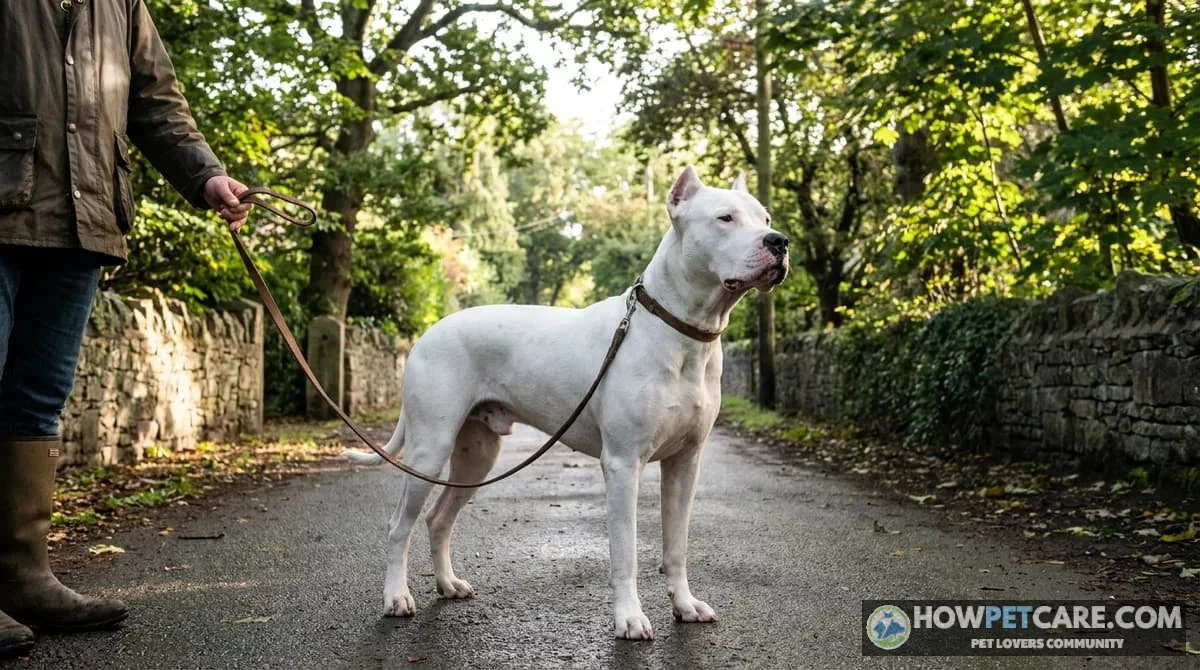
Other breeds, though named less often, are still heavily represented in local ordinances across the country. These include Presa Canarios, Chow Chows, German Shepherds, wolf hybrids, Akitas, and various mastiff-type breeds, such as the Cane Corso, Bullmastiff, and Dogo Argentino. The exact list varies considerably from town to town.
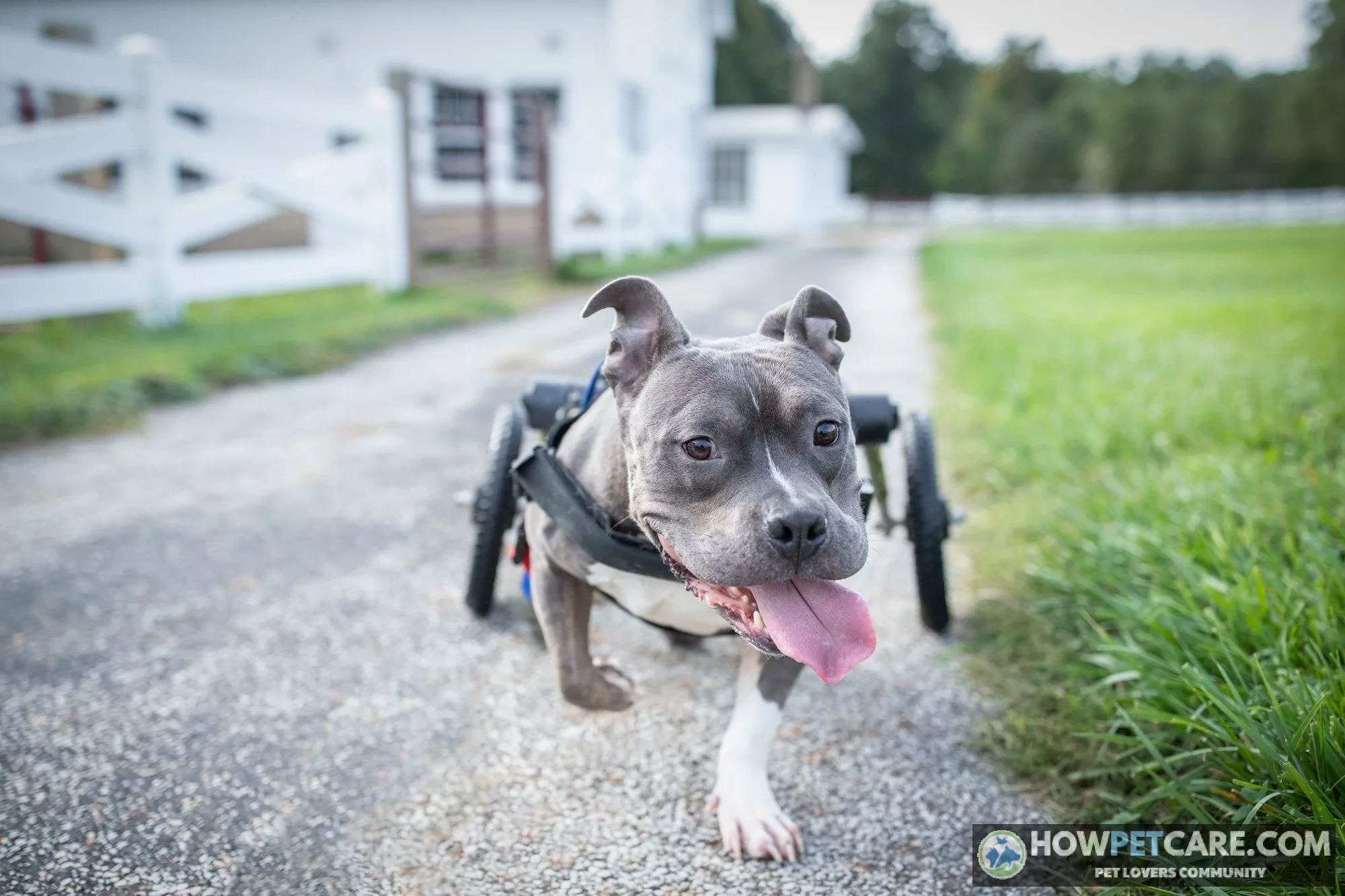
From a biological and legal perspective, "pit bull" is not an officially recognized single breed under major registry standards such as the American Kennel Club (AKC). Instead, it’s an umbrella label applied to several distinct purebred lines and countless visual mixes. That creates legal ambiguity. Ordinances routinely use subjective phrases such as "predominantly" or "substantially resembling," allowing animal control officers or code enforcement officials to label a dog based on visual inspection alone.
Mixed-breed dogs are especially vulnerable to this process. A Boxer and Labrador Retriever cross, for example, may develop a broad skull and muscular chest, leading an officer to classify it as a pit bull-type dog subject to seizure or mandatory registration. No state in the U.S. bans any dog breed statewide; bans exist at the city or county level, while state laws permit, preempt, or limit what municipal codes can enforce.
Which States and Cities Have, Preempt, or Have Repealed Breed Specific Laws (2026 Status)
Breed specific legislation falls into three legal frameworks. A substantial group of states has passed preemption laws barring municipalities from enacting breed discriminatory legislation. Other states leave animal control to municipal home-rule authority, allowing towns to pass local bans. A smaller group has hybrid arrangements with partial preemption or grandfathered historical bans.
Roughly 20 states have enacted statutes that preempt local governments from regulating or banning dogs based strictly on breed. Cities in these states must use breed-neutral dangerous dog laws. In states without preemption, hundreds of municipal bans remain active, even as the national trend moves toward repeal.
| State | Status | Notable Enforcing Cities/Counties | Recent Changes or Repeals | Legal Source | Last Verified |
|---|---|---|---|---|---|
| Florida | Hybrid — preempts local BSL, but Miami-Dade’s pre-1990 ban was grandfathered | Miami-Dade County (pit bull ban enforced since 1989) | Preemption enacted 1990 with Miami-Dade carve-out | Fla. Stat. § 767.14 | Feb 2026 |
| California | Hybrid — preempts breed bans; allows breed-specific mandatory spay/neuter | Select cities enforce breed-based spay/neuter rules | Preemption protects general ownership rights | Cal. Food & Agric. Code § 31683 | Feb 2026 |
| Illinois | Preempts (home-rule nuances possible) | None statewide | Broadly limits breed-specific local ordinances | 510 ILCS 5 (Animal Control Act) | Feb 2026 |
| New York | Preempts | None (NYCHA public housing maintains internal pet rules) | State statute bars local breed bans | NY Ag. & Mkts. Law § 107 | Feb 2026 |
| Pennsylvania | Preempts | None | Clear preemption on municipal breed bans | 3 P.S. § 459-507-A | Feb 2026 |
| New Jersey | Preempts | None | Enforces breed-neutral standards | N.J.S.A. 4:19-36 | Feb 2026 |
| Massachusetts | Preempts | None | State law made breed-neutral in 2012 | M.G.L. c. 140 | Feb 2026 |
| Virginia | Preempts new local BSL | None | Preempts local governments from breed bans | Va. Code § 3.2-6540 | Feb 2026 |
| Texas | Preempts | Isolated municipalities may retain non-enforced text | Comprehensive state preemption statute | Tex. Health & Safety Code § 822.047 | Feb 2026 |
| Minnesota | Preempts | None | Prohibits local breed discrimination | Minn. Stat. § 347.51 | Feb 2026 |
| Connecticut | Preempts | None | State preemption enacted 2013 | Conn. Gen. Stat. § 22-338 | Feb 2026 |
| Rhode Island | Preempts | None | State preemption enacted 2013 | R.I. Gen. Laws § 4-13.1-15 | Feb 2026 |
| Delaware | Preempts | None | Broad breed-neutral requirements | Del. Code tit. 16 | Feb 2026 |
| Maine | Preempts | None | Prohibits breed-specific local rules | Me. Rev. Stat. tit. 7 | Feb 2026 |
| South Carolina | Preempts | None | Limits municipal breed-based authority | S.C. Code § 47-3-710 | Feb 2026 |
| South Dakota | Preempts | None | State preemption enacted 2014 | SDCL ch. 40-34 | Feb 2026 |
| Utah | Preempts | None | Prohibits breed-specific local ordinances | Utah Code § 18-2-101 | Feb 2026 |
| Nevada | Preempts | None | State preemption enacted 2013 | Nev. Rev. Stat. § 244.359 | Feb 2026 |
| Arizona | Preempts | None | Uniform breed-neutral dangerous dog laws | A.R.S. tit. 11 | Feb 2026 |
| Oklahoma | Preempts | None | Preempts political subdivisions from BSL | Okla. Stat. tit. 4 | Feb 2026 |
| Colorado | Allows local BSL — trending toward repeal | Aurora repealed ban (2021); Denver repealed ban (2020) | Denver replaced ban with provisional permit program | Municipal codes | Feb 2026 |
| Maryland | Allows local BSL | Prince George’s County (pit bull ban since 1996) | 2014 state strict-liability law made breed-neutral | County code | Feb 2026 |
| Missouri | Allows local BSL | Several municipalities retain local bans | Kansas City and Springfield repealed bans | Municipal codes | Feb 2026 |
| Kansas | Allows local BSL | Dozens of smaller municipalities enforce bans | Multiple cities considering repeal | Municipal codes | Feb 2026 |
| Iowa | Allows local BSL | Multiple cities enforce local pit bull ordinances | Gradual wave of municipal repeals | Municipal codes | Feb 2026 |
| Ohio | Allows local BSL — state law breed-neutral since 2012 | Select municipalities enforce breed bans | Toledo v. Tellings upheld municipal home rule | Ohio Rev. Code ch. 955 | Feb 2026 |
| Michigan | Allows local BSL | Scattered municipal bans across the state | Legislative preemption bills introduced periodically | Municipal codes | Feb 2026 |
| Nebraska | Allows local BSL | Omaha (muzzle/harness required unless dog passes behavior test) | Localized regulatory restrictions | Omaha Mun. Code | Feb 2026 |
| Indiana | Allows local BSL | Scattered municipalities enforce restrictions | Periodic legislative efforts to preempt | Municipal codes | Feb 2026 |
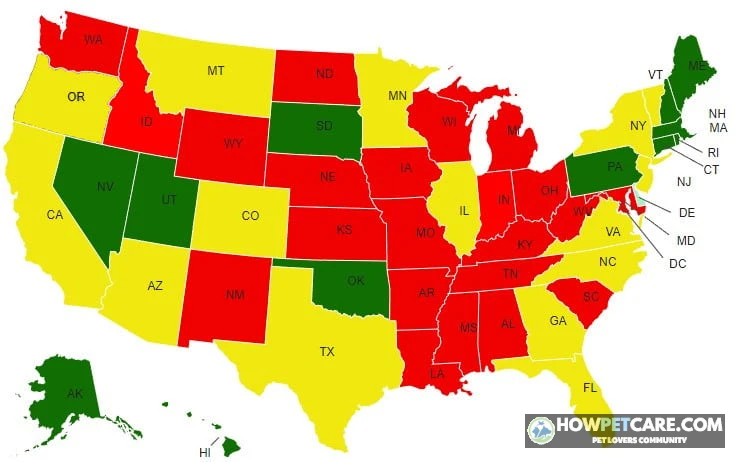
In states without statewide preemption on record—including Alabama, Alaska, Arkansas, Georgia, Hawaii, Idaho, Kentucky, Louisiana, Mississippi, Montana, New Hampshire, New Mexico, North Carolina, North Dakota, Oregon, Tennessee, Vermont, Washington, West Virginia, Wisconsin, and Wyoming—local county and municipal governments have the authority to enact breed bans. More than 700 U.S. cities have historically maintained breed-specific rules. Local ordinances change rapidly, so verify the current rules directly with your municipal clerk.
States That Preempt Local Breed Bans
State preemption statutes limit local authority. When a state legislature passes preemption, it nullifies existing municipal breed bans and prevents city councils from passing new ones. Texas, for example, enacted Health & Safety Code § 822.047 to establish uniform dangerous dog standards across jurisdictions. In states such as Illinois, Pennsylvania, and Arizona, a city council cannot make owning a pit bull illegal, regardless of local political pressure after an incident.
Home-Rule States Where Cities Can Still Enforce BSL
In home-rule jurisdictions, municipalities have substantial autonomy to enact police-power ordinances without state interference. Ohio removed "pit bull" from the statutory definition of a vicious dog in 2012, but individual municipalities retain the right to pass local bans under home-rule authority. The Ohio Supreme Court upheld that power in Toledo v. Tellings. In Iowa and Kansas, municipal councils likewise use their police power to maintain pit bull bans. The result is a patchwork where a dog may be legal on one side of a county line and illegal on the other.
What Denver’s 2020 Repeal Changed and What It Signaled
For three decades, Denver, Colorado, was the most prominent symbol of municipal breed bans in the United States. Enacted in 1989 after several high-profile attacks, Denver’s pit bull ban led to the impoundment, removal, and euthanasia of thousands of dogs. Enforcement over its 30-year history cost the city an estimated $100 million in enforcement, administrative, and sheltering expenses.
In November 2020, Denver voters decisively chose to repeal the ban and establish a provisional breed-restricted permit system instead. Owners must microchip their dogs, pay a special permit fee, and show that the dog has maintained a clean behavioral record for three years. The dog then receives standard, unrestricted licensing. Denver’s change spurred regional movement, with nearby Aurora repealing its own ban in 2021. It signaled a practical shift: if a large city could dismantle a 30-year ban without compromising public safety, smaller home-rule cities could do the same.
Notable Cities That Ban or Restrict Pit Bulls
Despite the trend toward repeal, several notable municipalities continue to enforce breed specific laws:
- Miami-Dade County, Florida: Enforced since 1989, local ordinance Sec. 5-17 makes it unlawful to acquire, keep, or sell pit bull-type dogs. Although Florida passed a preemption statute in 1990, the legislature created an exception protecting Miami-Dade’s pre-existing ban.
- Prince George’s County, Maryland: The county has maintained one of the nation’s largest countywide bans since 1996. It prohibits pit bulls, subjecting owners to fines and dogs to impoundment.
- Omaha, Nebraska: Omaha doesn’t have an outright ban, but it imposes stringent breed-specific requirements. Owners of pit bull-type dogs must carry substantial liability insurance and keep their dogs leashed and muzzled in public unless the dog passes the city’s approved behavioral assessment.
 You might be wonderingDogs corgi breedCorgi Dog Breed Guide: Pembroke vs Cardigan, Care & CostsRead the answer
Is Breed Specific Legislation Effective? What CDC, AVMA, and Enforcement Data Show
The central argument for breed specific legislation is public safety: supporters contend that banning high-risk breeds reduces bite injuries and fatalities. Extensive epidemiological studies and veterinary reviews, however, do not support that claim.
Major scientific, veterinary, and legal organizations—including the American Veterinary Medical Association (AVMA), the American Bar Association (ABA), the Centers for Disease Control and Prevention (CDC), and the National Canine Research Council (NCRC)—publicly oppose BSL. They agree that BSL fails to reduce dog bites or improve community safety while draining municipal resources.

What CDC Bite Data Can and Can’t Tell You
The CDC estimates that more than 4.5 million dog bites occur annually in the United States, with over 800,000 requiring medical intervention. From the late 1970s through the 1990s, the CDC conducted periodic studies of breeds involved in fatal dog attacks. The CDC discontinued tracking dog bite fatalities by breed in 1998, stating that the data was fundamentally unreliable for calculating breed-specific risk.
Accurate risk rates require two numbers: bites attributed to a specific breed, the numerator, and the total population of that breed in the community, the denominator. Because the U.S. population of any given breed or crossbreed is unknown, reliable breed bite rates cannot be calculated. Emergency rooms and police reports also routinely record inaccurate visual breed assessments, distorting bite tallies.
What the Studies of Repealed and Enacted Bans Found
Studies from international jurisdictions offer evidence about how breed bans work in practice:
- The Netherlands: In 1993, the Dutch government banned the breeding and ownership of pit bulls. After fifteen years of enforcement, public health reviews found no measurable effect on hospitalizations or overall bite incidence. The Netherlands formally repealed the ban in 2008 and redirected resources toward owner education and behavioral testing.
- Ontario, Canada: In 2005, Ontario enacted a comprehensive pit bull ban. Subsequent epidemiological evaluations across the province found that, although pit bull populations declined, overall dog bite hospitalizations did not. Bites from other medium and large breeds increased proportionately.
- Behavioral Genetics: A landmark 2022 study published in Science analyzed canine genomics and behavioral traits across thousands of dogs. It concluded that breed ancestry explains only 9% of behavioral variation in individual dogs. Individual factors, such as socialization, history of neglect, sterilization status, and owner handling, are far more predictive of aggression than breed. Epidemiological modeling also indicates that, to prevent a single hospitalization for a dog bite, an animal control agency would have to remove or euthanize more than 100,000 dogs of a targeted breed.
BSL Supporters’ Data and Methodological Disputes
Groups that support breed bans, such as DogsBite.org, present alternative data. Their reports analyze news coverage and press reports of severe and fatal attacks, showing that pit bull-type dogs account for a disproportionately large share of severe maulings and fatalities. Supporters argue that, even if all dogs bite, the jaw anatomy, tenacity, and physical power of pit bull-type dogs make their attacks uniquely catastrophic and justify preventive bans.
Veterinary epidemiologists dispute the use of media-sourced data. News reports are prone to reporting bias because attacks involving pit bulls receive significantly more coverage than bites involving other breeds. Visual breed identification during emergencies is also highly error-prone, making news-derived statistics scientifically invalid for determining breed-wide risk.
| Factor | Breed Specific Legislation | Breed-Neutral Dangerous Dog Laws | Strength of Evidence |
|---|---|---|---|
| Enforcement Trigger | Presumed breed or physical appearance, before any incident occurs | Documented individual behavior (bites, menacing, running at large) | High — established in statutory language |
| Breed Identification Reliability | Low — visual identification of mixed-breed dogs is inaccurate | High — does not rely on breed lineage; focuses strictly on incident reports | Strong — supported by genetic and shelter studies |
| Municipal Enforcement Cost | High — costly breed hearings, genetic verification, long sheltering stays, and legal challenges | Moderate — administrative costs scale with documented incidents rather than breed sweeps | Moderate — documented in municipal audit records |
| Bite Reduction Outcomes | Published empirical research shows no measurable drop in dog bite hospitalizations | Communities using licensing and enforcement models (e.g., Calgary) report bite drops | Moderate to strong across international studies |
| Legal Vulnerability | Frequently challenged under rational-basis, due process, and preemption laws | Rarely challenged; survives judicial review because it regulates conduct | Strong — consistent federal and state precedent |
| Enforcement Scope | Punishes compliant owners; misses dangerous dogs of non-listed breeds | Holds all reckless owners accountable; misses catastrophic "first bites" | High — acknowledged structural trade-off |
Breed Specific Legislation Pros and Cons: The Strongest Case on Each Side
The debate over breed specific legislation reflects competing views of risk, personal freedom, and community safety. National polling indicates that approximately 70% of Americans oppose laws that discriminate against dogs based strictly on breed. Both sides nevertheless offer distinct rationales.
The Case for BSL, in Its Supporters’ Words
Proponents of BSL—including victims’ rights groups, some municipal leaders, and organizations like DogsBite.org—frame their arguments around public health and prevention:
- Prevention Over Reaction: BSL aims to prevent catastrophic trauma before it occurs. Supporters argue that breed-neutral laws operate on a "free bite" principle, holding owners accountable only after a victim has suffered severe or fatal injuries.
- Disproportionate Severity: Proponents emphasize physical mechanics. Large, powerful breeds have the musculature and bite force to inflict life-altering trauma, permanent disfigurement, or death. Supporters argue that public safety policy must address the damage high-strength dogs can cause.
- Enforcement as a Bright Line: Supporters say a clear breed ban gives animal control an objective, proactive standard. Officers needn’t wait for a dog to escape or attack; they can remove an animal they consider inherently risky before an incident.
The Case Against BSL
Opponents of BSL, supported by veterinary, animal welfare, and legal organizations, argue that breed bans are scientifically flawed, costly, and unfair:
- Unreliable Identification: Visual breed identification is notoriously inaccurate. Shelter workers, veterinarians, and animal control officers routinely misidentify mixed-breed dogs’ genetic lineage when relying on sight alone.
- Punishing Responsible Owners: BSL penalizes well-behaved dogs and responsible owners while doing nothing to deter reckless owners. When a breed is banned, bad actors frequently move to other powerful, unlisted breeds, perpetuating the cycle.
- Severe Resource Drain: BSL ties up animal control budgets in lengthy court battles, prolonged sheltering of seized pets, and costly temperament trials, diverting funds from active bite prevention.
| Issue | The Pro-BSL Argument | The Anti-BSL Rebuttal | Where the Evidence Stands |
|---|---|---|---|
| Prevention | Intervenes proactively before a high-risk dog attacks | Penalizes thousands of innocent dogs and responsible owners for crimes never committed | Empirical datasets show no reduction in community-wide bite hospitalizations |
| Bite Severity | Focuses on preventing severe trauma and fatalities caused by powerful breeds | Trauma stems from dog size, strength, and behavioral history, not breed alone | Denominator data is missing, making breed-specific fatality risk difficult to quantify |
| Administration | Provides a clear rule for animal control to keep risky dogs out of neighborhoods | Visual identification is inaccurate, leading to contentious legal disputes | Science demonstrates that visual breed identification fails genetic testing |
| Fiscal Impact | Contends upfront prevention costs less than catastrophic medical and emergency responses | Denver spent $100 million enforcing a 30-year ban that did not enhance public safety | Shelter operations and legal defenses impose heavy costs on local budgets |
Breed-Neutral and Responsible Dog Ownership Approaches
Cities moving away from BSL typically adopt the "Calgary Model" or similar breed-neutral frameworks. These programs focus resources on five pillars of responsible pet ownership:
- Comprehensive Pet Licensing: Higher licensing compliance funds animal control operations and ensures dogs are vaccinated against rabies.
- Strict Leash and Containment Enforcement: Proactive patrols address dogs roaming at large before altercations happen.
- Mandatory Spay/Neuter Incentives: Altered dogs display substantially lower rates of territorial aggression and wandering behaviors.
- Escalating Reckless-Owner Penalties: Increasing fines, property liens, and pet ownership bans target repeat human offenders rather than specific breeds.
- Public Safety and Bite-Prevention Education: Community programs teach children and adults how to interact safely with companion animals.
Is Breed Specific Legislation Legal? How Courts Have Ruled
Federal and state courts have tested the constitutionality of breed specific legislation for decades. Although many owners consider BSL deeply unfair, courts have repeatedly upheld it under the government’s broad police power.
Police Power, Due Process, and Equal Protection Challenges
Municipalities have broad "police power" to pass regulations protecting public safety, health, and welfare. When owners challenge BSL, judges review the ordinances under the rational-basis test, the most deferential standard of judicial review.
Under that test, an ordinance is presumed constitutional unless the plaintiff can prove it serves no legitimate government interest or that the breed classification is wholly irrational. Public safety is a legitimate government interest, and federal and state appellate courts have routinely ruled that city councils have discretion to believe certain breeds pose greater risks, even if scientific literature disagrees. Major challenges based on the Equal Protection Clause have almost uniformly failed.
Owners have occasionally succeeded with procedural due process and vagueness challenges, however. Courts may strike down an ordinance as unconstitutionally vague if it fails to define a "pit bull" or "mixed breed," or denies an owner a fair administrative hearing to contest a breed designation.
Preemption vs. Home Rule in Plain English
The balance between state preemption and municipal home rule determines where BSL can survive:
- Home Rule: State constitutions give home-rule cities authority to pass local ordinances reflecting community preferences without state intervention, provided the rules don’t violate federal or state constitutions.
- State Preemption: State law always trumps local municipal law. When a state legislature passes a statute stating, "No political subdivision shall enact breed-specific dog regulations," any local ban is automatically voided. If a city council attempts to enforce a breed ban in a preemption state, a court will promptly issue an injunction striking it down.
Service Dogs, Assistance Animals, and Breed Bans
Federal disability and housing laws significantly limit how local breed bans apply:
Under U.S. Department of Justice regulations governing Title II (local governments) and Title III (public accommodations) of the Americans with Disabilities Act (ADA), breed bans cannot be applied to bona fide service dogs. A municipality cannot exclude, fine, or seize a trained service dog simply because it is a pit bull, Rottweiler, or other restricted breed. Public entities may only exclude a service animal if that specific dog poses a direct threat based on actual behavior.
ADA service dog protections don’t extend to Emotional Support Animals (ESAs) in public accommodations. In residential housing, however, the Fair Housing Act (FHA) governs assistance animals, including both service dogs and ESAs. Under HUD guidelines, housing providers must grant reasonable accommodations for assistance animals regardless of local breed bans or landlord breed restrictions, provided the animal doesn’t pose a direct, documented threat to others.
How BSL Affects Renters, Homeowners Insurance, and Housing Costs
For many dog owners, private housing and insurance restrictions are a larger obstacle than municipal codes. Even in states that preempt government breed bans, private landlords and insurance underwriters retain broad legal freedom to enforce their own breed restriction lists.
Breed Exclusion Clauses and What They Look Like in a Policy
Dog-related injuries represent a major liability exposure for property insurers. Across the United States, dog bites and related injuries accounted for $1.57 billion in homeowners insurance liability claims in 2024, with nearly 23,000 individual claims filed. The average cost per claim reached approximately $69,000.
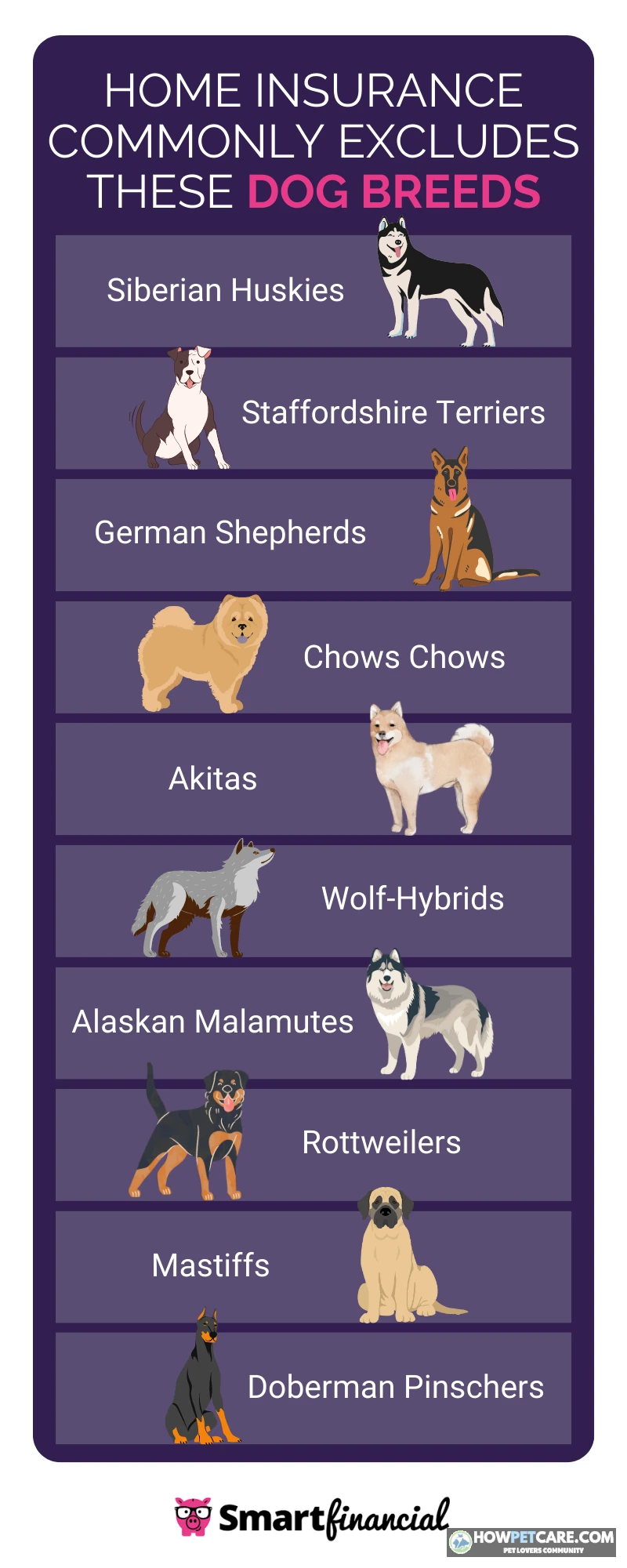
To limit their exposure, insurers write breed exclusion clauses into standard homeowners and renters policies. A typical clause reads:
"We do not cover bodily injury or property damage caused by any dog owned or harbored by any insured that is a Pit Bull, Rottweiler, Doberman Pinscher, Chow Chow, Akita, Wolf Hybrid, or any crossbreed thereof."
If you own a restricted breed, an exclusion can lead to four outcomes:
- Outright denial of your homeowners or renters insurance application.
- Policy non-renewal if the insurer discovers you’ve acquired a restricted breed.
- Mandatory premium surcharges.
- A liability rider excluding coverage for animal-related injuries, leaving you personally liable for damages.
What the 2022 NCOIL Model Law Changes (and Doesn’t)
In 2022, the National Council of Insurance Legislators (NCOIL) adopted the Dog Bite Liability Insurance Model Act. The model law prohibits insurers from denying, canceling, or altering homeowners insurance rates based solely on the specific breed of dog kept on the property.
Model laws don’t carry legal force on their own. They’re templates that individual states can choose to enact. Several states, including New York, Nevada, and Illinois, have enacted statutes restricting breed-based insurance underwriting, but insurers in most states can still legally deny coverage based entirely on breed lists.
Renting with a Restricted Breed
Renters face steep challenges under BSL and private breed restrictions. Property owners routinely restrict dogs over a certain weight or bar specific breeds to protect their commercial liability coverage. Public housing authorities, such as the New York City Housing Authority, and military housing complexes also enforce breed bans outside municipal animal control codes.
Renters with restricted breeds can consider three practical steps:
- Carry Dedicated Canine Liability Coverage: Many landlords will waive internal breed restrictions if you provide an independent umbrella or canine liability policy that names the landlord as an additional insured.
- Build a "Pet Resume": Document obedience training, Canine Good Citizen (CGC) certificates, veterinary references, and sterilization records to show responsible ownership.
- Use Fair Housing Rules Legally: If your dog is a legitimate assistance animal for a documented disability, request a formal reasonable accommodation in writing before signing the lease.
What Compliance Costs: A Line-by-Line Estimate
If you live in a municipality that enforces a grandfather clause or permits restricted breeds under conditional registration, staying in compliance can require a significant ongoing investment.
| Requirement | Typical Cost Range | Frequency | Who Sets the Requirement |
|---|---|---|---|
| Restricted/Dangerous Dog Permit | $50 – $500 | Annual renewal | Municipality / County |
| Canine Liability Insurance ($100k–$300k minimum coverage) | $150 – $1,200 | Annual premium | Required by city; sold by private insurer |
| Microchip Implantation | $25 – $75 | One-time | Mandated by ordinance; vet performs |
| Mandatory Surgical Spay/Neuter | $50 – $400 | One-time | Mandated by ordinance; vet performs |
| Secure Enclosure / Pen Construction (roofed run, concrete pad, lock) | $300 – $3,000 | One-time (plus upkeep) | Defined in municipal code specifications |
| Basket Muzzle and Short Leash Setup | $20 – $100 | One-time | Mandated for public spaces by city |
| Warning Signage ("Dangerous Dog" / Breed Warnings) | $10 – $50 | One-time | Mandated posting rules by city |
| Annual Property Inspection Fee | $0 – $150 | Annual | Animal control / Code enforcement |
| Landlord Pet Deposit and Monthly Pet Rent (if renting) | $200–$500 deposit; $25–$75/mo | Move-in / Monthly | Landlord / Property manager |
| Non-Compliance Penalties | $50 – $1,000+ per day | Per violation | Municipal court / Animal control |
If Your Dog’s Breed Is Banned: Grandfather Clauses, Relocating, Seizure, and Misidentification
If you live in or are moving to a jurisdiction with breed specific legislation, prepare carefully and check the rules in advance.
Grandfather Clause Checklist
If your city adopts a breed ban with an exception for existing pets, complete these five steps before the statutory deadline:
- Verify the Deadline: Mark the registration cut-off date on your calendar. Missing the initial deadline forfeits your grandfathered status, making the dog illegal.
- Gather Proof of Residence and Prior Ownership: Collect municipal dog licenses, rabies certificates, adoption papers, or veterinary receipts dated before the ban took effect. These can show that the animal was already in your possession within city limits.
- Complete Medical Requirements: Make sure your pet is microchipped, fully vaccinated, and surgically spayed or neutered. Keep official veterinary certificates on hand.
- Obtain Required Liability Coverage: Buy a policy that meets the city’s mandatory coverage levels (often $100,000 to $300,000). Check that the certificate specifically covers dog-related liability without breed exclusion riders.
- Inspect Your Containment Setup: Build enclosures to municipal specifications, such as fully covered roof runs or six-foot privacy fences. Install required gate warning signs and obtain a comfortable, humane basket muzzle for public walks.
Grandfathered status is not permanent. Most municipal codes require annual permit renewals. If you fail to pay your renewal fee or let your liability insurance lapse for even a single week, animal control can revoke your grandfathered status, issue a seizure order, and order the dog permanently removed from the city.
Moving with a Restricted Breed: Step by Step
Before packing, verify the rules at your destination:
- Check State Preemption: Find out whether your destination state preempts municipal BSL. If it does, local city bans are legally void.
- Examine Municipal and County Codes: Check the codes for both the city and county of your new home. Search for terms such as "dangerous dog," "pit bull," and "vicious animal."
- Get Written Confirmation: Call the destination city clerk or local animal control department to confirm that your dog’s breed is legal to own. Request confirmation by email for your records.
- Audit HOA and Landlord Rules: Homeowners associations and property management companies can enforce private breed bans even in states that strictly preempt municipal BSL.
- Plan Your Travel Route: The federal McClure-Volkmer Act protects interstate firearm transit, but no equivalent federal statute protects dogs traveling through BSL cities. In strict jurisdictions, keep your dog secured inside your vehicle and avoid extended stops in municipalities with active bans.
What to Do If Your Dog Is Seized or Labeled a Banned Breed
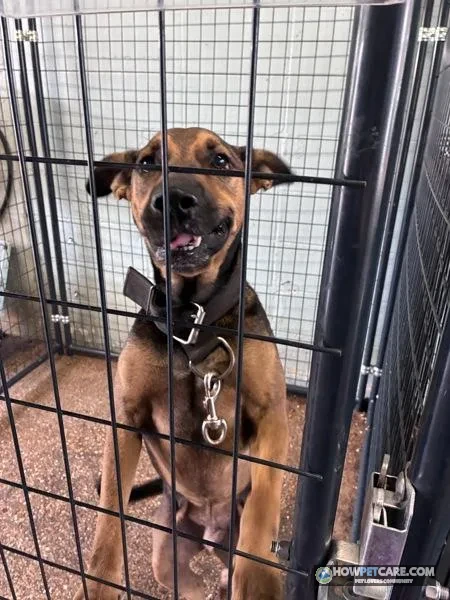
When animal control issues a breed-violation citation or impounds a pet, the administrative clock starts immediately. Appeal windows are narrow, typically lasting only 5 to 15 business days.
-
Hours 0–4: Do not sign voluntary surrender forms
Never sign an animal surrender form under pressure. Surrendering a dog transfers legal ownership to the municipality, forfeiting your right to an administrative appeal or hearing. Demand the officer’s written violation notice, noting the specific municipal code sections cited and the legal basis for the breed classification.
-
Hours 4–12: Locate the dog and confirm deadlines
Locate the holding facility where your pet is impounded. Submit a formal written request asking whether the dog can be boarded at your expense at a private veterinary clinic or facility outside city borders while the case proceeds. Request the exact appeal deadline date and the administrative board handling the hearing.
-
Hours 12–24: Assemble the documentation file
Gather all available records: adoption contracts, certified veterinary medical records, rabies registrations, professional training certificates, and affidavits from neighbors and veterinarians regarding the dog’s temperament. Clear, full-body photographs showing the dog’s physical build are critical if misidentification is being argued.
-
Hours 24–36: File your formal notice of appeal
Deliver a written notice of appeal to the municipal clerk or animal control director before the deadline expires, requesting a formal evidentiary hearing. Missing this administrative deadline allows the city to issue an automatic euthanasia or permanent removal order.
-
Hours 36–48: Retain counsel and evaluate DNA evidence
If the city is seeking euthanasia or forced relocation, consult an attorney experienced in administrative animal law. Review the municipal code to see whether genetic testing is admissible to challenge visual breed identification, and prepare to negotiate an agreed relocation order if the municipal code does not allow the pet to remain.
Using DNA Breed Testing to Contest a Visual ID
Visual identification of mixed-breed dogs is notoriously inaccurate, even when shelter personnel, veterinary technicians, and animal control officers conduct it. Commercial canine DNA tests offer a breakdown of genetic ancestry, but their value in court depends on how the local ordinance is written.
If the municipal code bans a specific genetic breed, such as purebred American Pit Bull Terriers, a certified DNA test showing that a dog is predominantly Boxer and German Shepherd can be persuasive evidence. But if the code defines a pit bull as "any dog displaying predominantly the physical characteristics and appearance" of a pit bull, judges will often dismiss genetic testing. In those jurisdictions, the legal standard rests on external anatomy rather than biological heritage. Before paying for a test, check whether your municipal code or administrative hearing officer admits DNA results as evidence.

Your Next Steps: A Decision Guide to Check and Comply with BSL Where You Live
If you own, foster, or plan to adopt a bully breed or restricted mix, use this five-step process to protect your household:
Step 1: Check Your State and Municipal Codes
Start with your state’s preemption status in the jurisdiction table above. If your state preempts local BSL, municipal breed bans are unenforceable. If it allows local BSL, search your city and county code libraries through Municode, American Legal Publishing, or your municipal clerk’s website. Use the keywords "pit bull," "breed," "canine," and "vicious dog."
Step 2: Contact Animal Control for Written Clarification
Contact your local animal services department or city clerk’s office. Ask whether the town enforces breed-specific restrictions, how officials determine breed designations, and whether appearance-based criteria apply to mixed breeds. Request an email so you have the answer in writing.
Step 3: Review Private Housing and Insurance Policies
Even if municipal laws are breed-neutral, check your private property contracts. Review your lease, HOA covenants, and homeowners or renters insurance policy for breed exclusion riders or prohibited pet lists. If exclusions apply, secure a third-party canine liability policy that covers your pet’s specific breed.
Step 4: Follow the Appropriate Legal Pathway
Choose a path based on the rules where you live:
- Breed Is Unrestricted: Keep your dog licensed with the city, maintain current rabies records, and keep digital copies of adoption paperwork in your files.
- Breed Is Restricted but Grandfathered: Submit your grandfather permit registration immediately. Microchip your pet, secure the required liability insurance certificate, follow enclosure and muzzling mandates, and set an annual reminder to renew the permit.
- Breed Is Banned Outright: Don’t move into the jurisdiction with the dog. If you already live there, consult an animal law attorney about challenging an inaccurate breed designation, requesting an accommodation under the Fair Housing Act for an assistance animal, or arranging safe relocation outside the municipal boundary.
Step 5: Maintain a Comprehensive Document Portfolio
Keep a dedicated file, both physical and digital, with your dog’s complete records. Include certified veterinary medical charts, rabies vaccination tags, microchip registration details, spay/neuter certificates, training accomplishments such as the AKC Canine Good Citizen award, and clear, full-body color photographs. Having them readily available can help you resolve citations, housing inquiries, or administrative disputes.
 You might be wonderingDogs newfoundland breedNewfoundland Dog Breed Guide: Size, Temperament, Costs & CareRead the answer
FAQ
Is ‘pit bull’ a single dog breed?
No. ‘Pit bull’ usually refers to a group that can include the American Pit Bull Terrier, American Staffordshire Terrier, and Staffordshire Bull Terrier, plus mixed dogs that resemble them. Each ordinance defines it differently, so check the local definition.
Does breed specific legislation apply to mixed-breed dogs?
Often yes. Many ordinances cover dogs that are ‘predominantly’ or ‘substantially similar to’ a listed breed, which is judged by appearance and can be disputed. Some codes allow records or DNA evidence, and others don’t.
Do military bases have breed bans?
Many military housing areas have their own breed restrictions that apply regardless of city or state law. Check with the installation’s housing office before moving or adopting.
Can a landlord ban my dog’s breed even where there is no BSL?
Generally yes. Landlord breed restrictions are lawful in most places, though assistance animals are protected under federal fair housing rules and breed limits usually can’t be applied to them.
Can I travel through or visit a city with a breed ban with my dog?
It depends on the ordinance. Some bans cover any dog within city limits, including visitors, and others exempt short stays or transit. Call the city’s animal control office before you travel and ask for the answer in writing.