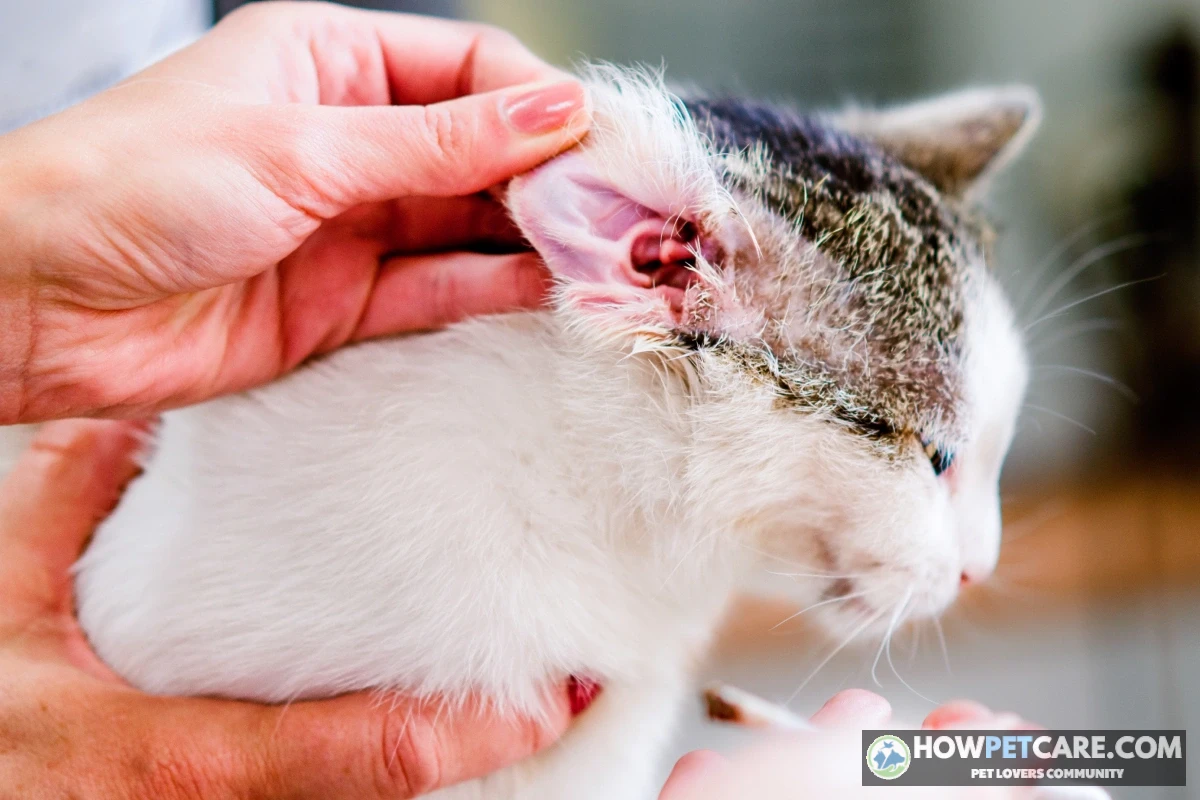

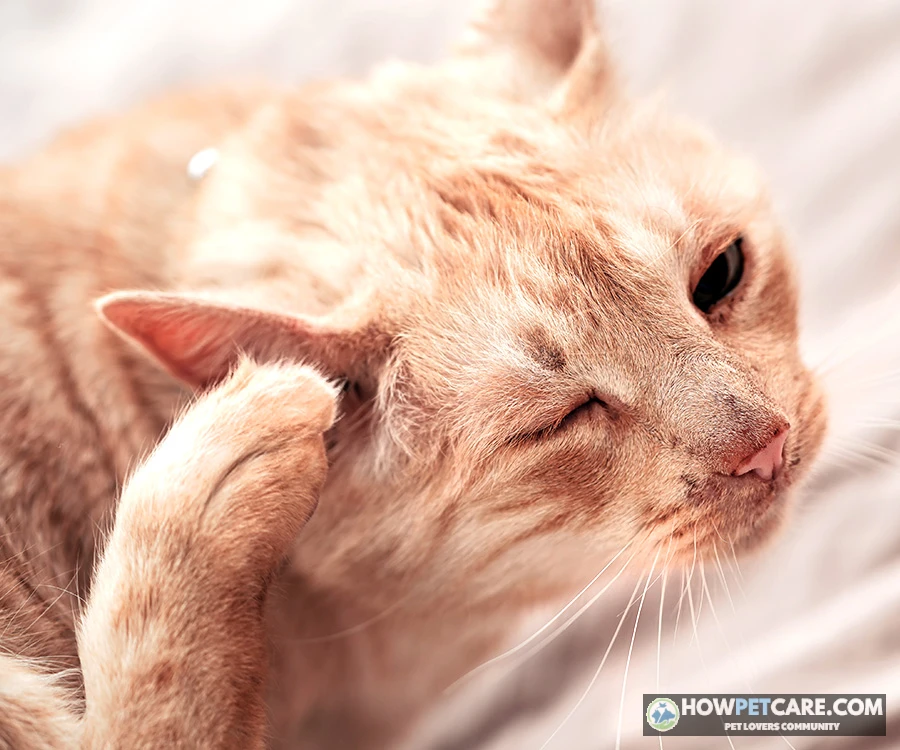
A cat ear infection (otitis externa) is inflammation of the ear canal, usually caused by ear mites, yeast, bacteria, or an underlying trigger like allergies or a polyp. The main signs are:
- Head shaking and frequent ear scratching
- Brown, black, yellow, or pus-like discharge
- A sweet, musty, or foul odor from the ear
- Redness, swelling, or pain when the ear is touched
- Head tilt or balance problems in deeper infections (an emergency)
A vet confirms the cause with ear cytology — a swab examined under the microscope — so book a visit within 24–72 hours rather than guessing.
By the Pet Care Editorial Team, a generalist pet-health desk that checks claims against current veterinary references. Published November 2026. General information only — not a diagnosis.
Cat Ear Infection Symptoms: What to Check in the First Five Minutes
If your cat is scratching an ear, shaking its head, or has discharge or an odor around the ear, start by deciding how urgently it needs care, not which drops to use:
- Emergency now: head tilt, loss of balance or stumbling, eyes flicking side to side, facial droop, unequal pupils, severe pain, or bloody or heavy pus-like discharge.
- Vet within 24 to 72 hours: persistent head shaking, scratching with visible discharge, odor, redness, swelling, or an ear held low.
- Monitor briefly: occasional scratching with clean-looking ears and a cat that is eating and behaving normally.
The main signs of otitis externa in cats are head shaking, ear scratching, discharge, odor, redness, swelling, and pain when the ear is touched. Most outer-ear infections need a vet visit within a few days, rather than a wait-and-see approach. The cat is uncomfortable, and the cause still needs to be identified. Ear infections are much less common in cats than in dogs and usually trace back to an underlying problem such as ear mites, allergies, a foreign body, or a polyp.

Signs you can see and smell
Look at both ears in good light and note which side is affected. Check for:
- Brown, black, yellow, green, or pus-like discharge inside the ear opening or on the flap.
- Redness or swelling of the canal opening.
- Crusting, scabs, or hair loss around the ear from scratching.
- A sweet, musty, or foul smell.
- Wax that looks heavier or darker than usual.
Don’t push anything into the canal for a better look. A cotton swab can pack debris deeper, damage the lining, or rupture the eardrum. Instead, photograph what you can see from the outside and note the date and which ear is affected.
Ear mites are a leading cause of itching and ear inflammation in kittens and cats that live outdoors, and they spread easily through direct contact between pets. Not every cat with dark debris has mites, but they’re high on the list of possibilities when itching is intense and other pets are scratching too.
Signs of pain and behavior change
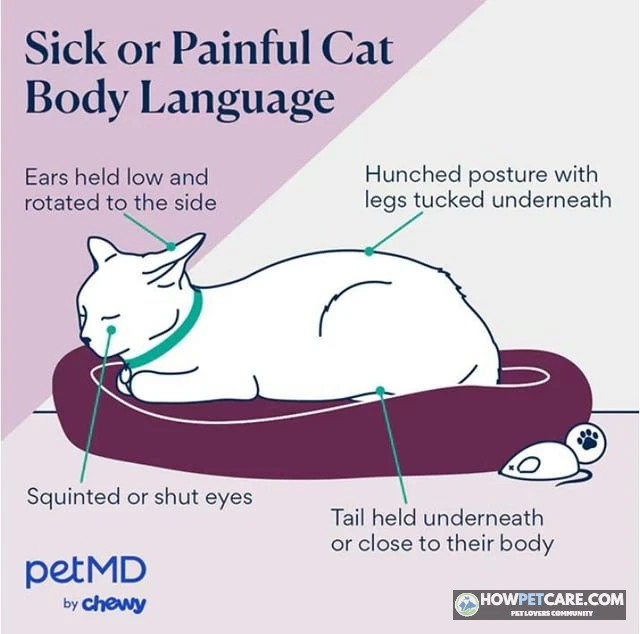
Cats hide pain well, so pay attention to changes in behavior:
- Holding the head tilted or the affected ear lower than the other.
- Crying out, flinching, or swatting when the ear is touched.
- Pawing at the ear or rubbing it against furniture.
- Reluctance to chew on one side or to be handled around the head.
- Hiding, irritability, or reduced appetite.
- A change in balance, walking, or jumping.
A cat in enough pain to resist having its head touched needs a veterinary exam, not a trial of home remedies.
One ear or both: what it can suggest
One affected ear is more common with a foreign body, a polyp, a tumor, or a localized infection. Both ears are more typically affected by allergies, mites, or a whole-body problem that has allowed yeast or bacteria to overgrow. Mites often affect both ears, especially in kittens and multi-pet homes.
One-sided signs combined with a head tilt, drooping eyelid, unequal pupils, or loss of balance are an emergency. The problem may involve the middle or inner ear, not just the outer canal.
You can look at the outside of the ear and note the color and smell. Don’t probe the canal, use cotton swabs, or pour in cleaner before a vet has checked the eardrum. If the eardrum is torn, the wrong liquid can reach the middle ear and cause permanent balance or hearing damage.
Emergency or Book an Appointment? A Triage Guide for Cat Ear Problems
Use this table to decide what to do next, or see our guide to common cat ear problems for a fuller symptom-to-cause map. If you’re unsure, call the clinic and describe the signs; a phone call is cheaper than a delayed deep infection.
Red flags that mean go now
| Sign | Urgency level | What it may mean | What to do |
|---|---|---|---|
| Head tilt, stumbling, or loss of balance | Emergency — same day | Infection may have reached the middle or inner ear, which controls balance | Go to an emergency vet or call your clinic now |
| Eyes flicking side to side (nystagmus), vomiting with dizziness | Emergency — same day | Inner ear involvement affecting the vestibular system | Emergency visit — don’t wait for a routine slot |
| Facial droop or unequal pupils on one side | Emergency — same day | Nerve involvement, often from middle ear disease or a polyp | Emergency visit |
| Bloody or heavy pus discharge | Urgent — within 24 hours | Possible ruptured eardrum, foreign body, or severe bacterial infection | Call the clinic today and describe the discharge |
| Severe pain — cat cries out or won’t let you near the ear | Urgent — within 24 hours | Deep inflammation or a painful object in the canal | Call the clinic today; don’t clean or medicate first |
| Persistent head shaking plus discharge, odor, or redness | Book within 24–72 hours | Otitis externa — mites, yeast, or bacteria — that needs cytology to identify | Book a routine appointment this week |
| Ear held low or flat, scratching with scabs near the ear | Book within 24–72 hours | Active infection or mite irritation causing self-trauma | Book a routine appointment this week |
| Occasional scratching, ears look clean, cat acting normal | Monitor briefly | Wax, litter dust, or early allergy itch — not yet clearly an infection | Watch 1–2 days; call if discharge, odor, or redness appears |
Head tilt, loss of balance, circling, or nystagmus can indicate that infection has reached the middle or inner ear or that the vestibular system is involved. In rare, severe inner-ear infections, the problem can spread toward brain regions that control breathing and heart function. Don’t wait and see if these signs appear.
Signs that mean book a visit this week
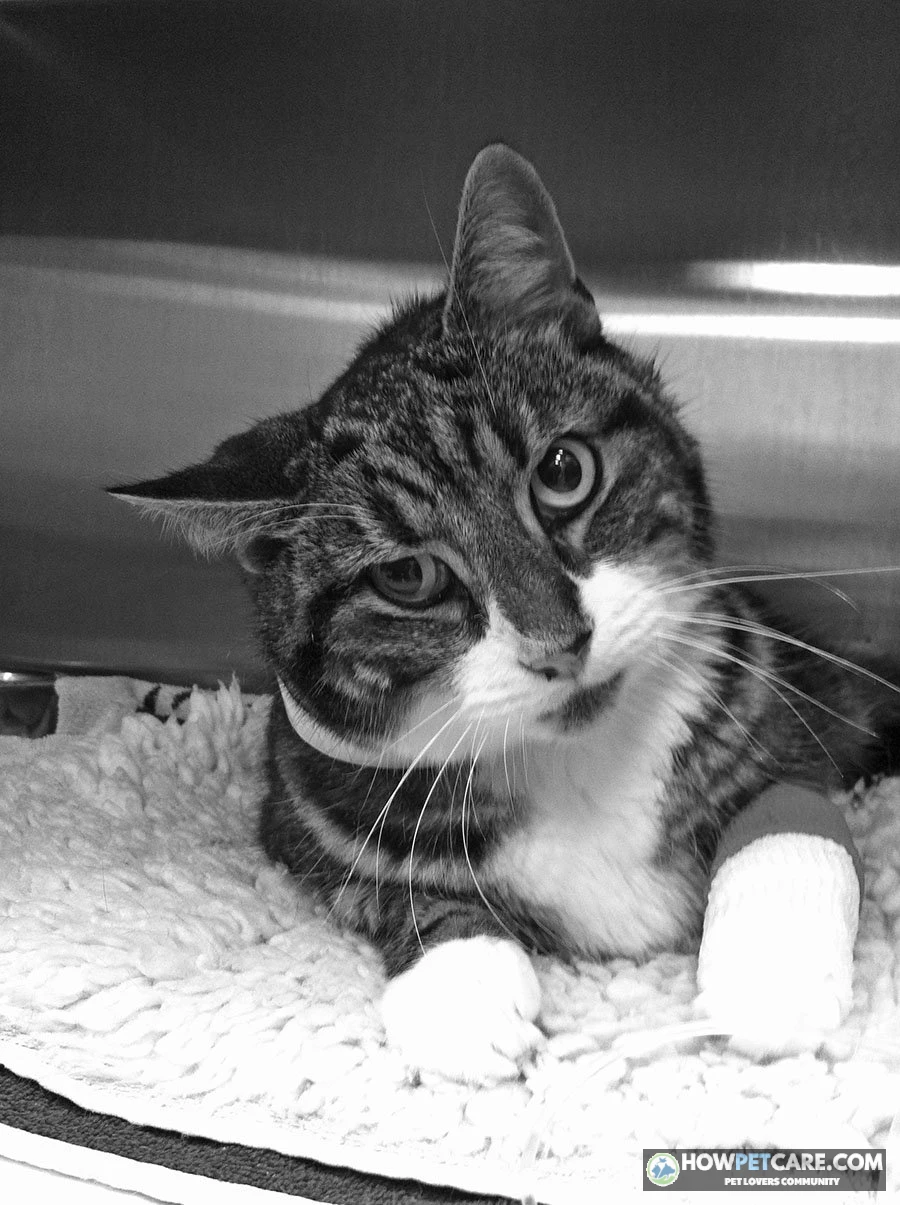
Book within 24 to 72 hours for persistent head shaking, scratching with discharge, odor, redness, swelling, or an ear held low. Your cat may still be eating and acting mostly normally, but the ear needs attention. Waiting for an outer infection to clear on its own risks deeper infection and chronic changes to the canal.
When it is reasonable to watch for a day
You can watch for a day or two if your cat scratches occasionally, its ears look clean, there’s no odor or discharge, and it’s eating and behaving normally. Healthy cats have a natural ear-cleaning mechanism and generally don’t need routine owner cleaning unless a vet has advised it. If you notice discharge, odor, redness, pain, or a change in balance, it’s time to stop watching and seek care.
Mites, Yeast or Bacteria? How Cat Ear Discharge Looks and Smells
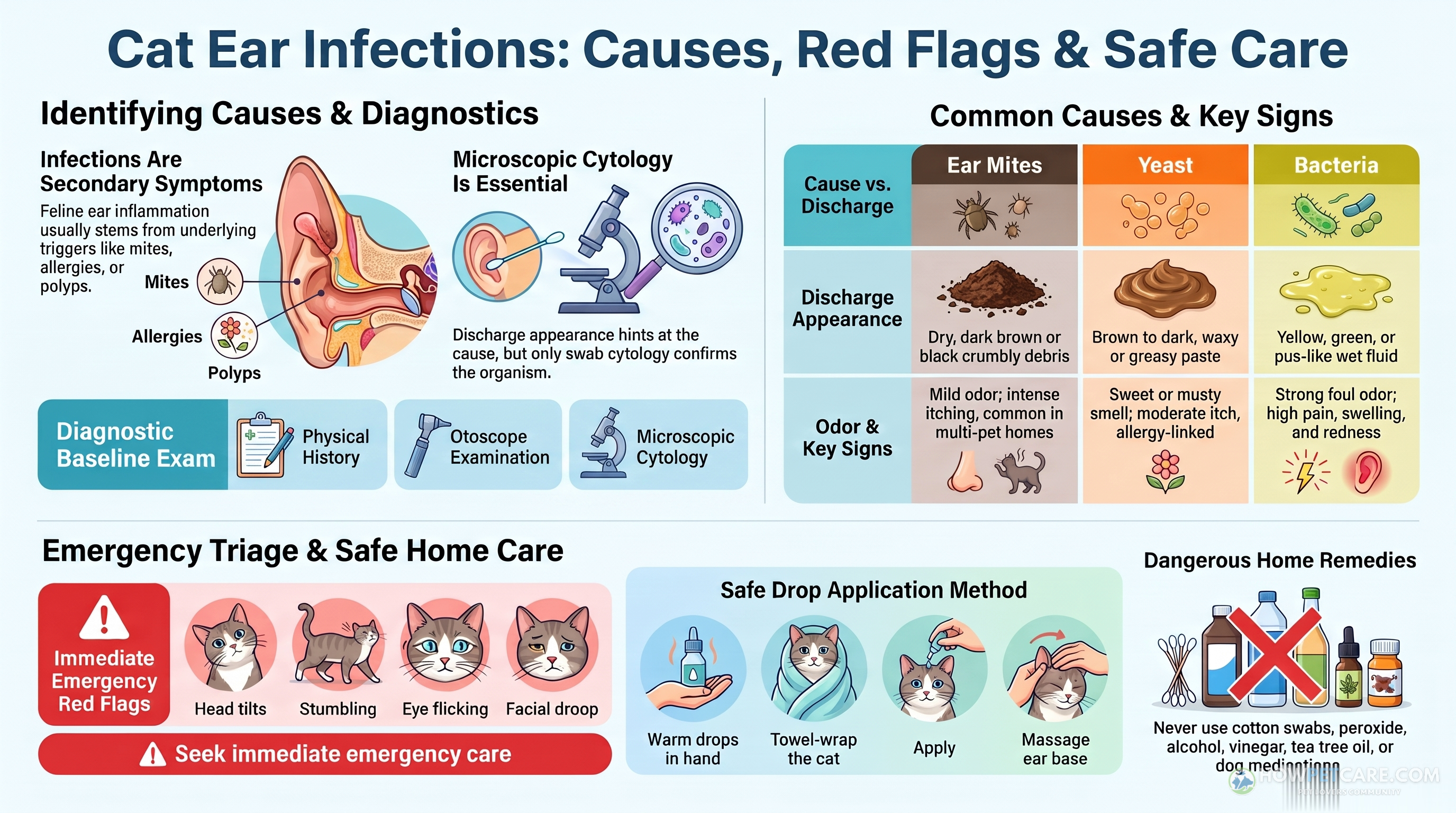
Discharge can help narrow the possibilities, but its appearance can’t confirm the cause. Don’t rely on color and texture alone to diagnose a feline ear infection. A vet needs to examine an ear swab under the microscope — a test called ear cytology — to see mites, yeast cells, or bacteria. Use the table as a comparison, not a diagnosis.
Discharge identification table
| Likely cause | Discharge appearance | Odor | Itch and pain level | Typically affects | Other clues | How the vet confirms it |
|---|---|---|---|---|---|---|
| Ear mites | Dry, dark brown or black, crumbly — like coffee grounds | Mild or none | Intense itching, less pain | Kittens, outdoor cats, multi-pet homes; often both ears | Other pets scratching too; scabs and hair loss around the ear from scratching | Mites or eggs visible under the microscope on an ear swab |
| Yeast (Malassezia) | Brown to dark, waxy or greasy, can look like a paste | Sweet or musty — a yeasty smell | Moderate itch, mild pain | Cats with allergies, often recurring in the same ear | Itchy skin elsewhere, licking paws, red canal lining | Round or peanut-shaped yeast cells on ear cytology |
| Bacterial | Yellow, green, or pus-like, often wet | Strong, foul odor | More pain than itch; ear may be hot and swollen | Any cat, usually secondary to mites, allergies, or a polyp | Redness and swelling visible at the ear opening; cat resists touch | Bacteria and white blood cells on cytology; culture if rods or resistant infection suspected |
| Mixed or deeper infection | Any combination, often heavy and wet | Strong odor | Pain, possible head tilt | Chronic or untreated cases | Signs have lasted weeks; balance or hearing changes | Cytology plus otoscope exam of the eardrum; imaging if middle ear disease is suspected |
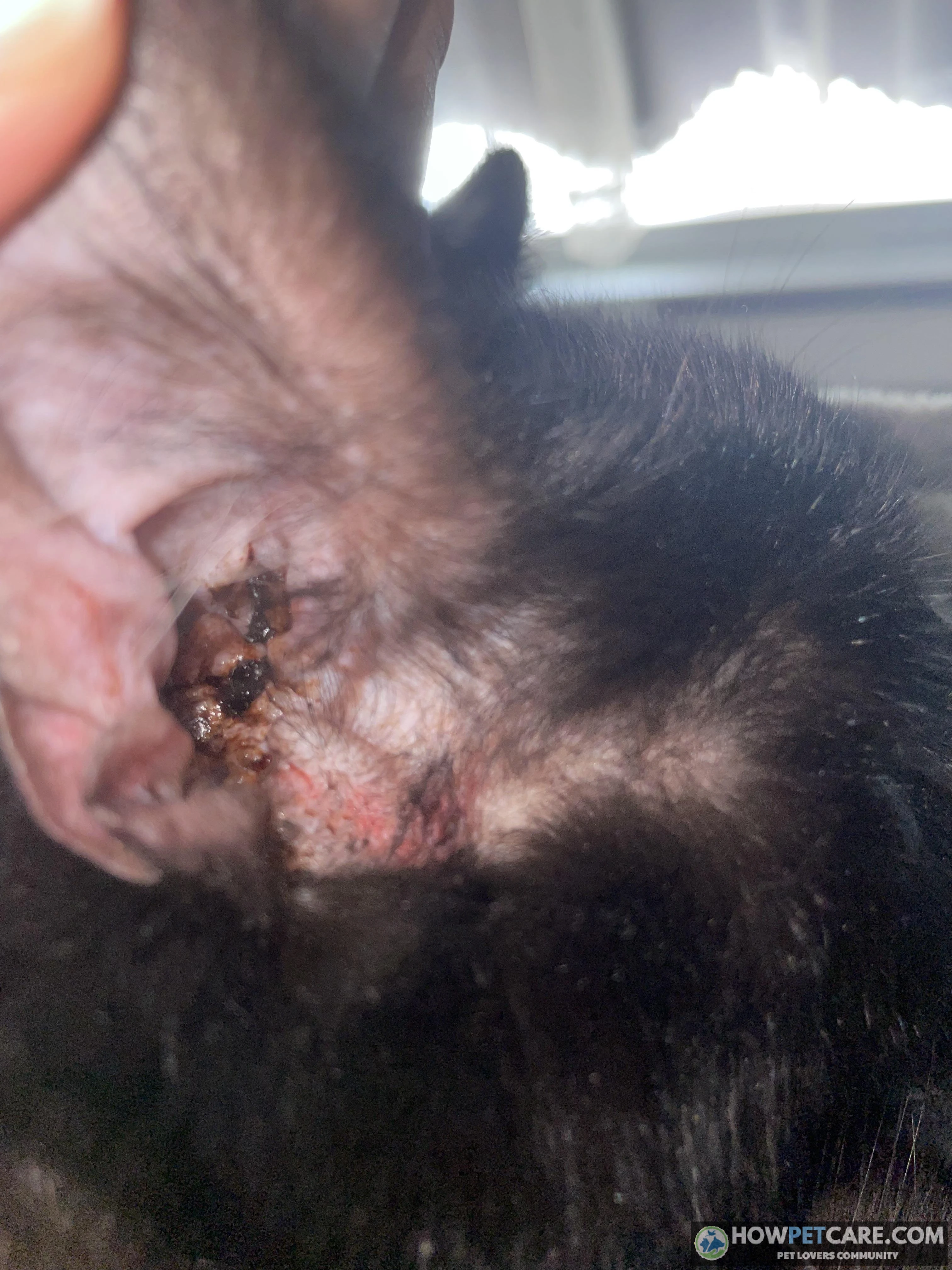
Dark, crumbly debris is often described as mite-type discharge, but yeast and bacteria can produce dark debris too. Mixed infections are common. Only cytology tells the vet which organism is actually there, which is why the first visit should include an ear swab.
Why looks alone can mislead
A cat can have mites and a yeast infection at the same time. A bacterial infection can develop on top of an allergy that started the problem. A polyp can cause recurrent discharge that looks like a plain infection. That’s why the vet examines the canal with an otoscope and takes a sample, rather than choosing a drop by smell.
Take a dated photo of the discharge before the appointment and another every few days during treatment. The vet sees the ear at the exam; your photos can help show whether it’s improving between visits.
That distinction also helps with cat ear infection vs ear mites: mites are a parasite, while an ear infection is inflammation of the ear canal that may be caused or worsened by mites, yeast, bacteria, allergies, or another trigger. A cat can have both mites and an infection.
Which pets in the house need checking
Ear mites spread between cats, dogs, and other pets through direct contact, so every pet in the home should be checked if mites are found. Yeast and bacterial ear infections themselves are generally not contagious; they usually develop from an underlying problem in the individual cat. Mites don’t infest people, although close contact can occasionally cause a temporary itchy rash.
What Causes Ear Infections in Cats, and Why the Infection Is Usually a Symptom
Discharge is the visible part of the problem. Infection usually follows something else: mites irritating the canal, allergies inflaming the skin, a grass seed lodged in the ear, moisture trapping debris, or a polyp changing how the canal drains. Cats can relapse if the discharge is treated without addressing the trigger.
Common drivers include:
- Ear mites (Otodectes cynotis). Highly itchy, contagious between pets, and especially common in kittens and outdoor cats.
- Allergies. Environmental or food allergies can inflame the skin of the ear canal and make it itchy, setting up yeast or bacterial overgrowth.
- Foreign material. Grass seeds, plant material, and debris can lodge in the canal.
- Moisture and debris buildup. Repeated bathing, swimming, or cleaning with the wrong product can keep the canal damp.
- Polyps and growths. Nasopharyngeal polyps can occur in young cats, involve the middle-ear space, and sometimes accompany persistent upper-respiratory signs.
- Narrowed or diseased canals. Chronic inflammation can change the canal lining and make future infections easier.
- Systemic illness. Conditions such as FIV or FeLV, diabetes, or other chronic disease can weaken defenses and allow yeast or bacteria to overgrow.
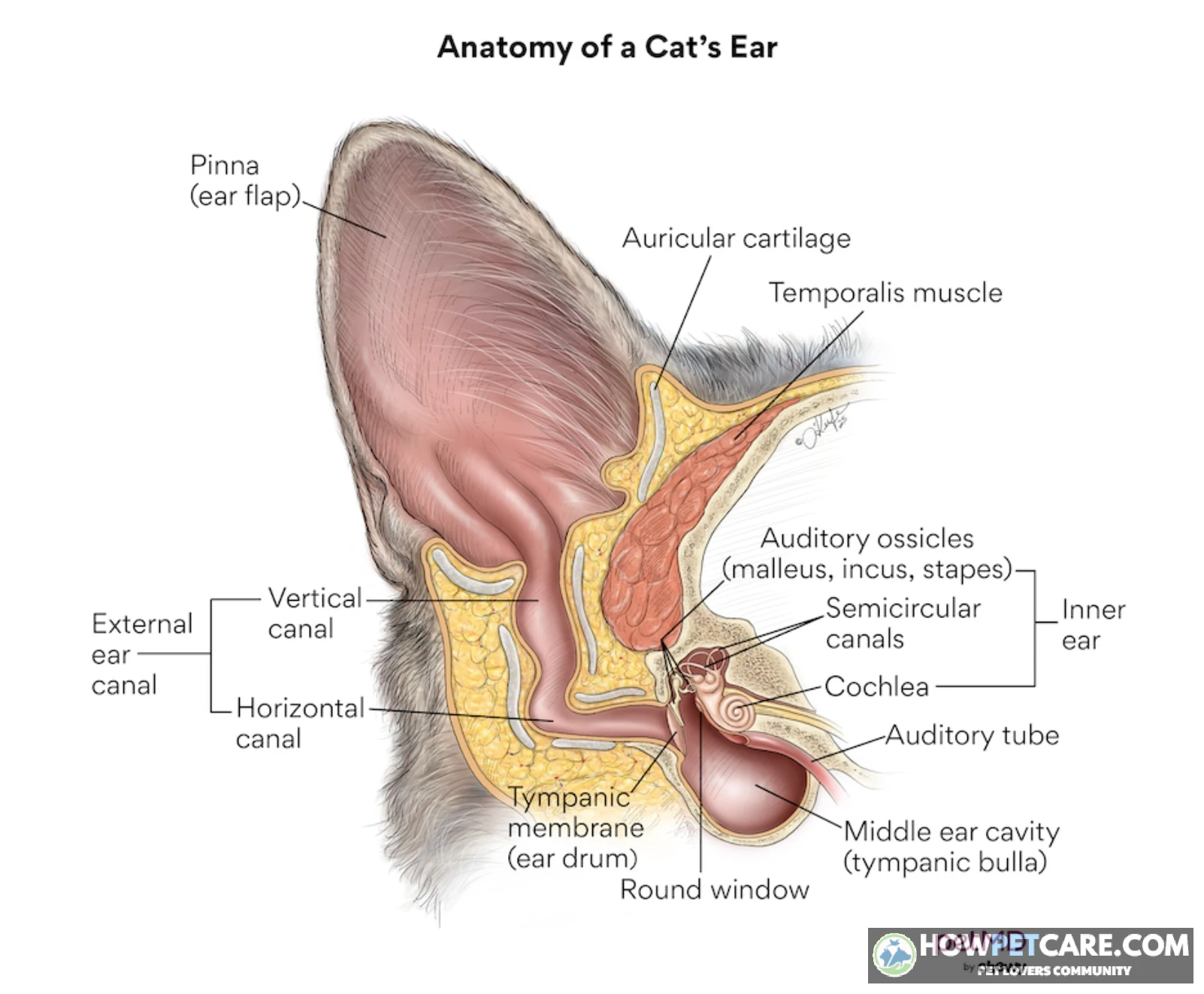
Vets distinguish otitis externa — inflammation of the outer canal — from otitis media and otitis interna, which involve the middle and inner ear. That distinction matters: deeper infections are more urgent, more painful, and more likely to affect balance and hearing.
Common causes in younger versus older cats
In younger cats, mites and polyps are higher on the list, especially in kittens from multi-pet or outdoor backgrounds. In older cats, allergies, chronic wax or debris problems, tumors such as ear cancer, and systemic disease deserve more attention, particularly when the same ear keeps flaring.
When infection points to a bigger health issue
Recurring or stubborn ear infections warrant a search for the root cause: allergies, an anatomical problem, a polyp, or a disease that affects immunity. Repeated ear problems aren’t just bad luck; the pattern gives the vet useful information.
A tube of drops can quiet the discharge while the underlying allergy, mite infestation, or polyp keeps the problem alive. The vet’s job is to identify both the organism and the reason it took hold. Your job is to follow the full treatment plan and attend the recheck.
What Happens at the Vet: Diagnosis and Treatment by Cause
A vet can’t choose the right medication from appearance alone. The standard diagnostic baseline is a history, an otoscope exam of the canal and eardrum, and ear cytology — a swab examined under the microscope to find mites, yeast, bacteria, and inflammatory cells.
Exam, otoscope and ear cytology
The exam usually follows this order:
- History: when signs started, which ear is affected, other pets, indoor or outdoor access, diet changes, and previous ear problems.
- Otoscope exam: the vet looks into the canal and checks the eardrum.
- Ear cytology: a sample from each affected ear is examined under the microscope.
- Plan: the vet matches treatment to what the cytology shows and decides whether sedation, a flush, or deeper testing is needed.
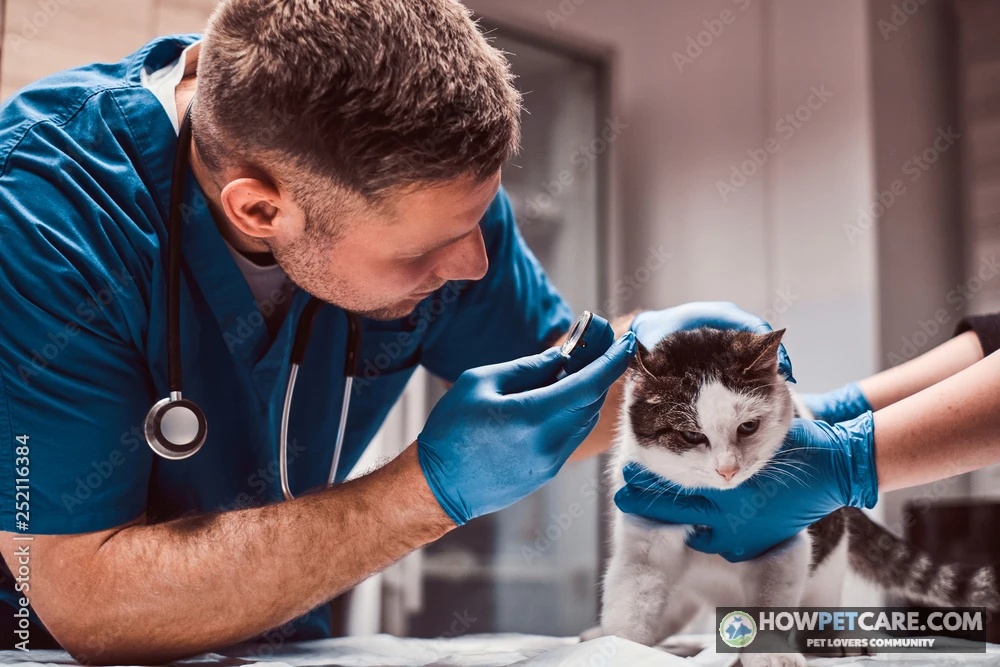
A severely painful or swollen ear may need sedation so the vet can see the eardrum and flush debris safely. Sedation doesn’t mean the case is hopeless; it often makes a proper exam possible.
Ear cleaning and flushing in clinic
In-clinic cleaning is different from wiping the ear at home. The vet can check the eardrum first, use an appropriate cleaner, flush debris, and suction the canal. If the eardrum is ruptured, flushing or arbitrary drops are strictly contraindicated because of the risk of permanent deafness and facial nerve paralysis. Cleaning an unexamined ear at home is a gamble.
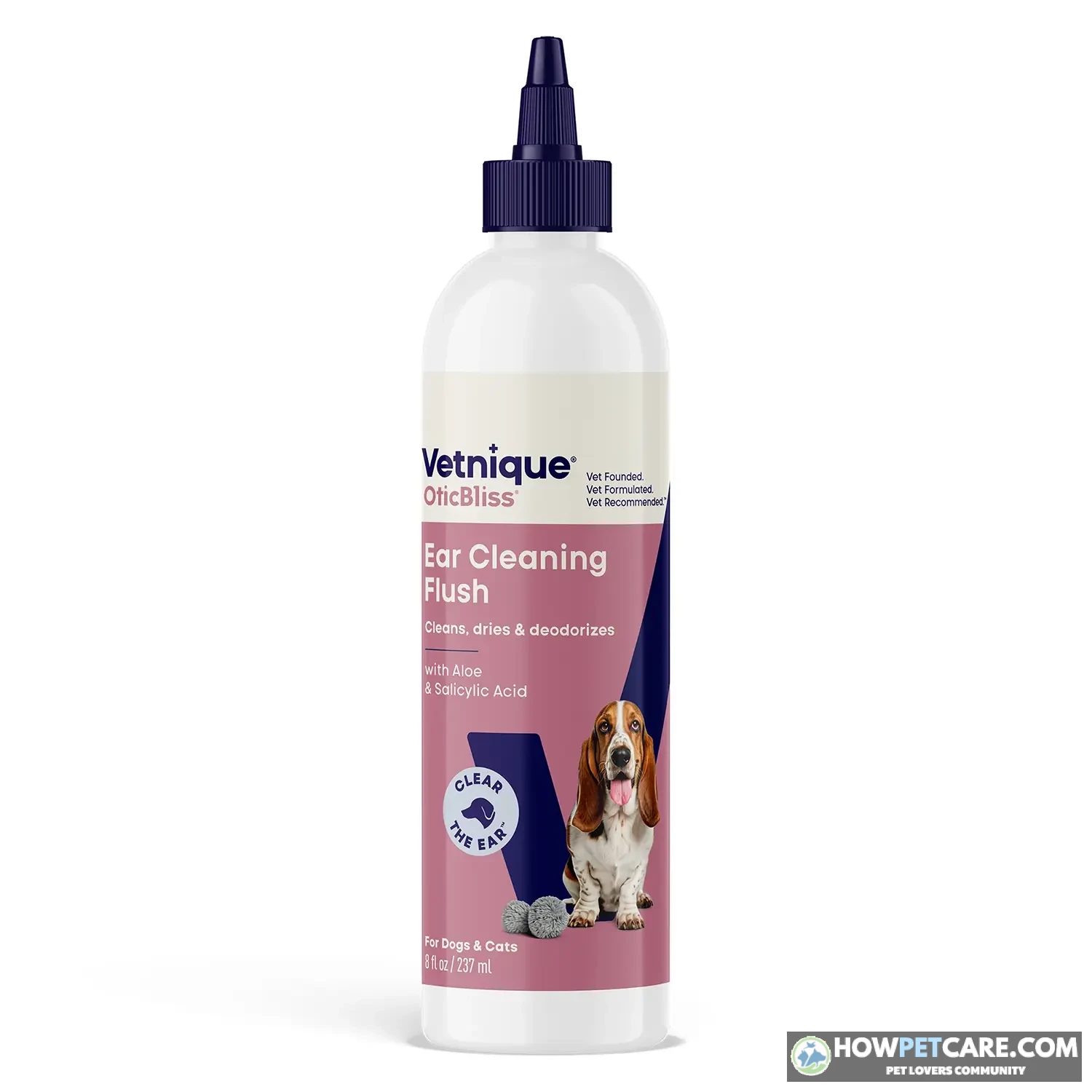
Treatment classes for mites, yeast, and bacteria
Products and schedules vary, so follow the vet’s label. The table names common classes only — not doses or prescriptions.
| Cause | Common medication classes | Typical course | What to ask |
|---|---|---|---|
| Ear mites | Parasiticide such as selamectin or an otic miticide; other pets treated too | Often repeated per product label; household pets treated at the same time | Which product, how many applications, and which other pets need treatment? |
| Yeast | Topical antifungal such as clotrimazole, miconazole, or terbinafine-based products; oral antifungals such as itraconazole or ketoconazole for stubborn cases | Often 1–2 weeks topically; oral duration set by the vet | Was yeast confirmed on cytology, and is an oral antifungal needed? |
| Bacteria | Antibiotic ear drops chosen to match cytology; oral antibiotics for severe or middle-ear disease; culture when rods or resistance are suspected | Often 1–2 weeks; longer for deep or resistant infections | Which organism was seen, and is a culture needed? |
| Pain and swelling | Anti-inflammatory steroids are often included in ear products or given separately | Short course, vet-directed | Is a steroid included, and could it worsen anything if the eardrum is damaged? |
Most topical courses run roughly 1–2 weeks, and owners often see clear improvement within that window. Some long-acting products are applied once or twice in the clinic instead of daily at home. Many ear products are labeled for dogs and used off-label in cats, so never substitute leftover dog medication or a product from another cat.

Why the recheck matters
A recheck isn’t a formality. The ear can look better while yeast or bacteria are still present, and stopping treatment early is a common reason for relapse. Repeat cytology at the recheck confirms the organism is gone before the case is closed.
Dog ear products can contain ingredients that are unsafe for cats, and the wrong drop can miss the real organism or harm the ear if the eardrum is damaged. Use only what your vet prescribed for this cat, for this episode, for the full course.
How Much Does a Cat Ear Infection Cost? A Stage-by-Stage US Breakdown
Cost is one of the main reasons owners delay a vet visit. The ranges below are approximate 2026 US estimates for general practice; emergency and referral hospitals charge more, and prices vary by region. Ask for a written estimate before treatment so you know what to expect.
Cost table: from first exam to surgery
| Stage | What it includes | Approximate US cost range (varies by region and clinic) | When it applies |
|---|---|---|---|
| Exam fee | Physical exam plus otoscope look at the canal and eardrum | $50–$90; emergency clinics often $150–$300 | Every case |
| Ear cytology | Swab examined under the microscope for mites, yeast, bacteria | $30–$60 | Almost every case — this identifies the cause |
| Medication | Ear drops, oral medication, or a parasiticide such as selamectin | $25–$120 | Every case; long-acting in-clinic applications sit at the higher end |
| Recheck visit | Repeat exam plus cytology to confirm the ear is clear | $40–$100 | Most cases, typically at 1–2 weeks |
| Sedation and ear flush | Sedation to examine a painful ear, check the eardrum, flush debris | $150–$400 | Swollen, painful ears; suspected foreign body or polyp |
| Culture and sensitivity | Lab test to find which antibiotic a stubborn infection responds to | $80–$150 | Recurrent infections, rod-shaped bacteria, treatment failures |
| Advanced imaging (CT) | Imaging to assess the middle ear, bone, and canal depth | $800–$2,500 | Suspected middle-ear disease, head tilt, surgical planning |
| Polyp removal | Surgery to remove an inflammatory polyp, often via the ear canal or throat | $500–$1,500 | Younger cats with recurring infection or noisy breathing |
| TECA (total ear canal ablation) | Specialist surgery removing the diseased canal | $2,500–$5,000+ | End-stage chronic canal disease that no longer responds to medication |
A routine outer-ear infection treated early often totals roughly $150–$350 for the exam, cytology, medication, and recheck. If that infection reaches the middle ear, it can cost many times more once sedation, imaging, or surgery enter the plan.
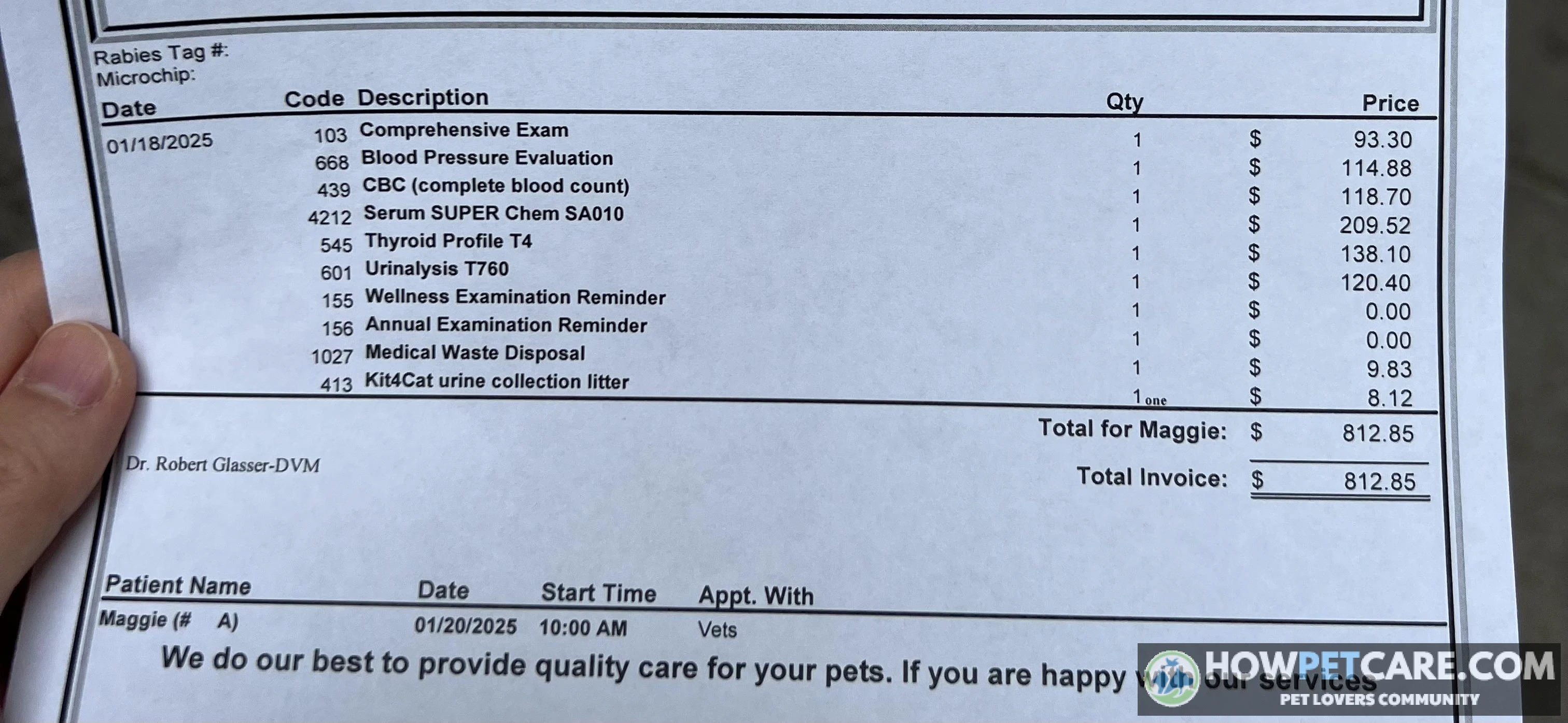
Product costs are a separate line. A vet-recommended cleaner such as Virbac Epi-Otic Advanced (4 fl oz) retails around $13.59, while an enzymatic product such as Zymox Plus Advanced Formula 1% hydrocortisone (1.25 fl oz) retails around $33.49. These are examples of what owners may buy, not prescriptions or endorsements.
What raises or lowers the bill
Sedation, both ears being affected, recurrent infection, culture, CT or other imaging, polyp removal, and specialist referral can raise the bill. Early treatment, completing the full course, and attending the recheck can help keep costs down by preventing the infection from returning.
Pet insurance generally covers ear infection exams and treatment if the condition isn’t pre-existing and the waiting period has passed, but policies differ on recurring or chronic ear conditions. If cost is tight, ask the clinic about payment options. Delaying care is the most expensive strategy in the long run.
Questions to ask the clinic before you go
- What is the exam fee, and is the otoscope exam included?
- Is ear cytology included, or billed separately?
- What will the medication cost, and how long is the course?
- Is a recheck included or billed as a second visit?
- If sedation is needed, what is the estimate?
- What will you do if the first treatment doesn’t work?
A written estimate lets you compare clinics and decide before treatment starts. It also gives you a clear list of what was recommended, which is useful if the cat needs a recheck or a referral.
Recovery Timeline: What to Expect Week by Week and What If It Doesn’t Clear
With the right treatment, most cats begin to improve within 1–2 weeks. Improvement doesn’t always mean the infection is cured, so keep the recheck appointment.
Week-by-week expectations
First few days: Expect less head shaking and scratching, less odor, and a more comfortable cat. Some cats improve within 48 hours; others take longer.
By week one: Discharge should be lighter, the canal should look less red, and the cat should resist ear handling less. Keep giving every dose.
By week two: Many outer-ear infections are substantially better or clear. The vet rechecks the ear and repeats cytology to confirm the organism is gone.
After the recheck: If the ear is clear, ask what caused the problem and what to watch for. If it isn’t clear, ask about the next diagnostic step.
Complete the full course even if your cat looks better. Stopping early is a common cause of relapse, and relapse is more expensive than finishing the first course.
When to call the vet back
Call if your cat isn’t improving by the recheck date, gets worse at any time, develops a head tilt, loses balance, cries in pain, or the ear looks more swollen or discharges more. Possible reasons include the wrong diagnosis, a resistant organism, an unaddressed underlying cause, a middle-ear infection, or a product that’s irritating the ear.
If the infection keeps coming back
Recurring feline ear infections point to a trigger that hasn’t been fixed. Expect the vet to consider culture and sensitivity, an allergy workup, imaging such as CT, and polyp removal or other surgery. For end-stage chronic canal disease, total ear canal ablation (TECA) is a specialist option with a serious recovery and hearing consequences to discuss.
Giving drops until the cat looks comfortable and then stopping is the most common avoidable mistake. Finish the prescribed course and attend the recheck, even if the ear looks normal from the outside.
Cat Ear Infection Home Care: Safe Steps, Dangerous Remedies and How to Give Drops
Home care doesn’t mean treating blindly. It means giving the prescribed treatment correctly, keeping the ear clean without damaging it, and knowing when to stop and call the vet.
What is safe at home and what is not
Safe to do at home:
- Give every prescribed dose on schedule, for the full course, even once the ear looks better.
- Wipe the visible outer ear with a soft cloth or cotton ball.
- Use an ear cleaner only if it’s the specific product your vet recommended.
- Take dated photos of the ear to track whether discharge and redness are improving.
- Wash your hands after each treatment, and keep other pets’ ears out of contact until the vet confirms mites aren’t involved.
Dangerous — do not use:
- Cotton swabs inside the canal: they pack debris deeper and can rupture the eardrum.
- Hydrogen peroxide or rubbing alcohol: they burn inflamed tissue and are unsafe if the eardrum is damaged.
- Vinegar or vinegar-water rinses: acid stings an inflamed canal and does nothing reliable against mites, yeast, or bacteria.
- Tea tree oil or any essential oil: tea tree is toxic to cats even diluted, and oils trap debris in the canal.
- Leftover drops from a dog, another cat, or a human: many ear products are labeled for dogs, dosing differs, and steroids in the wrong product can worsen some infections.
- Cleaning or medicating an ear that hasn’t been examined: if the eardrum is ruptured, the wrong liquid reaching the middle ear can cause permanent balance and hearing damage.
As a rule, use a product if your vet provided it for this cat’s current infection. If it came from a kitchen cupboard, an old pet’s medicine cabinet, or an internet recipe, don’t use it.
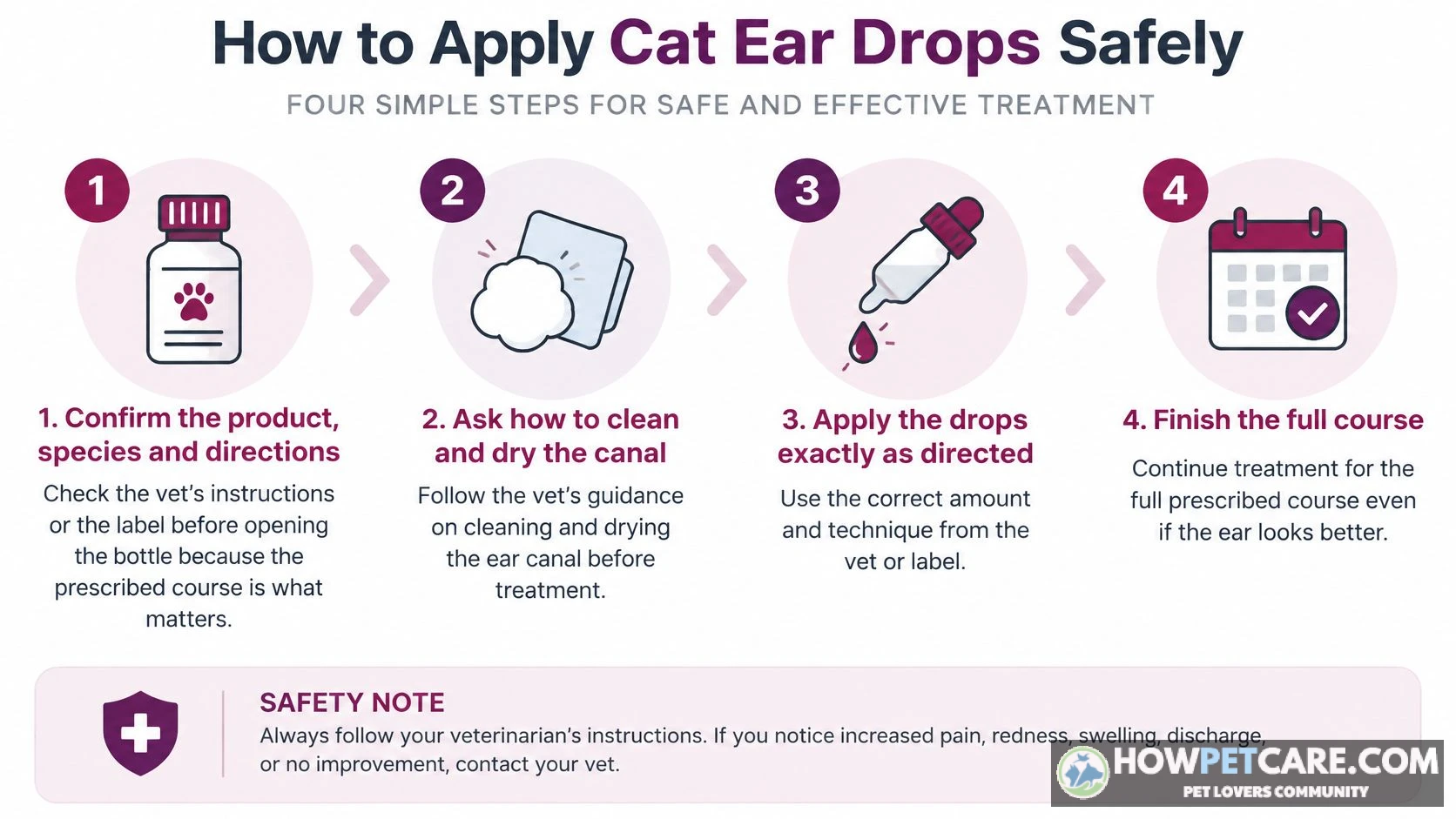
How to give ear drops step by step
-
Warm the bottle
Hold the medication in your closed hand for a few minutes. Cold drops can hurt a sensitive ear and teach the cat to fight the next dose. Don’t microwave it.
-
Set up before you fetch the cat
Open the bottle, have a cotton ball or soft cloth ready, and choose a quiet room with no hiding places — a bathroom works well.
-
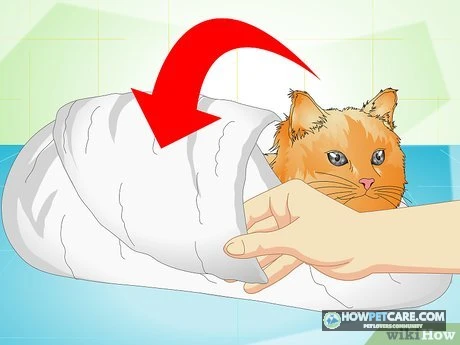
Wrap the cat like a burrito
Lay a towel flat, set the cat in the middle, and wrap it snugly around the body so only the head is free. This contains the back feet, which can cause injury.
-
Lift the ear flap and aim the nozzle
Gently hold the ear flap up and back to straighten the canal. Place the nozzle at the canal opening. Don’t push it inside or let the tip touch the ear.
-
Squeeze the prescribed amount and fold the ear down
Close the ear flap over the opening after the medication goes in.
-
Massage the base of the ear for about 30 seconds
You should hear a faint squelching sound, which means the medication is spreading down the canal instead of pooling at the top.
-
Step back and let the cat shake
Head shaking is normal and flings excess liquid out. Do this away from clean laundry.
-
Wipe the visible outer ear only
Use a soft cloth or cotton ball on the parts you can see. Never push anything into the canal.
-
Reward immediately
Offer treats or play right after every dose, so the cat doesn’t learn that your approach always means restraint.
-
Watch for problems after dosing
Mild head shaking is fine. A new head tilt, wobbliness, crying in pain, or a worsening ear means stop and call the vet.
If two people are available, one can hold the wrapped cat against their body while the other handles the ear. If home dosing consistently fails, tell the vet. Several long-acting medications can be applied once or twice in the clinic instead of daily at home.
How to clean a cat’s ear safely
Clean only if the vet has checked the eardrum and told you to clean. Fill the canal with the approved cleaner, massage the base of the ear, let the cat shake, and wipe debris from the outer ear with a soft cloth. Don’t go deeper than you can see, and don’t use a cotton swab inside the canal.
Stop and call the vet if cleaning causes a head tilt, loss of balance, severe pain, or obvious worsening. Some cats shouldn’t have their ears cleaned at home at all, especially if the eardrum may be ruptured or the canal is badly inflamed.
Handling a cat that fights treatment
A resistant cat isn’t a bad cat; it’s a painful or frightened cat. Use a quiet room, a towel wrap, a second person if possible, and treats immediately after every dose. Don’t chase the cat around the house or pin it by the neck. If your cat becomes panicked or you can’t safely give the drops, call the vet and ask about alternatives. A cat in severe pain should be seen, not restrained at home for ear treatment.
Your Action Plan: What to Do Tonight, Before the Visit and Through Recovery
Tonight checklist
- Check for emergency signs: head tilt, loss of balance, nystagmus, facial droop, unequal pupils, severe pain, or bloody or heavy pus.
- Note which ear is affected and whether both ears are involved.
- Describe the discharge color, texture, and smell, and take a dated photo.
- Stop any home cleaning or products until a vet has checked the eardrum.
- Call the clinic if any red flag is present; otherwise book a routine visit within 24 to 72 hours.
Questions to bring to the vet
- What did the cytology show: mites, yeast, bacteria, or a mix?
- Which medication is being prescribed, and for how many days?
- Was the eardrum checked, and is it intact?
- Do other pets need treatment or checking?
- When is the recheck, and what should I do if the cat gets worse before then?
- What underlying cause should we investigate if this recurs?
Recovery tracking checklist
- Give every dose on schedule and finish the full course.
- Take a dated photo every few days and compare discharge, redness, and scratching.
- Attend the recheck even if the ear looks normal.
- Call the vet if there’s no improvement by the stated window or any worsening at any time.
- After recovery, ask about the trigger — allergies, mites in other pets, polyps, or another health issue — and the plan if signs return.
Tonight, skip the kitchen remedy. Check for red flags, take a photo, and call or book an appointment. A five-minute check can help you decide how quickly your cat needs care.
1A cat presents with head tilting, loss of balance when walking, and eyes flicking side-to-side (nystagmus). What is the appropriate level of urgency for this cat's care?
Symptoms like head tilt, stumbling, and nystagmus suggest that the infection or inflammation has involved the inner ear or vestibular system, requiring immediate same-day evaluation.
2Why is relying solely on the visual appearance or color of ear discharge insufficient for diagnosing the specific cause of a cat's ear infection?
Dark crumbly debris is commonly associated with mites, but yeast and bacterial overgrowths can look nearly identical; microscopic cytology is required to identify the actual pathogen.
3Which of the following home care actions are dangerous and should be avoided when treating a cat suspected of having an ear infection? (Select all that apply)
Probing the ear canal with cotton swabs can pack debris deeper against the eardrum, irritate the canal lining, or rupture the eardrum.
4When diagnosing ear issues in cats of different ages, which underlying causes are statistically more suspicious in young kittens compared to older adult cats?
Ear mites (especially from multi-pet or outdoor backgrounds) and inflammatory nasopharyngeal polyps are prominent causes of ear problems in young cats and kittens.
5If ear mites are diagnosed in one cat living in a house with two other cats and a dog, what approach should be taken regarding the other animals?
Otodectes cynotis (ear mites) are highly contagious parasitic organisms that easily pass between cats, dogs, and other pets in close contact.
6Which of the following techniques help ensure safe and effective administration of ear drops to a reluctant cat? (Select all that apply)
Cold ear drops can cause discomfort or startle a sensitive cat, so warming the bottle in your hands improves comfort.
7What specialist surgical option may be considered for a cat suffering from end-stage chronic ear canal disease that no longer responds to medical therapy?
TECA is a major surgical procedure involving the removal of the diseased ear canal when chronic inflammation has caused permanent, irreversible damage.
8Why do veterinary medical resources describe a cat's ear infection as usually being a symptom rather than an isolated primary disease?
In healthy feline ears, self-cleaning mechanisms prevent microbial overgrowth; infections usually flare up secondary to primary drivers like allergies, parasites, or structural polyps.
FAQ
Can I use dog ear drops or leftover ear medication on my cat?
No. Some dog products contain ingredients that are unsafe for cats, and the wrong medication can miss the real cause or harm the ear if the eardrum is damaged. Use only what your vet prescribes for your cat for this episode.
Is a cat ear infection contagious to other pets or to people?
Yeast and bacterial ear infections are generally not contagious, since they usually develop from an underlying problem in that cat. Ear mites are contagious to other cats, dogs and other pets and can occasionally cause a mild itchy rash in people, so all pets in the house should be checked.
Can an indoor cat get an ear infection?
Yes. Allergies, polyps, wax buildup, and mites brought in by another pet can all cause ear infections in indoor cats.
Can a cat ear infection cause hearing loss?
Severe or long-standing infections, especially those involving the middle or inner ear, can cause hearing loss or balance problems. Prompt treatment of an outer ear infection lowers that risk.
Does pet insurance cover cat ear infections?
Most accident-and-illness plans cover ear infection exams and treatment if the condition is not pre-existing and any waiting period has passed. Check your policy for exclusions on recurring or chronic ear conditions.