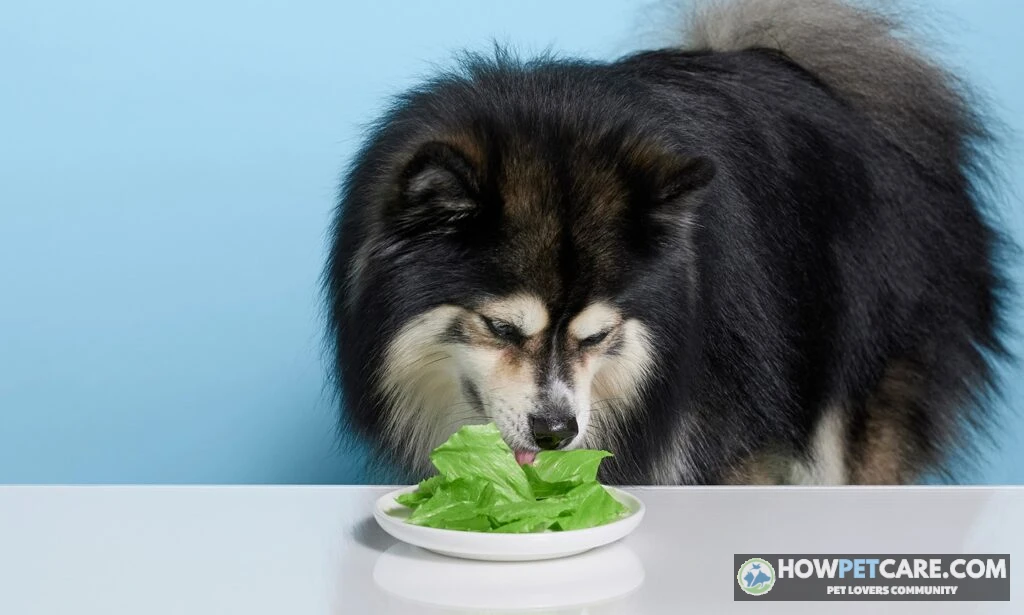

Yes, dogs can safely eat plain lettuce — romaine, iceberg, butterhead, and leaf varieties are all non-toxic. Serve it washed, finely chopped, and completely free of dressings or seasonings. Keep portions small and matched to your dog’s weight, since excess fiber can cause loose stool.
Plain, thoroughly washed lettuce of any common variety is non-toxic to dogs and works well as an occasional treat — as long as it stays completely free of dressings, seasonings, and surface contaminants.
Dogs that eat lettuce receive a quick dose of moisture, a little dietary fiber, and trace vitamins without extra calories. Think of lettuce strictly as a snack rather than a replacement for balanced commercial food.
This guide provides general dietary information for dogs. It does not replace a veterinary diagnosis or prescription. Consult your veterinarian before making any major changes to your pet’s diet.
Can Dogs Eat Lettuce? The Immediate Safety Verdict and Core Benefits
Why Dogs Can Have Lettuce as a Low‑Calorie Snack
Lettuce consists of roughly 90 % water, making a small serving an easy way to help keep a dog hydrated on warm days — a benefit it shares with cucumbers as a hydrating snack. Its insoluble fiber adds physical bulk to stool to support regular bowel movements without adding dense calories. Because its overall nutrient concentration remains modest, feeding lettuce within recommended portions will not trigger unwanted weight gain.
Key Nutritional Profile: Water Content, Fiber, and Vitamins
| Nutrient | Approx. Amount (per 100 g) |
|---|---|
| Water | 90 % |
| Calories | 14 kcal |
| Dietary Fiber (insoluble) | 1.2 g |
| Vitamin A (β‑carotene) | 740 IU |
| Vitamin K | 24 µg |
These vitamin A and K levels offer mild support for skin integrity and normal blood clotting. Dogs lack cellulase, the digestive enzyme needed to break down plant cell walls. As a result, the fibrous leaf structure passes through largely intact, meaning the primary benefits come from water and mechanical fiber.
Which Types of Lettuce Can Dogs Eat? Romaine, Iceberg, and Leaf Greens Compared
Greens vary significantly in their mineral composition. True lettuces—such as romaine, iceberg, butterhead, and red leaf—contain minimal oxalates and remain safe for canine digestion. Peppery greens like arugula are safe in microscopic portions, though the spicy flavor often irritates sensitive canine stomachs. Avoid feeding high‑oxalate plants like spinach, kale, or Swiss chard to dogs with known kidney or urinary issues.
Spinach and kale contain oxalates that can precipitate calcium crystals, increasing the risk of kidney stones in susceptible dogs.
Nutritional Comparison of Common Salad Greens for Dogs
| Greens Variety | Water Content (%) | Fiber Level | Primary Vitamins | Digestibility Rating | Best Used For |
|---|---|---|---|---|---|
| Romaine Lettuce | 94.6% | Moderate (Insoluble) | A (Beta‑carotene), K, Folate | Moderate (Requires fine shredding) | Best all‑around nutrient‑dense snack |
| Iceberg Lettuce | 95.6% | Low (Gentle) | Traces of A, C | High (Soft cellulose) | Hydration and zero‑calorie filler |
| Butterhead / Bibb | 95.0% | Low | A, K, Iron | High (Very soft leaves) | Senior dogs and sensitive digestions |
| Arugula (Rocket) | 91.7% | Moderate‑High | K, Calcium, Folate | Low (Peppery bite may irritate gut) | Occasional micro‑topper; many dogs reject taste |
| Spinach (Reference) | 91.4% | High | A, C, K, Iron | Low‑Moderate (High oxalates) | Limit strictly; poor choice for renal‑history dogs |

Romaine provides a practical balance of moisture, roughage, and beta‑carotene, making it a reliable standard option. Iceberg supplies mostly water with negligible micronutrients, functioning well as a hydrating, zero-calorie filler for weight control.
How Much Lettuce Can Dogs Eat? Weight‑Tiered Portion and Frequency Guide
Treats should account for no more than 10 % of a dog’s daily caloric budget. Since lettuce has almost no calories, you must calculate maximum servings based on gut capacity and fiber tolerance instead.
Safe Lettuce Portion Guidelines by Dog Weight
| Dog Size / Category | Weight Range (lbs) | Max Daily Serving (Raw Shredded) | Recommended Weekly Frequency | Preparation Method |
|---|---|---|---|---|
| Toy | Under 10 | 1–2 teaspoons | 1–2 times weekly | Minced raw or pureed into wet food |
| Small | 10–24 | 1–2 tablespoons | 2–3 times weekly | Finely chopped or lightly steamed |
| Medium | 25–49 | 3–4 tablespoons (≈¼ cup) | 2–3 times weekly | Shredded ribbons; raw or blanched |
| Large | 50–89 | ⅓–½ cup | 3–4 times weekly | Coarsely chopped, raw or steamed |
| Giant | 90+ | ½–¾ cup | 3–4 times weekly | Chopped leaves; discard dense stem base |

Adhering to these serving sizes keeps insoluble fiber well below the threshold that causes osmotic diarrhea. Exceeding the suggested weekly frequency can quickly cause loose stool, especially in pets with sensitive digestive tracts.
Signs Your Dog Ate Too Much Fiber
- Sudden loose, green‑tinted stool
- Noticeable flatulence within 12‑24 h
- Reduced appetite or mild abdominal cramping
If these symptoms persist past 24 h or occur alongside vomiting, discontinue the lettuce and check in with your clinic.
Raw vs. Cooked Lettuce: Safe Preparation to Prevent Choking and Aid Digestion
The Digestion Dilemma: Why Dogs Struggle with Plant Cellulose
Dogs cannot produce cellulase, which means they cannot break down raw plant cell walls efficiently. Large pieces of leaf travel through the intestines without releasing their modest nutrients. Whole leaves can also cling to the palate or airway, creating an unnecessary choking risk for small breeds and dogs that gulp their meals.
Step‑by‑Step Safe Prep: Washing, Chopping, and Light Steaming

-
Discard Outer Foliage & Thick Stems
Peel away bruised outer leaves and snap off the fibrous white core that runs through romaine and iceberg heads. These parts are hardest to chew and carry the highest pesticide residue.
-
Cold‑Water Submersion Wash
Place the cleaned leaves in a bowl of cold tap water. Swish for 30 seconds, drain, then rinse under running water. Pat dry with a clean paper towel. This lowers the risk of E. coli or Listeria contamination.
-
Mechanical Breakdown (Sizing)
Slice leaves into confetti‑thin ribbons (≤¼ inch wide). Small dogs should receive a minced paste or pureed mix blended into wet kibble.
-
Thermal Softening (Optional)
If your dog has a sensitive gut, blanch the ribbons in boiling water for 60 seconds, then shock in cold water. This softens cellulose without stripping water‑soluble vitamins, making digestion easier.
Raw vs. Lightly Steamed: Which Is Better?
- Raw retains maximum moisture, offering the greatest hydration support for healthy adult dogs that chew deliberately.
- Steamed (or blanched) breaks down rigid cellulose fibers, easing digestion and eliminating choking hazards for puppies, senior pets, and dogs prone to colitis.
Never fry or sauté lettuce in cooking oils or butter. Added dietary fats raise calorie intake and can trigger acute pancreatitis.
Salad Dressings and Toxic Add‑Ins: Why Plain Lettuce Is the Only Safe Option
Prepared table salads introduce serious medical risks to dogs:
- Allium powders (onion, garlic, chives) destroy red blood cells, causing hemolytic anemia even in trace amounts.
- Xylitol, an artificial sweetener in sugar-free dressings, causes rapid hypoglycemia and severe liver damage within minutes.
- Excess sodium and fats burden the digestive tract and can provoke acute pancreatitis in vulnerable or overweight dogs.
- Nuts, raisins, and cheeses introduce dangerous toxins or excess fat that trigger severe gastrointestinal distress.
Even a drizzle of vinaigrette turns a harmless leaf into a potential emergency. Keep lettuce plain, unseasoned, and free of any additives before offering it to your dog.
Always leave these common salad toppings out of your dog’s bowl:
- Croutons (can expand in the stomach or cause mechanical choking)
- Bacon bits or seasoned deli meats (excessive salt and fat)
- Olives and pickles (concentrated sodium levels)
- Culinary herbs with strong essential oils (such as rosemary or thyme)

If your dog eats dressed salad, watch closely for vomiting, diarrhea, lethargy, or pale gums, and contact your veterinarian immediately. The salad components matter just as much as the toppings — ripe tomatoes are safe in small portions, but the green vines and unripe fruit contain toxic tomatine and should stay out of the bowl.
Special Clinical Considerations: Puppies, Seniors, and Therapeutic Diets
Can Puppies Eat Shredded Lettuce Safely?
Puppies have narrow airways and sensitive, developing digestive tracts. Serve only finely minced or lightly steamed lettuce, capping the portion at one half‑teaspoon per 5 lb of body weight. Monitor the pup’s stool quality and behavior for 24 hours before offering more.

Lettuce as a Weight‑Loss Tool for Overweight and Diabetic Dogs
Iceberg lettuce supplies physical bulk without meaningful calories, which helps replace commercial treats during a targeted weight-loss plan — the same strategy behind feeding crunchy carrots in controlled portions. Stirring shredded leaves into a measured portion of canned food increases meal volume, encourages fullness, and prevents rapid glucose spikes. Keep track of all daily food intake to ensure your pet stays within strict caloric targets.
Senior Dogs and Renal Considerations
Older pets frequently struggle with worn teeth and reduced kidney filtration. Tender butterhead or iceberg leaves provide easy-to-chew moisture without overloading kidney function. Steer completely clear of high-oxalate greens, which compound the risk of calcium oxalate bladder stones.
Dogs with Chronic GI Issues (IBD, Colitis)
Insoluble roughage can irritate inflamed intestinal linings. Dogs diagnosed with inflammatory bowel disease should receive lettuce no more than once per week, prepared in an easily digestible, blanched form. Review any vegetable additions with your veterinarian beforehand.
Serving Protocol and Emergency Triage: Choking Hazards and Foodborne Recalls
How to Safely Introduce Lettuce for the First Time
- Mix 1 teaspoon of finely minced lettuce into your dog’s standard meal.
- Monitor digestion and stool consistency over the next 24–48 hours.
- If your dog shows no signs of intolerance, gradually increase the serving toward the weight-based allowance.
Recognizing Choking and Foodborne Illness (E. coli & Listeria)
Benign Responses (monitor at home)
- Visible leaf fragments in stool
- Slightly softer stool within 12‑24 h
- Mild flatulence
Urgent Veterinary Red Flags
- Profuse watery diarrhea or repeated vomiting (possible bacterial gastroenteritis)
- Pale gums, weakness, or collapse (allium or xylitol toxicity)
- Abdominal pain, hunched posture, or refusal to lie down (acute pancreatitis)
- Persistent gagging, pawing at the mouth, or blue‑tinged tongue (airway obstruction)
If you suspect airway obstruction, open the mouth carefully to clear any reachable leaf matter. If breathing has stopped completely, administer the Heimlich maneuver for dogs by applying firm, upward abdominal pressure behind the ribs, and transport the animal to an emergency clinic right away.

Foodborne Bacterial Risks
Commercially packaged greens periodically face recalls for E. coli or Listeria contamination. Symptoms typically appear within 12–48 h of eating spoiled greens and include fever, acute diarrhea, and severe lethargy. If your dog develops these symptoms after eating lettuce from a flagged batch, call your veterinary hospital with the product information.
To minimize bacterial exposure, rinse greens under cold running water, keep raw produce refrigerated at or below ≤40 °F, and throw out any slimy or discolored leaves.
By following these portion charts, preparation guidelines, and safety rules, you can safely share plain lettuce with your dog as a light, hydrating treat. Always check with your vet whenever you are unsure about adding new raw ingredients to your dog’s feeding routine.

| Greens Variety | Water Content (%) | Fiber Level | Primary Vitamins | Digestibility Rating | Best Used For |
|---|---|---|---|---|---|
| Romaine Lettuce | 94.6% | Moderate (Insoluble) | A (Beta‑carotene), K, Folate | Moderate (Requires fine shredding) | Best all‑around nutrient‑dense snack |
| Iceberg Lettuce | 95.6% | Low (Gentle) | Traces of A, C | High (Soft cellulose) | Hydration and zero‑calorie filler |
| Butterhead / Bibb | 95.0% | Low | A, K, Iron | High (Very soft leaves) | Senior dogs and sensitive digestions |
| Arugula (Rocket) | 91.7% | Moderate‑High | K, Calcium, Folate | Low (Peppery bite may irritate gut) | Occasional micro‑topper; many dogs reject taste |
| Spinach (Reference) | 91.4% | High | A, C, K, Iron | Low‑Moderate (High oxalates) | Limit strictly; poor choice for renal‑history dogs |
FAQ
Can dogs eat the white crunchy stem or ribs of romaine and iceberg lettuce?
Yes, dogs can eat the white stem and ribs, but they must be finely diced into bite-sized pieces. These central ribs are thick, fibrous, and can pose a choking hazard or trigger gagging in small dogs and enthusiastic eaters.
What happens if my dog accidentally eats lettuce that fell on the floor?
If the dropped lettuce was plain and clean, your dog will be completely fine. However, if the fallen piece was coated in salad dressing, vinaigrette, or dropped near onions and garlic, monitor closely for signs of gastrointestinal distress or allium toxicity.
Can dogs eat bagged or pre-packaged salad mixes?
Dogs can only eat pre-packaged salad mixes if they consist solely of plain, safe leafy greens without added seasonings, preservative sprays, or dressing packets. Always wash pre-bagged greens thoroughly before sharing them with your dog to minimize bacterial contamination.
Can feeding lettuce help relieve my dog’s constipation?
Lightly steamed, chopped lettuce can occasionally provide mild digestive support due to its moisture and insoluble fiber, but it is not a cure for chronic canine constipation. Significant constipation should always be evaluated by a veterinarian rather than treated with leafy vegetables alone.
Can dogs be allergic to lettuce?
True lettuce allergies are rare in dogs, but any new food can trigger an individual sensitivity. Watch for itching, ear inflammation, or digestive upset after the first servings, and stop feeding lettuce if symptoms appear.