
Yes — most culinary leaf herbs are safe for dogs in tiny amounts, including basil, curly parsley, cilantro, dill, mint, thyme, rosemary, oregano, and sage. Avoid garlic, onion, chives, leeks, nutmeg, pennyroyal, bay leaf, tarragon, and all herb essential oils or extracts.
Can dogs eat herbs? Most culinary leaf herbs are fine in tiny amounts: basil, curly parsley, cilantro, dill, mint, thyme, rosemary, oregano, and sage can go in the bowl as an occasional sprinkle. Dangerous choices include garlic, onion, chives, leeks, nutmeg, pennyroyal, bay leaf, tarragon, and any herb essential oil or extract. Dogs have about 1,700 taste buds compared with roughly 9,000 in humans, so they experience flavor more through aroma than seasoning. A small pinch is usually enough. Herbs are plant leaves, while spices come from roots, bark, seeds, or flowers. A plant’s safety for dogs depends on its compounds, their concentration, and the amount eaten.
Skip to the first-hour action plan below, call your veterinarian or the Pet Poison Helpline at 855-764-7661, and don’t induce vomiting unless a professional tells you to.
Safe vs Toxic Herbs for Dogs: The Quick-Reference Verdict Table
Use this table to check an herb’s verdict and serving limit. A "pinch" is about 1/16 tsp of finely chopped fresh herb for dogs under 10 lb; scale up by the weight band. For dried herbs, use about one-third of the fresh amount because drying concentrates the plant compounds. Offer any herb only a few times per week, and count it toward the rule that treats and extras should stay under 10% of your dog’s daily calories.
These verdicts align with the ASPCA toxic plants database and veterinary guidance, but they don’t replace advice from your veterinarian.
| Herb | Verdict | Form caveats | Max serving (fresh, by weight band) | Key caution |
|---|---|---|---|---|
| Basil | Safe | Fresh or dried leaf; no basil oil | Pinch → 1 tsp | Introduce gradually; GI upset if overfed |
| Parsley (curly) | Limit | Fresh curly leaf only; avoid seeds, oil, extracts | Pinch → 1/2 tsp | Oxalates and furanocoumarins; avoid in kidney disease and pregnancy |
| Cilantro | Safe | Fresh or dried leaf | Pinch → 1 tsp | Occasional mild stomach upset |
| Dill | Safe | Fresh or dried leaf, seed sparingly | Pinch → 1 tsp | Limit for pregnant dogs |
| Peppermint | Limit | Fresh leaf only; never peppermint oil | Pinch → 1/2 tsp | Do not confuse with pennyroyal, which is toxic |
| Thyme | Safe | Fresh or dried leaf; no oil | Pinch → 1 tsp | Use small amounts |
| Rosemary | Limit | Tiny fresh or dried amounts; no oil | Pinch → 1/2 tsp | Avoid in dogs with epilepsy |
| Oregano | Limit | Tiny fresh amounts only; oregano oil is toxic | Pinch → 1/4 tsp | Concentrated oil can irritate the GI tract |
| Sage | Limit | Small fresh amounts; avoid extracts | Pinch → 1/2 tsp | Avoid in pregnancy and seizure-prone dogs |
| Ginger | Safe | Fresh or dried root | Pinch → 1/4 tsp | Vet check for dogs on blood thinners |
| Turmeric | Limit | Fresh or dried root powder; no extract | Pinch → 1/4 tsp | Can interact with blood thinners and gallbladder issues |
| Cinnamon (Ceylon) | Limit | Powder only; no cinnamon oil | Pinch → 1/4 tsp | Large amounts can irritate the mouth or lower blood sugar |
| Garlic | Toxic | All forms; powder is most concentrated | None — avoid | Destroys red blood cells; signs can be delayed 1–5 days |
| Onion, chives, leeks | Toxic | All forms: raw, cooked, powdered | None — avoid | Same allium mechanism; powders hide in blends |
| Nutmeg | Toxic | Whole or ground | None — avoid | Myristicin causes tremors, disorientation, seizures |
| Pennyroyal | Toxic | Plant and oil | None — avoid | Can cause liver failure |
| Bay leaf | Toxic | Fresh or dried | None — avoid | GI upset and intestinal obstruction risk |
| Tarragon | Caution | ASPCA-listed for some animals | Avoid without vet input | Sources conflict; err on the side of caution |
| Any essential oil | Toxic | All concentrated oils and extracts | None — never feed | Toxic even when the fresh herb is safe |
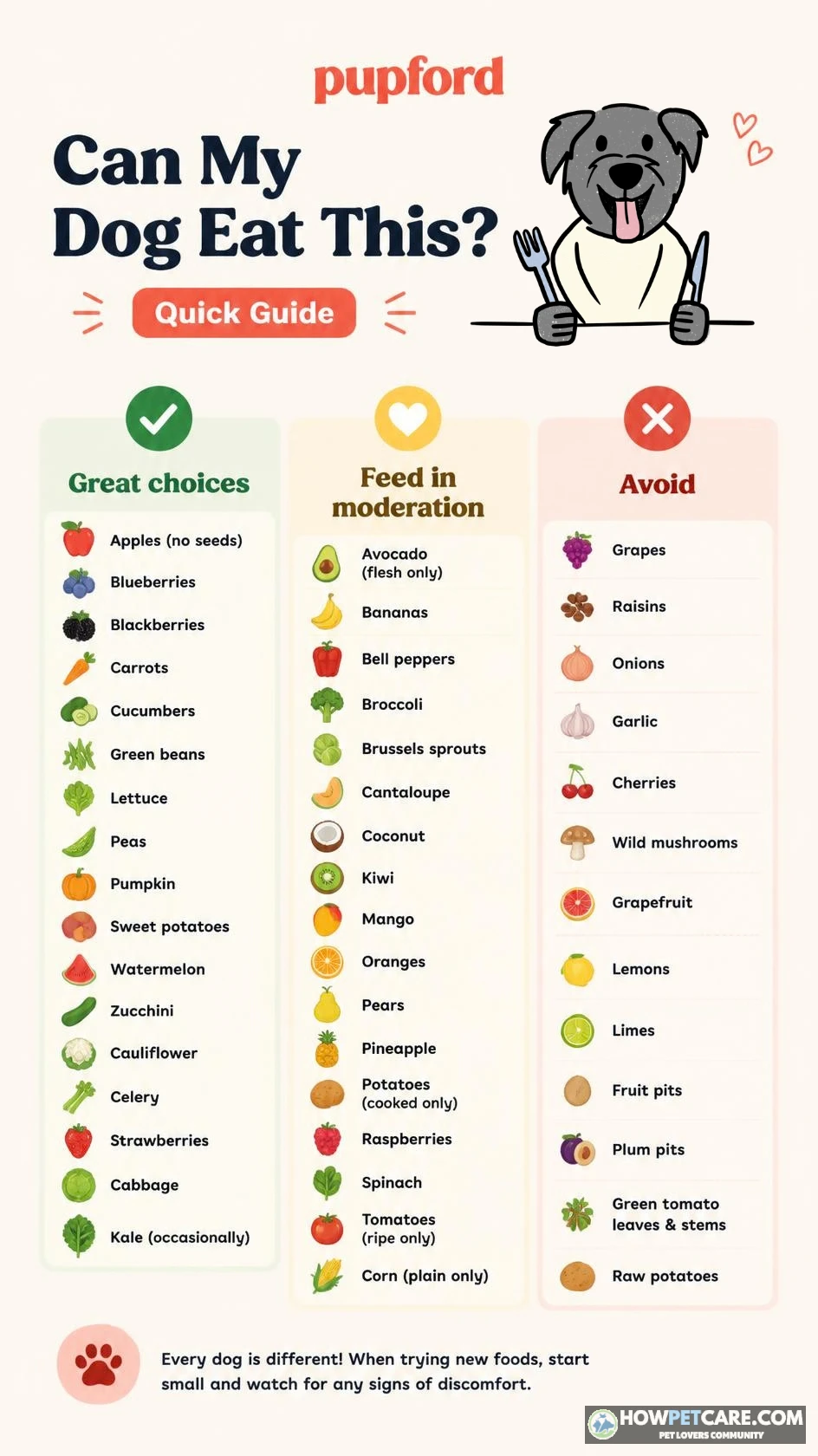
My Dog Just Ate Garlic, Onion or Seasoned Food: What to Do in the First Hour
Act quickly, rather than trying to be perfect. Follow these steps in order, and save the Pet Poison Helpline (855-764-7661) and ASPCA Animal Poison Control (888-426-4435) in your phone before you need them.
-
Remove and record
Take the food or plant away. Write down the herb or dish, the amount, the form (fresh leaf, dried, powder, oil, cooked dish), and when it was eaten. Weigh your dog or estimate their weight.
-
Check the toxic shortlist
If it was garlic, onion, chives, leeks, nutmeg, pennyroyal, or any essential oil or extract, call your vet, an emergency clinic, or a poison helpline now. Don’t induce vomiting unless a professional tells you to — some substances cause more damage coming back up.
-
Check the dose on safe-list herbs
If your dog ate a safe herb like basil or cilantro, check whether they ate more than about 1 teaspoon per 10 lb of body weight or whether it was mixed into a dish with other seasonings. If so, call a helpline. If it was a small amount of a single safe herb, monitor at home for 24–48 hours.
-
Know the delayed-danger rule
Garlic and onion damage red blood cells slowly. Call even if your dog seems fine — lethargy, pale gums, and dark urine can appear 1 to 5 days later, and earlier treatment is far more effective.
-
Watch for escalation signs
If you see repeated vomiting, tremors, weakness, pale or yellow gums, dark urine, or collapse at any point, go straight to an emergency clinic. Bring the packaging or a photo of what your dog ate.
Flowchart: Call now, call soon or monitor at home
Use this decision ladder:
- Call now: any allium (garlic, onion, chives, leeks) in any form; nutmeg; pennyroyal; bay leaf; tarragon; any essential oil or extract; any unknown plant from the garden.
- Call soon: a safe herb eaten in an unusually large amount (more than the table’s max for your dog’s weight) or mixed with butter, oil, salt, or an unknown blend.
- Monitor at home: your dog ate a small amount of a single safe fresh herb, is acting normally, and can stop eating it.
Symptoms of herb poisoning by timeline
Immediate signs, within minutes to a few hours, include drooling, repeated vomiting, diarrhea, abdominal pain, agitation, or tremors. Neurotoxic herbs such as nutmeg and essential oils can cause disorientation, wobbliness, or seizures. Delayed allium toxicity from garlic or onion may not show for 1 to 5 days. Watch for weakness, pale or yellow gums, dark or reddish urine, rapid breathing, and reluctance to exercise. If any of these appear, go to an emergency clinic even if your dog seemed fine right after eating the food.
 You might be wonderingCan dogs eat fruitCan Dogs Eat Fruit? Safe vs. Toxic List and Portions by SizeRead the answer
Which Herbs Can Dogs Eat Safely? Per-Herb Cautions and Weight-Scaled Serving Sizes
The right dose depends on the herb, its form, and your dog’s size. Use the weight bands in the table above as your default. Dried herbs are roughly three to four times more concentrated by weight than fresh, so reduce the dose to about one-third. Introduce one new herb at a time, wait 24–48 hours, and watch for soft stool, gas, or itching before adding another. When no herb-specific data exists, the safest general rule is no more than a small pinch for dogs under 10 lb, 1/4 tsp for dogs 25–50 lb, and 1 tsp for very large dogs, a few times per week at most. Keep all herbs and extras under 10% of daily calories.
Basil, parsley and cilantro
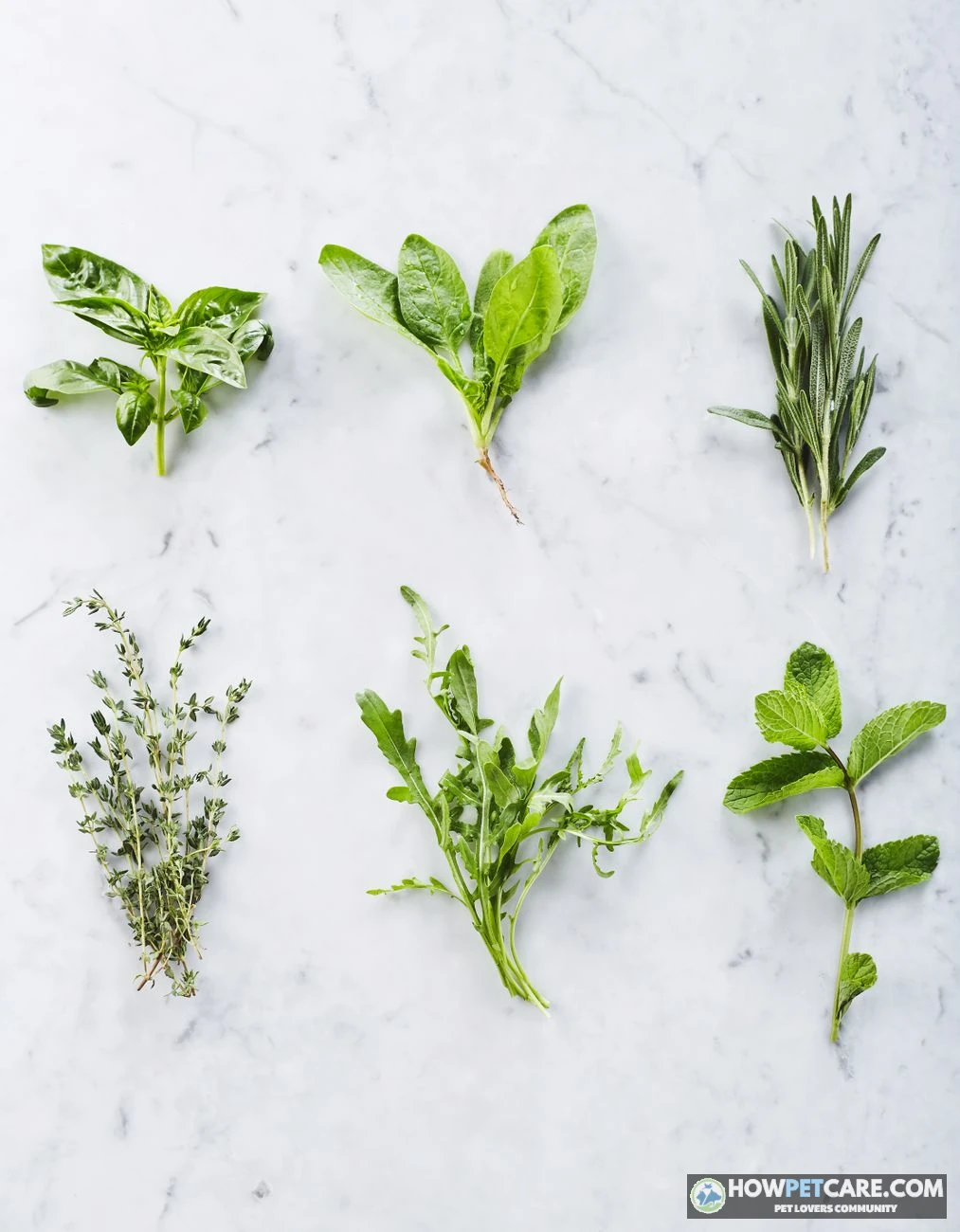
Basil is one of the more forgiving dog-safe herbs, and basil portions for dogs stay small. Fresh or dried leaves are generally fine in small amounts, and most dogs tolerate them well. Avoid basil essential oil entirely; its concentrated volatile oils pose a different risk from the leaf. Curly-leaf parsley is also commonly listed as safe in small quantities, but flat-leaf parsley isn’t the same. Flat-leaf parsley can be toxic in larger amounts, and parsley in general is restricted for pregnant dogs and dogs with kidney issues because of oxalates and furanocoumarins. If your dog takes blood-thinning medication, ask your veterinarian before feeding parsley, since it’s high in vitamin K. Cilantro leaf is safe for most dogs, though it may occasionally cause mild stomach upset.
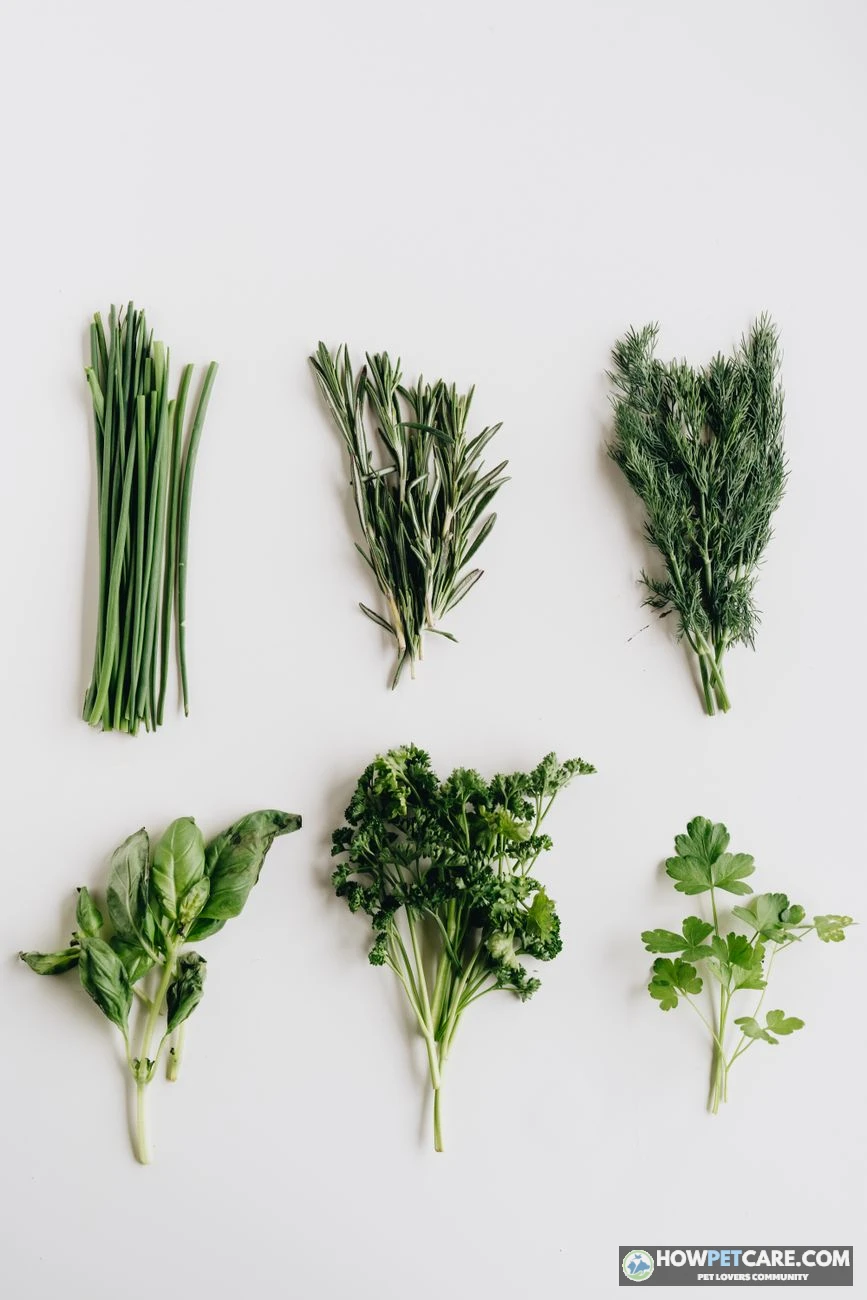
Rosemary, thyme, oregano and sage
Rosemary and thyme are often used in small amounts, but thyme is generally the safer choice for routine use. Limit rosemary; many veterinarians advise avoiding it for dogs with epilepsy or seizure disorders because of potential nervous system effects at high doses. Keep sage to small fresh amounts and avoid it during pregnancy and in seizure-prone dogs. Oregano is safe only as a tiny fresh sprinkle. Oregano oil is toxic and can irritate the gastrointestinal tract, so never add it to dog food. Evidence for any "anti-inflammatory" or "digestive" benefits of these herbs in dogs is largely anecdotal or limited to laboratory studies. Don’t use them as treatment.
Mint and dill
Dogs can occasionally have fresh peppermint leaf, but mint safety for dogs is tricky because it’s easy to confuse with pennyroyal, a related mint species that’s toxic to dogs. Never give peppermint oil, and identify the plant species before letting your dog graze in the garden. Dill leaf and seed are generally safe in small culinary amounts. Pregnant dogs should have less, though, because some traditional sources list dill as a uterine stimulant in large quantities.
Ginger, turmeric and cinnamon
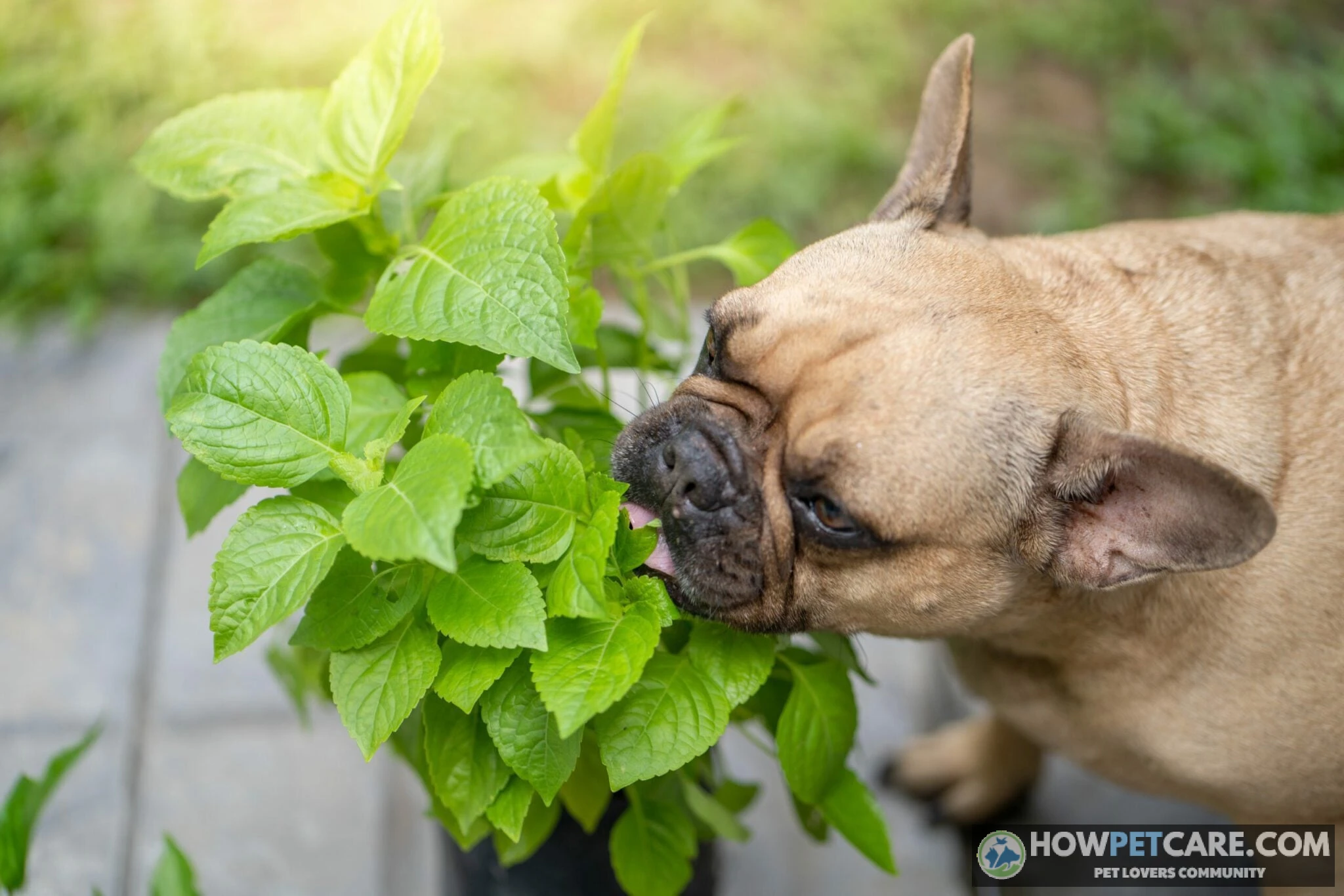
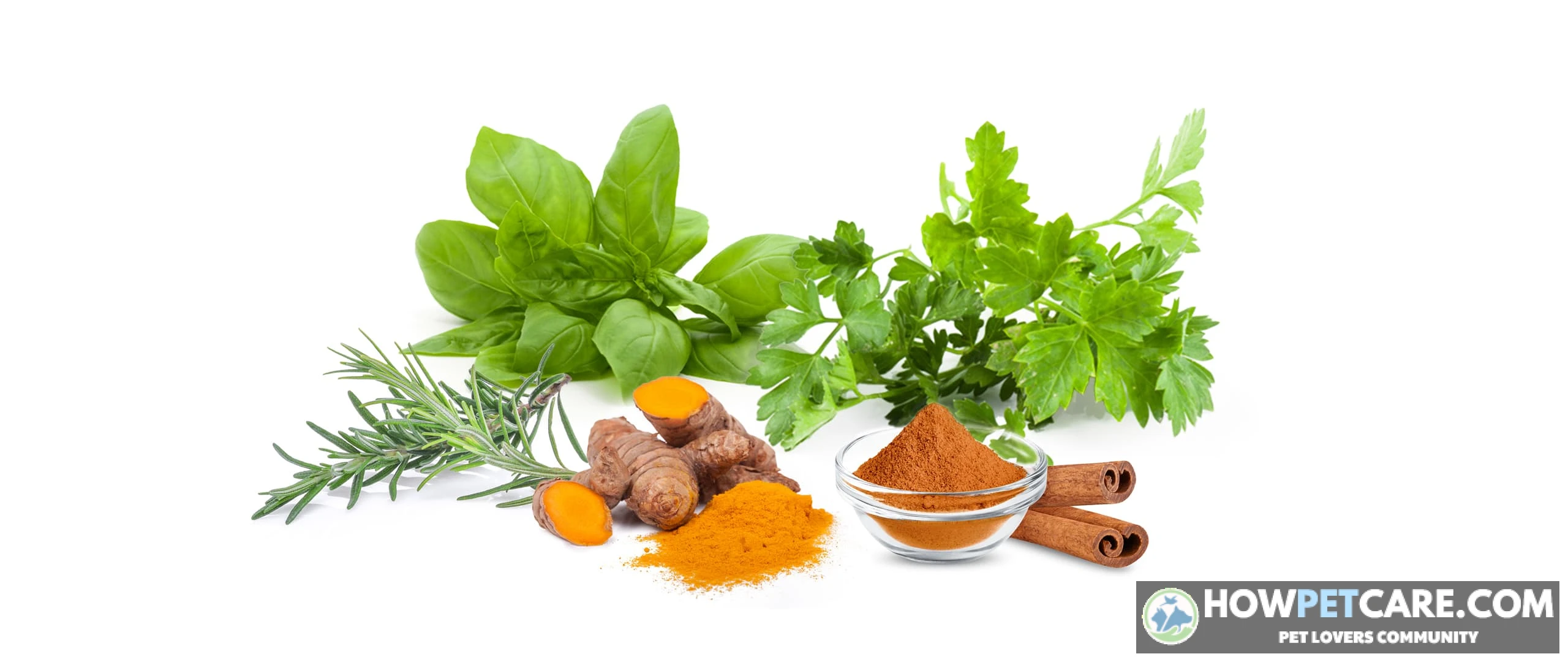
Ginger root often appears on dog-safe lists in small amounts, and some owners use ginger for canine stomach upset. Clinical evidence in dogs is limited, however, so check with your veterinarian first, especially if your dog takes blood thinners. Turmeric appears on many safe-spice lists, but it can interact with anticoagulant drugs and may not be appropriate for dogs with gallbladder disease. Ceylon cinnamon is sometimes offered in tiny pinches. Cinnamon essential oil is dangerous, though, and large amounts of powder can irritate the mouth or affect blood sugar.
Introduce only one new herb at a time and watch for 24–48 hours. If your dog’s stool stays firm and there’s no vomiting, itching, or face swelling, you can try a second herb later. This makes it easier to identify the culprit if your dog reacts.
Toxic Herbs and Seasonings Dogs Must Avoid Entirely
Some common kitchen seasonings are among the most dangerous for dogs. "Natural" doesn’t mean safe. A garden plant can also pose different risks from its culinary dried version because of the species, plant part, pesticides, and amount eaten.
Allium family: garlic, onion, chives, leeks
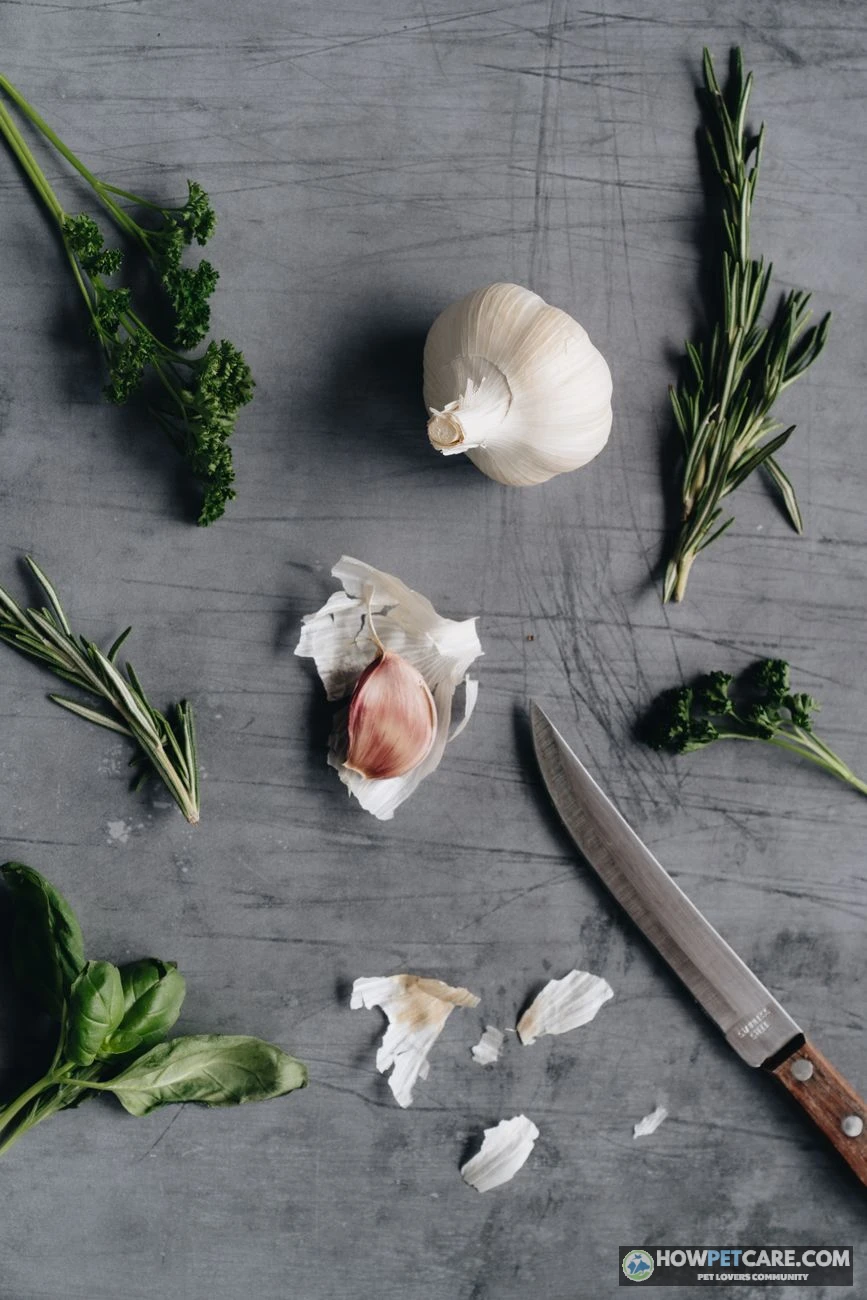
Garlic, onion, chives, and leeks contain thiosulfate compounds that damage canine red blood cells, leading to hemolytic anemia. All forms are toxic: fresh, cooked, dehydrated, and powdered. Garlic and onion powders are especially dangerous because they’re concentrated and easy to sprinkle heavily into a dish or blend. Depending on the dog’s size, a bite of garlic bread, a spoonful of onion-laced broth, or a piece of stir-fry can be enough to cause problems. Signs can be delayed 1 to 5 days and include lethargy, pale gums, dark urine, weakness, rapid breathing, and collapse. If you know or suspect your dog ate any allium, call a veterinarian or poison helpline immediately.
Nutmeg, pennyroyal, bay leaf and tarragon
Nutmeg contains myristicin, which can cause tremors, hallucination-like behavior, disorientation, high heart rate, and seizures. Pennyroyal, a member of the mint family, contains pulegone and can cause liver failure. It’s toxic both as a plant and as an essential oil. Fresh or dried bay leaves can irritate the stomach and cause an intestinal obstruction if swallowed whole. The ASPCA lists tarragon as toxic for some animals, and sources conflict, so avoid it unless your veterinarian specifically approves it. The table below summarizes the toxic shortlist and main warning signs.
| Toxic herb/seasoning | Primary toxin or concern | Typical early signs | Delayed signs |
|---|---|---|---|
| Garlic, onion, chives, leeks | Thiosulfate — red blood cell damage | Vomiting, diarrhea, stomach pain | Lethargy, pale gums, dark urine, weakness (1–5 days) |
| Nutmeg | Myristicin | Agitation, drooling, abdominal pain | Tremors, disorientation, seizures |
| Pennyroyal | Pulegone — liver toxicity | Vomiting, diarrhea, weakness | Liver failure, bleeding, collapse |
| Bay leaf | Essential oils + physical obstruction | Vomiting, drooling, pawing at mouth | Intestinal blockage if swallowed whole |
| Tarragon | ASPCA-listed for some animals | Uncertain; avoid | Err on the side of caution |
| Any essential oil | High concentration of active compounds | Drooling, vomiting, wobbliness, breathing changes | Seizures, liver damage, coma |
Fresh vs Dried Herbs vs Essential Oils: Why Concentration Changes the Risk
An herb’s form can change the dose dramatically. Fresh leaf has the lowest concentration of active compounds and the highest water content, making it the easiest form to control. Dried herbs are more concentrated by weight, so a teaspoon of dried basil delivers several times the active compounds of a teaspoon of fresh. Essential oils and extracts are a different category entirely.
| Form | Relative concentration | Typical risk | Dose adjustment | Vet approval needed? |
|---|---|---|---|---|
| Fresh leaf | 1x (baseline) | Lowest; GI upset if the dog eats a large pile | Use the full weight-band amount | No, for safe-list culinary herbs |
| Dried herb | Roughly 3–4x fresh by weight | Easy to over-scoop; small spoon = big dose | Use one-third of the fresh amount | No for safe list; yes with health conditions |
| Garlic/onion powder | Several times more concentrated than fresh | Toxic in small amounts; seasoned dishes can carry real dose | None — avoid entirely | Call a vet or helpline if ingested |
| Essential oils and extracts | 50–100x+ or higher | Toxic even when the fresh herb is safe (oregano oil, peppermint oil, tea tree oil); can absorb through skin or be licked off fur | None — never feed | Always — for feeding, skin, or diffuser questions |
| Tinctures and supplements | Varies; often high and may contain alcohol | Drug interactions, inconsistent dosing, alcohol content | Only under veterinary direction | Always |
Diffusers, topical oils and licking risk
An oil can reach your dog even if you never feed it. Diffusers release airborne particles a dog can inhale, while topical oils applied to a dog’s fur or your own skin can be licked off. Tea tree, peppermint, oregano, and eucalyptus oils are particularly risky. If you use essential oils at home, keep them out of reach, store bottles tightly closed, and make sure the room is well ventilated. If your dog has been exposed, call a veterinarian or poison helpline.
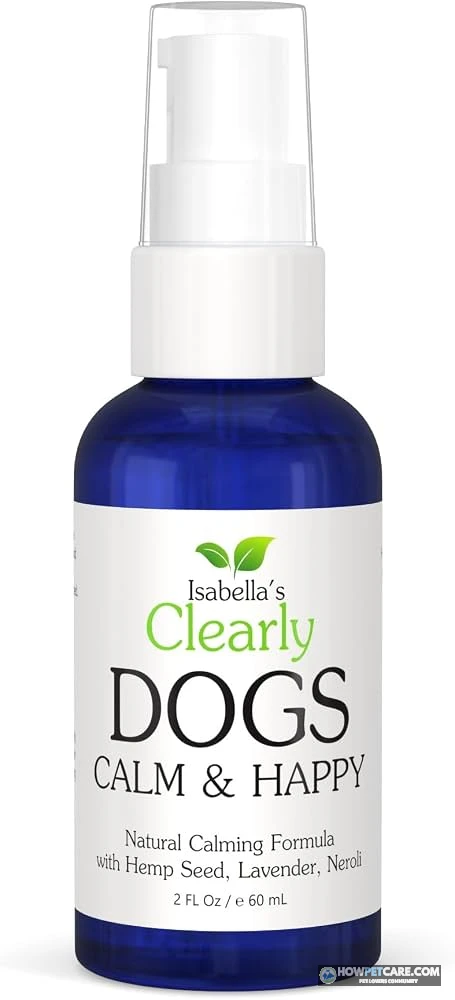
If the label says "oil," "essential oil," or "extract," it doesn’t go in the bowl — no matter how safe the fresh herb is.
Herb Blends, Seasoned Chicken and Cooked Dishes: Where Toxic Ingredients Hide
Single herbs are easier to judge than blends and cooked dishes. Herbes de Provence, Italian seasoning, poultry seasoning, "all-purpose" blends, and many rubs routinely contain garlic powder, onion powder, salt, pepper, and sometimes cayenne or nutmeg. A bite of plain herb-roasted chicken may be fine for a large dog; the same bite from a heavily seasoned rub can be risky.

How much seasoning is too much?
No exact milligram threshold works for every dog, but risk rises quickly when food is heavily salted, coated in a rub, or cooked with alliums. As a practical rule:
- One small plain bite of cooked chicken lightly seasoned with a safe single herb is usually low risk for a medium or large dog.
- A full portion, a skin-on piece, or a bite from a garlic-onion rub is a problem — call for advice.
- Broths, sauces, stuffings, and marinades are especially dangerous because alliums and salt dissolve into the liquid, and a dog can ingest a concentrated dose quickly.
Label-reading checklist for broths and sauces
Before you share any packaged or homemade liquid, check for these ingredients:
- Garlic or onion powder listed anywhere? Don’t share.
- Salt high on the ingredient list? Skip it — dogs don’t need added sodium.
- "Natural flavors" or "spices" without detail? Avoid unless you made it yourself and know every ingredient.
- Wine, alcohol, or vinegar-based sauces? Skip them; alcohol and some acids aren’t dog-safe.
Safe DIY approach
The safest home-cooking rule is to set your dog’s portion aside before seasoning. Cook the meat plain, then add a measured pinch of a single safe fresh herb to your dog’s bowl. You’ll control both the amount and the ingredient list.
Puppies, Pregnant Dogs, Seniors and Dogs With Kidney, Liver or Diabetes Conditions
A healthy adult dog has different needs from a puppy, pregnant female, senior, or dog with organ disease. Herbs that are safe for a healthy adult may require veterinary approval or a reduced dose for these dogs.
Read the list below. If even one item applies to your dog, ask your veterinarian before adding herbs, and start at half the weight-band dose.
- Puppy (under ~6 months or not fully weaned): wait until after weaning, then start at one-quarter of the smallest band with vet input. Puppy digestive tracts react faster, and dehydration from diarrhea can become serious quickly.
- Pregnant or lactating: get vet sign-off before parsley, sage, dill, or coriander seed. These have possible uterine-stimulating or milk-altering effects in larger amounts.
- Kidney disease: limit parsley (parsley risks for dogs) because of oxalates and skip all seasoned or salted foods.
- Liver disease: no extracts or essential oils of any kind, and keep even safe herbs like oregano and rosemary to trace amounts.
- Diabetes: keep any herb use consistent day to day, and ask the vet before cinnamon or any herb supplement that may affect blood sugar.
- On blood thinners (e.g., warfarin): parsley and other high-vitamin-K herbs can interfere with dosing — vet approval is required.
- Epilepsy or on seizure medication: avoid rosemary and sage beyond trace amounts.
- Senior dog: use half the weight-band dose and introduce only one herb at a time with a 48-hour watch window.
- Any supplement-grade product (capsules, tinctures, powders marketed for health effects): talk to your vet first — these are concentrated and can interact with medications.

Puppies and seniors
Don’t introduce herbs to puppies until they’re fully weaned and eating solid food reliably. Start with a tiny amount of a single safe herb and watch for 48 hours. Senior dogs often have more sensitive digestion and may take medications, so halve the dose and increase the observation window.
Pregnant and lactating dogs
Pregnancy changes how a dog metabolizes many plant compounds. Parsley, sage, dill, and coriander seed carry traditional warnings about uterine stimulation or milk changes. The safest course is to avoid herbs during pregnancy and lactation unless a veterinarian specifically recommends one.
Kidney, liver and diabetes cautions
Kidney disease calls for strict control of oxalates and sodium. Parsley is oxalate-rich, and most seasoned human foods are too salty. Liver disease makes the body less able to process concentrated plant compounds, so avoid all oils, extracts, and supplements and keep culinary herbs to tiny amounts. Diabetes requires consistent intake. Adding new herbs or supplements can affect blood sugar or interfere with insulin dosing, so every addition needs veterinary approval.
Allergic Reaction or Herb Poisoning? How to Tell the Difference
A dog can have a mild intolerance, a true allergy, or poisoning. Knowing the difference helps you decide whether to monitor, call your vet, or head to the emergency clinic.
| Sign or symptom | Likely cause | Onset timing | Action |
|---|---|---|---|
| One soft stool or a single vomit, dog acting normal | Mild intolerance to a new herb | Within a few hours | Monitor 24 hours; stop the herb |
| Gas or mild diarrhea that resolves in under a day | GI irritation from too much herb | Hours | Monitor; call vet if it lasts beyond 24 hours or worsens |
| Itching, hives, face or ear swelling | Allergic reaction | Minutes to hours | Call vet the same day; emergency if swelling spreads or breathing is affected |
| Repeated vomiting, drooling, obvious stomach pain | Possible poisoning | Minutes to hours | Call vet or poison helpline (855-764-7661) now |
| Lethargy, pale or yellow gums, dark or reddish urine | Allium toxicity — red blood cell damage from garlic/onion | 1–5 days after ingestion | Emergency clinic, even if the dog seemed fine earlier |
| Tremors, disorientation, seizures | Neurotoxin exposure (nutmeg, essential oils) | Hours | Emergency now |
| Collapse or trouble breathing | Severe poisoning or anaphylaxis | Any time | Emergency now |

A single-herb trial that causes one soft stool is different from a multi-ingredient dish containing garlic powder. If you’re unsure what your dog ate, call the poison helpline — it’s faster and safer than guessing.
Your Herb-Safety Checklist: Before You Add, Spot or Respond
Keep this checklist in your kitchen or on your phone so you can make a quick decision when you need it.
- Before feeding: check the verdict table, confirm the form is fresh and plain, pick the weight-band dose, and start with one herb.
- Before cooking for your dog: scan blend labels for garlic, onion, and salt; skip essential oils and extracts; set your dog’s portion aside before seasoning.
- If something goes wrong: save the poison-control numbers, note your dog’s weight and the amount eaten, and follow the first-hour steps.
- When to always ask your veterinarian: puppy, pregnancy, senior status, kidney or liver disease, diabetes, any medication, and any supplement-grade product.
Most dogs will be fine with a tiny pinch of a safe leaf herb. Concentrated forms, unknown blends, and the allium family pose the greater danger. Treat herbs as a garnish, not a treatment, and check the serving guidance before sharing.
 You might be wonderingCan dogs eat bonesCan Dogs Eat Bones? Safe Types, Sizes and Emergency StepsRead the answer
FAQ
Can dogs eat herbs every day?
Small, weight-appropriate amounts of safe fresh herbs a few times per week are generally tolerated, but daily use is best cleared with your veterinarian, especially for parsley, rosemary and dogs with health conditions.
Can dogs eat basil, parsley and cilantro?
Yes, all three are generally considered safe in small amounts. Keep parsley modest because of its oxalate and furanocoumarin content, and introduce each herb on its own.
Can dogs eat dried herbs or seasoning?
Plain single dried herbs are safe only in very small amounts since they are more concentrated than fresh. Seasoning mixes often contain garlic or onion powder and salt, so they should be avoided.
Are herb essential oils safe for dogs?
No, they are not considered safe to feed or apply without veterinary guidance. Concentrated oils like oregano, peppermint and tea tree can cause toxicity even when the fresh herb is harmless.
Can puppies eat herbs?
Puppies can usually try a tiny amount of a safe fresh herb, but their digestive systems are sensitive, so check with your veterinarian first and avoid concentrated forms.
Is rosemary safe for dogs with epilepsy?
Culinary amounts of rosemary are usually fine for most dogs, but it is often advised to avoid it for dogs with seizure disorders, so ask your veterinarian first.