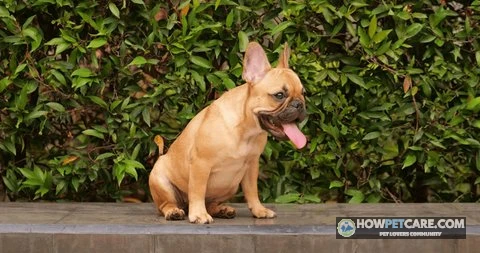

Yes, dogs do sweat, but primarily through specialized merocrine sweat glands located in their paw pads. Because paw pads make up less than 2% of a dog’s body surface area, sweating provides minimal cooling. Instead, dogs regulate their body temperature mainly through panting and peripheral blood vessel dilation.
Dogs do sweat, mainly through specialized merocrine glands in their paw pads. Unlike humans, who use millions of sweat glands across the skin to release heat, dogs cannot depend on sweating as their primary cooling system. Damp paw prints on a hardwood floor or examination table show that your dog is releasing moisture through their footpads. That localized secretion offers little whole-body temperature control. Instead, dogs regulate internal temperature chiefly through panting and peripheral blood-vessel dilation.
Knowing how canine sweat glands function can help you tell the difference between normal cooling, acute emotional stress, and life-threatening hyperthermia.
Do Dogs Sweat? Yes, Mainly Through Their Paw Pads
Canine anatomy includes two distinct sweat-gland types: merocrine glands and apocrine glands. They serve different biological purposes, and neither works like human eccrine sweat glands.
Where dogs have merocrine and apocrine glands
Merocrine glands are dogs’ true sweat glands, producing a watery fluid. They occur almost exclusively in the digital, metacarpal, and metatarsal paw pads. When a dog’s internal temperature rises or their sympathetic nervous system activates, these glands release an aqueous fluid through microscopic pores on the pads’ surface. The moisture improves traction on dry terrain and supplies a modest amount of evaporative cooling.
By contrast, apocrine glands are spread across nearly all of a dog’s haired skin. Although they are anatomically classified as sweat glands, canine apocrine glands do not make watery sweat for temperature management. They open into hair follicles and produce an oily, protein-rich, pheromone-laden fluid. Rather than cooling the skin, these secretions act as chemical identifiers, carrying individual scent profiles to other animals. So if someone asks whether dogs sweat under their armpits or along their bellies, those areas contain apocrine scent glands, not thermal cooling glands.

Why paw sweating cannot cool the whole body
A dog’s paw pads make up less than 2% of total body surface area. Water must evaporate into the surrounding air to draw heat away from the bloodstream, so limiting evaporative sweat to small, keratinized footpads makes whole-body cooling through perspiration physically impossible.
Paw pads also spend much of their time against the ground, where airflow cannot readily evaporate the fluid. Sweaty paws alone never show that a dog is cooling effectively. In hot conditions, relying on paw sweat to regulate body temperature would quickly result in heat exhaustion and fatal heatstroke.
How Dogs Cool Down: Panting, Vasodilation, and Evaporative Cooling
Because sweat glands offer negligible cooling, canine thermoregulation relies on three coordinated mechanisms: respiratory evaporation through panting, dermal vasodilation, and behavioral heat dissipation.
What panting can and cannot accomplish
Panting is a dog’s main defense against hyperthermia. At rest, a dog breathes roughly 10 to 30 times per minute. As core body temperature rises, the hypothalamus activates the panting center, increasing breathing to 300 to 400 shallow breaths per minute.
Panting moves dry air quickly over the moist tissues of the tongue, mouth, nasal passages, and upper respiratory tract. As moisture on those surfaces becomes vapor, it draws latent heat from the extensive blood-vessel network in the oral mucosa and sends cooled blood back toward the body core.

Panting does have strict mechanical limits:
- Humidity dependency: Evaporation requires an ambient moisture gradient. When the surrounding air is saturated with water vapor, moisture in the dog’s airway cannot evaporate, making panting ineffective.
- Upper airway friction: Extremely rapid or prolonged panting creates internal muscular heat and mechanical friction in the pharynx. That can cause soft-tissue swelling (laryngeal edema) and restrict airflow.
- Dehydration: Ongoing respiratory evaporation rapidly depletes body fluids. Without enough water intake, plasma volume falls, reducing the circulatory system’s ability to move heat to the surface.
The role of water, shade, airflow, and surface contact
After panting, dogs depend on cutaneous vasodilation. Blood vessels in the ears, face, and extremities widen, channeling warm core blood beneath thin, lightly furred skin. If the surrounding air is cooler than the dog’s skin, heat can radiate into the environment.
Dogs also seek conductive cooling by lying against cold tile, damp dirt, or shaded grass with their thinly haired groins and abdomens. Conduction moves heat directly from warm body tissues into the colder ground. During periods of heat or routine grooming, pet parents frequently inspect these sparsely furred areas and may notice underlying genital features; understanding dog penis anatomy and normal variations can help distinguish typical vascular structures from heat-related swelling. Once ambient temperatures meet or exceed a dog’s core body temperature, radiation and convection fail completely. Respiratory evaporation becomes the only remaining barrier against systemic heatstroke.

Canine Thermoregulation vs. Human Sweating: Why the Systems Differ
Humans and dogs evolved different ways to shed metabolic heat. Humans adapted as cursorial pursuit hunters, releasing heat through millions of eccrine glands over almost the entire skin surface. Dogs developed dense insulating coats that protect them from physical trauma and thermal extremes, trading widespread dermal sweating for respiratory evaporation.
| Feature | Humans (Eccrine Primary) | Dogs (Merocrine & Apocrine) | Practical Implication |
|---|---|---|---|
| Primary Gland Type | Eccrine glands distributed across nearly all dermal surfaces. | Merocrine (paw pads only); Apocrine (associated with hair follicles across body). | Merocrine secretion provides traction and minor heat release; apocrine secretion is primarily lipid- and pheromone-rich, not thermal. |
| Total Surface Coverage | ~100% of non-glabrous skin acts as an evaporative radiator. | Under 2% of total body surface area (confined strictly to the digital and metacarpal/metatarsal pads). | Paws provide negligible whole-body cooling surface area compared to human skin. |
| Fluid Composition | Hypotonic aqueous solution (~99% water with trace NaCl, potassium, urea). | Viscous, proteinaceous fluid (apocrine); saline-rich aqueous fluid (merocrine pads). | Dogs cannot leverage widespread surface liquid evaporation to cool their blood. |
| Primary Cooling Route | Cutaneous evaporative sweating via circulating ambient airflow. | Respiratory evaporation via panting (80–85%) plus dermal vasodilation (15–20%). | Canine thermal management relies entirely on respiratory exchange rate, lung capacity, and airway clearance. |
| Thermoregulatory Failure Risk | Dehydration and electrolyte depletion from profuse fluid output. | Upper-airway tissue edema, systemic hyperthermia, and circulatory collapse. | Dogs crash much faster in humid environments because non-sweating panting stops working when humidity saturates the air. |
The practical difference between human and canine cooling
Human skin is largely bare and covered with eccrine sweat glands, so even a breeze can cool the entire body quickly. A dog’s double coat, on the other hand, traps dead air as insulation against environmental extremes. That barrier slows external radiant heat from reaching the skin, but it also limits the escape of metabolic heat produced during exertion through passive dermal convection.
Why humidity can defeat panting
Relative humidity controls how quickly water can evaporate into the air. People feel sluggish and sweaty in high humidity because sweat runs off the skin instead of evaporating. For dogs, high relative humidity poses a greater danger. They cannot wipe away moisture or spread it over a broad skin surface, so moisture-saturated air can stop evaporation in the mouth and upper airway. Even at moderate outdoor temperatures between 75°F and 82°F (23.8°C to 27.7°C), relative humidity above 70% can drive a dog’s core temperature rapidly toward dangerous levels.
Why Are My Dog’s Paws Sweating When It Is Not Hot?
Wet footprints on dry ground in a cool, climate-controlled room usually point to acute emotional or physiological stress rather than heat-induced sweating.
Stress sweating versus heat-related cooling
Merocrine glands in the footpads respond directly to the sympathetic nervous system. When an animal senses danger, feels intense fear, or enters a high-arousal state, the adrenal glands release epinephrine and norepinephrine into the bloodstream. That "fight-or-flight" response immediately stimulates the merocrine sweat glands in the paws.
From an evolutionary perspective, stress-related paw sweat improves friction and traction, helping an animal run across slick terrain without slipping. Common non-thermal triggers include:
- Routine visits to the veterinary clinic (frequently documented as damp paw prints on stainless steel exam tables)
- Thunderstorms, fireworks, or sudden loud percussive noises
- Car rides and travel-induced motion anxiety
- Introduction to unfamiliar or aggressive dogs
- Severe pain from orthopedic or internal injuries
Heat-related sweating, by comparison, rarely appears as damp paws alone. It comes with open-mouth panting, an extended tongue, shade-seeking, and warm skin around the ears and abdomen.

Check your dog’s mouth and demeanor: if their paws leave damp marks while their mouth remains closed and their body is rigid, the trigger is acute stress or anxiety. If they are panting heavily with an enlarged, flattened tongue, the damp paws are part of an active physiological struggle against heat.
When damp paws need a veterinarian
Occasional paw sweating caused by excitement or a brief vet visit is harmless. Chronic moisture between the toes or on the footpads, however, can signal an underlying medical problem. Seek veterinary evaluation if you observe:
- Persistent licking, chewing, or biting at the paws
- Erythema (redness), swelling, or hair loss between the digital pads
- A foul, yeasty, or corn-chip odor emanating from the paws
- Crusts, bleeding, discharge, or open fissures along the pads
- Limping or guarding one or more feet
Chronic dampness often indicates pododermatitis, atopic dermatitis, interdigital furunculosis, or secondary Malassezia (yeast) and bacterial infections that require prescribed topical or systemic therapeutics.
Heat Index, Humidity, and Pavement Rules That Make Cooling Fail
Judging outdoor safety by air temperature alone puts dogs at serious risk. Canine thermoregulation can fail under the combined atmospheric load of temperature, humidity, and radiant surface heat.
A practical environmental risk scale
To judge whether outdoor activity is safe, calculate the local Heat Index—the effective temperature felt when relative humidity combines with ambient air temperature.
| Risk Zone | Combined Heat Index | Relative Humidity | Est. Asphalt Temp | Required Action |
|---|---|---|---|---|
| Green Zone (Low Risk) | Under 80°F (26.6°C) | Under 60% | Below 105°F (40.5°C) | Standard exercise permitted. Hydrate before and after normal walk durations. |
| Yellow Zone (Caution) | 80°F to 89°F (26.6°C to 31.6°C) | 60% to 75% | 105°F to 125°F (40.5°C to 51.6°C) | Cut walk duration by 50%. Move to shaded turf or dirt trails. Eliminate fetch and strenuous cardio. High-risk breeds must stay indoors. |
| Red Zone (Severe Danger) | 90°F+ (32.2°C+) | Above 75% | 125°F to 140°F+ (51.6°C to 60°C+) | Mandatory exercise ban. Limit outdoor exposure strictly to 2- to 3-minute physiological relief breaks on grass. Pavement burns pads in under 60 seconds. |
Use the 7-Second Pavement Rule before walking on sidewalks or streets: press the back of your bare hand firmly against the asphalt. If you cannot comfortably keep it there for seven full seconds, the surface is hot enough to cause second-degree burns and skin sloughing on a dog’s paw pads.

Breed and health factors that reduce cooling capacity
Thermoregulatory efficiency varies widely among canine morphotypes, ages, and medical profiles.
Brachycephalic Airway Limitation vs. Dense Double Coats
Brachycephalic Breeds (Pugs, Bulldogs, French Bulldogs, Boxers):
- Mechanical Bottleneck: Stenotic nares (pinched nostrils), elongated soft palates, and everted laryngeal saccules create extreme airway resistance.
- Cooling Deficit: Panting requires up to 4× the muscular effort compared to mesocephalic dogs. Rapid airflow creates internal heat from airway friction, causing vocal tract edema (swelling) that further blocks airflow.
- Critical Threshold: Can develop critical heat exhaustion at a Heat Index as low as 78°F (25.5°C).
Dense Double-Coated Breeds (Huskies, Malamutes, Samoyeds, German Shepherds):
- Thermal Trap: Undercoats act as high-efficiency dead-air insulation. They briefly resist external heat penetration, but once core temperature rises from exertion, the coat traps thermal energy and blocks convective heat loss from cutaneous vasodilation.
- Cooling Deficit: Shaving double coats destroys the outer guard hairs that reflect solar radiation and disrupts air currents through the coat, permanently impairing passive thermal dissipation.
- Critical Rule: In ambient temperatures exceeding 80°F (26.6°C), double coats restrict recovery times by up to 2.5× compared to single-coated smooth breeds.
Overweight and Geriatric Dogs: Adipose tissue acts as an internal insulating blanket and vascular burden, requiring the cardiovascular system to work harder to circulate blood for cooling. Senior dogs often have subclinical laryngeal paralysis, cardiovascular disease, or reduced cardiac output, which compounds hyperthermia risk.

Short-snouted breeds struggle significantly more with airway cooling efficiency.

Heat Exhaustion and Heatstroke: Signs That Need Immediate Action
Canine core body temperature normally ranges between 101.0°F and 102.5°F (38.3°C to 39.2°C). When exertion or environmental heat overwhelms cooling mechanisms, heat exhaustion can quickly become systemic heatstroke, clinically defined as non-pyrogenic hyperthermia exceeding 105.8°F (41.0°C) with multi-organ dysfunction.
Normal panting versus dangerous panting
Normal panting is rhythmic, produces modest salivation, and steadily resolves after the dog rests in a cool, shaded setting. Dangerous panting is frantic, raspy, or hyper-resonant and may occur with an excessively wide, flattened tongue that curves upward like a spoon at the tip.
| Stage | Core Temperature | Clinical Symptoms | Immediate Pathophysiological Threat |
|---|---|---|---|
| Heat Exhaustion | 103.0°F – 105.0°F (39.4°C – 40.5°C) | Frantic panting, thick ropy saliva, tachycardia, brick-red gums, weakness, lagging behind on walks. | Mild cellular stress; peripheral vasodilation straining cardiac output. |
| Critical Heatstroke | >105.8°F (41.0°C) | Stumbling, vomiting, bloody diarrhea, petechiae (pinpoint skin bruising), seizures, stupor, collapse, blue/pale gums. | Disseminated intravascular coagulation (DIC), acute renal failure, cerebral edema, death. |

Why apparent recovery does not end the emergency
A dangerous misconception is that the crisis has passed if a collapsed dog regains consciousness or stops panting after drinking water. Severe hyperthermia denatures structural proteins and damages the endothelial lining of the vascular system.
Even after the body appears cooler, secondary systemic cascades can begin: bacterial endotoxins cross the damaged intestinal barrier into the bloodstream (sepsis), micro-clots consume platelets throughout the organs (DIC), and acute kidney tubular necrosis can cause renal failure 24 to 72 hours later. Any dog with neurological symptoms, vomiting, diarrhea, or collapse after heat exposure needs hospital-grade veterinary evaluation and intravenous fluid therapy, regardless of how normal they seem an hour later.
Exact First Aid for an Overheated Dog Before Veterinary Care
If your dog shows signs of heatstroke, immediate pre-hospital active cooling can save their life. Every five-minute delay significantly increases the mortality rate. Stabilize the dog while arranging immediate emergency veterinary transport.
Do not plunge an overheating dog into an ice bath or cover them in bags of ice. Freezing temperatures trigger extreme peripheral vasoconstriction, shutting down blood vessels near the skin surface. This traps superheated blood inside the vital core organs and induces shivering, which drives the internal temperature even higher.
-
Step 1: Terminate Heat Exposure Immediately
Move the dog into a fully shaded, air-conditioned indoor area or into a running vehicle with air conditioning set to maximum. Direct airflow vents directly toward the dog’s body.
-
Step 2: Apply Cool or Lukewarm Water
Pour cool tap water (roughly 60°F–65°F / 15°C–18°C) over the low-hair anatomical regions with dense superficial vascular networks: the groin (inguinal region), armpits (axillae), neck, and paw pads. Do not use freezing water.
-
Step 3: Establish Continuous Evaporative Airflow
Position an electric fan or vehicle dashboard vent to blow continuously over the wetted areas. Evaporation provides the primary heat transfer. Crucial rule: do not drape soaked towels over the dog’s back or neck. Wet towels act like an insulated blanket, trapping metabolic heat against the skin within two minutes.
-
Step 4: Stop Active Cooling at 103.5°F (39.7°C)
If a digital rectal thermometer is available, check core temperature every 3 minutes. Halt active water application once body temperature drops to 103.5°F (39.7°C). Internal cooling momentum will continue lowering the core temperature. Cooling below 103.0°F risks hypothermic shock and cardiac arrhythmias.
-
Step 5: Immediate En Route Veterinary Transport
Transport the dog immediately to the nearest veterinary emergency hospital. Keep vehicle air conditioning running at full capacity during transport. Never force water down an altered, vomiting, or recumbent dog’s throat, as this can cause fatal pulmonary aspiration.
A Daily Dog-Cooling Checklist for Safe Walks and Hot Weather
Preventing hyperthermia is far easier than managing a systemic heatstroke emergency. Use this practical checklist before clipping on the leash in warm weather:
Before outdoor activity
- Check the Heat Index: Review combined local temperature and humidity. If the Heat Index exceeds 85°F (29.4°C), cancel exercise sessions for brachycephalic, obese, or senior dogs.
- Conduct the 7-Second Pavement Test: Place the back of your bare hand on sunny asphalt. If it burns your skin before 7 seconds elapse, stay on grassy, shaded surfaces.
- Prepare Hydration Gear: Carry fresh, cool drinking water and a portable bowl for any excursion lasting longer than 15 minutes.
- Time the Walk Early or Late: Schedule daily exercise runs or walks before 7:30 AM or after 8:00 PM, avoiding peak solar radiation windows.
During outdoor activity
- Mandate Rest Breaks: Stop for a 3-minute resting pause in deep shade every 10 to 15 minutes of walking.
- Offer Controlled Water Intake: Let your dog drink small amounts of water (3 to 6 ounces at a time) regularly instead of guzzling large volumes at the end, which can trigger gastric distress.
- Observe Tongue Morphology: Watch your dog’s mouth. If the tongue becomes broad, spatulate, and deeply flushed bright red, head back toward home or your vehicle immediately.
- Never Leave a Dog in a Parked Vehicle: Even with windows cracked on a 75°F (23.8°C) day, internal car cabin temperatures exceed 100°F (37.8°C) in under 10 minutes.

After outdoor activity
- Verify Normal Respiration: Make sure your dog’s panting gradually returns to baseline rhythmic breathing within 10 to 15 minutes of resting indoors.
- Inspect the Paw Pads: Check footpads for redness, blistering, skin tears, or excessive moisture that continues long after the walk ends.
- Monitor Subsequent Behavior: If your dog shows prolonged lethargy, refuses food, stumbles, or vomits hours after exercise in the heat, take them to an emergency veterinarian for clinical evaluation.

| Risk Zone | Combined Heat Index | Relative Humidity | Est. Asphalt Temp | Required Action |
|---|---|---|---|---|
| Green Zone (Low Risk) | Under 80°F (26.6°C) | Under 60% | Below 105°F (40.5°C) | Standard exercise permitted. Hydrate before and after normal walk durations. |
| Yellow Zone (Caution) | 80°F to 89°F (26.6°C to 31.6°C) | 60% to 75% | 105°F to 125°F (40.5°C to 51.6°C) | Cut walk duration by 50%. Move to shaded turf or dirt trails. Eliminate fetch and strenuous cardio. High-risk breeds must stay indoors. |
| Red Zone (Severe Danger) | 90°F+ (32.2°C+) | Above 75% | 125°F to 140°F+ (51.6°C to 60°C+) | Mandatory exercise ban. Limit outdoor exposure strictly to 2- to 3-minute physiological relief breaks on grass. Pavement burns pads in under 60 seconds. |
FAQ
Do dogs sweat from their noses or under their armpits?
Dogs have apocrine glands across their haired skin, including the armpits, but these glands produce scent-marking pheromones rather than cooling sweat. The only functional cooling sweat glands are the merocrine glands located in their paw pads.
Should you shave a double-coated dog to help it stay cool?
No. A dog’s double coat acts as natural insulation that shields the skin from solar radiation and ambient heat. Shaving removes protective guard hairs, disrupts air circulation, and significantly increases the risk of sunburn and heatstroke.
Can a dog overheat indoors?
Yes. Poor ventilation, high indoor humidity, lack of air conditioning, or confinement in sunlit rooms can cause severe hyperthermia, particularly in brachycephalic breeds, overweight dogs, and senior pets with compromised airways.
How long should heavy panting last after exercise?
A healthy dog’s panting should gradually subside within 10 to 15 minutes of resting in a cool, shaded environment. Frantic, harsh panting that persists beyond 20 minutes indicates heat exhaustion and requires veterinary attention.
Can damp paw prints be caused by anxiety?
Yes. Merocrine glands in the footpads are activated by the sympathetic nervous system during acute fear or stress, such as during vet visits or fireworks, leaving damp footprints even in cool rooms.