

For most homes, the Cavalier King Charles Spaniel is the calmest small dog breed overall, with Japanese Chin and Shih Tzu close behind. Calm means settling after excitement—not silent, inactive, or easy to leave alone—so match barking, shedding, grooming, health risk, and alone-time needs to the individual dog.
For day-to-day steadiness, the Cavalier King Charles Spaniel is our top pick among calm small dog breeds, followed by the Japanese Chin and Shih Tzu. Cavaliers are often adaptable companions, Japanese Chins tend to be quiet and content with modest activity, and Shih Tzus combine manageable exercise needs with a low-shedding coat. But the calmest dog isn’t necessarily the quietest, the easiest to leave alone, or the best choice for allergies. In this guide, calm means a dog recovers from excitement and settles; quiet means it rarely vocalizes; and low-energy means it seeks little activity—traits that overlap but don’t guarantee each other. Those priorities may point to different breeds. Rankings describe tendencies, not guarantees; an individual dog’s age, health, history, training, and temperament matter more than its place on this list.
The Calmest Small Dog Breeds, Ranked: Verdict and Nine-Factor Matrix
Quick verdict: our top picks by what you care about most
- Calmest overall: Cavalier King Charles Spaniel, with an important caveat: many are strongly bonded to people, and the breed has significant heart-health concerns.
- Quiet, low-exercise companion: Japanese Chin, if you can manage a delicate toy-sized dog and its grooming needs.
- Calm with a lower-shedding coat: Shih Tzu; allow for regular coat care and consider its eye, dental, and breathing risks.
- Apartment-friendly with a short coat: Pug, if you understand the substantial health and heat-management trade-offs.
- Lower-shedding family companion: Bichon Frise, provided you can budget for frequent grooming and address possible alert barking.
These winners aren’t interchangeable. Cavaliers and Japanese Chins can be quiet without being dependable for long stretches alone. Bichons and Shih Tzus shed less, but their coats need more hands-on care. A calm dog may still bark at hallway sounds, and a quiet dog may still have high exercise needs.
What is the calmest small dog breed?
The Cavalier King Charles Spaniel is our first choice for calm, adaptable day-to-day behavior among the breeds compared here. “Calm” means a dog can recover from ordinary excitement and settle—not that it’s silent, inactive, or comfortable alone all day. A Cavalier’s close attachment to people and risk of mitral valve disease are major qualifications, so this isn’t automatically the best match for every household.
The Japanese Chin is a strong alternative for someone seeking a quiet, low-exercise lap dog. The Shih Tzu ranks highly for people who also value lower shedding. A healthy, well-adjusted adult dog with a known history may be a safer choice than a puppy whose adult behavior is still uncertain.
At-a-glance matrix: calmness, barking, shedding, grooming, exercise, alone time, compatibility, health risk and cost
The matrix compares nine small breeds. “High” is favorable for calmness, alone-time tolerance, and compatibility; for the other columns, “low” means less of that burden. Cost is a broad relative estimate, not a quote. These are qualitative breed tendencies, not measured noise or health predictions.
| Breed | Rank | Calmness | Barking tendency | Shedding | Grooming needs | Exercise needs | Alone-time tolerance | Kid and pet compatibility | Health risk | Cost level |
|---|---|---|---|---|---|---|---|---|---|---|
| Cavalier King Charles Spaniel | 1 | High | Low–moderate | Moderate | Moderate | Low–moderate | Low | High | High | High |
| Japanese Chin | 2 | High | Low | Moderate | Moderate | Low | Low–moderate | Moderate | Moderate | Moderate |
| Shih Tzu | 3 | Moderate–high | Moderate | Low | High | Low | Moderate | High | Moderate | Moderate |
| Pug | 4 | Moderate–high | Low–moderate | High | Low | Low | Low | High | High | Moderate–high |
| Havanese | 5 | Moderate | Moderate | Low | High | Low–moderate | Low | High | Moderate | Moderate |
| Bichon Frise | 6 | Moderate | Moderate | Low | High | Moderate | Low–moderate | High | Moderate | Moderate |
| Maltese | 7 | Moderate | Moderate–high | Low | High | Low | Low–moderate | Moderate | Moderate | Moderate |
| Pekingese | 8 | High | Moderate | Moderate–high | High | Low | Moderate | Moderate | Moderate–high | Moderate |
| French Bulldog | 9 | Moderate | Low | Moderate | Low | Low | Low–moderate | Moderate–high | High | High |
Health risks in the table are breed concerns to investigate, not a diagnosis of any individual dog. For example, Cavaliers are associated with mitral valve disease and syringomyelia; Pugs and French Bulldogs with brachycephalic obstructive airway syndrome (BOAS); and flat-faced breeds with heat and breathing limitations. Ask a veterinarian about the health history and screening appropriate to the particular dog.
Why each breed placed here: The Cavalier ranks first for its commonly steady companion temperament, but its health risk and dependence on people are substantial trade-offs. The Japanese Chin earns second for quietness and modest exercise needs, though its small, delicate build isn’t ideal for rough handling. The Shih Tzu ranks third for its balance of calmness and low shedding, though coat maintenance is demanding. The Pug is often an easygoing house companion, but shedding and breathing concerns limit its overall fit. The Havanese is sociable and low-shedding, but can be vocal or distressed when left alone. The Bichon is a cheerful, adaptable low-shedder, offset by grooming needs and possible alert barking. The Maltese is affectionate and low-shedding, but its small size and alertness call for careful household matching. The Pekingese can be independent and restful, but its coat and flat face need attention. The French Bulldog may be quiet and low-energy, yet its health risks, cost, and heat sensitivity make it a choice to consider carefully rather than a default apartment pick.
Calm vs Quiet vs Low-Energy: Definitions, Size Cutoff and How We Scored
Three different traits: calm, quiet and low-energy
Calmness is a dog’s ability to handle ordinary changes and settle after excitement. Quietness is how often it vocalizes. Low energy is how much physical activity it tends to seek. These traits overlap, but none guarantees the others. A Japanese Chin may be quiet and restful; a Maltese can be calm at home but alert-bark at a sound; a dog with low exercise drive can still be anxious or reactive.
Low shedding is a separate coat trait. It doesn’t mean no allergens, no grooming, or no hair at all. Likewise, “lap dog” describes a common role, not a promise that a dog will be content without walks, play, training, or company.
How much exercise calm small breeds still need
Even small dogs need daily opportunities to move, sniff, play, and learn. Many calm small breeds can do well with short walks and indoor play, but exercise needs vary with age, health, weather, and the individual dog. A general reference for calm small breeds is 30 minutes or less of daily exercise, but that isn’t a prescription for every dog. Split activity into manageable sessions and ask your veterinarian what’s safe.
Flat-faced breeds may tire or overheat more easily, which is a health limitation—not a reason to skip enrichment. Use gentle activity, keep the dog cool, and stop if breathing becomes labored. An under-stimulated dog may become restless, destructive, or noisy even if its breed is usually described as low-energy.
Our size cutoff and which breeds were left out
For this comparison, “small” means an adult breed standard of roughly 25 pounds or less. We use breed standards and typical adult size rather than selecting individual dogs that happen to be smaller. The French Bulldog is included because it falls within this small-breed cutoff, although an individual dog can approach the limit. Check the actual dog’s expected adult weight and your housing rules.
Medium and large breeds are excluded even if they’re calm. This keeps the comparison relevant to readers specifically seeking small dogs. Basenjis are also left out of the ranking: they’re famous for not barking in the usual way, but their yodel-like vocalizations don’t make them a reliably calm, low-energy apartment choice.
Scoring method and evidence standard
The ranking gives the most weight to steady temperament and practical household fit, then considers barking, exercise, grooming, alone-time needs, compatibility, health burden, and cost. The comparison draws on breed standards and descriptions, veterinary and breed-health guidance, and commonly reported behavior tendencies. It’s a decision aid, not a clinical temperament test or a measured ranking.
There are no reliable breed-level acoustic measurements behind the barking ratings here. “Low barking” means a tendency to bark less frequently in typical situations, not a decibel rating or a promise of silence. Training, early socialization, health, age, environment, and individual temperament can shift behavior substantially. Early socialization from about 8 to 16 weeks is an important period for helping puppies learn to handle ordinary experiences, but it can’t guarantee a quiet adult dog.
Best Calm Dogs for Apartments: Barking, Alone Time and Neighbor Risk
Small dog breeds that don’t bark much, and what “not much” means
Japanese Chins, Cavaliers, Pugs, and French Bulldogs are often described as lower-barking choices. That doesn’t mean they never bark: doorbells, hallway traffic, unfamiliar dogs, and separation can trigger vocalizing. Bichons, Havanese, and Maltese may be more alert or communicative, so a shared-wall building calls for careful assessment of the individual dog.
Quiet doesn’t always mean acoustically unobtrusive, either. Pugs and French Bulldogs may snort, snore, or grunt. A low-barking rating doesn’t account for those sounds, nor does it predict how a particular dog reacts to apartment noises.
Which calm small breeds can handle a standard workday
No breed should be assumed to manage an eight- to ten-hour absence without a break. Many companion breeds, including Cavaliers, Pugs, and Havanese, can be strongly attached to people. Separation distress is an individual issue, but a dog that panics when alone isn’t made suitable for a workday by choosing a “calm” breed. Puppies need more frequent care and gradual alone-time practice; older dogs may need bathroom breaks or medication schedules.
For a regular long workday, plan a midday dog walker, trusted visitor, or suitable daycare, plus a gradual conditioning plan. Introduce a crate or pen positively, and don’t use it to confine a distressed dog for an entire workday. Provide safe food puzzles or sniffing activities, and arrange a bathroom break. A fostered adult with documented success being alone for a realistic period may offer more useful evidence than a breed label.
Separation anxiety risk by breed type
People-oriented companion dogs can struggle with isolation, but breed alone can’t predict whether a dog will develop separation anxiety. Ask how the specific dog behaves after departures: pacing, prolonged vocalizing, destruction, escape attempts, or house-soiling can signal distress. A quiet dog may still suffer silently, so ask for observations or video rather than relying only on neighbor complaints.
Apartment setup that keeps neighbors happy
Before choosing, check lease and building rules for weight limits, breed restrictions, pet fees, and noise clauses. Choose a dog whose known behavior fits your schedule, exercise capacity, and sound sensitivity. Give the dog calm introductions to hallway sounds, predictable walks, appropriate enrichment, and a quiet resting place. If barking begins, investigate the trigger rather than punishing the sound; fear or separation distress needs a different response from attention-seeking barking.
For apartment living, consider the Japanese Chin or Cavalier if low barking matters most and someone can provide companionship. A Shih Tzu may suit you if lower shedding matters and grooming is manageable. Pugs and French Bulldogs may suit a low-exercise household, but only after a frank discussion of breathing, heat, and veterinary risks. None is a guaranteed quiet neighbor.
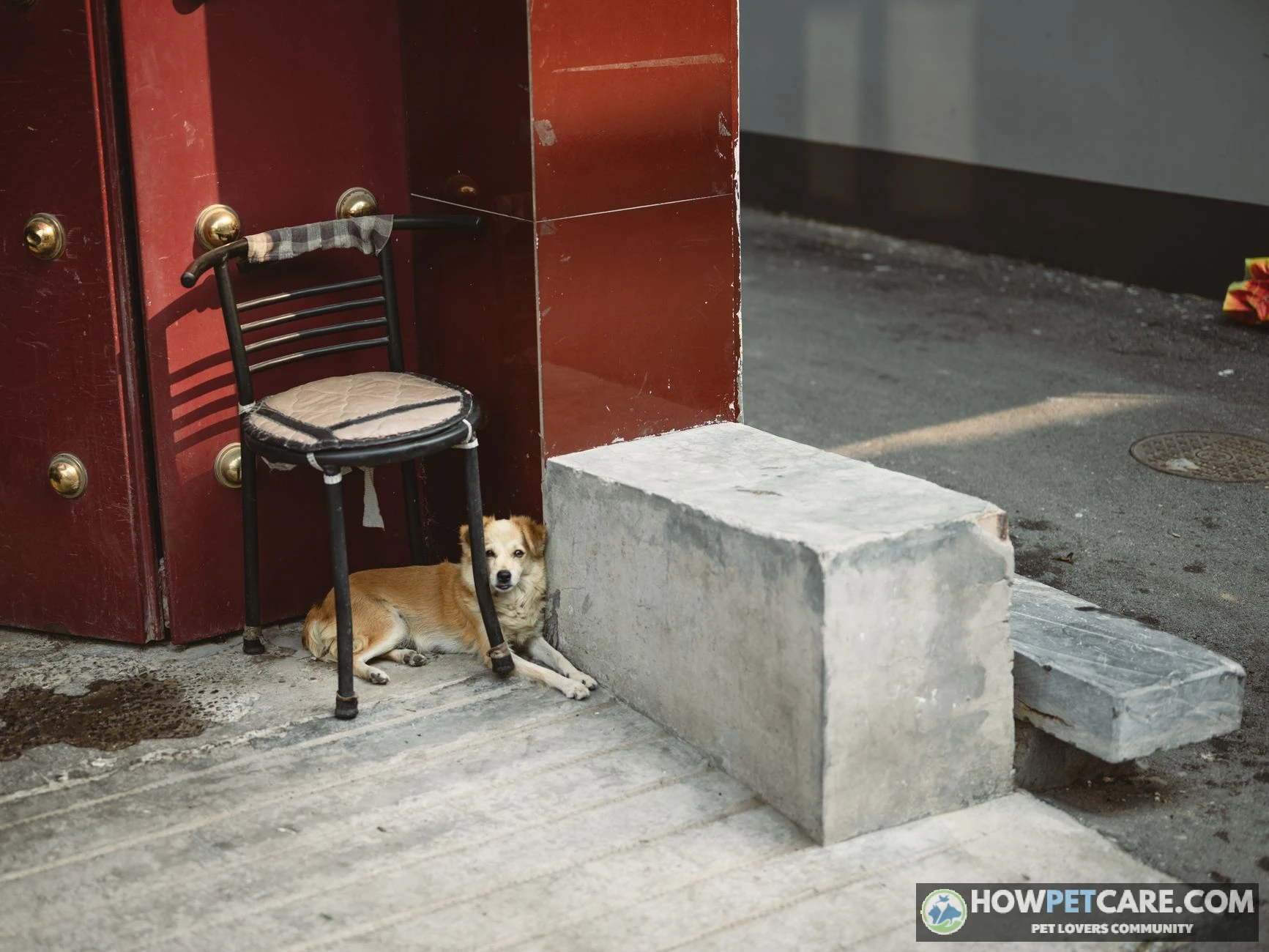
A dog left alone for a full workday without a break may become distressed regardless of breed. Arrange a midday visit and build alone time gradually; do not treat quietness as proof that the dog is coping.
Matching Calm Small Breeds to Your Household: Seniors, First-Time Owners, Kids and Other Pets
Calm small breeds for seniors
Cavaliers, Japanese Chins, and Shih Tzus can be appealing companions for people who want a smaller dog with modest exercise needs. Consider grooming, veterinary costs, balance, lifting, and the risk that a dog may outlive its owner’s ability to provide care. A small dog can still be a trip hazard, and a fragile toy breed may be difficult to handle safely. An adult dog with a known routine can be easier to assess than a puppy.

Low-maintenance calm small dogs for first-time owners
“Low maintenance” depends on what you can reliably provide. Pugs and French Bulldogs have short coats but can carry high health costs. Shih Tzus, Bichons, Havanese, and Maltese shed less but need regular brushing and professional grooming. Cavaliers may be easygoing companions but need health planning and may find long absences difficult. For a first-time owner, prioritize a dog whose behavior is known, whose exercise and grooming fit your schedule, and whose likely veterinary expenses fit your budget.
Calm small breeds good with kids and other pets
Shih Tzus, Bichons, Cavaliers, and Pugs can be good family companions when individual temperament, supervision, and respectful handling line up. No breed is automatically safe with children. Teach children not to climb on, chase, startle, or disturb a dog while it eats or sleeps, and supervise every interaction. Very small or delicate breeds—including Maltese and Japanese Chins—may be poor matches for toddlers who cannot yet handle a dog gently.
Many of these breeds can live with cats or other dogs, but introductions matter. Use controlled, gradual meetings and provide separate resting and feeding areas. Ask about the dog’s history with other animals rather than assuming compatibility from breed.
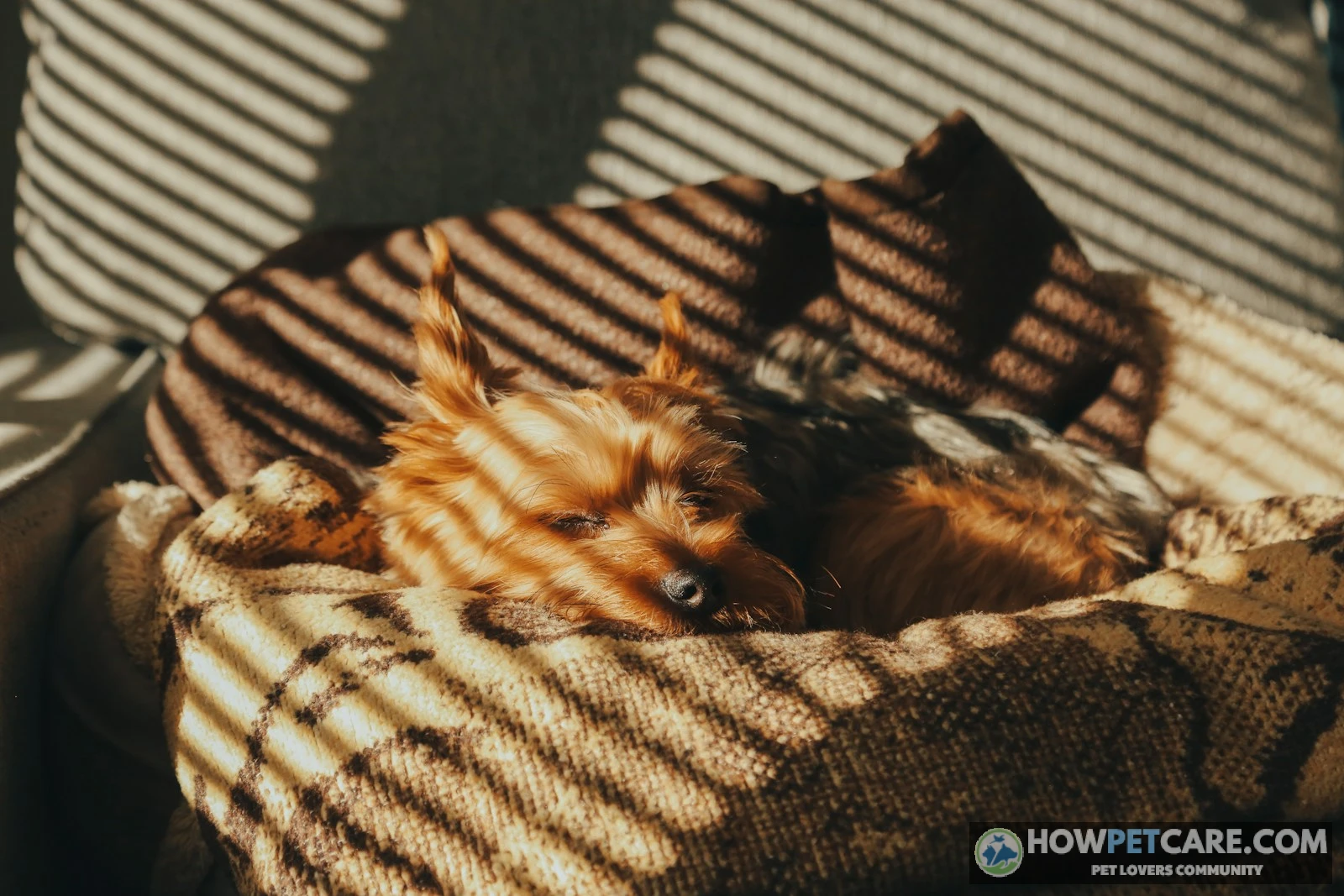
Calmest small breeds for anxiety
A steady companion may suit someone who prefers a quieter home, but no dog is a treatment for anxiety or a guaranteed emotional-support animal. Cavaliers and Japanese Chins are worth considering for a lap-dog temperament; Shih Tzus and Bichons offer lower-shedding alternatives. Choose based on the dog’s observed comfort with your routine, noise, visitors, and time away. Your schedule and ability to meet the dog’s needs help determine whether the relationship is calm for both of you.
The 2-minute living-situation chooser
- Check housing rules first. Confirm weight limits and breed restrictions; verify the individual dog’s likely adult size.
- Will the dog regularly be alone six or more hours? Prioritize an adult with verified alone-time history, such as a Shih Tzu or Pekingese candidate, and plan a midday break. Be cautious about strongly people-attached dogs, including Cavaliers and Havanese.
- Are there young children? Favor a sturdy, tolerant individual and supervise closely. Shih Tzus, Bichons, and Pugs may be options; fragile toy breeds need extra care.
- Does someone have dog allergies? Start with Bichon, Havanese, Maltese, or Shih Tzu, but meet the specific dog before committing. No breed is allergy-proof.
- Are shared-wall noises a major concern? Consider a Japanese Chin or Cavalier, then test the individual dog around ordinary sounds. Low barking doesn’t mean no vocalization.
- How much grooming can you manage? Low-shedding coats need frequent care. If that is unrealistic, consider a short-coated breed only after weighing its shedding and health trade-offs.
- What health risks and costs can you accept? Get insurance quotes and discuss breed-specific screening with a veterinarian before choosing a flat-faced breed or a Cavalier.
A quieter apartment with daytime company may point to a Japanese Chin or Cavalier. A low-shed household with grooming capacity may favor a Bichon or Shih Tzu. A family with children may shortlist a Shih Tzu or Bichon, based on the individual dog’s behavior and the children’s ages. A senior seeking a lap companion might consider an adult Japanese Chin or Cavalier, with a plan for handling and health costs.
Calm, Quiet and Low-Shedding: The Allergy-Sensitive Shortlist
Quiet small dog breeds that don’t shed
Bichons, Havanese, Maltese, and Shih Tzus are commonly chosen for lower-shedding coats. The Bichon and Havanese can be cheerful and sociable but may bark at sounds or visitors. The Maltese is small and can be an alert barker. The Shih Tzu may be a practical middle ground for a calm household, but needs substantial coat care and may snore or have breathing issues.
Cavaliers and Pugs are often calmer or quieter choices, but they shed more. If both low shedding and low barking are essential, compare an adult Bichon, Havanese, or Shih Tzu whose behavior is known rather than selecting by coat alone.

Why “hypoallergenic” needs caution
No dog is fully hypoallergenic. Allergens come from sources including skin flakes, saliva, and urine; low-shedding coats may reduce how much hair and dander spread around a home, but people react differently to individual dogs. Spend meaningful time with the exact dog before adopting or buying, ideally more than once, and consult an allergist if reactions are significant.
Low-shedding does not mean low-grooming
Low-shedding coats often require brushing several times a week and regular professional grooming. Bichons may need a salon visit every four to six weeks; a typical professional appointment is estimated at $60–$90. Ask local groomers for current quotes and consider whether you can maintain the coat between appointments. Mats can cause discomfort, so coat care is a welfare need, not just a cosmetic choice.
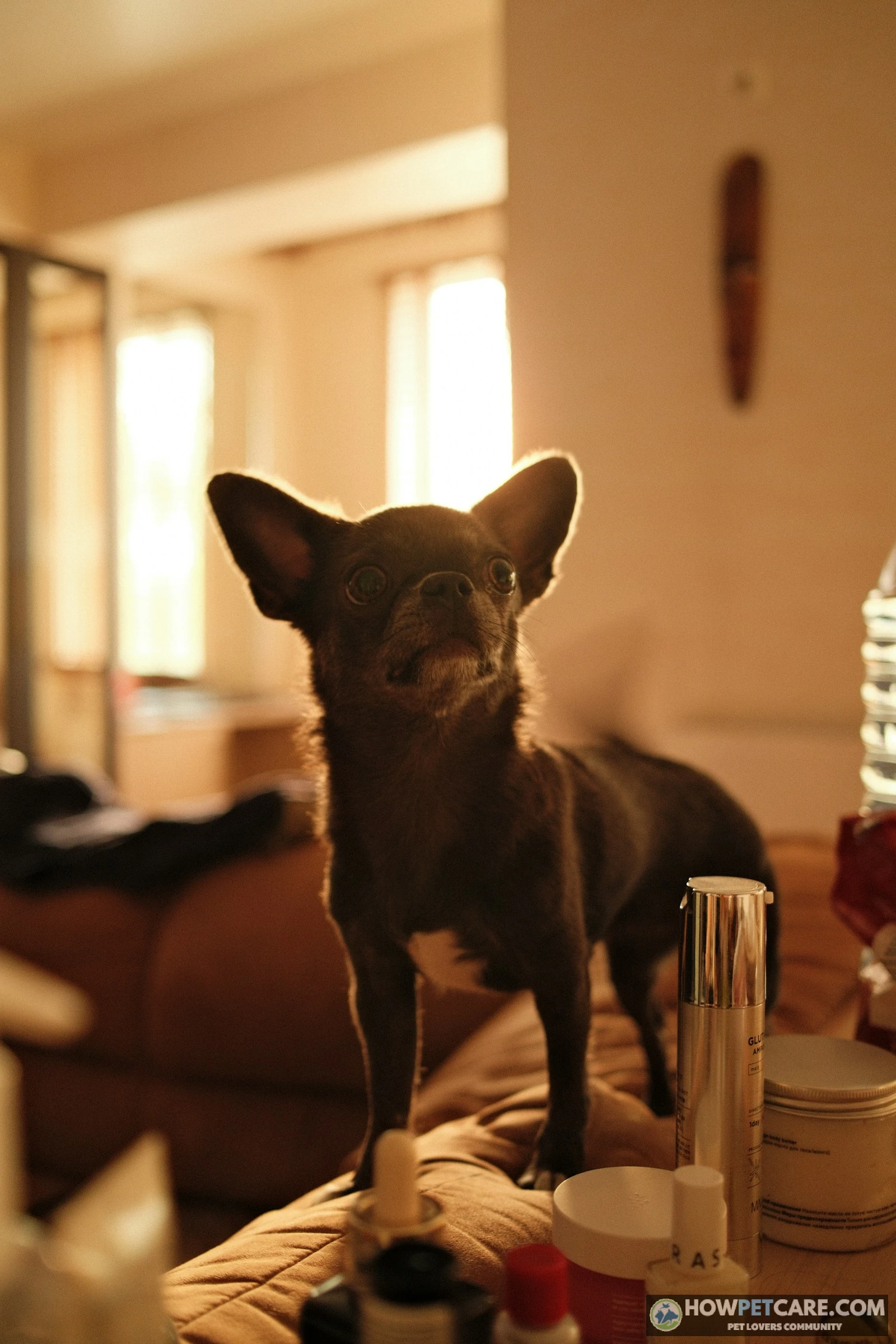
A low-shedding breed may work for one allergy-sensitive person and trigger symptoms in another. Arrange a visit with the specific dog and seek medical advice before making a long-term commitment.
Health Risks and the Real Cost of Owning a Calm Small Dog in the US
Breed-specific health risks and lifespan
Lifespan varies by individual, breeding, and care. Ask the rescue, breeder, or veterinarian for records and discuss expected risks rather than treating a breed-average lifespan as a promise. Cavaliers warrant attention to heart disease, including mitral valve disease, and neurological conditions such as syringomyelia. Pugs and French Bulldogs are brachycephalic and can develop BOAS, eye problems, skin issues, and heat intolerance. Shih Tzus and Pekingese also have flat-face-related breathing and eye concerns. Small breeds may face dental disease and knee problems; Dachshunds are not included in this ranking, but their risk of intervertebral disc disease is a reminder to ask about breed-specific spinal risks.
A flat-faced dog can be a responsible choice only if the prospective owner understands that breathing difficulty is not a harmless breed trait. Ask a veterinarian to assess the dog’s breathing and airway, exercise tolerance, and heat risk. Choose a breeder who prioritizes functional health and doesn’t select for extreme facial features, or consider an adult rescue whose health and breathing can be assessed. BOAS surgery may cost an estimated $1,500–$4,000. If that risk, expense, or need for heat and travel precautions isn’t manageable, choose a non-brachycephalic breed.
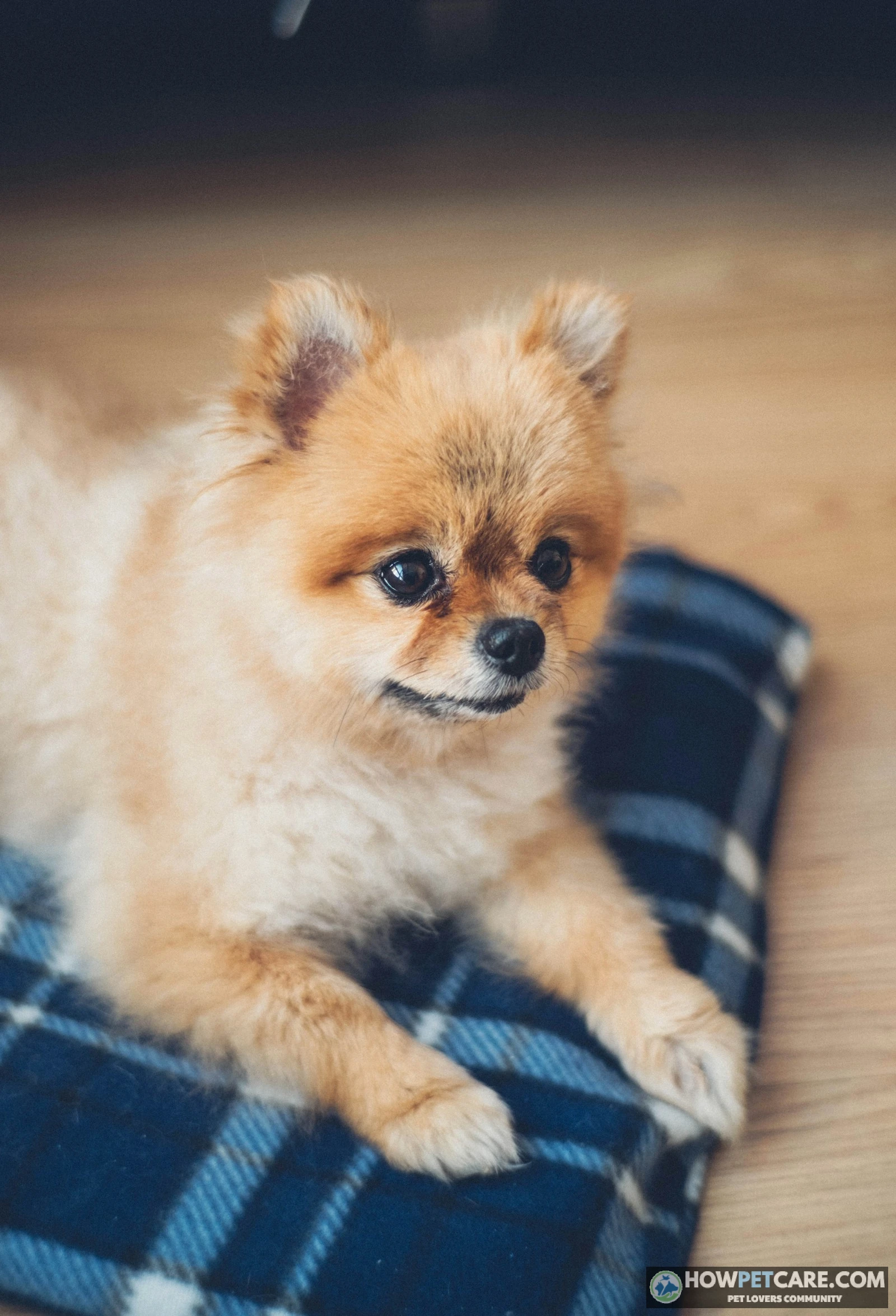
First-year costs vs ongoing annual costs
US costs vary substantially by region, provider, dog’s health, and whether you adopt or buy. The figures below are broad planning estimates, not quotes or guarantees. A purebred Cavalier or French Bulldog may cost $2,500–$4,500 to purchase. Adoption fees are usually lower, but vary by organization and may include some veterinary care. Routine veterinary costs for Cavaliers and French Bulldogs can be estimated at $1,500–$3,000 annually, particularly when breed-associated needs arise.
| Breed | Typical lifespan | Main breed-specific health concerns to discuss | Purchase or adoption fee range | Estimated first-year cost | Estimated ongoing annual cost | Grooming cadence and cost level | Insurance considerations |
|---|---|---|---|---|---|---|---|
| Cavalier King Charles Spaniel | Ask veterinarian and source for individual estimate | Mitral valve disease, syringomyelia | Purchase $2,500–$4,500; adoption varies | Broadly $1,500–$5,500+ | Broadly $1,500–$4,000+ | Brush regularly; moderate salon needs | Heart findings may affect coverage; enroll early |
| Japanese Chin | Ask veterinarian and source for individual estimate | Heart, eye, and airway concerns | Adoption varies; breeder prices vary | Broadly $1,200–$4,000+ | Broadly $1,000–$3,000+ | Regular brushing; moderate | Confirm exclusions and breed coverage |
| Shih Tzu | Ask veterinarian and source for individual estimate | Eyes, teeth, airway, knees | Adoption varies; breeder prices vary | Broadly $1,200–$4,000+ | Broadly $1,000–$3,500+ | Frequent brushing; professional grooming every few weeks | Eye and airway conditions may be excluded if pre-existing |
| Pug | Ask veterinarian and source for individual estimate | BOAS, eyes, heat intolerance | Adoption varies; breeder prices vary | Broadly $1,500–$6,000+ | Broadly $1,500–$4,000+ | Short coat; regular cleaning and shedding control | Higher premiums; airway exclusions need review |
| Havanese | Ask veterinarian and source for individual estimate | Knees, eyes, liver shunt | Adoption varies; breeder prices vary | Broadly $1,200–$4,500+ | Broadly $1,000–$3,500+ | Frequent brushing and professional grooming | Check hereditary-condition terms |
| Bichon Frise | Ask veterinarian and source for individual estimate | Allergies, knees, bladder stones | Adoption varies; breeder prices vary | Broadly $1,200–$4,500+ | Broadly $1,000–$3,500+ | Every 4–6 weeks; $60–$90 per visit estimate | Check exclusions and deductible |
| Maltese | Ask veterinarian and source for individual estimate | Dental disease, knees, liver shunt | Adoption varies; breeder prices vary | Broadly $1,200–$4,500+ | Broadly $1,000–$3,500+ | Frequent brushing and professional grooming | Dental and hereditary exclusions vary |
| Pekingese | Ask veterinarian and source for individual estimate | BOAS, eyes, heat tolerance | Adoption varies; breeder prices vary | Broadly $1,200–$5,000+ | Broadly $1,000–$4,000+ | Frequent coat care; high effort | Review airway and eye exclusions |
| French Bulldog | Ask veterinarian and source for individual estimate | BOAS, spinal disease, skin, heat intolerance | Purchase $2,500–$4,500; adoption varies | Broadly $3,000–$8,000+ | Broadly $1,500–$5,000+ | Low coat-grooming burden; skin-fold care | Often costly; airway and spinal exclusions matter |
These ranges are deliberately broad; get local quotes before committing. First-year costs can include the acquisition fee, initial exam and vaccinations, spay or neuter if needed, supplies, training, food, grooming, and insurance. Ongoing costs include routine veterinary care, food, grooming, medication, insurance, boarding, and dog walking. Emergencies and chronic illness can push spending well above the ranges.
For illustration, adopting an adult Cavalier might involve a $200–$600 adoption fee, $150–$400 for an initial veterinary workup, and $150–$350 for supplies, with a broad first-year estimate of roughly $800–$2,000 before cardiac findings. A French Bulldog puppy from a health-testing breeder may cost $2,500–$4,500 to acquire, with first-year spending potentially reaching several thousand dollars before airway treatment. These are planning examples, not current quotes; local prices and the dog’s medical needs can change the total substantially. A purchase price may support responsible care, but it doesn’t guarantee health.
Pugs, French Bulldogs and airway problems: a responsible-choice test
Ask whether the dog can breathe comfortably at rest and after gentle activity, whether it has needed airway evaluation or surgery, and how the source manages heat, exercise, and travel. Avoid normalizing noisy, labored breathing as simply “how the breed sounds.” Some flat-faced dogs can live well with appropriate care, but owners must accept limits and possible treatment costs. Choose another breed if you can’t accommodate heat precautions, veterinary follow-up, or a possible airway expense.
Pet insurance for breeds with known risks
Get insurance quotes before choosing a dog. Policies commonly exclude conditions that existed before enrollment, so a diagnosis or documented symptom may not be covered later. Compare waiting periods, deductibles, reimbursement limits, and hereditary-condition terms. Insurance can help with eligible surprises but doesn’t replace an emergency fund or routine care.
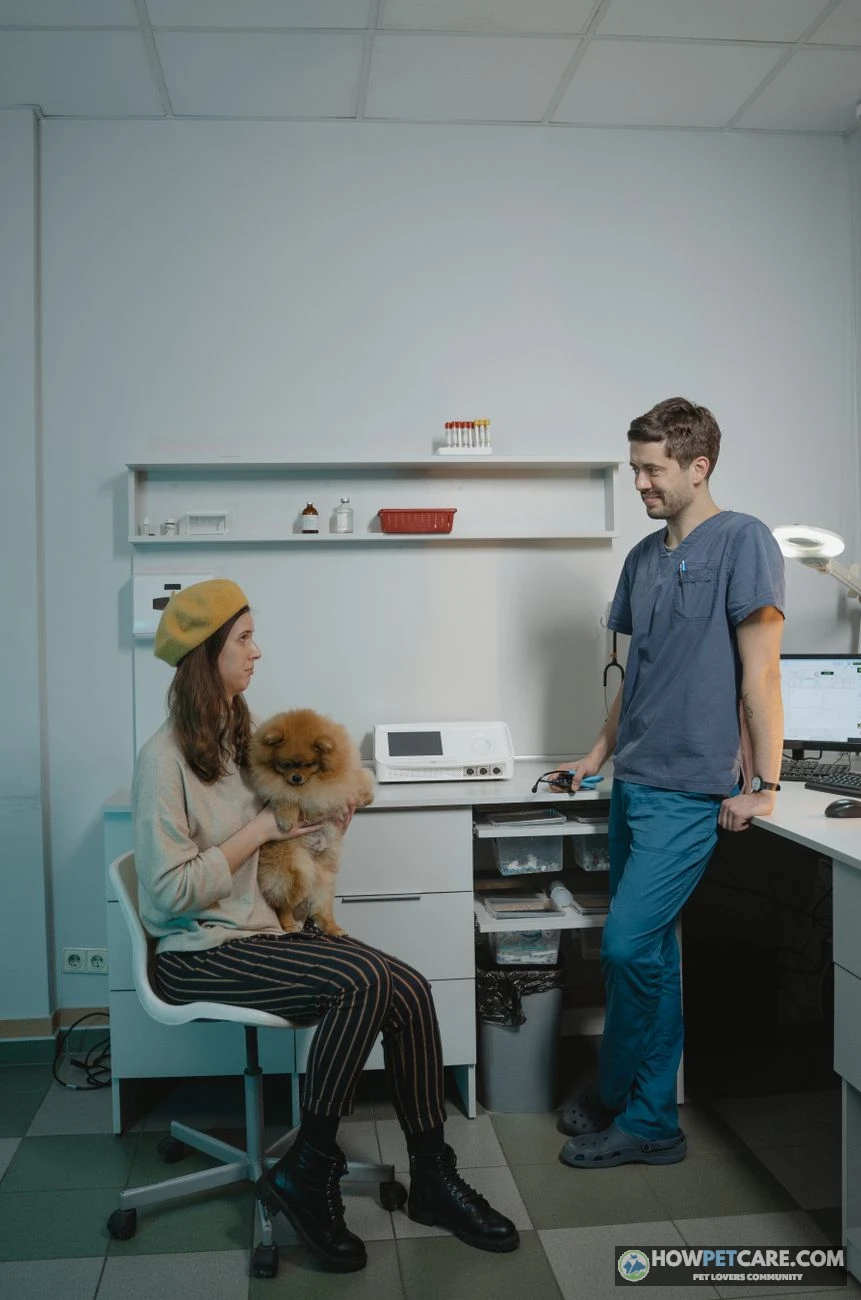
An affordable acquisition price does not make a breed inexpensive to own. Get a veterinary estimate and insurance quote for the individual dog before committing, especially for Cavaliers and flat-faced breeds.
Rescue or Ethical Breeder? Screening Questions for Each Route
Adoption can offer a clearer view of an adult dog’s behavior in a home, though a rescue may have limited history and the wait for a specific breed can be long. An ethical breeder may provide health records, information about the parents, and early-life history, but a puppy’s adult temperament is still uncertain and purchase costs are higher. Neither route guarantees a calm dog. Ask questions specific to the source and expect honest uncertainty.
| Topic | Questions for rescue, shelter or foster caregiver | Questions for an ethical breeder | Green flags | Red flags |
|---|---|---|---|---|
| Behavior | How does the dog respond to visitors, household sounds, handling, and other animals? | What are the parents’ temperaments? How do puppies respond to ordinary handling and sounds? | Specific examples, including challenges | Promises of a dog that never barks or is always calm |
| Alone time | What happens after the dog is left? Has anyone observed or recorded it? | How are puppies gradually introduced to brief separation? | Realistic history and a transition plan | No answer or dismissal of distress |
| Health | What records, medications, and prior diagnoses are available? | What breed-appropriate health testing was done on both parents? | Verifiable records and openness | No records or refusal to discuss known conditions |
| Placement support | Is there a trial, foster-to-adopt option, or return policy? | Will the breeder take the dog back if circumstances change? | Clear support after placement | Pressure to decide immediately |
| Socialization | What does the dog know about home life, people, and other pets? | What socialization and gentle handling have puppies experienced? | Age-appropriate, safe exposure | Claims that socialization is unnecessary |
Adopting a calm small dog: what to ask foster caregivers and shelter staff
Ask how the dog behaves in a home, not only in the shelter: its response to doorbells, visitors, children, cats, and other dogs; comfort with grooming and veterinary handling; and behavior when left alone. Ask directly about bite history, reactivity, medical records, medications, previous returns, and the organization’s return policy. A foster caregiver may have useful observations unavailable from a brief shelter visit. Request a second meeting or a trial arrangement if offered.
Choosing an ethical breeder: what to ask and what to verify
Ask for health testing appropriate to the breed and for the actual results, not just a claim that the parents are “healthy.” Ask about both parents’ temperaments, the mother’s behavior, how puppies are raised and socialized, veterinary records, contract terms, and a lifetime take-back policy. A responsible breeder should welcome questions and help match a puppy to your household rather than promise a particular puppy will be perfectly quiet or calm.
Red flags on either route
Walk away from pressure, missing health information, unwillingness to let you meet the dog or its caregiver, or guarantees that a dog will never bark, shed, or have health problems. Check that the source is transparent about the dog’s history and what support is available if the placement doesn’t work.
How to Tell if a Specific Puppy or Rescue Dog Will Be Calm
Breed tendency helps form a shortlist; it can’t substitute for observing the dog. A dog’s genetics, early experiences, socialization, health, age, and daily routine all matter. Puppy temperament tests have limited ability to predict adult behavior, so treat a visit as useful evidence—not a guarantee.
Reading a litter: what to watch in puppies
Watch the whole litter rather than choosing the puppy that is quietest in one moment. Look for a puppy that can recover after a mild surprise, investigate something new, accept gentle handling, and settle after play. Ask to meet the mother and observe whether she appears comfortable with people. Don’t provoke a puppy with frightening noises or force handling; ask the breeder to guide safe observations. Puppies need substantial sleep—up to 18 hours a day—so a tired puppy may seem unusually subdued.

Meeting an adult rescue: a step-by-step check
Observe the dog at the beginning of the visit and again after it has had time to settle. Notice how it responds to ordinary sounds, unfamiliar people, gentle touch on paws and ears, and a brief separation from its caregiver. See whether it can disengage from excitement and rest. Ask what the dog does in the first minutes after a person leaves and whether the foster or shelter has video or detailed observations. If the dog seems shut down or overwhelmed, don’t treat that single meeting as a complete temperament assessment; ask about a second visit or foster-to-adopt option.
-
Observe recovery
Notice whether the dog startles at a mild, ordinary sound and then returns to exploring or engaging. Do not create a frightening test.
-
Check settling and handling
After play or greeting, see whether the dog can pause. With the caregiver’s permission, observe its response to gentle touch without restraining or forcing it.
-
Ask about the home routine
Ask about barking triggers, other pets, visitors, grooming, bathroom needs, and what happens when people leave.
-
Arrange another observation
If the dog is stressed, tired, or unusually excited, ask for a second visit or a foster period where available rather than deciding from one snapshot.
Breed tendency vs the individual dog: how much each matters
Use breed as a starting probability, not a verdict. A well-socialized, healthy dog from a breed known for alertness may be quieter than an anxious dog from a typically quiet breed. Shelter stress can make a dog appear either unusually subdued or overexcited; behavior may change as the dog adjusts over days and weeks. Ask caregivers what they’ve seen over time and plan a gradual transition.
Temperament scorecard for a visit: Mark each item as 2 (settles or recovers readily), 1 (mixed or unclear), or 0 (strong distress or concern). The total is a conversation aid, not a validated test or a guarantee.
- Recovers after a mild surprise and re-engages.
- Investigates a new object without freezing or fleeing.
- Can settle after play or greeting.
- Accepts gentle, permitted handling without escalating distress.
- Can disengage from a person and explore or rest independently.
- Barking appears linked to an identifiable trigger rather than continuing throughout the visit.
- Caregiver can describe the dog’s response to departures with specific examples.
- Behavior remains manageable after the first few minutes of excitement.
Ask the caregiver about pacing, prolonged vocalization, destruction, escape attempts, or house-soiling when the dog is alone. A quiet dog may still be distressed. Give a newly adopted dog time to decompress, keep routines predictable, and reassess after it has settled rather than expecting its first-day behavior to be permanent.
Your Next Steps: Build a Shortlist of Two or Three Calm Small Breeds
Shortlist worksheet
Start with the needs that would make a placement fail, then compare the remaining breeds. Don’t choose a breed because it scores well in one column if it conflicts with your schedule, health-risk tolerance, or grooming budget.
- Rank your top priorities: quiet, low shedding, time alone, exercise, grooming, children or pets, and health-cost risk.
- Filter the matrix using your non-negotiables. If allergies are significant, arrange exposure to the specific dog; if a full workday absence is unavoidable, prioritize an adult with documented alone-time history.
- Choose two or three breeds, then look for individual dogs whose observed behavior matches your needs.
- Ask the sourcing questions in this guide and use the temperament scorecard during visits.
- Get local quotes for veterinary care, grooming, insurance, walking, and boarding before committing.
Pre-commitment checklist
- Confirm lease, HOA, weight, and breed rules.
- Check that the dog’s exercise and bathroom needs fit your daily schedule.
- Arrange a midday break if the dog will be alone for several hours.
- Meet the specific dog more than once when possible; test allergy tolerance with professional guidance if needed.
- Ask a veterinarian about breed-related screening and the dog’s known health history.
- Get insurance and grooming quotes, and budget for first-year supplies and training.
- Confirm a return or support policy with the rescue or breeder.
If quietness and low exercise matter most, begin with a Japanese Chin or Cavalier, while accounting for fragility or health and separation risks. If low shedding is essential, consider a Shih Tzu, Bichon, or Havanese and budget for grooming. If a family dog is the priority, compare individual Shih Tzus and Bichons for handling tolerance and household fit. If you’re considering a Pug or French Bulldog because it seems calm and easy to groom, assess the breathing, heat, and veterinary risks before falling in love with the breed. The best shortlist fits your actual home and the temperament of the dog in front of you.
1How does the guide explicitly define 'calmness' as distinct from 'quietness' and 'low-energy'?
Calmness specifically measures emotional stability and how effectively a dog settles back down following stimulation.
2Which breed ranks number one overall in the guide's matrix for calm, steady companion temperament?
This breed takes the top rank due to its steady, adaptable companion temperament, despite notable health considerations.
3What size threshold did the authors set for a breed to be classified as 'small' in this evaluation?
The evaluation evaluated breeds based on adult breed standards meeting or falling below approximately 25 pounds.
4Why was the Basenji intentionally left out of the calm small breed rankings?
Although famous for not barking typically, its distinct vocal behavior and temperament do not fit the calm, low-energy criteria.
5Which pair of breeds offers low shedding but requires significant grooming effort, such as regular brushing and professional salon care?
Both breeds are low-shedding options, but their continuously growing coats necessitate frequent brushing and routine salon visits.
6What primary health concern is highlighted for flat-faced (brachycephalic) small breeds like Pugs and French Bulldogs?
Compromised facial structure impairs airflow, making airway distress, exercise limitations, and heat stroke significant risks.
7Why does the guide advise caution regarding the term 'hypoallergenic' when choosing a dog?
Low-shedding coats reduce hair dispersal, but individual people can still react strongly to proteins in dander, saliva, or urine.
8What general benchmark for daily exercise is suggested for most calm small dog breeds?
Most calm small breeds maintain good health and behavior with modest activity split into manageable daily outings.
9Which small breeds are noted for having delicate physical builds that make them less suitable for homes with rough-handling toddlers?
These toy breeds possess fragile frames that can easily suffer accidental injury from uncoordinated handling.
10What arrangement does the guide recommend if a dog owner works standard 8- to 10-hour workdays?
No companion breed should be assumed to tolerate eight to ten hours alone without breaks and social interaction.
| Breed | Rank | Calmness | Barking tendency | Shedding | Grooming needs | Exercise needs | Alone-time tolerance | Kid and pet compatibility | Health risk | Cost level |
|---|---|---|---|---|---|---|---|---|---|---|
| Cavalier King Charles Spaniel | 1 | High | Low–moderate | Moderate | Moderate | Low–moderate | Low | High | High | High |
| Japanese Chin | 2 | High | Low | Moderate | Moderate | Low | Low–moderate | Moderate | Moderate | Moderate |
| Shih Tzu | 3 | Moderate–high | Moderate | Low | High | Low | Moderate | High | Moderate | Moderate |
| Pug | 4 | Moderate–high | Low–moderate | High | Low | Low | Low | High | High | Moderate–high |
| Pekingese | 8 | High | Moderate | Moderate–high | High | Low | Moderate | Moderate | Moderate–high | Moderate |
| Havanese | 5 | Moderate | Moderate | Low | High | Low–moderate | Low | High | Moderate | Moderate |
| Bichon Frise | 6 | Moderate | Moderate | Low | High | Moderate | Low–moderate | High | Moderate | Moderate |
| Maltese | 7 | Moderate | Moderate–high | Low | High | Low | Low–moderate | Moderate | Moderate | Moderate |
| French Bulldog | 9 | Moderate | Low | Moderate | Low | Low | Low–moderate | Moderate–high | High | High |
FAQ
Are small dogs more anxious than large dogs?
Some studies report higher fearfulness and anxiety-related behaviors in small dogs, but results are mixed and are often linked to how the dogs are handled, socialized and trained. Size alone is a weak predictor, so judge the individual dog and its upbringing.
Can I train a calm small dog to bark less?
Training can reduce nuisance barking, especially when you identify triggers such as doorbells or being left alone and teach a quiet cue or an alternative behavior. Breed tendency sets the starting point, so a naturally alert barker will take more consistent work than a naturally quiet breed.
At what age does a small dog’s temperament settle?
Puppies are energetic regardless of breed, and many dogs mature emotionally somewhere between one and three years of age. An adult dog’s observed behavior is a more reliable guide to calmness than a puppy’s.
Are mixed-breed small dogs calm too?
Many are, but adult temperament is harder to predict in mixes because the breed makeup is often uncertain. Rely on observed behavior, foster-home reports and a meeting with the dog rather than a guessed breed mix.
Will a calm dog in a shelter stay calm at home?
Not always. Stress can make a dog appear either subdued or overexcited in a shelter, and behavior often changes as the dog settles in over days to months. Ask for foster-home observations and plan a decompression period.