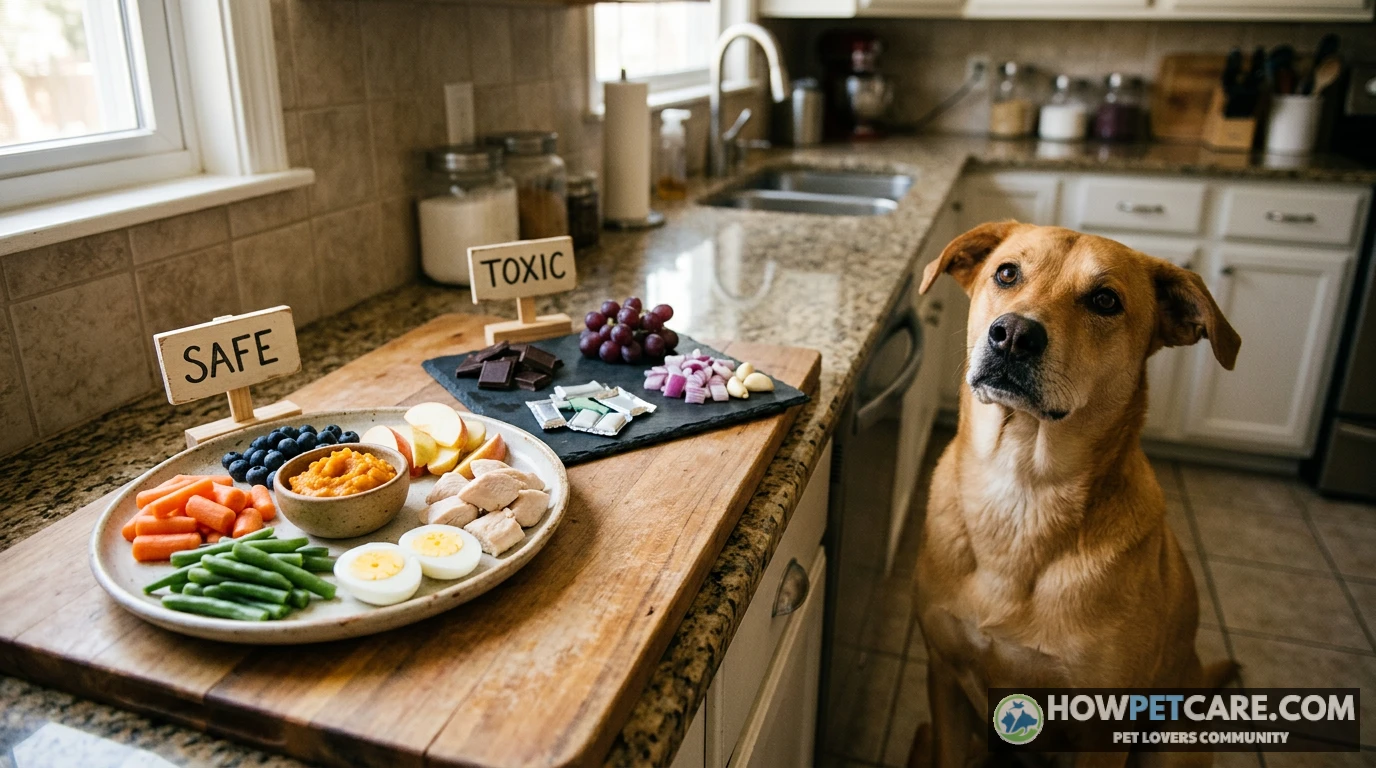

Dogs can safely eat plain, unseasoned human foods including lean proteins (skinless chicken, lean beef, cooked salmon, and eggs), vegetables (carrots, green beans, and pure pumpkin puree), and fruits (blueberries and seedless apples). Treats must be prepared without butter, oils, or spices and limited to under 10% of their daily caloric intake.
Dogs can safely eat many everyday human foods, including lean proteins like boiled chicken breast, nutrient-dense vegetables such as carrots and green beans, and fiber-rich fruits like seedless apples and blueberries. Sharing people food requires strict culinary safety rules: foods must be completely unseasoned, free of toxic alliums or artificial sweeteners, and portioned so they do not upset your pet’s nutritional balance.
While sharing a snack from your kitchen provides healthy variety, human foods should strictly serve as an occasional treat in plain, bite-sized portions rather than a replacement for complete, balanced commercial diets. This guide does not replace clinical veterinary diagnosis; always consult your veterinarian before altering the diet of a dog with underlying medical concerns.
Master Directory: Safe Human Foods Dogs Can Eat at a Glance

To safely navigate what human food can dogs eat, evaluate each ingredient using three criteria: preparation method, potential toxic lookalikes, and caloric density. The master directory below covers over 30 common foods to help you determine whether an ingredient is safe for your dog’s bowl.
| Food Item | Safety Tier | Calories (per 100g) | Mandatory Preparation Rule | Primary Hazard / Clinical Restriction |
|---|---|---|---|---|
| Cooked Chicken Breast | Safe | 165 kcal | Boiled or baked completely plain; skin and bones removed | High fat in skin triggers pancreatitis; cooked bones splinter |
| Cooked Lean Ground Beef | Safe | 175 kcal | Boiled or drained of all rendered fat; zero seasoning | Unrendered fat provokes acute gastrointestinal inflammation |
| Cooked Salmon | Safe | 180 kcal | Boneless fillet baked plain to 145°F interior temperature | Raw salmon carries Neorickettsia helminthoeca (fatal salmon poisoning) |
| Cooked Eggs | Safe | 143 kcal | Scrambled or hard-boiled plain without butter, milk, or salt | Raw whites contain avidin, which inhibits biotin absorption; Salmonella |
| Plain Canned Sardines | Safe | 208 kcal | Water-packed only; thoroughly rinsed; avoid oil and brine | Oil packs cause pancreatitis; salt brine induces hypernatremia |
| Cooked Turkey Breast | Safe | 135 kcal | Plain roasted white meat; remove all skin, fat, and bone | Deli/seasoned turkey contains toxic alliums and high sodium |
| Plain Pumpkin Puree | Safe | 26 kcal | 100% pure pumpkin flesh; never use spiced pie mix | Spiced pie mixes contain toxic nutmeg, allspice, and refined sugars |
| Carrots | Safe | 41 kcal | Cut into 1/4-inch round coins or steam soft for small breeds | Whole raw carrots represent a severe mechanical choking obstruction |
| Green Beans | Safe | 31 kcal | Fresh or steamed plain; canned must be labeled "no salt added" | Standard canned beans contain elevated sodium levels |
| Sweet Potato | Safe | 86 kcal | Fully peeled, boiled, or baked soft; mash thoroughly | Raw sweet potatoes contain solanine and cause severe intestinal blockages |
| Broccoli Florets | Caution | 34 kcal | Cut into micro-florets; steam plain; limit to <10% of treat budget | Isothiocyanates cause acute gastric irritation in excess portions |
| Celery | Safe | 16 kcal | Wash thoroughly and slice into thin 1/4-inch segments | Tough, fibrous strings present a choking hazard for toy dog breeds |
| Raw Apples | Safe | 52 kcal | Remove stem, core, and all seeds; slice into thin wedges | Seeds contain amygdalin (cyanide); rigid core poses choking risk |
| Blueberries | Safe | 57 kcal | Wash thoroughly; feed whole fresh, or lightly mash for toy dogs | Frozen whole berries are a choking hazard for dogs under 15 lbs |
| Seedless Watermelon | Safe | 30 kcal | Cut away entire green and white rind; remove all black/white seeds | Rind is completely indigestible and causes mechanical intestinal impaction |
| Bananas | Caution | 89 kcal | Peel completely; cut into thin 1/8-inch circular slices | High sugar content (12g/100g); triggers diarrhea or blood glucose spikes |
| Strawberries | Safe | 32 kcal | Remove green tops; wash thoroughly; slice or puree | Natural fructose requires strict portion boundaries to avoid loose stools |
| Cantaloupe | Safe | 34 kcal | Remove all outer mesh rind and inner seed cavity; dice flesh | High natural sugar content; rind poses severe obstruction hazard |
| Plain White Rice | Safe | 130 kcal | Boil fully plain in water; no butter, oils, salt, or broths | High glycemic index; strictly contraindicated for diabetic canines |
| Plain Rolled Oatmeal | Safe | 68 kcal | Cook in water only; never use instant flavored packets | Flavored packets contain toxic xylitol sweetener or heavy refined sugars |
| Plain Low-Fat Greek Yogurt | Caution | 73 kcal | Unsweetened 0% fat; verify zero artificial sweeteners | Osmotic diarrhea in lactose-intolerant dogs; xylitol poisoning hazard |
| Hard Cheddar Cheese | Caution | 403 kcal | Cut into micro-dice (1/4-inch cubes); reserve for medication delivery | High saturated fat and sodium; primary trigger for acute canine pancreatitis |
| Plain Peanut Butter | Safe | 588 kcal | Single-ingredient (peanuts only); 100% xylitol-free and unsalted | Massive caloric density; rapid weight gain; xylitol lethality risk |
| Cooked Bone Broth | Safe | 15 kcal | Simmered plain bones strained completely; discard all bones | Store-bought versions contain toxic onion/garlic powder and high sodium |
| Grapes and Raisins | Toxic | 69 kcal | Never feed; strictly zero tolerance across all breeds and sizes | Tartaric acid causes sudden, acute, irreversible renal necrosis |
| Onions, Garlic, Leeks, Chives | Toxic | 40 kcal | Never feed (raw, cooked, dehydrated, or powdered forms) | Thiosulfate causes oxidative hemolysis, forming Heinz body anemia |
| Dark and Milk Chocolate | Toxic | 546 kcal | Never feed; keep all cocoa-containing confections locked away | Theobromine and caffeine cause cardiac arrhythmia, seizures, and death |
| Macadamia Nuts | Toxic | 718 kcal | Never feed; check all baked confections and trail mixes | Unknown toxin triggers non-fatal ataxia, hyperthermia, and paresis |
| Raw Bread Yeast Dough | Toxic | 260 kcal | Never feed; keep rising dough away from counter edges | Fermenting yeast expands in warm stomach (bloat) and produces toxic ethanol |
| Xylitol (Birch Sweetener) | Toxic | 240 kcal | Never feed; screen peanut butter, baked goods, gums, and yogurts | Causes massive insulin surge, hypoglycemic collapse, and acute liver failure |
| Avocados | Caution | 160 kcal | Exclude peel, leaves, and pit; feed flesh only in fingernail portions | Persin induces myocardial damage in sensitive pets; pit causes fatal GI blockage |
| Raw Green Tomatoes | Toxic | 18 kcal | Exclude entirely; only fully red, ripe tomato flesh is tolerated | Solanine and tomatine in green fruit, vines, and stems provoke neuro-gastric distress |
Lean Proteins and Cooked Meats
Cooked lean proteins deliver essential amino acids that support muscle maintenance and tissue repair without overloading your dog’s digestive tract. Skinless cooked chicken and turkey breast are the gold standards for safe meats. Boil or bake these plain without butter, oils, or spices. Cooked lean ground beef (90% lean or higher) works well when thoroughly drained of all rendered fat.
For seafood, fully cooked salmon and water-packed sardines provide bioavailable omega-3 fatty acids that support coat health. Ensure fish is boneless and cooked through. Plain cooked eggs make a nutritious, protein-rich snack, but if you wonder can i feed a dog eggs safely, prepare them without butter, milk, or salt, and offer them in moderation due to cholesterol.
Nutrient-Dense Vegetables and Fiber Sources

Vegetables serve as low-calorie treat alternatives that supply micronutrients alongside soluble and insoluble dietary fiber. Carrots make a crisp, fiber-rich treat. Serve them raw in bite-sized coins to prevent choking, or steam them soft for small dogs. Fresh or steamed green beans offer an excellent crunchy option for dogs on calorie-restricted diets.
Plain pumpkin puree (100% pure canned pumpkin, never spiced pie mix) provides dietary fiber that stabilizes stool consistency and aids digestion. Fully cooked sweet potatoes, peeled and mashed, supply beta-carotene and potassium, though their carbohydrate density requires tighter portion limits than green vegetables.
Safe Low-Sugar Fruits

Fruits provide antioxidants, vitamins, and hydration, but their natural sugar content demands measured portions to avoid gastrointestinal upset. Raw apples supply vitamin C and dietary fiber. Core them completely, discard every seed, and slice the flesh into thin wedges. Fresh blueberries provide antioxidants and can be fed whole or lightly mashed for toy breeds. Seedless watermelon offers superb hydration during warm weather, provided you remove the entire fibrous rind to prevent mechanical impactions. Bananas and strawberries are also safe in small amounts, though bananas carry high sugar levels (12 grams per 100 grams) that trigger loose stools if overfed.
Digestible Carbohydrates and Selected Dairy
Cooked plain white rice and plain brown rice act as easily digestible energy sources, frequently paired with boiled chicken to settle mild digestive upset. Understanding whether can dogs eat rice during stomach distress helps owners provide bland nourishment safely. Plain rolled oatmeal cooked in water supplies soluble fiber to support regular bowel movements.
Dairy products require caution due to canine lactose sensitivities. Adult dogs often lack sufficient lactase enzymes to digest liquid cow’s milk, but low-lactose aged cheeses like hard cheddar or swiss and plain non-fat Greek yogurt work in small amounts. Pet owners weighing whether can dogs eat cheese should reserve tiny, quarter-inch cubes of cheddar for training rewards or pill delivery, keeping in mind the elevated saturated fat and sodium content.
When expanding your dog’s diet, introduce only one single-ingredient human food at a time in a tiny portion. Monitor your dog for 24 to 48 hours for signs of loose stool, gas, vomiting, or cutaneous itching before offering that food again.
The 10% Caloric Treat Rule: Weight-Tiered Portion Limits

Vague advice to "feed in moderation" drives accidental canine obesity. Veterinary nutritionists use an explicit standard: human food treats and snacks must never exceed 10% of a dog’s total daily caloric intake. The remaining 90% must come from an Association of American Feed Control Officials (AAFCO)-compliant, complete and balanced canine diet to ensure proper mineral, vitamin, and amino acid ratios.
To calculate your dog’s baseline Resting Energy Requirement (RER), use the standard clinical veterinary formula:
RER (kcal/day) = 70 × (body weight in kg)^0.75
Treat calories are not an extra addition to the daily bowl. Deduct them from the primary kibble or wet food allotment to prevent gradual weight gain.
Daily Calorie Budgets by Canine Weight Class

The table below translates the clinical 10% treat rule into exact caloric ceilings, gram weights, and household measurements tailored to specific canine size categories.
| Dog Size Tier | Typical Weight (lbs) | Estimated Daily Energy Requirement (RER) | Max 10% Treat Calorie Allowance | Max Daily Cooked Plain Chicken Breast | Max Daily Steamed Green Beans | Max Daily Plain Peanut Butter |
|---|---|---|---|---|---|---|
| Toy | 6 lbs (2.7 kg) | ~160 kcal/day | 16 kcal/day | 10 g (approx. 1 level tablespoon, shredded) | 50 g (approx. 1/2 measuring cup, chopped) | 2.7 g (approx. 1/2 level measuring teaspoon) |
| Small | 18 lbs (8.2 kg) | ~375 kcal/day | 37.5 kcal/day | 23 g (approx. 2 level tablespoons, diced) | 120 g (approx. 1.2 measuring cups, chopped) | 6.4 g (approx. 1.2 level measuring teaspoons) |
| Medium | 40 lbs (18.1 kg) | ~670 kcal/day | 67 kcal/day | 40 g (approx. 1/4 measuring cup, diced) | 215 g (approx. 2.2 measuring cups, chopped) | 11.4 g (approx. 2.3 level teaspoons, or < 1 level tbsp) |
| Large / Giant | 75 lbs (34 kg) | ~1,070 kcal/day | 107 kcal/day | 65 g (approx. 1/3 measuring cup, packed dice) | 345 g (approx. 3.5 measuring cups, chopped) | 18.0 g (approx. 1.1 level measuring tablespoons) |
Note: RER reflects basal maintenance requirements for neutered adult dogs. Active working dogs may have higher allowances, while senior or sedentary dogs require tighter limits. Consult your veterinarian for precise caloric targets.
High-Volume Vegetables vs. High-Calorie Healthy Fats

Understanding caloric density prevents accidental overfeeding. Consider the volume difference between nutrient classes:
- High-Volume Option: A medium-sized 40 lb dog with a 67 kcal treat limit can consume more than two full measuring cups of chopped, steamed green beans (approx. 66 kcal).
- High-Density Option: That exact same 67 kcal allowance is completely exhausted by just two-and-a-third teaspoons of standard peanut butter.
For dogs on weight-reduction plans, high-volume vegetables like sliced cucumbers, celery, and green beans provide satisfying snacks without exceeding daily caloric boundaries.
Culinary Prep Rules: Peeling, Cooking, and De-Seeding Guidelines

Many safe human foods become hazardous through improper culinary preparation. An ingredient that is nutritionally beneficial in its pure form can cause mechanical obstructions, gastrointestinal tearing, or toxic reactions if cooked improperly.
| Everyday Food Item | Safe Version to Feed | Toxic / High-Risk Lookalike | Hidden Hazard & Clinical Mechanism | Mandatory Kitchen Action Rule |
|---|---|---|---|---|
| Peanut Butter | 100% dry-roasted peanuts (only peanuts and salt-free) | "Sugar-free", "keto", or low-carb peanut butter | Birch bark extract (Xylitol) causes massive insulin release, hypoglycemia, and liver necrosis | Read the ingredient panel. Reject any jar listing "xylitol", "birch sugar", or "wood sugar". |
| Canned Pumpkin | 100% pure canned pumpkin puree (single ingredient) | Canned pumpkin pie mix / pie filling | Contains concentrated myristicin (from nutmeg), allspice, and high refined sugars | Check that the ingredient list reads exclusively "Pumpkin". If spices appear, discard. |
| Bread | Fully baked, cooled plain white or whole wheat crust | Unbaked raw yeast bread dough | Stomach heat causes yeast to expand (gastric dilatation-volvulus) while releasing lethal ethanol | Never offer raw dough. Keep rising dough proofing inside a closed, elevated microwave or oven. |
| Broth & Stock | Homemade bone broth simmered in pure water | Commercial boxed chicken, vegetable, or beef broth | Dehydrated onion/garlic powder causes Heinz body anemia; high sodium stresses kidneys | Buy only dog-formulated bone broth, or make homemade stock with zero aromatics and zero salt. |
| Yogurt | 100% unsweetened plain non-fat Greek yogurt | Vanilla, fruit-flavored, or "light" diet yogurt | Flavored options contain synthetic sweeteners (xylitol, sucralose) or high fructose corn syrup | Feed only single-ingredient cultured milk. Never feed flavored, sweetened, or colored yogurts. |
| Dried Fruit | Home-dehydrated single-ingredient apple or banana chips | Trail mixes, fruit cakes, or mixed berry bags | Raisins and currants mixed into fruit medleys trigger acute renal failure even in micro-doses | Never offer pre-mixed commercial dried fruits. Keep raisins and trail mix entirely out of the home. |
Produce Preparation: Peeling, Stemming, and De-Seeding
Produce requires mechanical processing before it touches your dog’s dish.
- Apples, Pears, and Stone Fruits: Apple seeds contain trace amounts of amygdalin, a cyanogenic glycoside that breaks down into hydrogen cyanide during digestion. Core apples completely and slice them into bite-sized wedges. Keep dogs away from whole peaches, plums, and cherries. The pits harbor cyanide precursors and present severe physical obstruction hazards in the pylorus or ileocecal valve.
- Sweet Potatoes and Potatoes: Never feed raw potatoes or raw sweet potatoes. Raw nightshades contain solanine, a toxic glycoalkaloid that provokes severe abdominal pain, central nervous system depression, and vomiting. Peel and steam, boil, or bake sweet potatoes until they mash easily with a fork.
- Carrots and Round Produce: Hard raw carrots must be sliced into thin coins or shredded. Feeding whole, thick raw carrots to enthusiastic medium or large dogs carries a significant risk of acute tracheal or esophageal choking.
Meat and Seafood: Plain Cooking Protocols and Bone Hazards
All animal proteins offered to dogs must follow the Plain Protein Protocol: boiled, baked, or poached plain with zero oils, butter, table salt, pepper, garlic, or onion powder. Cook all poultry to an internal temperature of 165°F and wild finfish to 145°F to eliminate pathogenic bacteria like Salmonella and parasites.
Never feed cooked bones of any kind to a dog. Cooking alters the collagen structure of avian and mammalian bone matrix, rendering it brittle. When chewed, cooked bones splinter into sharp shards that cause oral lacerations, esophageal perforations, gastric foreign bodies, or fatal intestinal punctures.
Raw Pacific salmon and trout present another biological hazard: Salmon Poisoning Disease. Raw salmonids can carry Nanophyetus salmincola, a parasitic trematode vectoring the intracellular bacterium Neorickettsia helminthoeca. If untreated, this infection carries a mortality rate exceeding 90% in domestic canines. Cooking eliminates the parasite.
Peanut Butter and Nut Butters: Verifying Xylitol Absence
Peanut butter works well for positive-reinforcement training and pill administration, but it demands strict label checking. Many food manufacturers sweeten specialty, high-protein, or keto nut butters with xylitol (frequently labeled as "birch sugar" or "wood sugar").
Xylitol triggers rapid, life-threatening toxicosis in canines. When purchasing peanut butter, read the ingredient panel thoroughly. The label should list only one or two items: peanuts and salt (preferably 100% dry-roasted peanuts with zero added sodium or hydrogenated palm oils). Avoid macadamia nuts, walnuts, and pecans entirely.

Silent Killers: Toxic Human Foods Dogs Must Never Eat

While sharing food builds a bond, kitchen accidents carry heavy consequences. Common pantry items contain chemical compounds canine physiology cannot metabolize, resulting in organ failure or death.
Lethal Produce: Grapes, Raisins, and Alliums

- Grapes, Raisins, Sultanas, and Currants: Grapes and their dried derivatives cause acute, irreversible renal necrosis in dogs. Veterinary toxicologists link this idiosyncratic reaction to tartaric acid and its potassium bitartrate salt, compounds abundant in grapes. Toxicity is not reliably dose-dependent: some dogs suffer acute anuric renal failure after eating just two or three raisins. Maintain a strict zero-tolerance policy across all breeds and life stages.
- The Allium Family (Onions, Garlic, Leeks, Shallots, and Chives): All members of the genus Allium contain organic sulfur compounds called propyl thiosulfates. Canine red blood cells lack the enzyme systems necessary to neutralize these oxidants. Thiosulfates oxidize hemoglobin, causing it to precipitate within the red blood cell and form Heinz bodies. This leads to intravascular hemolysis, hemolytic anemia, hemoglobinuria (dark, reddish-brown urine), and systemic tissue hypoxia. Garlic is roughly three to five times more concentrated than onion. Dehydrated or powdered seasonings in soups and rubs are particularly dangerous due to their high potency.
Chemical Toxicity: Chocolate, Caffeine, and Xylitol
- Chocolate and Caffeine (Methylxanthines): Cocoa beans contain methylxanthine derivatives, specifically theobromine and caffeine. Dogs metabolize theobromine at a fraction of the human rate. Theobromine antagonizes cellular adenosine receptors and inhibits phosphodiesterase, driving up intracellular cyclic adenosine monophosphate (cAMP). This triggers severe central nervous system stimulation, peripheral vasoconstriction, cardiac tachyarrhythmias, and muscular tremors that can progress to status epilepticus. Dark baker’s chocolate and cocoa powder present the highest toxicity per ounce; milk chocolate carries moderate danger, while white chocolate contains negligible methylxanthine levels (though its extreme fat load can trigger acute pancreatitis).
- Xylitol / Birch Bark Extract: Xylitol stimulates the canine pancreas to release massive amounts of endogenous insulin—up to six times the physiological response triggered by an equivalent amount of glucose. This sudden surge causes severe hypoglycemia within 30 to 60 minutes of ingestion. Dogs display ataxia, lethargy, tremors, and seizures. At higher dosages (typically ≥ 0.5 g/kg), xylitol induces idiosyncratic, acute hepatic necrosis and fulminant liver failure, which is frequently fatal.
High-Risk Obstructions and Fermentables
- Raw Yeast Bread Dough: Ingestion of unbaked yeast dough represents a double emergency. The warm, humid environment of the canine stomach acts as an incubator, causing the yeast to ferment rapidly. As the dough expands, it causes painful gastric distension that can progress to Gastric Dilatation-Volvulus (GDV or bloat). The fermentation process also produces ethanol as a metabolic byproduct, which is rapidly absorbed across the gastric mucosa, inducing severe systemic alcohol toxicosis, metabolic acidosis, hypothermia, and respiratory arrest.
- Macadamia Nuts: Macadamia nuts contain an unidentified toxin that induces clinical signs within 12 hours of ingestion. Affected dogs display hindlimb weakness, ataxia, muscle tremors, hyperthermia, and persistent vomiting. While rarely fatal, the clinical distress requires supportive veterinary therapy.
- Avocado Flesh, Pits, and Leaves: Avocado foliage, bark, and fruit skin contain persin, a fungicidal toxin that causes myocardial damage, sterile mastitis, and acute gastrointestinal irritation in several domestic species. While the green pulp contains lower persin concentrations and is tolerated in micro-portions by some dogs, the large avocado seed presents an extreme mechanical foreign body hazard that frequently lodges in the duodenum, necessitating emergency surgical extraction.
Medical Contraindications: When Safe Foods Harm Vulnerable Dogs

An otherwise safe, vet-approved human food can provoke life-threatening clinical crises if fed to a dog with an underlying metabolic disorder. Diet must fit your pet’s specific medical history.
Pancreatitis Hazards: The Hidden Fat Danger
Canine pancreatitis is a painful, potentially fatal inflammatory condition wherein digestive proenzymes prematurely activate inside pancreatic tissue, causing auto-digestion. Breeds predisposed to lipid dysregulation—including Miniature Schnauzers, Yorkshire Terriers, Shetland Sheepdogs, and Cocker Spaniels—alongside any dog with a documented history of pancreatitis, must never be fed high-fat table scraps.
Safe-sounding treats to strictly avoid for pancreatitis-prone dogs include:
- Cheddar, mozzarella, and other hard or soft cheeses
- Peanut butter and nut pastes
- Cooked poultry skin, pork trim, bacon, and unrendered ground beef
- Whole eggs (opt for plain boiled egg whites only if approved by your vet)
A single fatty morsel can provoke acute pancreatic necrosis, requiring intensive hospitalization, intravenous fluid therapy, and aggressive pain management.
Renal Disease and Diabetes Considerations
- Chronic Kidney Disease (CKD): Dogs with compromised renal function cannot efficiently eliminate phosphorus and urea nitrogen. To preserve remaining functional nephrons, avoid high-phosphorus human treats like organ meats (beef liver, chicken hearts), whole dairy products, sardines, and commercial bone broths. Kidney-compromised pets do better with modest portions of low-phosphorus, low-protein fruits and vegetables, such as peeled raw apple slices or cooked green beans, under strict veterinary supervision.
- Canine Diabetes Mellitus: Diabetic dogs require predictable glycemic curves to match their exogenous insulin injections. Feeding carbohydrate-heavy or high-glycemic treats causes postprandial hyperglycemia. Never offer diabetic dogs bananas, sweet potatoes, white rice, watermelon, or honey. If treats are permitted by your treating clinician, stick to low-glycemic, fiber-rich green vegetables like steamed broccoli florets or raw green beans.
Managing Dairy Sensitivities and Lactose Intolerance
Like many adult mammals, most dogs experience a decline in intestinal lactase production after weaning. When a lactase-deficient dog consumes liquid cow’s milk, undigested lactose moves into the colon. Colonic bacteria ferment this sugar, drawing water into the intestinal lumen via osmosis.
This results in rapid osmotic diarrhea, painful abdominal cramping, flatulence, and secondary vomiting. Pet owners often ask can dogs drink milk, but it is best to skip liquid milk and ice cream entirely. Use strictly portioned, low-lactose alternatives such as plain non-fat Greek yogurt (where active cultures have broken down much of the lactose) or tiny slivers of hard, aged cheddar, provided your pet has no history of pancreatitis or dietary fat intolerance.
First-Hour Poison Protocol: Emergency Triage and Action Steps
If your dog consumes a toxic food item or an unknown table scrap, your actions during the first 60 minutes directly determine the clinical outcome. Panicking wastes critical minutes. Follow this structured workflow.
-
Interrupt and Secure the Item
Physically remove any leftover food from your dog’s mouth and environment without getting bitten. Secure the packaging or scrap out of reach. Do not allow other pets into the area.
-
Gather Critical Ingestion Data in Under 60 Seconds
Write down or photograph these four parameters immediately:
- Product Name & Packaging: Preserve the ingredient panel and box.
- Estimated Ingestion Volume: Calculate the maximum possible amount consumed (e.g., "up to 3.5 ounces of 70% dark chocolate").
- Exact Timestamp: Record the precise time the food was eaten.
- Current Weight: Note your dog’s most recent accurate body weight.
-
Call Veterinary Triage Hotlines Immediately
Do not wait for clinical symptoms to manifest. Call your local emergency veterinary hospital or contact an accredited 24/7 animal poison control hotline immediately. Provide the toxicologist with your ingestion data and record the case number they assign you.
-
Do Not Induce Vomiting Without Direct Medical Orders
Never administer 3% hydrogen peroxide, salt, or oils to induce vomiting at home unless explicitly instructed by a licensed veterinarian. Home induction of emesis carries severe risks: aspiration of gastric contents into the lungs (causing fatal aspiration pneumonia), severe chemical gastritis, and esophageal ulceration. Inducing vomiting is strictly contraindicated if the ingested substance is caustic, contains sharp bone fragments, or if your dog is lethargic, weak, or showing neurologic signs.
-
Transport Under Emergency Protocols
If directed to the clinic, place a towel under your pet in the vehicle in case of spontaneous vomiting or bowel evacuation during transit. Bring the food packaging, remaining fragments, and your toxicology case number with you so the clinical staff can immediately tailor their treatment.
Immediate Triage: The Critical 60-Minute Window
In canine toxicology, the first hour post-ingestion represents the primary decontamination window. If an animal arrives at a veterinary facility within 60 minutes of consuming a toxin like chocolate, grapes, or xylitol, clinicians can administer medical-grade emetics (such as apomorphine or ropinirole ophthalmic drops) to evacuate stomach contents before systemic absorption occurs. Once a toxic compound passes beyond the pylorus into the small intestine, therapeutic options shift from preventative decontamination to systemic supportive care.
Red-Flag Toxicity Symptoms Requiring Urgent Care
If you return home to find torn food packaging and an unknown ingestion timestamp, check your dog immediately for these red-flag clinical signs of acute poisoning:
- Neurologic: Ataxia (drunken, uncoordinated gait), tremors, head bobbing, disorientation, or grand mal seizures.
- Gastrointestinal: Continuous projectile vomiting, hematemesis (blood in vomit), severe abdominal guarding, or black, tarry stools (melena).
- Cardiovascular: Pale, white, or brick-red mucous membranes, capillary refill time exceeding two seconds, or extreme tachycardia (racing heart rate).
- Systemic: Sudden profound lethargy, collapse, hypersalivation, or excessive panting without exertion.
Poison Control Hotlines and Emergency Contacts
Keep these accredited North American 24/7 veterinary toxicology services saved in your phone and displayed on your refrigerator alongside the phone number and address of your nearest emergency veterinary hospital:
- ASPCA Animal Poison Control Center (APCC): (888) 426-4435 (A consultation fee may apply)
- Pet Poison Helpline: (855) 764-7661 (A consultation fee may apply)
Sharing food from your kitchen can be an enriching experience for your pet when guided by sound nutrition principles. By enforcing the 10% caloric treat rule, preparing ingredients completely plain, checking labels for hidden hazards like xylitol, and respecting medical contraindications, you can safely reward your dog while protecting their long-term health.
| Food Item | Safety Tier | Calories (per 100g) | Mandatory Preparation Rule | Primary Hazard / Clinical Restriction |
|---|---|---|---|---|
| Cooked Chicken Breast | Safe | 165 kcal | Boiled or baked completely plain; skin and bones removed | High fat in skin triggers pancreatitis; cooked bones splinter |
| Cooked Lean Ground Beef | Safe | 175 kcal | Boiled or drained of all rendered fat; zero seasoning | Unrendered fat provokes acute gastrointestinal inflammation |
| Cooked Salmon | Safe | 180 kcal | Boneless fillet baked plain to 145°F interior temperature | Raw salmon carries Neorickettsia helminthoeca (fatal salmon poisoning) |
| Cooked Eggs | Safe | 143 kcal | Scrambled or hard-boiled plain without butter, milk, or salt | Raw whites contain avidin, which inhibits biotin absorption; Salmonella |
| Plain Canned Sardines | Safe | 208 kcal | Water-packed only; thoroughly rinsed; avoid oil and brine | Oil packs cause pancreatitis; salt brine induces hypernatremia |
| Cooked Turkey Breast | Safe | 135 kcal | Plain roasted white meat; remove all skin, fat, and bone | Deli/seasoned turkey contains toxic alliums and high sodium |
| Plain Pumpkin Puree | Safe | 26 kcal | 100% pure pumpkin flesh; never use spiced pie mix | Spiced pie mixes contain toxic nutmeg, allspice, and refined sugars |
| Carrots | Safe | 41 kcal | Cut into 1/4-inch round coins or steam soft for small breeds | Whole raw carrots represent a severe mechanical choking obstruction |
| Green Beans | Safe | 31 kcal | Fresh or steamed plain; canned must be labeled "no salt added" | Standard canned beans contain elevated sodium levels |
| Sweet Potato | Safe | 86 kcal | Fully peeled, boiled, or baked soft; mash thoroughly | Raw sweet potatoes contain solanine and cause severe intestinal blockages |
| Celery | Safe | 16 kcal | Wash thoroughly and slice into thin 1/4-inch segments | Tough, fibrous strings present a choking hazard for toy dog breeds |
| Raw Apples | Safe | 52 kcal | Remove stem, core, and all seeds; slice into thin wedges | Seeds contain amygdalin (cyanide); rigid core poses choking risk |
| Blueberries | Safe | 57 kcal | Wash thoroughly; feed whole fresh, or lightly mash for toy dogs | Frozen whole berries are a choking hazard for dogs under 15 lbs |
| Seedless Watermelon | Safe | 30 kcal | Cut away entire green and white rind; remove all black/white seeds | Rind is completely indigestible and causes mechanical intestinal impaction |
| Strawberries | Safe | 32 kcal | Remove green tops; wash thoroughly; slice or puree | Natural fructose requires strict portion boundaries to avoid loose stools |
| Cantaloupe | Safe | 34 kcal | Remove all outer mesh rind and inner seed cavity; dice flesh | High natural sugar content; rind poses severe obstruction hazard |
| Plain White Rice | Safe | 130 kcal | Boil fully plain in water; no butter, oils, salt, or broths | High glycemic index; strictly contraindicated for diabetic canines |
| Plain Rolled Oatmeal | Safe | 68 kcal | Cook in water only; never use instant flavored packets | Flavored packets contain toxic xylitol sweetener or heavy refined sugars |
| Plain Peanut Butter | Safe | 588 kcal | Single-ingredient (peanuts only); 100% xylitol-free and unsalted | Massive caloric density; rapid weight gain; xylitol lethality risk |
| Cooked Bone Broth | Safe | 15 kcal | Simmered plain bones strained completely; discard all bones | Store-bought versions contain toxic onion/garlic powder and high sodium |
| Broccoli Florets | Caution | 34 kcal | Cut into micro-florets; steam plain; limit to <10% of treat budget | Isothiocyanates cause acute gastric irritation in excess portions |
| Bananas | Caution | 89 kcal | Peel completely; cut into thin 1/8-inch circular slices | High sugar content (12g/100g); triggers diarrhea or blood glucose spikes |
| Plain Low-Fat Greek Yogurt | Caution | 73 kcal | Unsweetened 0% fat; verify zero artificial sweeteners | Osmotic diarrhea in lactose-intolerant dogs; xylitol poisoning hazard |
| Hard Cheddar Cheese | Caution | 403 kcal | Cut into micro-dice (1/4-inch cubes); reserve for medication delivery | High saturated fat and sodium; primary trigger for acute canine pancreatitis |
| Avocados | Caution | 160 kcal | Exclude peel, leaves, and pit; feed flesh only in fingernail portions | Persin induces myocardial damage in sensitive pets; pit causes fatal GI blockage |
| Grapes and Raisins | Toxic | 69 kcal | Never feed; strictly zero tolerance across all breeds and sizes | Tartaric acid causes sudden, acute, irreversible renal necrosis |
| Onions, Garlic, Leeks, Chives | Toxic | 40 kcal | Never feed (raw, cooked, dehydrated, or powdered forms) | Thiosulfate causes oxidative hemolysis, forming Heinz body anemia |
| Dark and Milk Chocolate | Toxic | 546 kcal | Never feed; keep all cocoa-containing confections locked away | Theobromine and caffeine cause cardiac arrhythmia, seizures, and death |
| Macadamia Nuts | Toxic | 718 kcal | Never feed; check all baked confections and trail mixes | Unknown toxin triggers non-fatal ataxia, hyperthermia, and paresis |
| Raw Bread Yeast Dough | Toxic | 260 kcal | Never feed; keep rising dough away from counter edges | Fermenting yeast expands in warm stomach (bloat) and produces toxic ethanol |
| Xylitol (Birch Sweetener) | Toxic | 240 kcal | Never feed; screen peanut butter, baked goods, gums, and yogurts | Causes massive insulin surge, hypoglycemic collapse, and acute liver failure |
| Raw Green Tomatoes | Toxic | 18 kcal | Exclude entirely; only fully red, ripe tomato flesh is tolerated | Solanine and tomatine in green fruit, vines, and stems provoke neuro-gastric distress |
FAQ
Can dogs eat human food every day if it is healthy?
Yes, provided the human food consists of dog-safe, unseasoned ingredients and makes up no more than 10% of their total daily caloric intake. Complete commercial dog food or carefully formulated veterinary recipes must provide the remaining 90% to avoid severe micronutrient and mineral imbalances.
Is scrambled egg good for a dog with an upset stomach?
Plain scrambled eggs cooked without butter, oil, milk, or salt provide a highly digestible source of protein for dogs with mild gastrointestinal distress. However, boiled white meat chicken paired with plain white rice or pure pumpkin puree is generally preferred because it contains less fat than whole eggs.
What is the single most dangerous human food for dogs?
Xylitol (birch sugar) is among the most acutely lethal substances because even trace amounts found in sugar-free gum, peanut butter, or baked goods cause rapid, catastrophic hypoglycemia and acute liver failure within 30 minutes of ingestion.
Can dogs eat table scraps seasoned with standard spices?
No. Most household seasonings contain powdered onion, garlic, high sodium levels, black pepper, or spicy peppers that irritate the canine stomach lining and can induce toxic hemolytic anemia or painful pancreatitis.