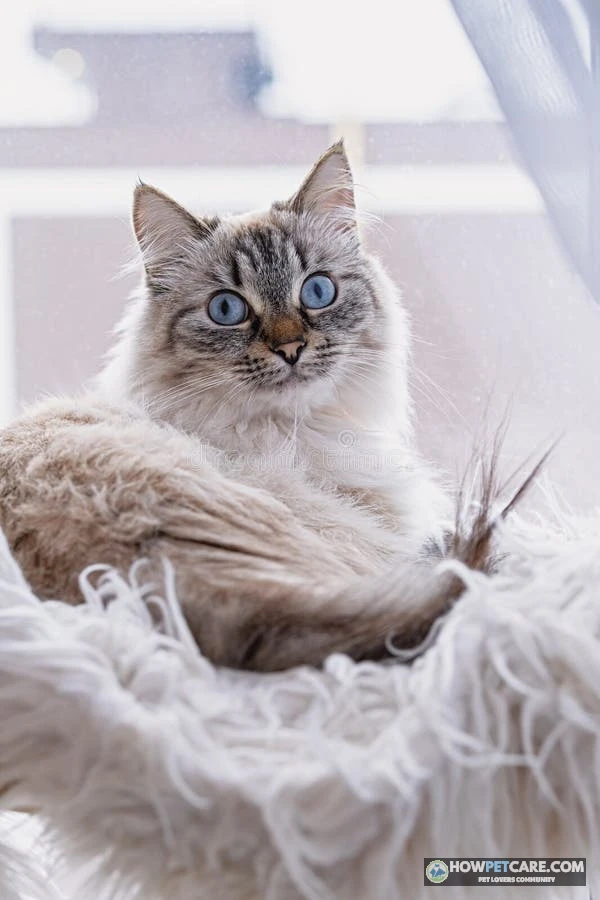

The best cats for people with allergies include the Siberian, Balinese, Russian Blue, Devon Rex, Cornish Rex, and Sphynx. While no cat is completely hypoallergenic, these breeds either produce lower levels of the Fel d 1 allergen protein or feature low-shedding coats that minimize airborne dander and saliva dispersal throughout your home.
This comprehensive, up‑to‑date guide helps allergy‑prone cat lovers identify the best cats for people with allergies, understand allergen biology, and adopt safely.
Finding a feline companion when you live with sneezing, itchy eyes, or respiratory irritation can seem like an impossible contradiction. The reality is more encouraging: no cat is 100% hypoallergenic, but certain breeds and targeted management strategies make cat ownership possible for many people with mild-to-moderate sensitivities. Successfully managing cat allergies starts with understanding the root cause—the Fel d 1 protein—and matching the right individual cat with an evidence-based exposure routine.
Best Cats for People With Allergies at a Glance
For those seeking a feline companion without overwhelming allergy symptoms, ten breeds often stand out as leading candidates: the Siberian, Balinese, Russian Blue, Devon Rex, Cornish Rex, Sphynx, Javanese, Oriental Shorthair, Colorpoint Shorthair, and Bengal. They fall broadly into three groups: cats reported to produce less baseline allergen, cats whose coat characteristics limit shedding, and fine-coated or hairless breeds that reduce loose fur accumulation.
No breed is reliably non-allergenic. Research shows that allergen levels can vary widely, even among littermates from the same purebred lineage. Direct contact testing with an individual cat matters far more than its official pedigree.
Best overall candidates for lower allergen exposure
If your main goal is to reduce allergen production at the biological source, two longhaired breeds paradoxically lead the pack:
- Siberian: Despite its thick, triple-layered winter coat, several laboratory studies and independent assays indicate that many individual Siberians produce significantly lower levels of Fel d 1 protein in their saliva and skin than the domestic cat average.
- Balinese: Often described as a longhaired Siamese, the Balinese is widely recognized by feline associations as naturally producing less of the standard Fel d 1 allergen. Its silky single coat also lacks a dense, downy undercoat, so it sheds far less than a typical longhaired cat.

Best short-hair cats for people with allergies
If easier grooming and less airborne fur are your priorities, several short-coated breeds offer practical advantages:
- Devon Rex and Cornish Rex: Both breeds have mutation-driven coats made almost entirely of fine down hair rather than heavy guard hairs. They shed very little, helping keep saliva-coated fur off furniture and textiles.
- Russian Blue: Its exceptionally dense double coat acts as a physical barrier, trapping dander and dried saliva close to the skin rather than allowing microscopic particles to move freely through the home.
- Bengal: The ultra-short, pelt‑like coat requires infrequent self‑grooming, which limits how much saliva reaches the outer fur and helps curb ambient dander spread.
- Oriental Shorthair, Colorpoint Shorthair, and Javanese: These breeds have fine, close‑lying coats with negligible undercoats, reducing the amount of grooming residue left in the environment.

Rather than spending thousands on a purebred kitten whose adult allergen profile remains unpredictable, consider visiting an animal rescue. Evaluating a spayed or neutered adult cat lets you test your sensitivity to that specific animal before bringing them home.
Who should not adopt before medical evaluation
A short coat or hairless body does not prevent allergic reactions. Fel d 1 originates in saliva, sebaceous skin glands, and perianal glands—not in the hair shaft itself. When a cat licks its skin and coat, allergen‑laden saliva dries into micro‑flakes that become airborne dander.
Anyone with a history of allergic asthma, chronic bronchospasm, or anaphylactic sensitivity should consult a board‑certified allergist before bringing a cat into the household. Trying to manage active airway constriction through breed selection alone is dangerous and medically inadvisable.
What Makes a Cat Hypoallergenic—and Can Any Cat Be Allergen‑Free?
The medical prefix "hypo-" means less or below normal—not zero. Hypoallergenic cats may produce, carry, or disperse lower concentrations of allergens than typical felines. Every domestic cat (Felis catus) produces endogenous proteins that can provoke a human immune response. Truly non‑allergenic cat breeds do not exist.
Fel d 1 protein, saliva, dander, and sebaceous glands
Human cat allergies are driven by an immunoglobulin E (IgE) immune reaction. Veterinary scientists have identified at least eight distinct feline allergens, named Fel d 1 through Fel d 8, but Fel d 1 is responsible for up to 95% of human cat sensitivities.
Fel d 1 is a secretoglobulin protein produced primarily in three anatomical locations:
- Salivary glands: Every grooming session coats the outer fur with fresh Fel d 1.
- Sebaceous glands: Microscopic oil glands in the skin continuously secrete Fel d 1 to moisturize the epidermal barrier.
- Perianal glands: Secretions released during defecation deposit allergens directly into the litter pan.
As saliva dries on the coat and normal skin cells slough off, microscopic dander particles measuring roughly 2 to 10 microns become airborne. Their tiny size and aerodynamic buoyancy allow them to remain suspended in still household air for days, eventually reaching upholstery, bedding, and deep lung tissues.

Lower allergen production versus lower allergen dispersal
Prospective cat owners often confuse two separate biological dynamics: allergen production and allergen dispersal.
- Low producers (e.g., Siberian, Balinese): These cats produce fewer milligrams of active Fel d 1 per milliliter of saliva or sebum. When they groom, they transfer a smaller physical payload to the coat, which can offer a genuine benefit to sensitive owners.
- Low dispersers (e.g., Devon Rex, Russian Blue): These cats produce normal, average volumes of Fel d 1. Because they lack heavy undercoats, shed infrequently, or trap dander close to the skin, however, they deposit fewer airborne carriers throughout the living space.
That distinction explains why a low‑disperser cat can still cause intense contact hives when petted directly, even if your respiratory symptoms remain manageable while you share a room.
Why hairless cats can still cause allergies
The hairless Sphynx is often mistaken for the ultimate allergy‑friendly pet. Because it lacks fur, a Sphynx does not leave hair drifting across carpets or clinging to clothing.
Yet the breed produces standard volumes of Fel d 1 through its sebaceous glands. With no coat to wick away and diffuse these secretions, concentrated sebaceous oils collect directly on the skin. Touching a Sphynx can transfer concentrated Fel d 1 straight onto your hands. These allergen‑rich oils also rub off on bed sheets, couch cushions, and hardwood flooring wherever the cat rests.

10 Allergy‑Friendly Cat Breeds Compared by Fel d 1, Shedding, Care, and Cost
Choosing a cat means balancing biological traits, grooming needs, and household costs. The following matrix compares the leading allergy‑friendly candidates across key ownership factors.
Side‑by‑Side Comparison of Allergy‑Friendly Cat Breeds
| Breed | Why It May Reduce Exposure | Fel d 1 Evidence or Relative Tendency | Shedding Level | Grooming Intensity | Temperament and Activity | Typical Acquisition Cost | Key Allergy Caveat |
|---|---|---|---|---|---|---|---|
| Siberian | Documented lower average salivary Fel d 1 in select bloodlines | Lower‑than‑average (moderate data) | Moderate | Moderate (weekly comb) | Affectionate, calm, hardy | $1,500–$3,000 | Pronounced variation between individual bloodlines; testing mandatory |
| Balinese | Anecdotal and breeder testing indicates reduced Fel d 1 output | Below‑average (limited data) | Low | Low (single‑layer coat) | Vocal, social, inquisitive | $1,200–$2,500 | Not all individuals test low; lack of undercoat helps dispersal, not production |
| Russian Blue | Dense double coat sequesters dander against the skin surface | Average to potentially lower (weak data) | Low to moderate | Low (weekly brush) | Gentle, reserved, quiet | $800–$1,800 | Trapped dander releases heavily during seasonal spring coat blowing |
| Devon Rex | Wavy down coat sheds very little hair into living areas | Average (standard Fel d 1) | Very low | Low (occasional cloth wipe) | Energetic, mischievous, clownish | $1,000–$2,200 | Average protein secretion; direct touch can trigger skin hives |
| Cornish Rex | Ultra‑fine single down coat lacks guard hairs entirely | Average (standard Fel d 1) | Very low | Low (delicate brushing) | Playful, acrobatic, warm‑bodied | $800–$1,600 | Normal saliva allergen production; sensitive skin requires gentle care |
| Sphynx | Hairlessness eliminates shed fur as an airborne dander carrier | Average (standard Fel d 1) | None (zero shedding) | High (weekly baths, ear cleaning) | Clingy, highly social, vocal | $1,800–$3,500 | Heavy sebaceous secretions transfer concentrated allergen to furniture and skin |
| Bengal | Fine, pelt‑like coat requires minimal grooming, limiting saliva dander | Average (standard Fel d 1) | Low to moderate | Low (minimal maintenance) | Highly athletic, curious, demanding | $1,000–$2,800 | High energy can kick up dust; allergen volume remains biologically average |
| Oriental Shorthair | Sleek, fine coat with minimal hair shed into the home | Average (standard Fel d 1) | Low | Low (simple glove grooming) | Demanding, lively, devoted | $800–$1,800 | Dispersal reduction only; no salivary protein reduction |
| Javanese | Single coat with no dense undercoat; minimal matting and shedding | Below‑average (anecdotal) | Low | Low (weekly brushing) | Intelligent, playful, vocal | $1,000–$2,000 | Similar to Balinese; unverified quantitative scientific baselines |
| Colorpoint Shorthair | Short, tight hair structure sheds infrequently compared to mixed breeds | Average (standard Fel d 1) | Low | Low (quick brush) | Affectionate, vocal, active | $800–$1,600 | High grooming frequency by the cat can deposit saliva over the coat |
Breeds associated with lower Fel d 1 production
The Siberian and Balinese are the main candidates for prospective owners hoping to reduce biochemical allergen output.
Targeted laboratory tests of Siberians show that a notable subset of the breed naturally has lower salivary Fel d 1 levels than domestic shorthairs. The trait is not consistent across all registered cats, though. Reputable preservation breeders often send saliva or fur samples to commercial laboratories to measure allergen levels before matching kittens with allergic applicants.
The Balinese combines the graceful, pointed appearance of the Siamese with a single‑layer coat that lacks a woolly insulating undercoat. Breeders and owners frequently report fewer respiratory flare‑ups around these cats, although scientific trials comparing them directly with domestic controls remain limited.

Low‑shedding and limited‑coat breeds
For allergic people whose symptoms come primarily from inhaling airborne pet hair and dried dander flakes, Rex breeds offer a practical physical advantage.
A genetic mutation gives the Devon Rex short, curled, ripple‑like fur that remains firmly anchored to the follicle. These cats shed so little that they leave minimal dander‑carrying hair on clothing, bedding, and carpets. The Cornish Rex carries an entirely different recessive gene that eliminates both outer guard hairs and intermediate awn hairs. What remains is a fine, downy undercoat that creates little household mess.
The Russian Blue works more like a mechanical vault. Its distinctive plush double coat has an exceptionally dense undercoat, so dander shed from the skin tends to stay locked near the roots instead of dispersing freely into the surrounding air.
Why the Sphynx is not allergen‑free
The hairless Sphynx is not a hypoallergenic solution for people with direct dermal or contact allergies. Although the breed eliminates airborne hair tumbleweeds, its sebaceous glands produce an oily protective film containing high levels of Fel d 1.
Sphynx owners need to provide warm water sponge baths or medicated bathing routines every one to two weeks, along with regular nail‑bed and ear cleaning. Without these baths, the cat’s natural skin oils can leave yellow‑tinted allergen rings on couches, bed linens, and clothing.
Purebred, rescue, and adult‑cat tradeoffs
A purebred kitten from a specialty breeder costs between $800 and $3,500. More importantly, kittenhood is an unreliable time to evaluate allergies. Young kittens produce negligible amounts of Fel d 1, and their allergen output rises substantially as they reach hormonal maturity between 6 and 12 months of age.
Adopting an adult shelter cat, typically costing $50 to $200, offers an often‑overlooked advantage: the cat’s hormonal, physiological, and allergen profiles are already fully developed. You can evaluate your actual immune response to that specific animal during controlled pre‑adoption meetings, avoiding much of the uncertainty that comes with a young purebred kitten.
Why Sex, Neutering, Age, and the Individual Cat Matter
Breed labels account for only a small part of a cat’s allergen profile. Sex, neuter status, age, and individual genetic expression all help determine daily Fel d 1 output.
Male versus female cats for allergies
Intact (unaltered) male cats produce the highest concentrations of Fel d 1 found in domestic felines. Feline endocrinology explains the difference: testosterone stimulates the sebaceous glands, increasing sebum and allergen production.
Female cats—whether intact or spayed—produce substantially less sebaceous Fel d 1 than intact males. In households where allergies are a concern, choosing a female generally provides a safer baseline for daily exposure.
How spaying and neutering affect Fel d 1
Surgical neutering changes this biochemical pattern. Once an intact male is castrated, circulating testosterone levels fall sharply, bringing sebaceous gland secretions closer to female baseline levels.
Neutering reduces a male cat’s total Fel d 1 output, but it does not make him allergen‑free. It simply narrows the difference, making a neutered male a much safer choice than an intact male.

Biological Factors That May Affect Fel d 1 Production
| Factor | Expected Direction of Fel d 1 | Strength of Evidence | Practical Adoption Implication | Important Limitation |
|---|---|---|---|---|
| Sex: Intact male | Substantially higher production | Moderate to high | Avoid intact males in allergic households | Surgical neutering resolves the testosterone surge |
| Sex: Neutered male | Reduced relative to intact male | Moderate | Safe alternative to intact males; comparable to females | Baseline remains high enough to trigger sensitive individuals |
| Sex: Female (spayed/intact) | Lower average production | Moderate | Strong starting choice for allergy sufferers | Individual variation can still yield high‑shedding outliers |
| Age: Kitten (<6 months) | Low baseline production | Moderate | Do not assume an adult cat will produce as little allergen | Allergen output climbs sharply during sexual maturity |
| Age: Adult (1–8 years) | Stable, peak production | High | The ideal life stage for reliable pre‑adoption exposure testing | High individual consistency across seasons |
| Hormonal neutering | Marked decrease in males | Moderate to high | Ensure surgery was completed at least 4–6 weeks prior | Residual tissue or late neutering may delay allergen drops |
| Coat pigmentation/color | No clear or proven effect | Weak to contradictory | Do not select or reject a cat based on coat color | Popular myths linking dark coats to allergies lack solid evidence |
| Chronic stress/illness | Potential increase | Low to moderate | Maintain regular veterinary care to reduce excessive licking | Hard to separate from normal grooming spikes |
Why coat color is not a dependable predictor
A persistent urban legend claims that dark‑colored cats cause worse allergy attacks than light‑colored cats. The misconception grew from small observational surveys conducted in the early 2000s, but their findings did not hold up in later laboratory evaluations. Rigorous biochemical analyses confirm that coat color, pattern, and melanin density do not reliably correlate with Fel d 1 levels. Coat color should never determine whether you choose or reject a cat.
Individual variation within the same breed
Two biological siblings from the same purebred Siberian litter can have dramatically different allergen levels. One might secrete 0.8 micrograms of Fel d 1 per milliliter of saliva, while the other secretes 18.0 micrograms. That wide variation explains why someone can visit one breeder without symptoms, then visit another cattery of the same breed and develop severe respiratory problems. You are adopting an individual animal, not a statistical average.
How to Test Your Reaction to a Specific Cat Before Adopting
Bringing a cat home and surrendering it two weeks later is distressing for the pet and owner alike. A structured, phased exposure protocol can help you test your tolerance before finalizing an adoption.
Step 1: Establish a medical safety baseline
Before handling a prospective pet, consult an allergist or your primary care physician. If you have a history of asthma, reactive airway disease, or severe allergic eczema, obtain objective pulmonary function testing such as spirometry or peak expiratory flow tracking. Make sure you have prescription rescue inhalers and an updated antihistamine plan before beginning in‑person animal trials.
Step 2: Try indirect allergen exposure
An indirect fabric test allows you to gauge your reaction at home without bringing the cat with you.
Ask the breeder or rescue shelter to rub a clean cotton washcloth or T‑shirt thoroughly across the cat’s neck, flanks, and sleeping bed. They should then seal the fabric inside an airtight zip‑top plastic bag. Take the bag home, open it, touch the fabric, and place it near your bedside table for two nights. Watery eyes, nighttime coughing, or skin flares suggest that this particular cat will be difficult to live with comfortably.
Step 3: Complete repeated in‑person visits
If you pass the indirect exposure test, arrange three separate visits with the same cat on different days. Repeated visits matter because allergic sensitization and delayed‑type hypersensitivity can take 24 to 48 hours to appear fully.
-
Visit 1: Ambient room acclimation
Spend 30 minutes sitting in a well‑ventilated room with the individual cat. Avoid direct petting or touching your face. Watch for ambient respiratory irritation or watery eyes.
-
Visit 2: Direct contact handling
Spend 45 to 60 minutes in the space. Pet the cat directly with both hands, allowing them to rub their cheeks against your sleeves. Keep your hands away from your eyes, nose, and mouth until the session ends.
-
Visit 3: Extended active interaction
Spend 60 to 90 minutes grooming, holding, and playing with the cat. Record any immediate or delayed symptoms over the following 24 hours.
Keep a simple symptom log during these three visits, noting any sneezing, itchy eyes, hives, or chest tightness. Don’t take extra doses of antihistamines before the tests. Masking symptoms during a visit can create a false sense of security that disappears after you bring the cat home full‑time.

Step 4: Arrange foster‑to‑adopt or a trial period
Reputable rescue organizations and ethical breeders often support short‑term trials when placing animals in allergic households. Request a formal 14‑ to 30‑day foster‑to‑adopt trial. Clarify who will cover veterinary care during that period, and confirm the return process in case severe, unmanageable symptoms develop.
Symptoms that should end the test immediately
Some symptoms point to serious immune or airway involvement rather than mild surface irritation. Stop the exposure test and seek medical care if you experience:
- Audible wheezing or whistling during exhalation
- Persistent dry coughing or tightness across the chest
- Shortness of breath when resting
- Facial angioedema (swelling around the lips, eyelids, or throat)
Never try to tough out acute respiratory symptoms. They can cause sudden, dangerous drops in lung capacity.

Does Purina LiveClear Reduce Cat Allergens?
Targeted nutritional neutralization is one of the more notable developments in feline allergy management. Commercial diets such as Purina Pro Plan LiveClear use a novel biochemical method to reduce active allergens in the home without changing the cat’s genetics.
How egg‑derived IgY antibodies neutralize Fel d 1
When chickens share a barnyard with farm cats, their immune systems naturally encounter feline dander and saliva. The hens respond by producing specific polyclonal antibodies against feline proteins, particularly immunoglobulin Y (IgY) directed against Fel d 1. They naturally pass these protective IgY antibodies into their egg yolks.
Purina’s nutritional scientists isolate this specialized egg product and apply it to the outer surface of dry kibble. As a cat chews the food, the active anti‑Fel d 1 IgY antibodies bind directly to Fel d 1 in the mouth, neutralizing it on contact. When the cat later grooms, the neutralized Fel d 1 transferred to its fur and skin no longer triggers the same allergic response.

The IgY antibody targets salivary Fel d 1 directly in the oral cavity. It works like a key slipping into a lock, altering the allergen’s binding site before it reaches the coat. The cat’s internal anatomy, organ function, and natural baseline protein production remain completely unchanged.
What the evidence shows and when results may appear
Peer‑reviewed veterinary studies show that consistent feeding of this anti‑Fel d 1 diet reduces active Fel d 1 on hair shafts by an average of 47%, beginning within the third to fourth week of daily use. Some cats show larger reductions, while others respond more modestly.
Results are not immediate. Expect three to four weeks of exclusive, daily feeding before active allergen levels on the coat begin to decline noticeably. Using the food intermittently as an occasional treat will not work; the cat must eat the coated kibble every day to maintain active IgY levels in its saliva.
Limitations, nutrition considerations, and cost
This specialized diet can be a useful tool, but prospective owners should understand its practical limitations:
- Sebaceous production continues: The food primarily neutralizes salivary allergens. Fel d 1 secreted directly by sebaceous skin glands and perianal glands remains largely unaffected.
- Existing environmental reservoirs: The food cannot remove old dander already settled in carpets, sofas, and air ducts. Thorough cleaning is still necessary.
- Dietary transitions: You must transition your cat to the new food gradually over 7 to 10 days to avoid gastrointestinal upset. Cats that need prescription diets for kidney disease, diabetes, or urinary stones should never be switched without explicit authorization from a veterinarian.
- Cost considerations: Anti‑allergen specialty diets generally cost between $50 and $80 per bag, creating a continuous monthly expense throughout the cat’s life.
How to Live With a Cat If You Have Allergies
Long‑term pet allergy management works best as a layered plan. A single intervention, such as an air purifier or antihistamine, rarely provides complete relief. The most effective approach combines environmental barriers, routine pet care, and physician‑directed treatment.
Create a low‑allergen bedroom
Humans spend roughly a third of their lives asleep. Maintaining the bedroom as a strict, low‑allergen sanctuary gives your respiratory system seven to nine hours to recover each night.
- Establish a strict cat‑free zone: Keep bedroom doors permanently closed. Install a sturdy door sweep or rubber threshold along the bottom gap to stop drifting dander from slipping underneath.
- Encase bedding: Cover pillows, duvets, and mattresses with high‑density zippered allergen‑barrier covers. The tightly woven fabric prevents micro‑dander particles from settling deep inside the mattress.
- Wash linens frequently: Launder sheets, pillowcases, and blankets weekly in hot water (at least 130°F / 54°C) to denature accumulated proteins.
Use HEPA filtration and cleaning effectively
Controlling airborne dander requires steady air movement and filtration.
For effective room‑air cleaning, match the purifier’s Clean Air Delivery Rate (CADR) to the room size. Aim for 5 to 6 complete Air Changes per Hour (ACH) in bedrooms and at least 4 ACH in main living spaces. Run true‑HEPA units continuously on medium or high settings. Low settings or intermittent use may not capture micro‑dander before it settles on surfaces.
Use a vacuum with a fully sealed HEPA filtration system on floors and upholstery. Standard vacuums with porous outer shells can blow fine dander back into the room through their exhaust ports. Skip feather dusters and dry rags, which stir settled allergens into the air. Damp microfiber cloths are more effective because they trap and hold the particles.

Reduce allergen spread through cat care
Routine coat and skin care can reduce the amount of dander released into your home:
- Delegate grooming sessions: Ask a non‑allergic family member to brush the cat outdoors or in a well‑ventilated utility room two to three times a week. This removes loose, saliva‑coated undercoat before it spreads through living areas.
- Use daily conditioning wipes: Wipe the cat with a damp microfiber cloth or veterinarian‑approved, fragrance‑free pet wipe to remove surface saliva without drying the skin.
- Avoid over‑bathing: Bathing temporarily lowers surface Fel d 1, but washing a cat more than once every two to three weeks often backfires. Frequent baths strip away protective natural lipids, drying the skin and causing it to release more dander.
- Practice low‑dust litter hygiene: Feline urine and feces carry small amounts of allergen. Choose a low‑dust, unscented clumping litter and scoop the box daily. Wear a well‑fitted mask if you must clean it yourself.
Antihistamines and symptom‑control medicines
For mild to moderate symptoms, over‑the‑counter medications may keep daily discomfort manageable when used under a doctor’s supervision:
- Second‑generation oral antihistamines: Daily options such as cetirizine, fexofenadine, or loratadine reduce sneezing, runny nose, and itching with minimal sedative side effects.
- Intranasal corticosteroid sprays: Sprays such as fluticasone or mometasone target chronic nasal congestion and sinus swelling. They work best with consistent daily use rather than as occasional rescue treatments.
- Antihistamine eye drops: Drops containing ketotifen relieve redness, burning, and swelling in the eyes caused by airborne dander.
When to consider SCIT or SLIT immunotherapy
If environmental changes and daily medications do not provide enough relief, speak with an allergist about allergen immunotherapy. This clinical treatment gradually desensitizes the immune system to feline protein.
- Subcutaneous Immunotherapy (SCIT): Traditional "allergy shots" deliver injections of purified cat allergen in escalating doses over 3 to 6 months, followed by monthly maintenance shots for 3 to 5 years. Clinical trials show that SCIT can provide long‑term symptom relief and reduce reliance on daily medication.
- Sublingual Immunotherapy (SLIT): This treatment uses liquid allergen extracts or dissolvable tablets placed under the tongue. It is more convenient than frequent clinic visits, but feline‑specific SLIT formulations remain less widely available in the United States than SCIT.
Layered Cat‑Allergy Management Options
| Intervention | How It Reduces Exposure or Symptoms | Expected Timeline | Ongoing Effort | Relative Cost | When to Involve a Veterinarian or Allergist |
|---|---|---|---|---|---|
| Low‑allergen bedroom sanctuary | Prevents dander accumulation across sleeping surfaces | Immediate barrier | Low (keep doors closed, wash weekly) | Low ($50–$150 for covers) | Involve allergist if nighttime coughing or wheezing continues |
| Sealed HEPA air purifiers | Continuously pulls microscopic dander out of room air | Continuous (requires 5–6 ACH) | Low (replace filters every 6–12 months) | Moderate ($150–$400 per unit) | Self‑managed; select CADR ratings matching room square footage |
| Anti‑allergen diet (LiveClear) | IgY antibodies neutralize Fel d 1 in saliva during eating | 3 to 4 weeks of exclusive feeding | Low (daily feeding routine) | Moderate to high ($50–$80 monthly) | Consult vet before switching cats with existing medical conditions |
| Delegated brushing & damp wiping | Removes loose fur and dander before it spreads indoors | Days to weeks | Moderate (2–3 times weekly) | Minimal ($10–$25 for wipes) | Consult vet if cat’s skin becomes dry, red, or flaky |
| Daily medical symptom management | Blocks human histamine receptors and cuts nasal swelling | 1 to 2 hours (oral) or days (sprays) | Daily medication routine | Low to moderate ($15–$50 monthly) | Involve primary care doctor or allergist for persistent symptoms |
| SCIT / SLIT Immunotherapy | Retrains human immune system to tolerate feline proteins | 6 to 12 months for clear benefits | High (regular clinic visits or daily drops) | High (insurance copays over 3–5 years) | Overseen entirely by a board‑certified allergist |
Your Allergy‑Safe Cat Adoption Decision Checklist
Bringing home a pet calls for clear‑eyed preparation. Use this framework to decide whether adopting a cat is right for your household now.
Choose the cat, not just the breed
Base your final decision on an individual evaluation rather than an idealized breed description:
- Prioritize a fully grown adult whose mature allergen output is clear over a young kitten whose adult hormone levels remain uncertain.
- Choose a spayed female or early‑neutered male to limit testosterone‑driven sebaceous Fel d 1 production.
- Confirm that the cat’s coat density, grooming tolerance, and energy level fit comfortably into your household routine.
Calculate the full care and allergy‑management budget
Living comfortably with a cat while managing allergies creates ongoing expenses. Before adopting, make sure your budget covers standard pet care as well as your allergy‑management plan:

- Baseline pet care: High‑quality nutrition, annual veterinary examinations, vaccinations, and litter ($800 to $1,500 annually).
- Specialized anti‑allergen food: If using specialized neutralizer diets, add an extra $600 to $960 annually.
- HEPA air purifiers and filters: Budget for initial units ($300 to $800) plus recurring replacement filter sets ($150 to $300 annually).
- Human medical care: Doctor copays, antihistamines, nasal sprays, and immunotherapy treatments ($300 to $2,000 annually, depending on your health insurance coverage).
Know when to proceed, pause, or reconsider
Use direct exposure tests and medical guidance to reach a clear decision:
- PROCEED: Your three in‑person visits caused only mild, manageable symptoms, such as occasional sneezing or mild eye irritation, that responded readily to basic environmental controls and standard over‑the‑counter antihistamines. You have prepared a cat‑free bedroom, installed HEPA filtration, and confirmed a supportive foster‑to‑adopt agreement.
- PAUSE: Exposure causes persistent itchy skin, eye redness, or mild throat irritation that requires increasing medication. Step back and consult an allergist. Consider an allergen immunotherapy program, or test whether a different individual cat causes a milder response.
- RECONSIDER: Exposure causes acute asthma, audible wheezing, chest tightness, coughing fits, or facial swelling. Bringing a cat into your home under these circumstances creates serious, long‑term health risks. Put your respiratory health first and consider a non‑feline companion instead.
First 30 days after adoption
If you decide to move forward with an adoption trial, prepare your home for success from day one:
- Prepare the space early: Run HEPA purifiers in the main living areas for 48 hours before the cat arrives to establish clean baseline air. Seal the bedroom door and keep it closed.
- Start routines immediately: If you plan to use an allergen‑reducing diet, begin the transition right away. Start daily microfiber wipe‑downs before loose hair begins to accumulate.
- Track daily symptoms: Keep a brief log of respiratory changes, sleep disruption, and skin reactions. Watch for patterns throughout the trial period.
- Schedule a 30‑day review: After four weeks, review the log with your household. If daily life feels comfortable and symptoms remain well controlled, you can finalize the adoption with confidence.
| Breed | Why It May Reduce Exposure | Fel d 1 Evidence or Relative Tendency | Shedding Level | Grooming Intensity | Temperament and Activity | Typical Acquisition Cost | Key Allergy Caveat |
|---|---|---|---|---|---|---|---|
| Siberian | Documented lower average salivary Fel d 1 in select bloodlines | Lower‑than‑average (moderate data) | Moderate | Moderate (weekly comb) | Affectionate, calm, hardy | $1,500–$3,000 | Pronounced variation between individual bloodlines; testing mandatory |
| Balinese | Anecdotal and breeder testing indicates reduced Fel d 1 output | Below‑average (limited data) | Low | Low (single‑layer coat) | Vocal, social, inquisitive | $1,200–$2,500 | Not all individuals test low; lack of undercoat helps dispersal, not production |
| Russian Blue | Dense double coat sequesters dander against the skin surface | Average to potentially lower (weak data) | Low to moderate | Low (weekly brush) | Gentle, reserved, quiet | $800–$1,800 | Trapped dander releases heavily during seasonal spring coat blowing |
| Devon Rex | Wavy down coat sheds very little hair into living areas | Average (standard Fel d 1) | Very low | Low (occasional cloth wipe) | Energetic, mischievous, clownish | $1,000–$2,200 | Average protein secretion; direct touch can trigger skin hives |
| Cornish Rex | Ultra‑fine single down coat lacks guard hairs entirely | Average (standard Fel d 1) | Very low | Low (delicate brushing) | Playful, acrobatic, warm‑bodied | $800–$1,600 | Normal saliva allergen production; sensitive skin requires gentle care |
| Sphynx | Hairlessness eliminates shed fur as an airborne dander carrier | Average (standard Fel d 1) | None (zero shedding) | High (weekly baths, ear cleaning) | Clingy, highly social, vocal | $1,800–$3,500 | Heavy sebaceous secretions transfer concentrated allergen to furniture and skin |
| Bengal | Fine, pelt‑like coat requires minimal grooming, limiting saliva dander | Average (standard Fel d 1) | Low to moderate | Low (minimal maintenance) | Highly athletic, curious, demanding | $1,000–$2,800 | High energy can kick up dust; allergen volume remains biologically average |
| Oriental Shorthair | Sleek, fine coat with minimal hair shed into the home | Average (standard Fel d 1) | Low | Low (simple glove grooming) | Demanding, lively, devoted | $800–$1,800 | Dispersal reduction only; no salivary protein reduction |
| Javanese | Single coat with no dense undercoat; minimal matting and shedding | Below‑average (anecdotal) | Low | Low (weekly brushing) | Intelligent, playful, vocal | $1,000–$2,000 | Similar to Balinese; unverified quantitative scientific baselines |
| Colorpoint Shorthair | Short, tight hair structure sheds infrequently compared to mixed breeds | Average (standard Fel d 1) | Low | Low (quick brush) | Affectionate, vocal, active | $800–$1,600 | High grooming frequency by the cat can deposit saliva over the coat |
FAQ
Can a skin-prick or blood allergy test tell me which cat breed I can tolerate?
Standard allergy tests can confirm your biological sensitivity to cat allergens, but they cannot evaluate a specific breed or predict your tolerance to an individual cat. Medical testing should always be combined with allergist-guided, direct exposure to the exact animal you intend to adopt.
Is a kitten a good choice for testing cat allergies?
Kittens produce minimal amounts of Fel d 1 protein, so having no allergic reaction to a young kitten does not guarantee long-term tolerance. Allergen production increases sharply during sexual maturity, making spayed or neutered adult cats far more reliable for pre-adoption allergy testing.
How long do cat allergens remain in a home after a cat leaves?
Fel d 1 particles are light, sticky, and microscopic, allowing them to remain suspended in dust, carpeting, mattresses, and upholstered furniture for several months after a cat departs. Deep cleaning, true-HEPA air purification, laundering, and removing contaminated textiles are necessary to accelerate allergen clearance.
Do allergy-reducing sprays or wipes make a cat hypoallergenic?
No topical spray or grooming wipe can eliminate allergens or make an animal truly hypoallergenic. While veterinarian-approved wipes can temporarily lift dried saliva and loose dander from the coat, they do not halt continuous sebaceous gland secretions or salivary Fel d 1 production.
Can children outgrow a cat allergy if the family keeps the cat?
Continued exposure does not reliably induce tolerance in children and can aggravate underlying conditions like allergic asthma. Any decision regarding continued pet exposure for an allergic child should be guided directly by a pediatric allergist.