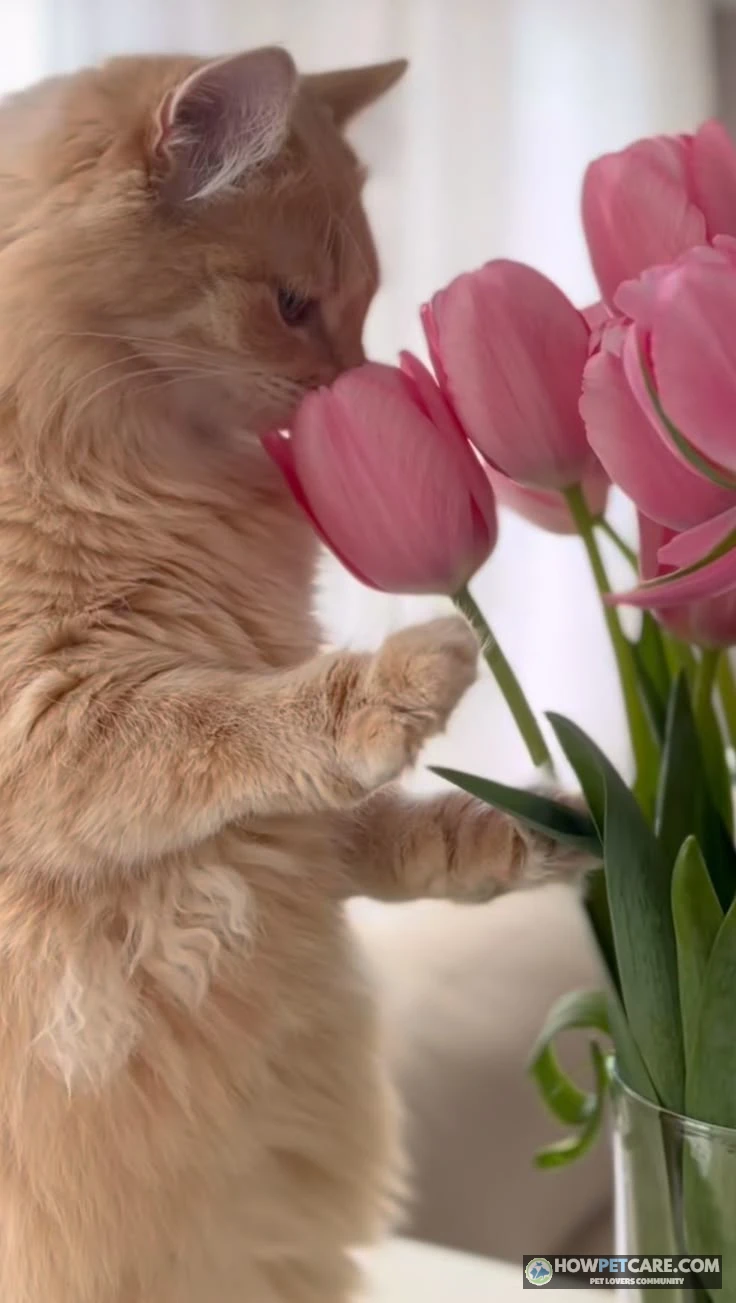

Yes, tulips are toxic to cats. All parts of the plant contain chemical irritants known as tuliposides and tulipalins, with the highest concentration concentrated in the bulb. Chewing leaves, petals, or stems typically triggers oral irritation, profuse drooling, vomiting, and diarrhea, while bulb consumption can cause severe systemic illness.
Yes, tulips are toxic to cats and can cause illness if chewed or swallowed. Ingestion most commonly results in irritation of the mouth and gastrointestinal tract, leading to drooling, vomiting, and diarrhea, while larger exposures can produce severe toxicity symptoms. If your cat chewed on any part of a tulip, remove the plant immediately and contact your veterinarian or an animal poison control service for guidance.
All parts of the tulip contain toxic compounds, but the highest concentration is found in the bulb. Stems, leaves, petals, pollen, and even the water in a vase holding cut tulips pose potential health risks. The severity of poisoning depends heavily on which structure your cat ingested and how much plant material entered its digestive system.
Which Part of a Tulip Is Most Toxic to Cats?
The underground bulb is by far the most dangerous part of the tulip plant. Tulip bulbs store the highest levels of chemical irritants designed to defend the plant against pests and fungal decay. If a cat digs up a garden bed or chews on a potted bulb waiting for spring planting, the risk of acute gastrointestinal distress is markedly elevated compared to chewing a leaf.
However, flowers sold in bouquets still represent an active poisoning risk. Leaves and flower petals contain enough active compounds to trigger sudden nausea, persistent salivation, and abdominal cramping. Even dried arrangements retain toxic chemical properties and cannot be considered pet-safe.
| Plant part or source | Relative concern | Likely exposure route | Recommended response |
|---|---|---|---|
| Bulb (fresh or dried) | High to severe | Chewing potted or unplanted garden bulbs | Seek immediate veterinary intervention |
| Stem and foliage | Moderate | Chewing upright cut flowers or indoor plants | Contact veterinarian or poison control hotline |
| Flower petals | Mild to moderate | Nibbling fallen or fresh blossoms | Clean mouth, monitor closely after expert advice |
| Pollen and anthers | Moderate | Brushing against blooms, followed by grooming | Wipe fur thoroughly with a damp cloth |
| Vase water | Variable to moderate | Lapping stagnant floral water | Prevent access; monitor for vomiting and diarrhea |

Can Cats Be Around Tulips Without Eating Them?
A cat that merely walks past or sniffs an intact tulip without chewing or biting it is unlikely to suffer systemic poisoning. Inhaling the floral scent does not release airborne toxins into the bloodstream. The real danger of close proximity comes from physical contact with the plant’s reproductive organs.
When cats inspect bright floral arrangements, their whiskers, nose leather, and facial fur frequently brush against the pollen-laden anthers. Felines are fastidious self-groomers. Even if an animal shows zero interest in eating plant tissue, it will systematically lick yellow or brown pollen grains from its coat and paws, swallowing the irritants orally. Proximity easily converts into ingestion.

Tulip Safety Realities: Fact vs. Fiction
Myth 1: "If my cat only sniffs the tulip without biting it, there is zero risk."
The Reality: While the scent itself is harmless, proximity creates secondary risk. Cats investigating blossoms frequently brush against the anthers. When the cat later grooms the fine pollen grains from its whiskers and fur, it ingests the toxic compounds orally.
Myth 2: "Only the underground bulb is poisonous; stems and petals in bouquets are safe."
The Reality: The entire plant contains tuliposides. While bulbs contain the heaviest concentration and produce the most severe medical crises, chewing cut stems or eating dropped petals routinely causes acute gastroenteritis, vomiting, and dehydration in cats.
Myth 3: "Tulip poisoning can be managed by feeding milk or inducing vomiting at home."
The Reality: Giving milk commonly worsens diarrhea and vomiting due to adult feline lactose intolerance. Inducing vomiting at home (especially with hydrogen peroxide) causes severe necrotizing gastritis, esophageal ulceration, and fatal aspiration pneumonia in cats. Decontamination must be managed clinically.
What to Do If Your Cat Ate Tulip Petals, Leaves, or a Bulb
Discovering that your cat has chewed on a toxic plant requires prompt, structured action. Handling the situation systematically limits the amount of toxin absorbed and prevents secondary complications.
If your cat has ingested tulip parts, call your local veterinarian, an emergency animal hospital, or an accredited animal poison helpline immediately:
- ASPCA Animal Poison Control Center (APCC): (888) 426-4435 (a consultation fee may apply)
- Pet Poison Helpline: (855) 764-7661 (a consultation fee may apply)
At-Home First Aid: Do This Now
Executing clear initial steps stabilizes your pet and preserves crucial diagnostic evidence before you consult a clinician.
-
Step 1: Secure and inspect your cat
Move your cat immediately into an isolated, plant-free room. Safely collect chewed plant fragments, fallen petals, or excavated bulbs from the floor; do not pry a resisting cat’s mouth open with bare fingers. Wipe any visible yellow pollen or plant sap off paws, whiskers, and muzzle using a damp, warm washcloth to halt grooming ingestion.
-
Step 2: Document the incident details
Take a clear smartphone photo of the floral arrangement or garden label for species verification. Note which specific structure was damaged: bulb, stem, petal, or vase water spill. Write down the estimated time of exposure, current signs (drooling, head shaking, nausea), and your cat’s exact weight.
-
Step 3: Connect with veterinary toxicology
Call your local veterinary hospital or an emergency poison hotline. State clearly: "My cat ingested a tulip [specify part, e.g., bulb or petal]." Never administer home remedies, human medications, or emetics unless a licensed veterinary clinician explicitly directs you to do so.
Do Not Induce Vomiting or Attempt to Neutralize the Toxin
Never attempt to induce vomiting in a cat at home. Many online dog-care tips recommend giving three percent hydrogen peroxide to trigger emesis, but this practice is dangerous in feline medicine. In cats, hydrogen peroxide routinely causes severe ulcerative gastritis, hemorrhagic enteritis, and fatal aspiration into the lungs.
Similarly, avoid home neutralization tactics. Do not administer table salt, olive oil, milk, citrus juices, or human digestive medications. These substances fail to neutralize the underlying toxic molecules and typically worsen gastrointestinal inflammation or cause life-threatening electrolyte shifts. Specialized medical binders such as veterinary activated charcoal should only be administered by trained staff with airway-protective protocols in place.
When to Go Straight to an Emergency Veterinarian
Certain clinical signs indicate a veterinary emergency that cannot wait for daytime clinic appointments. Transport your cat immediately to the nearest veterinary emergency hospital if you observe:
- Ingestion of an actual tulip bulb, whether fresh or dried
- Protracted or bloody vomiting
- Extreme lethargy, stupor, or collapse
- Labored, rapid, or noisy breathing
- Muscle tremors, twitching, or uncoordinated motor movements
- An uncertain exposure involving kittens, geriatric cats, or cats with pre-existing renal or hepatic disease
Call the emergency clinic while in transit so their veterinary team can prepare an intravenous catheter station and decontamination medications prior to your arrival.

Signs of Tulip Poisoning in Cats and When They May Appear
Clinical signs of tulip toxicity in cats manifest across a spectrum from mild local irritation to systemic distress. Because individual sensitivity varies, recognizing early indicators gives you time to intervene before dehydration or electrolyte depletion escalates.
Common Mouth and Gastrointestinal Symptoms
The initial interaction between tulip tissue and oral mucosa creates localized chemical discomfort. Common early signs include:
- Hypersalivation (profuse drooling): Cats frequently produce foamy, stringy saliva or drool continuously due to chemical burning sensations in the mouth.
- Oral discomfort behaviors: You may see frequent lip smacking, repeated swallowing, head shaking, or pawing at the muzzle.
- Vomiting and retching: The stomach purges irritating plant tissue, producing foamy fluid often tinged with bile or partially chewed botanical fragments.
- Diarrhea: Loose, watery stools usually develop within several hours as intestinal walls react to the unabsorbed irritants.
- Anorexia and dysphagia: Reluctance to eat or difficulty swallowing hard kibble caused by pharyngeal inflammation.
Severe Symptoms That Require Emergency Care
When a cat ingests significant quantities of toxic matter—especially the underground bulb—the clinical picture becomes systemic. Severe indicators include:

- Marked central nervous system depression: Profound lethargy where the cat refuses to rise or respond to environmental stimuli.
- Cardiovascular irregularities: Tachycardia (abnormally rapid heart rate) or secondary bradycardia and arrhythmias triggered by systemic stress or electrolyte depletion.
- Respiratory distress: Rapid, shallow, or labored breathing patterns.
- Neuromuscular disturbances: Involuntary muscle twitching, focal tremors, or an unsteady, swaying gait (ataxia).
- Hypovolemic collapse: Circulatory collapse secondary to severe dehydration from fluid loss.
Post-Exposure Symptom Timeline
Symptoms typically develop rapidly following plant mastication, though delayed manifestations can emerge as material travels through the lower intestinal tract.
| Time after exposure | Possible signs | What the owner should do |
|---|---|---|
| 0 to 2 hours | Hypersalivation, pawing at mouth, nausea, lip smacking, initial vomiting | Secure plant remnants, wipe fur/paws, call veterinarian or poison helpline |
| 2 to 6 hours | Repeated vomiting, onset of watery diarrhea, lethargy, decreased appetite | Transport to clinic if vomiting persists or if the swallowed part was a bulb |
| 6 to 24 hours | Worsening dehydration, profound dullness, abdominal pain, continued diarrhea | Seek emergency medical therapy; cat likely requires IV fluids and antiemetics |
| 24 to 48 hours | Gradual recovery with therapy, or systemic decompensation if untreated | Complete clinical follow-up; monitor hydration, urination, and food intake |

How Tulipalin A and Tulipalin B Cause Tulip Toxicity
Understanding why tulips make cats sick requires looking at the plant’s chemical defense mechanisms. Tulips are members of the Liliaceae family, producing natural protective compounds that deter insect herbivory and parasitic fungi.
From Tuliposides to Reactive Lactones
The primary toxic agents in tulips are glycosides termed tuliposides (predominantly tuliposide A and tuliposide B). In intact, healthy plant tissue, these molecules are chemically stable and sequestered within cellular vacuoles. However, the moment a cat bites, chews, or crushes the stem, petal, or bulb, cellular walls rupture.
This structural disruption releases endogenous plant enzymes that rapidly hydrolyze the tuliposides into reactive, low-molecular-weight lactones: tulipalin A (alpha-methylene-gamma-butyrolactone) and tulipalin B. Tulipalin A is an allergenic, chemically reactive compound that functions as an electrophile. When exposed to mammalian tissues, these lactones spontaneously bind to sulfhydryl groups on biological proteins, causing cellular irritation and direct contact injury to the mucosal lining of the mouth, esophagus, and stomach.
Why Damaged Plant Tissue and Bulbs Pose Greater Risk
Because the conversion from benign precursors to reactive lactones depends on cellular crushing, vigorous chewing increases toxin release. Furthermore, botanical distribution of these compounds is uneven. The plant allocates its chemical defenses toward the vital reproductive organ: the perennial bulb.
| Plant Structure | Primary Active Compounds | Toxin Concentration Level | Clinical Presentation in Felines |
|---|---|---|---|
| Bulb (tunic & scales) | Tulipalin A, Tulipalin B, Tuliposide A | Very High (highest burden) | Severe oral burning, profuse salivation, protracted vomiting, hemorrhagic diarrhea, abdominal tenderness, marked lethargy. |
| Stem & Leaves | Tuliposides, allergenic lactones | Moderate | Marked hypersalivation, lip smacking, repeated retching, acute gastric upset, loose stool within 2–6 hours. |
| Petals (Blossoms) | Low-level tuliposides, plant pigments | Mild to Moderate | Mild mouth irritation, pawing at mouth, occasional vomiting, reduced appetite; self-limiting in minor single-nibble cases. |
| Pollen & Anthers | Tulipalin precursors, mechanical irritants | Moderate (via secondary grooming) | Facial pruritus, sneezing, localized contact dermatitis around philtrum; vomiting triggered after self-grooming pollen off paws. |
| Stagnant Vase Water | Leached lactones, bacterial broth, floral preservatives | Unpredictable (Mild to High) | Nausea, sudden vomiting, gastroenteritis compounded by potential bacterial endotoxins or commercial cut-flower sachets. |
Some popular pet resources incorrectly attribute tulip toxicity to insoluble calcium oxalate crystals (the chemical weapon found in philodendrons, the common pothos plant, dieffenbachia, and peace lilies). Tulips do contain microscopic raphide structures, but peer-reviewed veterinary toxicology confirms that allergenic lactones—specifically tulipalin A and B—drive the clinical pathology seen in feline tulip poisoning.

What Veterinary Toxicology Has Not Yet Established
Despite advances in clinical toxicology, an exact median lethal dose (LD50) for pure tulipalin A in domestic felines has never been established under controlled laboratory models. Because published minimum toxic doses do not exist, clinicians cannot safely calculate a "safe nibble threshold" based on your cat’s body weight. Every ingestion must be triaged on individual risk factors, plant part, and observable symptoms.
Are Cut Tulips Toxic to Cats Through Vase Water or Pollen?
Many pet owners assume that keeping cut tulips elevated on a counter eliminates danger. However, indirect exposure routes frequently lead to toxicosis without the cat ever chewing a live blossom.
Why Tulip Vase Water Should Be Treated as Unsafe
When cut flower stems sit in water, organic compounds, sap, and decomposing plant matter slowly leach out into the reservoir. As stems soften or begin microscopic autolysis, tulipalin lactones diffuse into the surrounding liquid. Cats are naturally drawn to standing water sources, often preferring the scent of a floral vase to their own metal or ceramic water dishes.
Drinking tulip vase water introduces dissolved lactones directly to the stomach. Furthermore, cut-flower water carries secondary risks: commercial floral preservation packets mixed into the water contain citric acid, carbohydrates, and biocides that induce osmotic upset. In addition, stagnant flower water becomes a breeding ground for bacterial colonies whose endotoxins can trigger sudden gastroenteritis independent of the plant’s natural toxicity.
There is no household dipstick or chemical test that can detect tulip toxins in standing water. Never assume clear vase water is safe; if your cat drank from a tulip container, treat it as an active ingestion incident.
Pollen, Dropped Petals, and Grooming Exposure
As cut tulips age, their petals drop and anthers shed fine pollen dust. A cat walking across a dining table or resting on a rug beneath a floral arrangement picks up these microscopic particles on its coat. During normal grooming rituals, the cat swallows this debris.
Pollen grains cause immediate localized inflammation along the lips, gums, and tongue, initiating drooling and throat clearing. While less likely to produce life-threatening systemic collapse than bulb consumption, chronic grooming of fallen debris routinely causes persistent digestive upset.

Safe Cleanup After a Spill
If a vase of cut tulips is knocked over, act immediately to prevent environmental contamination:
- Lock the cat in another room before cleaning up the spill.
- Pick up all shattered petals, broken foliage, and stem fragments using disposable paper towels.
- Absorb all standing water completely.
- Clean the hard floor or countertop using a standard pet-safe surface cleaner or warm soapy water. Never apply caustic industrial bleaches or enzymatic neutralizers in an attempt to "deactivate" plant chemicals, as these cleaning residues create secondary chemical hazards for cat paws.
- Inspect your cat’s paws, chest, and whiskers. If wet from the vase spill, wash the cat thoroughly using warm water and a mild pet shampoo, drying the coat completely to eliminate grooming risk.
Tulip Poisoning vs True Lily Poisoning in Cats
One of the most dangerous points of confusion for cat owners centers on botanical nomenclature. Both tulips and "true lilies" are connected colloquially to the word lily, leading some owners to underreact to fatal lilies or panic unnecessarily over minor tulip bites. Clarifying this difference can save a cat’s life.
Why Botanical Family Names Can Be Misleading
Tulips belong to the botanical family Liliaceae, which also contains true lilies of the genus Lilium (such as Easter lilies, Stargazer lilies, and Asiatic lilies). Daylilies, belonging to the genus Hemerocallis, belong to the family Asphodelaceae but share the common moniker. While botanically related, their toxicological profiles in cats are fundamentally different.
Severity, Organ Damage, and Prognosis Side by Side
True lilies are lethal nephrotoxins to felines. A microscopic exposure—eating less than half a leaf, grooming a dusting of pollen, or lapping vase water—causes acute renal failure in cats. The unknown water-soluble toxin in true lilies selectively destroys epithelial cells of the feline renal proximal tubules. Without immediate, aggressive fluid therapy within 18 hours of exposure, true lily poisoning is routinely fatal.
In contrast, tulip toxicosis is driven by local mucosal irritants. Tulips rarely cause acute renal failure unless severe, prolonged fluid loss leads to unmanaged prerenal azotemia. Ingestion of tulips produces severe clinical misery, but with supportive veterinary intervention, cats generally make a full recovery.
| Comparison point | Tulips | True lilies | Urgency |
|---|---|---|---|
| Botanical genera | Tulipa species | Lilium and Hemerocallis species | Differentiating species dictates clinical survival |
| Target organs | Oropharynx, esophagus, stomach, intestines | Kidneys (acute renal tubular necrosis) | Lily exposures cause rapid kidney failure |
| Toxic mechanism | Tulipalin A/B lactones bind cellular proteins | Unknown water-soluble compound destroys nephrons | Lilies have catastrophic cellular toxicity in felines |
| Lethal threshold | Significant mass of bulbs required | Microscopic (single petal nibble, pollen dust, water lap) | Lily exposure requires ICU admission immediately |
| Prognosis with care | Favorable; full recovery typical in 24–48 hours | Guarded to poor if IV diuresis is delayed past 18 hours | Lilies carry an exceptionally high fatality rate |

What to Do When the Plant Identity Is Uncertain
Floral arrangements frequently combine mixed spring stems. If your cat chewed on an unknown flower that looks like a bell, cup, or star, never wait for symptoms to emerge. If there is any ambiguity about whether the chewed stem is a harmless ornamental, a moderately toxic tulip, or a fatal true lily, treat the exposure as a true lily emergency. Transport the cat to the nearest veterinary ICU with the plant sample immediately.
How Veterinarians Diagnose and Treat Tulip Poisoning
Because there is no commercial blood test that directly measures tulipalin lactone levels in feline tissue, your veterinarian will reach a definitive diagnosis through circumstantial evidence, clinical history, and physical examination.
What to Bring to the Veterinary Clinic
To help the veterinary team make rapid diagnostic decisions, bring the following items to the clinic:
- The remaining parts of the plant, including flowers, foliage, and chewed bulb debris, sealed in a plastic bag.
- Any plant tags, grocery store wrappers, or florist receipts that state the precise botanical variety.
- A sample of any vomitus containing plant matter, collected in a clean container.
- The exact time of exposure and a log of any symptoms observed at home.
- Any case number provided if you consulted the ASPCA Animal Poison Control Center or Pet Poison Helpline prior to arrival.
Decontamination and Supportive Therapy
Veterinary treatment targets symptom alleviation, mucosal protection, and fluid replacement.
If ingestion occurred within two hours and the cat is fully conscious with intact laryngeal reflexes, the clinician may perform medically supervised gastric decontamination. In cats, this is typically achieved using medications such as dexmedetomidine to safely trigger emesis without the severe esophageal risks associated with hydrogen peroxide. The clinician can reverse this medication once gastric evacuation is complete. Activated charcoal may be administered if substantial bulb material was swallowed, though its binding efficacy against small lactones is variable.
Subsequent clinical therapy relies on supportive medical protocols:

- Intravenous (IV) Fluid Therapy: Restores circulating blood volume, corrects hydration deficits caused by vomiting and diarrhea, and maintains renal perfusion.
- Injectable Antiemetics: Medications such as maropitant citrate or ondansetron halt protracted retching, preventing ongoing fluid loss and minimizing esophageal irritation.
- Gastroprotectants: Proton-pump inhibitors (such as pantoprazole) or H2-blockers, combined with liquid mucosal binders like sucralfate, protect ulcerated gastric and esophageal lining from gastric acid.
- Analgesia: Pain relief may be administered if abdominal palpation reveals marked gastrointestinal cramping.
- Serum Chemistry and Urinalysis: Baseline blood panels verify that dehydration has not impaired kidney parameters and confirm normal electrolyte balance (sodium, potassium, and chloride).
Expected Recovery and Follow-Up
For mild to moderate exposures involving petals or leaves, recovery is usually rapid. With antiemetics and brief subcutaneous fluid therapy, most cats recover within 24 to 48 hours. When massive quantities of bulbs have been consumed, hospitalization for 48 to 72 hours of continuous IV diuresis and intensive nursing care may be required. Once discharged, feed your cat a bland, easily digestible prescription GI diet for three to five days before gradually transitioning back to standard food.
Use This Tulip Exposure Decision Guide
When dealing with suspected plant ingestion, rapid decision-making prevents clinical complications. Use the following framework to determine your immediate next step.
Emergency Now, Call Now, or Monitor After Professional Advice
Emergency Now (Go to an ICU Immediately):
Your cat exhibits labored breathing, muscle tremors, severe weakness, collapse, unremitting vomiting, or you suspect the consumed flower might be a true lily (Lilium or Hemerocallis). Do not wait; transport your pet immediately.Call Now (Contact Vet or Animal Poison Control):
Your cat chewed on a tulip bulb, ate an unmeasured volume of plant material, is exhibiting excessive drooling or repeated retching, or is a vulnerable kitten or senior cat. Call your clinic or the ASPCA Poison Control hotline ((888) 426-4435) for individualized triage.Monitor After Professional Advice:
Your adult cat took a confirmed single small nibble of an outer tulip petal or leaf, exhibits no current symptoms, and your veterinarian has advised home observation. Cleanse the fur, provide fresh water, and track appetite and litter box output for 24 hours.No Medical Action Required:
The cat was observed in the same room as an intact floral display, never touched or chewed any plant tissue, has no pollen on its coat, and had no access to vase water. Move the flowers to a sealed room to ensure safety.
Make the Home and Garden Safer Today
Keeping curious felines safe requires proactive plant management and prioritizing plants safe for cats throughout your living spaces. Never rely on high shelves, plant stands, or hanging baskets; cats are agile climbers capable of reaching nearly any elevated indoor surface.
Remove all indoor potted tulips, cut bouquets, and dried arrangements from your living spaces. In outdoor gardens where cats roam, avoid planting spring bulbs where digging paws can easily excavate them. For lush indoor greenery, non-toxic options like the areca palm provide vibrant foliage without posing a threat to curious pets. If you love spring flowers inside your home, choose feline-friendly alternatives that carry no cytotoxic lactones:
- Freesia (Freesia species): Non-toxic to cats; offers vibrant spring color and sweet fragrance.
- Lisianthus (Eustoma grandiflorum): Mimics the ruffled petals of tulips and roses without toxic lactones.
- Phalaenopsis Orchids (Phalaenopsis species): Safe for households with pets; durable petals that do not cause poisoning.
- Snapdragons (Antirrhinum majus): Excellent upright stems for pet-safe floral displays.
Always verify any unfamiliar botanical species against the ASPCA Animal Poison Control toxic plant database before bringing fresh greenery into a home shared with cats.

| Plant Structure | Primary Active Compounds | Toxin Concentration Level | Likely Exposure Route | Clinical Presentation in Felines | Recommended Response |
|---|---|---|---|---|---|
| Bulb (fresh or dried / tunic & scales) | Tulipalin A, Tulipalin B, Tuliposide A | High to severe / Very High (highest burden) | Chewing potted or unplanted garden bulbs | Severe oral burning, profuse salivation, protracted vomiting, hemorrhagic diarrhea, abdominal tenderness, marked lethargy | Seek immediate veterinary intervention |
| Stem and foliage / Stem & Leaves | Tuliposides, allergenic lactones | Moderate | Chewing upright cut flowers or indoor plants | Marked hypersalivation, lip smacking, repeated retching, acute gastric upset, loose stool within 2–6 hours | Contact veterinarian or poison control hotline |
| Flower petals (Blossoms) | Low-level tuliposides, plant pigments | Mild to moderate | Nibbling fallen or fresh blossoms | Mild mouth irritation, pawing at mouth, occasional vomiting, reduced appetite; self-limiting in minor single-nibble cases | Clean mouth, monitor closely after expert advice |
| Pollen and anthers | Tulipalin precursors, mechanical irritants | Moderate (via secondary grooming) | Brushing against blooms, followed by grooming | Facial pruritus, sneezing, localized contact dermatitis around philtrum; vomiting triggered after self-grooming pollen off paws | Wipe fur thoroughly with a damp cloth |
| Stagnant Vase Water | Leached lactones, bacterial broth, floral preservatives | Variable to moderate / Unpredictable (Mild to High) | Lapping stagnant floral water | Nausea, sudden vomiting, gastroenteritis compounded by potential bacterial endotoxins or commercial cut-flower sachets | Prevent access; monitor for vomiting and diarrhea |
FAQ
What happens if my cat only sniffs tulips?
Simply sniffing an intact tulip is unlikely to cause systemic poisoning because the scent contains no airborne toxins. However, brushing against blossoms deposits fine pollen on whiskers and fur, which cats swallow during grooming.
Are dried tulips toxic to cats?
Yes, dried tulips remain toxic because the dehydrating process does not neutralize the underlying allergenic lactones. Keep dried floral arrangements, stems, and potpourri completely out of feline reach.
Are indoor potted tulips as dangerous as garden tulips?
Yes, indoor and garden tulips contain the exact same toxic compounds. Potted indoor plants often present greater danger because curious cats can readily excavate and consume the highly concentrated bulb.
Can a household cleaner neutralize tulip toxins?
No, household cleaners cannot neutralize tulip lactones and will introduce severe secondary chemical hazards if applied to pets. Wipe fur with a damp water-soaked cloth and use pet-safe soap only on surfaces.
Is there a test for tulip toxins in vase water?
There is no household test or strip that can detect tulip toxins in standing vase water. If your cat drinks vase water that held cut tulips, treat it as an active ingestion and call your veterinarian.
How much tulip is poisonous to a cat?
Veterinary toxicology has not established a precise lethal dose or safe nibble threshold for cats. Any exposure should be treated cautiously, particularly if it involves bulbs or prolonged vomiting.