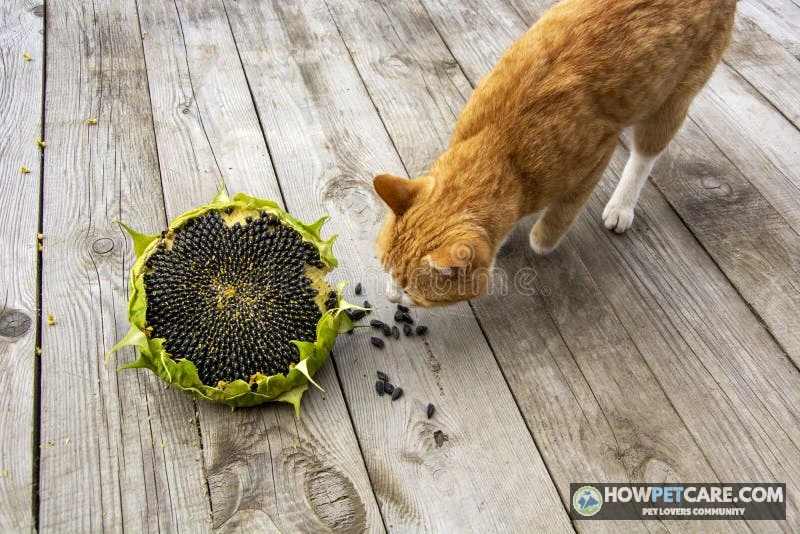

True sunflowers (Helianthus annuus) are non-toxic to cats by ASPCA standards, so small petal or leaf nibbles usually cause only mild stomach upset. The main dangers are indigestible shells, vase water or flower food, garden residues, and larger amounts that trigger vomiting or diarrhea.
True sunflowers, Helianthus annuus, are listed as non-toxic to cats by the ASPCA, so a small nibble of petal or leaf is usually not an emergency. The real risks come from shells, vase water, garden residues, and larger amounts that upset the stomach.
Are Sunflowers Toxic to Cats? The ASPCA Verdict
"Non-toxic" in veterinary toxicology means the plant is not expected to cause poisoning or organ damage under normal exposure. It does not mean every part is harmless in every quantity. Sunflowers do not carry the life-threatening kidney risk associated with lilies, and most cats that nibble small amounts need monitoring rather than emergency treatment.

What "non-toxic" means in veterinary toxicology
A non-toxic listing is a useful starting point, but it does not override choking, obstruction, chemical exposure, or individual health conditions. If your cat has kidney, liver, or gastrointestinal disease, even mild stomach upset deserves a quicker call to your veterinarian.
True sunflowers are not poisonous to cats, but "non-toxic" does not mean risk-free. Watch for shells, vase water, residues, and repeated grazing.
Part-by-Part Risk Breakdown: Petals, Leaves, Stems, Shells, Kernels, and Oil
Petals and leaves are the parts cats are most likely to nibble, and they usually cause only mild gastrointestinal upset. Stems are fibrous and can be harder to digest, especially for kittens or small cats. Seed kernels are not toxic, but shells are indigestible and can cause choking or intestinal blockage. Sunflower oil is not poisonous, but its fat content can trigger vomiting, diarrhea, or pancreatitis risk in sensitive cats.
Why shells matter more than kernels
The kernel is soft and digestible; the shell is hard, sharp-edged, and not meant to pass through a cat’s digestive tract. That makes shell ingestion a physical-risk event, not a sunflower-toxicity event.
Oil as a fat-load issue, not a toxin
Sunflower oil provides omega-6 fatty acids, but it adds calories and can cause weight gain, appetite displacement, upset stomach, or diarrhea if given in excess. It should not be offered as a supplement without veterinary guidance.
| Plant part | Toxicity status | Main risk | What to do |
|---|---|---|---|
| Petals | Non-toxic; low risk | Mild stomach upset if nibbled | Monitor; remove if your cat grazes repeatedly |
| Leaves | Non-toxic; low risk | Mild GI irritation or vomiting | Offer water; watch appetite and stools |
| Stem | Non-toxic; low-moderate risk | Fibrous and hard to digest, especially for kittens or small cats | Discourage chewing; remove tough stems from reach |
| Seed shell | Not a toxin; high physical risk | Choking, mouth injury, or intestinal blockage | Treat as an urgent exposure; contact your vet or poison hotline |
| Seed kernel | Non-toxic; low risk | Extra fat/calories, possible stomach upset | Small accidental amounts usually need monitoring only |
| Sunflower oil | Non-toxic; fat-load caution | Vomiting, diarrhea, or pancreatitis risk in sensitive cats | Keep oily foods away; call vet for repeated vomiting or lethargy |

| Plant Part | Toxicity Status | Main Risk | Recommended Action |
|---|---|---|---|
| Seed shell | Not a toxin; high physical risk | Choking, mouth injury, or intestinal blockage | Treat as an urgent exposure; contact your vet or poison hotline |
| Stem | Non-toxic; low-moderate risk | Fibrous and hard to digest, especially for kittens or small cats | Discourage chewing; remove tough stems from reach |
| Sunflower oil | Non-toxic; high fat caution | Vomiting, diarrhea, or pancreatitis risk in sensitive cats | Keep oily foods away; call vet for repeated vomiting or lethargy |
| Petals | Non-toxic; low risk | Mild stomach upset if nibbled | Monitor; remove if your cat grazes repeatedly |
| Leaves | Non-toxic; low risk | Mild GI irritation or vomiting | Offer water; watch appetite and stools |
| Seed kernel | Non-toxic; low risk | Extra fat/calories, possible stomach upset | Small accidental amounts usually need monitoring only |
How Much Petal or Leaf Ingestion Causes Symptoms? Severity Grading
A few nibbled petals or leaves usually cause no symptoms or mild, self-limiting stomach upset. Repeated grazing or larger amounts can lead to vomiting, diarrhea, drooling, or reduced appetite. Do not give exact gram thresholds; individual tolerance varies by cat size, age, and health.
Mild: monitor at home
One or two small nibbles often produce no symptoms. Remove access, offer fresh water, and monitor for 24 hours. Call sooner if your cat has kidney, liver, or GI disease.
Moderate: call your vet
A few petals or leaves in one sitting may cause mild stomach upset, drooling, or one episode of vomiting. Keep water available, watch stools, and call if vomiting repeats or appetite drops.
Urgent: seek same-day care
Repeated grazing over a day, a large amount, or an unknown amount can lead to ongoing GI upset, dehydration, belly discomfort, weakness, or blood in stool. Do not guess the amount; seek veterinary guidance.
| Amount and pattern | Typical signs | Home care | When to escalate |
|---|---|---|---|
| One or two small nibbles | Often no symptoms | Remove plant; offer fresh water; monitor 24 hours | Call if your cat has kidney, liver, or GI disease |
| A few petals or leaves in one sitting | Mild stomach upset, drooling, or one episode of vomiting | Withhold food briefly if your vet advises; keep water available; watch stools | Call if vomiting repeats or appetite drops |
| Repeated grazing over a day | Vomiting, diarrhea, reduced appetite, lethargy | Stop access; document frequency and symptoms; contact your vet | Same-day advice if signs persist beyond a few hours |
| Large amount or unknown amount | Ongoing GI upset, dehydration, belly discomfort | Do not guess the amount; seek veterinary guidance | Urgent care for repeated vomiting, blood in stool, weakness, or dehydration |

First-Hour Triage for Seed-Shell or Vase-Water Incidents
Remove your cat from the source and check breathing, swallowing, and signs of choking. Do not induce vomiting or give home remedies unless a veterinarian or poison hotline directs it. For swallowed shells, watch for repeated vomiting, belly pain, constipation, lethargy, or refusal to eat. Call your vet or a pet poison hotline promptly for choking, shell ingestion, or flower-food exposure; ask about cost expectations for imaging or obstruction surgery.
-
Move and assess
Move your cat away from seeds, shells, vase, or plant. Check breathing first: open-mouth breathing, wheezing, pawing at the mouth, or repeated gagging needs same-day emergency care.
-
Check the mouth
Look for shell pieces; remove only if you can do so safely without being bitten.
-
Record details
Note the time, amount, and whether shells were whole, cracked, or already swallowed. Mention flower food or vase water separately as a possible chemical exposure.
-
Do not treat at home
Do not induce vomiting, give oil, milk, or home remedies unless a veterinarian or poison hotline directs it.
-
Call for direction
Call your vet or a pet poison hotline and ask whether to monitor, visit today, or seek imaging.
-
Monitor for 24 hours
Watch for repeated vomiting, belly pain, constipation, lethargy, refusal to eat, or straining to poop.
0 to 15 minutes
Prioritize airway safety. Remove remaining shells, keep your cat calm, and do not reach into the mouth if there is biting risk.
15 to 60 minutes
Gather details and call your vet or poison hotline. If vase water or flower food was involved, describe it as a separate chemical exposure.
When to escalate
Escalate for choking, repeated vomiting, belly pain, constipation, lethargy, refusal to eat, suspected shell swallowing, or any flower-food ingestion.

Cut Sunflowers: Vase Water, Flower Food, and Preservative Risks
The sunflower itself may be non-toxic, but vase water can contain flower food, preservatives, bleach, or bacteria. Cats drinking vase water may develop GI upset or, with concentrated additives, more serious poisoning risk. Keep bouquets out of reach, cover vase openings, and change water promptly if a cat accesses it. Treat flower-food ingestion as a separate chemical exposure, not a sunflower-toxicity question.

What flower food can contain
Flower-food packets and vase additives may include sugars, acids, preservatives, and sometimes bleach or other chemicals. Risk depends on concentration and amount consumed, so do not assume the plant’s non-toxic status applies to the water.
Immediate steps after vase-water drinking
Move the cat away, remove the vase, note the product name if possible, and call your vet or poison hotline. Save the packet or label for the clinic.
Garden Sunflowers: Pesticide, Fertilizer, and Pollen Concerns
Pesticide, herbicide, and fertilizer residues on garden sunflowers can pose greater risk than the plant itself. Let treated plants dry fully and keep cats away until residues are no longer a concern. Pollen exposure may cause sneezing or irritation in some cats, but it should be distinguished from respiratory illness. Wash paws and fur after garden contact to reduce grooming-related ingestion.

Residue safety timing
Follow label directions for re-entry or pet safety, and when in doubt, keep cats away until the product has dried and any specified waiting period has passed.
Pollen versus respiratory symptoms
Sneezing or mild itching after pollen contact is different from persistent coughing, wheezing, or breathing difficulty. Persistent respiratory signs need veterinary evaluation.
Dwarf and Mexican Sunflowers vs. True Sunflowers (Helianthus annuus)
Confirm the botanical name Helianthus annuus when checking safety or ASPCA listings. Dwarf sunflowers are still true sunflowers but may be grown with different treatments or in accessible pots. Mexican or false sunflowers may refer to different plants and should be checked by species, not common name. When in doubt, identify the plant before deciding whether a cat’s nibble is low-risk.
How to check a plant’s botanical name
Check the nursery tag, seed packet, or ASPCA listing, and compare the full scientific name rather than relying on "sunflower" as a common name.
Safe Flowers and a Pre-Bringing-Home Checklist for Cat Households
Use a comparison table of cat-safe flowers versus flowers to avoid when choosing bouquets. Before bringing home potted sunflowers or cut bouquets, check vase accessibility, flower food, potting soil, and treatments. Prefer cat-safe flowers for households with persistent chewers, and review plants safe for cats before you buy.
If you are comparing bouquet alternatives, check whether roses are toxic to cats before choosing thorny stems.
For orchids, review whether orchids are poisonous to cats alongside potting mix and fertilizer concerns.
Place plants where cats cannot reach, use deterrents, and redirect chewing to cat-safe greens.
Pre-bringing-home checklist
- ☐ Confirm the plant is a true sunflower, Helianthus annuus, before assuming the ASPCA non-toxic listing applies.
- ☐ Check whether the bouquet or pot contains flower food, preservatives, bleach, pesticides, or fertilizer residue.
- ☐ Place cut bouquets where paws and noses cannot reach; cover or weight the vase opening.
- ☐ Keep potted sunflowers out of jumping range and away from window perches.
- ☐ Inspect soil for cocoa mulch, fertilizers, or sharp decorative stones.
- ☐ Remove seed shells from snack bowls, bird feeders, and counter surfaces.
- ☐ Store sunflower oil and oily foods in closed cabinets.
- ☐ For persistent chewers, choose cat-safe flowers and offer cat grass or silver vine instead.
How to keep cats away from sunflowers
Move plants out of reach, use stable barriers or covers, remove tempting seed debris, and redirect chewing toward cat-safe greens.
| Flower | Cat safety | Best use | Notes |
|---|---|---|---|
| Sunflower (Helianthus annuus) | Non-toxic but not risk-free | Low-risk bouquet or garden plant | Main risks are shells, vase water, and residues |
| Rose | Generally cat-safe | Classic bouquet alternative | Remove thorns and avoid floral preservatives in water |
| Orchid | Generally cat-safe | Long-lasting indoor bloom | Check potting mix and fertilizers |
| Gerbera daisy | Generally cat-safe | Bright sunflower-like color | Confirm species and avoid treated plants |
| Lily | Avoid | Not recommended in cat homes | Can cause severe kidney injury; very different from sunflower risk |
| Tulip | Avoid or restrict | Not ideal for chewers | Bulbs and plant parts can cause GI upset |
| Daffodil | Avoid | Not recommended in cat homes | Can cause vomiting and more serious effects |
| Chrysanthemum | Avoid | Not recommended in cat homes | Can cause GI and neurologic signs in some cats |
For a persistent chewer, the safest "sunflower look" is often a cat-safe flower plus cat grass, not repeated attempts to block access to the real plant.

FAQ
Are sunflower seeds safe for cats to eat?
Plain, shelled sunflower kernels are not toxic, but they are high in fat and should only be an occasional tiny treat. Avoid salted, flavored, or shell-on seeds because shells can cause choking or blockage.
Can cats eat sunflower oil?
Sunflower oil is not poisonous to cats, but it is concentrated fat and can upset the stomach or worsen pancreatitis risk. It should not be given as a supplement without veterinary guidance.
What happens if my cat eats sunflower leaves or petals?
Small amounts usually cause no symptoms or mild vomiting or diarrhea. Repeated or larger ingestion is more likely to cause stomach upset, so monitor appetite, energy, and litter-box changes.
Is sunflower pollen harmful to cats?
Pollen may irritate some cats and cause sneezing or itching, but it is not the same as a serious respiratory illness. Persistent coughing, wheezing, or breathing difficulty needs veterinary evaluation.