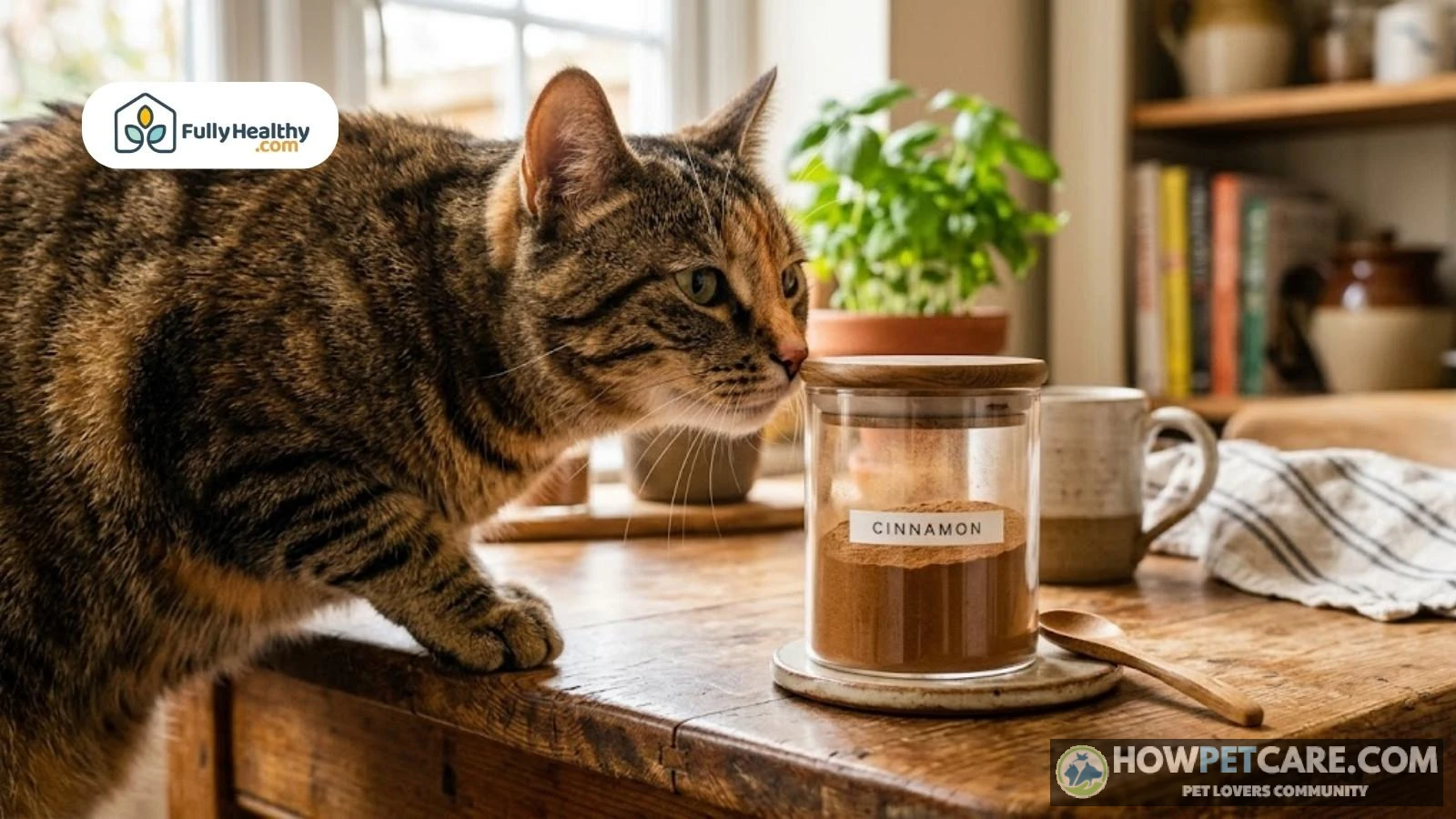

Cinnamon isn’t highly toxic to cats, but it isn’t safe and shouldn’t be given on purpose. An incidental sniff or tiny lick usually carries low risk, while essential oils, concentrated extracts, and larger ingestions require urgent action. Risk depends on the form, amount, exposure route, and the cat’s size and health.
Cinnamon isn’t highly toxic to cats, but it isn’t safe either, and it shouldn’t be given on purpose. Most incidental exposures—a sniff or a tiny lick—carry low risk, while essential oils, concentrated extracts, and larger ingestions call for urgent action. Risk depends on the form of cinnamon, the amount, how the cat was exposed, and the cat’s size and health status.
Cinnamon and Cats: The Fast Safety Verdict

ASPCA doesn’t classify cinnamon itself as toxic, but that doesn’t make it safe to feed or expose cats to casually. Powdered cinnamon can irritate the mouth, stomach, and airways, and essential oil is concentrated enough to cause burns and respiratory injury even in tiny amounts. A cat that sniffs a spice jar and walks away usually needs only monitoring. A cat that chews a cinnamon stick, eats a spoonful of powder, or contacts essential oil needs a much faster response.
[ Two-Minute Exposure Triage Checklist ]
- Sniff only: Move the cat to fresh air, watch breathing for 30 minutes; call the vet if coughing, wheezing, or open-mouth breathing starts.
- Lick or paw contact: Wipe the mouth or paw with a damp cloth, offer water, and monitor for drooling, vomiting, or diarrhea for 24 hours.
- Bite or chewed stick: Check for mouth redness, choking, or repeated vomiting; call the vet if more than a trace was swallowed.
- Oil on fur or skin: Prevent grooming, wash with pet-safe shampoo and rinse well, then call the vet before using any home remedy.
- Call the vet now for essential oil exposure, breathing difficulty, collapse, tremors, repeated vomiting, or exposure in a kitten, senior, pregnant cat, or cat with liver or clotting disease.
Two-Minute Exposure Triage Checklist
If you’re reacting within seconds, sort the exposure first. A bare sniff is almost never an emergency on its own, but any contact with essential oil—or any exposure in a kitten, senior, pregnant cat, or cat with liver or clotting disease—changes the calculation immediately.
How Much Cinnamon Is Dangerous for a Cat?
No exact milligram toxic dose is established for cats, so use body-weight bands and exposure routes as approximate triage guidance rather than guarantees. Research indicates that danger from cinnamon powder may begin at roughly more than one teaspoon for a 10-pound cat, and a single cinnamon stick contains about one teaspoon of powder. These numbers are population-level estimates, not individual safety limits.
Weight-Based Cinnamon Danger Thresholds
| Cat weight band | Powder or stick ingestion | Essential oil or concentrated extract | Call vet now if |
|---|---|---|---|
| Under 2 kg (kitten or very small cat) | Trace dusting on the tongue: monitor; visible pinch or chewed fragment: call | Any amount on fur, skin, or inhaled strongly: call | Any known amount beyond a trace, or any symptoms |
| 2-4 kg | A lick or light dusting: monitor; more than a pinch or partial stick: call | Any amount, including diffuser mist in a small room: call | Repeated vomiting, coughing, lethargy, or unknown amount |
| Over 4 kg | Trace residue: monitor; a mouthful, large spill, or chewed stick: call | Any amount, especially direct skin contact: call | Breathing changes, neurological signs, or clotting/liver history |

Ingestion Thresholds by Body Weight
For powder or stick ingestion, a light lick or surface dusting usually produces mild, short-lived irritation at most. A visible pinch of powder, a chewed fragment of stick, or a mouthful of spice raises the risk of gastrointestinal upset and oral irritation, especially in smaller cats. Because cinnamon sticks are firm and fibrous, they can also cause choking, mouth abrasions, or gastrointestinal blockage if swallowed in pieces.
Inhalation and Skin-Contact Risk Bands
Cinnamon powder is easily inhaled, and a strong scent can irritate the nose, throat, and lungs. Essential oil contact or inhalation is an emergency even in small amounts because of concentrated cinnamaldehyde and other compounds. On skin or fur, essential oil can cause chemical burns and is absorbed during grooming, so any oil exposure should prompt an immediate call to a vet or poison helpline.
[ kdlx_notice type="warning" title="Do not induce vomiting without instructions" ]
Never make your cat vomit unless a veterinarian or poison-control professional tells you to. Inducing vomiting can worsen airway irritation or cause aspiration, especially if the cat already has respiratory symptoms.
Dangerous Forms and Exposure Routes
Not all cinnamon products carry the same risk. Ground powder and sticks are common household hazards, while essential oil is the most dangerous form by concentration.
Powder and Sticks
Ground cinnamon and cinnamon powder are easy to inhale and can irritate the lungs and mucous membranes. Cinnamon sticks may cause choking, oral irritation, or gastrointestinal blockage. The physical texture of a stick makes it more than a spice exposure—it is also a foreign-body risk.
Essential Oils and Diffusers
Cinnamon essential oil is the most dangerous form because of concentrated cinnamaldehyde. Cats lack glucuronyl transferase, a liver enzyme needed to process certain compounds, which can lead to toxic accumulation. Essential oil contains phenol, which can burn skin, irritate mouth membranes, and damage the respiratory system. Diffuser mist in a closed room also counts as exposure, especially for small cats.

Cinnamon Rolls and Flavored Foods
Cinnamon-containing foods add sugar, fat, raisins, xylitol, or nutmeg risks beyond cinnamon itself. Cats should not eat cinnamon rolls. Even if the cinnamon quantity in a baked good seems small, the other ingredients can be dangerous, and owners can’t reliably tell whether the spice is Cassia or Ceylon.
[ kdlx_notice type="tip" title="Check commercial food labels carefully" ]
Cinnamon shouldn’t be added to homemade cat food or treats. Commercial cat foods may use tiny amounts for flavor only, and labels should be checked for cinnamon, cassia, essential oils, and hidden sweeteners or toxic add-ins.
Cassia vs Ceylon Cinnamon: Which Is Riskier?
Cassia cinnamon contains much higher coumarin levels than Ceylon cinnamon. Coumarin can stress the liver and may interfere with normal blood clotting. Ceylon cinnamon is lower in coumarin but still not a safe treat for cats.
Cassia vs Ceylon: Coumarin and Clotting Risk
| Type | Coumarin level | Main feline concern | Bottom line |
|---|---|---|---|
| Cassia cinnamon | Much higher | Greater liver stress and possible blood-clotting interference | Avoid; higher concern if a cat has liver or clotting disease |
| Ceylon cinnamon | Lower | Still irritates mouth, gut, skin, and airways | Not a safe treat, but lower coumarin concern |
| Unknown blend or baked good | Cannot be determined | May contain Cassia plus sugar, fat, raisins, xylitol, or nutmeg | Treat as higher risk and check the label with your vet |

Because owners can’t reliably identify cinnamon type in baked goods or spice blends, treat any unknown cinnamon product as the higher-risk option.
Symptoms of Cinnamon Exposure in Cats
Cats may react to the smell of cinnamon with sneezing or avoidance, but physical exposure produces clearer signs.
Mild Respiratory Irritation
Mild signs include drooling, pawing at the mouth, sneezing, coughing, or brief gastrointestinal upset. These symptoms may resolve quickly if the exposure was minimal and the cat is otherwise healthy.
Emergency Bronchospasm and Toxicosis
Moderate signs include vomiting, diarrhea, lethargy, reduced appetite, and oral redness. Emergency signs include wheezing, open-mouth breathing, blue gums, collapse, tremors, or severe weakness. Liver-related or clotting concerns may show as jaundice, bruising, or prolonged bleeding. Wheezing, open-mouth breathing, or blue gums indicate emergency bronchospasm rather than mild irritation and require immediate veterinary care.
Symptom Triage: Mild vs Emergency
| Sign | Likely severity | Action |
|---|---|---|
| Sneezing, brief coughing, drooling | Mild | Monitor; call vet if symptoms persist or worsen |
| Vomiting, diarrhea, lethargy, oral redness | Moderate | Call vet the same day |
| Wheezing, open-mouth breathing, blue gums, collapse, tremors | Emergency | Go to the vet or emergency clinic immediately |
What to Do If Your Cat Ate or Inhaled Cinnamon
First aid depends on the route of exposure, but the first minutes follow the same pattern: remove the source, protect the airway, and prevent further ingestion.
First 5 Minutes
- Remove the cinnamon and move the cat to fresh air.
- Stop further licking, chewing, or grooming.
- Check breathing and gum color.
- Rinse the mouth gently with water only if the cat is calm and breathing normally.
First Hour
For skin or fur contamination, use a mild pet-safe shampoo, rinse thoroughly, and towel-dry without letting the cat lick the area. Note the exact form, estimated amount, exposure route, and symptoms, then call the vet or poison helpline before giving food, medication, or home remedies.

Essential Oil on Fur or Skin
Treat essential oil contact as urgent even if the cat seems normal. Prevent grooming, wash with pet-safe shampoo, rinse well, and seek veterinary guidance immediately.
[ kdlx_steps title="Minute-by-Minute First-Aid Timeline" ]
[ kdlx_step title="0-1 minute" ]Remove the cinnamon, move the cat to fresh air, and stop further licking, chewing, or grooming.
[ kdlx_step title="1-5 minutes" ]Check breathing and gum color; rinse the mouth gently with water only if the cat is calm and breathing normally.
[ kdlx_step title="5-15 minutes" ]For skin or fur contamination, use a mild pet-safe shampoo, rinse thoroughly, and towel-dry without letting the cat lick the area.
[ kdlx_step title="15-60 minutes" ]Note the exact form, estimated amount, exposure route, and symptoms; call the vet or poison helpline before giving food, medication, or home remedies.
[ kdlx_step title="Essential oil on fur or skin" ]Treat as urgent even if the cat seems normal; wash, prevent grooming, and seek veterinary guidance immediately.
High-Risk Cats: Kittens, Seniors, Pregnant Cats, and Liver or Clotting Disorders
Kittens have smaller body mass and less reserve, so even small exposures matter more. Senior cats may have reduced liver or kidney function and slower recovery. Pregnant or nursing cats require veterinary guidance before any exposure is dismissed. Cats with liver disease or clotting disorders face higher risk from coumarin and essential oils. For these cats, the threshold for calling a vet is lower, and a trace exposure that might be monitored in a healthy adult cat should prompt a call.
Safe Cinnamon Amounts in Cat Foods and Treats
Cinnamon shouldn’t be added to homemade cat food or treats. Commercial cat foods use tiny amounts for flavor only and should meet feline safety standards. Check labels for cinnamon, cassia, essential oils, and hidden sweeteners or toxic add-ins. Store spices, oils, candles, and baked goods out of reach and clean spills promptly. Don’t present cinnamon as a diabetes treatment or health supplement for cats, and avoid health claims that aren’t supported by feline-specific evidence. Keep household hazards reviewed alongside plants safe for cats.
When to Call or Visit the Vet: A Decision Checklist
Call immediately for essential oil exposure, breathing difficulty, repeated vomiting, or neurological signs. Call if the cat is a kitten, senior, pregnant, or has liver or clotting disease. Call if ingestion involved more than a trace or the amount is unknown.
Information to Give the Vet
"My cat may have been exposed to cinnamon. I have the following details ready:
- Cat: age, weight, breed, pregnancy/nursing status, and any liver, kidney, clotting, or respiratory conditions.
- Product: brand, cinnamon type if listed (Cassia, Ceylon, or unknown), cinnamon amount, and all other ingredients.
- Exposure: powder, stick, essential oil, diffuser, food, or baked good; sniff, lick, bite, ingestion, inhalation, or skin contact.
- Amount and time: estimated quantity, exact time, and whether exposure is ongoing.
- Symptoms: drooling, vomiting, diarrhea, coughing, wheezing, lethargy, tremors, bleeding, bruising, or appetite changes.
- Actions taken: fresh air, mouth rinse, bathing, or no treatment."
Bring the packaging or a photo of the label to the appointment.
ASPCA Animal Poison Control and Pet Poison Helpline
For urgent guidance, contact a veterinarian or animal poison control. Pet Poison Helpline is available at 800-213-6680. Have your cat’s weight, the product details, exposure time, and symptoms ready before you call.

| Cinnamon Form or Product | Exposure Route | Coumarin / Toxicity Risk | Associated Symptoms | Recommended First Aid & Immediate Actions | Veterinary Urgency Level |
|---|---|---|---|---|---|
| Essential Oil / Concentrated Extract | Skin / Fur Contact | High hazard due to concentrated cinnamaldehyde and phenol; causes chemical burns, skin/oral damage, systemic toxicity, and liver damage (lacks glucuronyl transferase enzyme causing toxic accumulation). | Chemical burns, skin/oral burns, drooling, vomiting, lethargy, tremors, collapse, or systemic toxicoses. | Prevent grooming, wash fur/skin thoroughly with pet-safe shampoo, rinse well, towel-dry, and call vet or poison helpline immediately before using home remedies. | Immediate Emergency Visit / Call Vet Now |
| Essential Oil / Diffuser | Inhalation (Diffuser mist / Strong scent) | High hazard due to concentrated cinnamaldehyde; causes respiratory system damage, airway damage, and chemical irritation, especially in enclosed spaces or small cats. | Chemical burns, mouth/respiratory irritation, wheezing, open-mouth breathing, coughing, blue gums, breathing difficulty, collapse, tremors, repeated vomiting, or respiratory distress. | Move the cat to fresh air immediately, stop diffuser, protect airway, and seek urgent veterinary guidance; call vet before using home remedies and do not induce vomiting. | Immediate Emergency Visit / Call Vet Now |
| Ground Powder | Ingestion (Spoonful / Mouthful / Large amount) | Can irritate mouth, stomach, lungs, and mucous membranes. Ingestion >1 tsp for 10 lb cat increases danger; raises risk of gastrointestinal upset, oral irritation, and potential liver/clotting issues with larger doses. | Gastrointestinal upset, oral redness/irritation, sneezing, brief coughing, drooling, vomiting, diarrhea, lethargy, or reduced appetite. | Stop further ingestion, remove source, move to fresh air, stop grooming/licking, check breathing and gum color, rinse mouth gently with water if calm. Call vet or poison helpline; do not induce vomiting. | Low Risk / Monitor for trace; Call Vet for larger ingestion or moderate/severe symptoms |
| Ground Powder | Ingestion (Lick / Paw Contact / Trace) | Can irritate mouth, skin, gastrointestinal tract, and mucous membranes. A trace or light lick produces mild, short-lived irritation at most in healthy cats. | Drooling, pawing at mouth, sneezing, vomiting, or diarrhea. | Wipe the mouth or paw with a damp cloth, rinse mouth gently with water if cat is calm, offer water, and monitor for drooling, vomiting, or diarrhea for 24 hours. | Low Risk / Monitor |
| Ground Powder | Sniffing / Inhalation | Bare sniff is low risk for healthy adults, but powder can irritate airways, lungs, and mucous membranes. Strong inhalation causes airway irritation. | Mild sneezing, brief coughing, nasal irritation, airway irritation, wheezing, or open-mouth breathing. Emergency bronchospasm signs include wheezing, open-mouth breathing, and blue gums. | Move the cat to fresh air immediately and watch breathing for 30 minutes; do not induce vomiting. Call vet or go to emergency clinic immediately if coughing, wheezing, or open-mouth breathing starts. | Low Risk / Monitor (Call vet if coughing, wheezing, or open-mouth breathing starts) |
| Cinnamon Stick | Ingestion (Bite / Chewed Stick) | Firm and fibrous texture presents foreign-body risk (choking, mouth abrasions, gastrointestinal blockage if swallowed in pieces) alongside spice irritation. | Mouth redness/irritation, choking, or repeated vomiting. | Check for mouth redness, stop further chewing, remove remaining stick, check for choking, and rinse mouth gently with water if calm. Never induce vomiting. Call vet if more than a trace was swallowed or if choking/blockage signs occur. | Call Vet Same Day (if more than a trace swallowed or if choking/blockage signs occur) |
| Cassia Cinnamon | Ingestion | Much higher coumarin levels than Ceylon; greater liver stress and possible blood-clotting interference. | Liver stress, potential prolonged bleeding, bruising, jaundice, gastrointestinal upset, or mouth irritation. | Avoid exposure and prevent further ingestion; remove source, note details, and monitor or contact vet/poison helpline, especially if cat has underlying liver or clotting disease. | Call Vet Same Day (Higher concern if cat has liver or clotting disease) |
| Ceylon Cinnamon | Ingestion | Lower coumarin levels than Cassia; still causes physical irritation to mouth, gut, skin, and airways. | Mouth, gut, skin, and airway irritation, pawing at mouth, sneezing, drooling, or brief stomach upset. | Avoid feeding and remove source; wipe mouth, offer fresh air and water, and monitor for mild or persistent symptoms. | Low Risk / Monitor |
| Baked Goods / Cinnamon Rolls | Ingestion | High risk; cannot determine Cassia vs. Ceylon (likely Cassia), plus severe added toxic risks from ingredients like sugar, fat, raisins, xylitol, or nutmeg. | Gastrointestinal upset (vomiting, diarrhea), lethargy, or toxicosis signs related to added ingredients (xylitol/raisin toxicity). | Prevent further eating/feeding; treat as higher risk, check product label/packaging for toxic ingredients (xylitol, raisins), note symptoms, and contact vet immediately. | Call Vet Same Day |
| Cinnamon (General) | Sniffing / Inhalation | Not classified as toxic by ASPCA, but powder can irritate airways. Bare sniff is low risk. | Mild sneezing, airway irritation, coughing, wheezing, open-mouth breathing. | Move the cat to fresh air, watch breathing for 30 minutes; call vet if coughing, wheezing, or open-mouth breathing starts. | Low Risk / Monitor (Call vet if coughing, wheezing, or open-mouth breathing starts) |
| Cinnamon (General) | Lick or Paw Contact | Low risk for incidental tiny lick; can cause oral, skin, or gastrointestinal irritation. | Drooling, vomiting, diarrhea. | Wipe the mouth or paw with a damp cloth, offer water, and monitor for drooling, vomiting, or diarrhea for 24 hours. | Low Risk / Monitor |
FAQ
Can cats have cinnamon in their food?
No, cinnamon should not be added to a cat’s food. Even small amounts can irritate the mouth or stomach, and concentrated forms are much riskier.
Is ground cinnamon safe for cats?
Ground cinnamon is not considered safe for cats, especially because the powder can be inhaled and irritate the airways. A tiny accidental trace is usually low-risk, but deliberate feeding should be avoided.
Can kittens have cinnamon?
Kittens should not have cinnamon. Their small body size means even minor exposures can cause more noticeable irritation or stomach upset.
Can cats eat cinnamon rolls?
Cats should not eat cinnamon rolls. Besides cinnamon, these foods often contain sugar, fat, and sometimes raisins or xylitol, which can be dangerous for cats.
How can an owner tell mild respiratory irritation from an emergency?
Mild irritation may cause sneezing or brief coughing while the cat breathes normally. Wheezing, open-mouth breathing, blue gums, or collapse are emergencies requiring immediate veterinary care.