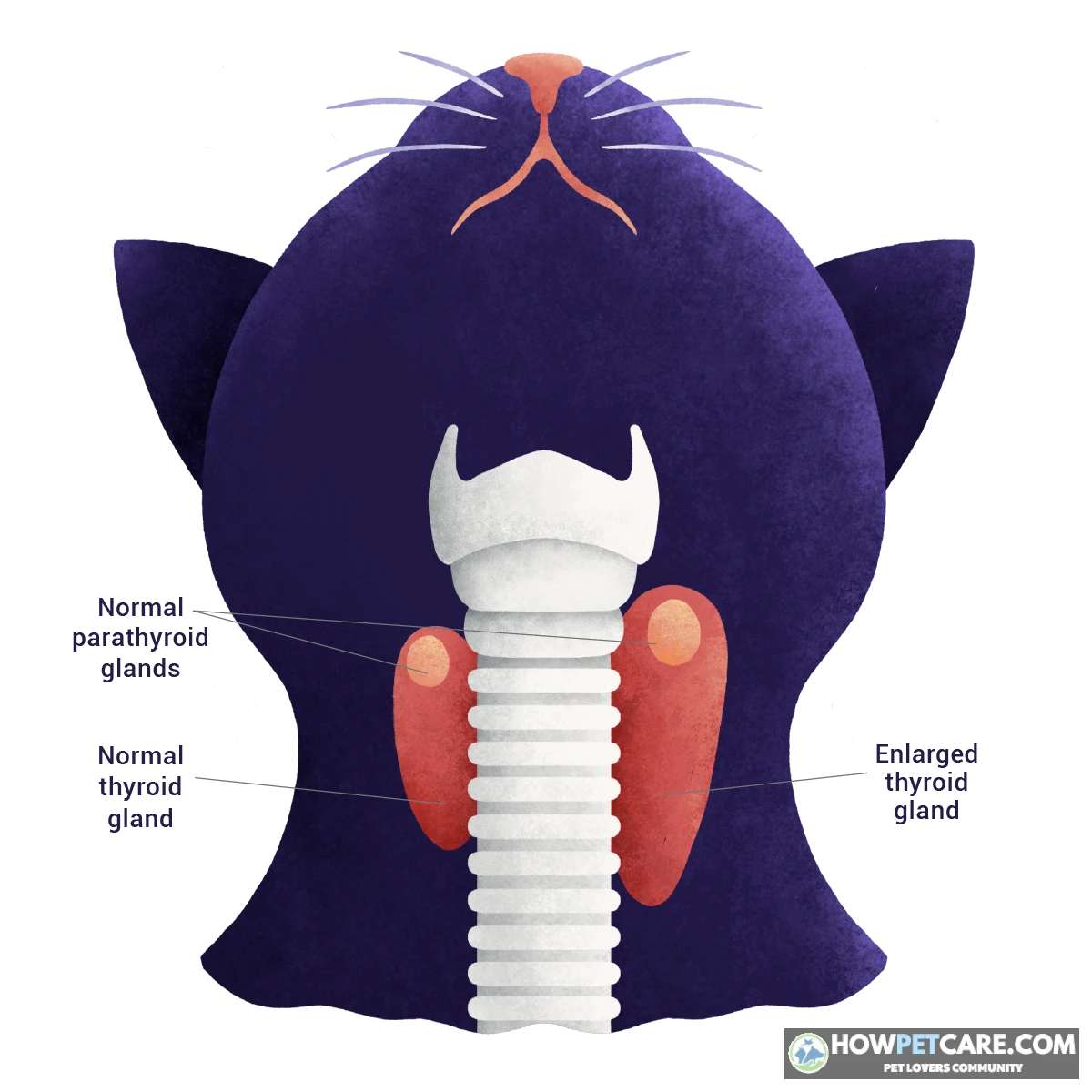

Hyperthyroidism in cats is an endocrine disorder where the thyroid gland produces excess thyroid hormones, leading to a hypermetabolic state. Cats typically lose weight despite a ravenous appetite, show increased thirst, urination, and restlessness, and may develop heart, kidney, and eye complications if untreated.
When an older cat develops a sudden, ravenous appetite while steadily dropping weight, owners often assume their pet simply has an active metabolism. In reality, that paradoxical combination is the classic warning sign of feline hyperthyroidism. Hyperthyroidism in cats is a common endocrine disorder driven by an overactive thyroid gland that floods the bloodstream with excess thyroid hormones, forcing the body into a damaging hypermetabolic state.
Catching this condition early alters your cat’s long-term health trajectory. Left unchecked, feline thyroid disease strains vital organs, accelerates muscle loss, and triggers life‑threatening cardiovascular damage. With timely veterinary intervention, accurate diagnostic testing, and modern treatment options, cats diagnosed with this disease can regain lost weight and maintain an excellent quality of life for years.
Recognizing Feline Hyperthyroidism: Classic Signs, Progression, and Red‑Flag Emergencies

Feline hyperthyroidism develops gradually. The classic presentation involves a distinct clinical triad: progressive weight loss despite a voracious appetite (polyphagia), increased thirst and urination (polydipsia and polyuria), and uncharacteristic restlessness. Owners often notice their senior cat pacing at night, yowling in dark hallways, and begging for food multiple times a day while the spine and hip bones become visibly prominent.
As circulating thyroid hormone levels climb, secondary physical changes emerge across multiple organ systems. Excess thyroxine speeds up gastrointestinal transit, causing affected cats to vomit frequently—often regurgitating unchewed food shortly after eating—and pass voluminous, soft, foul‑smelling stools. Their physical appearance deteriorates. The coat turns unkempt, dull, greasy, or matted from patchy over‑grooming alternating with neglected self‑care. Progressive muscle wasting gives the cat a gaunt, pot‑bellied profile as epaxial muscles along the backbone waste away.
Classic Symptoms vs. Apathetic Hyperthyroidism
While frantic energy and increased appetite characterize roughly 90% of cases, veterinarians encounter an alternative presentation known as "apathetic hyperthyroidism" in approximately 10% of affected felines. In these atypical cases, cats show neither hyperactivity nor ravenous hunger. Instead, they present with severe lethargy, complete loss of appetite (anorexia), profound weakness, and depression. Apathetic hyperthyroidism often indicates concurrent, advanced underlying illnesses—such as congestive heart failure, severe kidney compromise, or advanced hepatic stress—which blunt the typical stimulating effects of thyroid hormones. Recognizing this subset prevents owners from dismissing thyroid disease simply because their cat is quiet or not begging for food.
Red‑Flag Complications: Thyroid Storm, Heart Failure, and Sudden Blindness

As hyperthyroidism progresses, sustained hormone toxicity causes acute emergencies requiring immediate veterinary intervention. Approximately 20% of hyperthyroid cats develop systemic hypertension (high blood pressure) secondary to vascular constriction and increased cardiac output. If untreated, this vascular pressure causes retinal blood vessels to rupture, leading to retinal detachment and sudden, irreversible blindness. An owner may wake up to find their cat bumping into furniture, disoriented, with permanently dilated, non‑responsive pupils.
Equally severe is thyrotoxic cardiomyopathy. Overstimulated by thyroid hormones, the left ventricular heart muscle thickens abnormally (hypertrophic cardiomyopathy), reducing chamber volume and cardiac efficiency. This change can culminate in congestive heart failure. Open‑mouth breathing, rapid abdominal panting, coughing, or sudden rear‑leg paralysis (caused by an aortic thromboembolism or "saddle thrombus") represent critical medical emergencies.
Finally, extreme physiological stress, severe infection, or sudden hormone surges can precipitate a "thyroid storm"—an acute hypermetabolic crisis marked by dangerous hyperthermia, extreme tachycardia (heart rates often exceeding 240 beats per minute), collapse, and circulatory shock. Any of these signs requires prompt emergency stabilization.
Causes and Risk Factors: Why the Feline Thyroid Gland Overproduces Hormone

The feline thyroid gland consists of two distinct lobes situated on either side of the trachea in the neck. In a healthy cat, these lobes release precisely metered quantities of thyroxine (T4) and triiodothyronine (T3) to regulate cellular metabolism. In hyperthyroid cats, abnormal tissue proliferation overrides normal pituitary feedback mechanisms, pumping autonomous, uninhibited amounts of T4 hormone and T3 hormone directly into the circulation.
Benign Adenoma vs. Thyroid Carcinoma

In more than 98% of cases, the underlying pathology responsible for feline hyperthyroidism is benign. Approximately 70% of cats present with bilateral adenomatous hyperplasia (benign nodular growths affecting both lobes), while roughly 30% have a unilateral benign functional thyroid adenoma affecting only one lobe. Malignant thyroid adenocarcinoma is rare, accounting for only 1% to 2% of all hyperthyroid cases. However, because long‑standing benign adenomas can undergo autonomous cell transformation over several years, prompt intervention remains essential to prevent progressive local tumor growth or rare malignant transformation.
Veterinary researchers have investigated the environmental and nutritional factors behind the rising prevalence of feline thyroid disease. Although a single definitive trigger has not been isolated, epidemiological studies point toward several environmental contributors. Chronic exposure to polybrominated diphenyl ethers (PBDEs)—flame‑retardant chemicals widely used in carpeting, furniture foam, and electronics, which accumulate in feline grooming dust—acts as an endocrine disruptor. Dietary factors, including wide variations in commercial dietary iodine content and the chronic ingestion of bisphenol A (BPA) from can linings, have also been implicated as potential thyroid stressors.
Can Kittens or Young Cats Develop Hyperthyroidism?
Feline hyperthyroidism is overwhelmingly a disease of senior felines. The median age of onset is 12 years. True hyperthyroidism in kittens or juvenile cats is virtually non‑existent in clinical veterinary practice. If a kitten or young adult cat displays relentless hunger, severe weight loss, chronic vomiting, or frantic hyperactivity, the diagnostic investigation should not focus on thyroid tumors. Instead, veterinarians investigate congenital portosystemic shunts, juvenile chronic kidney disease, severe intestinal parasitism, exocrine pancreatic insufficiency, or inflammatory bowel disease.
Diagnosing Hyperthyroidism in Cats: The Borderline T4 Decision Tree

Reaching an accurate diagnosis requires confirming clinical suspicions through structured laboratory testing and physical examination. During the routine physical exam, a veterinarian carefully palpates the ventral cervical region (the throat). In a healthy cat, thyroid lobes are impalpable. In a hyperthyroid cat, the veterinarian can often detect an enlarged, movable nodule sliding beneath their fingertips—a clinical finding known as a "thyroid slip."
Initial Screening: The Total T4 (TT4) Blood Test and Thyroid Palpation

Confirmation begins with a comprehensive minimum database: a complete blood count (CBC), full serum biochemistry profile, urinalysis, and a serum Total Thyroxine (TT4) concentration. The Total T4 blood test measures both protein‑bound and free circulating thyroxine. In straightforward cases, the TT4 concentration is elevated well above the laboratory’s reference range, providing an unambiguous diagnosis when paired with matching clinical signs.
Routine biochemistry often reveals concurrent alterations driven by the disease. Mild to moderate elevations in liver enzymes—particularly alanine aminotransferase (ALT) and alkaline phosphatase (ALP)—occur in up to 75% of hyperthyroid cats due to increased hepatic metabolic turnover and subclinical hepatic hypoxia. Urinalysis evaluates urine specific gravity, assessing whether the kidneys are effectively concentrating urine.
Diagnostic Protocol for Normal or Borderline T4 Test Results

Diagnostic uncertainty occurs when a cat presents with obvious physical signs of hyperthyroidism, yet the screening Total T4 comes back in the upper‑normal or "borderline" reference range. This diagnostic pitfall typically stems from two mechanisms:
- Early, Mild Disease: In the earliest phases of adenoma development, hormone production fluctuates into and out of normal baseline ranges.
- Non‑Thyroidal Illness Syndrome (Euthyroid Sick Syndrome): Concurrent systemic illnesses—such as pancreatitis, chronic kidney disease, or gastrointestinal lymphoma—suppress circulating serum thyroid hormone concentrations, artificially dragging an elevated TT4 down into the high‑normal bracket.
Veterinarians use a systematic decision tree to avoid misdiagnosis when handling borderline results:
Suspected Cat with High‑Normal or Borderline Total T4 (TT4)
 │
 ├── Step 1: Screen for and treat concurrent non‑thyroidal illness (pancreatitis, UTI, IBD).
 │    └── Recheck TT4 in 2 to 4 weeks once the secondary illness is managed.
 │
 ├── Step 2: Add Free T4 by Equilibrium Dialysis (fT4ed) AND Feline TSH (cTSH).
 │    ├── High fT4ed + Undetectable/Low TSH  ──► Confirms Hyperthyroidism.
 │    └── High fT4ed + Normal/High TSH        ──► Likely Non‑Thyroidal Illness (False Positive).
 │
 └── Step 3: If still equivocal, proceed to dynamic testing or advanced imaging.
      ├── T3 Suppression Test (measures negative pituitary feedback failure).
      └── Pertechnetate Thyroid Scintigraphy (definitive tissue mapping).
A critical clinical rule governs Free T4 by equilibrium dialysis (fT4ed): this test is sensitive, but measuring free T4 alone carries a substantial false‑positive rate. Up to 12% of sick, euthyroid cats show falsely elevated free T4 concentrations. Therefore, a diagnosis of hyperthyroidism must never rely solely on a high free T4 if the Total T4 is completely normal. Pairing the free T4 with a sensitive feline thyroid‑stimulating hormone (TSH) test resolves this dilemma. In a truly hyperthyroid cat, sustained high thyroid hormone levels suppress the pituitary gland, rendering serum TSH undetectable. An undetectable TSH combined with an elevated free T4 strongly supports a hyperthyroidism diagnosis.
Use this script when a symptomatic cat has a TT4 near the laboratory upper limit or a result that does not match the clinical picture:
"My cat has persistent weight loss and gastrointestinal changes, but the TT4 is sitting right at the upper edge of normal. Could another concurrent illness be suppressing the result? Should we repeat the TT4 in a few weeks, or run a free T4 by equilibrium dialysis alongside a feline TSH level?
Before we select a treatment path, how will we assess kidney function, blood pressure, and urine concentration? Would a short, monitored trial of low‑dose methimazole help us see if lowering thyroid hormone improves symptoms or unmasks underlying kidney disease?
If the tests remain borderline, would dynamic testing or thyroid scintigraphy clarify the diagnosis?"
Always bring a dated symptom log documenting weight changes, weekly appetite, litter box output, and behavioral shifts to assist your veterinarian.
Advanced Imaging: When Thyroid Scintigraphy Is Necessary
Pertechnetate thyroid scintigraphy (nuclear imaging) is the diagnostic gold standard for feline thyroid disease. The cat receives a tiny, intravenous dose of the radiopharmaceutical technetium‑99m, which is taken up by hyperfunctioning thyroid follicular cells. A specialized gamma camera then captures the radiation distribution, comparing thyroid tissue uptake directly to the salivary glands.
Scintigraphy is valuable because it identifies ectopic thyroid tissue. During embryonic development, thyroid tissue migrates down the neck; in approximately 3% to 5% of hyperthyroid felines, hyperactive adenomas form inside the thoracic cavity along the mediastinum. Physical palpation cannot detect intrathoracic tissue, and surgical neck exploration misses it entirely. Scintigraphy pinpoints the precise anatomical location of every hyperactive cluster and confirms whether benign adenomatous disease or invasive adenocarcinoma is present.
The Four Hyperthyroidism Treatment Paths: Efficacy, Candidacy, and Cost Breakdown
| Treatment Method | Cure Potential | Ideal Patient Profile | Upfront Cost Range (USD) | Estimated 3‑Year Cumulative Cost (USD) | Primary Risks & Drawbacks | Monitoring Frequency |
|---|---|---|---|---|---|---|
| Methimazole (Oral / Transdermal) | Controls hormone production; not a cure | Cats with concurrent advanced kidney disease, severe cardiac instability, or owners unable to fund radiation | $150–$400 (initial diagnostics and starting prescription) | $1,800–$3,600 (ongoing drug costs plus 2–4 recheck panels per year) | Facial excoriation/pruritus, hepatopathy, blood dyscrasias, gastrointestinal upset; daily compliance required | Every 2–4 weeks initially during titration; then every 3–6 months |
| Radioactive Iodine (I‑131) | Curative (>95% cure rate with single dose) | Systemically stable cats with confirmed adenoma and adequate baseline renal function | $1,800–$3,500 (includes pre‑screening, injection, and hospitalization) | $2,000–$4,200 (includes post‑treatment lab checks and occasional T4 supplementation) | Temporary facility quarantine; unmasking of latent kidney disease; post‑treatment hypothyroidism (up to 50%) | |
| Surgical Thyroidectomy | Curative if all abnormal tissue excised | Young to middle‑aged cats with strictly unilateral disease where I‑131 is geographically unavailable | $1,200–$2,500 (surgery, general anesthesia, immediate hospitalization) | $1,700–$3,500 (includes surgery, follow‑up labs, and potential calcium management) | Anesthesia risks in older cats, accidental hypoparathyroidism/hypocalcemia, Horner’s syndrome, recurrence from ectopic tissue | |
| Hill’s Prescription Diet y/d | Manages hormone production only while exclusively fed; not a cure | Indoor‑only solo cats unable to tolerate pills, transdermal gels, or surgery, whose owners decline I‑131 | $150–$300 (baseline diagnostics and initial case of food) | $1,400–$2,800 (prescription food premium and biannual lab monitoring) | Treatment fails completely if cat eats treats, table food, or hunted prey; long‑term nutritional palatability concerns |

Option 1: Daily Antithyroid Medication (Methimazole)

Antithyroid medical management relies on methimazole (marketed under brand names such as Felimazole or Tapazole) or its prodrug, carbimazole. Methimazole works by inhibiting thyroid peroxidase within the thyroid gland, preventing the organification of iodide and blocking the synthesis of new T4 and T3 hormones. It does not destroy abnormal thyroid tissue; the underlying adenoma continues to grow slowly over time.
Methimazole is available as oral tablets, flavored liquids, or compounded transdermal gels applied to the inner ear pinna. Transdermal administration works well for cats distressed by daily pilling or those suffering primary gastrointestinal irritation from tablets.
Adverse effects occur in a notable percentage of cats. Transient reactions include mild lethargy, anorexia, and self‑limiting vomiting. More serious idiosyncratic reactions require immediate, permanent drug discontinuation:
- Severe, self‑mutilating facial itching and excoriation (intense scratching creating open sores around the ears, neck, and face).
- Hepatopathy (toxic liver injury accompanied by elevated bilirubin, jaundice, and spiking liver enzymes).
- Severe hematological dyscrasias, including immune‑mediated hemolytic anemia, thrombocytopenia (low platelet counts causing spontaneous bleeding), or severe agranulocytosis/leukopenia.
Option 2: Curative Radioactive Iodine (I‑131) Therapy

Radioactive iodine therapy is the recognized gold standard treatment for feline hyperthyroidism. Iodine is concentrated almost exclusively by thyroid follicular cells. When a therapeutic dose of the radioisotope I‑131 is administered via a single subcutaneous injection, abnormal, hyperactive thyroid cells absorb the isotope. Once inside the thyroid tissue, I‑131 emits short‑range beta particles that destroy diseased hyperplastic cells while sparing adjacent parathyroid glands, healthy atrophed thyroid tissue, and other organs.
I‑131 delivers a cure rate exceeding 95% with a single treatment, requires no general anesthesia, and eliminates the daily chore of medication. However, patient selection is vital. Cats must undergo rigorous pre‑treatment screening, including comprehensive blood chemistry, blood pressure monitoring, urinalysis, thoracic radiographs, and an echocardiogram to verify cardiac and renal stability. Cats with decompensated heart failure or end‑stage renal disease are poor candidates.
Because treated felines temporarily emit low‑level radiation through urine, feces, and saliva, state radiation protection laws require cats to remain hospitalized in a certified isolation ward following injection. The duration of this mandatory facility stay varies substantially by state jurisdiction and local institutional license—ranging from 3 to 5 days at specialized university centers, up to 1 to 2 weeks at facilities operating under more conservative regional discharge regulations. Over subsequent months, up to 50% of treated cats can develop subclinical or clinical hypothyroidism, requiring occasional monitoring or low‑dose synthetic hormone supplementation.
Option 3: Surgical Thyroidectomy

Surgical excision involves unilateral or bilateral removal of the enlarged thyroid lobes. Thyroidectomy was historically the primary curative modality before I‑131 became widely accessible. Today, surgery is reserved for patients with clear unilateral nodules whose owners lack access to a specialized radioiodine facility.
Surgical intervention carries notable risks. Hyperthyroid patients are typically geriatric with underlying cardiovascular strain, increasing the danger of general anesthesia. Anatomically, the parathyroid glands—which regulate blood calcium levels—adhere closely to the thyroid capsule. If the parathyroid glands are inadvertently excised, traumatized, or stripped of their microvascular supply during bilateral surgery, life‑threatening hypocalcemia (iatrogenic hypoparathyroidism) can develop within 24 to 72 hours. Postoperative tetany, muscle tremors, facial rubbing, and seizures require emergency intravenous calcium gluconate therapy. Additional surgical risks include transient or permanent damage to the recurrent laryngeal nerve (causing laryngeal paralysis) and Horner’s syndrome.
Option 4: Dietary Management via Strict Iodine Restriction (Hill’s y/d)
Dietary therapy operates on a simple physiological principle: iodine is the central chemical building block required by the thyroid gland to assemble T3 and T4 hormones. By feeding an exclusively iodine‑restricted commercial prescription diet—specifically Hill’s Prescription Diet y/d, formulated with a maximum iodine content of 0.2 parts per million (ppm)—the diseased thyroid gland is starved of the precursor it needs to synthesize excess hormones.
While non‑invasive and easy for compliant cats to consume, dietary therapy requires complete compliance. If a cat consumes even a trace amount of regular cat food, an outdoor insect, a dog kibble crumb, a flavored medication, or a single table treat containing dietary iodine, the thyroid gland uses that mineral reserve to restart excessive hormone production. Furthermore, some veterinary nutritionists express concern regarding the long‑term biological effects of feeding an ultra‑low iodine food with lower protein concentrations to geriatric felines for multiple years.
Financial Reality Check: Upfront Curative Costs vs. Lifetime Medical Management

When evaluating treatments, owners often feel sticker shock at the upfront price tag of radioactive iodine ($1,800 to $3,500). Many choose daily methimazole assuming it is the cheaper route. However, a multi‑year financial projection reveals a different reality.
Methimazole therapy requires continuous monthly prescription refills ($25 to $60 per month for tablets; $45 to $85 per month for custom transdermal gel). Safe management also requires routine laboratory testing. A stabilized cat on methimazole needs a recheck examination, Total T4 measurement, complete chemistry panel, and blood pressure screening every 3 to 6 months. At $200 to $400 per recheck panel, recurring medical management costs accumulate to roughly $700 to $1,200 per year.
Over a median survival span of 3 to 5 years, medical management totals between $2,500 and $6,000. In cats aged 10 to 13 with healthy kidneys, upfront curative radioactive iodine often costs significantly less over the pet’s lifetime while permanently eliminating the stress of daily dosing and frequent blood draws.
| Treatment Method | Cure Potential | Ideal Patient Profile | Upfront Cost Range (USD) | Estimated 3-Year Cumulative Cost (USD) | Primary Risks & Drawbacks | Monitoring Frequency |
|---|---|---|---|---|---|---|
| Methimazole (Oral / Transdermal) | Controls hormone production; not a cure | Cats with concurrent advanced kidney disease, severe cardiac instability, or owners unable to fund radiation | $150–$400 (initial diagnostics and starting prescription) | $1,800–$3,600 (ongoing drug costs plus 2–4 recheck panels per year) | Facial excoriation/pruritus, hepatopathy, blood dyscrasias, gastrointestinal upset; daily compliance required | Every 2–4 weeks initially during titration; then every 3–6 months |
| Radioactive Iodine (I-131) | Curative (>95% cure rate with single dose) | Systemically stable cats with confirmed adenoma and adequate baseline renal function | $1,800–$3,500 (includes pre-screening, injection, and hospitalization) | $2,000–$4,200 (includes post-treatment lab checks and occasional T4 supplementation) | Temporary facility quarantine; unmasking of latent kidney disease; post-treatment hypothyroidism (up to 50%) | Not in source |
| Surgical Thyroidectomy | Curative if all abnormal tissue excised | Young to middle-aged cats with strictly unilateral disease where I-131 is geographically unavailable | $1,200–$2,500 (surgery, general anesthesia, immediate hospitalization) | $1,700–$3,500 (includes surgery, follow-up labs, and potential calcium management) | Anesthesia risks in older cats, accidental hypoparathyroidism/hypocalcemia, Horner's syndrome, recurrence from ectopic tissue | Not in source |
| Hill's Prescription Diet y/d | Manages hormone production only while exclusively fed; not a cure | Indoor-only solo cats unable to tolerate pills, transdermal gels, or surgery, whose owners decline I-131 | $150–$300 (baseline diagnostics and initial case of food) | $1,400–$2,800 (prescription food premium and biannual lab monitoring) | Treatment fails completely if cat eats treats, table food, or hunted prey; long-term nutritional palatability concerns | Not in source |
The Renal Dilemma: How Hyperthyroidism Masks Chronic Kidney Disease (CKD)

One of the trickiest challenges in feline internal medicine is the physiological interplay between hyperthyroidism and chronic kidney disease (CKD). Both conditions frequently co‑exist in senior cats, but their physiological interactions hide renal damage until treatment begins.
The GFR Deception: Why Elevated Thyroid Levels Conceal Kidney Failure

Thyroxine acts as a systemic circulatory booster. It increases cardiac contractility and cardiac output while relaxing peripheral vascular resistance. This dynamic significantly increases renal blood flow and drives up the kidney’s filtration speed, known as the glomerular filtration rate (GFR). In this hyperdynamic state, the kidneys process blood at an accelerated pace, clearing metabolic waste products with abnormal speed.
Consequently, serum creatinine and symmetric dimethylarginine (SDMA)—the primary blood markers used by veterinarians to assess kidney damage—are artificially driven downward. A cat with moderate structural kidney damage may show normal or even low creatinine levels on an initial blood panel. The hyperthyroidism effectively "masks" the underlying kidney disease.
The Reversible Methimazole Trial: Protecting Renal Function Before Permanent Therapy
When a veterinarian administers antithyroid medication or radioactive iodine, thyroid hormone concentrations drop back to normal. As euthyroidism is restored, cardiac output normalizes and renal blood flow falls. GFR drops back to its true baseline, suddenly exposing the underlying, damaged functional nephrons in the kidneys.
Within 2 to 4 weeks of starting treatment, serum creatinine and BUN levels often climb significantly, revealing masked chronic kidney disease. If a cat undergoes irreversible surgery or permanent radioactive iodine therapy while harboring severe, unmasked kidney damage, the sudden reduction in GFR can push the kidneys into acute, decompensated uremic failure.
To prevent this, veterinarians recommend a reversible medical trial using oral or transdermal methimazole before committing to permanent therapies like I‑131 or surgery. Methimazole allows the clinical team to step down thyroid hormone levels gradually while monitoring renal parameters at 2 to 4 weeks. If the cat’s creatinine remains stable or shows only mild, manageable Stage 1 or 2 elevation, the patient can safely advance to definitive I‑131 ablation. If creatinine spikes severely into Stage 4 uremia, methimazole can be dialed back or discontinued immediately to restore renal perfusion.
Balancing Euthyroidism Against Advanced Renal Decline
When severe CKD is unmasked, managing the cat requires clinical compromise. Unchecked hyperthyroidism damages the kidneys over time through chronic systemic hypertension, protein‑losing nephropathy, and glomerular sclerosis. Conversely, completely normalizing T4 can drop GFR so severely that the cat becomes clinically ill from uremic toxin buildup.
In these complex patients, veterinarians practice "permissive hyperthyroidism." The clinical goal shifts away from pushing the Total T4 into the ideal mid‑normal bracket. Instead, the veterinary team titrates methimazole to a lower dose, intentionally leaving the cat slightly hyperthyroid (maintaining a Total T4 in the high‑normal or slightly elevated range of 3.0 to 5.0 µg/dL). This balance maintains enough renal blood flow to prevent severe uremia while tempering the most destructive cardiovascular effects of uncontrolled thyrotoxicosis.
Caregiver Safety and Practical Home Protocols: Transdermal Gel and Post‑I‑131 Isolation
Administering specialized veterinary therapies requires rigorous home management protocols to safeguard human caregivers and other household pets.
Safe Administration of Transdermal Methimazole
Compounded transdermal methimazole gel provides a pill‑free treatment option, but it absorbs through human skin just as efficiently as it does through feline ear tissue. Caregivers must handle this medication with consistent safety measures:
Methimazole is a recognized teratogen capable of causing birth defects, spontaneous pregnancy loss, and thyroid suppression in humans. Pregnant women, individuals attempting to conceive, and nursing mothers must never handle methimazole tablets or transdermal formulations.
• Always wear disposable nitrile gloves when applying transdermal gel to your cat’s ear pinna.
• Rotate application between the left and right inner pinna with every scheduled dose to reduce local skin irritation.
• Before applying a new dose, gently remove accumulated oily wax or residual medication from the pinna using a damp cotton ball or disposable wipe.
• Do not touch your cat’s ears or allow children to pet the cat’s head for at least 30 to 60 minutes following application.
• Discard gloves immediately after use and thoroughly wash your hands with soap and warm water.
Post‑I‑131 Home Isolation: Distance Rules, Waste Handling, and Litter Protocol
When a cat returns home following radioactive iodine therapy, they retain low levels of residual I‑131 that clear gradually through natural radioactive decay and bodily excretion (primarily via urine and feces). Owners must adhere to specific radiological safety measures for 14 to 21 days following clinic discharge:
-
Establish a Dedicated Isolation Space
House the treated cat in an unoccupied spare room or bathroom with washable surfaces. Maintain a physical buffer distance of at least 3 to 6 feet from family members. Under no circumstances should the treated cat sleep in bed with owners, sit on laps, or have any physical contact with infants, children, or pregnant individuals.
-
Restrict Physical Contact Durations
Limit close, hands‑on interactions (such as feeding, grooming, and cleaning) to a maximum cumulative exposure time of 10 to 15 minutes per person per day. Thoroughly wash your hands and arms after every interaction.
-
Implement Waste Containment Protocols
Equip the isolation room with a dedicated litter box lined with double‑layered plastic trash bags, and use flushable or clay‑based litter as directed by your treating facility. When scooping waste, wear disposable nitrile gloves and a protective mask to prevent inhaling litter dust containing aerosolized radioiodine particles.
-
Manage Excrement Storage or Disposal
Follow regional environmental regulations for waste disposal. In jurisdictions that prohibit domestic flushing of radioactive waste, collect used scooped litter in a sealed, heavy‑duty plastic containment bucket stored away from living areas (such as a garage or shed). Hold the waste in this sealed container for 80 to 90 days (roughly 10 radioactive half‑lives) to allow complete radioactive decay before disposing of it in standard household trash.
Managing Iodine‑Restricted Diets in Multi‑Cat Households
Implementing an iodine‑restricted dietary regimen like Hill’s Prescription Diet y/d presents logistical challenges in multi‑cat environments. Healthy adult cats require dietary iodine for normal physiological function; long‑term consumption of an ultra‑low iodine food by a healthy cat can induce goiter and secondary hypothyroidism.
To prevent cross‑consumption in a multi‑pet household, implement structured physical controls:
- Microchip‑Activated Feeders: Invest in automated microchip‑activated pet feeders that open only for the specific cat bearing the registered RFID collar tag or implanted microchip, keeping the prescription diet inaccessible to other pets.
- Physical Separation: Discontinue free‑choice, open‑bowl grazing. Transition the household to structured, scheduled meal times twice daily in completely separate, closed rooms.
- Surveillance: Supervise all feeding sessions to ensure the hyperthyroid cat does not steal regular kibble from housemates, and inspect bowls before releasing pets back into shared areas.
The Post‑Diagnosis Monitoring Calendar, Life Expectancy, and End‑of‑Life Signs
Managing hyperthyroidism requires consistent, structured long‑term veterinary monitoring to balance hormone suppression with organ preservation.
Veterinary Monitoring Schedule: Weeks 2–4, Month 3, and Bi‑Annual Checkups
Every treatment path requires structured, objective laboratory assessments. Adhering to a standardized recheck timeline helps catch rising kidney values, recurring hormone surges, or developing drug toxicities early.
| Timeline | Key Diagnostic Tests | Clinical Objectives | Critical Values to Monitor |
|---|---|---|---|
| Baseline (Pre‑Treatment) | Serum TT4; Complete Blood Count; Full Chemistry (BUN, Creatinine, SDMA, Liver Enzymes); Urinalysis; Systolic Doppler Blood Pressure; baseline body weight | Establish definitive diagnosis; identify concurrent liver or renal disease; screen for systemic hypertension | TT4 relative to laboratory reference intervals; baseline creatinine and SDMA; systolic blood pressure; baseline body condition score |
| Weeks 2 to 4 | Serum TT4; Renal Panel (BUN, Creatinine, SDMA); Liver Panel (ALT, ALP); Systolic Blood Pressure; CBC if on Methimazole | Assess therapeutic response; detect methimazole hepatotoxicity or bone‑marrow suppression; identify unmasked chronic kidney disease | |
| Month 3 (90 Days) | Serum TT4; Complete Chemistry; SDMA; Urinalysis; Doppler Blood Pressure; Body Weight Tracking | Confirm sustained euthyroidism; re‑evaluate stabilized renal function; check for post‑I‑131 or post‑surgical hypothyroidism | |
| Every 6 Months (Ongoing) | Serum TT4; Full Renal & Hepatic Panel; Urinalysis; Doppler Blood Pressure; Physical Examination | Long‑term surveillance for adenoma regrowth, recurrent hyperthyroidism, progressive CKD, or hypertensive changes |
Because hyperthyroidism directly damages vascular elasticity, routine systolic blood pressure monitoring via Doppler ultrasonography is essential. Blood pressure should remain consistently below 160 mmHg. If persistent systemic hypertension is identified, veterinarians initiate targeted cardiovascular therapies—such as the calcium channel blocker amlodipine besylate or beta‑blockers like atenolol—to shield delicate ocular and cerebral tissues from hypertensive injury.
Life Expectancy and Quality of Life Under Active Treatment
When diagnosed in a timely manner and managed appropriately, the prognosis for feline hyperthyroidism is favorable. Cats treated with radioactive iodine have a median survival time of 3 to 5+ years following therapy, often living out their full natural lifespans and succumbing to unrelated geriatric conditions. Cats managed successfully on long‑term methimazole show comparable survival horizons, provided their kidneys remain stable and the medication is tolerated without adverse reactions.
Within 6 to 12 weeks of establishing normal thyroid levels, the cat’s physical condition transforms. Hyperactive pacing resolves, normal sleeping cycles resume, vomiting ceases, and body weight and muscle mass along the spine begin to recover.
Late‑Stage Hyperthyroidism, Refractory Symptoms, and Compassionate End‑of‑Life Decisions
Despite an owner’s best efforts, hyperthyroidism can eventually become difficult to manage due to advanced comorbidities or autonomous tumor transformation. A previously stable cat may become refractory to standard medical management, requiring escalating methimazole doses that trigger severe gastrointestinal intolerance or liver injury.
Late‑stage signs indicating failing management or end‑stage multi‑organ collapse include:
- Intractable cachexia and severe muscle wasting despite adequate caloric intake.
- Uncontrolled, end‑stage Stage 4 Chronic Kidney Disease marked by profound dehydration, severe uremic ulcers, and unmanageable nausea.
- Decompensated congestive heart failure with persistent pulmonary edema or recurrent pleural effusion.
- Refractory systemic hypertension causing repeated retinal hemorrhages or neurological strokes.
- Chronic lethargy, complete loss of environmental interest, and refusal of all food and hydration.
Assessing late‑stage disease requires evaluating overall health trends rather than isolated bad days. Veterinarians rely on validated quality‑of‑life frameworks, such as the HHHHHMM Scale, which scores seven critical parameters on a 0‑to‑10 scale:
1. Hurt: Is pain, breathing difficulty, or nausea well controlled?
2. Hunger: Is the cat eating adequately on their own?
3. Hydration: Can the cat maintain hydration, or do they require fluid support?
4. Hygiene: Can the cat groom themselves and eliminate inside the litter box cleanly?
5. Happiness: Does the cat interact with family and seek affection?
6. Mobility: Can the cat rise, walk, and access food, water, and litter unassisted?
7. More Good Days Than Bad: Does the overall week offer comfort rather than distress?
When medical options have been exhausted, aggressive interventions cause chronic stress, and a cat consistently scores poorly across these metrics, choosing humane euthanasia represents a compassionate, loving veterinary decision.
By understanding the physical warning signs, acting quickly on borderline diagnostic results, navigating the kidney‑thyroid balance, and committing to regular monitoring, you can protect your feline companion from the dangers of an overactive thyroid and ensure they remain comfortable and supported throughout their senior years.

FAQ
Can hyperthyroidism in cats be cured completely?
Yes, feline hyperthyroidism can be cured using either radioactive iodine (I‑131) therapy or bilateral surgical thyroidectomy. Radioactive iodine boasts a cure rate above 95% with a single treatment, whereas daily medication and prescription diets only manage hormone levels.
Is hyperthyroidism painful for a cat?
Hyperthyroidism itself does not cause direct physical pain, but cats experience profound discomfort, chronic stress, and exhaustion due to an elevated heart rate, gastrointestinal upset, persistent hunger, and systemic hypertension. Advanced disease can lead to painful secondary conditions such as hypertensive retinal detachment or heart failure.
What foods should a cat with hyperthyroidism avoid?
Unless your cat is on a vet‑prescribed iodine‑restricted diet like Hill’s y/d, avoid high‑iodine foods such as seafood, kelp, fish‑based canned foods, and any human table scraps or treats that contain added salts or iodized compounds.
What happens if feline hyperthyroidism is left untreated?
Untreated hyperthyroidism is fatal; the persistent metabolic surge causes severe muscle wasting, thyrotoxic cardiomyopathy, systemic hypertension leading to sudden blindness, chronic gastrointestinal dysfunction, and eventual cardiovascular collapse or organ failure.