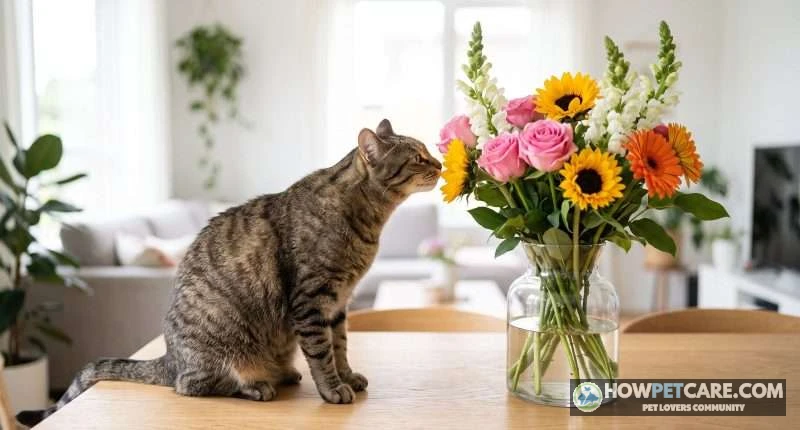

Cat safe flowers are cut blooms free of systemic toxins that harm feline organs. Verified non-toxic choices include true roses (Rosa spp.), sunflowers (Helianthus annuus), gerbera daisies (Gerbera jamesonii), snapdragons (Antirrhinum majus), lisianthus (Eustoma grandiflorum), freesias, and orchids. Always strip physical thorns, avoid chemical preservatives, and never include true lilies (Lilium spp.), which are lethal.
Bringing fresh cut flowers into a home with cats requires careful screening. Cats explore their environment by sniffing, grooming, and chewing, which can turn an ordinary decorative bouquet into a veterinary emergency. True lilies cause fatal kidney damage from microscopic exposures, but dozens of vibrant cut blooms can live safely alongside cats when properly identified and prepared.
Selecting cat safe flowers means verifying the botanical genus, checking filler foliage, and stripping commercial preservatives before filling the vase. This vet-backed guide walks through safety classifications, chemical hazards, visual identification checks, and emergency protocols to protect your pets.
Safe Cut Flowers You Can Bring Home With Cats
Botanical classification dictates feline safety. Common trade names often lump unrelated plants together under misleading labels, so checking the scientific name is the only reliable way to confirm that petals, stems, and leaves carry no natural toxins.
Top Cat-Safe Cut Flowers (Botanical & Common Names)
Several popular focal blooms and accent spikes present zero intrinsic toxicity to cats. These species serve as dependable foundations for safe arrangements.
| Botanical Name | Common Name | Safety Verdict |
|---|---|---|
| Rosa spp. | True Rose | Completely safe (remove thorns) |
| Helianthus annuus | Sunflower | Completely safe |
| Antirrhinum majus | Snapdragon | Completely safe |
| Zinnia elegans | Zinnia | Completely safe |
| Freesia spp. | Freesia | Completely safe |
| Gerbera jamesonii | Gerbera Daisy | Completely safe |
| Eustoma grandiflorum | Lisianthus | Completely safe |
| Orchidaceae (e.g., Phalaenopsis) | Moth Orchid | Completely safe |
| Alstroemeria spp. | Peruvian Lily | Non-toxic (mild stomach upset if gorged) |
| Lilium spp. | True Lily (Stargazer, Easter, Asiatic) | Lethal (causes acute kidney failure) |
| Hemerocallis spp. | Daylily | Lethal (causes acute kidney failure) |
| Convallaria majalis | Lily of the Valley | Cardiotoxic (contains cardiac glycosides) |
| Dianthus caryophyllus | Carnation | Toxic (mild to moderate GI distress) |
| Gypsophila paniculata | Baby’s Breath | Toxic (mild to moderate GI distress) |
| Hydrangea macrophylla | Hydrangea | Toxic (cyanogenic glycosides) |
Even when blooms carry zero chemical toxicity, physical structures can cause mechanical irritation. The table below details cut forms and secondary physical hazards for the best cat safe flowers for indoor arrangements.

| Botanical Name | Common Name | Typical Cut Form | ASPCA Status | Secondary Physical Hazard |
|---|---|---|---|---|
| Rosa spp. | True Rose | Single stem, Spray | Non-toxic | Thorns cause oral/esophageal punctures; strip bottom 6 inches |
| Helianthus annuus | Sunflower | Single focal stem | Non-toxic | Heavy pollen dusting causes mild sneezing or gastric upset if groomed |
| Antirrhinum majus | Snapdragon | Line flower / Spike | Non-toxic | Brittle stems create choking hazard if swallowed whole |
| Zinnia elegans | Zinnia | Daisy / Disk cut | Non-toxic | Rough, stiff leaf foliage can cause mechanical vomiting if ingested |
| Freesia spp. | Freesia | Branched spray | Non-toxic | Fragrant floral oils can trigger mild, transient hypersalivation |
| Eustoma grandiflorum | Lisianthus | Multi-bloom spray | Non-toxic | Thick fibrous stems can cause foreign-body impaction if chewed |
| Orchidaceae (e.g., Phalaenopsis) | Moth Orchid | Stem spray | Non-toxic | Firm waxy blooms pose a minor gastrointestinal transit obstruction risk |
Why These Flowers Pass the Toxicity Test
True roses (Rosa spp.), sunflowers (Helianthus annuus), and snapdragons (Antirrhinum majus) contain no systemic toxins that impair feline organ function. Ingesting plant cellulose from these species may cause minor regurgitation simply because cats lack the enzymes to break down tough plant fiber, but they do not cause organ pathology. The ASPCA Animal Poison Control Center lists dozens of botanical species as non-toxic to felines. Roses, sunflowers, and gerbera daisies are completely free of systemic poisons, making them ideal cat friendly flowers.
While sunflowers and snapdragons carry no chemical poisons, excessive pollen or stiff leaves can trigger mechanical vomiting. Trim prominent anthers and lower foliage before placing stems on display.
Understanding Hidden Risks: Vase Water, Preservatives, and Treated Foliage
Safe petals do not guarantee an entirely safe arrangement. Commercial bouquets introduce secondary chemical risks through packaging, stem treatments, and water additives.
Preservative Packet Ingredient Toxicology
Commercial flower food packets distributed with supermarket and florist arrangements prolong bloom longevity, inhibit bacterial decay, and lower water pH. While small licks of diluted packet water rarely prove fatal, concentrated ingestion irritates feline mucosal linings.
| Ingredient | Typical Concentration | Toxic Effect on Cats |
|---|---|---|
| Sucrose / Dextrose (Sugars) | 85% – 95% | Feeds harmful bacteria in stagnant water; induces osmotic diarrhea if consumed |
| Citric Acid | 2% – 5% | Lowers gastric pH; causes vomiting, abdominal cramping, and oral irritation |
| Bleach (Sodium hypochlorite) | < 1% | Irritates mouth, tongue, and stomach lining; causes profuse drooling |
| Aluminum Sulfate (Acidifier) | 1% – 3% | Gastrointestinal irritant; large doses cause metallic toxicity and kidney stress |
| Hydroxyquinoline (Biocide) | < 0.5% | Antimicrobial compound causing localized gastric inflammation and salivation |
Safe vs. Hazardous Vase Additives
Is flower vase water toxic to cats if they drink it? Untreated standing water is safe initially, but stagnant or chemically treated water presents notable risks. As cut stems degrade, they leach organic compounds and bacteria into the water, creating a breeding ground for pathogens that cause bacterial gastroenteritis. When flower food packets are mixed into the reservoir, the water becomes a chemical mixture of biocides and acidifiers.
Never add aspirin, bleach drops, copper pennies, or vodka to a vase in a cat household. Aspirin (salicylic acid) cannot be efficiently metabolized by the feline liver due to deficient glucuronyl transferase activity; even small doses cause acute gastric ulceration and liver failure. Plain, clean tap water refreshed daily is the only safe hydration medium for cut stems around curious cats.
Floral hydration accessories also present foreign-body risks. Traditional green floral foam (phenolic resin) and newer biodegradable floral foams contain chemical binders and micro-particulates that irritate mucosal tissue. If chewed or ingested, floral foam fragments break apart inside the stomach and intestines without dissolving, creating non-radiopaque physical blockages requiring surgical extraction. Clear hydrogel beads (water-absorbing polymers) represent a critical obstruction risk; a single dry or partially hydrated bead ingested by a cat can swell inside the small intestine and cause life-threatening mechanical bowel obstruction.

Filler Greens and Spray-Treated Foliage
Pre-assembled bouquets frequently pair non-toxic focal flowers with hazardous filler greenery. Standard fillers to avoid include:
- Eucalyptus (Eucalyptus globulus): Contains macrocarpals and eucalyptol, causing excessive salivation, vomiting, diarrhea, and central nervous system depression.
- Asparagus Fern (Asparagus densiflorus): Contains sapogenins that cause allergic dermatitis on contact and vomiting or abdominal pain if eaten.
- Baby’s Breath (Gypsophila paniculata): Features gyposides that trigger gastrointestinal inflammation.
- Ruscus / Italian Ruscus (Ruscus aculeatus): Causes mild to moderate vomiting and diarrhea.
Commercial florists and grocery distributors also mist foliage with synthetic shine sprays containing refined mineral oils, silicones, and petroleum distillates to impart a glossy appearance. Ingestion of these topical residues through direct chewing or subsequent coat grooming causes nausea, drooling, and respiratory irritation. Stems imported through commercial logistics hubs may also carry pesticide residues that must be washed away.
Lilies, Pollen, and Other High-Risk Plants: Why Some Flowers Kill Cats
Understanding the distinction between mild irritants and lethal toxins prevents catastrophic exposure. Certain floral families contain specialized toxins that overwhelm feline organ systems within hours.
Lily Toxicity Pathway and Symptoms
True lilies belonging to the genus Lilium (such as Stargazer, Asiatic, Easter, Rubrum, and Tiger lilies) and daylilies belonging to the genus Hemerocallis are lethal to cats. The precise chemical compound responsible for feline-specific toxicity remains unidentified, but its physiological target is well documented: it induces acute renal tubular necrosis. Every anatomical part of the plant—the petals, sepals, leaves, fibrous stems, pollen, and even the standing water in the vase—contains this water-soluble toxin.
Exposure to as little as two pollen grains, a single leaf nibble, or a sip of water from a vase holding lilies triggers irreversible acute kidney failure in felines. Initial clinical signs manifest within 1 to 3 hours as severe vomiting, anorexia, depression, and excessive salivation. Between 12 and 24 hours post-exposure, acute tubular necrosis destroys the nephrons, causing polyuria (excessive urination) rapidly followed by anuria (complete cessation of urine production), hypothermia, tremors, and death.
Peruvian lilies (Alstroemeria spp.) are frequently confused with true lilies due to their common name and trumpet-like bloom structure. However, Alstroemeria species do not cause renal failure. They contain tulipalin A, which causes mild, self-limiting vomiting and gastrointestinal upset if consumed in high quantities, but they do not pose an existential threat to feline life.

Other Toxic Cut Flowers
Beyond lilies, several standard bouquet additions carry significant toxicity:
- Carnations (Dianthus caryophyllus): A ubiquitous filler flower, carnations contain triterpenoid saponins that induce mild gastrointestinal distress and contact dermatitis.
- Peonies (Paeonia spp.): Contain paeonol, leading to vomiting, diarrhea, and marked lethargy.
- Chrysanthemums (Chrysanthemum spp.): Contain pyrethrins, sesquiterpene lactones, and other irritants causing hypersalivation, diarrhea, vomiting, incoordination, and dermatological flare-ups.
- Hydrangeas (Hydrangea macrophylla): Contain cyanogenic glycosides (hydrangin), which can cause vomiting, depression, and diarrhea.
- Daffodils (Narcissus spp.): Contain the toxic alkaloid lycorine; ingestion of blooms or bulbs causes severe emesis, abdominal pain, cardiac arrhythmias, and respiratory depression. Similarly, many spring bulb varieties raise concerns—for instance, are tulips toxic to cats due to concentrated tulipalins that trigger intense oral and digestive irritation.
Pollen Ingestion: What Happens?
Cats rarely consume heavy doses of raw pollen intentionally; instead, pollen exposure occurs through secondary grooming. As a cat brushes past an arrangement, anthers dust the feline’s fur and whiskers. The cat subsequently licks its coat, ingesting the concentrated powder.
With non-toxic species like sunflowers (Helianthus annuus), pollen ingestion may trigger mild sneezing, ocular discharge, or mild transient stomach upset. With true lilies (Lilium spp.), that same grooming behavior delivers a fatal dose of nephrotoxins directly to the gastrointestinal tract.
Audit Checklist for Pre-Made Bouquets: Spotting Toxic Species, Fillers, and Additives
Never place a gifted or store-bought bouquet directly into your living space without conducting a systematic safety audit.
Spotting Look-Alike Species
A critical vulnerability for pet owners is look-alike naming. While true garden roses (Rosa spp.) are completely non-toxic, several unrelated plants share the "rose" label while carrying dangerous toxins:

- Desert Rose (Adenium obesum): An Apocynaceae family succulent often used in potted arrangements. It contains potent cardiac glycosides (similar to digitalis) that cause severe vomiting, diarrhea, irregular heartbeat, low blood pressure, and death.
- Lenten Rose (Helleborus orientalis): A buttercup family (Ranunculaceae) perennial that contains protoanemonin and cardiac glycosides, causing severe burning of the mouth, abdominal pain, bloody diarrhea, and depression.
- Moss Rose (Portulaca grandiflora): A low-growing succulent containing soluble calcium oxalates. Ingestion causes oral pain, hypersalivation, tremors, and potential kidney compromise from crystal deposition.
- True Rose (Rosa spp.): Features woody stems with thorns, serrated alternate leaves, and multi-petaled heads. Completely non-toxic naturally, though physical thorns must be removed. If you wonder are roses toxic to cats, genuine varieties are safe once thorns and packaging additives are properly managed.
Printable Cat-Safe Bouquet Checklist
Before checking out at a florist or placing a grocery store bouquet on display, verify each safety parameter on this audit checklist:
- ☐ Genus Verification: Inspected floral tags to confirm roses are true Rosa, not Adenium obesum (Desert Rose) or Helleborus (Lenten Rose).
- ☐ Lily Absence Check: Zero presence of Stargazer, Asiatic, Easter, Tiger, or Daylilies in the same bucket, display, or transport sleeve.
- ☐ Pesticide & Shine Wipe: Foliage has not been treated with commercial floral leafshine sprays (mineral oils/petroleum distillates).
- ☐ Additive Exclusion: Packet of floral preservative removed before checkout; stems placed strictly in fresh, additive-free water.
- ☐ Thorn & Wire Removal: All rose stems de-thorned, and structural florist wire or floral pins fully removed from boutonnières/sprays.
- ☐ Physical Stability: Arrangement weight balanced to prevent tip-overs; heavy-bottom ceramic vessel selected over lightweight plastic.
Decision-Tree: Is This Bouquet Ready for a Cat-Household?
Execute this 4-step sequence before an arrangement enters your home:
-
Focal Flower Scan (Stop/Go Step)
Scan for Lilium (True Lily) or Hemerocallis (Daylily). If present, discard the entire bouquet immediately outside the house; brushing against pollen during manual extraction carries severe lethal risk.
-
Filler and Foliage Dissection
Pull out and verify secondary greenery. Reject arrangements containing: Baby’s Breath (Gypsophila), Eucalyptus, Ruscus, Asparagus fern, or Baker fern. Safe replacements: Leatherleaf fern (Rumohra adiantiformis) or Swedish Ivy (Plectranthus).
-
Water & Chemical Containment
Discard the florist’s commercial flower food packet (containing bleach, aluminum sulfate, and biocides). Rinse stems thoroughly under cold running tap water to wash away residue.
-
Vessel Lockdown
Fill a heavy-bottomed, narrow-neck vase using clean, untreated plain water. Never use clear water hydrogel beads or floral foam (Oasis), which present non-radiopaque bowel obstruction hazards if bitten.

Emergency Action Plan: What To Do If Your Cat Nibbles a Flower or Drinks Vase Water
If you discover or suspect floral poisoning, minutes count. Systematic action prevents severe systemic distribution of toxins.
Quick-Response Flowchart
ASPCA Animal Poison Control Center (APCC): (888) 426-4435
Pet Poison Helpline: (855) 764-7661
(Note: Consultation fees apply to both hotlines)
Follow these sequential first-aid steps immediately upon identifying ingestion:

- Interrupt Exposure: Remove the plant matter or vase immediately from the cat’s reach.
- Clear Oral Cavity: Inspect the cat’s mouth. Gently wipe away any lingering leaves, petals, or pollen using a damp paper towel or soft cloth. Never induce vomiting at home using hydrogen peroxide; hydrogen peroxide causes severe hemorrhagic gastritis and esophageal ulceration in felines.
- Physical Decontamination (Pollen): If the coat or paws are dusted with pollen, fit the cat with an Elizabethan collar (e-collar) or wrap them securely in a towel to stop grooming. Wash the coat using lukewarm water and mild cat shampoo or dish soap.
- Collect Evidence: Photograph the arrangement, preserve the exact chewed botanical specimen in a sealed plastic bag, and retrieve any chemical preservative packets or tags.
- Call for Guidance: Contact your primary veterinarian, the nearest 24-hour veterinary emergency hospital, or animal poison control.
When to Seek Veterinary Care
Seek immediate emergency veterinary care if you observe any clinical indicators or suspect exposure to high-risk species:
- 0 – 2 Hours Post-Exposure: Salivation, pawing at mouth, acute vomiting, lethargy. This is the window for veterinary-administered emesis and gastric lavage. Never attempt this at home.
- 2 – 6 Hours Post-Exposure: Continued gastrointestinal distress, extreme depression, anorexia. The clinic will administer activated charcoal to bind remaining toxins and run baseline blood work (BUN, creatinine, urinalysis).
- 12 – 24 Hours Post-Exposure (The Renal Failure Window): Polyuria rapidly transitioning to anuria, hypothermia, seizures, and severe dehydration. Aggressive intravenous fluid diuresis (minimum 48–72 hours) is required to prevent irreversible tubular necrosis. Delaying therapy past 18 hours drastically reduces survival rates.
Case Study: Rapid Triage of Incidental Lily Pollen Exposure
To understand how timely intervention works in practice, consider this clinical scenario:
- Patient Profile: Oliver, a 3-year-old domestic shorthair, indoor-only (4.2 kg).
- Source Event: Oliver’s owner received a mixed floral centerpiece containing unopened Stargazer lilies. While brushing past the arrangement, orange pollen dusted Oliver’s right flank and foreleg.
- Triage (0 to 20 minutes): The owner noticed the pollen before Oliver initiated grooming. The owner placed an e-collar on Oliver to prevent ingestion and bathed the contaminated coat areas with lukewarm water and mild pet shampoo while wearing gloves.
- Hotline Call (25 minutes): The owner contacted ASPCA APCC. Because oral exposure could not be definitively ruled out (pollen traces were visible near the lower lip), the toxicologist advised prompt veterinary evaluation.
- Veterinary Intervention (1 hour 15 minutes post-exposure): The emergency team performed oral decontamination, administered one dose of oral activated charcoal with a cathartic, and initiated intravenous fluid therapy (IV Plasmalyte at 1.5 times maintenance rate) for 48 hours to preserve renal perfusion.
- Outcome: Baseline creatinine was 1.1 mg/dL; 24-hour and 48-hour re-checks held steady at 1.2 mg/dL. Oliver was discharged at 52 hours with fully preserved renal function.
- Takeaway: Combining immediate physical barrier placement with proactive, pre-symptomatic IV fluid diuresis averted acute renal failure.
Post-Exposure Cleaning Tips for Vases
If a vase previously held lilies, daffodils, or treated commercial bouquets, residual toxins and chemical biocides cling to the container’s interior walls. Porous ceramics or scratched plastics can harbor toxic residues indefinitely.
Discard porous vessels that held true lilies. For glass vessels, soak the container in a solution of warm water and household bleach (1 part bleach to 10 parts water) for 20 minutes to denature biological proteins and neutralize biocides. Follow with a thorough scrub using grease-cutting dish detergent and hot water. Rinse until no chemical odor remains, and allow the vase to air dry completely before reusing it for feline-safe cut flowers.
Putting It All Together: Build a Cat-Friendly Bouquet
Assembling a custom, pet safe cut flowers bouquet ensures both visual appeal and complete safety, fitting seamlessly into broader home greenery curated from plants safe for cats.
Designing a Feline-Friendly Arrangement
A safe bouquet relies on verified focal flowers, safe filler foliage, and deliberate physical structuring. Combine focal blooms such as true roses (Rosa spp.), large sunflowers (Helianthus annuus), and colorful gerbera daisies (Gerbera jamesonii). Introduce height and architectural texture using snapdragons (Antirrhinum majus) and lisianthus (Eustoma grandiflorum).
For filler greens, substitute toxic eucalyptus and baby’s breath with safe alternatives:

- Leatherleaf Fern (Rumohra adiantiformis): Completely non-toxic to cats, offering traditional dark green foliage.
- Boston Fern fronds (Nephrolepis exaltata): Lacy, safe green accents.
- Swedish Ivy (Plectranthus verticillatus): Cascading, non-toxic leaves.
- Cat Grass (Dactylis glomerata) or Catnip stems (Nepeta cataria): Incorporating freshly cut cat grass directly into the lower base provides a dedicated, safe diversion for curious nibblers.
Cats love knocking over vases. Select a broad, heavy ceramic or stone vessel instead of a light glass cylinder. Position the vase on an open, accessible surface away from high jumping perches to eliminate tip-over risks.
Cat-Safe Bouquet Vendors & Certification
When ordering fresh flower delivery, never rely on standard "mixed seasonal" options, which frequently integrate Asiatic lilies or toxic fillers. Select bespoke florists that allow single-variety stem customization. Instruct the floral designer in writing to omit all lilies, baby’s breath, and eucalyptus, and request that the stems remain unwashed by synthetic leaf-shine sprays.
Opt for eco-certified or organically grown local cut-flower growers. Small local farms are far less likely to immerse stems in heavy post-harvest biocide baths or import-grade synthetic fungicides, reducing chemical exposure risks for your household.
Vase Hygiene and Upkeep
Maintaining a cat-safe floral display requires ongoing management. Monitor your arrangement daily with these hygiene practices:
- Daily Water Flushes: Empty and replace vase water every 24 hours. This eliminates bacterial blooms naturally without requiring chemical preservatives.
- Prune Dropping Elements: As flowers age, pluck spent petals, drying leaves, and anthers before they fall to table surfaces or the floor where cats can scavenge them.
- Stem Re-Trimming: Trim stems at a 45-degree angle under running tap water every two days to maintain water uptake and discard decomposing bottom tissue.
By verifying every bloom by its botanical name, eliminating commercial preservatives, and practicing clean water hygiene, you can enjoy vibrant, fresh arrangements while keeping your feline family members safe.
| Botanical Name | Common Name | Safety Verdict / ASPCA Status | Toxic Effect or Secondary Physical Hazard | Typical Cut Form / Plant Type |
|---|---|---|---|---|
| Lilium spp. | True Lily (Stargazer, Easter, Asiatic) | Lethal | Causes acute kidney failure / acute renal tubular necrosis | Not in source |
| Hemerocallis spp. | Daylily | Lethal | Causes acute kidney failure | Not in source |
| Convallaria majalis | Lily of the Valley | Cardiotoxic | Contains cardiac glycosides | Not in source |
| Adenium obesum | Desert Rose | Toxic / Dangerous | Contains potent cardiac glycosides causing severe vomiting, diarrhea, irregular heartbeat, low blood pressure, and death | Succulent used in potted arrangements |
| Helleborus orientalis | Lenten Rose | Toxic / Dangerous | Contains protoanemonin and cardiac glycosides causing severe burning of the mouth, abdominal pain, bloody diarrhea, and depression | Perennial |
| Portulaca grandiflora | Moss Rose | Toxic / Dangerous | Contains soluble calcium oxalates causing oral pain, hypersalivation, tremors, and potential kidney compromise from crystal deposition | Low-growing succulent |
| Narcissus spp. | Daffodils | Toxic | Contain the toxic alkaloid lycorine; causes severe emesis, abdominal pain, cardiac arrhythmias, and respiratory depression | Spring bulb |
| Eucalyptus globulus | Eucalyptus | Hazardous / Toxic | Contains macrocarpals and eucalyptol, causing excessive salivation, vomiting, diarrhea, and central nervous system depression | Filler greenery |
| Asparagus densiflorus | Asparagus Fern | Hazardous / Toxic | Contains sapogenins that cause allergic dermatitis on contact and vomiting or abdominal pain if eaten | Filler greenery |
| Ruscus aculeatus | Ruscus / Italian Ruscus | Hazardous / Toxic | Causes mild to moderate vomiting and diarrhea | Filler greenery |
| Dianthus caryophyllus | Carnation | Toxic | Contains triterpenoid saponins causing mild to moderate GI distress and contact dermatitis | Filler flower |
| Gypsophila paniculata | Baby's Breath | Toxic | Features gyposides that trigger mild to moderate GI distress and gastrointestinal inflammation | Filler greenery |
| Paeonia spp. | Peonies | Toxic | Contain paeonol, leading to vomiting, diarrhea, and marked lethargy | Bouquet addition |
| Chrysanthemum spp. | Chrysanthemums | Toxic | Contain pyrethrins, sesquiterpene lactones, and other irritants causing hypersalivation, diarrhea, vomiting, incoordination, and dermatological flare-ups | Bouquet addition |
| Hydrangea macrophylla | Hydrangea | Toxic | Contains cyanogenic glycosides (hydrangin) causing vomiting, depression, and diarrhea | Not in source |
| Alstroemeria spp. | Peruvian Lily | Non-toxic (mild stomach upset if gorged) | Contains tulipalin A, causing mild, self-limiting vomiting and gastrointestinal upset if consumed in high quantities | Not in source |
| Rosa spp. | True Rose | Completely safe / Non-toxic | Thorns cause oral/esophageal punctures; strip bottom 6 inches | Single stem, Spray |
| Helianthus annuus | Sunflower | Completely safe / Non-toxic | Heavy pollen dusting causes mild sneezing or gastric upset if groomed | Single focal stem |
| Antirrhinum majus | Snapdragon | Completely safe / Non-toxic | Brittle stems create choking hazard if swallowed whole | Line flower / Spike |
| Zinnia elegans | Zinnia | Completely safe / Non-toxic | Rough, stiff leaf foliage can cause mechanical vomiting if ingested | Daisy / Disk cut |
| Freesia spp. | Freesia | Completely safe / Non-toxic | Fragrant floral oils can trigger mild, transient hypersalivation | Branched spray |
| Eustoma grandiflorum | Lisianthus | Completely safe / Non-toxic | Thick fibrous stems can cause foreign-body impaction if chewed | Multi-bloom spray |
| Orchidaceae (e.g., Phalaenopsis) | Moth Orchid | Completely safe / Non-toxic | Firm waxy blooms pose a minor gastrointestinal transit obstruction risk | Stem spray |
| Rumohra adiantiformis | Leatherleaf Fern | Completely non-toxic | None | Filler green / Dark green foliage |
| Nephrolepis exaltata | Boston Fern | Safe / Non-toxic | None | Fronds / Lacy green accents |
| Plectranthus verticillatus | Swedish Ivy | Non-toxic | None | Cascading leaves / Filler green |
| Dactylis glomerata | Cat Grass | Safe | None | Freshly cut grass base |
| Nepeta cataria | Catnip | Safe | None | Stems |
| Gerbera jamesonii | Gerbera Daisy | Completely safe | None | Not in source |
FAQ
Can my cat get sick from simply sniffing flower pollen?
In most cases, inhaling non-toxic floral pollen causes only mild, temporary sneezing. However, sniffing true lilies (Lilium or Hemerocallis) is life-threatening because cats groom the fallen pollen off their fur and ingest lethal nephrotoxins.
Do artificial silk or dried flowers pose a choking or obstruction hazard for cats?
Yes. While silk and dried flowers lack chemical plant toxins, they do not break down in the feline gastrointestinal tract and frequently create life-threatening physical foreign-body obstructions requiring surgery.
How long after a cat ingests toxic flower material do symptoms typically appear?
Gastrointestinal irritants like carnations often trigger drooling and vomiting within 30 minutes to 2 hours. In contrast, true lily poisoning begins with vomiting within 1 to 3 hours, progressing to irreversible acute kidney failure within 12 to 24 hours.
Are biodegradable flower foams safer for cats than traditional petroleum-based foams?
No. While biodegradable foams break down faster in landfills, they still contain chemical binders and non-digestible micro-particles that cause severe stomach irritation and potential mechanical bowel impactions if chewed.