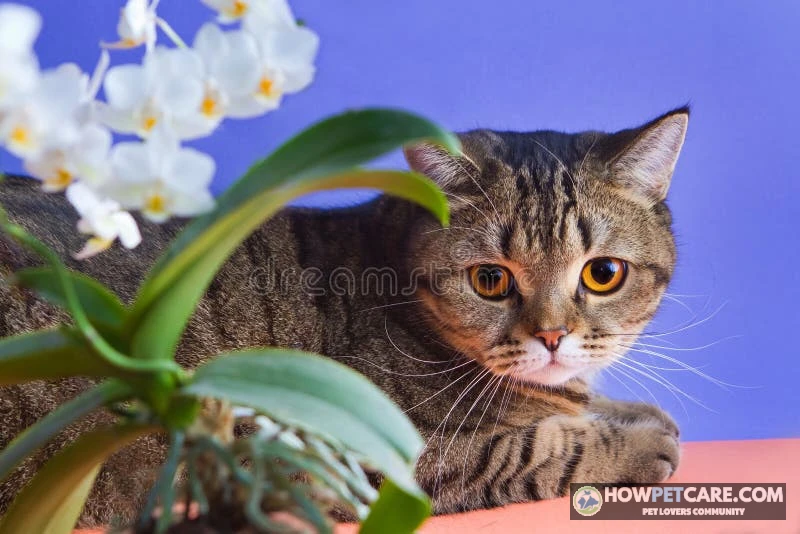

True orchids (family Orchidaceae) are non‑toxic to cats. Chewing a leaf or flower won’t cause organ failure, but the plant’s fibrous material, chemicals on the leaves, or the coarse potting media can irritate the stomach or lead to a blockage. Follow simple triage steps and keep chemicals out of reach.
True orchids are not poisonous to cats. If you are wondering are orchids poisonous to cats after your pet chewed a leaf or blossom, the plant tissue itself contains no systemic toxins that cause feline organ damage, kidney failure, or death. Major veterinary authorities, including the ASPCA Animal Poison Control Center, classify common cultivated orchids as non‑toxic to felines, dogs, and horses.
Still, catching your pet near a chewed houseplant calls for a quick triage check. While the botanical tissue of true orchids does not cause systemic feline toxicity, cats frequently experience secondary complications from swallowing fibrous plant matter, ingesting chemical treatments, or consuming coarse potting components. Chewing tough, non‑toxic plant leaves can cause minor digestive upset, whereas chemical fertilizers, systemic pesticides, commercial leaf shine sprays, and large bark chips introduce distinct medical risks.
Toxicity Status: Non‑Toxic to Cats
True orchids belonging to the botanical family Orchidaceae (including common grocery store moth orchids, Phalaenopsis) contain no systemic toxins that harm cats. Chewing a leaf, stem, or petal will not trigger organ failure or death. However, physical ingestion of tough fibers can trigger mild, self‑limiting regurgitation, and secondary potting chemicals or non‑orchid lookalikes require immediate screening.
Non‑Toxic Plant Does Not Mean Risk‑Free Plant Setup
There is a real difference between an inherently non‑toxic plant species and a risk‑free display setup. When veterinary toxicology databases categorize a plant as non‑toxic, that status applies strictly to the natural chemical constituents of the living tissue. It does not certify that the commercial plant setup is entirely inert inside a feline stomach.
Cats are obligate carnivores with digestive tracts designed solely for meat. They lack the cellulase enzymes needed to break down tough plant cell walls. Swallowing fibrous orchid leaves or thick aerial roots can mechanically irritate the stomach lining, leading to vomiting or diarrhea.
Cultivated houseplants also rarely arrive clean of inputs. Commercial growers routinely treat orchids with topical fungicides, synthetic bloom boosters, and oil‑based leaf glosses before retail distribution. Furthermore, orchids grow in specialized loose substrates—such as chunky fir bark, perlite, and sphagnum moss—rather than dense garden soil. If a curious cat digs into the pot and swallows these materials, the primary medical concern shifts from plant poisoning to foreign‑body intestinal obstruction or chemical exposure.

Finally, confirm the exact identity of your plant. If you are uncertain whether a flowering stem is truly an orchid, assume it requires close scrutiny until you verify the species. Lookalike species present in floral arrangements can pose extreme dangers to feline health.
Are Phalaenopsis and Other Common Orchids Safe for Cats?
The orchid family (Orchidaceae) is one of the largest plant families on Earth, comprising over 25,000 distinct natural species and more than 100,000 registered artificial hybrids.
Phalaenopsis or Moth Orchids
Phalaenopsis, commonly known as the moth orchid, accounts for the vast majority of orchids sold in supermarkets, big‑box nurseries, and home improvement stores. These plants feature broad, leathery, dark‑green leaves at the base and tall, arching spikes carrying flat, butterfly‑shaped blooms that last for months.
Phalaenopsis orchids are completely safe for cats. If your cat bites off a bloom, chews an aerial root, or swallows part of a leaf, it will not suffer chemical poisoning. The ASPCA officially lists Phalaenopsis as non‑toxic to cats, dogs, and horses. These popular varieties serve as classic cat‑friendly houseplants, making them ideal additions alongside other plants safe for cats in indoor spaces.

Dendrobium and Cattleya Orchids
Dendrobium and Cattleya orchids represent two other widely cultivated genera commonly kept by indoor gardening enthusiasts. Dendrobium orchids produce upright, cane‑like stems with sprays of smaller, delicate blossoms. Cattleya orchids, often called corsage orchids, display large, ruffled flowers noted for their strong, sweet fragrance.
Both Dendrobium and Cattleya species are non‑toxic to cats. Neither genus contains toxic alkaloids, saponins, or glycosides harmful to feline physiology. If a cat plays with or consumes petals from these varieties, systemic poisoning will not occur. You can maintain these species indoors without worrying about feline organ failure.

Uncommon Species and Unlabeled Hybrids
Beyond the dominant retail varieties, dedicated collectors often grow specialized genera, including Oncidium (dancing lady orchids), Vanda, Paphiopedilum (slipper orchids), and Miltonia. Available veterinary toxicology data indicate that true members of the family Orchidaceae do not produce feline toxins.
However, complete ingestion data do not exist for every single rare wild species or newly created collector hybrid. When purchasing specialized collector plants or receiving unlabeled arrangements, always inspect the botanical tag. Confirm that the specimen is classified taxonomically within Orchidaceae. If you buy an unlabeled plant based purely on a vague common name, keep it isolated until you confirm its genus. Common trade names can be deceptive, occasionally associating safe orchids with unrelated, dangerous plant species.
Why a Cat May Vomit or Drool After Eating a Non‑Toxic Orchid
Cat owners are often startled when a cat vomits or drools shortly after nibbling on a safe orchid. Understanding why these symptoms occur helps you separate expected, self‑limiting stomach irritation from genuine medical emergencies.
Likely Mechanical Stomach Irritation
Mechanical irritation is the primary reason cats vomit after eating pet‑safe houseplants. Orchid tissues—particularly the waxy foliage, fibrous stems, and thick velamen‑covered aerial roots—are tough and difficult to chew. When a cat swallows coarse plant fragments, the sharp fibrous edges brush against the sensitive mucous membranes of the esophagus and stomach lining.
Because cats lack enzymes to digest cellulose, the gastric lining frequently responds to fibrous plant matter with rapid contractions to expel the indigestible mass. This produces a single episode of regurgitation or vomiting, often containing intact green leaf fragments suspended in clear liquid or white froth.
Brief drooling or lip‑smacking can also happen right after chewing. Bitter natural plant sap, the chalky texture of raw cut stems, or stress can trigger temporary hypersalivation. In mild mechanical cases, these signs resolve rapidly once the cat finishes expelling the plant matter and settles down.
Signs of an Allergic or Toxic Exposure
While botanical toxicity is absent in true orchids, cats can occasionally exhibit individual allergic sensitivities or suffer reactions to chemical contaminants on the foliage. Individual feline allergies to orchids, while uncommon, can cause sneezing, pruritus, or skin irritation.
Do not dismiss severe or escalating symptoms simply because an orchid is non‑toxic. If your cat vomits continuously, exhibits facial swelling, or becomes unresponsive, evaluate the situation immediately for chemical ingestion or a severe systemic reaction.
Contact a veterinarian or an emergency animal hospital promptly if you observe any of the following systemic signs:
- Repeated, uncontrolled vomiting: More than two distinct episodes of vomiting within a few hours, or the inability to keep fresh water down.
- Hypersalivation with distress: Continuous, heavy drooling accompanied by head‑shaking, pawing at the mouth, or whining.
- Facial angioedema: Rapid swelling around the muzzle, lips, eyelids, or ears, indicating an acute hypersensitivity reaction.
- Respiratory compromise: Open‑mouth breathing, wheezing, coughing, or sudden respiratory distress.
- Neurological symptoms: Muscle tremors, uncoordinated gait (ataxia), dilated pupils, or collapse.
- Marked lethargy: Complete disinterest in food, hiding in dark spaces, or unresponsiveness.
Signs of a Possible Intestinal Blockage
When cats interact with orchids, they often dig into the growing media. Swallowing the physical components of orchid potting mixes introduces the risk of mechanical obstruction within the narrow pylorus or small intestines.
Fir bark chunks, compressed coconut husk chips, and synthetic potting components do not break down in gastric acid. If an ingested fragment lodges along the digestive tract, it creates a partial or complete foreign‑body blockage. Symptoms of an intestinal blockage often develop gradually over 12 to 48 hours following ingestion.
Watch closely for persistent unproductive retching, sustained appetite loss, painful abdominal guarding (hunched posture and vocalizing when touched), severe lethargy, and an absence of normal bowel movements. An intestinal obstruction cannot resolve on its own and requires diagnostic imaging and surgical or endoscopic intervention by a veterinarian.
| Observation | Possible Cause | Recommended Response | Urgency |
|---|---|---|---|
| Single vomit with leaf fragments, bright and active | Minor mechanical gastric irritation from plant fiber | Remove plant access; monitor water intake and energy for 24h | Low: Home observation |
| Mild lip‑smacking or brief drooling after chewing | Bitter plant sap taste, stress, or minor oral friction | Wipe mouth gently with a damp cloth; provide fresh water | Low: Home observation |
| Repeated vomiting (>2 times in 2 hours), dull energy | Concentrated fertilizer salts, systemic pesticide, or chemical spray | Isolate the cat; preserve product bottles; call poison control or vet | Moderate: Call professional |
| Dry heaving, straining in litterbox, painful abdomen | Ingestion of potting bark chunks, stones, or compacted moss | Prevent food intake; seek emergency veterinary physical exam and X‑rays | High: Veterinary evaluation |
| Facial swelling, wheezing, hives, uncoordinated gait | Acute allergic anaphylaxis or toxic chemical ingestion | Transport immediately to the nearest open emergency veterinary facility | Critical: Immediate emergency |

Hidden Orchid Hazards: Fertilizer, Pesticides, Sprays, and Potting Mix
The real threat from an indoor orchid display usually comes from secondary chemicals and foreign‑body ingestion hazards, not the plant itself.
Chemical Residues on Leaves and Flowers
Commercial nurseries cultivate orchids in highly controlled greenhouse conditions, utilizing chemical inputs to accelerate flowering, prevent fungal leaf rot, and control pests. Newly purchased orchids often carry chemical residues on their foliage and petals:
- Leaf shine and foliar gloss sprays: Growers apply mineral oil, petroleum distillates, or silicone‑based emulsions to give leaves a dust‑free sheen. Licking or chewing foliage treated with these compounds can irritate the oral cavity, esophagus, and stomach, resulting in foaming at the mouth and vomiting.
- Systemic insecticides: Nurseries frequently apply systemic pesticides (such as imidacloprid or dinotefuran) directly to the root zone. These compounds are absorbed into the plant’s vascular system, remaining biologically active within leaves and petals for 8 to 12 weeks. Ingesting treated tissues exposes cats directly to these active chemical agents.
- Topical fungicides and pesticides: Contact sprays applied to treat spider mites, scale, or powdery mildew leave surface residues. If a cat rubs against wet foliage and subsequently grooms its coat, it ingests these compounds orally.
Always preserve the original nursery tags and packaging from any recently purchased plant. If your cat becomes ill, these labels help veterinarians and veterinary toxicologists identify the exact active chemical ingredients involved.
Fertilizer and Bloom‑Booster Exposure
Orchids rely on regular fertilization to sustain healthy blooming cycles. Growers routinely apply water‑soluble synthetic fertilizers or concentrated liquid bloom boosters containing nitrogen, phosphorus, and potassium salts, alongside trace minerals such as copper, iron, zinc, and manganese.
Undiluted fertilizers pose significant risks. If a cat knocks over an open bottle of liquid orchid food, direct oral contact can cause chemical irritation of the tongue, gums, and esophagus. Swallowing concentrated fertilizer salts leads to severe gastrointestinal distress, vomiting, diarrhea, and systemic electrolyte imbalances.
A common hidden risk is the decorative outer container (cachepot). Gardeners typically water orchids by soaking the inner plastic pot, allowing excess liquid to drain into the outer ceramic container. If this drainage water is left sitting, it creates a concentrated basin of dissolved fertilizer salts, systemic chemical runoff, and standing bacteria. Cats frequently drink from these low‑standing water reservoirs. Ingesting this water can trigger abrupt vomiting and gastrointestinal inflammation.

Bark, Perlite, Moss, and Decorative Materials
Orchids do not grow in standard potting soil; their roots require high airflow, so growers pot them in specialized coarse media.
- Fir bark chunks: Standard orchid potting bark consists of coarse, jagged pieces of Douglas fir or pine bark ranging from 0.5 to 1.5 inches in size. If swallowed whole, these rigid, non‑digestible chunks can cause mechanical choking in the upper airway or lodge within the small intestine, creating a life‑threatening intestinal obstruction.
- Sphagnum moss: Long‑fiber sphagnum moss is widely used to retain moisture around orchid root systems. Dry sphagnum moss absorbs up to 20 times its weight in water. If a cat swallows clumps of stringy moss, the material absorbs digestive fluids, expands within the stomach, and compacts into an obstructive mass that cannot pass naturally through the intestinal tract.
- Perlite and horticultural charcoal: These lightweight, porous additives can irritate oral tissues and cause mild gastrointestinal inflammation if swallowed in quantity.
- Hardware and ties: Growers use green plastic‑coated florist wire, thin metal support stakes, and plastic butterfly clips to train flowering spikes upright. Cats batting at swaying flower spikes can chew or swallow these small metal or plastic pieces, resulting in oral lacerations, esophageal punctures, or gastrointestinal blockages.
| Hazard | Potential Effect | Warning Signs | Immediate Action |
|---|---|---|---|
| Coarse Fir Bark | Esophageal choking; small bowel mechanical foreign‑body obstruction | Gagging, unproductive retching, sudden anorexia, abdominal pain | Restrict dry food; contact vet for physical evaluation and imaging |
| Sphagnum Moss | Swells in gastric fluid; creates compacted fibrous gastrointestinal masses | Vomiting fluid, persistent nausea, refusal to eat, painful posture | Prevent further access; consult veterinarian regarding obstruction risks |
| Concentrated Bloom Boosters | Chemical stomatitis; acute gastrointestinal salt irritation | Oral foaming, intense drooling, acute vomiting, foul‑smelling diarrhea | Check chemical label; call animal poison control or your local clinic |
| Stagnant Cachepot Water | Ingestion of dissolved fertilizer salts, pesticide runoff, and stagnant mold | Sudden vomiting, loose stools, lethargy, temporary loss of appetite | Empty and clean container; offer fresh water; monitor symptoms |
| Topical Leaf‑Shine Sprays | Gastric irritation from petroleum distillates or mineral oil emulsions | Lip‑smacking, nausea, drooling, mild regurgitation of clear froth | Wipe plant foliage clean; monitor pet for persistent nausea |
Review your orchid pots to eliminate non‑botanical hazards:
- Inspect coarse bark: Confirm no loose fir bark chunks are accessible to playful cats.
- Check moss stability: Ensure wet sphagnum moss is firmly contained and cannot be pulled out in clumps.
- Empty catch basins: Empty standing drainage water from cachepots immediately after watering.
- Review active chemicals: Check systemic pesticide and fertilizer labels for active ingredients.
- Secure hardware: Ensure clips, wire ties, and stakes are tightly fastened and cannot be swallowed.
Orchid vs. Lily: How to Avoid a Deadly Identification Mistake
While true orchids are non‑toxic, mistaking a dangerous flower for an orchid can lead to fatal consequences. Just as cat owners often ask are tulips toxic to cats when bringing home seasonal bouquets, understanding the toxicity of mixed floral arrangements is essential. True lilies belonging to the genus Lilium (such as Asiatic lilies, Easter lilies, and Stargazer lilies) and daylilies belonging to the genus Hemerocallis are lethal to felines. Even microscopic exposures—such as brushing against an anther and licking off a few grains of pollen, chewing a small petal fragment, or lapping water from a floral vase—trigger severe, acute kidney failure in cats, frequently proving fatal without aggressive intervention within hours.
Because commercial floral arrangements often combine multiple cut flowers, pet owners sometimes mistake a lethal lily for a safe orchid. Knowing how to tell them apart botanically can help save your pet’s life.
Safe Orchid Characteristics
True orchids (Orchidaceae) exhibit distinct structural characteristics that differentiate them from other flowering plants:
- Bilateral symmetry (zygomorphic blooms): If you draw an imaginary vertical line down the middle of an orchid flower, the left and right halves form mirror images of each other. They do not display circular, radial symmetry.
- Specialized lower lip (labellum): Every true orchid features a distinct, modified central petal that acts as a landing platform for pollinators.
- Fused reproductive column: Orchids do not have separate, loose, powdery stamens floating around the center of the blossom. Instead, their male and female reproductive structures are fused into a single, smooth, solid central structure called a column. The pollen is packed into dense, discrete masses (pollinia) hidden under a protective cap, rather than dusting out as loose, powdery orange dust.
- Specialized vegetative growth: Orchids typically grow from a thick base (pseudobulb) with broad, thick, leathery leaves arranged alternately, or they form a compact base that produces silvery‑green, thick aerial roots.

Lilium and Hemerocallis Warning Signs
True lilies and daylilies feature anatomical characteristics that distinguish them clearly from safe orchids:
- Radial symmetry (actinomorphic blooms): True lily blossoms are circular and radially symmetrical, resembling open trumpets, stars, or funnels.
- Six uniform floral parts (tepals): Lilies display six prominent petal‑like structures (three true petals and three sepals that look nearly identical).
- Prominent pollen‑bearing stamens: A true lily features six long, prominent, thread‑like filaments projecting out from the center of the flower. Each filament carries a heavy, loose anther packed with powdery, staining pollen in shades of bright orange, rust, red, or yellow. This loose, shedding pollen is exceptionally toxic to cats.
- Leaf architecture: Lilium species carry dozens of narrow, lance‑shaped leaves arranged in spirals or whorls directly along a tall, single upright stem. Hemerocallis (daylilies) produce dense clumps of long, arching, grass‑like foliage emerging directly from the soil.

Be aware that the common "peace lily" (Spathiphyllum) is not a true lily, nor is it an orchid. It belongs to the Araceae family and contains insoluble calcium oxalate crystals—similar to the oral irritants found in a pothos plant. Chewing a peace lily causes acute, needle‑like oral pain, intense burning of the tongue, and profuse drooling, though it does not cause the acute renal failure associated with true Lilium species.
Why Mixed Bouquets Need Extra Caution
Mixed arrangements from florists represent a common source of accidental plant poisoning in feline households. Florists routinely pair long‑lasting Dendrobium or Cymbidium orchid sprays alongside Stargazer lilies, Asiatic hybrids, baby’s breath, and decorative greenery.
If you receive a floral bouquet, never assume the entire arrangement is safe simply because you spot a pet‑safe orchid. Just as pet parents check whether roses are toxic to cats before displaying mixed arrangements, you should inspect every stem individually. If you spot a radially symmetrical trumpet flower with powdery stamens, identify it immediately. If you have any doubt about the botanical identity of a flower in a mixed arrangement, remove the entire bouquet from your home immediately. If you suspect your cat chewed, licked, or contacted any part of a true lily—including brushing against loose pollen—treat it as an immediate veterinary emergency, even if the pet appears completely normal.
| Feature | True Orchid (Orchidaceae) | True Lily (Lilium spp.) | Daylily (Hemerocallis spp.) | Peace Lily (Spathiphyllum) |
|---|---|---|---|---|
| Toxicity Level | Non‑toxic | FATAL (Severe Nephrotoxin) | FATAL (Severe Nephrotoxin) | Moderate Irritant (Insoluble Oxalates) |
| Petal Structure | Bilaterally symmetrical; distinct modified lower lip (labellum) | Radially symmetrical; 6 distinct tepals (3 petals + 3 sepals) | Radially symmetrical funnel; 6 tepals from a central crown | Single white leaf‑like spathe cupping a spiked spadix |
| Center of Flower | Single fused reproductive column; no loose dangling pollen | 6 prominent stamens bearing heavy, powdery orange/brown pollen | 6 long curved stamens with pollen‑heavy anthers | Tightly packed fleshy spike without individual stamens |
| Leaf Architecture | Thick, leathery, alternate, or pseudobulb base; aerial roots | Numerous narrow, lance‑shaped leaves spiraling along stem | Long, arching, strap‑like grassy blades from soil base | Broad, dark green oval leaves on long petioles directly from base |
| Feline Danger Zone | Mild mechanical irritation if ingested | Any leaf, petal, water, or pollen licking causes acute kidney failure | Ingestion of any tissue causes acute kidney failure within 24–72 h | Chewing releases needle‑sharp crystals; intense oral burning |
| Plant Name | Botanical Family | Toxicity Level | Petal Structure | Center of Flower | Leaf Architecture | Feline Health Risks |
|---|---|---|---|---|---|---|
| True Lily | Lilium spp. | FATAL (Severe Nephrotoxin) | Radially symmetrical; 6 distinct tepals (3 petals + 3 sepals) | 6 prominent stamens bearing heavy, powdery orange/brown pollen | Numerous narrow, lance‑shaped leaves spiraling along stem | Any leaf, petal, water, or pollen licking causes acute kidney failure |
| Daylily | Hemerocallis spp. | FATAL (Severe Nephrotoxin) | Radially symmetrical funnel; 6 tepals from a central crown | 6 long curved stamens with pollen‑heavy anthers | Long, arching, strap‑like grassy blades from soil base | Ingestion of any tissue causes acute kidney failure within 24–72 h |
| Peace Lily | Spathiphyllum | Moderate Irritant (Insoluble Oxalates) | Single white leaf‑like spathe cupping a spiked spadix | Tightly packed fleshy spike without individual stamens | Broad, dark green oval leaves on long petioles directly from base | Chewing releases needle‑sharp crystals; intense oral burning |
| True Orchid | Orchidaceae | Non‑toxic | Bilaterally symmetrical; distinct modified lower lip (labellum) | Single fused reproductive column; no loose dangling pollen | Thick, leathery, alternate, or pseudobulb base; aerial roots | Mild mechanical irritation if ingested |
What to Do Immediately If Your Cat Ate an Orchid
Discovering that your cat has chewed an indoor plant can be stressful. Following a calm, systematic response protocol helps you make sound decisions, protect your pet’s health, and avoid unnecessary interventions.
-
Interrupt and Inspect the Mouth
Safely separate the cat from the plant without chasing or panicking the animal. Gently inspect the mouth. If a loose piece of leaf or flower is resting on the tongue or lips, gently remove it with a damp paper towel. Never push your fingers deep into the cat’s throat or force objects down its esophagus, which can trigger gagging, bites, or esophageal trauma.
-
Audit the Scene and Quantify Plant Loss
Examine the orchid thoroughly to determine the extent of damage. Compare chewed stems or leaves against intact structures to estimate how much tissue is missing (such as "one half‑inch leaf tip"). Inspect the pot: is the potting medium disturbed? Are fir bark nuggets scattered, sphagnum moss pulled out, or drainage water missing from the cachepot? Note down the details.
-
Identify Potential Chemical Residues
Inspect remaining leaves for powdery white residue, mineral spotting, or oily sheens that suggest foliar sprays or leaf gloss products. Determine whether fertilizer, bloom boosters, or insecticides were applied to the plant within the past 14 days. If products were applied, locate the packaging to check the active ingredient panel.
-
Gather Evidence and Observe
Photograph the chewed plant, any disrupted potting media, and any vomited plant material. Collect product bottles for reference. Take a clear, focused photo of the flower and foliage to assist with botanical identification if professional guidance is needed.
Do not administer hydrogen peroxide, salt water, milk, raw oil, or activated charcoal to a cat unless explicitly instructed to do so by a licensed veterinarian or a certified veterinary toxicologist. Inducing vomiting in cats using household solutions can trigger severe necrotizing gastritis, aspiration pneumonia, chemical burns, or death.
When Home Observation May Be Reasonable
Home monitoring is generally safe if you confirm all of the following conditions:
- You have positively identified the plant as a true orchid (Orchidaceae, such as a Phalaenopsis or Dendrobium).
- The plant has not been treated with systemic pesticides, chemical bloom boosters, or leaf shine sprays within recent weeks.
- The cat did not swallow coarse fir bark chunks, large clumps of sphagnum moss, or standing cachepot water.
- The cat is alert, energetic, breathing comfortably, and displays normal, pink gum coloration.
- The cat has experienced no more than one solitary, self‑limiting episode of mild regurgitation or vomiting.
Provide the cat with free access to fresh, clean drinking water. Keep the animal in a comfortable, quiet room and observe its behavior, appetite, and litterbox habits closely for the next 24 hours. Do not feed rich treats or abrupt diet changes during this observation period.
When to Call Poison Control or a Veterinarian
Contact your veterinarian, a local veterinary emergency hospital, or an animal poison control service if any of the following apply:
- Your cat vomits two or more times within a two‑hour window.
- Your cat shows continuous drooling, mouth‑pawing, or refusal to eat.
- The orchid was treated with fertilizers, fungicides, systemic insecticides, or leaf shine products.
- You suspect your cat swallowed whole fir bark chunks or large wads of sphagnum moss.
- You are unsure of the plant’s identity and cannot definitively rule out a toxic species, such as a true lily.
Have your notes, photos, and any chemical packaging ready before placing the call. Two primary 24/7 veterinary toxicology services are available throughout North America:
- ASPCA Animal Poison Control Center (APCC): (888) 426‑4435 (a consultation fee may apply)
- Pet Poison Helpline: (855) 764‑7661 (an incident fee may apply)

When Emergency Care Is Mandatory
Transport your cat immediately to the nearest veterinary emergency clinic if you observe any of the following critical warning signs:
- Open‑mouth breathing, loud wheezing, or visible respiratory distress.
- Facial swelling, lip angioedema, or hives.
- Muscle tremors, persistent twitching, uncoordinated movements, or sudden collapse.
- Continuous, unproductive retching accompanied by abdominal crying and a tense, painful belly.
- Pale, white, blue, or muddy‑gray gum coloration.
- Any confirmed or suspected contact with a true lily (Lilium or Hemerocallis)—including leaves, petals, pollen, or vase water.
Make Orchids Cat‑Safe: A Prevention Checklist
Keeping both your houseplants and your feline companions safe requires thoughtful physical positioning and environmental enrichment, rather than using harsh chemical repellents. Implement these practical prevention measures to maintain an attractive, pet‑friendly home.
Secure the Plant and Potting Media
Cats are agile climbers. Placing an orchid on a high bookshelf, dining table, or windowsill rarely deters an inquisitive pet. If a surface offers a stable landing spot, a cat can usually reach it.
- Use suspended displays: Hang orchids using secure ceiling hooks and macramé plant hangers. Ensure the base of the hanging pot sits at least 18 to 24 inches away from any surrounding bookshelves, couches, or window perches to prevent jumping cats from swatting the stems.
- Enclose displays in glass: House your orchids inside a glass display cabinet, greenhouse cabinet, or decorative glass cloche equipped with ventilation holes. This preserves the humidity orchids love while creating a physical barrier that keeps cats away from the foliage.
- Guard the potting substrate: Cover exposed potting media to prevent digging and chewing. Cut a piece of rigid plastic drainage mesh to match the inner diameter of the pot, slit it to fit around the central stem, and secure it over the bark with pot clips. Avoid using loose decorative river stones, as small stones introduce another foreign‑body hazard if batted onto the floor and swallowed.
- Manage drainage water safely: Never leave standing water in cachepots or collection saucers. After watering your orchid, let the inner plastic pot drain completely in a sink for 20 minutes before returning it to its decorative container.

Use Cat‑Safe Deterrence and Enrichment
Cats often chew houseplants out of boredom, play drive, or a natural instinct to explore varied textures. Providing safe, appealing alternatives is an effective way to protect your plants.
- Provide safe decoy greenery: Grow a dedicated tray of organic pet grass (sprouted oats, wheatgrass, or barley grass) and place it at floor level in an accessible living area. Providing designated safe foliage—such as pet grass or an indoor areca palm—gives your cat a veterinarian‑approved outlet when they crave greenery. Reward your pet with praise or a healthy treat whenever they choose their grass over ornamental plants.
- Create tactile landing deterrents: Line the immediate tabletop perimeter around plant displays with double‑sided cat training tape or textured plastic carpet runners placed nub‑side up. Cats dislike walking on sticky or knobby surfaces and will quickly seek other perches.
- Increase daily enrichment: Boredom drives destructive plant chewing. Introduce daily interactive play sessions using wand toys, provide cardboard scratching lounges, and use food puzzles to channel your cat’s energy away from your indoor greenery.

Never apply cayenne pepper, hot sauce, vinegar, citrus essential oils, tea tree oil, or eucalyptus oils to orchid leaves or surrounding pots. Essential oils are directly toxic to feline livers, and pepper sprays cause painful chemical burns to a cat’s corneas, oral mucosa, and nasal passages if brushed or sniffed.
Check New Orchids Before Bringing Them Home
Establish a simple intake routine whenever you acquire a new houseplant:
- ☐ Verify botanical identity: Confirm the plant tag clearly specifies a genus within the Orchidaceae family (such as Phalaenopsis, Cattleya, or Dendrobium).
- ☐ Rinse foliage thoroughly: Wipe down all leaves and flower stems with a damp paper towel and clean lukewarm water to remove nursery dust, commercial leaf glosses, and residual surface pesticides.
- ☐ Inspect and secure the potting mix: Check that the substrate is clean and stable. Fasten a protective mesh barrier over loose bark chunks and sphagnum moss before displaying the plant.
- ☐ Review your fertilizing routine: Store liquid fertilizers, bloom boosters, and systemic plant care products inside childproof, locked cabinets out of feline reach.
- ☐ Keep emergency numbers accessible: Post contact numbers for your primary veterinarian, the nearest emergency animal clinic, and an animal poison control service near your refrigerator or workspace for fast reference.

FAQ
Are orchids pet‑friendly for both cats and dogs?
Common true orchids, including Phalaenopsis, are considered non‑toxic to both cats and dogs. Potting materials and chemical treatments can still cause irritation, poisoning, choking, or obstruction if ingested.
Can cats be allergic to orchids?
Allergic reactions appear uncommon, but any plant or surface treatment could potentially trigger a reaction. Facial swelling, hives, sudden intense itching, or breathing difficulty warrants immediate veterinary care.
Is orchid pollen dangerous to cats?
Pollen from a confirmed true orchid is not known to cause the kidney toxicity associated with true lily pollen. It may still irritate a sensitive cat, and pollen from an unidentified bouquet should be treated cautiously until every flower is identified.
Should I contact animal poison control if my cat seems normal?
A normal cat that took a small bite from a confirmed, untreated orchid can usually be monitored. Contact a veterinarian or animal poison‑control service if the plant is uncertain, chemicals were present, potting material was swallowed, or symptoms develop.