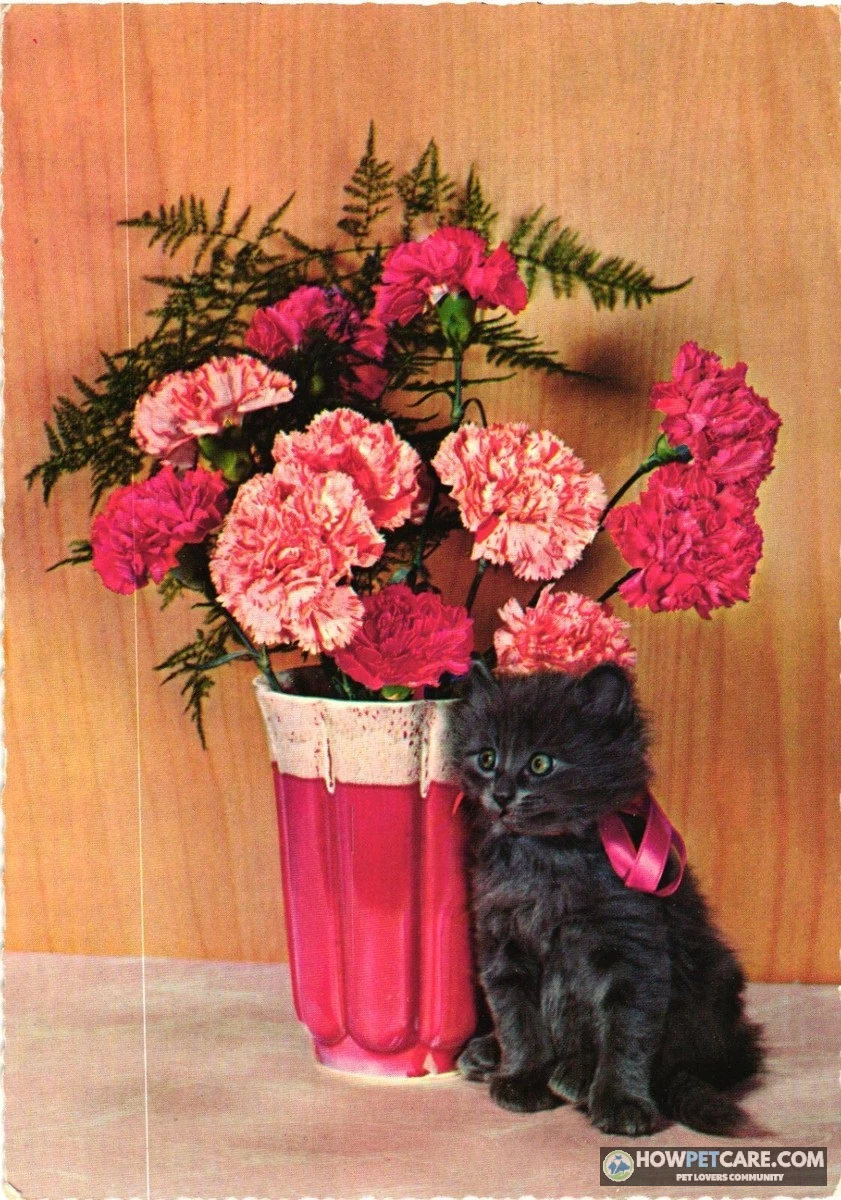

Yes, carnations (Dianthus caryophyllus) are mildly toxic to cats, but they are not fatal. Ingesting carnation petals, leaves, or stems typically causes temporary gastrointestinal upset such as mild drooling, vomiting, or diarrhea. Direct contact with plant sap can also cause mild skin redness or itching, but carnations do not cause organ failure.
Are carnations toxic to cats? Carnations are mildly toxic to cats, but they are not fatal. If your cat just bit a carnation petal or chewed a stem, take a breath: this flower does not cause acute, irreversible kidney failure or sudden death as true lilies do. Carnations generally cause self-limiting gastrointestinal upset or localized skin irritation instead.
Although carnation ingestion is rarely a dire medical emergency, you still need to take specific steps. Check that the bouquet does not contain far more dangerous plants, estimate how much your pet ingested, clean any irritating sap from their coat, and watch for the precise red-flag symptoms that require veterinary attention.
Are Carnations Toxic to Cats, and Can They Be Fatal?
Yes, carnations (Dianthus caryophyllus) are formally classified as toxic to cats, dogs, and horses. Veterinary toxicology references may also list carnations under common names such as Pinks, Wild Carnation, and Sweet William. All belong to the Caryophyllaceae family.
However, the word "toxic" covers a broad spectrum. At the catastrophic end are true lilies, where a dusting of pollen can end a cat’s life within 72 hours. At the milder end are plants such as carnations. The carnation toxicity cats experience is typically categorized as mild. In an otherwise healthy adult feline, chewing a carnation petal or leaf usually causes temporary gastrointestinal upset or mild contact dermatitis rather than permanent organ damage.
Fatalities caused directly by the chemical constituents of Dianthus caryophyllus are extraordinarily rare in feline medicine. Severe complications almost always arise from secondary factors, such as severe dehydration in an already fragile kitten, a flare of existing chronic kidney disease triggered by fluid loss, or airway obstruction after swallowing large, fibrous stem sections.
The Short Answer for a Cat That Just Chewed a Carnation
If your cat ate carnation petal tissue or took a quick nibble of a leaf, don’t panic. The exposure is overwhelmingly likely to cause nothing more than mild drooling, a single episode of vomiting, or soft stool over the next several hours.
Focus on simple triage: prevent further access, assess your cat’s usual alertness, check the mouth for clinging plant matter, and monitor hydration. You don’t need to speed recklessly to an emergency hospital after a single petal nibble, provided your cat is acting normally and breathing comfortably.
Why a Mixed Bouquet May Be Riskier Than the Carnation Itself
Florists rarely send carnations on their own. They routinely pair them with greenery, filler, and focal flowers. If a cat ate carnation stems or petals, the greatest hidden danger may be another, deadlier plant in the arrangement.
True lilies (Lilium species such as Stargazer, Asiatic, and Easter lilies) and daylilies (Hemerocallis species) are completely incompatible with cats. Ingesting less than a single petal, licking water from the vase, or grooming a few grains of lily pollen from the fur causes rapid, fatal acute kidney failure. Florists may also mix carnations with eucalyptus, baby’s breath, or tulips, each of which has a different toxicological profile.
Before deciding that your cat encountered only mild carnation sap, inspect every single stem in the vase.

60-Second Carnation Exposure Triage Checklist
Run through these five physical checks immediately to decide whether your cat needs emergency transport or calm at-home monitoring:
- ☐ 1. Airway & Respiration: Is your cat breathing normally (20–30 breaths per minute at rest) without open-mouth panting, wheezing, or neck stretching?
If breathing is labored: Go directly to an emergency vet clinic now (respiratory distress indicates an acute allergic crisis or ingestion of a different, highly toxic plant). - ☐ 2. Bouquet Composition Check: Was the carnation part of a mixed arrangement containing true lilies (Lilium or Hemerocallis species), baby’s breath, or tulips?
If true lilies are present: Treat as a life-threatening emergency even if no symptoms have started. - ☐ 3. Oral Mucosa Inspection: Check the gums and lips. Are gums a healthy salmon pink (not pale, gray, blue, or bright brick red)?
Pale or blue gums indicate shock or hypoxia and require emergency care. - ☐ 4. Mental Alertness & Balance: Does your cat respond to their name, walk in a straight line, and track movement without wobbling, tremors, or collapse?
Loss of motor control is not a standard carnation reaction and warrants urgent professional evaluation. - ☐ 5. Active Gastrointestinal Signs: Is your cat actively vomiting repeatedly (more than once) or exhibiting intense, continuous drooling?
A single regurgitation of plant fiber can be observed at home; repeated retching or inability to hold water down requires same-day veterinary guidance.

Symptoms of Carnation Poisoning in Cats and When They Appear
Knowing the symptoms of carnation poisoning in cats helps you distinguish an expected, mild reaction from an escalating clinical problem. Signs generally fall into two groups: digestive problems caused by eating the plant and skin irritation caused by contact with its sap.
Signs After Eating Petals, Leaves, or Stems
When a cat chews or swallows carnation tissue, the plant’s irritating compounds act directly on the mucous membranes of the mouth, esophagus, and stomach lining. You may notice:
- Hypersalivation (Drooling): Clear drool or frothy saliva around the lips, often accompanied by frequent lip-licking or swallowing.
- Oral Discomfort: Pawing at the mouth or shaking the head as the oral tissues react to irritating sap.
- Vomiting: Cat vomiting after eating carnation leaves or petals usually occurs when the stomach expels the fibrous, irritating material. Intact pieces of colorful petals or green leaves are often visible in the vomit.
- Diarrhea: Loose or watery stools may appear several hours later as the plant material moves through the lower intestinal tract.
- Anorexia and Mild Lethargy: A temporary loss of appetite or reluctance to play, typically resolving within a day once the stomach settles.

Skin Symptoms After Rubbing Against Carnation Sap
Carnations can cause contact dermatitis in felines. A skin reaction may develop if your cat brushed against broken stems, rubbed their muzzle into an arrangement, or groomed sap from their forepaws:
- Erythema (Redness): Patchy, inflamed pink or red skin visible around the lips, chin, ears, or paw pads.
- Pruritus (Itching): Vigorous scratching, face-rubbing against carpets or furniture, or persistent licking of the paws.
- Secondary Irritation: Swollen lips or small bumps if the cat has intensely groomed an area coated in Dianthus sap.

Simply smelling an intact, unbroken carnation flower does not cause contact dermatitis, systemic poisoning, or respiratory distress. The irritants remain within the plant tissue and sap; they are not volatile airborne toxins.
Typical Onset and Recovery Timeline
Clinical signs of carnation ingestion usually appear quickly, often within 30 minutes to two hours after ingestion. Mechanical and chemical irritation of the oral mucosa and stomach lining causes the early drooling and vomiting.
In the vast majority of mild cases, symptoms peak early and begin resolving on their own over the following 12 to 24 hours as the irritating plant material clears the body. Recovery times aren’t guaranteed, however. If a cat swallowed a substantial amount of stems, has a sensitive stomach, or lives with pre-existing health problems, gastrointestinal inflammation may last longer and require supportive veterinary care.

Signs like labored breathing, tremors, stumbling, blue or pale gums, or blood in the vomit are not typical carnation reactions. If you observe these severe signs, assume your cat encountered a far more dangerous toxin or is experiencing an acute systemic crisis, and seek emergency care immediately.
Petals, Leaves, Stems, Sap, and Vase Water: Which Pose the Most Risk?
Pet owners often ask whether certain parts of Dianthus caryophyllus are safe. To protect your pet, treat the entire carnation as potentially irritating. No part of the plant is considered safe for a cat to eat.
Even so, the amount of physical and chemical irritation varies among the plant’s structures and the arrangement itself.
Relative Risk by Plant Part
- Petals: Petals contain less fibrous tissue and sap than the rest of the flower. Swallowing a single petal whole typically causes minimal or no clinical signs, although a cat that eats several blooms may develop stomach upset.
- Leaves: Narrow, grass-like carnation leaves may tempt cats because they resemble outdoor blades of grass. They contain more sap and tough plant fibers, which frequently cause retching and vomiting.
- Stems: Stems have the highest density of vascular tissue and structural cellulose. Chewing woody stems releases significant sap and can cause immediate drooling. Swallowed stem segments also present a mechanical choking or intestinal irritation hazard.
- Bulbs and Roots: Cut floral bouquets don’t include roots, but potted Dianthus garden plants do. Roots and underground tissues contain dense botanical chemicals and introduce added risks from potting soils, fertilizers, and systemic insecticides.
| Plant part or exposure | Likely hazard | Possible signs | Recommended response |
|---|---|---|---|
| Petals | Low chemical irritant concentration | Mild drooling, single vomit episode, or no signs | Remove plant, check mouth, wipe paws, monitor at home |
| Leaves | Moderate irritant concentration; fibrous cellulose | Lip licking, repeated retching, vomiting, mild diarrhea | Clear mouth, offer small amounts of water, monitor for 24 hours |
| Stems | High sap concentration; fibrous choking risk | Profuse hypersalivation, pawing at mouth, vomiting | Wipe sap from face/paws, monitor closely for persistent retching |
| Cut-Stem Sap | Concentrated dermal and mucosal irritant | Contact dermatitis, pruritus, erythema, chin swelling | Wash skin and coat with mild soap and lukewarm water |
| Vase Water | Bacterial pathogens, chemical preservatives, mixed floral toxins | Acute bacterial gastroenteritis, systemic toxicity (if lilies present) | Prevent drinking, discard stagnant water, seek vet guidance if lilies shared vase |
| Potted Roots/Soil | Concentrated plant compounds, fertilizers, perlite | Severe vomiting, diarrhea, abdominal pain | Identify soil additives, contact poison control or clinic |
Does Carnation Vase Water Pose a Poisoning or Bacterial Risk?
Yes. Carnations and cats safety extends to the vase itself. Stagnant floral water acts as a reservoir for organic hazards. While cut stems remain submerged, their exposed vascular ends release plant sap, chlorophyll, and chemical components into the water.
Commercial cut-flower packets dissolved in vase water often contain citric acid, sucrose, and biocides intended to suppress fungal growth. Small licks of preservative water rarely cause fatal poisoning, but they can cause acute stomach upset. More concerningly, within 48 hours, room-temperature floral water develops massive colonies of opportunistic bacteria. A cat that drinks this stagnant water may develop acute bacterial gastroenteritis unrelated to the plant’s natural toxicity.
Most importantly, if carnations share a vase with true lilies, the water becomes saturated with lethal, water-soluble lily nephrotoxins. A few laps can cause fatal feline renal failure.

Can Smelling or Touching Carnations Harm a Cat?
The scent of an intact carnation won’t poison your cat. Carnation pollen does not contain systemic toxins or cause acute organ failure. Physical contact with crushed petals, leaves, or broken stems, however, can transfer sap directly to the fur. Because cats groom themselves so thoroughly, they are likely to lick the sap from their coats, turning an external exposure into secondary ingestion.
How Much Carnation Must a Cat Eat to Develop Clinical Signs?
Veterinary toxicology has no validated, established minimum toxic dose for carnations in felines. Veterinary poison centers such as the ASPCA Animal Poison Control Center (APCC) don’t list a specific number of milligrams per kilogram that guarantees toxicity. A cat’s reaction depends on individual sensitivity, plant maturity, and whether the animal chewed the plant thoroughly or swallowed it whole.
A Small Nibble Versus Repeated Chewing
A single bite or swallowed petal fragment rarely causes systemic distress. Many cats that take a curious nibble show no symptoms. Others develop no more than a brief fleck of white foam around the mouth from the bitter taste, then behave normally.
Repeated chewing or ingestion of multiple whole leaves and stems is different. Thorough mastication crushes plant cells, releasing the greatest amount of sap onto the tongue, gums, and throat. Multiple leaves also introduce fibrous matter that a feline digestive tract can’t break down, sharply increasing the likelihood of active vomiting, abdominal cramping, and profuse diarrhea.
Why There Is No Proven Safe Number of Petals
You can’t calculate a mathematically "safe" allowance of carnations. No number of petals is officially safe for feline consumption. Even within the same variety of Dianthus caryophyllus, the concentration of irritant compounds changes with soil conditions, seasonal light, and plant maturity.
Individual reactions also vary. An otherwise healthy cat with a sensitive gastrointestinal tract or an allergic sensitivity to Dianthus sap may develop marked vomiting from half a petal, while another cat may show no symptoms after eating an entire flower head.

Factors That Lower the Threshold for Veterinary Advice
Certain physiological and environmental factors can turn an exposure suited to routine home observation into one that requires professional guidance:
- Age: Kittens have smaller body masses, immature immune systems, and minimal fluid reserves; persistent diarrhea can quickly cause life-threatening dehydration.
- Senior Cats and Chronic Conditions: Cats diagnosed with chronic kidney disease, inflammatory bowel disease (IBD), or diabetes tolerate fluid loss poorly. A single bout of vomiting can disrupt their metabolic balance.
- Pesticide Residues: Commercial florist blooms imported internationally often carry topical fungicides, insecticides, or leaf-shining chemicals. These introduce chemical risks unrelated to the flower itself.
- Mini Carnations: Are mini carnations toxic to cats? Yes. Mini carnations belong to the same Dianthus genus and contain the same irritants. Their smaller size may make it easier for a cat to consume a larger quantity, so miniature varieties still need to stay out of reach.

What to Do Right Now If Your Cat Ate a Carnation
If you catch your cat interacting with or chewing a carnation, begin this organized first-aid protocol immediately.
The First 10 Minutes
- Separate and Secure: Calmly move your cat away from the flowers. Don’t chase or shout, as stress raises the heart rate and may prompt panic-swallowing. Place your cat in a quiet, closed room while you deal with the arrangement.
- Confiscate the Source: Move the entire bouquet, fallen leaves, and vase water into a closed room or cabinet that pets can’t access.
- Identify the Bouquet Elements: Photograph the arrangement clearly from several angles. Keep any florist cards or plant tags. Check for true lilies, baby’s breath, eucalyptus, or other hazardous plants.
- Oral and Dermal Inspection: Look inside your cat’s mouth. If visible plant pieces remain stuck to the tongue, teeth, or palate, gently sweep them out with a damp cloth, provided you can do so without risking a bite. Wipe any sap from the paws or face with a damp washcloth to prevent grooming.
Never attempt to make your cat throw up by administering hydrogen peroxide, salt, or home emetics. In felines, hydrogen peroxide causes severe hemorrhagic gastritis, esophageal ulceration, and potentially fatal aspiration pneumonia. Emetics in cats must only be administered by a licensed veterinary professional using feline-specific prescription medications.
Step-by-Step Carnation First-Aid and Decontamination Protocol
-
Clear the Oral Cavity
Wrap your cat gently in a towel to secure their claws. Dampen a soft, clean washcloth or gauze square with room-temperature water. Gently wipe the inner cheeks, gums, and roof of the mouth to lift away fibrous fragments and irritant sap. Never squirt liquids down a cat’s throat.
-
Decontaminate Skin and Coat
Inspect the paws, muzzle, and chin for sticky sap or crushed petals. Wash the affected skin and fur using lukewarm water and a small dab of cat-safe shampoo or mild unscented dish soap. Rinse thoroughly with a wet cloth and pat dry so your cat does not ingest sap while grooming.
-
Provide Controlled Hydration
Offer one to two tablespoons of fresh, room-temperature water in a shallow dish. If your cat drinks normally and holds it down for 30 minutes, provide regular access to fresh water. Do not withhold water unless active vomiting occurs repeatedly after drinking.
-
Log Vital Parameters for 24 Hours
Record the exact time of exposure and the estimated plant portion missing. Check on your cat every two hours for the first eight hours, then at 12 and 24 hours. Track stool consistency, appetite, and any vomiting.
Safe At-Home Monitoring for the Next 24 Hours
Once decontamination is complete and your cat is resting, begin structured monitoring. If your cat isn’t actively retching, offer a small, usual portion of regular food after an hour. Don’t fast a cat for a prolonged period, as fasting creates additional metabolic stress.
Keep a simple log on your phone that records:
- Exact times of any vomiting or retching episodes.
- Description of vomitus (undigested food, white foam, clear bile, plant fiber).
- Stool quality during litter box visits.
- Water intake volume and frequency of urination.

A single vomit containing plant material, followed by normal playing, resting, and eating, indicates that the episode is resolving safely.
Home Treatments Never to Give a Cat
Well-meaning pet owners can make a mild plant poisoning worse by using human remedies or following internet myths. Keep these substances away from your pet:
- Hydrogen Peroxide: Strictly contraindicated in cats; it damages mucosal linings and causes severe stomach bleeding.
- Milk or Dairy: Cats are naturally lactose intolerant. Milk can worsen gastrointestinal distress by causing severe osmotic diarrhea and cramping.
- Human Anti-Nausea or Pain Medications: Over-the-counter human medications such as Pepto-Bismol (which contains bismuth subsalicylate, closely related to aspirin) or ibuprofen are deadly to cats.
- Activated Charcoal Paste: Giving over-the-counter charcoal slurries at home carries an immense risk of pulmonary aspiration, which can be fatal. Veterinary staff must administer charcoal through a nasogastric tube or by controlled dosing.

When Carnation Exposure Requires an Emergency Vet
The carnation toxicity cats experience is usually mild, but there is a clear point at which conservative home observation must stop and professional medical care must begin.
Emergency Red Flags
Take your cat immediately to the nearest veterinary emergency clinic if you see any of these critical signs:
- Respiratory Distress: Open-mouth breathing, panting, raspy wheezing, or exaggerated abdominal heave.
- Neurological Dysfunction: Muscle tremors, uncoordinated gait (ataxia), stumbling, glazed eyes, or seizures.
- Signs of Shock: White, pale, or bluish gums; sudden hypothermia (cold paws and ears); or profound collapse.
- Severe Gastrointestinal Bleeding: Hematemesis (vomiting fresh red blood or dark "coffee-ground" material) or melena (black, tarry stools).
- Suspected True Lily Exposure: If you find a single bite mark on a lily petal or leaf from the same bouquet, don’t wait for symptoms. Immediate hospitalization within hours is vital to prevent fatal kidney shutdown.

When to Call Today but Not Panic
In less dramatic cases, same-day veterinary guidance may be necessary without a panicked drive to an emergency hospital:
- Your cat has vomited more than twice in an eight-hour window.
- Diarrhea is profuse, watery, or uncontrollable.
- Your cat refuses all food and water for more than 12 hours.
- The cat is noticeably lethargic, hides under furniture, and won’t interact.
- Your cat has pre-existing kidney disease, diabetes, or is under six months old.
| Risk level | Exposure or symptoms | Action | Monitoring timeframe |
|---|---|---|---|
| Low (Green) | Ingestion of 1–2 petals; cat alert, pink gums, normal breathing; no or single vomit | Execute home decontamination; wash sap; offer fresh water | Monitor closely at home for 24 hours |
| Moderate (Yellow) | Chewed multiple leaves/stems; persistent drooling; 2+ vomit episodes; lethargy | Contact regular vet clinic; offer hydration cautiously; prepare to bring plant sample | Call vet within 2–4 hours if signs persist |
| High (Red) | Exposure to mixed lilies; open-mouth panting; tremors; blood in vomit; collapse | Immediate emergency transport to nearest veterinary hospital | Go immediately; do not wait for symptoms |
What Veterinary Treatment May Involve
When you bring a cat to a veterinary hospital after plant ingestion, treatment is primarily supportive and based on the symptoms:
- Clinical Examination: The veterinarian will inspect the oral cavity for deep mucosal burns or lodged fibers, listen to heart and lung sounds, palpate the abdomen for pain, and assess hydration.
- Systemic Antiemetics: Injectable medications, such as maropitant citrate, quickly stop nausea and vomiting, protecting the esophagus from repeated acid exposure.
- Fluid Therapy: Subcutaneous or intravenous fluids restore hydration, support blood pressure, and help the kidneys clear metabolites.
- Gastroprotectants: Medications such as sucralfate or H2-blockers may be prescribed to coat and soothe ulcerated stomach linings.
- Diagnostic Blood Panels: If the bouquet’s contents are uncertain, blood work can measure blood urea nitrogen (BUN), creatinine, and electrolyte balances to confirm that kidney function remains uncompromised.
Veterinary costs vary widely across the United States by region, facility type (general practice vs. 24-hour specialty emergency hospital), and the care required. A straightforward outpatient visit for an examination and anti-nausea injection will cost far less than emergency hospitalization with continuous intravenous fluids and full diagnostic blood panels. Ask your provider for an itemized estimate based on your cat’s clinical presentation.
Printable Cat-Safe Bouquet Card & Emergency Hotline Reference
Save this reference card on your phone or print it for your refrigerator so you can respond to floral emergencies and shop for feline-friendly cut arrangements:
====================================================================
             CAT-SAFE FLORAL & EMERGENCY ACTION CARD
====================================================================

EMERGENCY TOXICOLOGY CONTACTS (Available 24/7/365):
• ASPCA Animal Poison Control Center (APCC): (888) 426-4435
  (A consultation fee may apply)
• Pet Poison Helpline: (855) 764-7661
  (A consultation fee may apply)
• Roseville Veterinary Specialty Hospital: (916) 783-4655
• Local Emergency Vet Clinic Name: __________________________
• Local Emergency Vet Phone:       __________________________

--------------------------------------------------------------------
FLORAL INGESTION TRIAGE THRESHOLDS:
• RED LIGHT (Transport Immediately):
  - Any exposure to True Lilies (Stargazer, Easter, Asiatic, Tiger)
  - Collapse, seizures, panting, unresponsiveness, blood in vomit
• YELLOW LIGHT (Call Vet Clinic within 2 Hours):
  - Carnation ingestion with >2 vomiting episodes or refusing water >8 hrs
  - Lethargy lasting past 4–6 hours; swollen muzzle or hives
• GREEN LIGHT (Decontaminate & Home Monitor for 24 Hours):
  - Single nibble of carnation petal/leaf; cat active, alert, pink gums

--------------------------------------------------------------------
100% CAT-SAFE BOUQUET ALTERNATIVES (Non-Toxic to Dianthus):
  Instead of Carnations/Lilies, ask your florist for:
  ✓ Lisianthus (Eustoma grandiflorum) — Look similar to ruffled carnations
  ✓ Freesia (Freesia alba / refracta)
  ✓ Phalaenopsis Orchids (Orchidaceae family)
  ✓ Waxflowers (Chamelaucium uncinatum)
  ✓ Statice (Limonium sinuatum)
  ✓ Roses (Rosa spp.) — Request thorns removed to avoid skin punctures
====================================================================
Why Carnations Irritate Cats: Saponins, Sap, and Scientific Uncertainty
The biological mechanism behind carnation toxicity helps explain why cats react as they do.
What Veterinary Poison References Actually Say
The ASPCA Animal Poison Control Center and major veterinary toxicology databases identify the active toxic principle in Dianthus caryophyllus as an "unknown irritant". Despite the widespread use of carnations in commercial floristry, researchers have not isolated a single alkaloid or toxic molecule as the sole cause.
Because the precise toxic principle remains unidentified, carnation poisoning has no specific chemical antidote. Veterinary protocols instead focus on ending the exposure, decontaminating the animal, and providing supportive care while the body processes and clears the irritants naturally.
The Proposed Role of Triterpenoid Saponins
Although official databases classify the agent as unknown, botanical and toxicological research points to triterpenoid saponins as the primary suspect. Plants in the Caryophyllaceae family produce saponins—naturally occurring glycosides with soap-like, foaming properties when agitated in water.
Saponins serve as plant defenses against fungi, insects, and herbivores. When a cat chews the plant:
- Saponins interact directly with the lipid bilayers of cellular membranes.
- That interaction changes cell membrane permeability, causing local irritation and mild inflammation along the mucous membranes of the mouth, esophagus, and stomach walls.
- In the intestines, this mild mucosal disruption changes osmotic balances, producing loose stools or temporary diarrhea.
- On broken skin, the same membrane-disrupting properties cause local erythema (redness) and pruritus (itching).
This proposed mechanism helps explain why carnation toxicity is usually localized and mild. Unlike plant toxins that disrupt cellular respiration, calcium channels, or organ tissue regeneration, sap-borne saponins primarily act as superficial mucosal irritants.
Why No Carnation-Specific Antidote Exists
Veterinary antidotes address specific mechanisms—antivenoms, for example, target specific neurotoxic proteins, while compounds such as fomepizole compete for alcohol dehydrogenase during ethylene glycol poisoning.
The clinical effects of Dianthus exposure come from superficial tissue irritation caused by a mixture of plant sap components and saponins. A dedicated antidote is therefore neither scientifically practical nor clinically necessary. Standard supportive care—washing the skin, providing gastroprotectants, and controlling nausea—manages the clinical effects without a compound-specific reversal agent.

Carnations vs. Lilies, Tulips, Roses, and Other Bouquet Flowers
To keep floral arrangements safely in a home with pets, you need to understand where carnations fall on the wider spectrum of common cut flowers. Floral hazards are not all equal, especially when choosing plants safe for cats versus ornamental stems that demand caution.
Bouquet Floral Risk Spectrum: Carnations vs. Common Cut Flowers
| Flower Species | Toxicity Classification | Primary Irritant / Mechanism | Typical Clinical Signs in Cats | Urgency Level |
|---|---|---|---|---|
| Carnation (Dianthus caryophyllus) | Mild toxicant | Triterpenoid saponins & sap irritants | Transient drooling, pawing at mouth, 1–2 bouts of vomiting, mild diarrhea, localized contact redness | Low–Moderate: Rinse mouth/skin; monitor at home; call vet if signs exceed 12 hours. |
| True Lily / Daylily (Lilium & Hemerocallis spp.) | Fatal / Extreme Medical Emergency | Unknown water-soluble nephrotoxin | Lethargy, vomiting within 2 hours, acute polyuria followed by anuria, fatal acute kidney failure within 36–72 hours | Immediate Emergency: Rush to clinic within 1–2 hours. Delay past 18 hours is often fatal. |
| Tulip & Hyacinth (Tulipa & Hyacinthus spp.) | Moderate–High (bulb); Mild–Moderate (stems/petals) | Tulipalin A & B / allergenic lactones | Intense hypersalivation, profuse diarrhea, vomiting, tachycardia, abdominal pain | Moderate–High: Contact vet promptly if leaf/flower chewed; emergency visit if bulb eaten. |
| Baby’s Breath (Gypsophila elegans) | Mild toxicant | Gyposenin saponins | Mild gastrointestinal irritation, vomiting, loose stool, temporary lethargy | Low–Moderate: Remove stems; monitor hydration; supportive care if vomiting repeats. |
| Florist Rose (Rosa species) | Non-toxic (Chemical); Mechanical hazard (Thorns) | None (non-toxic plant tissue); Physical trauma from thorns | Lip lacerations, paw punctures, minor foreign-body retching if woody thorns are swallowed | Low (Chemical) / Variable (Trauma): Clean minor thorn scratches; seek care only if stems lodge in throat. |

Common Bouquet Flowers Compared for Cat Safety
As the table shows, flowers fall into distinct risk categories:
- The Fatal Category (True Lilies): These should never enter a home with cats. Even untouched lilies shed pollen onto a cat’s fur, where it may later be swallowed during routine grooming.
- The Moderate Risk Category (Tulips, Hyacinths): These plants contain allergenic lactones. Because tulips are toxic to cats, their blooms cause noticeable vomiting and drooling, while the bulbs hold concentrated toxins that can cause severe heart rate irregularities and extreme abdominal pain.
- The Mild Irritant Category (Carnations, Baby’s Breath): Plants such as Dianthus caryophyllus and Gypsophila elegans cause self-limiting, localized stomach upset and mucosal irritation that rarely require intensive care.
- The Chemically Non-Toxic Category (Roses, Freesias, Orchids): Pure florist roses have no chemical toxicity—pet owners wondering are roses toxic to cats will find that while their petals are harmless, their sharp thorns can still cut feline gums, corneas, and paw pads, so florists should remove the thorns before display.
The Five-Point Carnation Exposure Decision Checklist
Whenever cut flowers enter your home, use this practical decision framework:
- Scan Every Stem: Identify each flower and sprig of greenery before displaying the vase. If you find a true lily, dispose of it immediately.
- Deny Access: Keep arrangements in rooms that can be completely closed off. Cats can jump onto elevated mantels, dining tables, and floating shelves.
- Isolate and Decontaminate on Contact: If your cat bites a carnation, follow the first-aid steps: remove plant matter from the mouth, wipe sap from the coat, and clean the paws.
- Refuse Dangerous DIY Treatments: Never induce vomiting with hydrogen peroxide or give your pet human gastrointestinal remedies.
- Escalate Based on Real Thresholds: Manage mild symptoms calmly at home. Call your veterinarian if vomiting repeats, diarrhea persists, or signs don’t resolve within 24 hours.
How to Prevent Repeat Exposure
Cats chew houseplants and cut arrangements because of sensory curiosity, boredom, or an instinctive drive to consume roughage. These measures can help prevent another carnation exposure:
- Request Feline-Safe Arrangements: When friends or family order flowers for your home, ask for certified cat safe flowers. Alternatives with a ruffled appearance similar to carnations include Lisianthus (Eustoma grandiflorum), Phalaenopsis orchids (learning why orchids are safe for cats can give pet owners real peace of mind), snapdragons, and freesia.
- Grow Cat Grass: Offer safe, dedicated feline roughage. Trays of organic wheatgrass, oat grass, or barley grass can satisfy your cat’s urge to chew fibrous greens and draw attention away from decorative flowers.
- Deterrent Displays: If you display cut flowers, choose heavy, broad-bottomed vases that can’t be tipped over. Place them on surfaces lined with double-sided sticky tape or aluminum foil, which cats naturally dislike stepping on.

| Flower Species | Toxicity Classification | Primary Irritant / Mechanism | Typical Clinical Signs in Cats | Urgency Level |
|---|---|---|---|---|
| True Lily / Daylily (Lilium & Hemerocallis spp.) | Fatal / Extreme Medical Emergency | Unknown water-soluble nephrotoxin | Lethargy, vomiting within 2 hours, acute polyuria followed by anuria, fatal acute kidney failure within 36–72 hours | Immediate Emergency: Rush to clinic within 1–2 hours. Delay past 18 hours is often fatal. |
| Tulip & Hyacinth (Tulipa & Hyacinthus spp.) | Moderate–High (bulb); Mild–Moderate (stems/petals) | Tulipalin A & B / allergenic lactones | Intense hypersalivation, profuse diarrhea, vomiting, tachycardia, abdominal pain | Moderate–High: Contact vet promptly if leaf/flower chewed; emergency visit if bulb eaten. |
| Carnation (Dianthus caryophyllus) | Mild toxicant | Triterpenoid saponins & sap irritants | Transient drooling, pawing at mouth, 1–2 bouts of vomiting, mild diarrhea, localized contact redness | Low–Moderate: Rinse mouth/skin; monitor at home; call vet if signs exceed 12 hours. |
| Baby's Breath (Gypsophila elegans) | Mild toxicant | Gyposenin saponins | Mild gastrointestinal irritation, vomiting, loose stool, temporary lethargy | Low–Moderate: Remove stems; monitor hydration; supportive care if vomiting repeats. |
| Florist Rose (Rosa species) | Non-toxic (Chemical); Mechanical hazard (Thorns) | None (non-toxic plant tissue); Physical trauma from thorns | Lip lacerations, paw punctures, minor foreign-body retching if woody thorns are swallowed | Low (Chemical) / Variable (Trauma): Clean minor thorn scratches; seek care only if stems lodge in throat. |
FAQ
Are mini carnations toxic to cats?
Yes. Mini carnations belong to the Dianthus group and should be treated as mildly toxic to cats just like standard carnations; their smaller flower size does not make them safe to eat.
Are carnations toxic to cats and dogs?
Carnations are classified as mildly toxic to both cats and dogs. In either species, ingestion most often causes temporary vomiting, diarrhea, drooling, or reduced appetite, while sap contact may irritate the skin.
Are dried carnations safe for cats?
Dried carnations should still be kept away from cats because drying does not establish that the irritating compounds are gone. Dried stems can also splinter, and preserved flowers may contain dyes or chemical treatments.
What flowers can replace carnations in a cat-friendly arrangement?
Common options considered non-toxic to cats include roses with the thorns removed, orchids, sunflowers, snapdragons, and gerbera daisies. Confirm the exact species and avoid pesticides, toxic greenery, and mixed bouquets containing unidentified flowers.