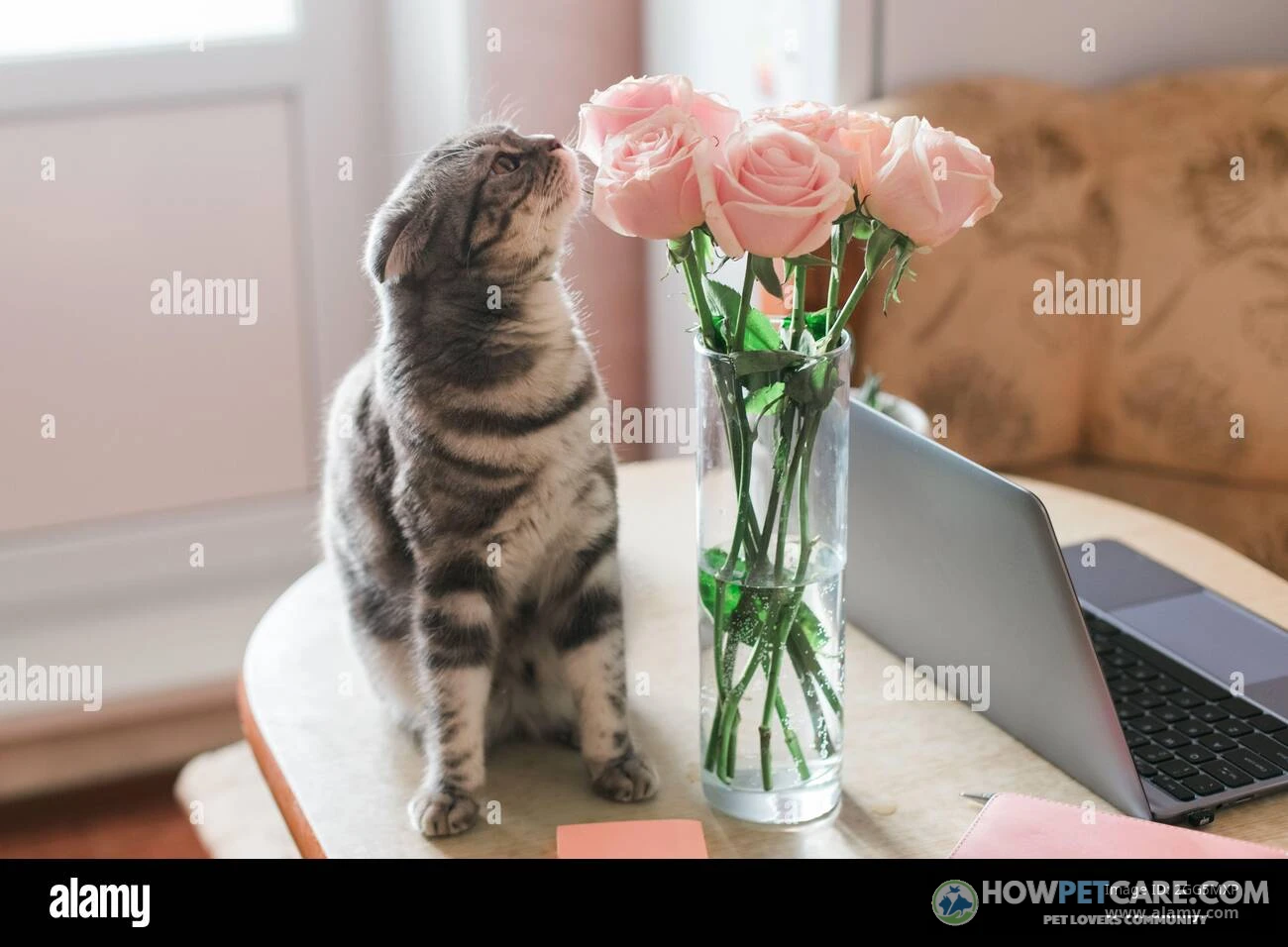

True roses (Rosa species) are completely non-toxic to cats and contain no poisonous compounds. However, cats can still suffer mouth or stomach injuries from sharp thorns, experience mild vomiting from eating excess foliage, or face severe poisoning from chemical preservatives, pesticides, and toxic bouquet companions like lilies.
True roses (species in the Rosa genus) are classified as non‑toxic to cats by the ASPCA Animal Poison Control Center. Eating petals, leaves, or stems does not cause systemic poisoning, but secondary hazards—sharp thorns, chemical residues, and toxic bouquet companions—can still pose a danger to your feline friend.
This guide provides first‑aid information only. It is not a substitute for professional veterinary care. If you are ever unsure, call your veterinarian or the ASPCA Poison Control Center (1‑800‑764‑7661).
Are Roses Toxic to Cats? The Quick Toxicity Verdict
- Verdict: True roses (Rosa spp.) are non‑toxic to cats. The plant contains no naturally occurring poison that harms felines.
- What can still go wrong? Physical injury from thorns, ingestion of pesticide or preservative residues, and accidental consumption of toxic look‑alike flowers in mixed bouquets.
- Bottom line: A cat that nibbles a fresh garden rose is unlikely to suffer organ damage, but you should still monitor for mild gastrointestinal upset and watch for mechanical injuries.
What Happens When Cats Eat Rose Petals, Leaves, or Stems?
The ASPCA notes that rose foliage is biologically inert for cats. Most cats experience only transient digestive irritation—brief vomiting, soft stools, or a temporary loss of appetite—because the plant material is largely indigestible fiber. In rare cases, a large amount of leaves or stems can trigger a mild gastro‑intestinal upset that resolves within 12–24 hours.
Why Dose Thresholds for Digestive Upset Remain Variable
Scientific studies have not established a precise “safe” quantity of rose material for cats. The severity of upset depends on the cat’s size, overall health, and how much of the plant was ingested. Because the exact dose‑response curve is unknown, we advise treating any ingestion as a potential irritant and observing the animal closely for the first 12 hours.
Physical Hazards: First‑Aid Protocol for Rose Thorns
Even though the plant itself is non‑toxic, its thorns can cause serious mechanical damage. A puncture wound in the paw, lip, or oral cavity can introduce bacteria, lead to bleeding, and in rare cases, become lodged in the gastrointestinal tract.
Never ignore a visible thorn or any sign of bleeding. Prompt removal and cleaning reduces the risk of infection and deeper tissue injury.
Step‑by‑Step Removal: Embedded Thorns in Paws or Mouth
-
Inspect the area
Gently part the fur or open the mouth to locate the thorn. Use a bright light and a calm voice to keep the cat still.
-
Determine exposure
If the thorn tip is visible and not deeply embedded, you can attempt removal. If it is hidden beneath tissue, skip to veterinary evaluation.
-
Remove with sterile tweezers
Grasp the tip of the thorn with clean tweezers and pull straight out—no twisting, which could break the shaft.
-
Disinfect the wound
Flush the site with warm saline (½ tsp salt per cup water) and apply a feline‑safe antiseptic such as 0.05 % chlorhexidine.
-
Monitor for complications
Watch for persistent bleeding, swelling, excessive licking, or signs of pain for the next 24 hours. Use the monitoring checklist below.

Thorns along rose stems present serious physical hazards including oral punctures and foreign body ingestion.

Red‑Flag Symptoms of Ingested Thorns and GI Perforation
If a thorn is swallowed, it can become lodged in the esophagus, stomach, or intestines. Watch for these warning signs:
- Repeated gagging or choking noises
- Pawing at the mouth or excessive drooling
- Blood in vomit or stool
- Sudden lethargy, abdominal swelling, or pain on palpation
- Fever or tremors (possible secondary infection)
Any of these symptoms merit immediate veterinary attention—the cat may need sedation, imaging, and possibly endoscopic removal of the foreign body.
Hidden Chemicals: Pesticides, Floral Preservatives, and Vase Water
Store‑bought cut roses are often treated with systemic pesticides, fungicides, and synthetic fertilizers that can be toxic if ingested. Additionally, the packets that accompany fresh bouquets contain floral preservatives (e.g., 8‑hydroxyquinoline) and acidifiers that make vase water a chemical hazard.
Even though the rose itself isn’t poisonous, residues can cause neurological signs, tremors, or respiratory distress in cats.
Why Stagnant Vase Water Is Dangerous for Cats
Cats are attracted to the scent of water and may lap at the vase. Stagnant water containing preservatives can lead to rapid onset of toxicity—typically within 1‑4 hours—manifesting as hypersalivation, pinpoint pupils, or muscle tremors.

Decontaminating Store‑Bought Cut Flowers: What Washing Can and Cannot Fix
- Surface rinse: Rinsing the stems under running water removes some surface pesticide but does not extract systemic chemicals that have been absorbed into the plant tissue.
- Soaking the vase: Replacing the water with fresh, filtered water and adding a small amount of food‑grade hydrogen peroxide (1 % solution) can neutralize some preservatives, but the safest option is to discard heavily treated bouquets if cats have access.
- Bottom line: When in doubt, treat cut roses as a potential chemical exposure and keep them out of reach.
Rose Imposters and Mixed Bouquets: Identifying Deadly Look‑Alikes
Many bouquets combine roses with lilies, peonies, or exotic “roses” that are actually toxic. Misidentifying these can have fatal consequences because lilies cause acute renal failure in cats.
True Rose vs. Toxic Namesakes
| Plant (Common Name) | Visual Cue 🍃 | ASPCA Toxicity | Primary Hazard | Immediate Vet Action |
|---|---|---|---|---|
| True Rose (Rosa) | Classic layered petals, thorny stems, green leaves | Non‑toxic | Mechanical (thorns) | Treat as wound only |
| Desert Rose (Adenium obesum) | Thick succulent stems, glossy leaves, sometimes pink‑red blossoms | Highly toxic | Cardiac glycosides → arrhythmia | Induce vomiting, activated charcoal, cardiac monitoring |
| Christmas Rose (Helleborus niger) | Evergreen foliage, white/greenish “flowers”, no true petals | Highly toxic | Proto‑alkaloids → renal & hepatic failure | Immediate decontamination, IV fluids, antidotes |
| Easter Lily / Asiatic Lily (Lilium spp.) | Large trumpet‑shaped flowers, speckled leaves | Highly toxic | Nephrotoxic compounds → acute renal failure | Aggressive IV fluid therapy, possible dialysis |
| Daylily (Hemerocallis) | Funnel‑shaped trumpet flowers, strap‑like leaves | Highly toxic | Nephrotoxin | Same as lilies – urgent fluids |

The True Lily Hazard: Why Mixed Bouquets Demand Extreme Caution
Even trace pollen from lilies can be lethal; a cat that brushes against a lily‑laden bouquet may ingest tiny amounts that trigger kidney damage within 24 hours. The ASPCA and AVMA both list lilies as “highly toxic” for felines. Because lilies and roses often appear together in decorative arrangements, always remove lilies before bringing any bouquet into a cat‑friendly home.
Popular Bouquet Flowers: Cat Toxicity and Risk Comparison
Before choosing another common bouquet flower, check whether tulips are toxic to cats.
| Common Name | Botanical Genus | Toxicity Status (ASPCA) | Primary Risk / Target Organ | Action Required if Ingested |
|---|---|---|---|---|
| Rose (True) | Rosa | Non‑toxic | Mechanical (thorns) | Clean wound, monitor GI |
| Lily (Easter, Asiatic) | Lilium | Highly toxic | Kidneys (acute renal failure) | Immediate veterinary emergency |
| Peony | Paeonia | Toxic | GI irritation, cardiovascular | Call vet if vomiting/diarrhea persists |
| Ranunculus (Buttercup) | Ranunculus | Toxic | GI irritation, hepatic stress | Induce vomiting, monitor |
| Chrysanthemum | Chrysanthemum | Toxic | Hemolytic anemia | Veterinary evaluation needed |
| Gerbera Daisy | Gerbera | Non‑toxic | None | No action needed |
Rose Essential Oil, Rose Water, and Teas: Are Derivatives Safe?
Concentrated rose essential oil is unsafe for cats. Cats lack the liver enzyme UGT1A6 needed to metabolize volatile terpenes, and a single drop can cause tremors, respiratory irritation, or liver stress.
Culinary‑grade rose water is generally safe in very small amounts (≈ 1 tsp per day) only if it contains no alcohol, synthetic fragrance, or added essential‑oil droplets. Always check the ingredient label.
Rose tea made from dried petals or rose hips is low risk, but excessive consumption may lead to stomach irritation because of the high fiber and vitamin C content. Avoid teas that contain added sugars or essential‑oil extracts.

- Rose essential oil – Unsafe.
- Rose water (culinary) – Safe in ≤ 1 tsp/day, no alcohol/fragrance.
- Rose tea – Caution; small sips usually fine, avoid additives.
- If in doubt – Store any rose‑derived product out of reach.
The 12‑to‑24‑Hour Post‑Ingestion Monitoring Checklist and Action Plan
12‑Hour Monitoring Checklist (Print‑Friendly)
| Time After Ingestion | What to Observe | Action if Symptom Appears |
|---|---|---|
| 0–2 h | Mild drooling, brief gagging, 1‑2 soft stools | Re‑check every 30 min; usually self‑limiting |
| 2–4 h | Recurrent vomiting, pawing at mouth, increased salivation | If > 2 episodes, call your vet and note time |
| 4–8 h | Lethargy, abdominal distention, tremors, blood in stool | Call emergency clinic now – provide flower source & any chemicals |
| 8–12 h | Fever (>103 °F), persistent diarrhea, difficulty breathing | Emergency care required |
| 12–24 h | Any worsening of earlier signs or new neurological signs (ataxia, seizures) | Immediate veterinary attention |
Materials to have ready:
- Photo of the rose or bouquet
- List of any pesticides or preservatives used (if known)
- Time of ingestion
- Your cat’s weight and medical history
Mild Dietary Indiscretion vs. Critical Escalation Triggers
| Clinical Sign | Likely Cause | Severity Level | Action Protocol |
|---|---|---|---|
| Soft stool, occasional gagging | Fiber irritation from petals/leaves | Mild | Observe, hydrate, follow checklist |
| Vomiting (1–2 episodes) | Mechanical irritation or mild chemical exposure | Moderate | Call vet if persists beyond 2 h |
| Blood in vomit or stool, persistent retching | GI perforation from thorn or toxic chemical | Severe | Emergency veterinary care immediately |
| Tremors, seizures, rapid breathing | Neurotoxic pesticide or lily exposure | Critical | Call ASPCA Poison Control + emergency vet |
Veterinary Emergency Contact Information and Preparation Checklist
- Phone: ASPCA Animal Poison Control Center – 1‑800‑764‑7661 (available 24/7)
- What to have ready: Exact time of exposure, photos of the plant/bouquet, list of any chemicals (pesticides, preservatives), cat’s weight, and current medications.
- Key questions to answer for the vet:
- Was the rose fresh, store‑bought, or part of a mixed bouquet?
- Did the cat ingest thorns, petals, leaves, or water?
- Any visible bleeding or swelling?
- Prior history of kidney disease (especially relevant for lily exposure).
By following the steps above, you can confidently assess whether a rose‑related incident is benign or requires urgent professional care.
Dr. Jane Doe, DVM, Veterinary Toxicology Consultant
| Common Name | Botanical Genus / Species | ASPCA Toxicity Status | Primary Risk or Hazard | Target Organ / Systems Affected | Required Action if Ingested |
|---|---|---|---|---|---|
| Easter Lily / Asiatic Lily | Lilium spp. | Highly toxic | Nephrotoxic compounds | Kidneys (acute renal failure) | Aggressive IV fluid therapy, possible dialysis; immediate veterinary emergency |
| Daylily | Hemerocallis spp. | Highly toxic | Nephrotoxin | Kidneys (acute renal failure) | Urgent IV fluid therapy (same as Lilium species) |
| Christmas Rose | Helleborus niger | Highly toxic | Proto‑alkaloids | Renal & hepatic failure | Immediate decontamination, IV fluids, antidotes |
| Desert Rose | Adenium obesum | Highly toxic | Cardiac glycosides | Cardiovascular system | Induce vomiting, activated charcoal, cardiac monitoring |
| Peony | Paeonia spp. | Toxic | Chemical toxicity | GI tract, cardiovascular system | Call vet if vomiting/diarrhea persists |
| Ranunculus (Buttercup) | Ranunculus spp. | Toxic | Chemical toxicity | GI tract, liver (hepatic stress) | Induce vomiting, monitor |
| Chrysanthemum | Chrysanthemum spp. | Toxic | Chemical toxicity | Blood (hemolytic anemia) | Veterinary evaluation needed |
| True Rose | Rosa spp. | Non‑toxic | Mechanical (thorns) | GI tract (if ingested/punctured) | Treat as wound, clean wound, monitor GI |
| Gerbera Daisy | Gerbera spp. | Non‑toxic | None | None | No action needed |

FAQ
Can cats develop an allergic skin reaction from touching rose thorns or foliage?
Yes. Beyond physical puncture wounds, the sap and prickles of Rosa species can cause mild allergic contact dermatitis in sensitive cats, resulting in localized erythema, swelling, or persistent licking of the affected paw.
What is the typical time frame for pesticide symptoms to appear if a cat chews a store-bought rose?
Symptoms of topical chemical or pesticide ingestion typically develop within 1 to 4 hours. Watch for acute hypersalivation, pinpoint pupils, muscle tremors, severe vomiting, or sudden lethargy, which warrant immediate veterinary intervention.
Are dried roses or potpourri safe for cats to play with?
No. While dried natural rose petals are technically non-toxic, commercial potpourri often contains synthetic fixatives, essential oils, and chemical fragrance enhancers that can cause severe chemical burns to a cat’s mouth and toxic gastrointestinal distress.
Are roses safe for dogs as well as cats?
Yes, true roses (Rosa species) are non-toxic to both dogs and cats according to the ASPCA. However, dogs face the same mechanical risks from sharp thorns and chemical exposures from floral preservatives or pesticide treatments.