

Hamsters and gerbils are different rodents, not the same animal. The main differences at a glance:
| Feature | Syrian hamster | Mongolian gerbil |
|---|---|---|
| Social needs | Lives alone | Best kept in a compatible same-sex pair |
| Activity pattern | Mostly nocturnal | Active in periods day and night |
| Typical lifespan | About 2–3 years | About 3–4 years |
| Tail | Very short | Long and furred |
| Legality | Widely allowed | Prohibited as a pet in California |
Hamster vs Gerbil: Differences at a Glance
Hamsters and gerbils are different species of rodent, not the same animal. A gerbil is not a type of hamster. They belong to different subfamilies, and their appearance, activity patterns and social needs make them distinct choices for a home.
For a practical comparison, the table focuses on one Syrian hamster and a compatible pair of Mongolian gerbils. Other hamster and gerbil species differ, so identify the species before committing.
| Feature | Syrian hamster: one animal | Mongolian gerbil: bonded pair | What it means for the owner |
|---|---|---|---|
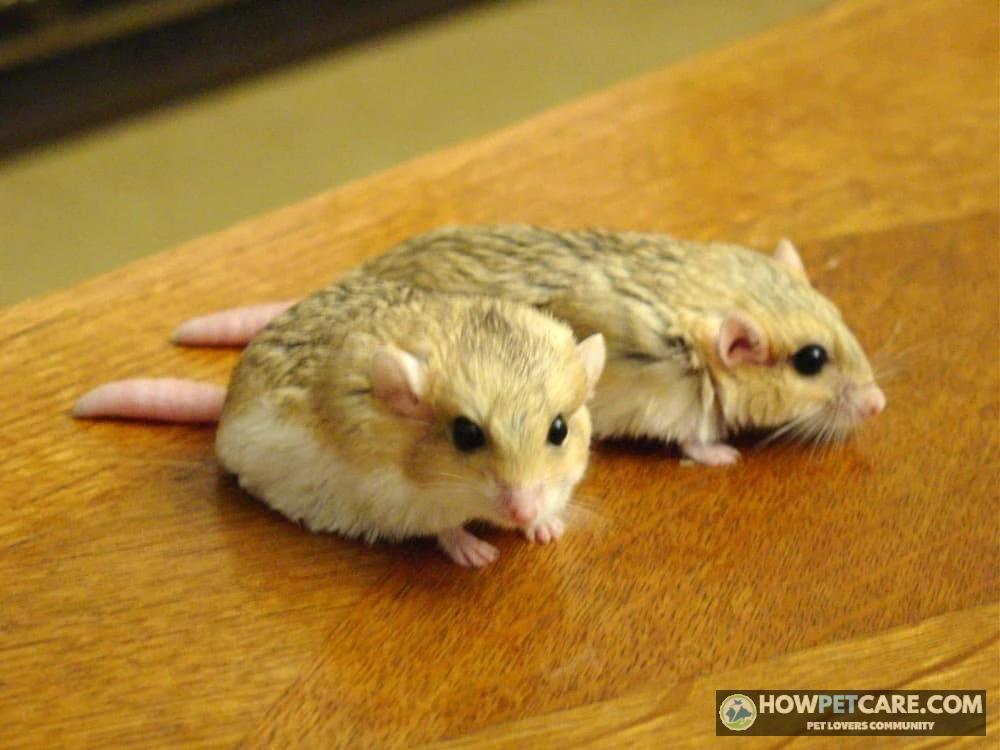
| Appearance | Stocky body, rounded face and a short tail | Slimmer body and face, with a long, furred tail | Tail length is a useful first visual clue. |
| Adult size | Commonly about 5–7 inches long and 100–200 grams | Each is roughly 4 inches in body length, plus a tail of roughly 4 inches; about 50–130 grams | These are approximate adult ranges; individuals vary. |
| Cheek pouches | Large pouches can make the face look especially full when packed with food | No comparably prominent, expandable hamster-style cheek pouches | Full cheeks are a useful hamster clue, but empty cheeks do not rule one out. |
| Activity | Mostly active at night | Active in periods during the day and night | A gerbil pair may be easier to observe during the day; neither promises a quiet night. |
| Social behavior | Adult Syrians live alone | An established, compatible same-sex pair is generally preferred | A pair needs monitoring and a plan in case the animals fight. |
| Handling and bites | Can become accustomed to gentle handling; may bite if startled | Often curious and quick; may bite if frightened | Neither is bite-proof or automatically safe for unsupervised children. |
| Typical lifespan | About 2–3 years | About 3–4 years | Care and genetics affect how long an individual lives. |
| Habitat | Spacious enclosure with deep bedding and secure ventilation | Spacious, secure enclosure with deep bedding for shared burrowing | Compare continuous floor area and usable bedding depth, not just tank capacity. |
| Diet | Complete food appropriate for hamsters | Complete food appropriate for gerbils | Check the species and life-stage guidance rather than assuming mixes are interchangeable. |
| Odor | Depends on the animal, bedding and cleaning | Often relatively mild, though the enclosure still needs care | Neither is odor-free. |
| Legal and housing checks | Check local rules and the lease | California prohibits pet gerbils; check rules elsewhere and the lease | Verify permission before acquiring either animal. |
| Illustrative monthly budget | About $41–$59, including a savings contribution | About $53–$72 for the pair, including a savings contribution | Actual expenses and veterinary bills vary; see the worked example below. |
A Syrian’s rounded shape and short tail contrast with the Mongolian gerbil’s longer tail and leaner profile. Size is less reliable on its own: a dwarf hamster is much smaller than a Syrian, and a young animal may not yet look like an adult. Gerbils also tend to live a little longer, at roughly 3–4 years compared with about 2–3 for a Syrian hamster, so the longer commitment is worth weighing.

Hamster or Gerbil for Kids: Handling, Bites and Sleep
The right choice for a child depends on what the family expects: a pet to watch, an animal to handle gently, or both. Neither species is a guaranteed cuddler. Temperament varies, and an animal’s past handling and the way people approach it matter.
Gerbils are often described as sociable and less prone to biting, but that’s a generalization, not a promise about an individual. A frightened gerbil can bite, as can a hamster that’s startled, handled roughly or woken from sleep. Rather than relying on a species-wide claim, look for an alert animal that can be approached calmly. Ask the shelter or an experienced keeper about its behavior.
A Syrian hamster’s larger body may be easier for an adult to support than a tiny, fast dwarf hamster. Gerbils are quick and agile, which can make them harder for inexperienced hands to contain. With either species, an adult should supervise, teach children not to squeeze or chase, and handle the pet close to the floor or over a secure, low surface. Adults remain responsible for feeding, cleaning and veterinary decisions.

Timing matters, too. Hamsters are generally nocturnal, while gerbils tend to have several activity periods and may be visible during the day. A gerbil won’t necessarily be awake whenever a child wants to play, and a hamster shouldn’t be routinely woken for daytime handling. Observe the individual animal when it’s naturally awake.
Both species can make noise at night. A hamster may run on its exercise wheel while the household sleeps; gerbils may dig, chew or use a wheel during nighttime active periods. If interrupted sleep is a concern, choose a suitable living area outside the child’s bedroom instead of assuming either pet will be quiet.
A gerbil’s tail can suffer a serious injury called tail slip, in which skin comes away from the underlying tissue. Support the animal’s body instead. If the tail is injured or the skin is damaged, contact a veterinarian promptly.
Living Alone or Together: Social Needs and Species Choices
Social needs are among the biggest day-to-day differences. An adult Syrian hamster needs an enclosure of its own. Keeping it alone is the right arrangement, not a reason to add a companion.
Mongolian gerbils are social, and an established, compatible same-sex pair is generally a good starting point. Where possible, choose animals already known to live peacefully together. Have an experienced professional confirm their sex: an incorrectly identified pair can produce an unwanted litter. Even established companions can fight, so keep a suitable backup enclosure and be ready to separate them promptly if serious aggression develops.
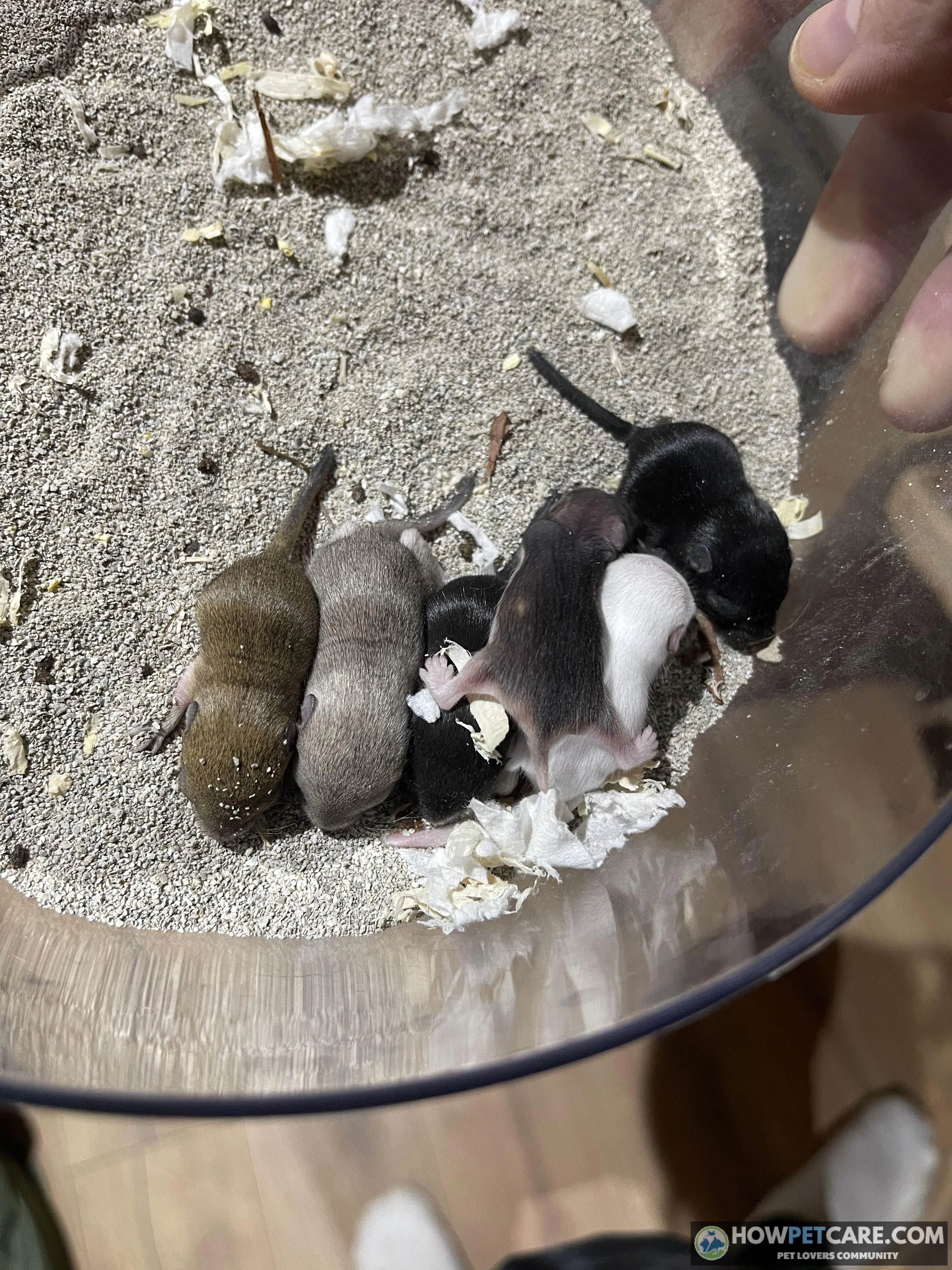
Never house a hamster and a gerbil together. Their social and habitat needs differ, and they can injure one another. They also cannot breed with each other.
If you’re considering unfamiliar gerbils, don’t put them together and hope they bond. A split-cage introduction uses a secure divider in a suitable enclosure, allowing the animals to get accustomed to one another without direct contact. With guidance from an experienced gerbil rescue, keeper or veterinarian, they may exchange sides to become familiar with each other’s scent. Monitor their behavior, and consider a supervised meeting only when appropriate. There’s no reliable fixed timetable or guarantee of success. Be ready to house them separately if the introduction fails.
Syrian vs Dwarf Hamster
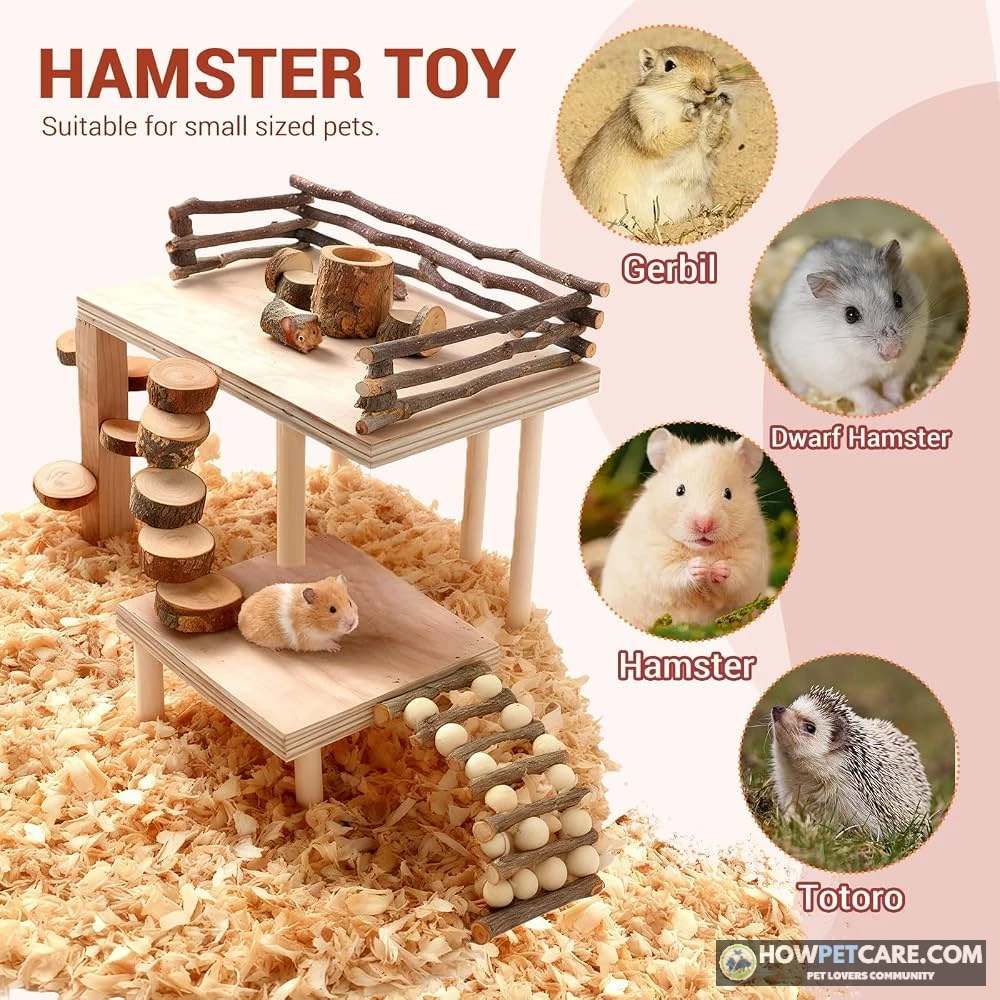
A Syrian is the larger, solitary option in this comparison. Dwarf hamsters, including Roborovski, Campbell’s and winter white hamsters, are smaller and can be very quick. Chinese hamsters are another distinct pet hamster species, not simply smaller Syrians.
Some dwarf species may tolerate a companion in particular circumstances, but shared housing can lead to serious fighting. For a beginner, individual housing is the cautious choice. Seek species-specific welfare advice rather than assuming a store pair will remain compatible. A dwarf hamster may suit someone who enjoys watching a small, active animal and doesn’t expect frequent handling.

Mongolian vs Fat-Tailed Gerbil
The Mongolian gerbil is the social, long-tailed species used throughout the main comparison. The fat-tailed gerbil is a different species, with a short, thick tail and different husbandry needs. Don’t apply Mongolian gerbil pairing advice, diet or habitat assumptions to it automatically. Before choosing one, find reliable species-specific care guidance and a veterinarian familiar with that animal.
Hamster vs Gerbil Habitat: Floor Space, Bedding and Equipment
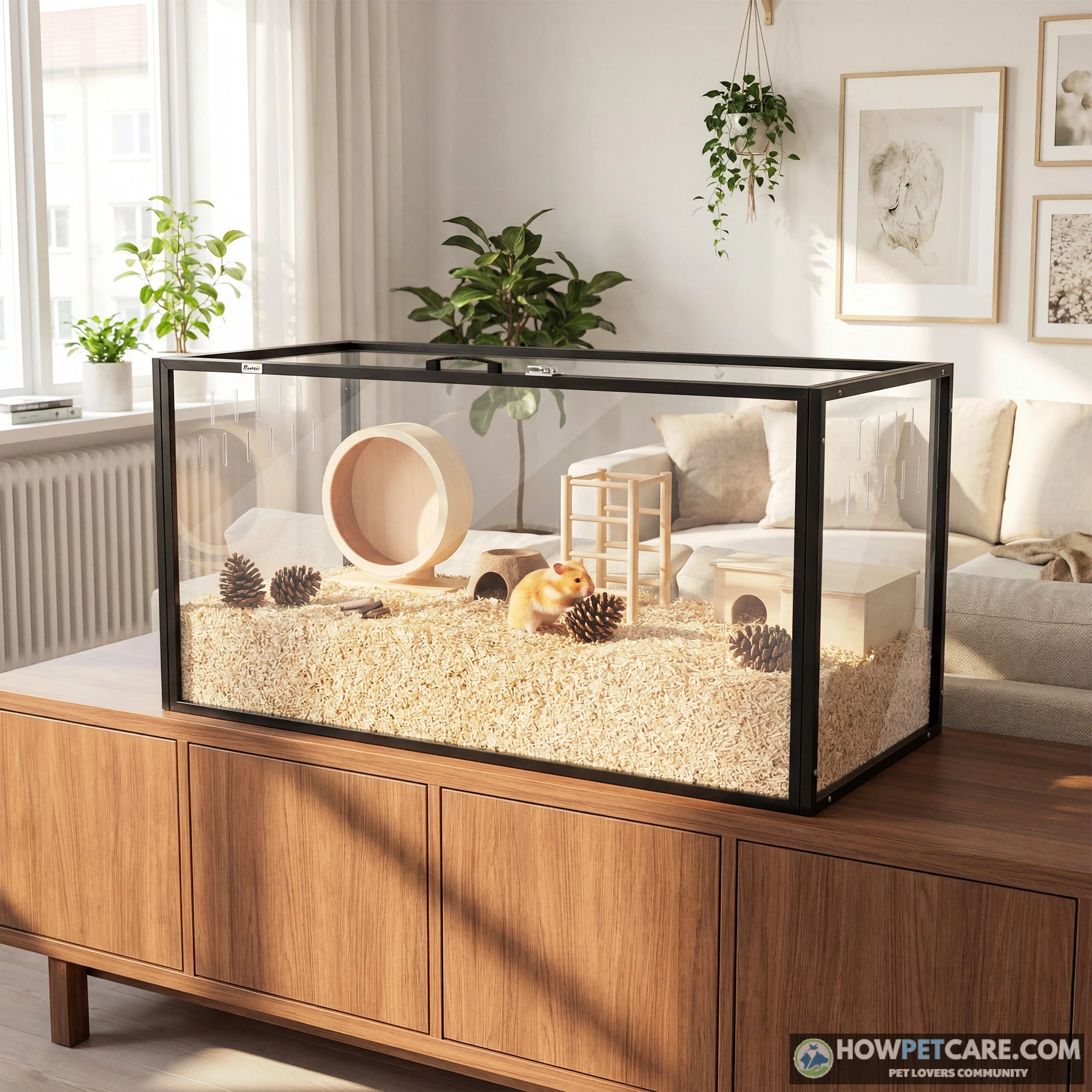
A suitable habitat is more than a cage that fits the animal. It needs room for deep bedding for burrowing, a nest, food and water, an appropriately sized wheel and other enrichment, while remaining secure and well ventilated.
Measure continuous floor area, not shelf area or gallon capacity. Multiply the enclosure’s internal length by its internal width in inches. An interior measuring 40 by 20 inches, for example, provides 800 square inches of uninterrupted floor area. Platforms don’t make several smaller floor areas equivalent to one continuous space.
Welfare recommendations vary by organization and species, and a legal minimum isn’t necessarily a good welfare target. For planning, a practical starting point is at least 800 square inches of continuous floor space for either one Syrian hamster or a compatible Mongolian gerbil pair. More space is preferable where possible. This is a planning target, not a claim that every welfare organization or jurisdiction sets the same minimum. Check current species-specific guidance before buying. The footprint must also leave usable room for equipment and deep bedding.
Both species need opportunities to dig and nest. For gerbils, plan for a deep, stable layer of bedding that holds tunnels; around 8 inches or more is a useful starting goal, with greater depth where the enclosure allows. Hamsters also benefit from a deep burrowing area. A tall, secure base helps contain substrate, and a well-ventilated top helps keep the habitat secure. Choose suitable low-dust bedding, and avoid materials that could injure the animal or collapse dangerously around it.
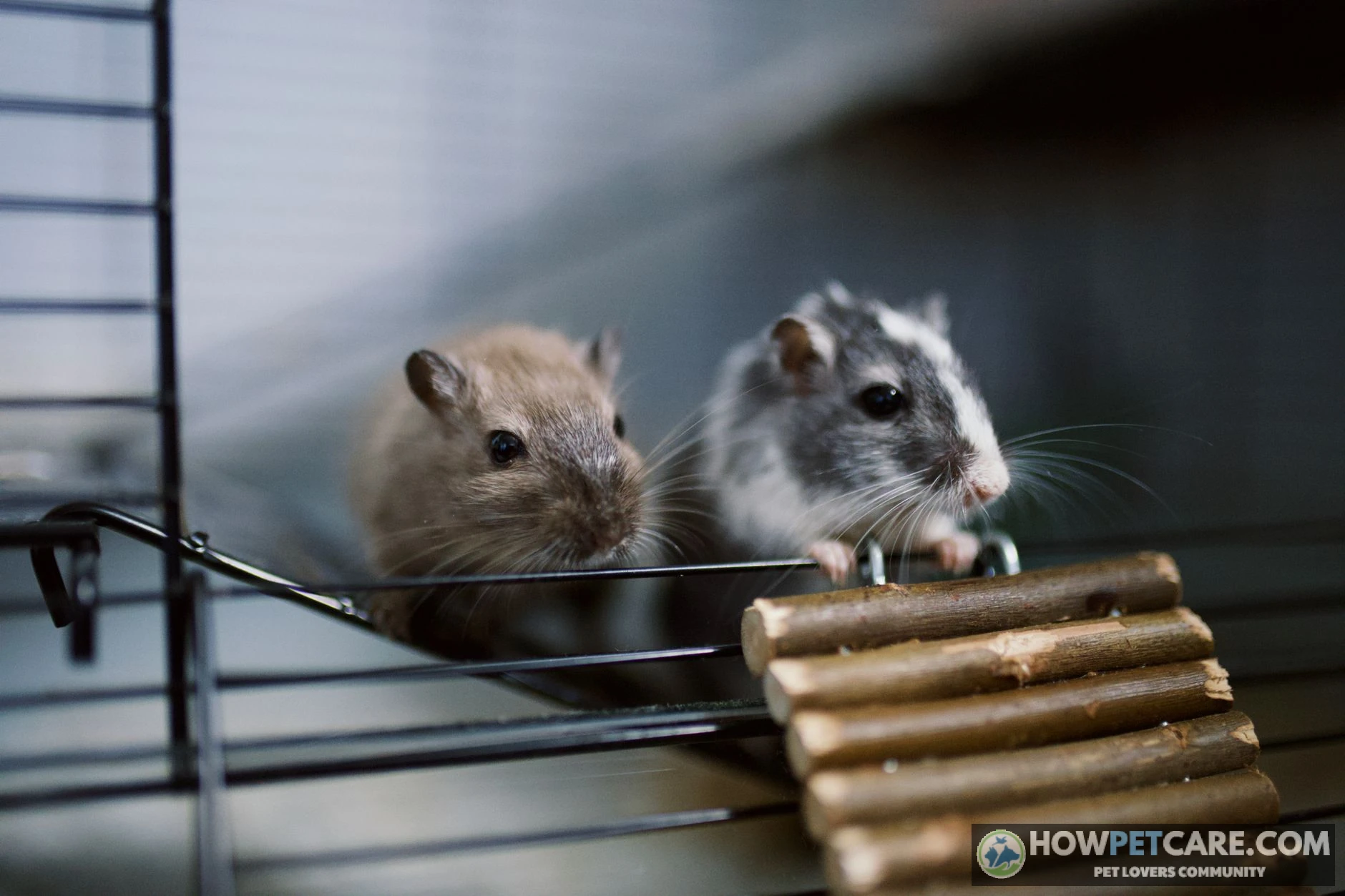
Provide a solid-surface exercise wheel large enough for the animal to run without arching its back. A Syrian generally needs a larger wheel than a gerbil. Add a suitable sand bath, hiding places and safe items to gnaw. A gerbil pair also needs enough resources and space to limit competition. Watch for one animal preventing the other from reaching food, water or shelter. Support heavy items so they can’t fall if the animals tunnel underneath.

Keep the enclosure out of direct sun and away from heaters, damp conditions and cold drafts. Avoid sudden temperature changes, and ask a veterinarian for advice suited to the species and your home. A hamster exposed to adverse conditions can enter torpor, a potentially dangerous state of reduced activity and body temperature. Don’t assume an unusually cold, motionless animal is simply sleeping. Contact a veterinarian urgently if an animal is unresponsive or shows signs of overheating, severe lethargy or breathing trouble.
Measure the intended location before shopping, allowing room to open the enclosure and maintain ventilation. Then check its internal floor dimensions and bedding capacity; exterior dimensions can overstate usable space.
What One Hamster vs a Gerbil Pair Really Costs
The purchase price is only one part of the commitment. The figures below are an illustrative planning budget, not a price survey or a quote. They assume a new, suitably sized enclosure, shared equipment for an established gerbil pair and routine supply purchases in US dollars. Local prices, adoption fees and equipment choices can change the total substantially.
| Expense | One hamster | Gerbil pair | Assumptions and frequency |
|---|---|---|---|
| Animals | $15–$25 | $25–$40 | Initial purchase or adoption; fees vary. |
| Enclosure | $80–$120 | $100–$150 | Initial purchase; a suitably sized setup may cost more. |
| Solid-surface wheel | $25–$40 | $25–$35 | Initial purchase; select by the animal’s size. |
| Initial bedding | $15–$25 | $25–$40 | Initial fill; deep-bedding needs affect cost. |
| Hides, water equipment, sand bath and chews | $30–$50 | $40–$60 | Initial supplies; a pair may need additional resources. |
| First food supply | $10–$15 | $10–$15 | Initial species-appropriate food. |
| Estimated startup total | $175–$275 | $225–$340 | Sum of the example ranges; excludes a backup enclosure and veterinary bills. |
| Food | $8–$12 per month | $10–$15 per month | Ongoing estimate. |
| Bedding top-ups | $10–$20 per month | $15–$25 per month | Depends on enclosure and cleaning needs. |
| Sand, chews and other supplies | $8–$12 per month | $8–$12 per month | Ongoing estimate; replacements vary. |
| Veterinary savings contribution | $15 per month | $20 per month | Money set aside, not a veterinary fee or insurance premium. |
| Estimated monthly total | $41–$59 | $53–$72 | Add an emergency cushion beyond these contributions. |
Using the low and high ends of these assumptions, startup plus twelve months of routine spending would be approximately $667–$983 for one hamster and $861–$1,204 for a gerbil pair. These are arithmetic planning scenarios, not predictions of what a household will pay. They exclude the gerbils’ backup enclosure, routine veterinary appointments and emergency treatment. The savings contribution is money reserved for care, not payment for it.
A pair doesn’t necessarily cost twice as much as one hamster because some housing and equipment are shared. However, either gerbil may need individual treatment, and a broken bond may mean you need a second setup. Before committing, find a veterinarian who treats the chosen species, ask about exam and emergency fees, and price the enclosure and supplies available locally. A monthly fund alone may not cover a sudden bill.
Legality, Apartment Rules, Odor and Allergies
California prohibits keeping gerbils as pets. Don’t assume that rule applies nationwide, or that a pet is automatically allowed everywhere else. Before buying or transporting either species, check current state and local wildlife rules with the relevant authorities. Hamsters aren’t automatically permitted under every local rule or lease, either.
Check the lease and any building or homeowners association rules for restrictions on rodents, caged or exotic pets, the number of animals and enclosure dimensions. If permission is unclear, ask the landlord or building management in writing. A gerbil pair may count as two animals even though they share an enclosure.
Mongolian gerbils generally produce relatively little urine and may have a milder smell, but every enclosure needs appropriate cleaning to stay fresh. Odor also depends on the individual animal, bedding, ventilation and habitat condition. Spot-clean as needed without repeatedly destroying every established nest and tunnel.
Neither species is reliably allergy-free. Allergens may come from the animals or their habitat materials, and dusty bedding can irritate sensitive people. Consider low-dust, species-safe bedding and suitable ventilation. If someone in the household has known allergies, discuss the decision with a healthcare professional. Spending time around the species beforehand may reveal a problem, but it can’t guarantee there won’t be a reaction later.
Agree on the pet’s location with everyone at home. Wheels, chewing and digging can disturb a light sleeper even when odor is well managed.
Hamster vs Gerbil Food and Health Differences
Choose complete food formulated for the species and life stage, provide fresh water and keep treats modest. Hamster and gerbil foods aren’t automatically interchangeable: mixes differ in ingredients and nutritional formulation, and a food labeled for several species may not be ideal for every animal. Ask a veterinarian familiar with the species about an appropriate staple, especially for a young, older or unwell animal.
Protein, fat and fiber figures on a food label are guaranteed-analysis values, not a complete guide to what an individual animal should eat. Needs vary with species, age, health and the rest of the diet. There is no well-established universal target range for each nutrient that applies across these species. Choose a complete, appropriate food and seek individualized advice instead of basing the diet on a single percentage.
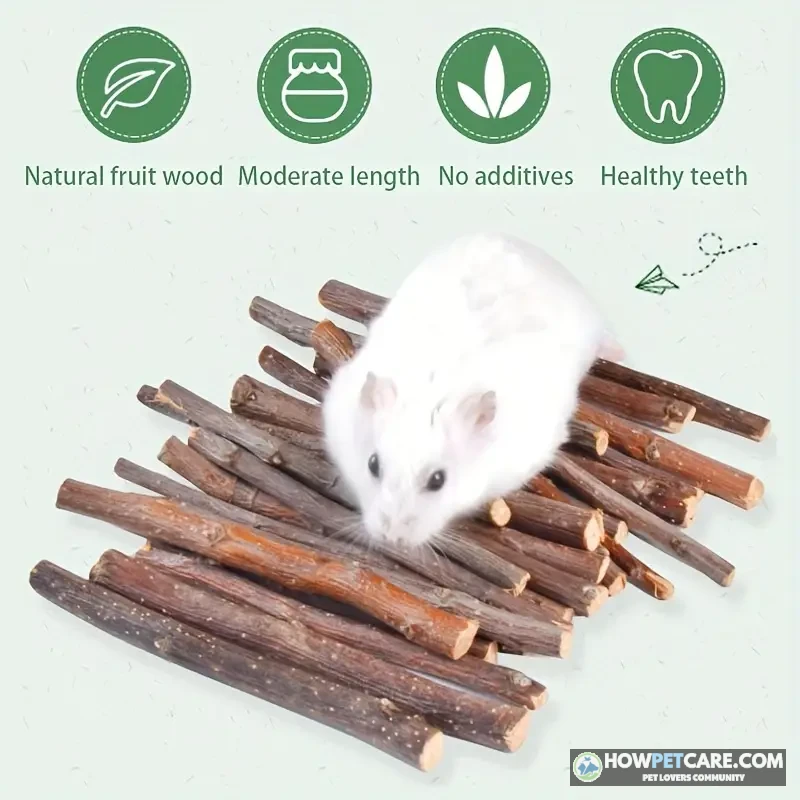
Both animals need safe, species-appropriate items to gnaw. Check the enclosure regularly for damaged or unsafe materials, and avoid treated or painted items not intended for animal use.
Learn the warning signs before bringing a pet home. A hamster with a persistently swollen cheek or difficulty eating may have a cheek-pouch problem. A gerbil with a damaged tail needs veterinary attention. For either species, appetite loss, unusual lethargy or breathing difficulty calls for prompt veterinary advice. Don’t wait for a routine appointment if an animal is struggling to breathe, unresponsive or seriously injured.
Choose Your Pet: A Before-You-Buy Checklist
There’s no universal winner in the difference between hamster and gerbil. Choose based on the animal’s normal behavior and what your household can provide, rather than expecting a pet to adapt to a schedule or handling style that makes it uncomfortable.
- You want one pet and accept nighttime activity: Choose one Syrian hamster if you can provide a spacious, deep-bedded enclosure and don’t need the animal to be awake during the day.
- You want to watch social animals during some daytime periods: Consider an established same-sex Mongolian gerbil pair if they’re legal where you live and you can monitor their relationship and provide backup housing.
- A child wants a pet to hold frequently: Pause before choosing either species. An adult may find a calm Syrian’s larger body easier to support, but no individual is guaranteed to enjoy handling. An adult must supervise and respect the animal’s sleep.
- You prefer watching a small animal and can limit handling: A dwarf hamster may be worth considering, housed individually with species-appropriate guidance. Its small size doesn’t remove the need for a substantial enclosure.
- Your only available space is a quiet bedroom: Reconsider the location or timing of getting a pet. Both hamsters and gerbils can make noise overnight.
- You can’t accommodate a second enclosure or two potential veterinary patients: A gerbil pair isn’t a good fit right now. Consider whether a solitary hamster and its care costs suit your household instead.
Before buying, write down your commitment: species, number of animals, and the planned enclosure’s internal length, width and continuous floor area. For example: one Syrian hamster in an enclosure measuring 40 by 20 inches internally, providing 800 square inches; or two established same-sex Mongolian gerbils in a suitably equipped enclosure with at least that planning footprint, plus a backup separation setup.
Then check each item:
- ☐ Confirm current state and local rules, lease permission and building restrictions.
- ☐ Measure the space at home and verify the enclosure’s internal floor area, ventilation and bedding depth.
- ☐ Budget for the complete setup, recurring supplies, veterinary care and an emergency cushion.
- ☐ Identify a veterinarian who treats the chosen species and ask about availability and fees.
- ☐ Agree on adult responsibility, gentle handling, noise tolerance and any allergy precautions.
- ☐ For gerbils, confirm the pair is compatible and same-sex, and prepare a separation plan.
- ☐ Set up the habitat before bringing the animal or animals home.
FAQ
Can hamsters and gerbils live together?
No. Hamsters and gerbils have different social and habitat needs and may injure each other; keep them in separate, species-appropriate enclosures.
Can a hamster and a gerbil breed?
No. Hamsters and gerbils are different groups of rodents and cannot breed with each other.
Do hamsters and gerbils both need to chew?
Yes. Both have continuously growing incisors and need safe, species-appropriate materials to gnaw; avoid painted, treated or otherwise unsafe materials.
Are gerbils and hamsters the same animal?
No. They are different species of rodent belonging to different subfamilies, with distinct appearances, activity patterns and social needs. A gerbil is not a type of hamster.
Which lives longer, a hamster or a gerbil?
Gerbils typically live a little longer. A Syrian hamster usually lives about 2–3 years, while a Mongolian gerbil commonly reaches about 3–4 years, though care and genetics affect any individual’s lifespan.