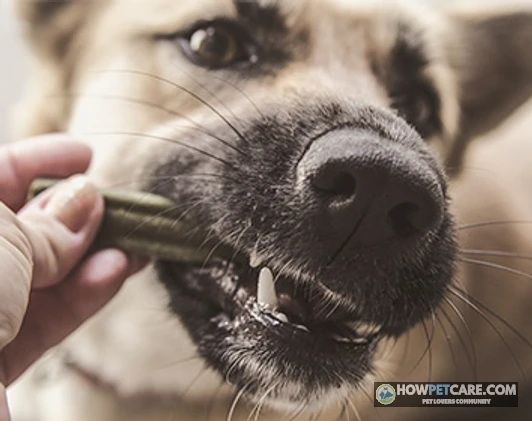

The best dental chews for dogs combine a verified VOHC seal with a size and texture matched to your dog’s weight and chewing style. Practical picks to compare:
- Greenies (weight-appropriate size): a widely available molded chew — verify the exact formula’s VOHC claim and minimum weight on the box.
- Virbac C.E.T. Veggiedent (large-dog size): a plant-based option; check the formula against the VOHC registry and follow weight guidelines.
- Milk-Bone Brushing Chews: a budget-friendly daily option — compare price per chew, not per bag.
- A Greenies or Milk-Bone formula with a VOHC claim: a sensible starting point for mild plaque-related breath odor.
- For food sensitivities: no chew is universally safe — match every ingredient to your dog’s triggers and ask your vet first.
The right dental chews for dogs fit their weight, match how they chew, and carry verified evidence for the specific plaque or tartar claims you care about. Popular options like Greenies, Virbac C.E.T. Veggiedent, and Milk-Bone Brushing Chews are common starting points, but you always want to check the exact item against the Veterinary Oral Health Council (VOHC) list before buying. A brand name alone doesn’t mean every size, texture, or formula holds that seal.
These chews can help keep plaque or tartar down between veterinary checkups, but they won’t replace a toothbrush or cure established dental issues. If your dog shows loose teeth, sore gums, kidney disease, or a history of pancreatitis, speak with your veterinarian before giving them any chew.
Our Picks: Dental Chews Matched to Your Dog’s Size and Chewing Style
Look for options carrying a verified VOHC claim for plaque or tartar, then check the packaging for weight targets, texture, ingredients, calories, and daily cost. Think of the shortlist below as a practical buying guide rather than a definitive ranking: specific VOHC listings, current retail prices, and calorie counts weren’t provided in the source evidence and should always be confirmed on the box before purchase.

Best for small dogs
Greenies in the weight-appropriate small-dog size offer an accessible option if you want a widely distributed, molded chew. Review the minimum weight and age cutoffs on the box, and pick a size your dog actually has to chew instead of gulping down. Always confirm the exact formula’s VOHC claim before checking out.
Small breeds often deal with crowded teeth, and no chew shape hits every tooth surface evenly—especially in dogs with an underbite. If your dog struggles with lingering bad breath or heavy buildup, schedule a veterinary visit rather than hoping a smaller chew solves it.
Best for large-breed dogs
Virbac C.E.T. Veggiedent in the appropriate large-dog size provides a plant-based option worth looking into. Check the exact formula against the VOHC registry and stick to the maker’s weight guidelines instead of assuming any large treat will work.
If you have a strong chewer, watch how they manage the piece. Even if the weight range fits on paper, the chew isn’t safe if your dog simply snaps off and swallows big chunks whole.

Best for dogs with bad breath
A weight-appropriate Greenies or Milk-Bone Brushing Chews formula with a verified VOHC claim serves as a sensible starting point when mild plaque causes everyday breath odor. Compare the specific packages for calories and ingredients, picking the chew your dog can work through safely.
Breath that smells persistently foul or keeps worsening often points to an underlying medical issue that flavoring won’t touch. You need a veterinary exam right away if the smell accompanies inflamed red gums, drooling, bleeding, or trouble chewing food.
Best for daily use on a budget
Milk-Bone Brushing Chews make sense to price against Greenies and other dental dog bones in your pet’s weight bracket. Divide the retail price by the chew count; bulk bags aren’t automatically cheaper per serving. Double-check the exact VOHC listing and the package feeding directions before making them a daily routine.
Best for sensitive stomachs and food allergies
There is no universally safe chew for a dog with food sensitivities. While a plant-based option like Veggiedent works well for certain dogs, plant proteins and starches can still provoke reactions. Scrutinize every ingredient against known dietary triggers, and ask your vet if the product fits into an elimination trial or prescription diet.
When managing a confirmed food allergy, choosing a chew compatible with the dog’s strict medical diet—or turning to non-edible oral care—matters far more than trusting a vague sensitive-stomach label on the bag.
Dental Chews Compared Side by Side: Price per Chew, Calories, Hardness, and VOHC Status
This comparison highlights key products to evaluate rather than claiming unverified retail prices, calorie totals, weight brackets, or seal statuses as established facts. These specs vary across sizes and formulations. Always compare products designed for your dog’s exact weight bracket and verify numbers on the packaging before buying.
| Product | VOHC status (plaque/tartar) | Price per chew | Calories per chew | Texture/hardness | Suitable dog size | Key ingredients | Best for |
|---|---|---|---|---|---|---|---|
| Greenies dental treats | Check exact formula and claim on VOHC list | Check retailer | Check size-specific label | Shaped edible chew; assess the individual product | Use package weight range | Check exact formula | Owners comparing widely available sizes |
| Milk-Bone Brushing Chews | Check exact formula and claim on VOHC list | Check retailer | Check size-specific label | Shaped edible chew; assess the individual product | Use package weight range | Check exact formula | Comparing daily cost with other brands |
| Virbac C.E.T. Veggiedent | Check exact formula and claim on VOHC list | Check retailer | Check size-specific label | Plant-based edible chew; assess the individual product | Use package weight range | Check exact formula | Owners considering a plant-based option |
| Whimzees dental chews | Check exact formula and claim on VOHC list | Check retailer | Check size-specific label | Shaped edible chew; assess the individual product | Use package weight range | Check exact formula | Comparing shapes and size options |
| OraVet dental chews | Check exact formula and claim on VOHC list | Check retailer | Check size-specific label | Edible chew; assess the individual product | Use package weight range | Check exact formula, including active ingredients | Owners discussing a dental chew with their vet |
| Purina DentaLife dental chews | Check exact formula and claim on VOHC list | Check retailer | Check size-specific label | Porous-style edible chew; assess the individual product | Use package weight range | Check exact formula | Comparing texture and daily cost |

Pet retailers offer dental chews at varied price points and package sizes, which makes overall box cost a misleading point of comparison. A plant-based chew offers a practical rawhide alternative, yet neither a plant formula nor a rawhide-free tag makes a treat risk-free or hypoallergenic.
Greenies vs. Milk-Bone: where they differ
Both brands appeal to dog owners seeking a shaped, edible dental treat. Rather than pitting brand against brand, compare each specific formula against the VOHC list, match the sizing to your dog’s weight, and contrast calorie counts and cost per piece. Above all, observe how your dog handles the chew. You want a product they gnaw deliberately rather than splintering into easily gulped pieces.
A cheaper chew saves nothing if your dog swallows it in two bites. If both chews prove safe and manageable, follow the feeding guidelines on the package to gauge your monthly expense.
How to fit chew calories into a daily diet
Treat dental chews as dietary treats, never as zero-calorie health aids. Veterinary guidelines generally recommend capping all daily treats at no more than about 10% of total caloric intake. Ask your veterinarian for a specific target, especially if your dog is on a weight-loss plan.
To see how this works: if a veterinarian recommends 400 calories a day, a 10% treat allowance equals 40 calories. A chew carrying 30 calories leaves 10 calories for other rewards during the day. Never reduce meals—especially prescription foods—without consulting your vet first.

Do Dental Chews Actually Work? Plaque and Tartar Reduction vs. Daily Brushing
Some dental chews help reduce plaque or tartar when used as tested, but the effect is product-specific. They clean primarily through physical contact between the chew’s surface and all 42 of an adult dog’s teeth during active chewing. An official VOHC seal provides far more reliable proof than marketing claims on the bag, even though individual mouth shapes and chewing habits will yield different outcomes.
The source evidence for this article does not establish a defensible percentage reduction for any individual chew or a head-to-head percentage comparison with daily brushing. It also does not establish a universal minimum chewing time. Don’t assume a specific duration guarantees cleaner teeth; focus on how thoroughly your dog works the chew, and follow package directions closely.
Gulping down a chew whole eliminates the friction needed for mechanical cleaning. If your dog swallows treats without gnawing, set that brand aside and ask your veterinarian about alternatives instead of reaching for an excessively hard chew.

Can dental chews replace brushing?
No. Tooth brushing lets you target specific teeth and sweep the gumline directly, whereas a chew only cleans where the dog happens to bite down. Chews work best as a supplement to regular brushing, or as a helpful bridge while you desensitize a hesitant dog to the brush. They cannot clear bacteria below the gumline or replace a professional dental cleaning.
If your dog fights the toothbrush, introduce the routine slowly with plenty of praise and ask your veterinary team for a gradual plan. If your dog shows any sign of oral discomfort, get their mouth evaluated before introducing new chews or brushes.

Do dental chews help with bad breath?
A dental chew can reduce breath odor tied to the plaque it helps scrub away, and added flavorings can mask smells temporarily. But a treat won’t identify or resolve underlying halitosis. Breath that stays noticeably sour—particularly alongside red gums or altered eating habits—demands an exam rather than a stronger breath-freshening treat.
A dog can have painful dental disease even if a treat temporarily improves its breath. Ask your veterinarian to examine persistent odor, bleeding, loose teeth, or difficulty chewing.
What the VOHC Seal Requires and Which Dental Chews Carry It
The Veterinary Oral Health Council evaluates clinical trial data submitted by pet-care brands to award its Seal of Acceptance. A seal recognizes a demonstrated standard for plaque reduction, tartar reduction, or both. It does not guarantee that a product prevents all oral disease or suits every dog’s digestion.
Because current VOHC product listings and testing protocols were not provided in the reference evidence for this review, we cannot present an exhaustive registry or verify individual product claims here. Visit the official VOHC site to check the current canine list before you buy, or consult their trial standards for exact performance metrics. A manufacturer claiming to be "veterinarian-recommended" is no substitute for checking the council’s published roster.

How to verify a VOHC claim in under a minute
-
Open the dog-products list
Head to the Veterinary Oral Health Council website and locate the accepted products list for dogs.
-
Match the product
Identify the exact name, size, and formula shown on the packaging. Never assume every item under a given brand carries the seal.
-
Read the claim
Confirm whether the certification covers plaque, tartar, or both, and check that against the label claims.
-
Check the label
Review the minimum age, weight requirements, ingredient list, calorie count, and daily serving size before purchasing.
If you can’t locate a specific chew on the roster, reach out to the manufacturer or the VOHC directly rather than guessing based on similar packaging. Brand lines and certifications update over time.
How to Choose a Dental Chew That Won’t Break Teeth or Cause Choking
No chew is completely free from the risk of broken teeth or choking. You can minimize these dangers by picking the right chew for your dog’s size, avoiding overly rigid materials, and keeping an eye on them while they chew.
- Check the weight band and age directions. Buy the exact package tailored to your dog’s current weight. Undersized treats present a severe choking hazard, while oversized ones can strain jaws. Don’t size up past the manufacturer’s weight guidelines.
- Assess hardness. Extremely hard treats like antlers, hooves, and real bones frequently fracture premolars and molars. The thumbnail test—pressing your nail into the surface to see if it yields slightly—offers a quick baseline check, though it isn’t an absolute guarantee of safety.
- Match the dog’s chewing style. Watch whether your dog crushes, gnaws, or attempts to gulp treats. If you can’t find a chew texture they work through calmly and safely, switch to an alternative dental care method.
- Check calories and ingredients. Account for the chew’s calories within your dog’s daily ration and cross-reference ingredients with any medical sensitivities.
- Supervise and plan retrieval. Take the chew away if it snaps into a chunk your dog could swallow whole. Swap it for a high-value treat rather than wrestling fingers into a possessive or panicked dog’s mouth.
- Stop if something looks wrong. Coughing, gagging, retching, vomiting, a swollen abdomen, or distress requires immediate veterinary attention. Any acute struggle to breathe is an emergency.

Aggressive chewers vs. gulpers
An aggressive chewer clamps down with extreme jaw pressure, while a gulper races to swallow items as quickly as possible. Some dogs do both. Handing either dog a rock-hard chew is a mistake: rigid textures raise the risk of fractured teeth without stopping a determined gulper from swallowing large fragments.
Stay in the room and watch how your dog tackles a chew across multiple sessions. If they consistently swallow large pieces or ingest the treat whole, retire that product immediately. Talk to your vet about dental diets, regular brushing, or other proven non-chew options. Never hold one end of a chew in your hand to slow your dog down; you risk an accidental bite without actually preventing them from choking.
Ingredient red flags to avoid
The clearest red flag on any chew is an ingredient your pet cannot tolerate. Beyond personal allergies, check the overall calorie load and any strict dietary parameters set by your vet. Dogs with a history of pancreatitis require tight limits on dietary fat, while those managing kidney disease often need phosphorus restrictions that aren’t printed on standard packaging.
Grains, artificial colorings, and specific animal proteins aren’t universally harmful to dogs. Still, if an ingredient source looks ambiguous during an elimination trial, contact the company or stick with a veterinary-recommended product. Promotional phrases like "all-natural," "highly digestible," or "rawhide-free" don’t prove dental benefits, nor do they eliminate choking or intestinal obstruction risks.
Bully sticks, traditional rawhide, and standard dog toys are not direct substitutes for VOHC-accepted dental chews. Swallowed rawhide strips can cause physical blockages, and digestibility swings wildly between brands. While rubber toys like a Kong deliver great supervised enrichment, never assume a chew toy or Nylabone cleans teeth unless the manufacturer provides vetted evidence for that specific claim.


Dental Chews for Puppies, Seniors, and Dogs With Health Conditions
A dog’s age, dental anatomy, and medical history influence not just which chew to buy, but whether giving an edible chew is safe at all. Use the reference guide below to frame your veterinary discussions.
| Segment | Chew texture and size guidance | Cautions | When to see the vet first | Alternative if chews aren’t suitable |
|---|---|---|---|---|
| Puppy | Use only a puppy-appropriate product that meets its minimum age and weight | Do not assume an adult product is suitable for erupting teeth | Pain, retained baby teeth, bleeding, or uncertainty about a product | Puppy-safe dental wipes or a supervised, appropriately sized soft teething toy |
| Small breed | Follow the weight band; choose a piece the dog cannot easily swallow whole | Crowded teeth may still need direct cleaning | Persistent bad breath, visible buildup, or mouth pain | A small toothbrush or vet-recommended wipes |
| Large breed or powerful chewer | Follow the weight band and observe how the dog breaks down the chew | Very hard products can fracture teeth; large fragments can be swallowed | Previous fracture or repeated gulping | Brushing or a vet-recommended dental diet |
| Senior dog | Consider a pliable product only if the mouth is comfortable and the vet agrees | Worn, missing, or loose teeth can make chewing difficult | Loose teeth, gum recession, bleeding, or reluctance to eat | A vet-selected gel, water additive, or gentle brushing if tolerated |
| Pancreatitis or kidney disease | Do not select by texture alone; obtain diet approval | Fat and other nutrient limits depend on the individual | Before adding a chew or changing the diet | Vet-approved non-food oral care |
| Food allergy or sensitive stomach | Match every ingredient to known restrictions | A plant-based or limited-ingredient claim is not an allergy guarantee | Diagnosed allergy, elimination diet, or prior reaction | Brushing or a product compatible with the prescribed diet |
| Existing dental disease | Avoid chews until the mouth has been assessed | Chewing may be painful and cannot treat infection below the gumline | Before starting a chew | Veterinary examination and a treatment plan |

Puppies
Developing puppy teeth and tender gums require chews formulated specifically for their developmental stage and weight. Most adult dental treats are far too dense for young puppies. Adhere strictly to the age guidelines on the packaging, and consult your veterinarian if your puppy shows painful teething or retains deciduous baby teeth past the normal puppy teething timeline. While soft teething toys provide soothing, supervised relief, they don’t replace oral hygiene care.
Senior dogs
Older age alone doesn’t prevent a dog from enjoying chews, but worn enamel, missing teeth, and receding gums demand closer scrutiny. A pliable chew may feel gentler on older jaws, but even the softest chew causes harm if chewing is painful. Schedule a dental exam if you notice your dog dropping kibble, chewing exclusively on one side of their mouth, or flinching when touched around the muzzle.
Dogs with kidney disease, pancreatitis, or food sensitivities
Always consult your veterinarian before introducing dental chews to a pet with an underlying health condition. A package fat percentage alone won’t reveal whether a treat is safe for a dog prone to pancreatitis, and monitoring phosphorus levels for kidney disease usually requires reaching out to the manufacturer directly. With food allergies, inspect the entire ingredient panel so you don’t derail an ongoing elimination diet trial.

Introduce any approved chew gradually. Discontinue use and contact your clinic if your dog exhibits vomiting, loose stools, skin flare-ups, or lethargy.
Dogs with loose teeth or receding gums
Schedule a comprehensive veterinary exam before offering dental chews to a dog with loose teeth or visibly receding gums. These symptoms indicate active periodontal infection. No chew, gel, or water additive can tighten an unstable tooth or clear bacteria hiding deep in periodontal pockets. Once your vet treats the underlying disease, you can work together on a safe home-maintenance routine.
Dental Chews vs. Professional Cleaning: Monthly Cost Breakdown
View at-home dental chews and professional veterinary cleanings as partners in oral health rather than opposing alternatives. While a proven chew slows new tartar or plaque buildup, an anesthetized procedure allows the vet to take dental X-rays, clean beneath the gumline, and extract diseased teeth. Available research does not show that using daily chews lengthens the time a specific dog can safely go between clinical cleanings.
The numbers below serve as illustrative arithmetic, not verified 2026 product prices or veterinary quotes. Real-world costs fluctuate based on chew size, box quantity, retailer, and feeding frequency. For clinic care, request an itemized estimate from your vet covering pre-op bloodwork, anesthesia, full-mouth dental radiographs, and potential extractions.
| Option | Dog size | Cost per day | Cost per month | Cost per year | What it does and doesn’t address |
|---|---|---|---|---|---|
| Daily chew at an assumed $0.50 each | Any size at that price | $0.50 | $15 for 30 days | $182.50 for 365 days | May help control the accepted claim; does not treat existing disease |
| Daily chew at an assumed $1 each | Any size at that price | $1 | $30 for 30 days | $365 for 365 days | Same limitation; verify the product and label directions |
| Daily chew at an assumed $1.75 each | Any size at that price | $1.75 | $52.50 for 30 days | $638.75 for 365 days | Same limitation; a higher price does not establish greater effectiveness |
| Professional cleaning | Any size | Not a daily purchase | Depends on quote and timing | Depends on quote and timing | Allows veterinary assessment and care that a chew cannot provide |

Cost of a year of daily chews vs. one cleaning
Consider a 35-pound dog eating an accepted chew priced at $1 with label directions recommending one per day. That routine totals roughly $30 per 30-day month and $365 over 365 days. Compare those figures against your local clinic’s itemized cleaning estimate. Because specific veterinary dental fees were not provided in the reference evidence, typical regional price ranges cannot be verified here.
If your veterinary budget is constrained and your dog is showing red gums, mouth discomfort, or foul breath, spend those funds on a clinical dental exam first. For a healthy pet with a comfortable mouth, compare the ongoing expense of approved chews against brushing or dental diets. Clinical data provides no guaranteed financial break-even point proving that daily chews will eliminate future surgical cleanings or extractions.
Divide the price you will actually pay by the number of chews in the bag. Multiply by the number of chews the label recommends per day, then by 30 for a monthly estimate.
If Your Dog Can’t Chew Hard Textures: Brushes, Gels, Water Additives, and Dental Diets
Dogs unable to handle firm chews have plenty of practical oral-care alternatives. The right pick depends on whether their mouth is pain-free, how easily they tolerate muzzle handling, and whether they manage chronic dietary restrictions.
- Toothbrushes and dog toothpaste: A small soft-bristled brush or silicone finger brush gives you direct, controlled access to tooth surfaces. Build tolerance slowly with praise, and use poultry- or malt-flavored canine toothpaste rather than human toothpaste. Stop immediately if touching the gums causes pain.
- Dental wipes: Textured wipes are often simpler to introduce than a brush for head-shy dogs. While they don’t clean quite as thoroughly as bristles along the gumline, they offer an effective mechanical wipe-down when brushing isn’t feasible.
- Gels and water additives: These formulas eliminate chewing entirely, though clinical efficacy varies widely by formula. Check the VOHC dog-products directory for accepted formulations such as dental washes for dogs, follow packaging dilution instructions, and ensure the additive doesn’t deter your dog from drinking enough fresh water.
- Dental diets: Specialized dental kibbles feature an expanded, fibrous matrix designed not to crumble instantly, scrubbing the tooth as the dog chews. Discuss these foods with your vet, particularly if your dog already eats a renal, low-fat, or hypoallergenic formula.

A veterinary dental diet cannot be swapped in freely if your dog requires another therapeutic food, and standard crunchy kibble does not provide the clinically tested benefits of an approved dental formulation. Your veterinarian can tailor a comfortable routine that pairs gentle home maintenance with regular checkups.
Your Next Steps: A Quick Checklist for Choosing and Starting a Dental Chew
- Rule out underlying oral or health issues. Contact your vet first if your dog shows loose teeth, receding gums, obvious mouth sensitivity, pancreatitis, kidney disease, or is on an active elimination diet.
- Select the correct size and texture. Align the package’s weight and age recommendations with your pet, considering whether they chew methodically or tend to swallow treats whole.
- Verify the evidence. Look up the exact product name on the VOHC dog-products list to see whether the seal covers plaque, tartar, or both.
- Review the nutrition label and calculate costs. Check the ingredient deck, calorie count, daily feeding rate, and price per chew. Track those calories within your dog’s daily treat allowance.
- Supervise every chewing session. Give the chew according to package guidelines—typically one piece daily for everyday maintenance—and observe how your dog manages it. Trade high-value treats to retrieve dangerous remnants. If your dog swallows a large chunk or an entire chew, contact your clinic for guidance, and seek urgent care if they choke or struggle to breathe.
- Maintain a consistent oral-care routine. Pause use and alert your vet if you observe vomiting, loose stools, bleeding gums, or broken teeth. Keep up with routine veterinary dental checkups, and introduce gentle tooth brushing whenever your dog is ready.
| Product | VOHC status (plaque/tartar) | Price per chew | Calories per chew | Texture/hardness | Suitable dog size | Key ingredients | Best for |
|---|---|---|---|---|---|---|---|
| Greenies dental treats | Check exact formula and claim on VOHC list | Check retailer | Check size-specific label | Shaped edible chew; assess the individual product | Use package weight range | Check exact formula | Owners comparing widely available sizes |
| Milk-Bone Brushing Chews | Check exact formula and claim on VOHC list | Check retailer | Check size-specific label | Shaped edible chew; assess the individual product | Use package weight range | Check exact formula | Comparing daily cost with other brands |
| Virbac C.E.T. Veggiedent | Check exact formula and claim on VOHC list | Check retailer | Check size-specific label | Plant-based edible chew; assess the individual product | Use package weight range | Check exact formula | Owners considering a plant-based option |
| Whimzees dental chews | Check exact formula and claim on VOHC list | Check retailer | Check size-specific label | Shaped edible chew; assess the individual product | Use package weight range | Check exact formula | Comparing shapes and size options |
| OraVet dental chews | Check exact formula and claim on VOHC list | Check retailer | Check size-specific label | Edible chew; assess the individual product | Use package weight range | Check exact formula, including active ingredients | Owners discussing a dental chew with their vet |
| Purina DentaLife dental chews | Check exact formula and claim on VOHC list | Check retailer | Check size-specific label | Porous-style edible chew; assess the individual product | Use package weight range | Check exact formula | Comparing texture and daily cost |
FAQ
How often should I give my dog a dental chew?
Most VOHC-accepted chews are tested for once-daily use, so follow the label for your dog’s weight. Count the calories toward the daily food allowance, and skip days if your dog gains weight or has digestive upset.
Are dental chews safe for dogs with allergies or sensitive stomachs?
They can be, but check the ingredient list for your dog’s specific allergens and choose limited-ingredient or highly digestible formulas. If your dog has a diagnosed condition, ask your vet before starting.
Are rawhide chews a good choice for teeth cleaning?
Rawhide can scrape plaque, but it carries choking and blockage risks and is hard to digest for some dogs. VOHC-accepted dental chews or digestible alternatives are generally the safer choice.
What should I do if my dog swallows a dental chew whole?
Watch your dog closely for gagging, vomiting, a swollen belly, or lethargy, and call your vet if any appear. Next time, choose a size that matches your dog’s weight and supervise chewing.
Can puppies have dental chews?
Only chews formulated for puppies that meet the package’s minimum age and weight — most adult dental treats are too dense for erupting teeth. If your puppy shows painful teething or retained baby teeth, ask your veterinarian first.