

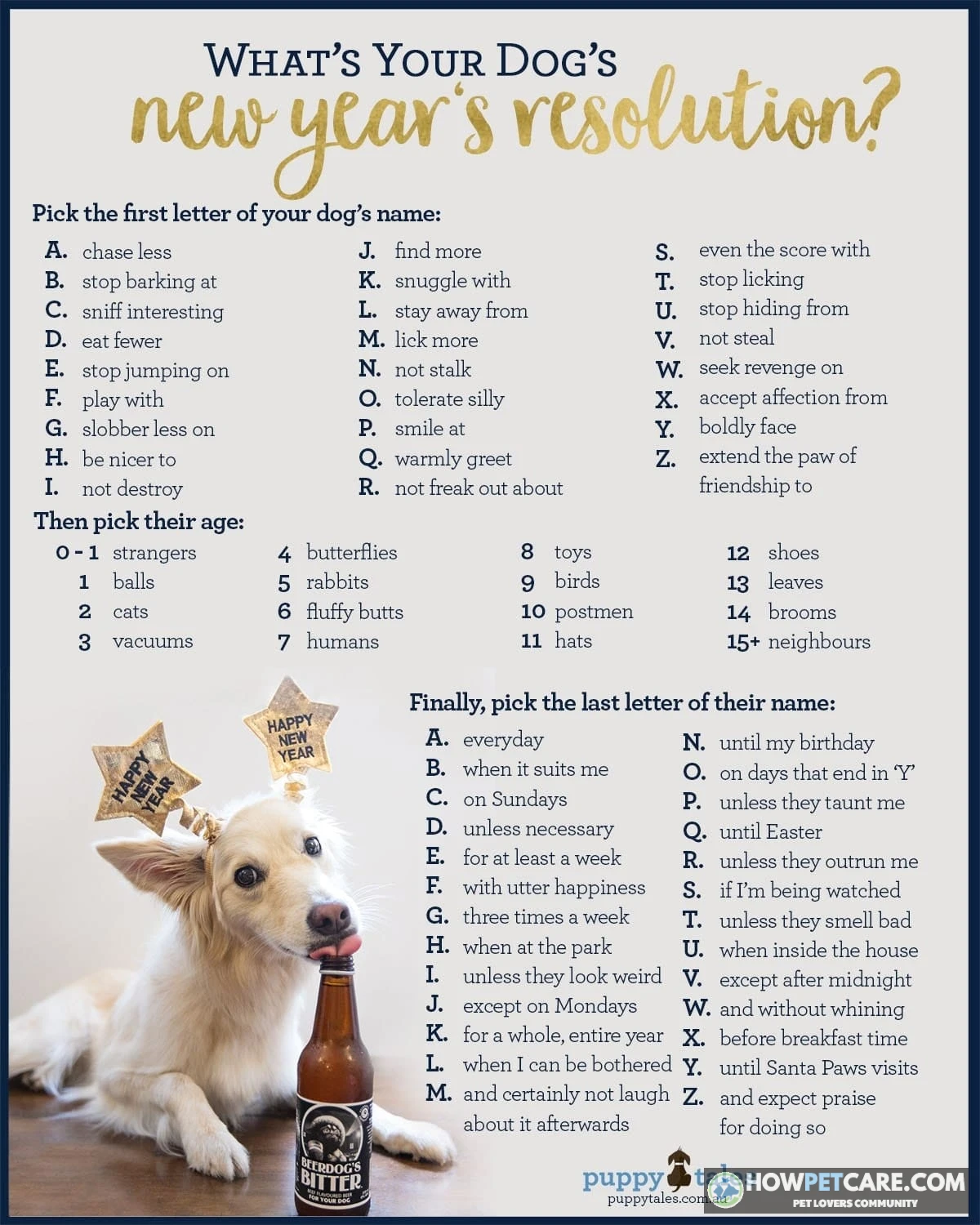
The strongest New Year resolutions for dogs to pick from:
- Daily movement matched to your dog’s age, breed, and fitness
- Measured meals and smarter treats for weight control
- A dental habit — regular brushing plus a vet tooth check
- A wellness exam and up-to-date parasite prevention
- One useful skill trained with positive reinforcement
- Daily mental enrichment: sniff walks, puzzles, or nosework
Good New Year resolutions for dogs cover regular movement, measured meals, dental care, a vet checkup, positive training, and daily mental enrichment. Pick three to five that suit your dog’s health and your household — don’t try all 12 — and give each a concrete first step.
The best resolutions are shared habits: your dog brings the enthusiasm, you bring the calendar. Start small, track results, and tweak for age, breed, size, and health.
12 New Year’s Resolutions for Your Dog, Each With a Measurable First Step
Pick a few ideas from the list. For recurring habits, start with one or two this month and schedule the rest later. The exercise, enrichment, veterinary care, weight management, and identification suggestions draw on a dog‑care source.
Exercise and diet resolutions
1. Make movement a daily appointment. Choose a walk or play session your dog can handle now, then add a longer outing once a week if it fits. A sedentary adult might start with a gentle 10‑minute walk; a puppy or a dog with a medical condition should get vet guidance. Sniffing and indoor play count as activity, too.
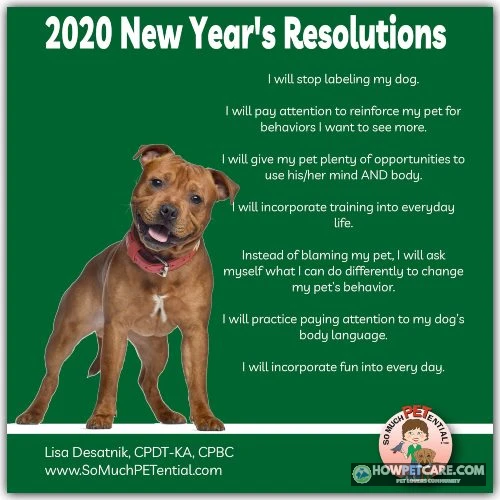
2. Measure meals instead of guessing. For the next two weeks, use a measuring cup or kitchen scale for every meal. Ask your vet how much to feed, and count training rewards in the daily allowance. If weight loss is the goal, work out a plan with your vet instead of cutting food abruptly.
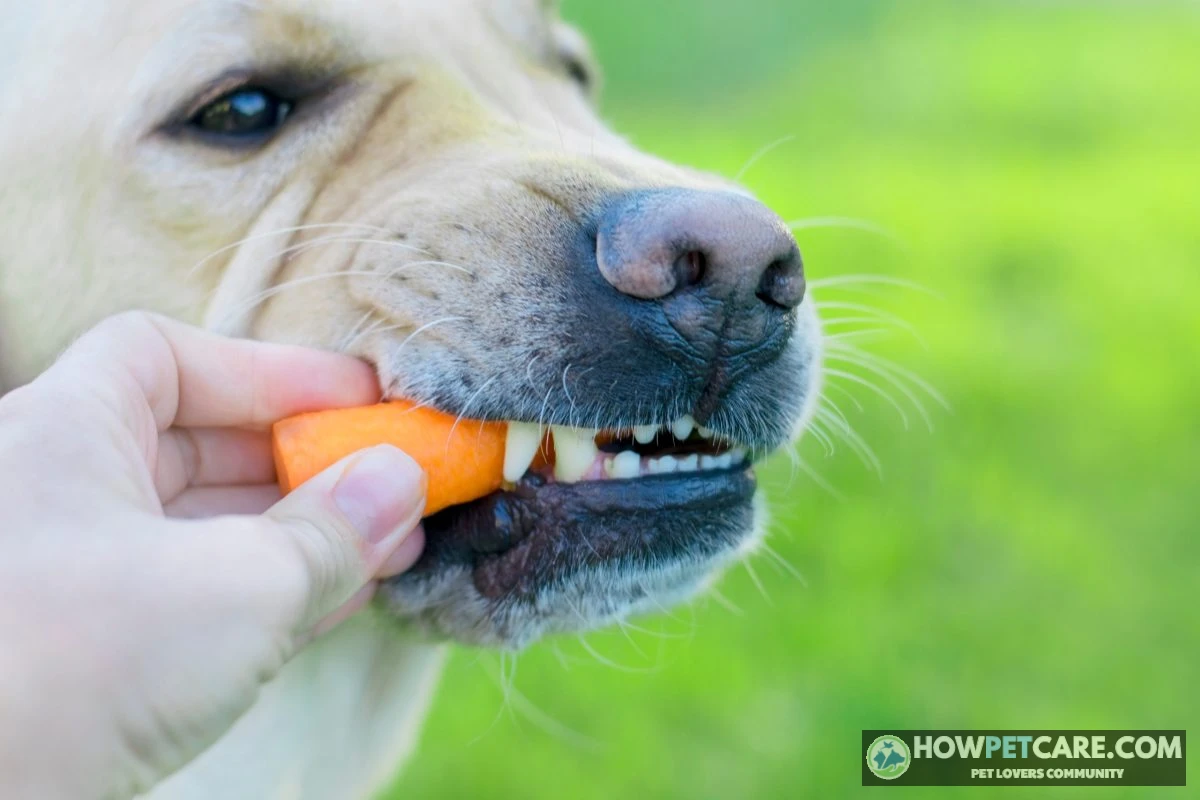
3. Rethink the treat jar. Swap some treats for pieces of your dog’s regular kibble or vet‑approved veggies like plain carrot or green beans. Put the day’s rewards in one container so everyone knows the limit. Avoid grapes, raisins, chocolate, and anything with xylitol; check with your vet before adding new foods.
Dental, grooming, and vet-care resolutions
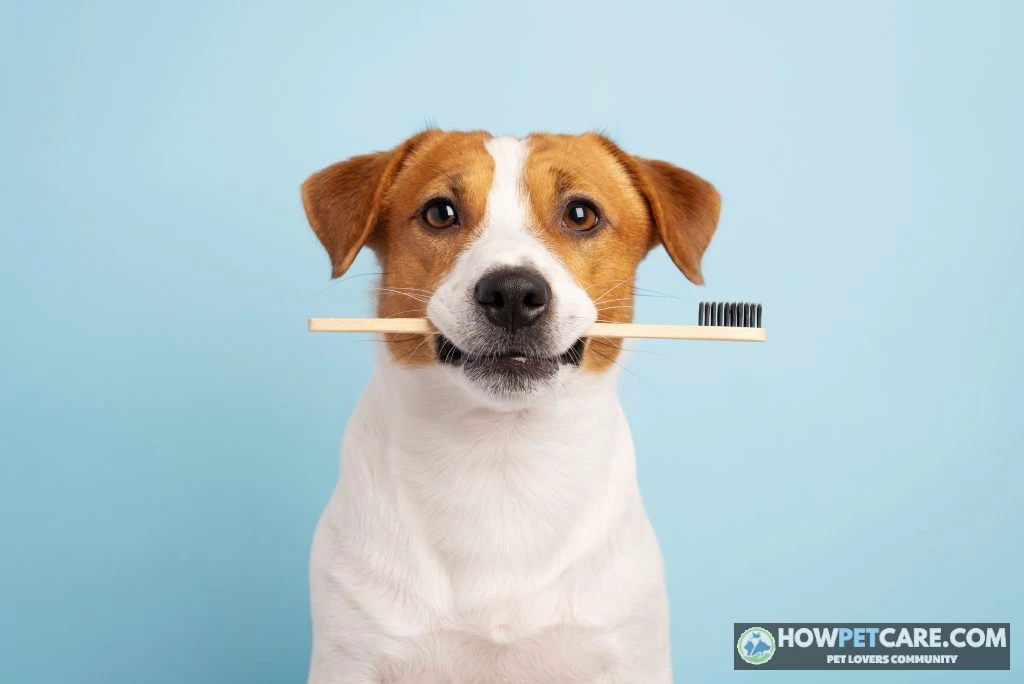
4. Build a dental care habit. Work up to brushing three or four times a week, ideally daily if your dog tolerates it. Start with a calm introduction to dog toothpaste — no full‑mouth scrub yet. Have your vet check the teeth at the next visit.
5. Put preventive care on the calendar. Book a wellness exam and ask whether your dog needs annual or more frequent visits. At the appointment, discuss vaccines, heartworm and other parasite prevention, weight, dental health, and a microchip scan. Set reminders for the care your vet recommends; keep microchip contact info up to date.
6. Create a grooming schedule. Schedule coat‑brushing at a frequency that matches your dog’s coat, and check nails, ears, skin, and paws regularly. Inspect nails every few weeks; trim or book a groomer when you hear clicking on hard floors. Ask a groomer or vet to demonstrate safe trimming.

Training and behavior resolutions
7. Teach one useful skill. Choose recall, loose‑leash walking, or settling on a mat. Practice about five minutes a day in a quiet spot, rewarding the desired behavior with praise, play, or food from the daily allowance. Stick with positive reinforcement, not dominance or punishment.
8. Give your dog a calmer greeting plan. Practice having your dog notice a visitor, then shift focus back to you; reward that choice before the visitor approaches. A short session once or twice a week works. The mail carrier will still be exciting, but your dog can learn a calmer response.
Mental enrichment and socialization resolutions
9. Add one daily brain activity. Try a sniff walk, a simple nosework game, a snuffle mat, or scattering part of a meal in a safe spot. Rotate toys weekly to keep things fresh. Supervise food toys and pick items your dog can’t easily swallow or destroy.
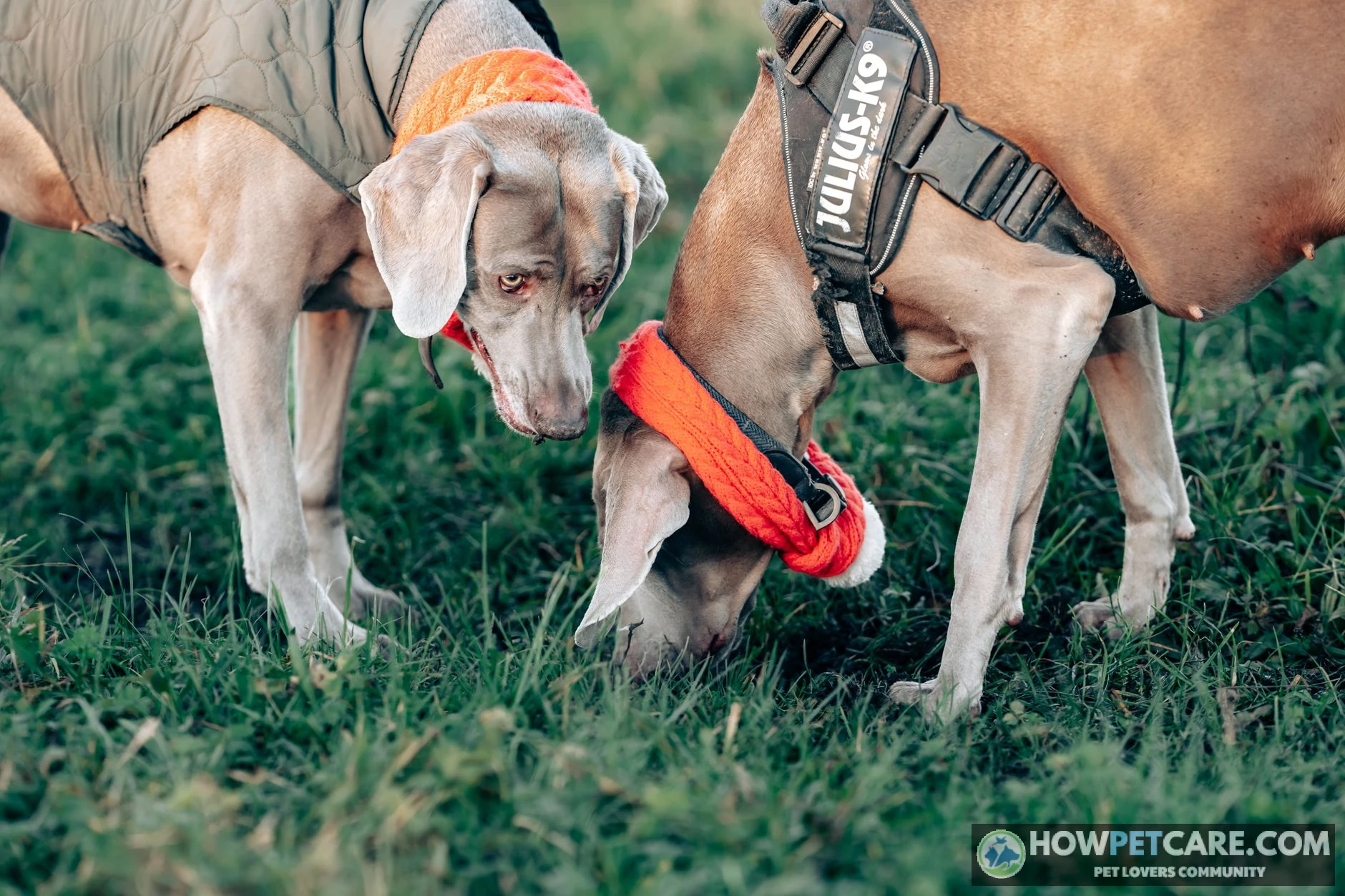
10. Plan positive social experiences. For an adult dog, schedule one or two low‑pressure exposures a month — a new surface, a quiet location, or a calm person or dog at a comfortable distance. Reward relaxed behavior and step back if your dog seems uneasy. Socialization doesn’t need a crowded park; puppies need a more frequent, vet‑guided plan early on.
Resolutions for owners, not just dogs
11. Prepare for an emergency. This month, assemble a basic kit, confirm microchip details, and identify a pet‑friendly evacuation spot. The emergency section includes a practical packing list.
12. Give dog care a budget. This month, get local estimates for a wellness visit and a dental cleaning, then set a monthly savings target. Compare insurance with an emergency fund before deciding on one or both.
Choose three to five resolutions for the year, but introduce only one or two new recurring habits at a time. A dental exam or emergency kit can be a one-time task rather than another daily chore.
Choose Resolutions by Age, Breed, and Size: Puppies, Seniors, and Flat-Faced Dogs
There’s no single exercise quota for every dog. A puppy, an adult French Bulldog, and an older Beagle with arthritis each need different activities and recovery time. Use the table to pick a pattern, then ask your vet for a suitable starting duration and any limits.
| Dog profile | Typical exercise pattern | Best activity types | Cautions |
|---|---|---|---|
| Puppy under 1 year | Several brief outings and play sessions, with plenty of rest | Sniffing, gentle play, name games, short recall practice | Avoid long forced runs and repetitive jumping while developing; stop before fatigue |
| Healthy adult companion | Regular walks or play, divided to fit fitness and routine | Sniff walks, comfortable-paced walks, short training games | Build from current fitness; heat and excess weight may limit activity |
| High-energy or working breed | Regular physical activity plus purposeful brain work and recovery | Scent games, hikes, structured fetch, suitable agility foundations | Increase gradually; watch for soreness or overexcitement |
| Flat-faced or small dog | Gentle sessions tailored to breathing, size, fitness, and weather | Cool-hour walks, sniffing, indoor play | Flat-faced dogs can struggle in heat; small size alone does not determine exercise needs |
| Senior or dog with a chronic condition | Often shorter, more frequent, low-impact activity, as approved by a vet | Flat walks, slow sniffing, gentle games | Adjust for pain, stamina, medication, and the condition being treated |
Puppies (under 1 year)
Keep sessions short and fun, and let your puppy rest. Pair basic cues with carefully managed positive experiences of people, sounds, surfaces, and places. Ask your vet how to balance early socialization with vaccination precautions, and discuss spay/neuter timing for your puppy. Don’t turn a growing dog into a running partner until your vet gives the go‑ahead.
High-energy and working breeds
A dog that loves to work may enjoy a short scent search or a fetch game with a practiced release cue as much as a long walk. Add activities gradually and leave room for rest; exercise alone isn’t a substitute for enrichment or a settled routine. Agility can be a future goal if your dog is healthy and your vet agrees.
Brachycephalic and small breeds
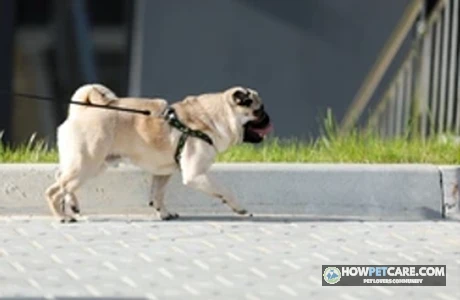
Pugs, Bulldogs, French Bulldogs, and other flat‑faced dogs can have breathing trouble that makes heat and exertion risky. Choose cooler conditions, use a well‑fitted harness, and don’t push through noisy or labored breathing. Stop and call a vet if breathing looks concerning; severe difficulty or blue gums means emergency care.
Small dogs can enjoy outdoor walks and indoor play. Match distance and pace to the individual, not just leg length.
Senior dogs and dogs with chronic conditions
For an older dog or one with arthritis, heart disease, diabetes, or kidney disease, start with the veterinary care plan. Ask whether twice‑yearly exams make sense, how to monitor pain and weight, and which activities or treats to avoid. A few comfortable, low‑impact outings may beat one demanding walk.
For a newly adopted dog, make a predictable routine, a quiet place to settle, and a vet visit the top priorities. Let trust build before adding ambitious training goals.
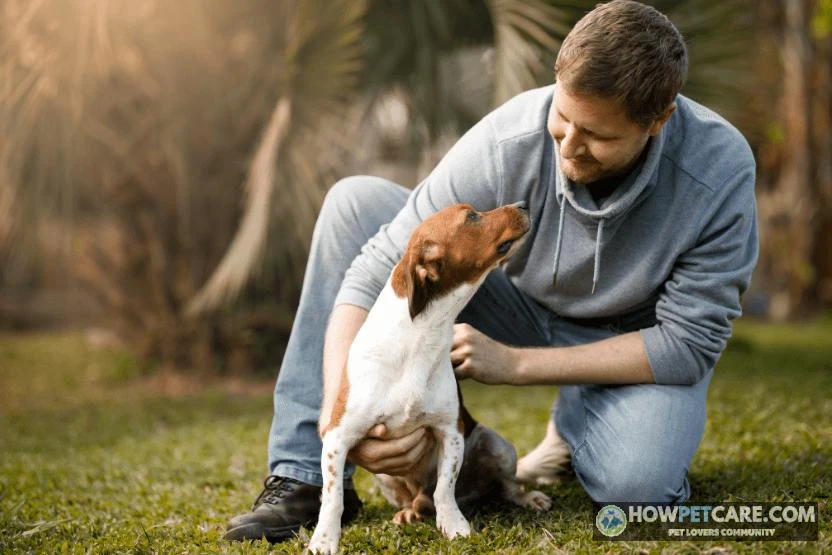
Ask your vet: What’s my dog’s ideal weight? What activity level is safe now? Which goals or activities should we skip?
A Dog Weight Loss Plan That Works: Portion Control, Treats, and Exercise
A weight goal should be a health plan, not a crash diet. Here’s a practical starting sequence:
1. Confirm the goal. Ask your vet whether your dog is overweight, whether a medical issue needs attention, and what target and pace are appropriate.
2. Record a baseline. Have the vet explain your dog’s body condition score and how to feel the ribs and assess the waist. Take photos from above and the side; coat and body shape can make photos imperfect.
3. Measure the full day’s food. Use the vet’s recommended calorie target and weigh or measure meals consistently. Ask how much of that allowance can go toward treats; don’t add rewards on top without accounting for them.
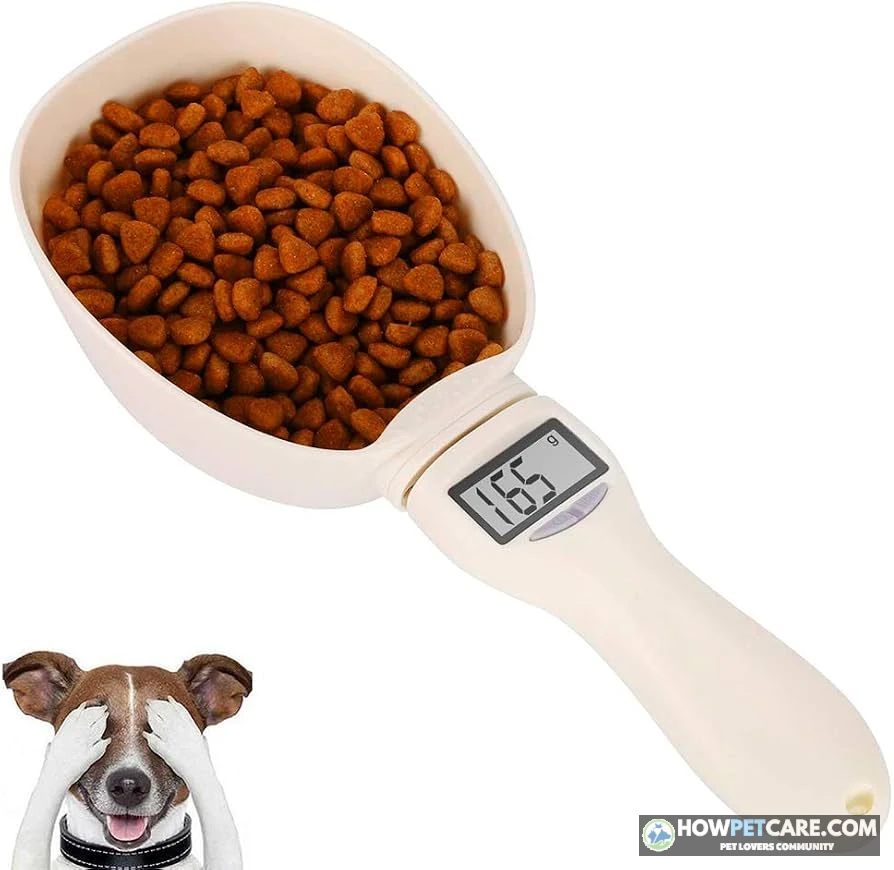
4. Make meals work harder. Reserve some daily kibble for training or a simple food puzzle. If your vet approves, swap in small amounts of plain, dog‑safe vegetables for richer treats.
5. Increase activity gradually. Start at your dog’s current comfortable level. A small increase — say five extra minutes on an outing — is a reasonable goal only if your vet agrees and your dog tolerates the current routine.
6. Check progress. Weigh your dog about every two weeks on the same scale when possible. Record the result and discuss stalled progress or unwanted changes with your vet.
Make one household rule: everyone uses the same measured allowance, treats included. Keep table scraps out of the plan unless the vet has specifically accounted for them.
Do not use a generic online calorie target or add strenuous exercise to force faster loss. Your vet can help protect your dog’s nutrition and adjust the plan safely.
Troubleshooting Resolutions That Stall: Leash Pulling, Teeth Brushing, Puzzle Toys, and Unfinished Training
My dog pulls on the leash
Practice first in a quiet area with a well‑fitted harness or flat collar. When the leash tightens, stop instead of pulling back. When your dog turns toward you or the leash loosens, reward near your side and move forward again. Start with five‑minute sessions and a goal like a loose leash for the first block, adjusting distance to your dog.
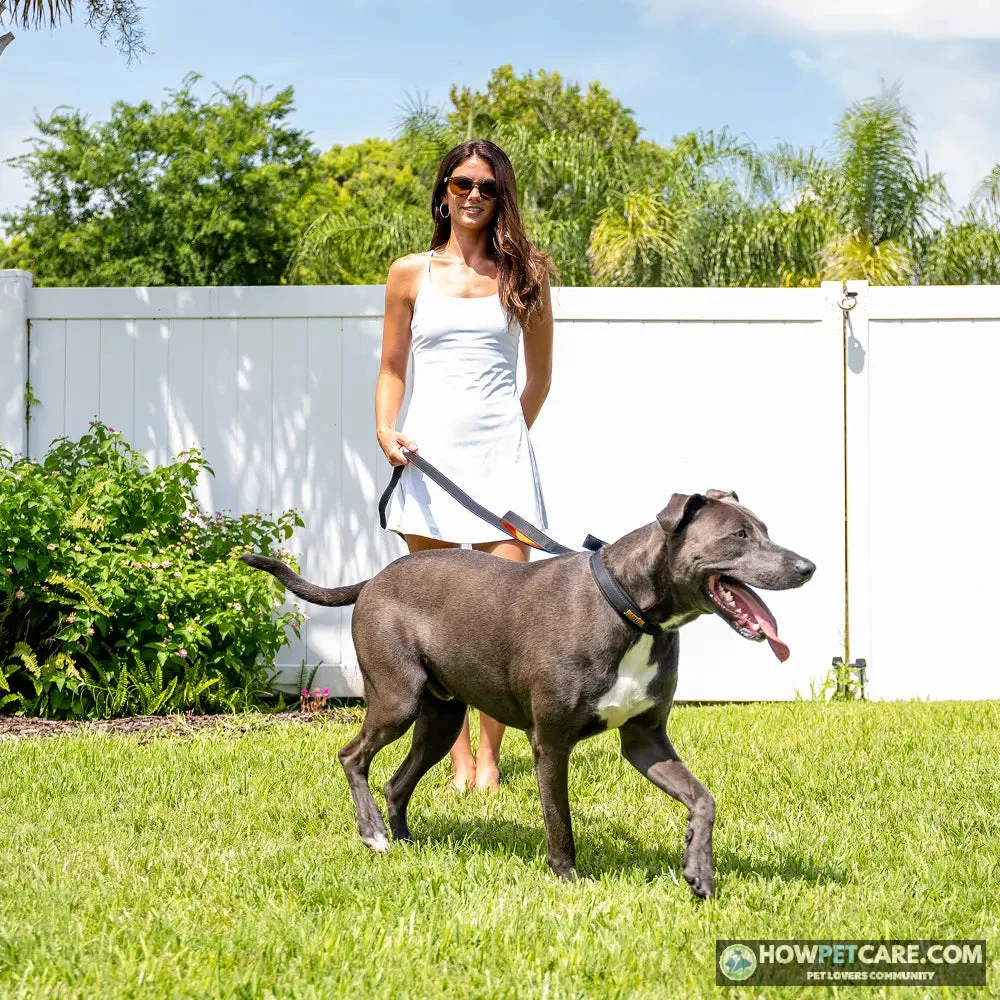
If your dog lunges, growls, seems frightened, or is hard to manage safely, ask your vet and a qualified positive‑reinforcement trainer or veterinary behavior professional for help. Avoid choke and prong collars.
How to brush your dog’s teeth when they won’t cooperate
Use toothpaste made for dogs, not human toothpaste. Keep sessions brief and advance only when your dog is comfortable; each stage may take several days or longer.
-
Introduce the taste
Offer a small amount of dog toothpaste on a clean finger. Let your dog lick it, reward, and stop.
-
Touch the mouth
Gently touch or lift the lip, then reward. When that’s comfortable, briefly touch an outer tooth with your finger.
-
Introduce the brush
Let your dog investigate a soft dog toothbrush or finger brush. Touch it gently to one or two outer teeth, then reward.
-
Add a few strokes
Brush a few outer tooth surfaces for a few seconds. Stop while your dog is still relaxed.
-
Build slowly
Gradually cover more outer surfaces, aiming for a regular routine and daily brushing if possible.
If your dog freezes, pulls away, growls, snaps, or has bleeding gums, stop. Ask your vet to check for pain or dental disease before continuing; don’t restrain your dog and force the brush. If brushing isn’t feasible, ask about dental chews, water additives, and professional care. These can support dental health but aren’t equal replacements for brushing.
My dog ignores puzzle toys
Make the first attempt almost impossible to lose: put a few pieces of kibble in an open, easy‑to‑reach container or a loosely arranged snuffle mat. Let your dog find them right away, praise the effort, and stop before frustration sets in. Increase difficulty only after repeated success, and supervise.
If your dog suddenly loses interest in food, seems uncomfortable, or tries to swallow the toy, stop and call your vet. A trainer can help adapt enrichment for a fearful or easily frustrated dog.
Restarting obedience training for an adult dog
Adult dogs can learn new skills. First note which cues your dog already knows, then pick one useful behavior and reward small successes in a low‑distraction room. Keep sessions short, practice in new places gradually, and don’t expect a cue learned at home to work instantly on a busy sidewalk.
If progress stalls, consider a positive‑reinforcement group class or trainer. For aggression, fear, or a sudden behavior change, involve your vet and a qualified behavior professional.
Budget for Vet Visits, Dental Cleanings, and Pet Insurance This Year
A yearly pet budget turns predictable expenses into a monthly plan while leaving room for surprises. US costs vary widely by location, clinic, dog size, age, and needed care, so request estimates instead of relying on a national average.
Build your dog’s yearly budget in four steps
1. List recurring care. Include food, prevention, grooming, routine visits, and any ongoing medication.
2. Request written estimates. Ask your clinic about an exam, recommended vaccines and tests, and a dental procedure if appropriate. For dentistry, confirm whether the estimate covers bloodwork, anesthesia, monitoring, dental X‑rays, possible extractions, and pain medication.
3. Add irregular and emergency costs. Include training, supplies, insurance premiums if applicable, and a separate emergency savings goal.
4. Calculate the monthly amount. Add your estimated yearly expenses and divide by 12. For example, an individually estimated yearly total of $1,800 means setting aside $150 a month; that’s an arithmetic example, not a typical cost.

| Category | What it covers | How to get your estimate | Frequency | Your yearly total |
|---|---|---|---|---|
| Wellness exam and vaccines | Exam, recommended vaccines and tests | Request a written clinic estimate | As advised | $_____ |
| Parasite prevention | Heartworm, flea, tick, and other prevention as advised | Ask for a quote based on your dog and local risks | As prescribed | $_____ |
| Dental care | Home supplies and professional care when recommended | Ask what anesthesia, imaging, and possible extractions cost | Home care regularly; procedures as advised | $_____ |
| Food and treats | Regular diet and training rewards | Multiply your actual monthly spending by 12 | Monthly | $_____ |
| Grooming and supplies | Coat care, nail trims, and replacements | Price your usual services and supplies | As needed | $_____ |
| Training and enrichment | Classes, training help, and safe activities | Request local class or trainer fees | As needed | $_____ |
| Insurance and emergency savings | Premiums and money reserved for uncovered bills | Compare quotes and choose a savings target | Monthly | $_____ |
Add the final column and divide by 12: monthly set‑aside = $_____. Ask your clinic about payment options or local wellness clinics, but don’t skip recommended care to meet a budget target.
Pet insurance: how to decide
Insurance can help manage a large surprise bill, but it’s not a substitute for understanding the policy or keeping accessible funds. Compare the premium, deductible, reimbursement percentage, annual limit, waiting periods, and claims process. Check exclusions carefully: pre‑existing conditions are commonly excluded, and dental and routine wellness coverage vary by policy. Premiums may change as your dog ages.
If a large unexpected bill would be hard to absorb, get quotes and read the terms before deciding. If you can comfortably self‑fund, a dedicated savings account may work; some households use both insurance and savings. Enrolling before a condition appears can matter, but coverage always depends on the policy’s definitions and waiting periods.
Emergency Preparedness Resolutions: First Aid Kit, Evacuation Plan, and Microchip Check
Set aside an afternoon to make a plan you can find under pressure:
- Pack first aid supplies: gauze, self‑adherent bandage, saline, blunt‑tip scissors, tweezers, a digital thermometer, a towel, and copies of medication and vaccine records. Ask your vet before adding medication; first aid doesn’t replace veterinary care.
- Save emergency numbers: your regular vet, the nearest emergency clinic, and an animal poison control hotline. Keep the list in your phone and on the refrigerator. Hotline fees may apply.
- Check identification: ask the vet to scan the microchip, confirm its registration and contact details, and use an ID tag with a current phone number. A chip can’t help a shelter contact you if its info is outdated.
- Prepare to evacuate: identify pet‑friendly lodging or shelters and pack several days of food and water, bowls, a leash, medications, records, and a recent photo. Practice calm crate or car loading.
- Set a yearly reminder: rotate supplies and food, review medication expiry dates with your vet, and update contacts and evacuation options.
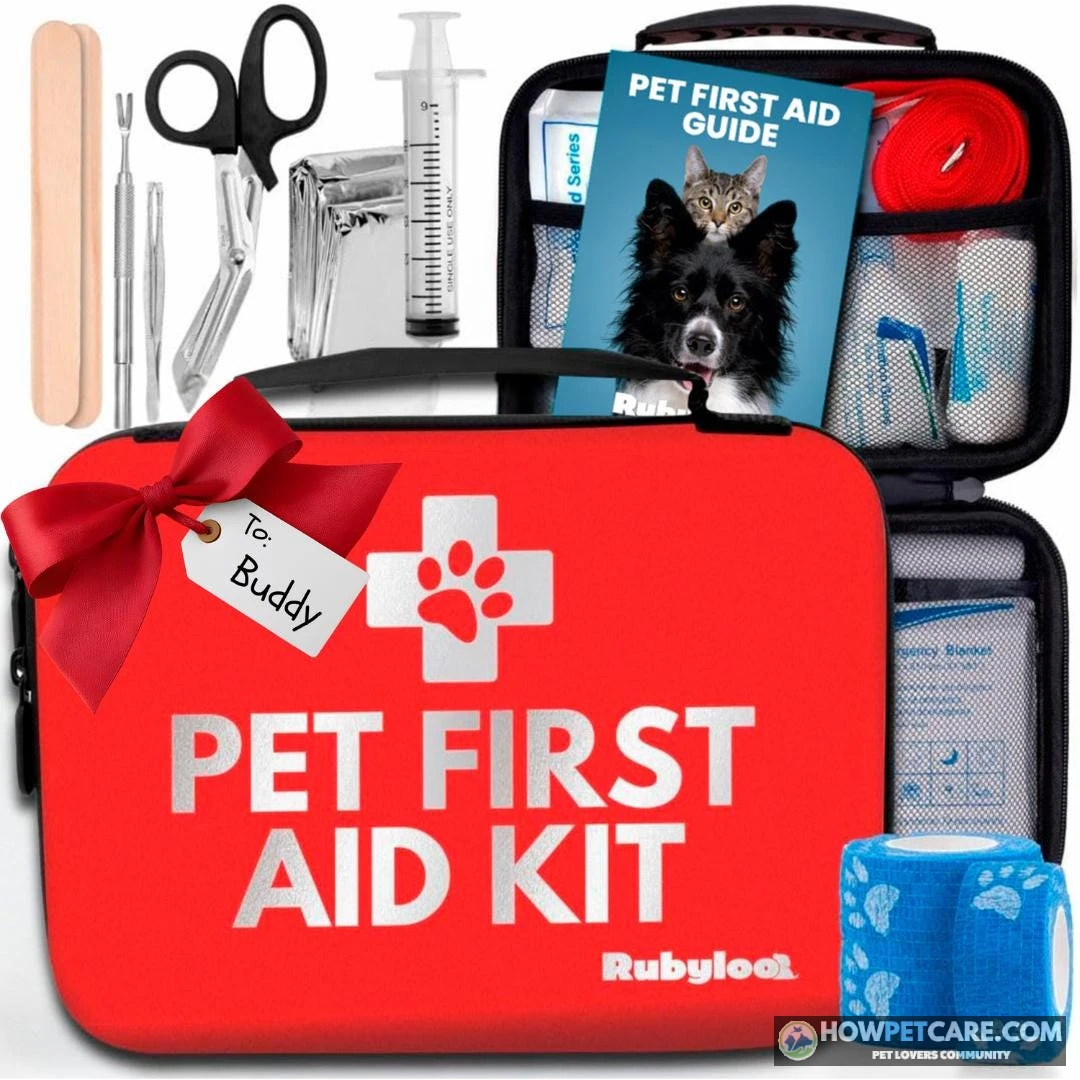
Difficulty breathing, collapse, seizures, pale or blue gums, a swollen or tight abdomen, repeated vomiting, and suspected toxin ingestion need urgent veterinary advice. Call an emergency clinic immediately and follow its instructions.
If your dog swallows a foreign object or eats cat litter, call your vet, an emergency clinic, or an animal poison control service promptly — even if your dog seems fine. Don’t induce vomiting unless a professional specifically instructs you to.
How to Keep Your Dog’s New Year Resolutions Past January
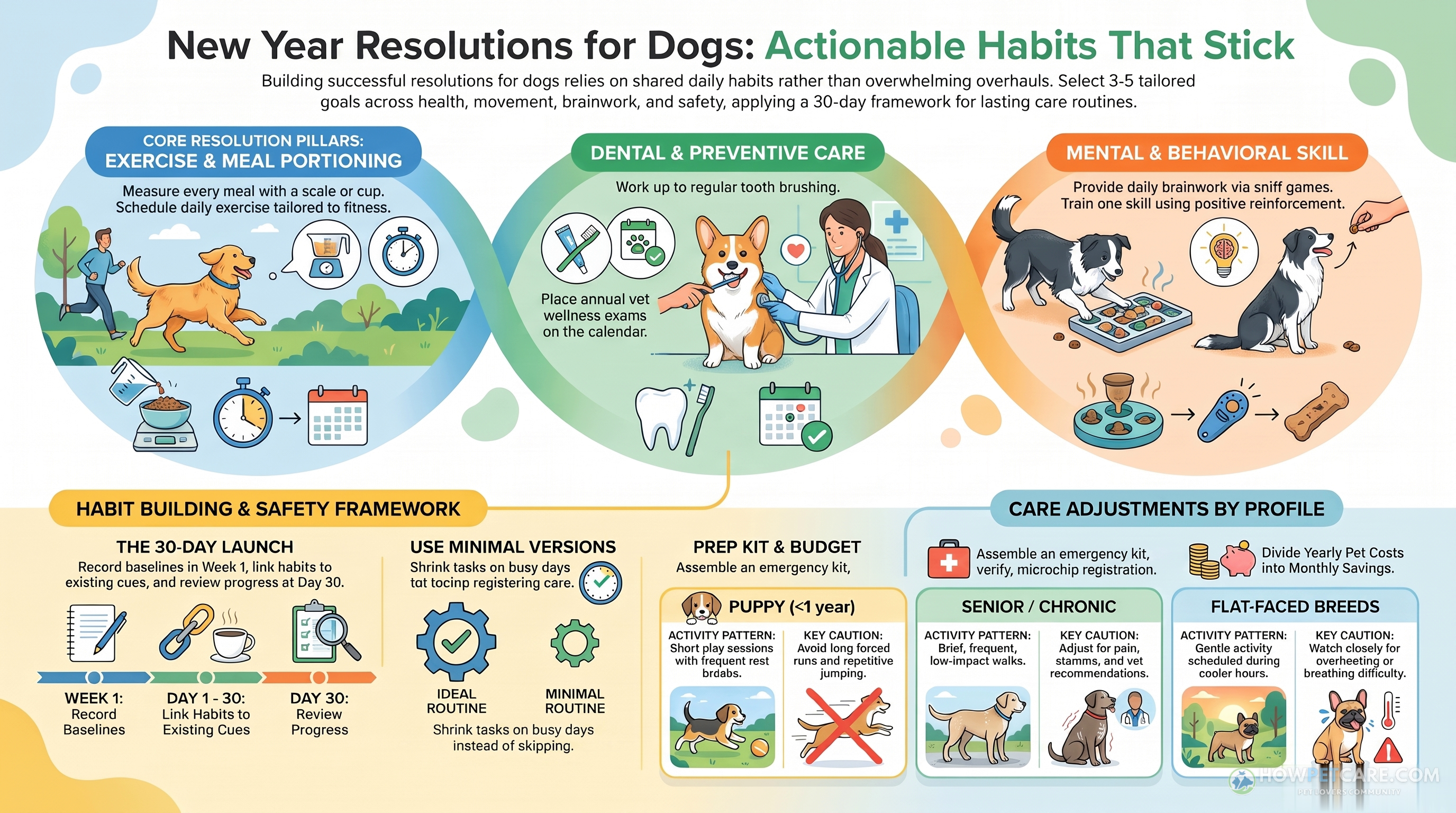
Too many goals, vague intentions, and no backup for bad weather can derail a good plan. Use the Choose, Cue, Check, Change framework: pick a small goal, attach it to an existing routine, track it, and adjust when it doesn’t fit.
Turn vague goals into measurable ones
Write each resolution as action + amount + frequency + review date. Instead of "take better care of teeth," try: "After our morning walk, practice tooth brushing three mornings a week for eight weeks, then review progress." Start with the intro steps if brushing isn’t comfortable yet.
Choose three to five total goals, but start only one or two new recurring habits this month. Assign each task to a person and plan a minimal version for busy days — one gentle tooth touch instead of a full brush, for example. A minimal version never overrides your dog’s medical or exercise needs.
A 30-day launch timeline
| Week | Focus | Daily or weekly habit | Checkpoint question |
|---|---|---|---|
| 1 | Record a baseline and book care | Note current walks and meals; schedule the vet if needed | Is the starting goal appropriate for my dog? |
| 2 | Build the routine | Practice one or two chosen habits after an existing cue | Which habit was easiest to remember? |
| 3 | Troubleshoot | Reduce difficulty or change the cue for a missed habit | Is the dog comfortable and engaged? |
| 4 | Review and adjust | Check the tracker and decide what to keep, shrink, or replace | Can we repeat this next month? |
Copy or print the tracker below. Mark a scheduled day with a check when completed, a dash when it wasn’t scheduled, or an M when missed. Use the note field for comfort, weather, or other useful context.
30-DAY DOG RESOLUTION TRACKER
Habit 1: __________________  Cue: __________  Minimum: __________
Habit 2: __________________  Cue: __________  Minimum: __________
Habit 3: __________________  Cue: __________  Minimum: __________

Day     01 02 03 04 05 06 07 08 09 10
Habit 1 __ __ __ __ __ __ __ __ __ __
Habit 2 __ __ __ __ __ __ __ __ __ __
Habit 3 __ __ __ __ __ __ __ __ __ __

Day     11 12 13 14 15 16 17 18 19 20
Habit 1 __ __ __ __ __ __ __ __ __ __
Habit 2 __ __ __ __ __ __ __ __ __ __
Habit 3 __ __ __ __ __ __ __ __ __ __

Day     21 22 23 24 25 26 27 28 29 30
Habit 1 __ __ __ __ __ __ __ __ __ __
Habit 2 __ __ __ __ __ __ __ __ __ __
Habit 3 __ __ __ __ __ __ __ __ __ __
Notes: __________________________________________________________
At day 30, keep a habit that works, shrink one that’s too hard, or replace one that doesn’t serve your dog. Schedule further reviews for days 60, 90, and 180. A phone calendar or shared household checklist works just as well as paper.
Printable vet log: Date: Weight: Medication and dose: Appetite or symptoms: Questions for vet: Next appointment: . Add a monthly photo or weigh‑in if useful; follow your vet’s schedule when closer monitoring is needed.
What to do when you miss a week
Restart with the smallest comfortable version at the next opportunity instead of trying to make up every missed session. "Never miss twice" can be a helpful reminder, not a reason to exercise a sick dog or ignore veterinary instructions. If a habit keeps getting skipped, change its time, assign another household member, or make it easier. Celebrate progress with a favorite game, praise, or a new sniff route.
Pick Your 3–5 Resolutions and Start This Week: A Checklist
Starter sets by dog profile
Choose a set as a starting point, then adjust it with your vet:
- Puppy: book a vet visit and vaccine discussion; practice a name or recall cue; arrange gentle, safe social experiences; build a rest‑and‑play routine.
- Healthy adult: schedule comfortable daily movement; add a sniff game; start dental practice; choose one obedience skill.
- High‑energy adult: plan suitable exercise and recovery; teach a scent game; practice loose‑leash walking; add a vet checkup.
- Flat‑faced or small dog: plan individual, comfortable movement; add indoor enrichment; start dental practice; discuss exercise and dental care with the vet.
- Senior or chronic condition: review the care plan; schedule vet‑approved low‑impact activity; track comfort and appetite; update medication and emergency records.
- Overweight dog: confirm a target with the vet; measure meals; account for treats; build a safe activity routine and weigh‑in schedule.
Copy this resolution planner and complete only the lines you need:
My dog’s life stage, health needs, and main constraint: __________
1. Body: action + amount + frequency + review date: _______________
2. Brain or behavior: ____________________________________________
3. Health: ______________________________________________________
4. Safety, optional: ____________________________________________
5. Money, optional: _____________________________________________
Your first-week checklist
- ☐ Book or confirm the next vet visit and write down questions about weight, exercise, and dental care.
- ☐ Record a baseline weight and photo if appropriate, and measure meals consistently.
- ☐ Choose one training cue and one manageable activity or dental habit.
- ☐ Fill in the 30-day tracker and assign household responsibilities.
- ☐ Put the emergency kit and budget estimate on the calendar.
At the end of the first month, review the tracker, arrange a weigh‑in if recommended, check whether dental practice is comfortable, assemble the kit, and set your monthly budget number. Which three to five resolutions will you choose for your dog? Share your plan and the first habit you’ll start this week.
FAQ
What do I do if my dog eats cat litter or swallows a foreign object?
Call your vet, an emergency clinic, or an animal poison control line right away, and do not induce vomiting unless a professional tells you to. Clumping litter and non-food objects can cause blockages, so ask for guidance even if your dog seems fine.
What are some funny New Year’s resolutions from a dog’s perspective?
Popular jokes include ‘stop barking at the mailman,’ ‘chase my tail only on weekends,’ and ‘finally catch the squirrel.’ They are good for a laugh, but the practical resolutions in this article are the ones that improve your dog’s health.
Can I set resolutions for a new puppy or rescue dog?
Yes, but keep them simple at first: a routine, a vet visit, gentle socialization, and one basic cue. Give a rescue dog time to settle in before adding ambitious training or exercise goals.
Can I use human toothpaste to brush my dog’s teeth?
No. Human toothpaste can contain xylitol, which is toxic to dogs, and dogs swallow it instead of spitting. Use toothpaste made for dogs.
Do I have to start my dog’s resolutions on January 1?
No. January 1 is a convenient reminder, but any start date works. A week of baseline notes (weight, walks, treats) before starting makes it easier to see progress.