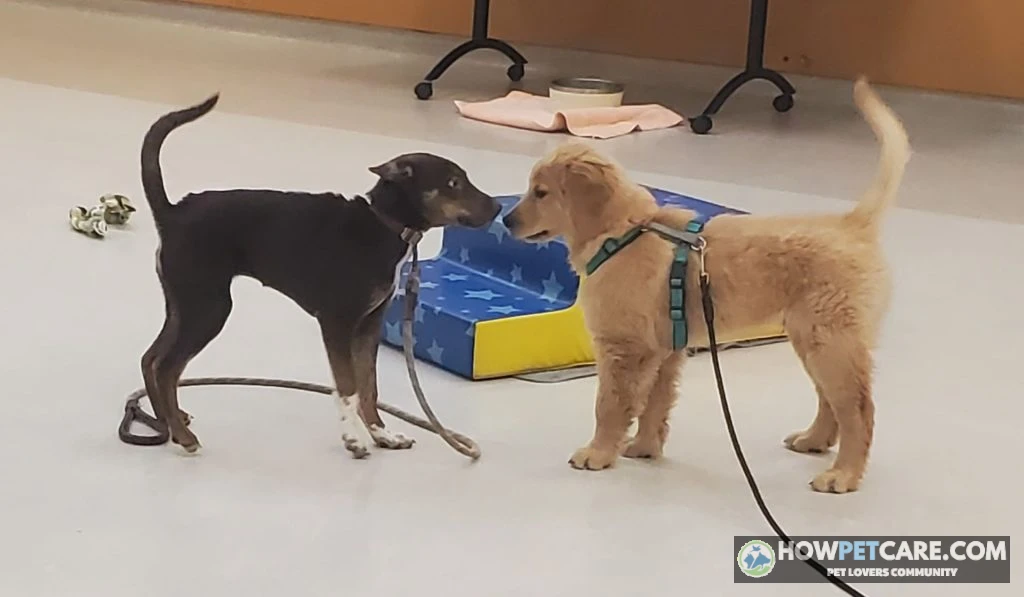

Puppy preschool is a supervised group class for young puppies—typically 8 to 16 weeks old—that combines controlled socialization, early manners training, and owner coaching. Look for a program with verified trainer credentials, reward-based methods, clear vaccination rules, and supervised play, and confirm the age cutoff with the provider and your veterinarian.
Puppy preschool is a supervised class for young puppies that blends controlled socialization, early training, and owner coaching. Most programs accept puppies from about 8 to 16 weeks of age, though cutoffs vary, so confirm the provider’s requirements and your veterinarian’s approval before enrolling. A good choice depends on more than proximity: compare class format, trainer qualifications, safety practices, curriculum, total cost, and the missed-class policy.
These classes often suit first-time owners and puppies with few safe chances to meet people, explore new places, and practice around other dogs. Puppy preschool isn’t essential for every puppy, and it can’t guarantee a particular temperament or complete obedience training. Its purpose is to create thoughtful early experiences and show you how to keep practicing at home.
Puppy Preschool Explained: What It Is, Who It Fits, and the Age Window
In a puppy preschool, puppies learn alongside other puppies while an instructor guides owners through basic skills and safe interaction. Sessions usually mix play, handling practice, exposure to everyday sights and sounds, and early cues. Some programs are weekly classes with owners present; others are daycare-style services with training built in.
The age window is not universal. Many programs accept puppies in the roughly 8-to-16-week range, and each provider sets its own upper limit, often somewhere around 14 to 20 weeks. Ask about the specific cutoff if your puppy is near it. Socialization is a period when positive, carefully managed experiences can help puppies feel more comfortable with the world. It’s not a deadline; if you’re wondering when to start training, older puppies can still build skills and confidence.
Preschool may be right for puppies with limited access to healthy, appropriate playmates, for owners who want hands-on instruction, and for households working through normal puppy behavior. A puppy who’s medically restricted, highly fearful, or overwhelmed by groups may do better with a veterinarian’s guidance and private or smaller-format training.
Use this quick fit check: your puppy should fall within the program’s age range; your veterinarian should have said group class is appropriate; and you should know whether you want supervised socialization, owner coaching, early manners, or all three. If your answers match what a class offers, it’s worth comparing. Before paying, verify trainer credentials, class size and supervision, and the refund or make-up policy—the checklist below covers what to ask.
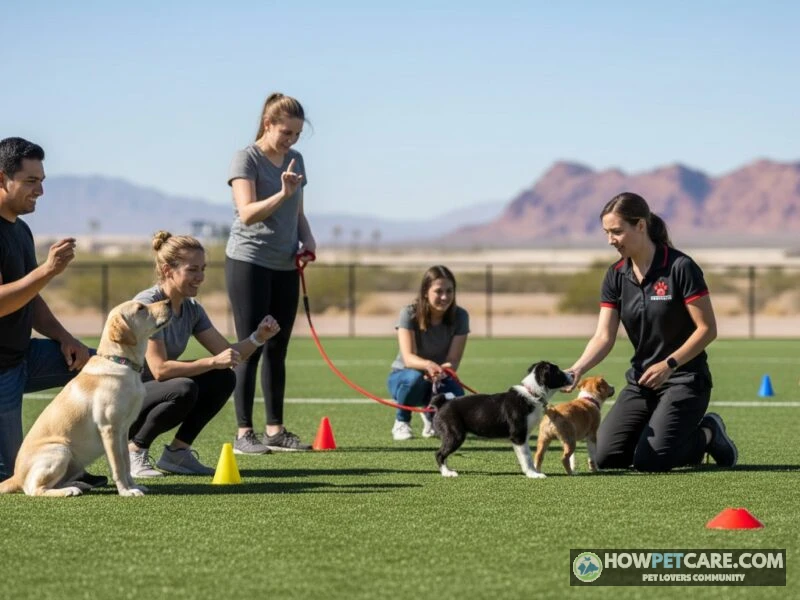
Puppy preschool vs puppy kindergarten vs socialization class vs obedience class
Class names are not standardized. Two providers may use “preschool” and “kindergarten” for very similar programs, so compare ages, curriculum, play, and owner involvement instead of trusting the label.
| Class name | Typical age range | Main focus | Owner involvement | Playtime included? |
|---|---|---|---|---|
| Puppy preschool | Roughly 8–16 weeks; provider cutoff varies | Controlled socialization, handling, early manners | Owner attends and is coached | Often, supervised |
| Puppy kindergarten | Often roughly 10–20 weeks; overlaps preschool | Manners cues plus some socialization | Owner attends and trains | Often, but format varies |
| Socialization class or puppy playgroup | Varies; often for puppies under about 6 months | Supervised play and exposure | Owner-present or drop-off, depending on format | Usually; cue training may be limited |
| Beginner obedience class | Often for older puppies, but minimum age varies | Cues, leash skills, and working around distractions | Owner handles the dog | Usually not free play |
When a class name is unclear, ask two questions: “What ages do you accept?” and “Is supervised play part of each session?” The answers tell you more than the title.
Daycare-style preschool vs trainer-led weekly classes
In a trainer-led class, owners attend a scheduled session and practice skills directly with their puppy. That format gives you coaching and a clear curriculum. A daycare-style preschool may provide play, rest, potty breaks, and short training activities during the day, but owner coaching may be more limited or offered separately. Ask who supervises the puppies, how much instruction they receive, and what guidance you will get to use at home.
What Puppies Learn in Puppy Preschool (and What They Won’t)
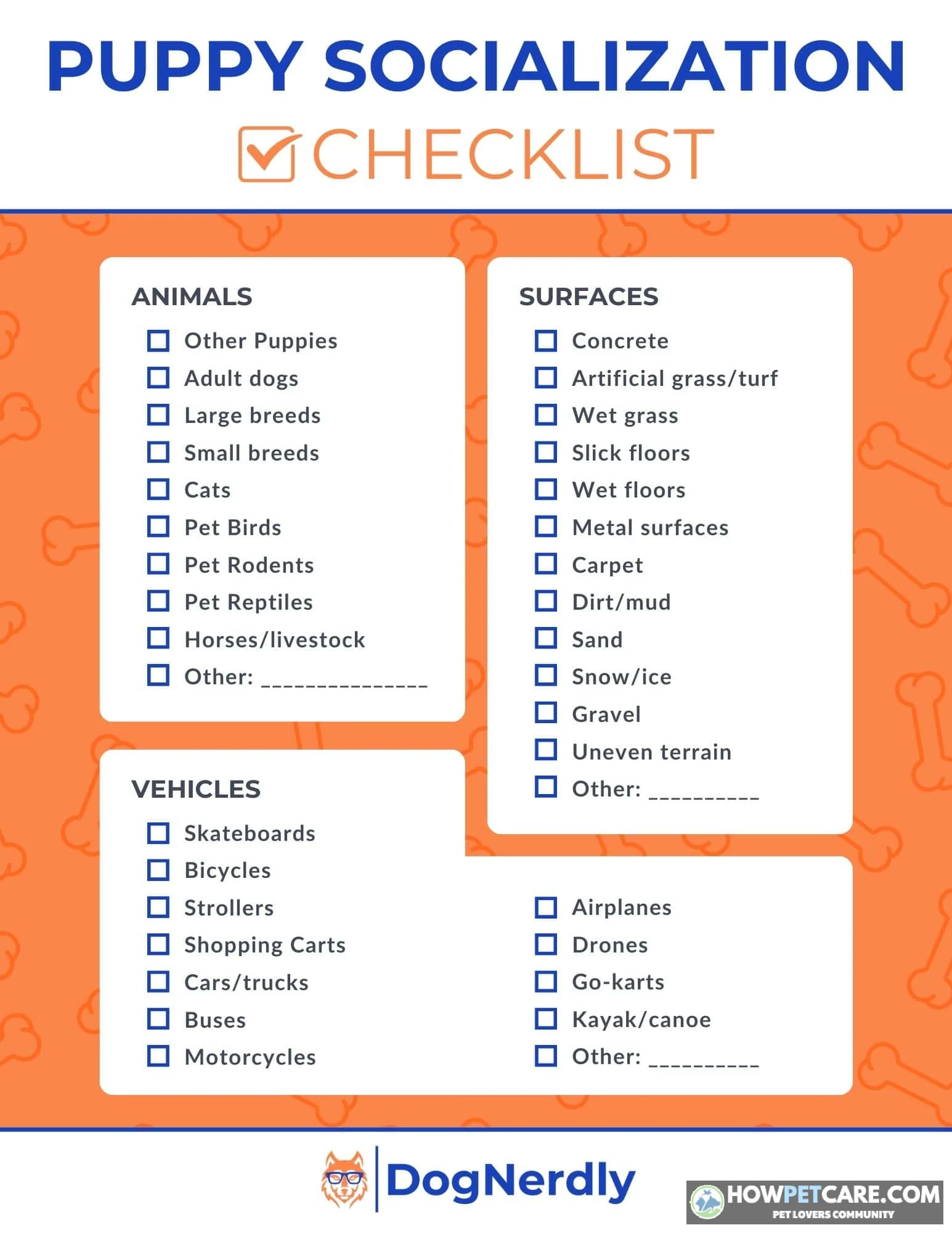
A useful curriculum does more than let puppies play. It should give puppies manageable exposure to people, handling, surfaces, sounds, and other dogs, while teaching you to notice when a puppy needs a break. Playgroups should be supervised, with attention to size, age, temperament, and play style. Instructors should interrupt rough play and give shy puppies room instead of forcing interactions.
Puppies may practice name response, sit, down, come, early leash skills, and settling on a mat. Reward-based lessons use food, play, and other rewards to encourage behaviors. Classes may also cover bite inhibition and appropriate mouthing, grooming and veterinary handling, crate training introductions, and potty training routines. Preschool can help you plan and respond consistently, but it can’t replace daily practice at home.
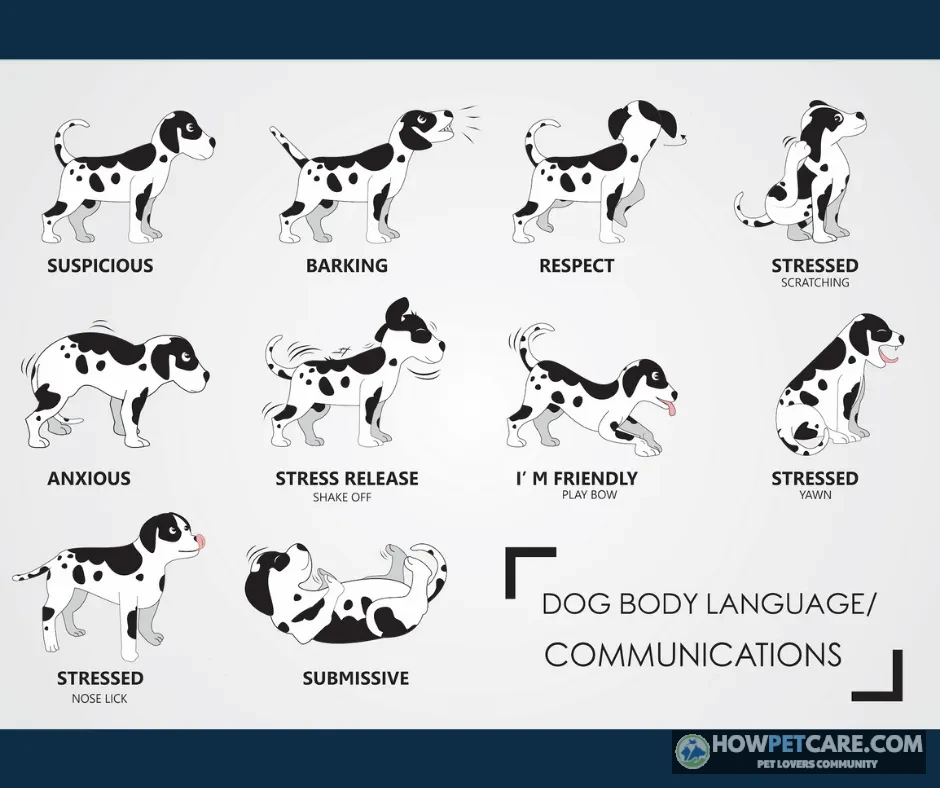
Owner education matters as much as puppy exercises. Look for guidance on reading body language, handling, normal fear periods, play, and preventing common household problems. A good instructor tells you what to do when a puppy is tired, worried, or overstimulated—not just how to ask for more obedience.
Preschool builds foundations; it doesn’t produce a fully trained dog. Puppies are still developing, and skills need practice in different settings. Reliable obedience training usually comes later, once the puppy can work around more distractions.
A sample week-by-week syllabus to compare against a provider’s curriculum
Programs vary, but a substantive series might include an introduction and body-language basics; name response and attention; handling and grooming practice; play and bite-management coaching; early cues and leash skills; and review with a plan for continued training. Treat this as a comparison prompt, not a required sequence. Ask the provider what each session covers and how owners receive feedback.

Vaccination Requirements and How Classes Keep Under-Vaccinated Puppies Safe
Providers usually ask for proof of age-appropriate vaccination and may require an initial dose of core vaccines such as the distemper-parvovirus combination. Some also request Bordetella vaccination or set rules about rabies vaccination once a puppy is old enough. Requirements differ by provider and region. Confirm the exact policy with the class and ask your veterinarian whether group attendance is appropriate for your puppy, given its age, vaccine history, and local disease risks.
A puppy may be allowed to attend before completing its vaccine series under some providers’ policies, but that doesn’t make group exposure risk-free. Your veterinarian can help weigh the puppy’s health and local conditions against the benefits of supervised early experiences. Don’t rely on a class’s general policy as a substitute for veterinary advice.
Ask how the program reduces exposure risk. Look for a cleanable indoor surface, cleaning between sessions, vaccination records checked before enrollment, sick puppies kept home, and a controlled space away from high-traffic dog areas. Ask whether water bowls are shared and how the facility handles accidents. A provider should be able to explain its routine clearly.

Typical vaccine documentation to have ready
Have your puppy’s veterinary records available and ask the provider which documents it accepts. Clarify the required vaccines, deadlines, and what happens if a dose is due during the course. If your puppy shows signs of illness before class, contact your veterinarian and follow the provider’s illness policy rather than attending.
Safer socialization before the series is complete
If your veterinarian advises against a group class for now, ask what lower-risk experiences are appropriate. Depending on your puppy and local conditions, your vet may suggest controlled exposure to household visitors, familiar healthy dogs, or new sights and sounds in settings they consider suitable. Avoid assuming that a public dog park or unknown dogs are a safe substitute. The plan should fit your puppy’s health and comfort.
How Much Puppy Preschool Costs and When It’s Worth the Money
There’s no dependable national average that captures every format. Prices vary by region, provider, and what is included. The figures below are observed examples and broad US budgeting benchmarks, not a verified national survey or a promise of local pricing. Check current local quotes and calculate what each session actually costs.
| Program model | How it is priced | Example price range (not a national average) | What is usually included | Watch-outs |
|---|---|---|---|---|
| Trainer-led weekly group class | Fee for a multi-week series | About $100–$250 per series as an example range | Supervised play, foundation skills, owner coaching | Fixed dates, registration fees, and varying make-up policies |
| Daycare-based preschool | Per day or package | About $30–$60 per day as an example range | Play, rest periods, and some manners practice | Owner coaching and trainer oversight vary |
| Vet-clinic preschool | Standalone fee or bundled with visits or vaccines | About $0–$150 as an example range | Socialization and handling; sometimes bundled services | Series length and instructor qualifications vary |
| Private or online options | Per session or course | About $75–$150 per private session or $50–$200 per online course as examples | Tailored coaching or self-paced instruction | Usually little or no puppy-to-puppy socialization |
These are comparison figures, not guarantees; prices vary by region, and you should verify them locally. For context, one provider lists a $100 registration that includes a pre-class consultation, a puppy manual, and unlimited weekly classes until the puppy is 20 weeks old. Another lists a four-week course for puppies aged 8 to 14 weeks at $350, including two vaccinations and a gift pack. These are individual provider examples, not typical prices for every market.
Budget for possible registration fees, required veterinary visits or vaccines, treats and equipment, travel, and fees for missed classes. Ask whether a quoted package includes all sessions and whether a vet-service bundle is optional.

Cost per session: a simple formula for comparing programs
Divide the total required cost by the number of sessions you can attend. For example, if a series costs $180 for six sessions, the base cost is $30 per session. Add mandatory fees and account for sessions you may miss. For a daycare package, compare the number and length of training activities—not only the number of days in care.
Preschool vs DIY socialization vs a cheaper obedience class
Preschool may be worth paying for if you need a qualified person to guide play, teach you how to respond to mouthing, or help you build a home routine. It can also help when you don’t have access to appropriate puppy playmates. An experienced owner can arrange thoughtful exposures and safe playdates without a formal preschool, but that takes time, planning, and good judgment about health and temperament.
A cheaper obedience class may focus on cues and leash skills without supervised puppy play or socialization coaching. A free playgroup may offer contact with other puppies but little instruction or safety oversight. Compare what you actually need and what the program delivers. Before paying, check the written rules for missed sessions, make-ups, credits, refunds, rollovers, and illness-related absences.
How to Choose a Good Puppy Preschool: Credentials, Class Size, Methods, and Red Flags
A good program explains its approach, safety rules, and curriculum before you enroll. Look for a certified dog trainer with puppy-specific experience and continuing education. Credentials such as CPDT-KA or CPDT-KSA, KPA-CTP, or IAABC membership can point to relevant training and professional affiliations; verify them through the issuing organization. No credential alone guarantees that a class is right for your puppy. AKC S.T.A.R. Puppy participation is another recognizable program indicator, not a substitute for checking methods and supervision.
Ask about maximum class size and how many instructors or assistants are present. There’s no single ratio that fits every room and activity, but staff should be able to see and respond to every puppy during play. Smaller groups can make it easier to manage different play styles. Ask how puppies are matched, how breaks work, and what the instructor does if one puppy is overwhelmed.
For young puppies, favor reward-based, positive reinforcement methods. Ask what happens when a puppy is frightened, barking, or makes a mistake. Correction-heavy approaches and tools such as prong or shock collars are a poor fit for teaching a very young puppy; a good instructor should explain how to redirect and reward instead. If a provider describes its approach only as “balanced,” ask for concrete examples of what the trainer does in class.
Green flags vs red flags at a glance
| Criterion | Green flag | Red flag |
|---|---|---|
| Trainer | Credentials can be verified; experience with puppies is clear | Credentials are vague or impossible to check |
| Methods | Reward-based teaching and calm redirection | Punishment, intimidation, or aversive tools for young puppies |
| Safety | Vaccination rules, health screening, and cleaning explained | No health checks or unclear sanitation |
| Play | Supervised, adjustable, and responsive to puppy comfort | Forced greetings or unchecked rough play |
| Curriculum | Sessions include owner coaching and stated learning goals | Vague promises with no explanation of class content |
| Enrollment | Observation or a tour is welcomed; policies are written | Pressure to pay upfront or refusal to answer questions |
Why “balanced” or correction-based training is a poor fit for young puppies
Labels can mean different things to different providers, so ask what the trainer actually does. A puppy should not be punished for fear, normal puppy behavior, or confusion. Look for an instructor who uses rewards to build desired behavior, adjusts the challenge when a puppy struggles, and allows space rather than forcing contact.
How to Find and Compare Puppy Classes Near You
Try several search phrases: providers may advertise puppy training classes, puppy socialization classes, puppy kindergarten, or puppy preschool. Search local map listings with each term and your city or ZIP code. Then ask your veterinarian and local shelter or humane society for referrals. Check trainer directories such as CCPDT, IAABC, and Pet Professional Guild, and use franchise locator pages for national daycare or training chains if relevant.
Follow a repeatable process instead of enrolling in the first nearby result:
-
Start with referrals
Ask your veterinarian which local programs they know, then contact your shelter or humane society about classes or trainer referrals.
-
Search several terms
Search maps for “puppy training classes,” “puppy socialization class,” and “puppy kindergarten” plus your city. Save a manageable set of local options.
-
Screen providers
Read recent reviews for repeated patterns, verify listed credentials, and confirm each program publishes age limits, vaccination rules, and class details.
-
Compare different models
Where available, shortlist a trainer-led class, a daycare-based program, and a vet-clinic option so you can compare what each includes.
-
Observe and decide
Ask to watch a class or tour the facility. Notice how the trainer responds to a stressed puppy, then compare the options against your priorities.
Side-by-side scorecard for your shortlist
Fill in the provider columns after checking the facts, not from advertising alone. Mark anything you have not verified as “unknown” and follow up before paying.
| Criteria | What good looks like | Red flag | Provider A | Provider B | Provider C |
|---|---|---|---|---|---|
| Trainer and methods | Verifiable experience; reward-based | Vague qualifications or corrections | |||
| Class size and supervision | Staff can monitor every puppy | Crowded or unclear supervision | |||
| Health and hygiene | Written vaccine rules and cleaning routine | No screening or sanitation details | |||
| Curriculum | Play, skills, and owner coaching described | No session plan | |||
| Cost and policies | Total price and absence rules are clear | Hidden fees or unclear refund terms |
Questions to ask before you pay
Ask for the maximum class size and number of trainers; how puppies are grouped; whether you can observe; what each session covers; what vaccine records are required; how floors and equipment are cleaned; and what happens if your puppy is shy, ill, or misses a class. Confirm session length, total sessions, full cost, refund or make-up rules, and what you should practice between meetings. A provider should answer directly and without pressuring you.
What to Bring and What Happens at Your Puppy’s First Class
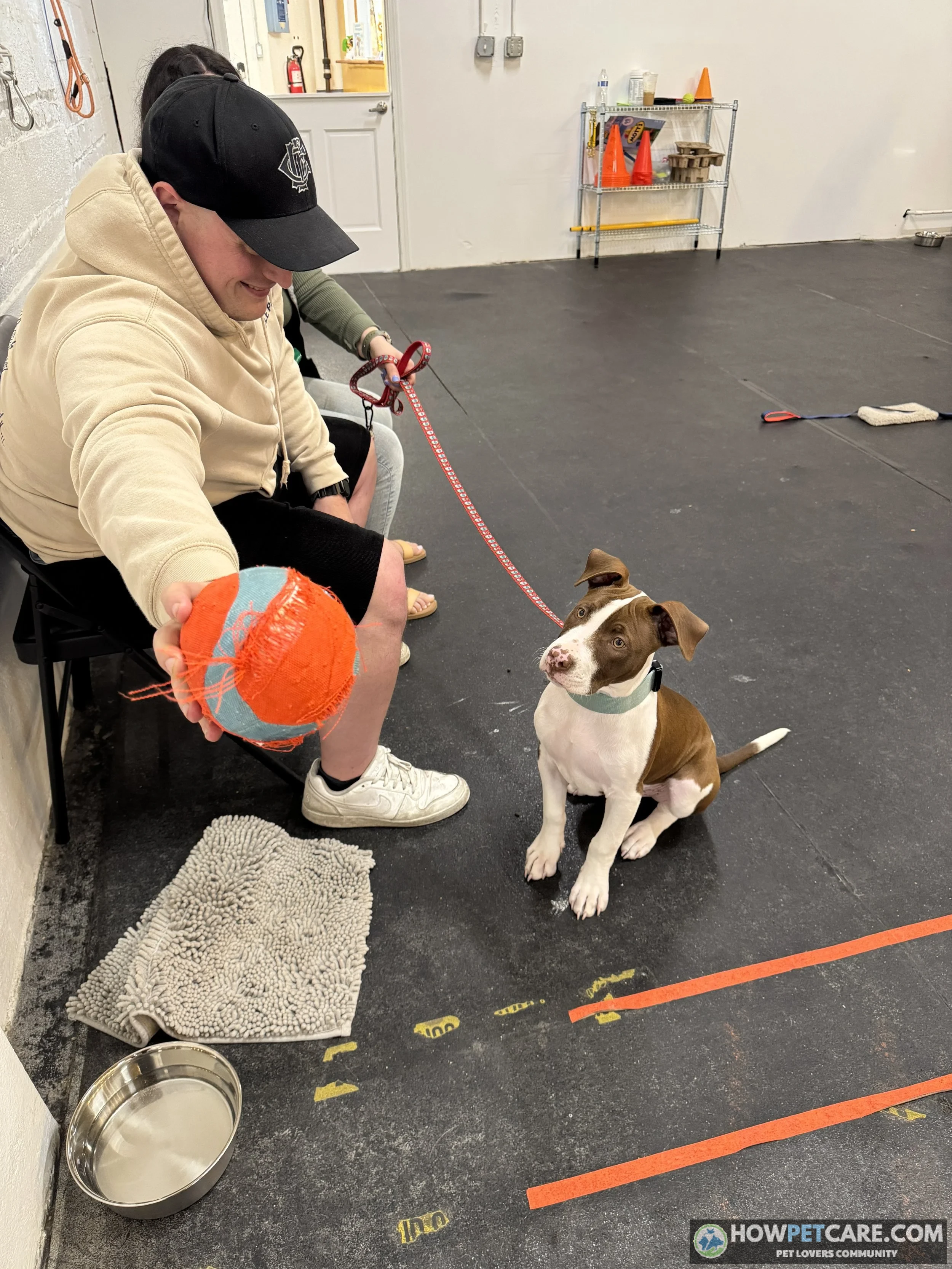
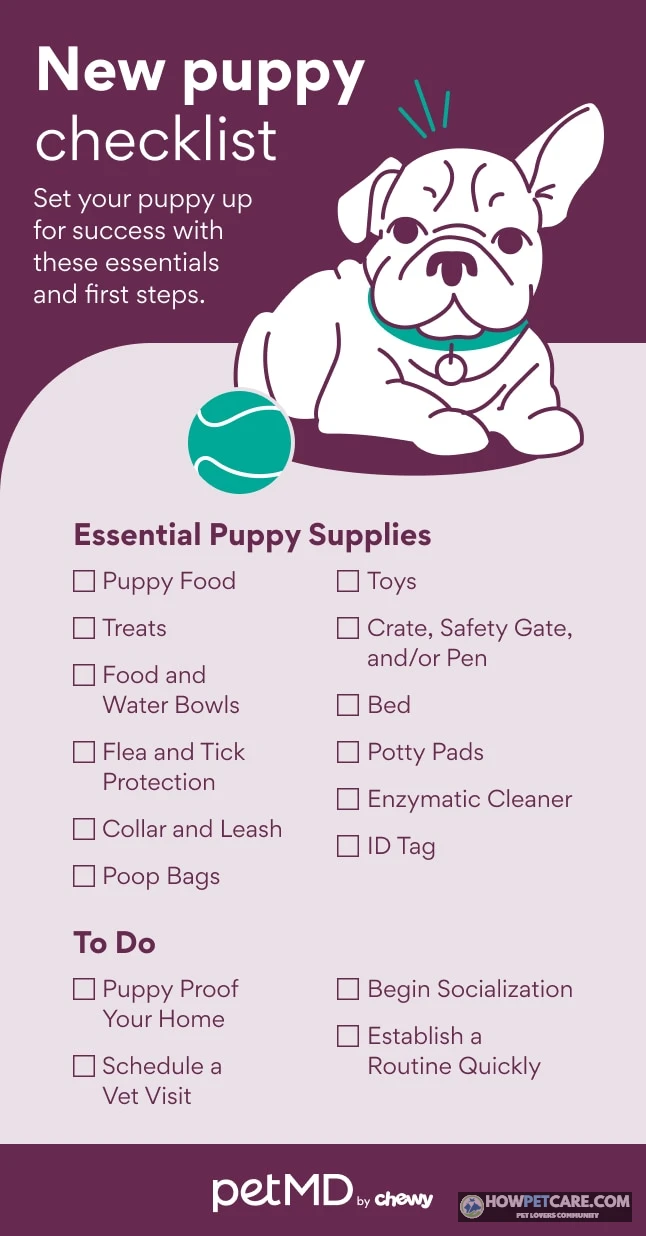
Bring vaccination records, registration confirmation, small soft treats, waste bags, and a standard leash with a flat collar or well-fitted harness. A mat or blanket and a towel can be useful if the provider allows them. Ask before bringing toys or other equipment, and leave retractable leashes at home unless the class specifically permits them.
Give your puppy a chance to potty before class and arrive a few minutes early so you can check in without rushing. If treats will be used, ask whether to adjust the meal beforehand; avoid making a major feeding change without considering your puppy’s needs. A rested puppy is more likely to cope with a new place than one who has already had a busy day.
A session may include a welcome and owner briefing, short training exercises, supervised play, handling practice, and a wrap-up with suggestions for home. Session length and order vary. Some puppies are quiet observers at first; others bark or become overexcited. The instructor should respond calmly, give the puppy room, and avoid forcing contact.
First-class checklist
- Confirm the start time, location, vaccine paperwork, and attendance rules.
- Pack treats, leash, waste bags, and any required supplies.
- Potty your puppy before leaving and allow time to settle on arrival.
- Tell the trainer about health concerns, fears, or previous group experiences.
- Watch your puppy’s comfort and ask for a break if needed.
- Leave with one or two clear exercises to practice at home.
If Your Puppy Is Already Past the Preschool Cutoff: Options and What Comes Next
A provider’s age cutoff is an enrollment rule, not a verdict on your puppy’s ability to learn. Call and ask whether the program accepts slightly older puppies, offers an adolescent group, or can assess your puppy individually. Some classes accept a broader age range than their name suggests.
If local preschool isn’t a fit, choose an alternative based on age and temperament:
- Confident, social older puppy: Try a beginner obedience class or puppy kindergarten. Ask whether it includes supervised play; if not, consider safe, separately arranged play opportunities.
- Shy or easily overwhelmed puppy: Seek private training or a very small class with an instructor experienced in fearful dogs. Avoid using group play to force confidence.
- Experienced owner on a tight budget: Use a structured home plan for safe exposure and handling, and arrange play only with suitable dogs you know. Keep notes on what your puppy encounters and how it responds.
- Owner who needs flexible guidance: Consider an online course for owner education, while recognizing it does not provide in-person puppy socialization.

Choosing an alternative by puppy age and temperament
Ask providers whether they have an adolescent or beginner group and what support they offer for nervous puppies. A confident puppy may be ready for more challenging training, while a worried puppy may benefit from quieter sessions and gradual exposure. If fear persists or interferes with daily life, consult your veterinarian and consider a qualified trainer who can tailor a plan.
Moving from preschool to obedience classes
When your puppy can participate comfortably in a group and has practiced foundation skills, a next-level class can add distractions, leash work, and more reliable responses. Don’t move up just because a course ended. Ask what skills the next class assumes and whether the trainer can recommend a suitable level.
Your Puppy Preschool Action Plan: A Decision Guide and Enrollment Checklist
Start by confirming your puppy’s age and health status with your veterinarian, then decide whether your main goal is socialization, early manners, or both. Set a budget that includes fees and travel, and compare the cost per session across program types. Shortlist several providers with different formats where possible; verify their methods, class size, vaccination rules, curriculum, and absence policies. Observe or tour before enrolling if the provider allows it.
Contact suitable programs early because age cutoffs and class availability can limit your options. Still, don’t enroll in a poor-fit class simply because it’s nearby or has an open spot. A clear curriculum, safe supervision, and a method you trust matter more than a fast decision.
Before you pay, make sure you understand the total price, number of sessions, refund or make-up terms, what to bring, and what happens if your puppy becomes ill or cannot cope with the group. After enrolling, attend consistently when possible, practice the instructor’s suggestions at home, and note what your puppy finds easy or difficult. Before the course ends, ask what class or training format should come next.
1An owner is considering enrolling a healthy 10-week-old puppy in a local training program. What is the typical target age range for standard puppy preschool programs?
Most puppy preschool programs target early development, typically accepting puppies from around 8 to 16 weeks old.
2Which of the following facility protocols demonstrate positive safety and sanitation practices for under-vaccinated puppies in group classes?
Verifying age-appropriate vaccine history ensures all attending puppies meet baseline health requirements.
3A dog owner is evaluating class options and notices an instructor using physical corrections and prong collars on 9-week-old puppies. Why is this considered a red flag for a puppy preschool?
Aversive devices and physical corrections can induce fear and anxiety in young puppies, making reward-based positive reinforcement the appropriate method for this developmental stage.
4Which of the following core subjects or skills are typically included in a comprehensive puppy preschool curriculum?
Handling and supervised social exposure help puppies build comfort with human touch and peer interaction.
5An owner wants to bring appropriate gear to their puppy's first preschool session. Which piece of equipment should generally be left at home unless specifically permitted by the class instructor?
Retractable leashes can cause safety hazards and make controlling close-range interactions difficult in a group environment.
6If a puppy's veterinarian advises against attending group preschool classes due to local disease risks or medical restrictions, what is a safer alternative for early socialization?
Restricting contact to known, healthy animals and low-risk environments provides positive exposure while honoring veterinary guidance.
| Program Model | Pricing Structure | Example Price Range | What Is Included | Watch-outs & Drawbacks |
|---|---|---|---|---|
| Trainer-led weekly group class | Fee for a multi-week series | About 100–250 per series | Supervised play, foundation skills, and owner coaching | Fixed dates, registration fees, and varying make-up policies |
| Daycare-based preschool | Per day or package | About 30–60 per day | Play, rest periods, and some manners practice | Owner coaching and trainer oversight vary |
| Vet-clinic preschool | Standalone fee or bundled with visits or vaccines | About 0–150 | Socialization and handling; sometimes bundled services | Series length and instructor qualifications vary |
| Private or online options | Per session or course | About 75–150 per private session or 50–200 per online course | Tailored coaching or self-paced instruction | Usually little or no puppy-to-puppy socialization |
FAQ
How long does a puppy preschool program last?
Many programs run for several weeks, with weekly sessions of about an hour. Daycare-style programs may be daily or flexible, so confirm the schedule and total number of sessions before you enroll.
What is AKC S.T.A.R. Puppy?
AKC S.T.A.R. Puppy is a program that offers a structured puppy class and a completion evaluation, and it generally requires a multi-week course. Not every good class participates, so ask about the trainer’s credentials and methods alongside it.
Can my whole family attend puppy preschool?
Many trainers welcome household members, and this can help everyone practice consistent cues. Policies vary, so ask about limits on attendees and any age rules for children.
What if my puppy is scared at the first class?
Some nervousness is common. A good trainer lets the puppy watch from a distance and set its own pace instead of forcing contact. If fear continues for several sessions, ask about a smaller class or private sessions.
Is puppy preschool the same as puppy daycare?
Not necessarily. Daycare-style preschool focuses on supervised play and day care with some training, while trainer-led classes teach owners skills in a set weekly session. Check how much instruction and owner coaching each program includes.