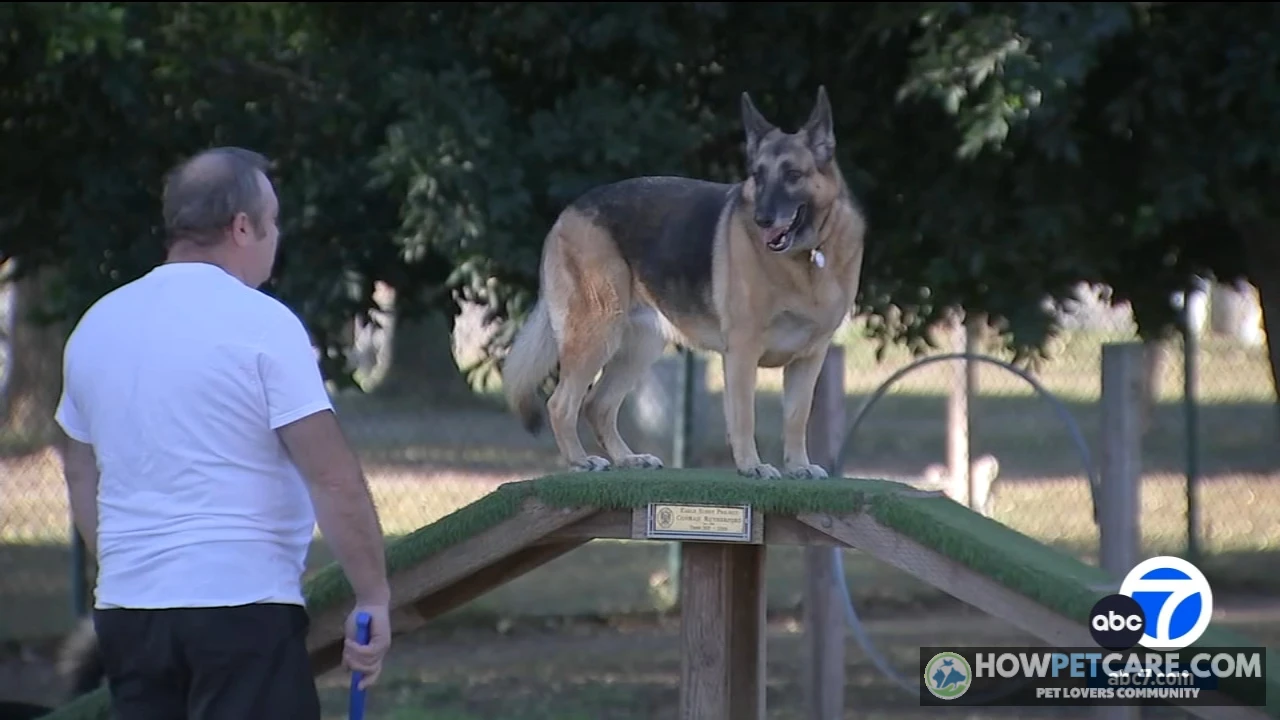

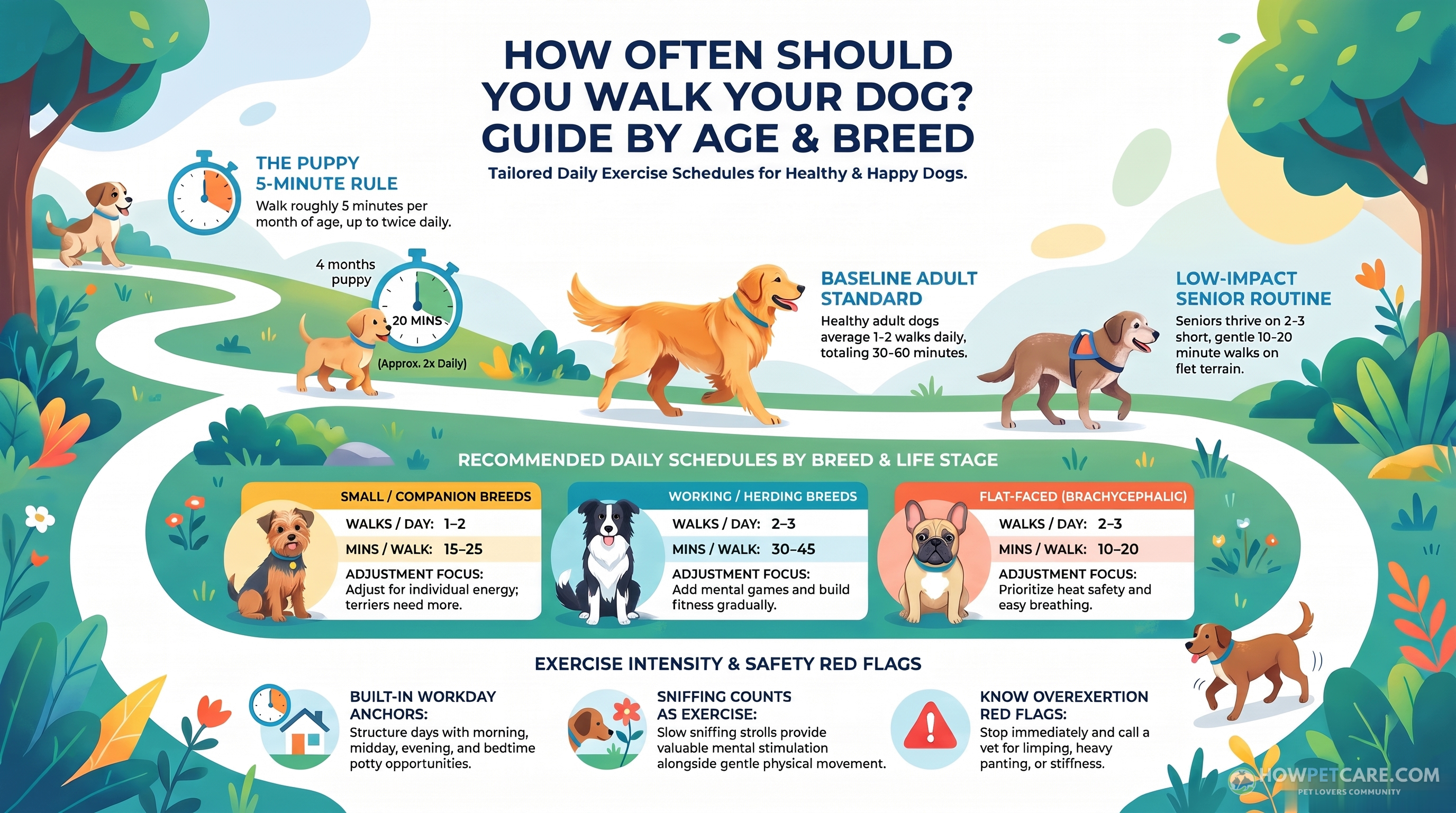
Most healthy adult dogs need 1–2 walks a day, totaling roughly 30–60 minutes. High-energy working or herding breeds often need 2–3 longer walks, while puppies, seniors, flat-faced breeds and dogs with health conditions do better with shorter, more frequent outings—plus regular potty breaks throughout the day.
How Often to Walk a Dog: The Short Answer and the Baseline
Most healthy adult dogs need at least 1–2 walks a day. A total of roughly 30–60 minutes of walking daily is a useful starting range. High-energy dogs may need more, while puppies, seniors and dogs with health conditions often do better with shorter outings. Add potty breaks as needed, and tailor the routine to your dog.
A simple way to track the daily total is walks per day × minutes per walk. Two 20-minute walks, for example, add up to 40 minutes. Treat the ranges in this guide as starting points, not prescriptions. Your veterinarian’s advice comes first, especially if your dog has breathing, mobility or other health concerns.
Is one walk a day enough for a dog?
For some healthy, low-energy adult dogs, one substantial walk may be enough if the rest of the day includes suitable play, mental stimulation and separate potty trips. A young adult or a dog bred for demanding work may need more. Consider your dog’s comfort, ability to settle, body condition and chances to go outside. Walk count alone doesn’t tell the whole story.
One long walk or several short ones?
Either can work. Two shorter walks may fit more easily around work and meals, while giving your dog more chances to explore. Puppies, seniors and dogs with limited stamina tend to do better with shorter outings; fit adults may enjoy a longer walk. Even a long morning walk doesn’t replace a midday potty break.
Dog Walking Frequency by Age, Breed Type and Energy Level
Use the table to choose a starting schedule, then adjust it to your dog’s fitness, health and response. These are practical examples, not individually validated breed prescriptions. Adult walking guidance varies; one commonly cited starting range is 30–60 minutes a day. If you’re unsure, ask your vet for a tailored plan—particularly for a growing giant breed, a flat-faced dog or a dog with a medical condition.
| Life stage | Breed type or size | Energy level | Walks per day | Minutes per walk | Adjustment notes |
|---|---|---|---|---|---|
| Puppy | Any | Any | Up to 2 short structured walks, plus frequent potty trips | About 5 minutes per month of age as a rough guide | Not a proven limit; discuss growth, vaccination and safe routes with your vet. |
| Adult | Toy and small companion breeds | Low to moderate | 1–2 | 15–25 | A lively terrier may need more activity than a calm companion dog. |
| Adult | Retrievers, spaniels and mixed breeds | Moderate | 2 | 20–30 | Start at the lower end if your dog is unconditioned; include time to sniff. |
| Adult | Working, herding and energetic sporting breeds | High | 2–3 | 30–45 | Build fitness gradually and add scent games or training; individual needs vary widely. |
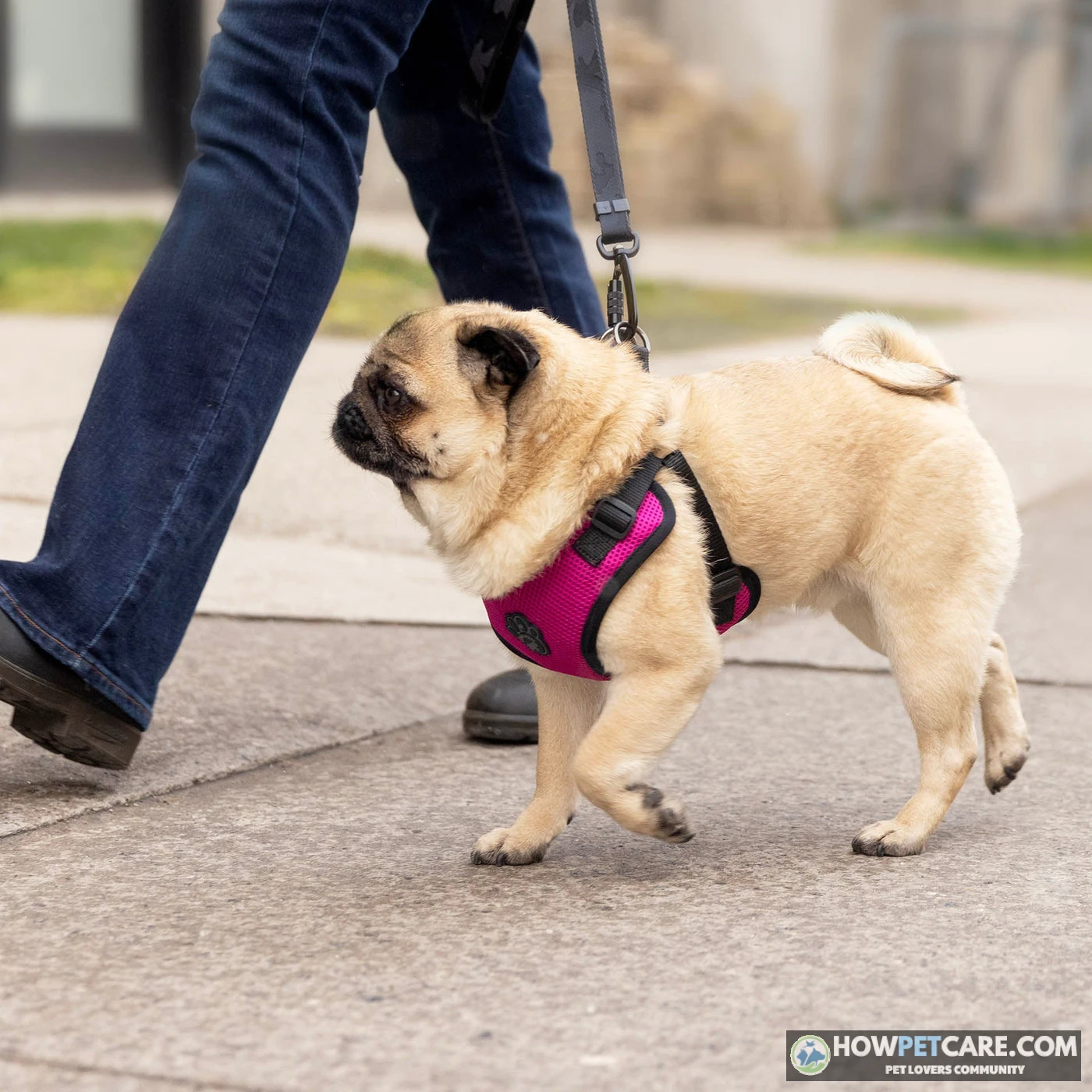
| Adult | Flat-faced breeds, such as pugs and bulldogs | Any | 2–3 short outings | 10–20 | Breathing and heat tolerance come first; some dogs need less and veterinary guidance. |
| Adult | Giant breeds | Moderate | 1–2 | 20–30 | Use a comfortable pace; ask your vet about a plan for a still-growing dog. |
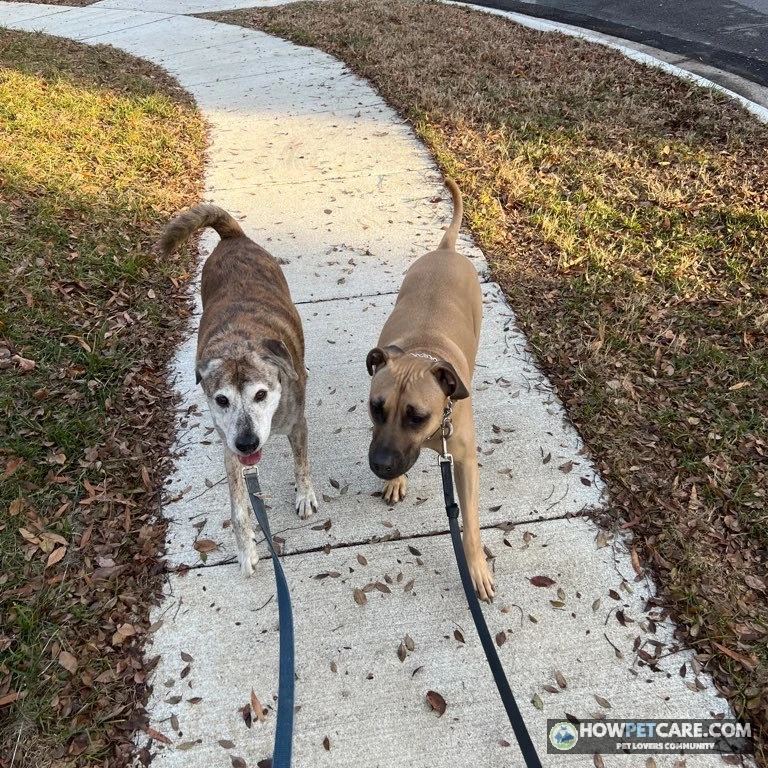
| Senior | Any | Low or reduced stamina | 2–3 shorter outings | 10–20 | Choose even ground and adjust for comfort; joint disease needs an individual plan. |
How to read the table
Begin with your dog’s life stage, then find the closest match for breed type and energy level. Multiply the number of walks by their length to get a daily starting total. For instance, a healthy adult retriever in the moderate row might start with two 20-minute walks, or 40 minutes a day, plus potty trips. A fit dog with higher needs may need more; one new to exercise may need to build up gradually.
Breed is a clue, not a verdict. An individual with a calm temperament may need less than its breed’s reputation suggests, while an energetic mixed-breed dog may need more.
How much exercise does a small dog need daily?
A healthy small adult might start with one or two 15–25-minute walks, depending on stamina and the rest of its routine. Small doesn’t always mean low-energy: some terriers enjoy plenty of activity and mental challenges. Pay attention to the individual dog instead of assuming size sets its limit.
High-energy breeds versus low-energy breeds
A working or herding dog may need more than extra distance. Add brief training sessions, scent searches or appropriate play to the walking routine. A lower-energy dog may prefer a shorter route with plenty of sniffing. A slow sniff walk still provides movement and mental stimulation, even if it isn’t vigorous exercise.
Breed-type cautions: flat-faced, giant and working dogs
Flat-faced, or brachycephalic, dogs can have trouble breathing and handling heat. Don’t force the pace or distance. Growing giant dogs need an age-appropriate plan, not an adult endurance schedule. For any high-energy dog, increase the duration gradually rather than jumping from short outings to long hikes. Your vet can help account for your dog’s breed, growth and health.
How Often to Walk a Puppy, a Senior Dog or a Dog With Health Limits
How often should you walk a puppy? The 5-minute rule
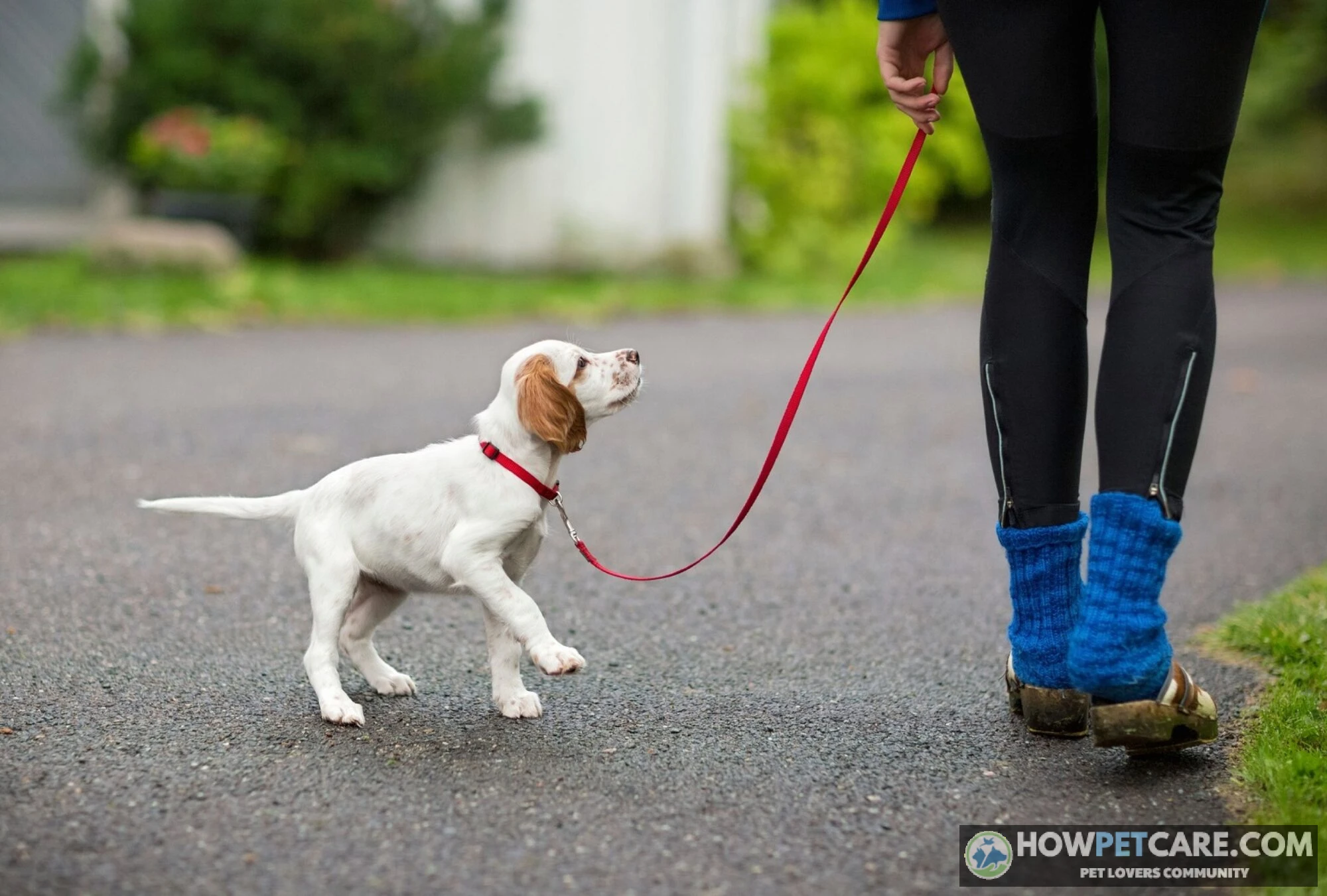
A commonly repeated puppy guideline is about five minutes of structured walking per month of age, up to twice a day. For a four-month-old puppy, that works out to up to two 20-minute structured walks—not a target the puppy must reach. The idea is to avoid overdoing repetitive exercise as a puppy grows, but this formula is a rule of thumb, not a proven universal limit or a guarantee of joint safety.
Structured leash walks differ from self-directed play, though puppies can overdo play, too, and need time to rest. Plan frequent potty trips in addition to walks. Ask your vet where your puppy can safely go based on vaccination status and local disease risk. Safe early socialization matters as well; it can include being carried or meeting healthy, vaccinated dogs in appropriate settings.
How often should you walk a senior dog?
A senior who’s comfortable walking might start with two or three easy 10–20-minute outings on flat ground instead of one demanding walk. Some need less, while a healthy, fit senior may enjoy more. Keep potty access frequent and let your dog choose a comfortable pace.
End the outing and call your vet if your dog develops a limp or has persistent difficulty breathing. Increased stiffness after a walk, reluctance to get started or a noticeably slower pace are also reasons to shorten the routine and talk with your veterinarian.
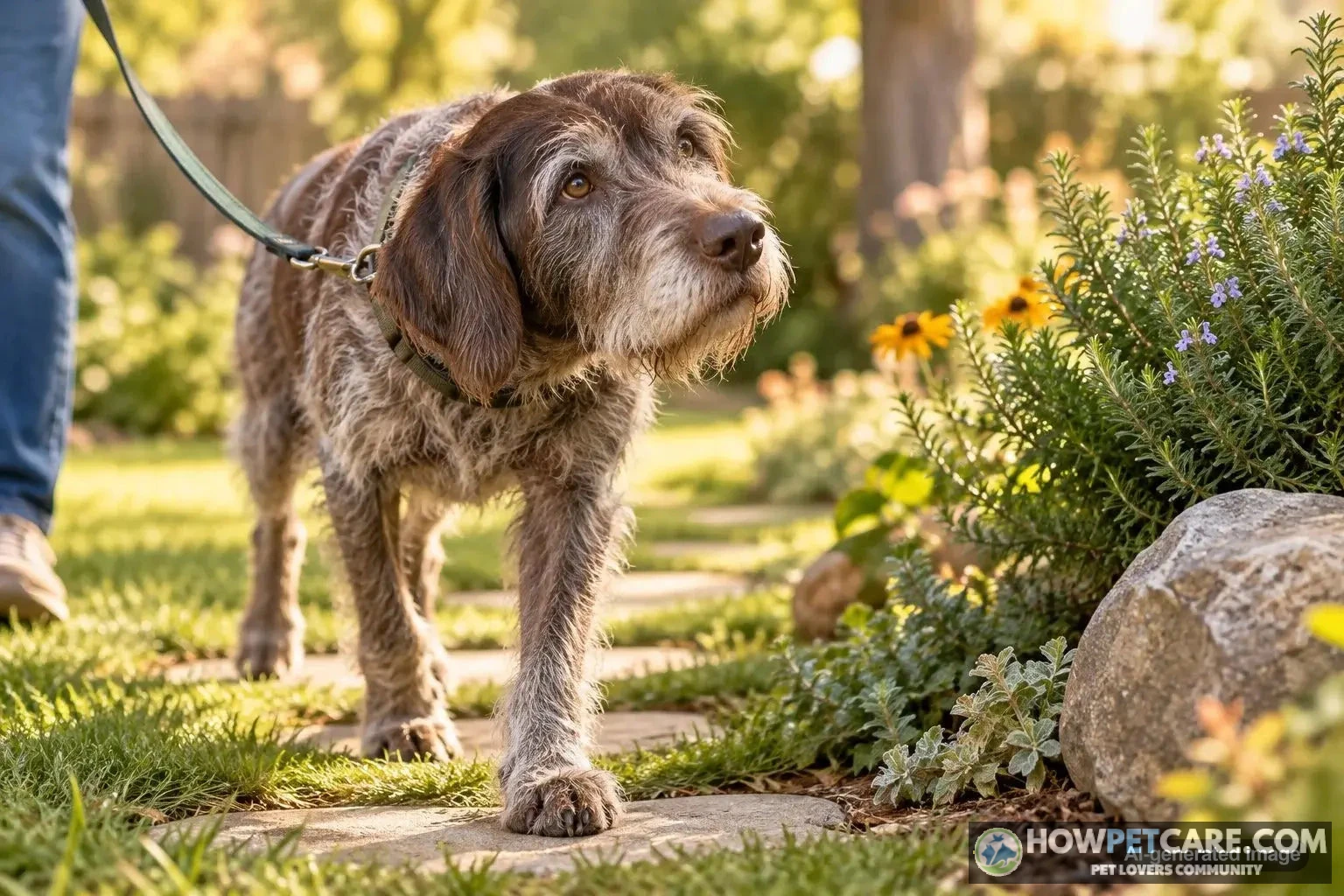
Walking a dog with arthritis or a luxating patella
For arthritis or a luxating patella—a kneecap that slips out of place—choose short, steady, low-impact walks on even ground instead of occasional long outings. Your vet may recommend several brief walks rather than one long one. The right number and duration depend on pain control and mobility.
Stop and call your vet if limping is new or worsening, your dog suddenly holds up a leg, or stiffness increases after walks or the next morning. Don’t push through these signs to hit a minute target.
Walks after surgery or injury
Follow discharge instructions over any schedule in this article. If your vet allows it, the first stage may be leash-only potty trips, followed by short, controlled walks that get longer only with the veterinary team’s approval. Some procedures require stricter confinement, so don’t assume walks are allowed.
Stop and contact the vet if limping worsens, the incision swells or opens, or your dog seems unusually painful. Follow the clinic’s instructions if an urgent complication arises.
Walking a pregnant or nursing dog
As pregnancy advances, opt for gentler, shorter outings and avoid heat and difficult terrain. A nursing dog may need brief breaks close to home while caring for puppies. Ask your vet how to manage activity and potty access during pregnancy, birth and nursing. If the dog seems distressed or unwilling to move, stop and seek advice.
Do Potty Breaks, Backyard Play and Fetch Count as Exercise?
Potty outing versus exercise walk
A potty outing is mainly a chance to urinate or defecate. An exercise walk is meant to provide meaningful movement, exploration or both. A quick trip to the nearest patch of grass involves some movement, but it shouldn’t automatically replace a planned walk. If the outing becomes a sustained walk, count the walking portion.
Use this checklist to track the day:
- Quick potty trip: Keep it separate from the planned walk total, though it still involves some movement.
- Sniffing walk: Count the time as a walk. It offers exploration as well as movement, even if the physical intensity is low.
- Steady or brisk walk: Count the duration and choose a pace your dog can comfortably sustain.
- Backyard alone time: Don’t automatically count it as exercise; notice whether your dog actually moves and plays.
- Active play with you: Count it as physical activity that may replace part of a walk, but not necessarily minute for minute.
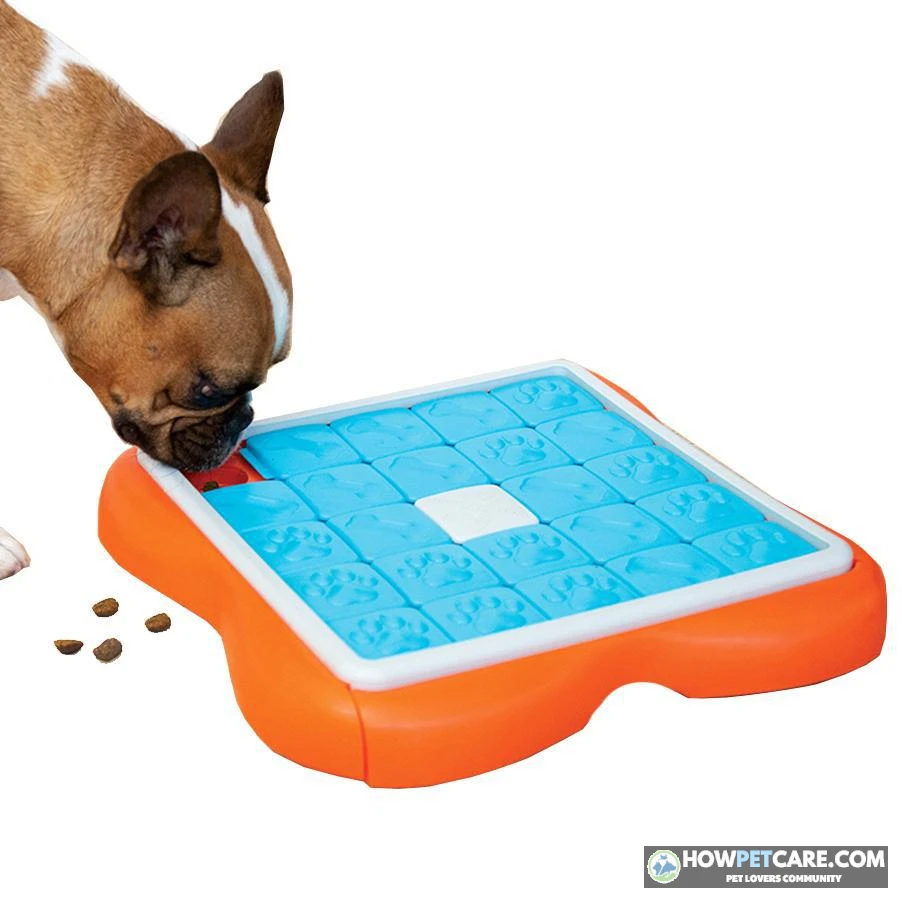
- Puzzle feeder or training game: Count it as enrichment, not a substitute for all physical activity.
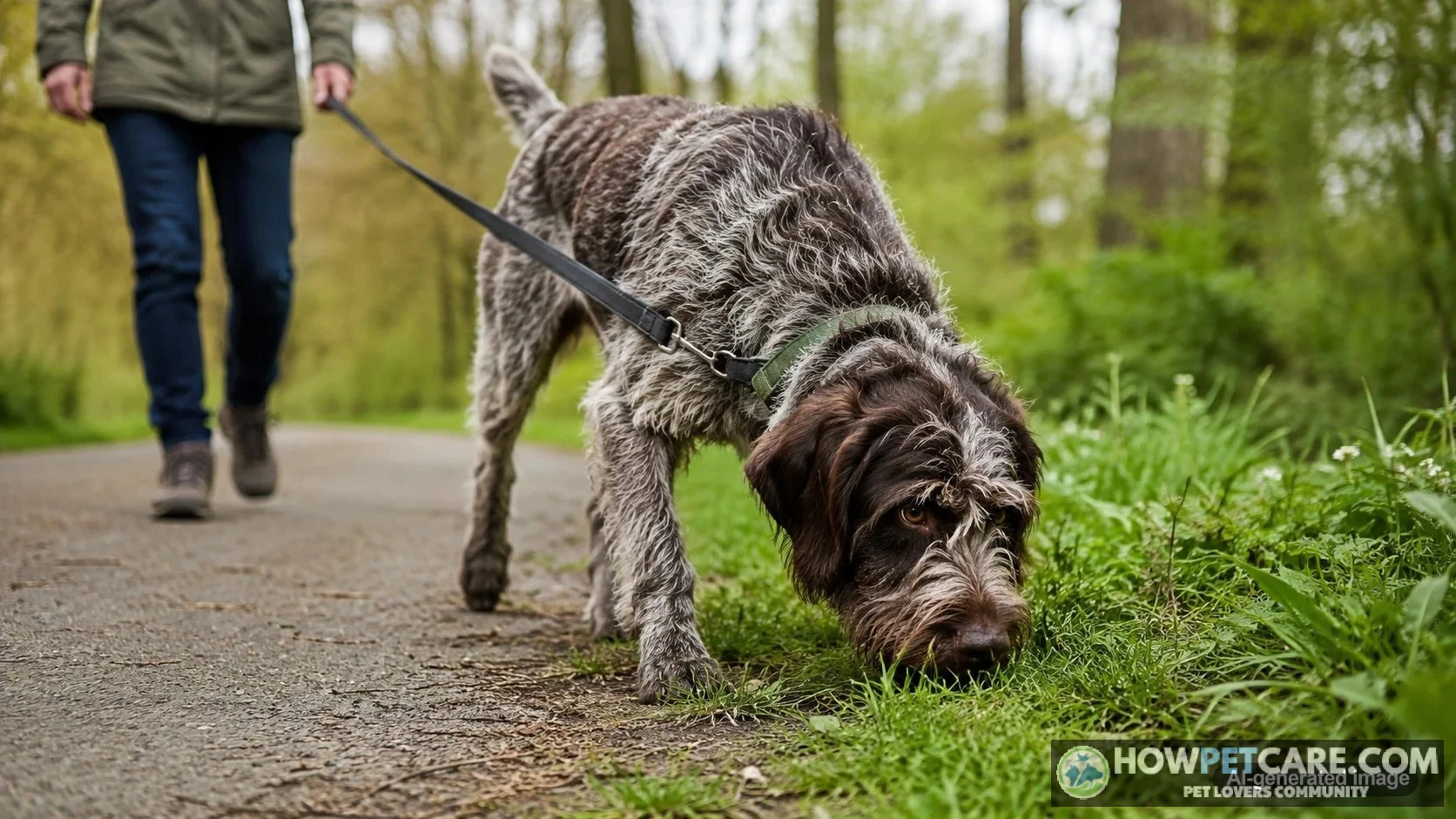
Can backyard play replace walks?
Active play in the yard can replace part of a walk on a given day. Walks also expose dogs to new scents and surroundings that a familiar yard may not offer. Fetch can be vigorous, with repeated bursts of acceleration and turns, so match sessions to your dog’s fitness. More throws aren’t always better. Ask your vet what kinds of play suit puppies and dogs with joint problems.
How hard is the walk? Pace, distance and calories
A sniff stroll is usually gentler than a steady walk; a brisk walk, jog or hike can demand more. Increase intensity gradually, and don’t use a fixed conversion between brisk minutes and sniffing minutes. Track minutes first, then add distance if it helps you compare familiar routes. There’s no useful universal miles-per-day target for every dog.
Calorie burn depends on body weight, pace, terrain and the individual dog. If weight loss is the goal, ask your vet for a feeding and activity plan instead of relying on an estimated calorie burn. Consistent activity and appropriate feeding both matter when managing dog obesity.
Is Your Dog Getting Too Little or Too Much Exercise?
A change in behavior or weight is a clue, not a diagnosis. Boredom, anxiety, pain, diet and illness can all affect how a dog acts or moves. Look for patterns over days and weeks, and talk with your vet about changes you can’t explain.
| Sign you notice | Likely meaning | Action: cut back, push more, or call the vet | How long to watch before changing again |
|---|---|---|---|
| Repeated chewing, digging or attention barking | May reflect boredom or unmet activity needs | If otherwise healthy, add a short sniff walk or enrichment session. | Track the pattern for about two weeks. |
| Restlessness at bedtime on several days | Routine may not provide enough suitable activity | Try a slightly longer or more engaging evening outing. | Reassess over about two weeks. |
| Gradual weight gain over several weeks | Food intake, activity or health may need review | Ask your vet about body condition and feeding; adjust activity only if appropriate. | Follow your vet’s monitoring plan. |
| Stiffness after a walk or the following morning | The outing may have been too demanding, or pain may be present | Cut back immediately and contact your vet, especially if stiffness persists or recurs. | Do not increase again until comfortable and advised. |
| Lagging, lying down or refusing to continue | Fatigue, pain, overheating or another problem | Stop, rest and arrange a safe way home; call a vet if the dog does not recover promptly or seems unwell. | Change the next outing; seek advice sooner if concerned. |
| Limping or damaged paw pads | Possible injury or irritation | Stop the walk and call your vet for guidance. | Do not resume exercise walks until advised. |
| Heavy panting that does not settle, weakness or collapse | Possible heat illness or another emergency | Move to a cool place and seek urgent veterinary care. | Immediately. |
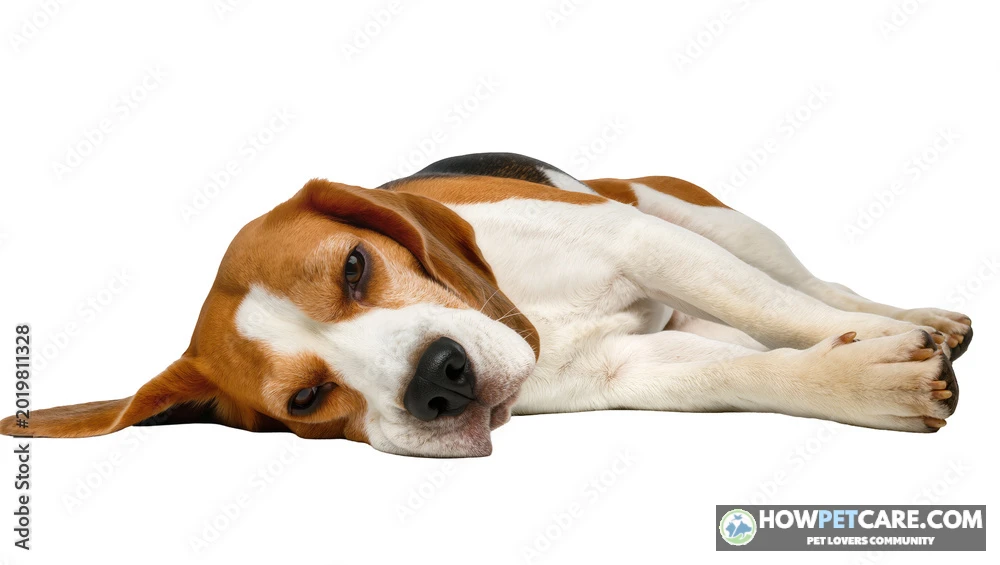
Signs your dog needs more exercise
Watch for a recurring combination of difficulty settling, destructive chewing or barking, and gradual weight gain despite an apparently consistent routine. These signs call for a review of the whole day; they don’t prove your dog needs a longer walk. If your dog is healthy and comfortable, try adding a brief walk, more sniffing time or an appropriate play session.
Signs you are overdoing it
End an outing early if your dog repeatedly lags, refuses to continue or seems unusually tired afterward. Limping, sore paws and stiffness the next day are stronger reasons to stop increasing activity and contact your vet. Heavy panting that doesn’t settle, weakness or collapse needs urgent attention, especially in warm weather.
The cut-back-or-push-more rule
For a comfortable, healthy adult, change one thing at a time. Add a few minutes to a walk or introduce one short outing, then watch your dog for roughly two weeks. An increase a larger dog can tolerate may be too much for a small or unconditioned dog; there’s no mandatory 10-minute jump. If soreness appears, reduce activity right away rather than waiting out the trial. Call your vet about limping, persistent stiffness or breathing trouble.
A Daily Dog Walking Schedule for Owners Who Work Full Time
Sample 9-to-5 weekday schedule
This example assumes the owner leaves around 8 a.m. and returns around 6 p.m. It suits a healthy, moderate-energy adult who’s already comfortable with these durations. Fit potty access and walk lengths to the dog, not just the clock.
| Time block | Activity | Duration | High-energy dog version | Low-energy or senior dog version | Midday coverage option |
|---|---|---|---|---|---|
| 6:45 a.m. | Potty opportunity and morning walk | 20–30 minutes | A longer comfortable walk, plus a short training game | An easy 10–20-minute route, if comfortable | — |
| 12:30 p.m. | Potty break, with a walk if needed | 10–20 minutes | A planned walk or suitable active play | A short potty and sniff outing | Owner, walker, sitter or trusted neighbor |
| 6:30 p.m. | Evening walk | 20–30 minutes | Another walk, with time to sniff or train | A short, flat walk matched to stamina | — |
| 10:30 p.m. | Last-call potty trip | As needed | Same | Same; some dogs may need another trip overnight | — |
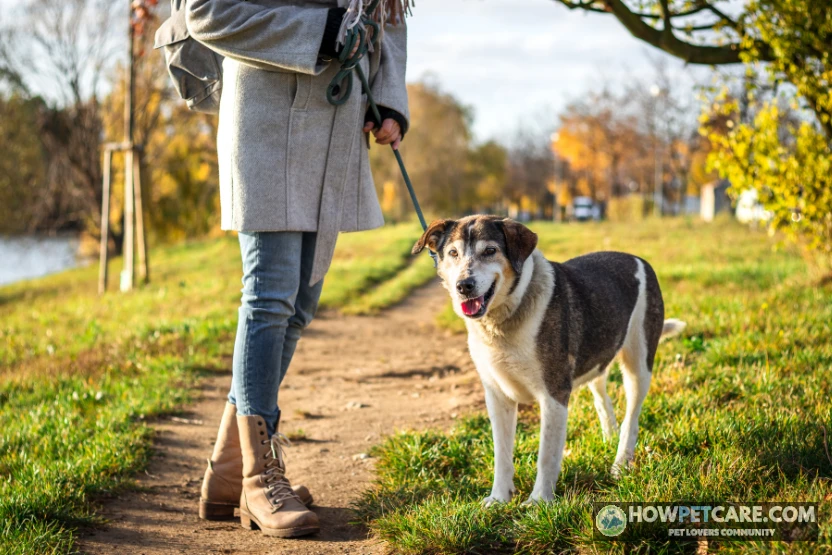
The moderate example includes 40–60 minutes across the two main walks, plus any useful movement at midday. Puppies may need multiple visits during the owner’s absence, not just one. Some seniors and dogs with medical conditions also need more frequent access.
To build your own schedule, set four anchors: morning potty and walk; midday coverage; evening walk; and bedtime potty. Add breaks wherever your dog needs them. Schedule the longer walk for a time you can manage reliably, and ask your vet about meal and exercise timing, particularly for a deep-chested dog. Avoid vigorous activity immediately around a large meal.
Weekly layout: long days, light days and enrichment days
Keep the basic potty and activity routine consistent throughout the week. On a weekend, a fit dog might enjoy a longer outing or hike, increased gradually; another day can be lighter, with a sniff walk and puzzle feeding. Add scent games or brief training during the week instead of trying to make up for several inactive days with a weekend marathon.
If you work from home, use a natural break for the midday outing. Shift workers can move the same anchors around their hours. What matters is the gap between opportunities, not whether the clock says noon.
What to do about the midday gap
There’s no single safe holding time for every dog. Puppies, some seniors and dogs with medical conditions generally need shorter gaps than healthy adults. Work out the time between the last morning potty trip and the first available afternoon trip. If it’s longer than your dog can comfortably manage, arrange coverage. Accidents, obvious discomfort or an existing veterinary recommendation are reasons to revise the plan—not to ask the dog to wait longer.
A neighbor or sitter can stop by for a potty visit; a walker can add exercise. Daycare may suit a sociable dog that enjoys it, but it isn’t right for every dog and should include rest and supervision.
When Hiring a Dog Walker Makes Sense (Cost and Logistics)
Bring in help when your dog is alone longer than its comfortable potty interval, your schedule doesn’t allow for suitable activity, or you need a reliable backup on long-shift days. A healthy adult may need help only on certain days. A puppy or a dog with increased potty needs may need one or more visits each day you’re away. Base the decision on the actual gap and your dog’s needs, not the job title on your calendar.

How to estimate the monthly cost
For a rough monthly budget, use local price per visit × visits per week × about 4.3. If a quote is $25 per visit and you book five visits a week, for example, the estimate is about $538 a month before tips or extra fees. This illustrates the calculation; it isn’t a claim about typical local pricing.
Get two or three quotes and ask what each includes. A brief potty drop-in, solo walk, group walk and daycare day are different services. Compare duration, supervision and suitability for your dog, as well as price. A reliable neighbor swap or lunch break at home may cost less.
What to ask before you hire
Set up a meet-and-greet, check references and confirm insurance. Agree on entry and key arrangements, emergency contacts, your dog’s limitations, weather adjustments, cancellation terms and the updates you’ll receive. Explain any leash-training or behavior needs so the walker can tell you whether they’re equipped to handle them.
Adjusting Walks for Summer Heat and Winter Weather
Summer heat checklist
Walk in the cooler morning or evening hours, shorten outings, or replace a long walk with brief trips and indoor enrichment. Bring water and choose shade when available. Flat-faced, overweight and thick-coated dogs may need extra caution.
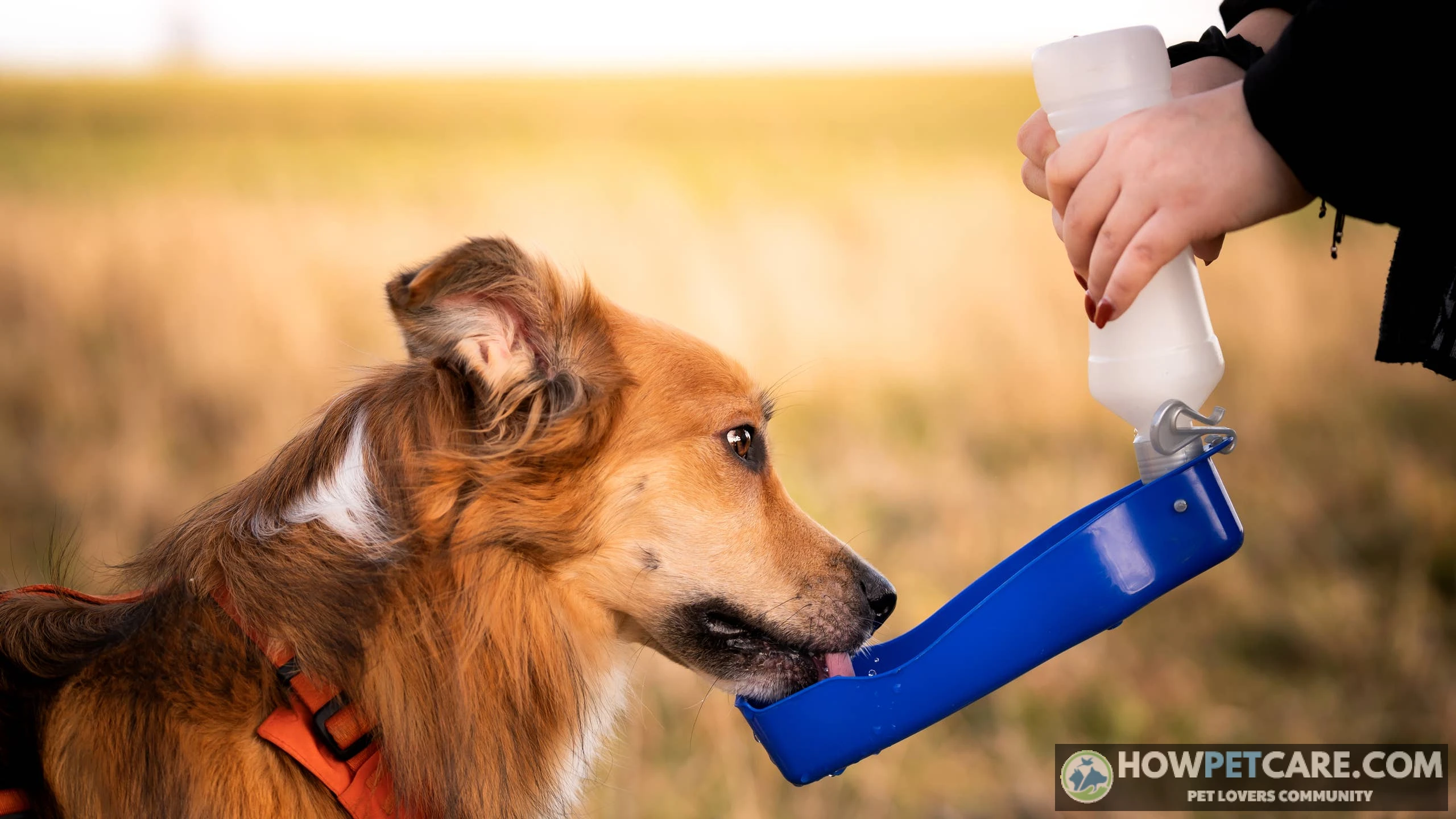
Test the pavement with the back of your hand before heading out. If it feels hot, choose a cooler surface or a different time. This is a practical screening check, not a guarantee of safe conditions. Watch your dog, too: excessive panting, weakness, unsteadiness or collapse can signal an emergency.
Stop exercise, move your dog to a cool place, begin cooling with cool—not ice-cold—water, and contact an emergency veterinarian immediately. Do not wait for symptoms to pass.
Winter paw and salt checklist
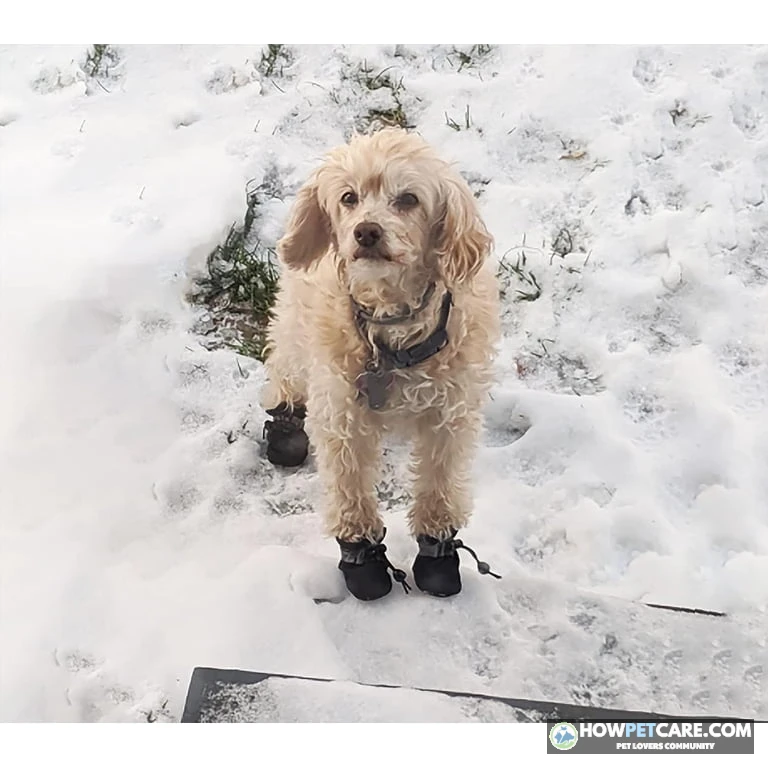
In severe cold, keep outings shorter for dogs that struggle with the conditions, particularly small, short-coated, senior or arthritic dogs. Watch for shivering, paw lifting or reluctance to continue. Afterward, check for irritated or cracked pads and wipe off salt and de-icer. Booties may help if your dog tolerates them.
Bad-weather days: what to swap in
If the conditions are comfortable for your dog, stick with the usual walk. If they’re borderline, shorten the route or go at a safer time. When outdoor exercise isn’t safe, keep necessary potty trips brief and replace part of the activity with indoor sniff games, training or gentle play. Missing an exercise walk once in a while isn’t the same as missing necessary potty access.
Build Your Dog’s Walking Plan: A 5-Step Checklist
-
Choose a starting row
Find your dog’s life stage, breed type and energy level in the table. Write down the suggested walks and minutes, choosing a manageable starting point.
-
Apply the modifiers
Shorten or change the plan for puppy growth, senior mobility, health restrictions, pregnancy, nursing and weather. Follow your vet’s instructions first.
-
Fill the workday gaps
Schedule morning and evening outings, necessary potty trips and midday coverage. Arrange more than one visit if your dog needs it.
-
Observe the response
For a healthy, comfortable dog, track settling, appetite, weight trends, paws and next-day mobility over about two weeks.
-
Adjust one variable
Add a few minutes or a short outing if appropriate. Cut back immediately for soreness, and contact your vet about limping, persistent stiffness or breathing trouble.
Put your dog’s morning and evening outings on the calendar today. For most healthy adults, one or two daily walks are the baseline; the right routine is one your individual dog can enjoy and recover from comfortably.
FAQ
How many miles should a dog walk per day?
It depends on size, age, fitness and breed, so track minutes first. Many healthy adult dogs do well with a couple of miles a day at a steady pace, while high-energy breeds can handle more and puppies, seniors and brachycephalic dogs need less.
Should you walk a dog before or after meals?
Avoid vigorous exercise right before and after a large meal, especially for deep-chested breeds that are at risk of bloat. Many vets suggest waiting about an hour after eating, and your own vet can give advice for your dog.
Is it okay to skip a dog walk on some days?
An occasional skipped walk is fine for a healthy dog if you replace it with play, training or sniff games and keep potty trips regular. Skipping often can lead to weight gain and restless, destructive behavior.
How long can a dog go without a walk?
Adult dogs need regular potty trips every day, and most need real exercise daily. Puppies, seniors and dogs with health conditions need more frequent outings, so the safe gap is shorter for them.
Can you walk a dog too much?
Yes. Limping, next-day stiffness, heavy panting that doesn’t settle and reluctance to keep walking are signs to cut back, especially in puppies, seniors and dogs with joint problems.